

A power tower is one of the best tools you can use at home to build real strength. This article covers the top exercises, a 20-minute routine, and a full 4-week plan to help you get stronger using just your bodyweight.
I have spent time testing these workouts myself, and I know what actually works for beginners and those with more experience.
You will learn the best exercises to do on a power tower, a simple 20-minute full-body circuit, a 4-week plan to follow week by week, and how to avoid the most common mistakes.
No guesswork. Just a clear plan you can start today.
What Is a Power Tower Workout?
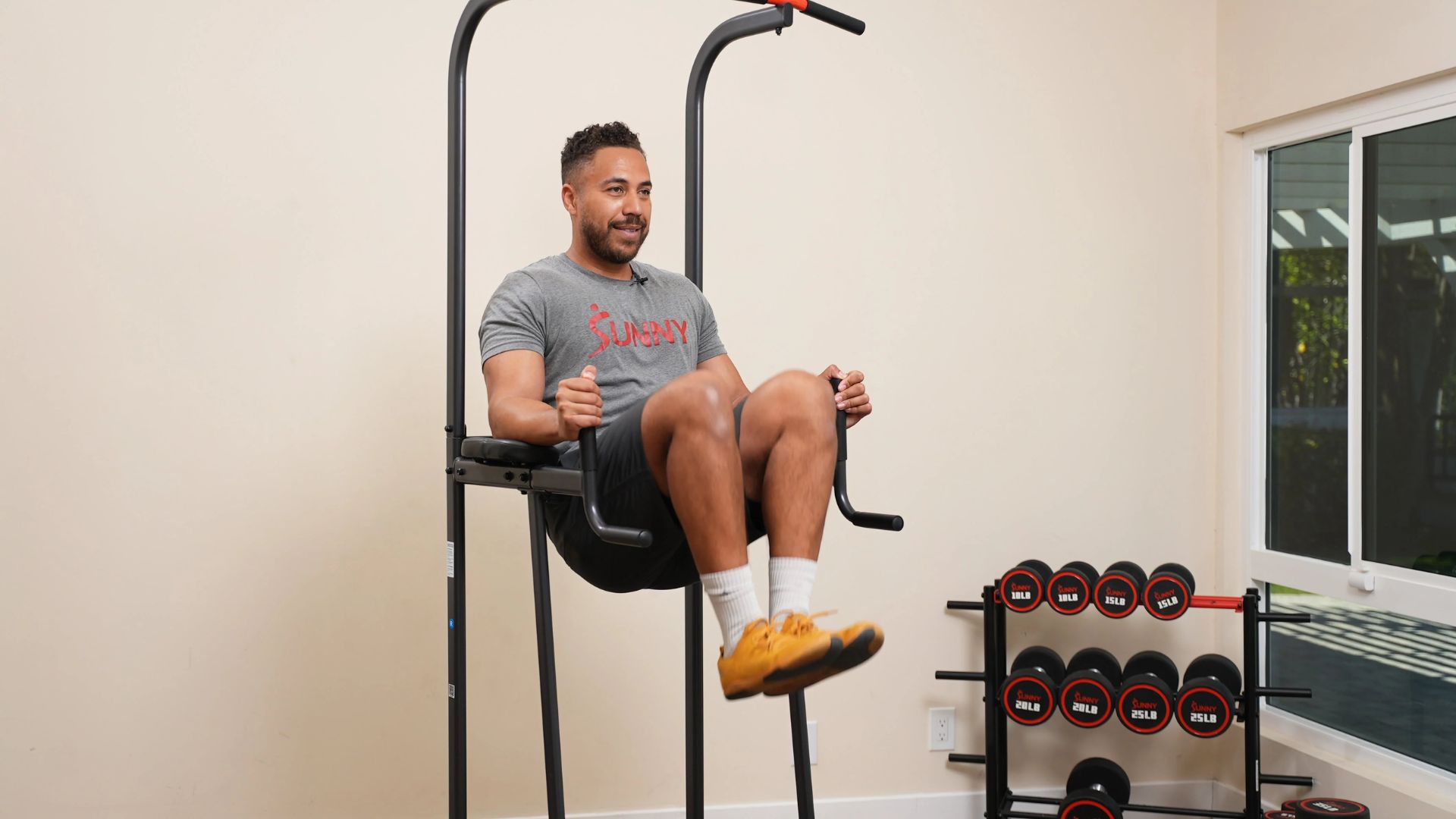
A power tower workout uses a single free-standing frame to train your whole body with pull-ups, dips, push-ups, and core moves.
It has a pull-up bar at the top, dip bars on the sides, and push-up handles near the base. Each part targets a different muscle group, so you can move from one exercise to the next without switching equipment. This keeps your heart rate up and your workout time short.
Bodyweight training on a power tower builds real strength. When you do a pull-up, your back, arms, shoulders, and core all work at once. Over time, this improves your balance, posture, and joint strength too.
Best Power Tower Workout Exercises
These are the most effective exercises you can do on a power tower, from beginner-friendly to advanced.
Pull-Ups (Standard, Chin-Ups, Wide Grip)
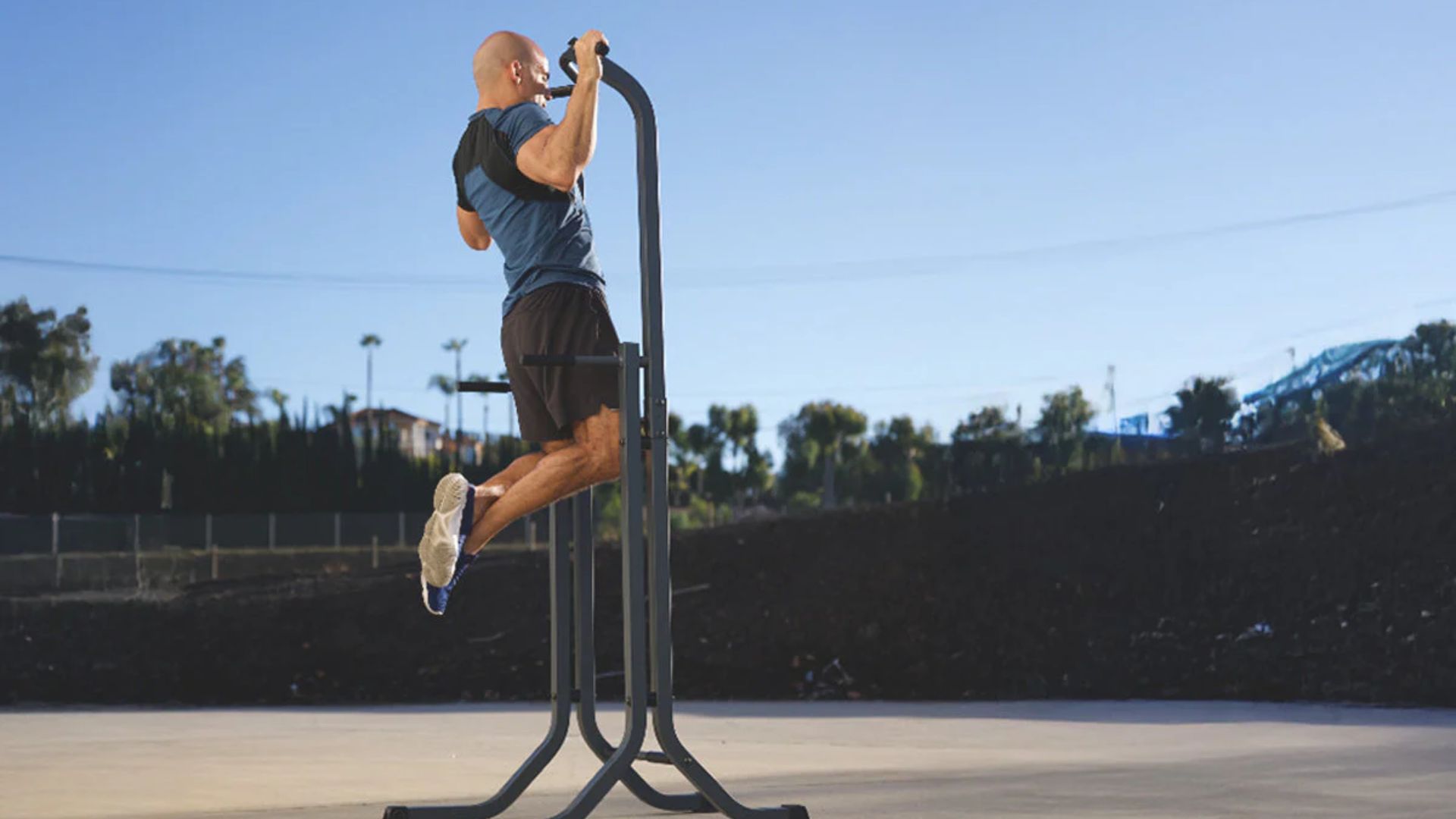
Pull-ups are the foundation of power tower training.
There are three main grips: Standard, chin-up, and wide-grip.
Standard pull-up trains the lats and upper back. Chin-up has more bicep involvement and is easier for beginners. Wide-grip targets the outer lats for a wider back.
Start with chin-ups and build up to 3 sets of 8 to 10 before moving to wide-grip.
Form tip: Pull your elbows down toward your hips, not your chest.
Dips (Triceps and Chest Focus)
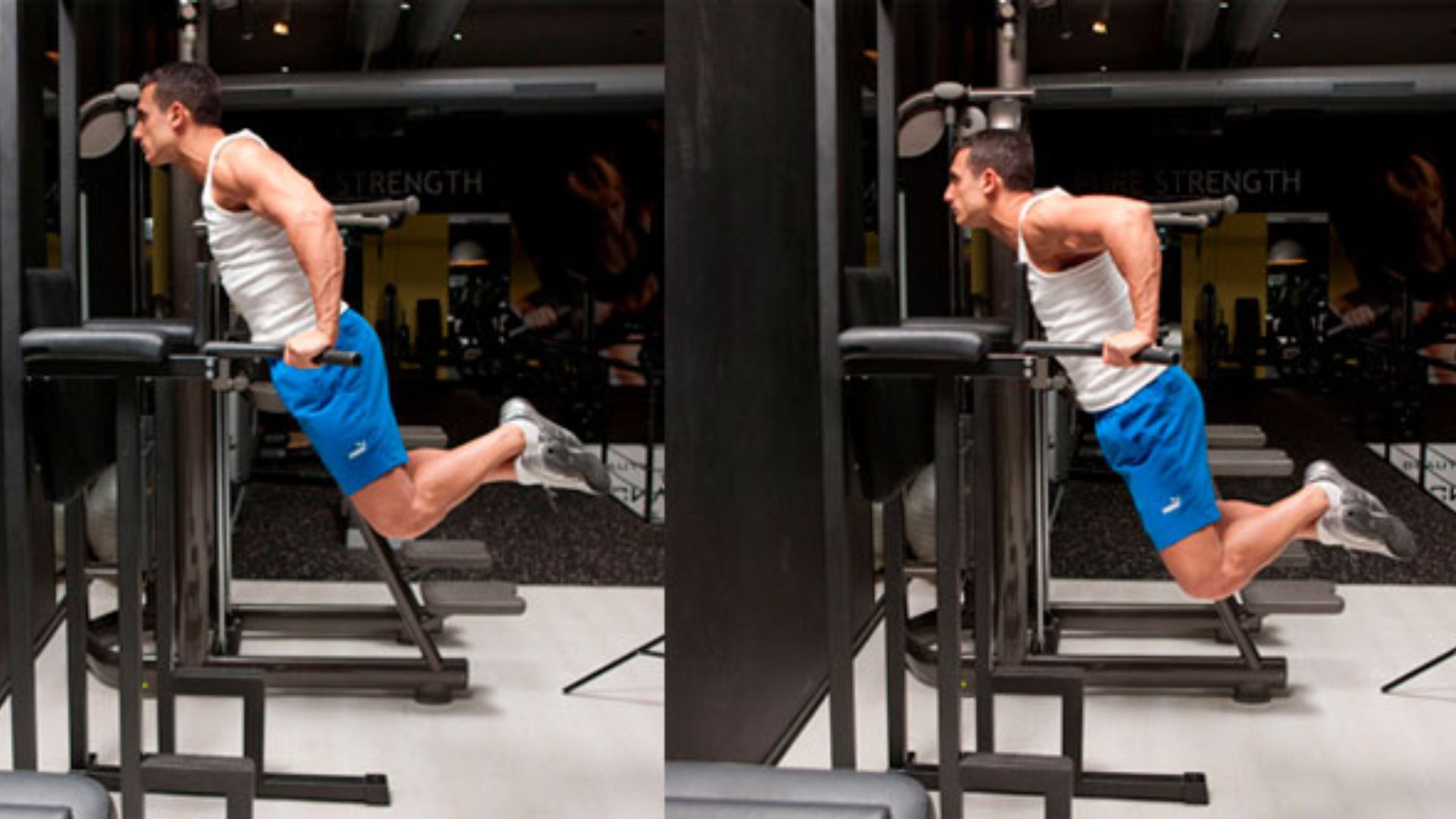
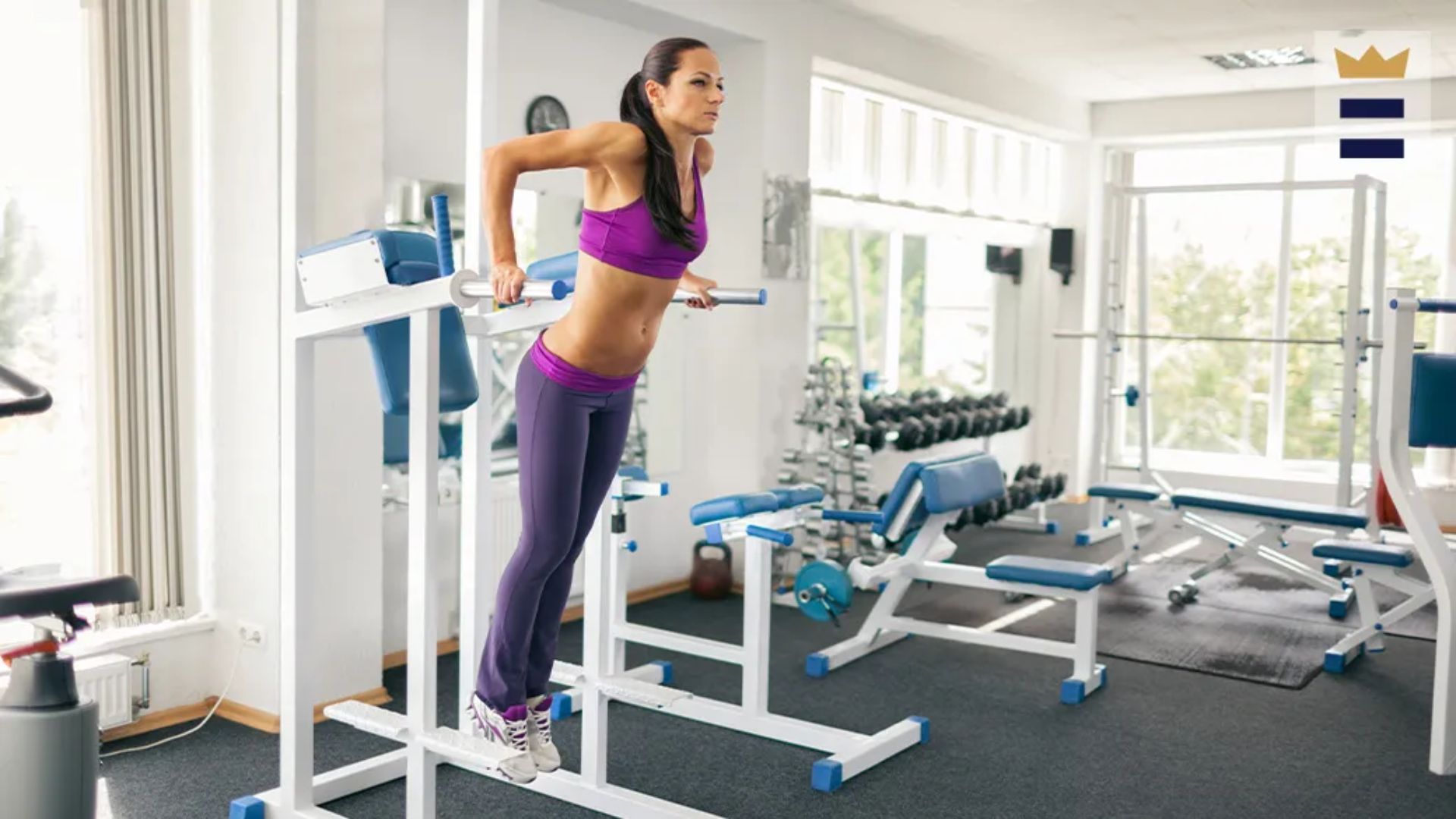
Dips are a powerful upper-body pressing movement using the parallel bars on the side of the tower.
Triceps dip: Keep your torso upright and elbows close. Lower until your arms reach 90 degrees.
Chest dip: Lean slightly forward and let the elbows flare. This shifts more load to the chest.
Start with triceps dips. Once you hit 3 sets of 12, add a slight lean for the chest variation.
Form tip: Do not drop below 90 degrees until you have good shoulder mobility.
Push-Ups (Incline and Decline Variations)

Power towers have handles near the base for push-ups with a deeper range of motion.
Incline push-up: Hands elevated, feet on the ground. Good for beginners.
Decline push-up: Feet elevated, hands on the handles. Targets the upper chest and shoulders more.
Form tip: Keep your body in a straight line from head to heels. Do not let your hips sag.
Hanging Knee Raises and Leg Raises
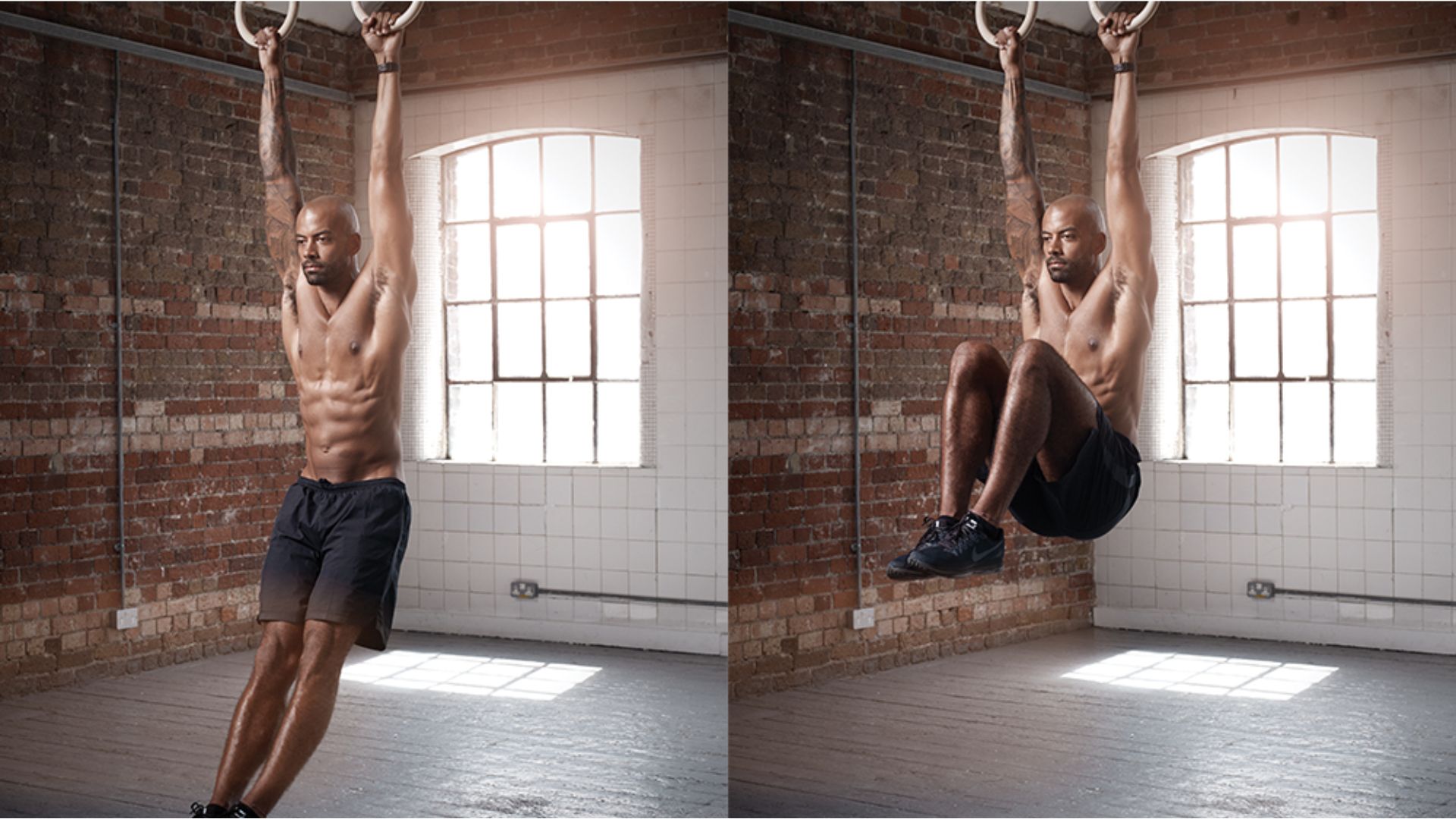
These exercises train the core, especially the lower abs and hip flexors.
Hanging knee raise: Pull your knees up toward your chest and lower with control.
Hanging leg raise: Keep legs straight and lift to hip level or higher. Much harder than the knee raise.
Start with knee raises. Progress to leg raises once you can do 3 sets of 15 with full control. Form tip: Avoid swinging. Momentum takes the work away from your abs.
Muscle-Ups (Advanced Progression)

A muscle-up combines a pull-up with a dip in one explosive movement. Do not attempt it until you can do 10 strict pull-ups and 15 dips with good form.
To work toward it: Get strong at pull-ups and dips first, practice explosive pull-ups where your chest touches the bar, work on getting your elbows above the bar, then combine the full movement slowly before adding speed.
20-Minute Power Tower Workout Plan
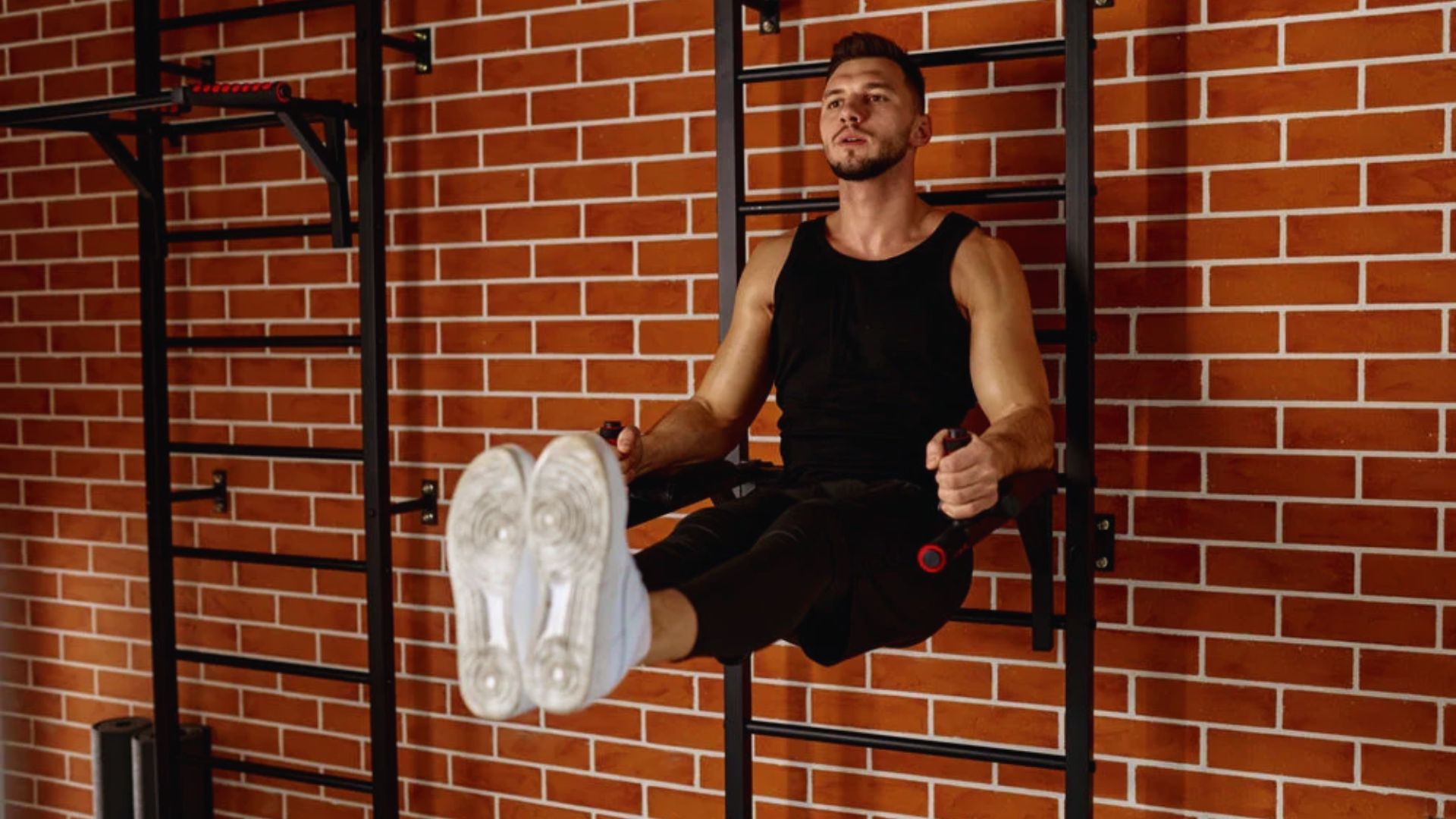
Get a full-body session done fast with this focused circuit that works every major muscle group.
Quick Full-Body Circuit Routine
Do each exercise back to back with minimal rest between moves. Rest 90 seconds between rounds.
Round 1 and 2: Pull-Ups 8 reps, Dips 10 reps, Hanging Knee Raises 12 reps, Push-Ups on handles 12 reps.
Round 3 Burnout: Chin-Ups max reps, Triceps Dips max reps, Hanging Knee Raises max reps.
This takes about 18 to 22 minutes with a warm-up. Great for days when you are short on time.
Sets, Reps and Rest Timing
Matching your sets, reps, and rest periods to your current level is what makes every session count.
Beginners: 2 to 3 sets, 6 to 8 reps, 60 to 90 seconds rest.
Intermediate: 3 to 4 sets, 8 to 12 reps, 45 to 60 seconds rest.
Advanced: 4 to 5 sets, 10 to 15 reps or max, 30 to 45 seconds rest.
Use a timer. Sticking to rest intervals keeps the workout effective.
4-Week Power Tower Workout Plan

Build real strength and muscle in four structured weeks, starting with the basics and adding more load over time.
Week 1 and 2: Build the Strength Foundation
The first two weeks are about learning the movements and building a base. Do not rush. Focus on form above all else.
Schedule: 3 days per week on Monday, Wednesday, and Friday.
Day 1 Upper Body Push: Push-Ups on Handles 3 x 10, Triceps Dips 3 x 8, Incline Push-Ups 2 x 12.
Day 2 Upper Body Pull: Chin-Ups 3 x 6, Standard Pull-Ups 3 x 5, Dead Hangs 3 x 20 seconds.
Day 3 Full Body and Core: Pull-Ups 3 x 6, Dips 3 x 8, Hanging Knee Raises 3 x 12, Push-Ups 2 x 10.
Rest 60 to 90 seconds between sets.
Week 3 and 4: Increase Intensity and Volume
Now you add more sets, more reps, and shorter rest periods. This is where real muscle growth kicks in.
Schedule: 4 days per week on Monday, Tuesday, Thursday, and Friday.
Day 1 Push Focus: Decline Push-Ups 4 x 12, Chest Dips 4 x 10, Triceps Dips 3 x 12.
Day 2 Pull Focus: Wide-Grip Pull-Ups 4 x 6 to 8, Chin-Ups 4 x 8, Hanging Leg Raises 3 x 10.
Day 3 Full Body Circuit: Pull-Ups 3 x 8, Dips 3 x 10, Hanging Knee Raises 3 x 15, Push-Ups 3 x 15.
Day 4 Power and Endurance: Explosive Pull-Ups 3 x 5, Max Rep Chin-Ups 3 sets, Max Rep Dips 3 sets, Dead Hang 3 x 30 seconds.
Rest 45 to 60 seconds between sets.
Progression Tips for Better Results
Progression is what separates people who keep improving from those who plateau.
Add 1 to 2 reps to your hardest exercise each week. Cut rest time by 10 seconds. Slow down the lowering phase to 3 to 4 seconds.
Add a weighted vest once bodyweight becomes easy. Move to a harder variation when current reps feel light.
Track your workouts.
If you are not progressing, something needs to change: Rest, nutrition, or technique.
How to Progress Your Power Tower Workout
Knowing how to make workouts harder over time is what keeps you improving instead of staying stuck.
Every exercise has a progression ladder. For pull-ups, go from assisted to standard to weighted. For dips, start with bench dips and work up to weighted.
For core, move from knee raises to leg raises to toes to bar. Move up only when the current level feels fully controlled.
Once body weight feels easy, add a band, weighted vest, or dip belt.
Pick one method at a time: Add reps, cut rest time, or move to a harder variation.
Common Power Tower Workout Mistakes
Avoiding these mistakes will help you get stronger faster and stay injury-free over the long term.
Poor Form and Limited Range of Motion
The most common mistake is not going through the full range of motion. Half-reps mean half the results.
On pull-ups, the chin must fully clear the bar. On dips, the upper arm should reach at least parallel to the floor. Record yourself once a week and check your range on every set, not just the first one.
Using Momentum Instead of Control
Swinging and kipping might let you do more reps, but they reduce muscle work and raise injury risk.
When you swing your hips to get over the bar, your lats barely work. Slow, controlled reps always beat fast, sloppy ones. Add a pause at the top and bottom of each rep to force honest muscle effort.
Skipping Recovery and Overtraining
Training every day is not more effective. Your muscles grow when you rest, not when you train.
Signs of overtraining include soreness that will not go away, a drop in performance, poor sleep, and joint pain.
Take at least one rest day between upper-body sessions, sleep 7 to 9 hours, and eat at least 0.7 grams of protein per pound of bodyweight.
Final Tips for Best Results
Here are five simple tips to keep in mind:
- Set a fixed schedule and stick to it every week
- Do something short even on low-energy days
- Film yourself once a week to check your form
- Always warm up before every session
- Stop a set before your form completely breaks down
The people who see the best long-term results are not the ones who train the hardest. They are the ones who train the smartest.
Conclusion
If you have made it this far, you are already ahead of most people. I remember when I first started on a power tower, I could barely do five pull-ups. Within six weeks of following a structured plan, I was hitting sets of twelve.
The power tower does not require a gym membership or expensive gear. It just needs your effort and your time.
Start with the 20-minute power tower workout circuit this week. Share this article with a friend who wants to get stronger.
Leave a comment telling me which exercise you are starting with. I would love to hear from you.
Frequently Asked Questions
How many days a week should I train on a power tower?
Three to four days a week works well for most people. This gives your muscles enough time to recover and grow between sessions.
Can a beginner use a power tower effectively?
Yes. Beginners can start with chin-ups, bench dips, and knee raises. These are easier versions of the main moves and build the base needed for harder exercises.
How long does it take to see results from power tower workouts?
Most people notice real strength gains in two to three weeks. Visible muscle changes become more obvious after six to eight weeks of consistent training.
Do I need to eat differently to support power tower training?
Yes. Eating enough protein matters for muscle growth. Aim for 0.7 to 1 gram per pound of bodyweight each day. Good sleep and enough daily calories also support your progress.
Is a power tower good for losing body fat?
Yes. Circuit-style power tower workouts raise your heart rate and burn a solid number of calories. Combined with a healthy diet, they support fat loss while building lean muscle at the same time.