

I've spent years watching people skip posterior chain work and wonder why their back hurts or their lifts stall. This guide covers everything you need to fix that.
In this article, I'll walk you through what the posterior chain actually is, the 11 best posterior chain exercises, and key tips on benefits, common mistakes, and proper form.
Posterior chain exercises are not just for athletes. They help everyday people move better, lift more, and stay pain-free.
I've personally seen these movements change how people feel in daily life. Whether you're a beginner or experienced lifter, I'll keep it simple, practical, and clear from start to finish.
Posterior Chain Anatomy Explained

The posterior chain includes your glutes, hamstrings, lower back, upper back, and calves. These muscles run along the back side of your body and work together in nearly every movement you make.
The hip hinge is the foundation of most posterior chain exercises. It means pushing your hips back while keeping your spine straight.
This loads the right muscles and protects your lower back. Without it, your back takes on too much stress. Strong posterior chain muscles also improve speed, jumping, and overall power.
Sprinters, lifters, and field athletes all depend on this chain. A weak posterior chain limits your performance every time.
11 Best Posterior Chain Exercises for Strength and Muscle
These movements hit every major muscle in your posterior chain, from glutes to upper back.
1. Deadlift – Full-Body Posterior Chain Builder

The deadlift works the glutes, hamstrings, lower back, and traps all at once. Keep your chest up, hinge at the hips, and drive through the floor.
It is the most complete posterior chain movement you can do. Start with a weight you can control and add load over time.
2. Romanian Deadlift – Hamstring-Focused Strength

The Romanian deadlift keeps your legs straighter and puts the load directly on the hamstrings. Lower the bar along your legs, feel the stretch at the bottom, then drive your hips forward.
This is one of the top moves for hamstring size and strength. Control the lowering phase for best results.
3. Barbell Hip Thrust – Glute Growth Specialist

Set your upper back on a bench, place the barbell over your hips, and push upward. Squeeze your glutes hard at the top of every rep.
This is the most direct glute builder you can add to your program. Many people see faster glute growth from this than any other exercise.
4. Bent-Over Barbell Row – Upper and Lower Back Strength

Hinge forward at the hips and pull the bar into your lower chest. This builds thickness across the upper back and trains your lower back to stay stable under load.
Keep your core tight and your spine neutral throughout the set. It is a strong move for total back development.
5. Rack Pull – Heavy Load Posterior Strength Builder
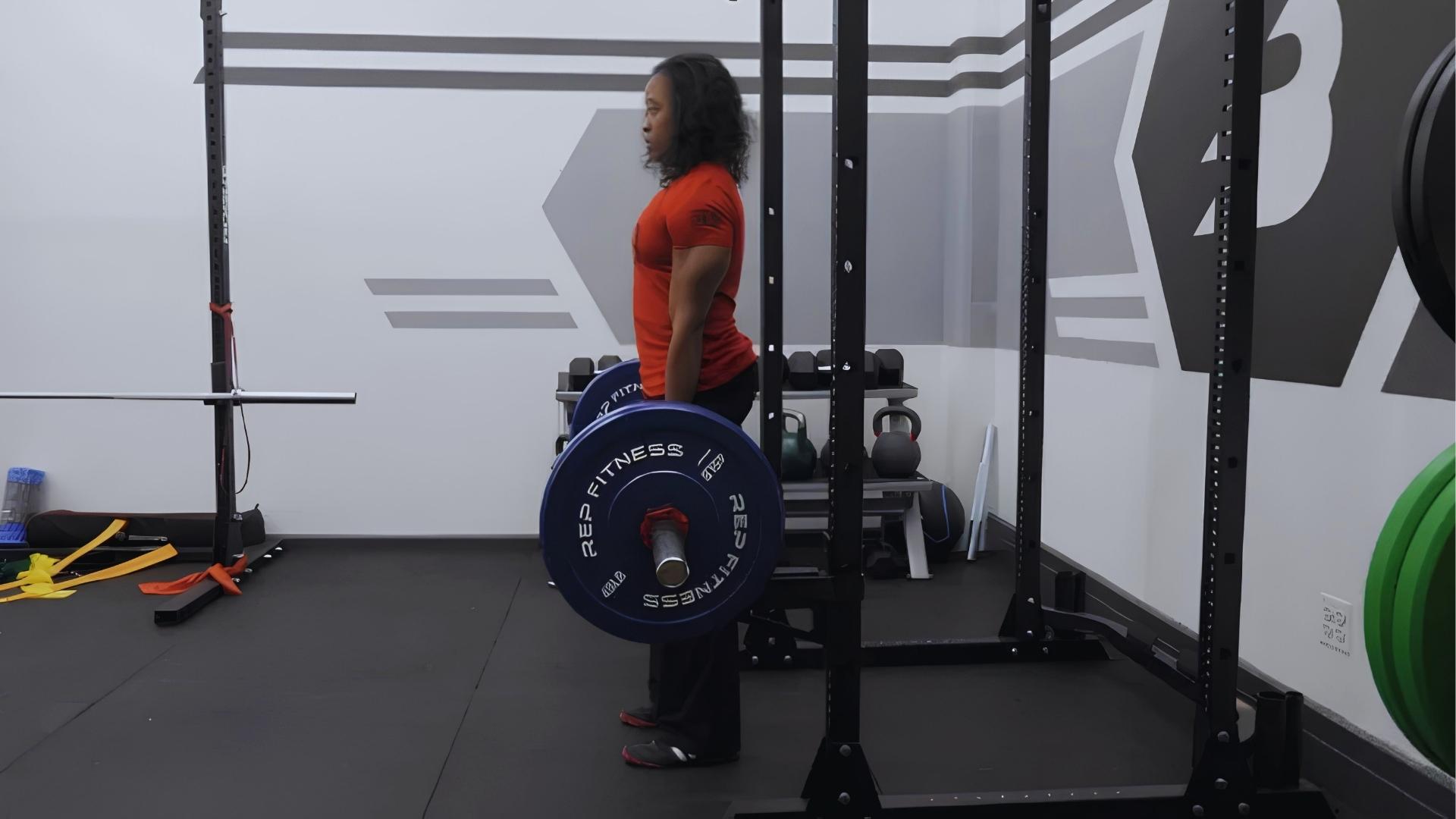
A rack pull starts from knee height, cutting out the lower portion of the deadlift. This lets you handle heavier loads and overload the upper back, glutes, and traps.
It is great for building pulling strength without putting heavy stress on the lower spine. Use it to break through strength plateaus.
6. Kettlebell Swing – Explosive Hip Power Exercise

The swing is a ballistic hip hinge. Load the hamstrings on the backswing, then snap the hips forward with force. This builds explosive power and keeps your heart rate up.
Focus on driving with your hips, not pulling with your arms. It is one of the best moves for athletic conditioning.
7. Good Morning – Hip Hinge Technique Builder

Place a bar on your upper back, hinge forward, and return to standing. This builds the erector spinae and teaches proper hinge mechanics under load.
Always use light weight here. Poor form on this movement can strain the lower back fast. Master the pattern before adding any significant load.
8. Glute-Ham Raise – Hamstring Isolation and Control

Use a GHD machine or have a partner hold your feet. Lower your torso toward the ground using your hamstrings, then pull yourself back up.
This is one of the hardest hamstring exercises you can do. It builds serious strength and control through the full range of motion.
9. Single-Leg RDL – Balance and Unilateral Strength

Stand on one leg, hinge forward, and lower the weight toward the floor. This shows up any strength imbalance between your legs and builds stability on each side.
It targets the hamstrings and glutes independently. Go slow and focus on control over weight. This one is harder than it looks.
10. Pull-Up – Upper Back and Lat Activation

Pull-ups build the lats, rhomboids, and rear delts. These muscles form a big part of the upper posterior chain. Keep your chest up and pull your elbows down and back.
Avoid shrugging your shoulders at the top. Add weight over time once bodyweight reps feel easy.
11. Lunge – Functional Lower Body Strength

Lunges work the glutes and hamstrings through a full range of motion. They also improve balance and hip mobility.
Step forward, lower your back knee toward the floor, then push back up. Keep your torso upright and your movements controlled throughout.
Add dumbbells to increase the challenge over time.
Benefits of Posterior Chain Exercises

Training the posterior chain consistently pays off in strength, posture, and long-term health.
Improved Strength and Muscle Growth
Training these muscles together builds total body strength fast. Deadlifts and hip thrusts add size to the glutes, hamstrings, and back. That strength carries over into every lift you do.
Reduced Lower Back Pain and Injury Risk
Weak glutes and hamstrings force your lower back to overwork. This leads to pain and strain over time. Building this chain takes that pressure off your spine and keeps you injury-free.
Better Posture and Movement Efficiency
A strong posterior chain holds your body in proper alignment. You stand taller and move with better control. Poor posture is usually a sign this chain needs more work.
Improved Sports Performance and Power Output
Speed and power come from the hips. Strong glutes and hamstrings push more force into the ground. This helps with sprinting, jumping, and changing direction fast.
Common Mistakes to Avoid
Small errors in posterior chain training can slow progress and raise injury risk.
Rounding the Lower Back During Lifts
This is the most common and most dangerous mistake. A rounded lower back under load puts the spine at serious risk. Always keep a neutral spine and hinge from the hips, not the waist.
Ignoring Hamstring Training
Many people train glutes but skip direct hamstring work. The hamstrings are half of the posterior chain. Neglecting them creates imbalance, increases injury risk, and limits your overall lower body strength.
Overtraining Without Recovery
The posterior chain includes large muscle groups that take time to recover. Training them too often without rest leads to fatigue and poor performance. Two to three sessions per week with rest days in between is a solid approach.
Using Excess Weight With Poor Form
Adding weight before your form is solid is a fast way to get hurt. Build good mechanics first. Then add load gradually over time. No lift is worth a back injury.
Proper Form and Training Tips
Good form protects your body and makes every rep more effective.
- Always practice the hip hinge before adding weight. Use a broomstick along your spine to build body awareness and protect your back.
- Brace your core before every single rep. Create pressure in your midsection and keep the bar close to your body during deadlifts.
- Avoid hyperextending at the top of hip thrusts and good mornings. That puts unnecessary stress on your lower spine.
- Breathe in before you lift. Hold that breath through the hard part, then exhale at the top or on the way down.
- Add weight, reps, or sets gradually over time. Your muscles need increasing demand to keep growing.
- Track your workouts consistently. It helps you see progress and know exactly when to push harder.
Conclusion
If there's one thing I wish I had focused on earlier, it's posterior chain training. It changed how I move, how I feel, and how I lift. Start with the basics, stay consistent, and your results will follow.
These posterior chain exercises work. They reduce pain, build strength, and improve how your body functions every day.
Try two or three from this list this week. Then let me know how it goes in the comments. Share this post if it helps you.
Frequently Asked Questions
How often should I do posterior chain exercises?
Training your posterior chain two to three times per week works well for most people. Allow at least one rest day between sessions so the muscles can recover and grow.
Can beginners do posterior chain exercises?
Yes. Beginners should start with bodyweight or light loads. Focus on learning the hip hinge first. Movements like the Romanian deadlift and glute bridge are great starting points.
Do posterior chain exercises help with lower back pain?
Strengthening the glutes and hamstrings takes stress off the lower back. Many people see reduced pain once they build posterior chain strength consistently over a few weeks.
What is the best single posterior chain exercise?
The deadlift covers the most muscles in one movement. It trains the glutes, hamstrings, lower back, and upper back together. It is hard to beat for total posterior chain development.
Do I need gym equipment for these exercises?
Some movements like deadlifts and hip thrusts need equipment. Others, like single-leg RDLs and lunges, can be done with just your bodyweight or a light dumbbell at home.