I’ve spent time testing different training splits, and the PHUL workout kept coming up as one of the best for building both strength and muscle.
PHUL stands for Power Hypertrophy Upper Lower, a 4-day program designed for intermediate lifters who want more than just size or just strength.
In this article, I’ll walk you through how the program works, the full split structure, exercises with sets and reps, and tips to get real results.
I’ve put this together so you don’t have to spend hours figuring it out yourself.
What Is the PHUL Workout and How It Works

PHUL combines two training goals into one weekly plan. Two days focus on power using heavy compound lifts with low reps.
The other two days focus on hypertrophy through higher volume and moderate weight. You train four days a week and hit each muscle group twice.
That frequency matters more than most people realize. Research consistently shows muscles respond better when trained more than once per week.
PHUL builds that into the structure automatically. The best part is it does all of this without overloading your recovery.
You get the benefits of both strength and size training in one smart program.
PHUL Workout Split Structure (4-Day Weekly Plan)
Here’s how the four training days are laid out across the week.
Upper Body Power Day
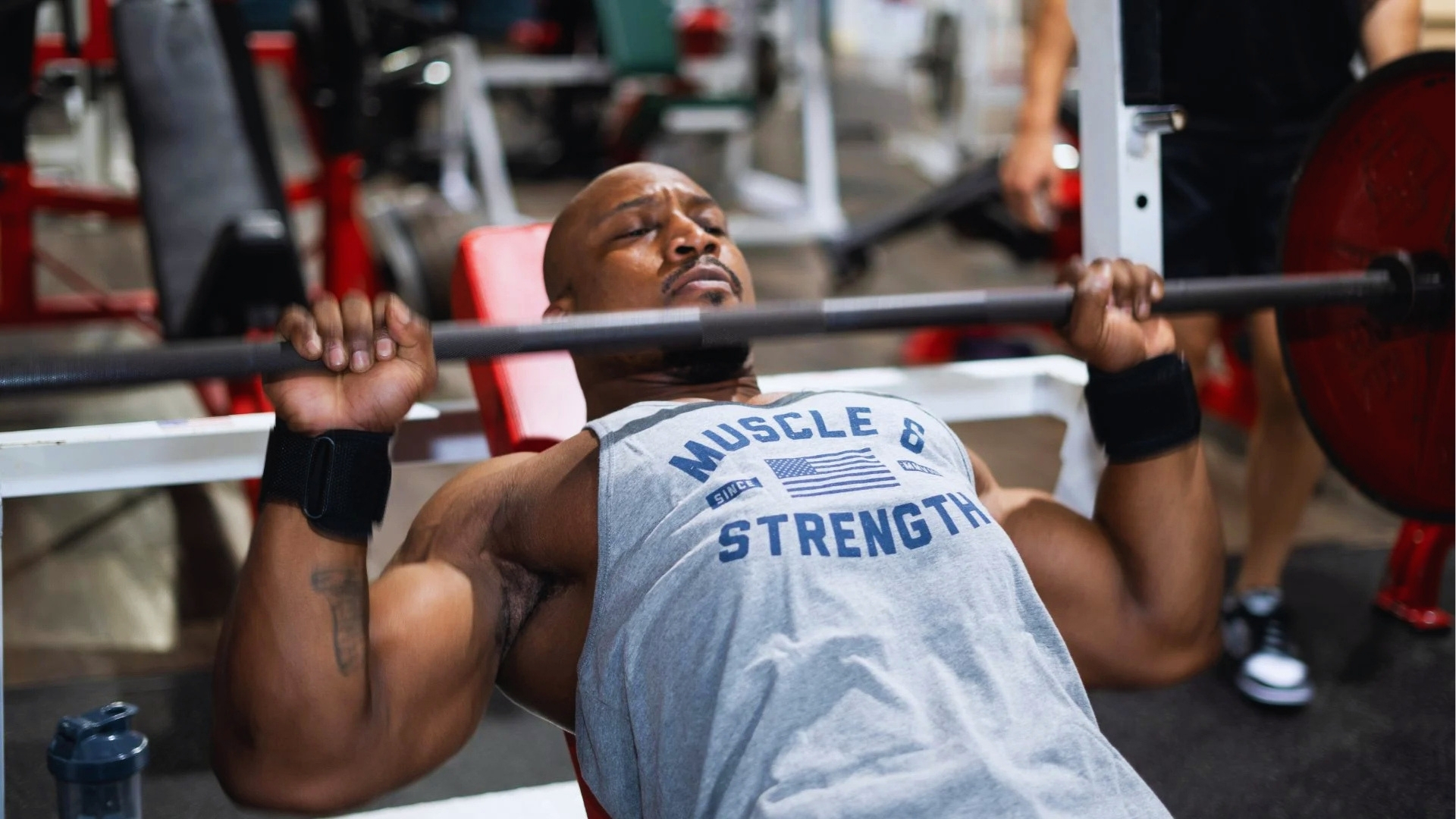
This day uses heavy compound movements. Think bench press, barbell rows, and overhead press. You lift heavier here with lower reps (3-5 reps). Rest is longer between sets, around 2-3 minutes.
Lower Body Power Day

Squats and deadlifts are the focus. These lifts build raw strength in your legs and posterior chain. Keep the weight heavy and reps low.
Upper Body Hypertrophy Day

Now the weight drops and volume goes up. You do more sets and more reps (8-12 range). Isolation work like cable flyes, lateral raises, and curls fits here.
Lower Body Hypertrophy Day

Leg press, lunges, leg curls, and calf raises fill this day. The goal is muscle fatigue and pump, not max weight.
Weekly Schedule and Rest Days Explained
A common setup looks like this
- Monday: Upper Power
- Tuesday: Lower Power
- Wednesday: Rest
- Thursday: Upper Hypertrophy
- Friday: Lower Hypertrophy
- Saturday-Sunday: Rest
You can shift days based on your schedule, but keep at least one rest day between power and hypertrophy sessions.
Key Principles Behind the PHUL Training Method

The ideas that make PHUL work, not just what you do but why you do it.
Power vs Hypertrophy Training Difference
Power training uses heavier loads and lower reps. It builds strength and trains your nervous system.
Hypertrophy training uses moderate weight and higher reps to cause muscle damage and growth. PHUL uses both in the same week.
Compound Lifts vs Accessory Exercises
Compound lifts like squats, deadlifts, and bench press work multiple muscles at once. Accessory exercises target specific muscles.
PHUL uses compounds on power days and mixes both on hypertrophy days.
Training Frequency (Muscle Twice Per Week)
Research shows training a muscle group twice per week leads to better growth than once. PHUL hits upper and lower body twice each week, which is why it works well for intermediate lifters.
Progressive Overload Importance
You need to add weight or reps over time. If you lift the same weight every week, your body stops adapting. Progressive overload is what drives long-term results.
Complete PHUL Workout Exercises Breakdown

The actual exercises, rep ranges, and rest times for each training day.
Upper Body Compound Movements
Build serious upper body strength with these key pressing and pulling exercises.
- Flat Barbell Bench Press: 3–4 sets of 3-5 reps
- Barbell Row: 3-4 sets of 3-5 reps
- Overhead Press: 3-4 sets of 6-8 reps
- Pull-Ups or Lat Pulldown: 3 sets of 6-8 reps
Lower Body Strength Lifts
Target your legs and posterior chain with these foundational strength movements.
- Barbell Back Squat: 3-4 sets of 3-5 reps
- Deadlift: 3-4 sets of 3-5 reps
- Leg Press: 3 sets of 10-12 reps
- Leg Curl: 3 sets of 10-12 reps
Hypertrophy-Focused Isolation Work
Fine-tune and grow each muscle group with these targeted isolation exercises.
- Cable Flyes: 3 sets of 12-15 reps
- Dumbbell Lateral Raises: 3 sets of 12-15 reps
- Bicep Curls: 3 sets of 10-12 reps
- Tricep Pushdowns: 3 sets of 10-12 reps
- Leg Extensions: 3 sets of 12-15 reps
- Calf Raises: 4 sets of 15-20 reps
Sets, Reps, and Rest Time Guidelines
Power days: 3-5 reps, 2-3 minutes rest
Hypertrophy days: 8-15 reps, 60-90 seconds rest
Benefits of the PHUL Workout Routine
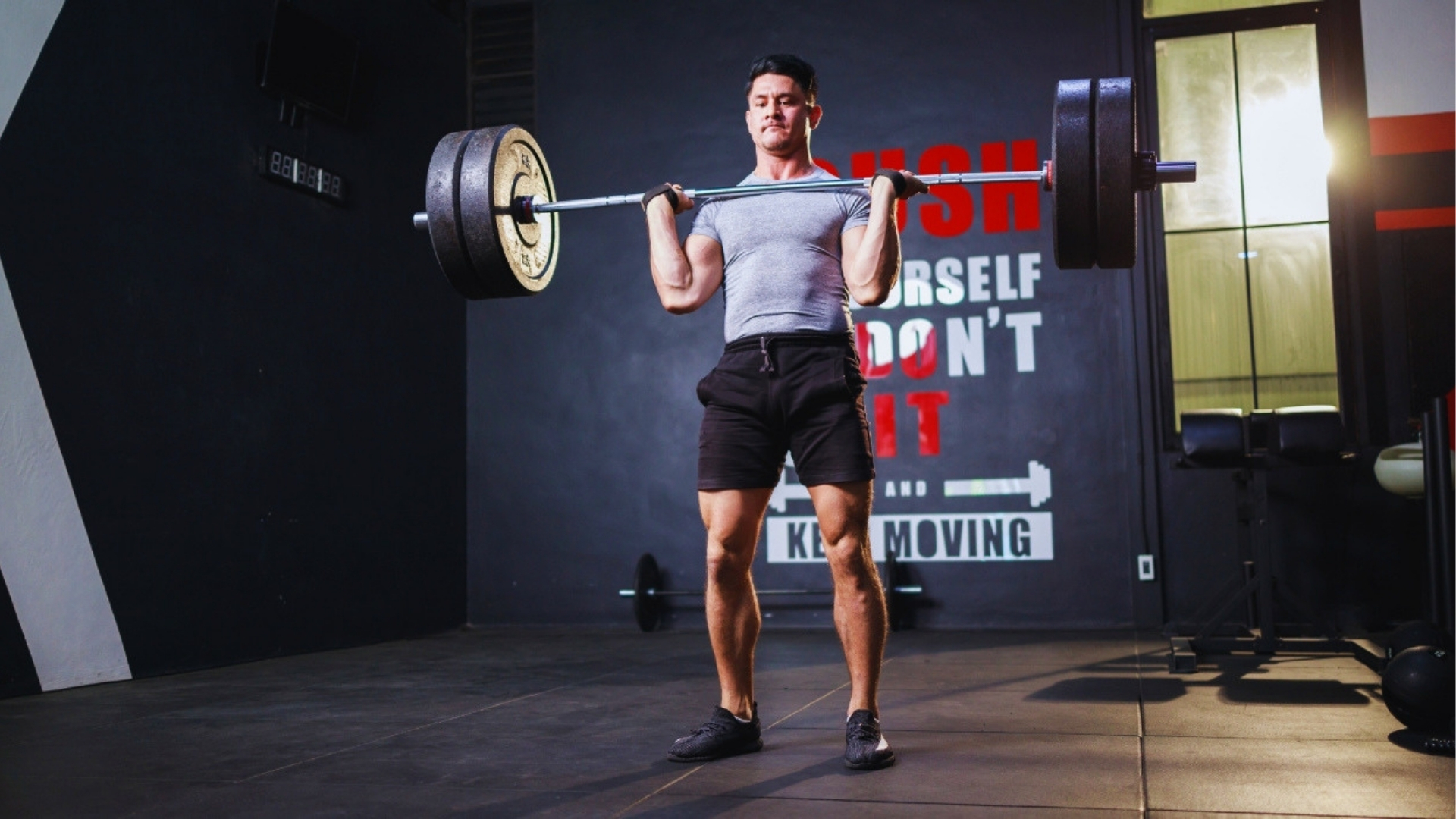
Four solid reasons why PHUL stands out from other training programs.
Builds Strength and Muscle at the Same Time
Most programs focus on one goal. PHUL trains both. You get stronger on compounds while building size through higher-volume work. This is rare and useful.
Balanced Physique Development
You train your upper and lower body equally. No skipping legs. No overdoing chest. The program forces balance, which leads to a more proportional look.
Efficient 4-Day Training Structure
Four days a week is manageable. You get three rest days, which means real recovery. This is a good fit for people with jobs, families, and lives outside the gym.
Ideal Recovery and Training Frequency
The gap between power and hypertrophy sessions gives muscles time to recover before being hit again. This setup reduces injury risk while keeping frequency high enough for progress.
Tips to Get Maximum Results from PHUL Training
Small habits that separate people who see progress from those who stall.
- Add weight gradually. Even 2.5 lbs per week adds up over months. Small increases beat chasing big jumps.
- Train close to failure, not always to failure. Leave 1-2 reps in the tank on hypertrophy days to protect recovery.
- Hit your protein target. Aim for 0.7-1g per pound of bodyweight daily. No protein, no muscle growth.
- Sleep 7-9 hours every night. Poor sleep raises cortisol and drops testosterone. Both kill your gains.
- Track your workouts. Write down your lifts each session. It keeps you consistent and makes progress easy to measure.
Conclusion
Sticking with the PHUL workout for even 8-12 weeks can genuinely shift how your body looks and performs.
I’ve seen people overlook programs like this because they seem too structured but that structure is exactly what makes it work.
You don’t need to be perfect every session. You just need to show up and stay consistent.
If this helped you, drop a comment below or share it with someone who’s been stuck on the same program for too long.
Your next step is picking your start date.
Frequently Asked Questions
How long should I run the PHUL program?
Most people run it for 8-16 weeks. After that, assess your progress and decide if you want to continue or switch to a more advanced split.
Is PHUL good for beginners?
PHUL is best for intermediate lifters. Beginners do better with simpler full-body programs like StrongLifts 5×5 before adding this level of volume.
Can I add cardio to PHUL?
Yes. Light cardio on rest days works well. Avoid intense cardio right before or after leg power days, as it can hurt recovery.
What if I can only train 3 days a week?
PHUL needs 4 days to work as designed. If you only have 3, look into a PPL or upper-lower 3-day variant instead.
Do I need to train to failure on power days?
No. On power days, focus on lifting heavy with good form. Save the near-failure sets for hypertrophy days when the rep ranges allow it.