

Choosing the right exercise bike matters more than most people think. I’ve spent time on both, and the difference in how your body feels afterward is real.
This article breaks down the muscles used for recumbent bike vs upright setups, so you can pick what works for your goals.
I cover muscle groups, key benefits, a side-by-side comparison, and tips to get more from every session.
Not sure which bike fits your body and fitness level? You’re in the right place.
Let’s get into it.
General Overview of Cycling Muscle Engagement
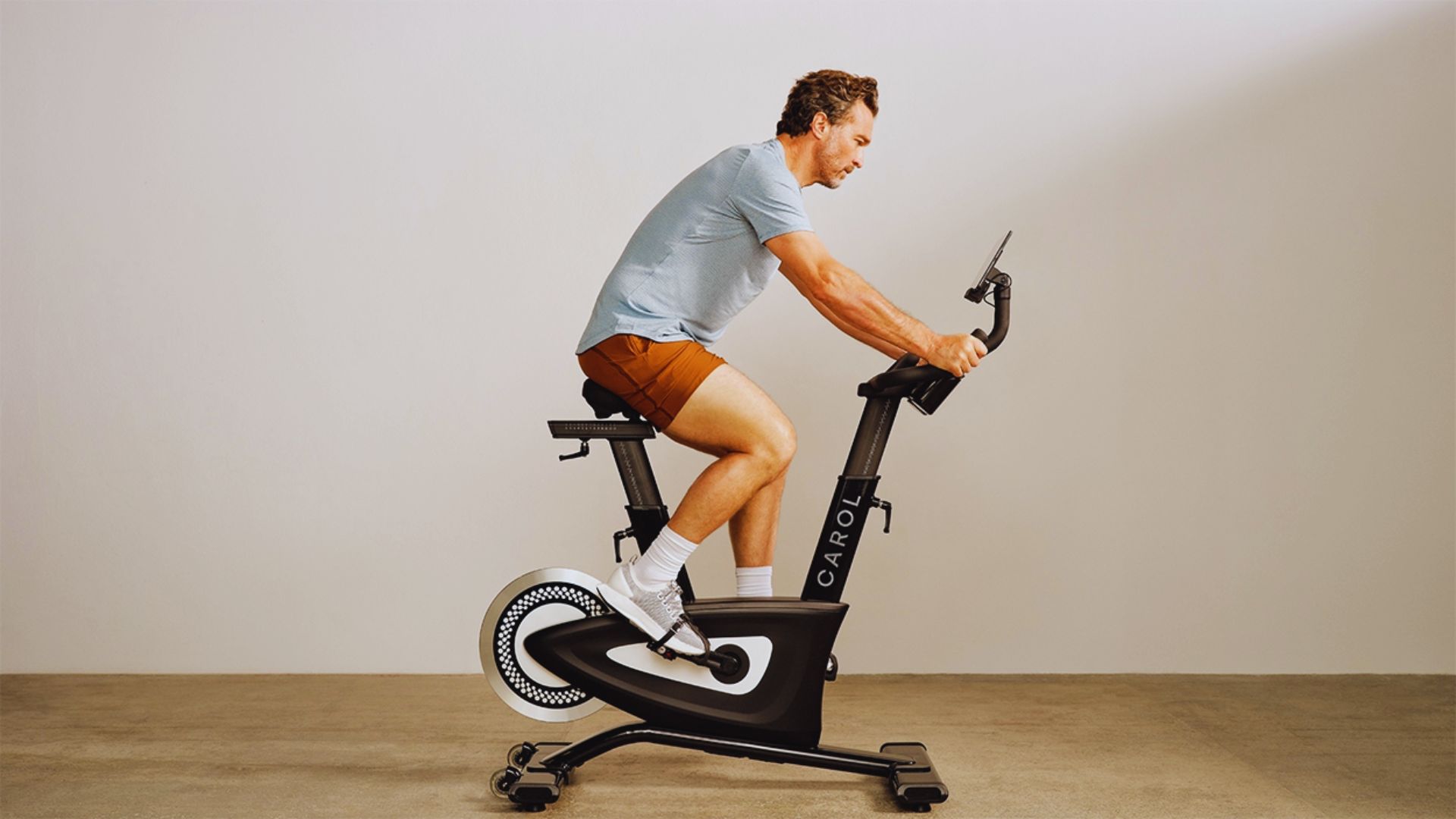
Cycling is a lower-body-focused workout, no matter which bike you use. Your legs do most of the work, pushing, pulling, and stabilizing through every rotation.
But body position is what really changes things. Sit upright and your core has to work hard to keep you stable.
Recline and your back gets support, shifting the load. The bike style you pick directly affects which muscles fire the hardest and how much your upper body gets involved.
Recumbent Exercise Bikes: Comfort-Focused Lower-Body Workouts
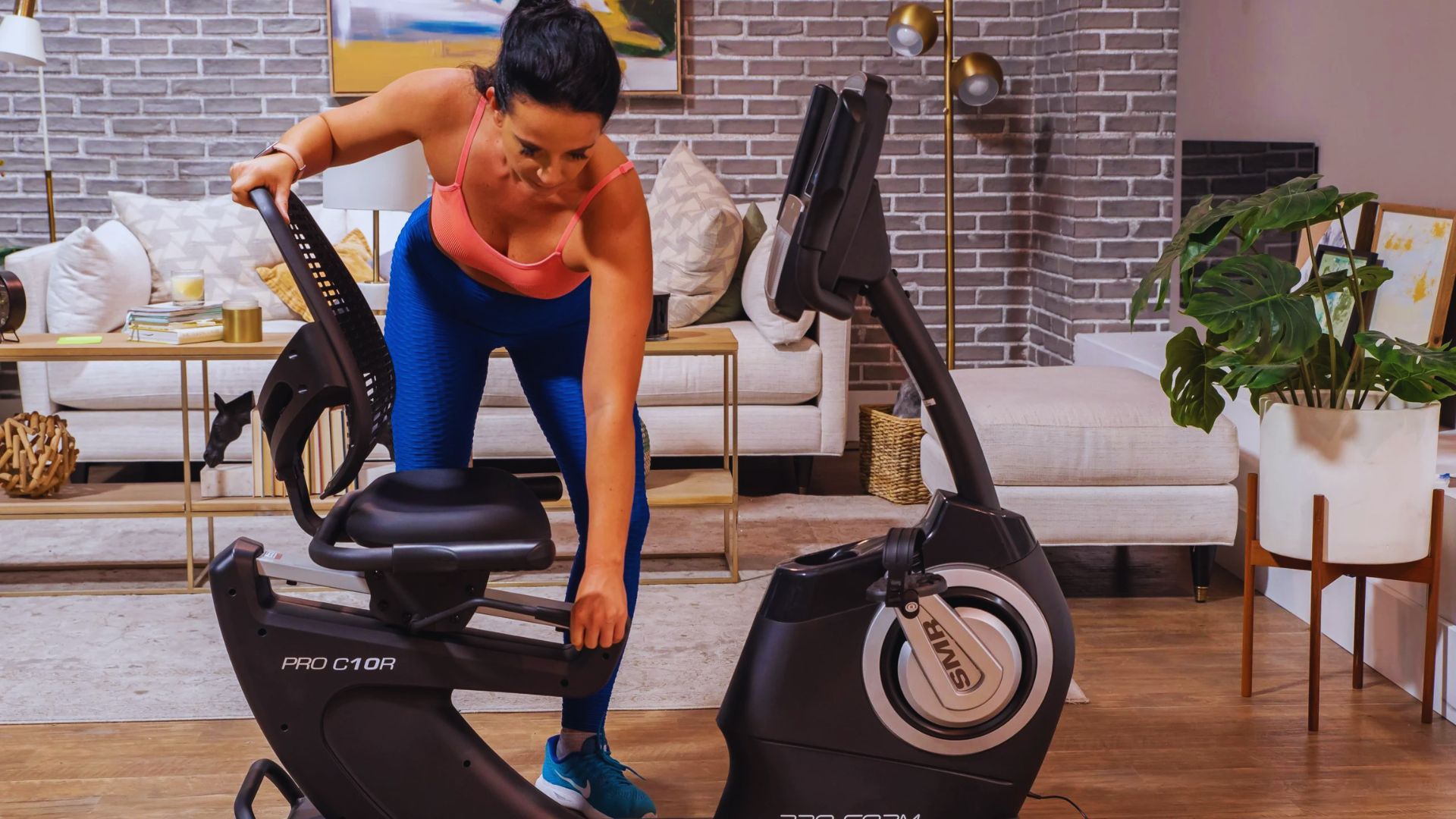
Recumbent bikes put your body in a laid-back position, and that changes everything about how you work out.
Design and Positioning
A recumbent bike has a large seat with back support. Your legs extend forward rather than down. This position reduces stress on your lower back and joints.
It is a great option for people recovering from injuries or those who want a low-impact cardio session without putting strain on the spine.
Muscles Used
Every pedal stroke on a recumbent bike targets specific muscles, here’s exactly what fires and when.
Quadriceps: These are the primary movers. They power the pushing phase of each pedal stroke and do most of the heavy lifting during your session.
Hamstrings: They assist during the pulling phase of the pedal stroke. They don’t work as hard as the quads but still get consistent engagement throughout.
Glutes: Your glutes activate during hip extension. They help drive pedaling power and get a solid workout, especially at higher resistance levels.
Calves: They support plantar flexion with each downward push. They work as stabilizers and add force to each stroke at the ankle joint.
Hip Flexors: These assist with lifting the leg during each rotation. They play a supporting role rather than a primary one on a recumbent bike.
Core: The core sees minimal engagement on a recumbent bike. The back support takes over most of the stabilizing work, so your abs and obliques stay largely passive.
Upper Body: There is very limited upper body involvement. Your arms and shoulders are mostly at rest since the seat handles all the support.
Benefits
These are the real reasons people keep coming back to the recumbent bike.
- Low impact on joints and spine, great for older adults or those with back pain
- Comfortable seating makes longer sessions easier to stick with
- Reduced injury risk during recovery or rehabilitation
- Easy to maintain proper form without much prior fitness experience
- Still delivers strong lower-body muscle activation at higher resistance
Upright Exercise Bikes: Full-Body Engagement
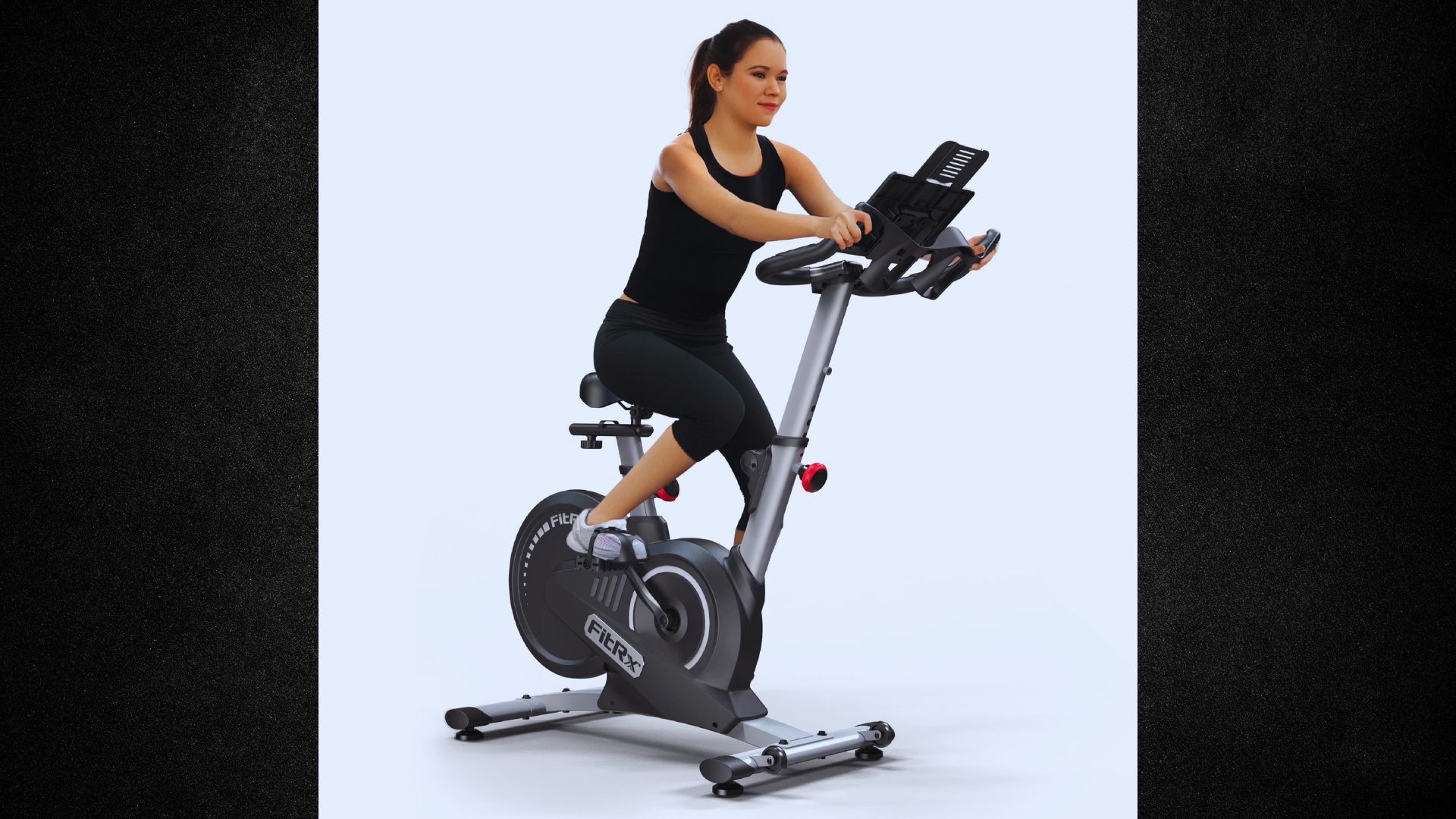
Upright bikes mimic outdoor cycling and demand more from your entire body, not just your legs.
Design and Positioning
An upright bike has a smaller seat and positions your body directly above the pedals. You lean slightly forward, much like riding a road bike.
This posture requires your core and upper body to actively stabilize throughout the ride. It’s a more demanding position but also a more complete workout for the full body.
Muscles Used
An upright bike pulls in more muscle groups, and you’ll feel the difference after your very first session.
Quadriceps, Hamstrings, Glutes, Calves: All four of these muscle groups work in the same way as on a recumbent bike. The pushing and pulling phases of pedaling remain consistent across both bike types.
Core Muscles: Your abdominals, obliques, and lower back all engage actively on an upright bike. They work constantly to keep you balanced and upright through every pedal stroke.
Upper Body: Your arms, shoulders, and chest work for grip and posture support. Standing climbs add even more upper body demand, especially through the arms and shoulders.
Benefits
The upright bike delivers results that go well beyond basic cardio.
- Engages the core throughout the workout, making it a more complete session
- Mimics real outdoor cycling, which helps with sport-specific training
- Burns more calories overall due to greater muscle recruitment
- Builds better posture and balance through active stabilization
- Offers more variety, seated, standing, and sprint positions all load muscles differently
Recumbent vs Upright Bike Comparison
A quick side-by-side comparison to help you choose the right bike based on muscle use, comfort, and workout intensity.
| Feature | Recumbent Bike | Upright Bike |
| Body Position | Reclined, back supported | Upright, leaning slightly forward |
| Primary Muscles | Quads, hamstrings, glutes, calves | Quads, hamstrings, glutes, calves, core |
| Core Engagement | Minimal | High |
| Upper Body Work | Very limited | Moderate to high |
| Joint Impact | Very low | Low to moderate |
| Comfort Level | High | Moderate |
| Calorie Burn | Moderate | Higher |
| Best For | Rehab, seniors, beginners | General fitness, weight loss, athletes |
| Balance Required | Low | Moderate |
| Posture Demand | Low | High |
Tips to Maximize Muscle Engagement
Use these simple strategies to target more muscles and get better results from every cycling session.
- Increase resistance gradually to keep your muscles working harder without sacrificing form.
- Focus on a full pedal stroke, push down AND pull up to activate hamstrings and hip flexors.
- On an upright bike, try standing intervals to fire up your glutes and core more intensely.
- Keep your core lightly braced throughout the ride, even on a recumbent bike.
- Slow down your pedaling pace at high resistance to build more strength rather than just cardio.
Final Thoughts
If you ask me, there’s no wrong answer here. I’ve used both bikes at different points in my fitness life, and each one served a real purpose.
The recumbent felt like a lifesaver after a back injury. The upright pushed me harder when I wanted more from my workouts.
Think about where you are right now and what your body needs. Start there.
Drop a comment and let me know which bike you prefer, I’d love to hear what’s working for you.
Frequently Asked Questions
Does a recumbent bike work your abs?
No, the back support reduces core activation, so your abs get very little work on a recumbent bike.
Is an upright bike better for weight loss?
Yes, upright bikes tend to burn more calories because they recruit more muscle groups at once.
Can beginners use an upright bike?
Yes, but beginners may find the recumbent more comfortable when starting out due to its supportive seat.
Which bike is better for bad knees?
A recumbent bike is generally easier on the knees because the forward pedal position reduces joint stress.
How long should I ride each session for results?
Aim for 20 to 45 minutes per session, three to five times a week, adjusting resistance as your fitness improves.


