

Mike Tyson became the youngest heavyweight champion in history at just 20 years old. His raw power and aggressive style made him one of the most feared fighters ever.
I’m going to show you exactly how Tyson trained to build that legendary physique and devastating punch.
This article breaks down his complete workout routine. You’ll learn his calisthenics program, boxing drills, and daily schedule.
I’ll explain why his methods still work today and how you can adapt them to your own fitness level.
We’ll cover everything from his 4 AM runs to his prison workouts. You’ll see the philosophy behind his training and how mental toughness played a huge role.
I’ve researched his actual routines and will share what really built this champion, not just gym myths.
The Philosophy Behind Mike Tyson’s Workout
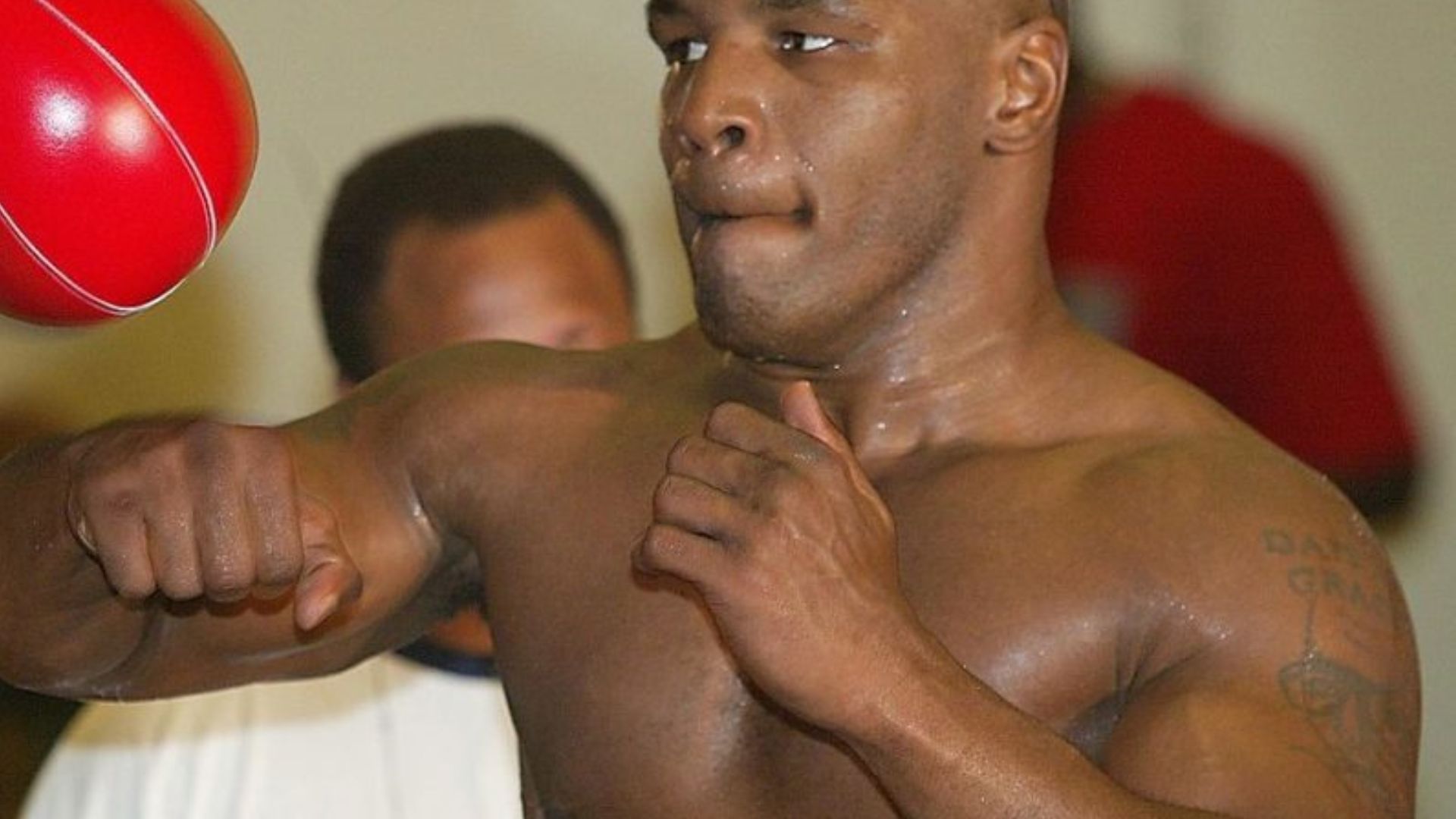
Tyson’s training wasn’t just about physical strength. His legendary coach, Cus D’Amato, taught him that boxing starts in the mind first.
Discipline, Consistency, and Mental Toughness
Tyson woke up at 4 AM every single day. No excuses. No shortcuts. This routine built an iron will that showed in the ring.
D’Amato believed discipline creates champions. He pushed Tyson to embrace discomfort. Every workout tested mental limits, not just physical ones.
The training was repetitive by design. Tyson did the same exercises thousands of times. This repetition created muscle memory and unshakable confidence.
Mike Tyson’s Daily Training Schedule
Tyson’s day started before sunrise. He trained multiple times throughout each day with specific purposes.
Early Morning Runs and Conditioning
4 AM wake-up routine
Tyson hit the road while most people slept. These early runs built mental discipline as much as physical endurance.
Roadwork for endurance and discipline
He ran 3 to 5 miles at a steady pace. This cardio work kept his weight down and built the stamina needed for later rounds. Running in darkness tested his commitment daily.
Multiple Daily Training Sessions
Boxing-focused workouts
Mid-morning sessions focused on technical boxing skills. Tyson spent hours on pad work, sparring, and bag drills. Each session had a specific purpose.
Active recovery and rest periods
Afternoon might include light stretching or watching fight films. Rest was strategic, not lazy. Evening sessions sometimes added more conditioning work.
Mike Tyson’s Calisthenics Routine
Tyson built his physique without heavy weights. Bodyweight exercises formed the foundation of his strength program.
High-Volume Bodyweight Training
Tyson performed hundreds of reps daily. His routine included 2,000 sit-ups, 500 pushups in multiple sets, and 500 dips using parallel bars. He also did 500 shrugs with a 66-pound barbell and 2,000 squats over the course of training.
These numbers sound extreme because they were. The volume wasn’t about showing off, it built the endurance his fighting style demanded.
High repetitions trained his muscles to work under extreme fatigue. This conditioning allowed him to throw powerful punches even in late rounds when opponents were exhausted.
Boxing-Specific Training Exercises
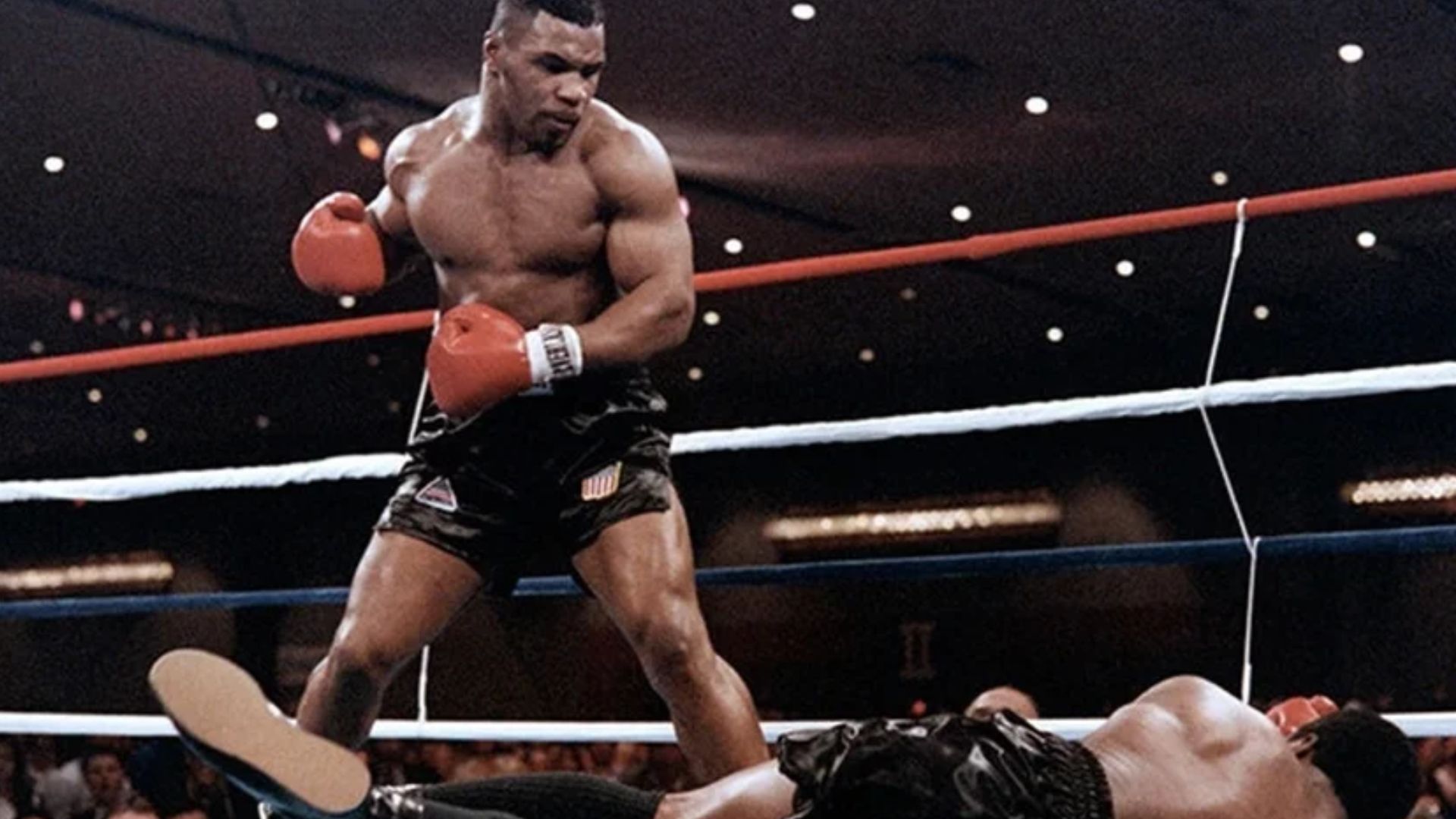
Technical boxing work consumed most of Tyson’s training time. Skills separated good fighters from great ones.
Sparring and Ring Work
High-volume sparring rounds:
Tyson sparred 8 to 10 rounds daily during training camps. Each round lasted three minutes with one minute of rest. This matched actual fight conditions.
Rotating partners for adaptability:
He faced different sparring partners constantly. Tall fighters, fast fighters, southpaws. Variety prepared him for anyone. Adapting to styles built ring intelligence.
Bag Work and Skill Drills
Heavy bag for power:
Tyson hit the heavy bag with full force. Sessions lasted 10 to 12 rounds. He practiced combinations and body shots. Power came from technique, not just strength.
Speed bag for coordination:
The speed bag improved hand-eye coordination and rhythm. Tyson’s speed bag work was smooth and controlled. Timing developed through thousands of repetitions.
Slip bag for head movement:
A slip bag hung from the ceiling at head height. Tyson practiced defensive head movement while maintaining balance. This drill built the peek-a-boo style’s signature defense.
Shadowboxing for technique:
Shadowboxing refined technique without distraction. Tyson visualized opponents and practiced counters. Form and footwork became second nature.
Mike Tyson’s Core and Ab Training

Core strength powered every punch Tyson threw. His ab routine was brutal and constant.
High-Rep Ab Workouts
Sit-ups, leg raises, hanging knee raises:
Tyson did 2,000 sit-ups daily, split throughout training. Leg raises and hanging knee raises targeted the lower abs. The volume seems impossible, but consistency made it routine.
He performed crunches with partners pushing down on his chest. Resistance made the muscles work harder. Ab training happened multiple times per day.
Conditioning and Cardio Training
Cardiovascular fitness allowed Tyson to maintain his aggressive pace for all rounds.
Roadwork and Sprint Training
Morning runs built an aerobic base. Tyson added sprints during some sessions. Short bursts of maximum effort train explosive power.
Hills made runs harder. The varied terrain strengthened legs differently than flat ground. Every run served a specific conditioning purpose.
Jump Rope and Exercise Bike Sessions
Tyson jumped rope before and after other workouts. Ten to fifteen-minute sessions improved footwork and rhythm. The constant bouncing strengthened calves and ankles.
Exercise bike work provided low-impact cardio. Active recovery days still included movement. The bike kept blood flowing without stressing joints.
Neck and Trap Training in Mike Tyson’s Workout
Tyson’s thick neck became one of his physical trademarks. This wasn’t for looks. It was protection.
Wrestler Bridges and Neck Strengthening
Tyson performed wrestler bridges daily. He rolled his head in a bridge position, supporting body weight on his forehead. This exercise built incredible neck strength.
Forward bridges, back bridges, side-to-side movement, every angle got worked. A strong neck absorbs punches better. It also prevents whiplash from head shots.
Barbell Shrugs for Power and Protection
Shrugs with 66 pounds built massive traps. Tyson did high reps to failure. Developed traps protect the neck and shoulders from punches.
The trap muscles also contribute to punching power. Everything connects in boxing. Strong traps meant stronger hooks and uppercuts.
Mike Tyson’s Diet and Recovery Approach
Training means nothing without proper fuel and rest. Tyson followed a strict diet during fight camps.
Fueling Intense Training Sessions
Tyson ate clean, whole foods. Lean proteins, complex carbs, and vegetables made up most meals. Steak, chicken, pasta, and oatmeal appeared regularly.
Hydration stayed constant throughout the day. Training in multiple sessions required consistent energy intake. Timing meals around workouts maximized performance.
Importance of Sleep and Active Recovery
Tyson slept 8 to 10 hours nightly. Growth and recovery happen during sleep. Skipping rest undermines all training effort.
Active recovery included light walking or stretching. Massage therapy helped muscles recover faster. Days off were rare but planned strategically.
Key Takeaways From the Mike Tyson Workout
Tyson’s training built more than muscles. The routine shaped his entire approach to fighting and life. Here’s what matters most.
- Consistency beats intensity: Training every single day built Tyson’s foundation. Show up daily because small efforts compound over time.
- High volume builds capacity: Hundreds of reps taught Tyson’s body to work under fatigue. Your capacity grows by pushing current limits repeatedly.
- Mental toughness requires practice: Waking at 4 AM wasn’t fun for Tyson either, but he did it anyway. Discipline develops through repetition until discomfort becomes manageable.
- Simplicity works: Tyson used basic exercises and built an incredible physique without fancy equipment. Master pushups, squats, and running before chasing complexity.
- Recovery enables growth: Hard training breaks muscles down, but rest and nutrition build them back stronger. Sleep and diet aren’t optional for real progress.
Conclusion
I’ve spent years studying fighter training programs, and Tyson’s routine still impresses me. The simplicity combined with brutal consistency created something special. You don’t need his talent to benefit from his work ethic.
Start small. Pick three exercises from his routine. Maybe 50 pushups, 100 sit-ups, and a 20-minute run. Do them for 30 days straight without missing a single day. Build that discipline first before worrying about perfect form or high numbers.
The physical results will follow the mental commitment. I’ve tried this approach myself, and the first week is always the hardest. After that, your body adapts, and the routine becomes part of your day. You stop thinking about it and just do it. Try one of these workouts this week and drop a comment telling me how it went.
Frequently Asked Questions
How many pushups did Mike Tyson do daily?
Mike Tyson performed around 500 pushups each day, split across multiple sets. He used various styles, including regular, wide grip, and decline variations.
Did Mike Tyson lift weights during training?
Tyson rarely used heavy weights, focusing almost entirely on bodyweight exercises. His only weight exercise was barbell shrugs with 66 pounds.
How long did Mike Tyson train each day?
Tyson trained 8 to 10 hours daily during fight camps, split across multiple sessions. This included runs, boxing work, sparring, bag work, and conditioning.
What time did Mike Tyson wake up to train?
Tyson woke up at 4 AM every morning for roadwork. He ran 3 to 5 miles before sunrise.
Can beginners follow Mike Tyson’s workout routine?
Beginners should start with 10% of their volume and gradually increase over months. Focus on proper form first, then slowly build strength.