

Ever looked in the mirror and wondered why your biceps look different from someone else’s, even after months of hard training? You are not alone.
I have been there too. Training consistently, eating right, and still asking, “Why don’t my arms look like that?”
This article breaks it all down. You will learn what long and short biceps actually are, how to tell which type you have, and which grows faster.
With years of training experience and research-backed insights, I will give you honest, practical answers. No fluff.
What Is a Long Bicep?
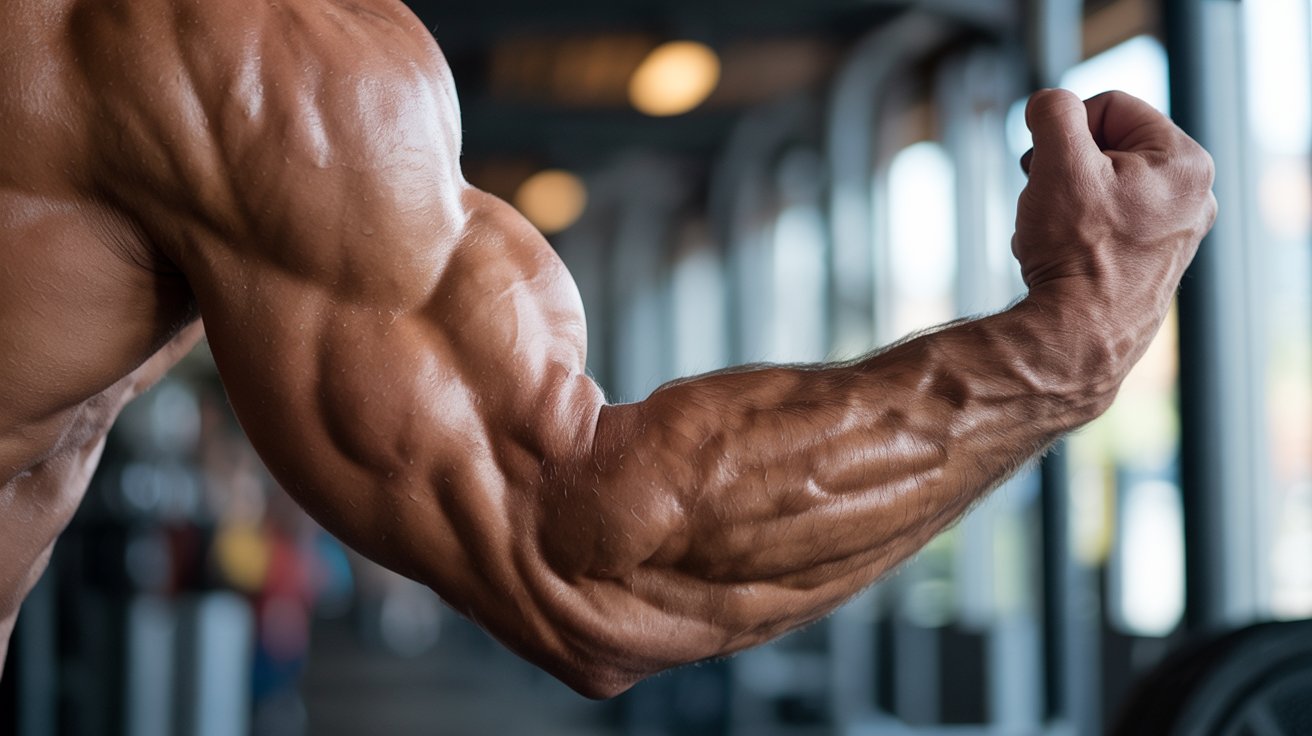
A long bicep has a lower muscle insertion point, giving it a fuller, longer muscle belly.
The bicep attaches to your forearm via a tendon. When that tendon is short, the muscle itself is longer. This insertion point is set by genetics. No exercise changes it.
Long biceps have a larger muscle belly, which means more muscle tissue and a smaller gap near the elbow. The arm looks thicker and more filled out overall.
When flexed, the peak is low and wide rather than sharp and tall. This is the classic “thick arm” look.
What Is a Short Bicep?

A short bicep has a longer tendon and a shorter muscle belly, giving it a sharper, higher peak.
A short bicep means the tendon connecting the muscle to the forearm is longer. This pulls the actual muscle belly higher up on the arm.
There is a visible gap between the bicep muscle and the elbow crease.
Short biceps have a smaller belly. The muscle sits higher on the arm. When you curl, the peak looks sharp and pronounced.
Many competitive bodybuilders with impressive arm peaks have short biceps. The downside is that the arm can look less full when not flexed.
Long vs Short Bicep: What’s the Real Difference?

The differences go beyond just looks. Here is a clear side-by-side breakdown to make it easy.
| Feature | Long Bicep | Short Bicep |
|---|---|---|
|
Muscle Belly |
Longer, fills more of the arm |
Shorter, sits higher on the arm |
|
Tendon Length |
Short tendon |
Long tendon |
|
Relaxed Look |
Full and thick |
Thinner near elbow |
|
Flexed Look |
Wide, low peak |
Sharp, tall peak |
|
Growth Potential |
Higher total mass |
More visible peak faster |
|
Gap at Elbow |
Little to none |
Clearly visible |
|
Best For |
Overall arm size |
Dramatic arm peak |
Both types respond to training the same way. The only real difference is shape, not your ability to build impressive arms.
Long vs Short Bicep: Which Grows Faster?

This is the big question and the answer might surprise you.
Do Long Biceps Have More Growth Potential?
In terms of total mass, yes. Long biceps have a larger belly. This gives more room for the muscle to grow bigger and heavier. Over time, long biceps tend to add more visible size.
But “more potential” does not mean faster growth. It means a higher ceiling.
Do Short Biceps Grow Quicker or Look Bigger Faster?
Short biceps can appear to grow faster in one specific way. The peak becomes more visible even with moderate development.
Because the muscle is concentrated in a smaller area, gains look sharp and dramatic quickly.
So visually, short biceps may look more impressive at lower overall muscle mass.
Muscle Belly vs Tendon Length: Growth Reality
The muscle grows. The tendon does not. This is the core reality of bicep development. Whether your tendon is long or short, the muscle tissue responds to training the same way.
Progressive overload, protein, and rest build muscle regardless of insertion type.
What Science and Training Experience Suggest
Research on muscle hypertrophy shows that the key driver of growth is mechanical tension over time. Insertion type affects shape, not the rate of hypertrophy.
Both types respond equally well to smart training. The difference lies in how the final result looks, not how fast you get there.
Long vs Short Bicep: Strength and Performance Differences

Bicep shape can also affect how your arms perform, not just how they look.
Do Long Biceps Have Better Leverage?
Yes, in most cases. A longer muscle belly means more muscle fibres are contributing to the movement.
This can provide slightly better leverage in curling and pulling movements. Long biceps often show better endurance and strength at higher rep ranges.
Are Short Biceps Weaker or Just Different?
Short biceps are not weaker. They often produce more peak force due to the higher concentration of muscle near the joint.
In exercises like heavy barbell curls, the difference in strength is minimal. Both insertion types can be trained to lift impressive loads.
Impact on Pulling and Curling Movements
For pulling movements like rows or pull-ups, long biceps tend to contribute slightly more.
For peak-force curling, short biceps can feel more powerful. In practice, the difference is small. Training volume and intensity matter far more than insertion type.
Long vs Short Bicep Aesthetics: Size vs Peak
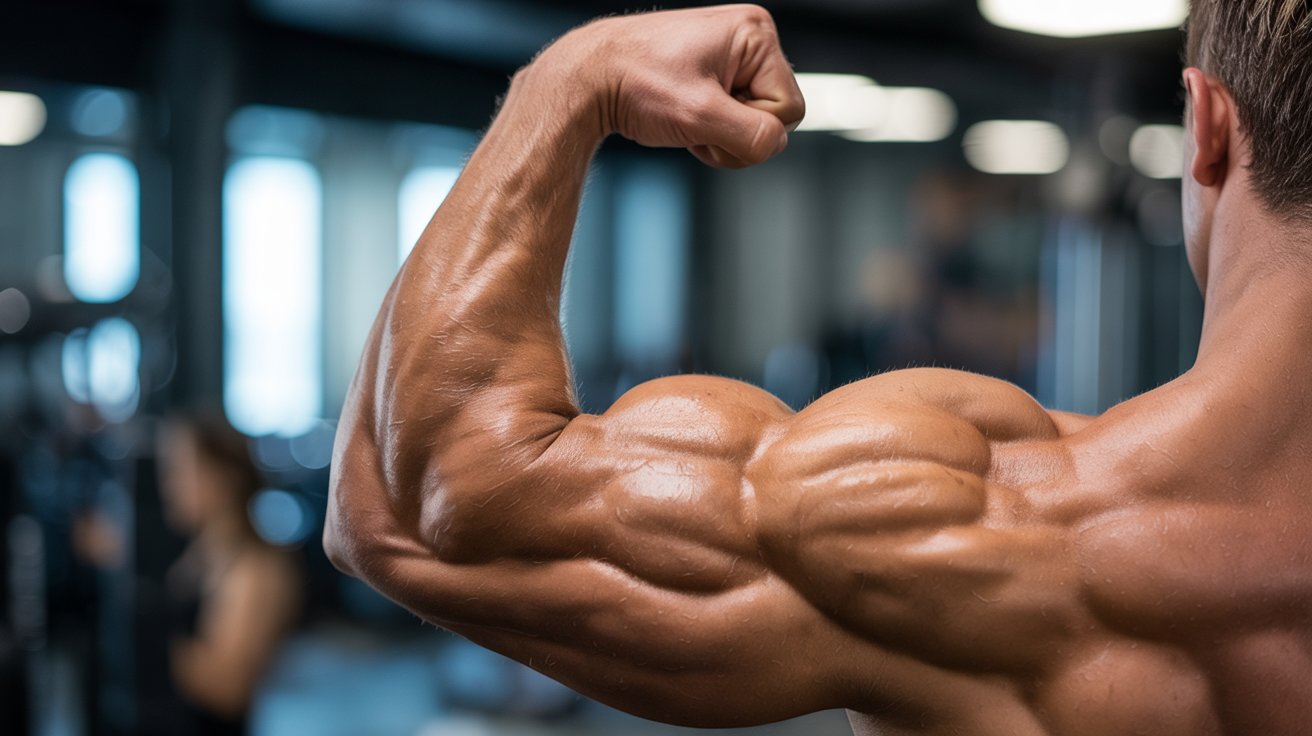
Shape matters as much as size when it comes to how arms look.
Why Long Biceps Look Fuller
The longer muscle belly fills the upper arm from top to bottom. Long biceps look thick and muscular even without flexing.
Why Short Biceps Have a Higher Peak
When short biceps flex, the muscle bunches into a sharp, high peak. This is the classic bodybuilding look that stands out in photos and on stage.
Which Looks Bigger in Real Life vs Flexing
Unflexed, long biceps look bigger. Flexed, short biceps look more dramatic. Knowing your type helps you train and present your arms better.
Common Myths About Long vs Short Bicep

A lot of bicep misinformation is circulating online. Here is the truth.
“You Can Change Your Bicep Length”
False. No exercise or technique changes your insertion point. You can build the muscle bigger, but you cannot move where it attaches.
“One Type Is Better for Bodybuilding”
Both types have produced elite bodybuilders. Long biceps win for size. Short biceps win for peak. Your training approach matters more than your genetics.
“More Exercises = Faster Growth”
More exercises do not mean faster growth. Progressive overload on a few solid movements beats doing ten curl variations at the same weight. Add weight over time. That is what builds arms.
Tips to Maximize Bicep Growth Regardless of Genetics
Smart training beats genetics every single time. Keep these points in mind.
- Add weight or reps consistently. Progressive overload is the number one driver of muscle growth.
- Slow down your reps and feel the muscle working. A controlled curl builds more than a fast, sloppy one.
- Mix close-grip and wide-grip curls to hit both heads of the bicep.
- Add hammer curls to your routine. They build the brachialis, which pushes the bicep up and makes it look bigger.
- Train triceps too. Bigger overall arms start with balancing both sides.
Conclusion
I have trained alongside people with all kinds of arm shapes and here is what I know for sure. Genetics give you a starting point, not a finish line.
Whether you have long or short biceps, the arms you build are yours to shape.
Stop obsessing over your insertion type. Start obsessing over your next rep, your next meal, and your next rest day.
If this helped you, drop a comment below. I would love to know your bicep type and how your training is going. Share this with a training partner who needs to hear it.
Frequently Asked Questions
Can you tell if you have long or short biceps without a test?
Yes. Long biceps show little to no gap near the elbow when relaxed. Short biceps show a clear visible space between the muscle and the forearm.
Does having short biceps mean smaller arms?
No. Short biceps just have a different shape. With consistent training, they can grow just as large and form a sharp, impressive peak.
Which bicep type is better for powerlifting or strength sports?
Both perform similarly. The difference in leverage is minimal. Training volume, technique, and consistency matter far more than insertion type.
Do long biceps respond better to high reps or low reps?
Neither. Both bicep types grow well with a mix of heavy sets in the 6 to 10 rep range and moderate sets in the 12 to 15 range.
Is it possible to build an impressive bicep peak with long biceps?
Yes. Focus on short-head exercises like incline curls and concentration curls. The peak may be lower than short biceps, but it can still look very impressive.


