

I trained arms consistently for years and still couldn’t figure out why my biceps looked nothing like the people I trained with.
Same exercises. Same effort. Completely different results. Turns out, long bicep insertion was the missing piece nobody talked about.
Where your bicep tendon attaches on your forearm decides how your arms look and how they respond to training. It’s that simple. And that important.
So why do some biceps peak sharply while others look long and full? And what does that mean for your workouts?
Let’s get into it.
Understanding Long Bicep Insertion
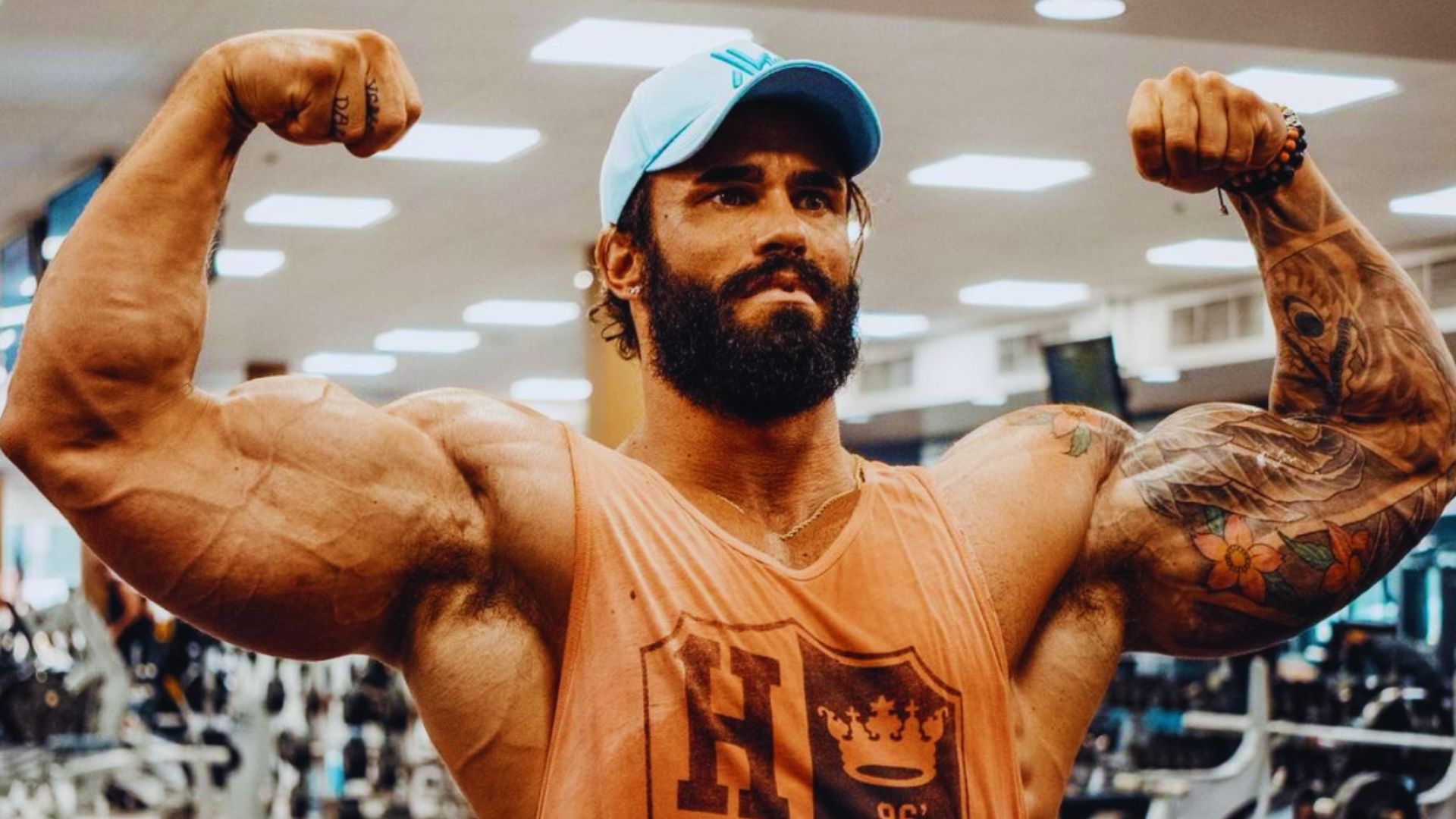
Long bicep insertion refers to how far down the forearm the bicep tendon attaches. The lower that attachment point sits, the longer the muscle belly appears.
This tendon connects to a bone in your forearm called the radial tuberosity. With a long insertion, the muscle tissue extends further toward the elbow before the tendon takes over.
Visually, this creates a longer, fuller-looking bicep. The muscle fills more of the upper arm, which gives it a rounder and more spread-out appearance rather than a sharp, high peak.
In simple terms, long bicep insertion vs short insertion comes down to where the muscle ends and the tendon begins.
Long insertion means more muscle length. Short insertion means more visible peak but less overall fullness.
How Bicep Insertion Influences Muscle Growth
Your insertion point doesn’t just affect how your arms look. It also changes how the muscle performs during training.
Mechanical Advantage and Strength
A longer muscle belly generally means more muscle fibers are involved across the range of motion. That can translate to solid strength across most curl variations.
However, the leverage at peak contraction changes depending on insertion length. With a long insertion, the mechanical advantage at the very top of a curl may feel slightly different compared to someone with a short insertion.
Range of motion matters more here too. Because the muscle is longer, getting full contraction requires proper form and complete range. Cutting reps short limits how much of the muscle you’re actually working.
Artistic Implications
People with long bicep insertion tend to have arms that look thick and full, even at rest. The muscle takes up more visual space from the shoulder down to the elbow.
The trade-off is that the sharp, pointed peak you see on some bodybuilders is more common with a short insertion. Long insertion arms tend to look wider and more developed from the front.
Neither is better. They’re just different shapes. Training smart for your specific insertion type is what gets you the best version of your own arms.
Best Exercises for Long Bicep Insertion

If you have a long bicep insertion, certain exercises and form cues will get you far better results than just copying a generic arm routine. The focus should be on maximizing the full range of motion and building as much thickness as possible.
Here are the best movements to prioritize:
- Barbell curls: The foundational mass builder. Use a shoulder-width grip and focus on the full range of motion from a dead hang to full contraction at the top.
- Incline dumbbell curls: The incline angle stretches the bicep at the bottom of the rep, hitting the long head especially well. Go slow on the way down.
- Hammer curls: These target the brachialis underneath the bicep, which pushes the muscle up and adds overall arm thickness. Great for long insertion types.
- Concentration curls: Locks the arm in place and forces strict isolation. Excellent for building a strong mind-muscle connection and getting a full squeeze at the top.
For grip and angle, slightly supinate your wrists at the top of curls to maximize peak contraction. Avoid overly wide grips as they reduce the stretch at the bottom of the movement. Controlled reps always outperform heavy and sloppy ones here.
Training Strategies for Different Bicep Insertions

If you have a long bicep insertion, volume is your friend. Higher rep ranges between 10 and 20 work well because they keep the muscle under tension longer and cover more of the available muscle fiber.
Train biceps two to three times per week. Frequency matters more than absolute load here. Consistent stimulus across the week produces better development than one heavy session followed by five days of nothing.
For technique variations, tempo training works particularly well. A slow eccentric of two to three seconds on the way down increases time under tension without needing to add weight. Drop sets are also worth including at the end of a session to push the muscle to full fatigue.
When comparing long bicep insertion vs short insertion training, those with longer insertions benefit more from stretch-focused movements like incline curls and less from peak contraction exercises alone. The muscle responds better to a full range than to partial reps with heavy weight.
Common Mistakes to Avoid
A lot of people with long bicep insertion train in ways that work against their anatomy. These mistakes are common and easy to fix once you know what to look for.
Here’s what to stop doing:
- Going too heavy at the expense of form: Heavy weight with poor form shortens the range of motion and removes the stretch where long insertion biceps grow best.
- Ignoring arm angles: The angle of your upper arm during a curl changes which part of the bicep is most active. Varying angles across your workout covers more ground.
- Assuming all biceps train the same: They don’t. Long insertion arms respond differently to exercise selection than short insertion arms. A routine built for someone else may not suit your anatomy.
- Skipping the eccentric phase: The lowering portion of the rep is where a lot of the growth signal comes from, especially for longer muscle bellies.
- Neglecting the brachialis: The muscle beneath the bicep is often underdeveloped. Training it adds thickness that directly improves how long insertion arms look.
Small adjustments to your existing routine fix most of these. You don’t need to overhaul everything.
Conclusion
Most people spend years training without ever understanding their own anatomy. You’re not most people anymore.
Knowing your long bicep insertion changes how you train, what you prioritize, and how you measure progress. That knowledge is worth more than any new exercise you could add.
Now it’s your turn to put it into practice.
Try one new adjustment in your next arm session. Then come back and tell me what changed in the comments below.
Found this useful? Share it with someone who’s been stuck on the same arm plateau for way too long.
Frequently Asked Questions
Does Bicep Insertion Affect Strength Gains?
Insertion length influences leverage and mechanical advantage during curls, but it doesn’t cap how strong you can get. Consistent training and progressive overload matter far more than your insertion point.
Can a Long Bicep Insertion Be Changed?
No, your insertion point is determined by genetics and cannot be altered through training. What you can change is how well-developed the muscle itself becomes.
Which Curls Maximize Peak for Long Biceps?
Concentration curls and incline dumbbell curls are your best options for getting a strong contraction through the full range. Pairing them with hammer curls adds thickness that improves overall arm shape.
Is Long Bicep Insertion Better Than Short for Aesthetics?
Neither is objectively better. Long insertion creates a fuller, thicker look while short insertion tends to produce a sharper, higher peak. It comes down to personal preference and overall development.
Do Long Bicep Insertions Require Higher Volume?
Higher volume and frequency generally work well for long insertion types because the muscle responds strongly to sustained tension. Two to three sessions per week with moderate to high rep ranges tends to produce the best results.


