

Leg soreness after a workout can stop you in your tracks. The good news? You can cut down that pain and get back to moving faster. I’ve felt that burn myself, and I know how frustrating it is when your legs feel like jelly.
In this article, I’ll share 9 proven ways to reduce leg soreness after a workout that actually work. You’ll learn why your muscles hurt, how to treat the pain, and what you can do to prevent it next time.
As someone who’s tested these methods over years of training, I can tell you they make a real difference. Let’s get you feeling better.
Understanding Leg Soreness After Workout

Your muscles get sore because of tiny tears in the muscle fibers. This happens when you work out harder than usual or try a new exercise. Your body responds with inflammation and fluid buildup around these tears. This is completely normal.
Doctors call this DOMS (Delayed Onset MuscleSoreness). It usually shows up 12 to 24 hours after exercise. The pain peaks around 48 to 72 hours later.
Normal soreness feels like a dull ache. Your muscles might feel tight or stiff. But if you feel sharp pain, can’t move normally, or notice swelling that won’t go down, that’s different. Those could be signs of an injury.
Here’s the thing: Soreness actually means your muscles are getting stronger. When those tiny tears heal, your muscles rebuild themselves bigger and tougher. Your body is adapting to handle more work next time.
Proven Methods to Ease Leg Pain After Exercise
Simple and effective techniques you can use right away to reduce muscle pain and recover faster after working out.
1. Proper Warm-Up

Start every workout with 5 to 10 minutes of light cardio. Try jogging in place, jumping jacks, or a quick walk. Then do dynamic stretching like leg swings and high knees.
This gets blood flowing to your muscles. Warm muscles are ready to work and less likely to get extremely sore later. Your body needs time to shift from rest mode to workout mode.
Many people skip this step. Don’t make that mistake. A good warm-up is like insurance against next-day pain.
2. Cool Down and Stretching

After your workout, don’t just stop cold. Slow down your activity for 5 to 10 minutes. Walk around or do light movement.
Then spend time on static stretching. Hold each stretch for 20 to 30 seconds. Focus on the muscles you just worked. This helps your heart rate come down gradually.
Stretching while your muscles are still warm helps them relax. It reduces stiffness and keeps you flexible. You’ll feel the difference the next day.
3. Hydration and Electrolytes

Your muscles need water to function and recover. When you sweat, you lose both water and electrolytes like sodium and potassium.
Drink water before, during, and after your workout. A good rule is to drink half your body weight in ounces daily. So if you weigh 150 pounds, aim for 75 ounces.
Add electrolytes if you sweat heavily. You can drink sports drinks, coconut water, or eat a banana. This prevents cramps and keeps soreness from getting worse.
4. Balanced Nutrition

What you eat after working out matters a lot. Your muscles need protein to repair those tiny tears. Aim for 20 to 30 grams within two hours of exercising.
You also need carbs to refill your energy stores. Think rice, potatoes, or fruit. Healthy fats from nuts, avocados, or olive oil help your joints stay smooth.
Good nutrition speeds up recovery. Skip the junk food and give your body the fuel it needs to rebuild.
5. Foam Rolling

A foam roller is a simple tool that works wonders. Roll it slowly over your sore muscles. This is called self-myofascial release.
Spend 10 to 15 minutes on this. Focus on areas that feel tight or tender. Press down with your body weight and roll back and forth.
This breaks up knots and gets blood flowing to sore spots. More blood means more oxygen and nutrients for healing. It hurts a bit while you do it, but you’ll feel looser after.
6. Massage Therapy

A professional massage can really help tired legs. The therapist works out tight spots and helps flush waste products from your muscles.
Can’t afford regular massages? Try self-massage with your hands. Use firm pressure and work in the direction toward your heart.
Even 10 minutes of massage boosts recovery. Your muscles relax, and you’ll notice less discomfort over the next few days.
7. Active Recovery

Rest doesn’t mean sitting on the couch all day. Try active recovery instead. This means doing light, easy movement.
Go for a gentle walk, swim some easy laps, or do basic yoga. Keep it low impact and relaxed. You’re not trying to work out hard.
This keeps blood circulating without stressing your muscles more. Better circulation means faster healing. You’ll recover quicker than if you did nothing at all.
8. Topical Relief
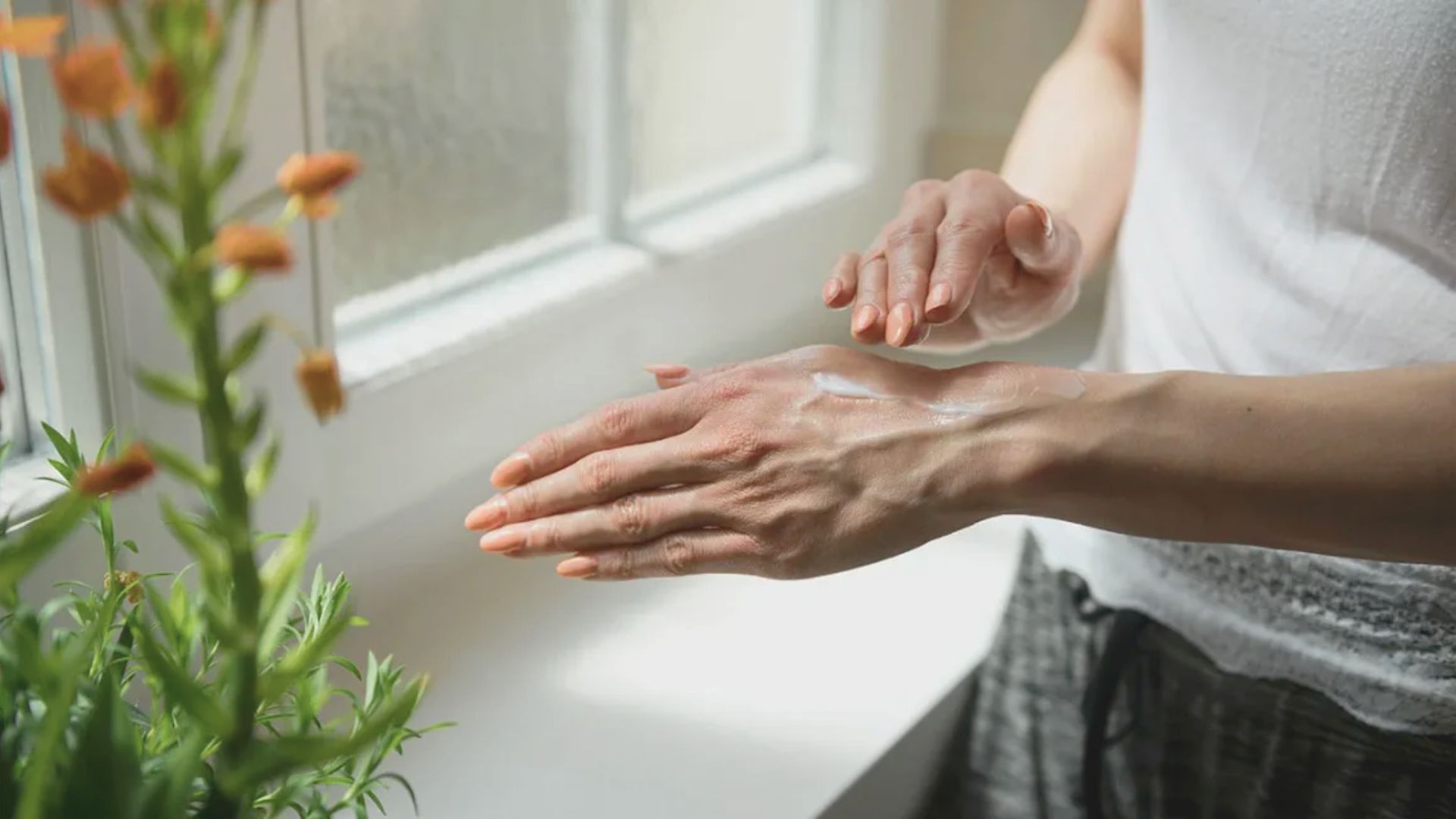
Creams and gels with menthol or capsaicin can ease soreness temporarily. Rub them on your sore legs for cooling or warming relief.
Some people like ice packs right after workouts. Others prefer to heat the next day. Try both and see what feels better to you.
Remember, these don’t actually speed up healing. They just make you more comfortable while your body does its work.
9. Gradual Progression

The biggest mistake people make is doing too much too soon. Don’t jump from zero to hero overnight.
Increase your workout intensity, time, or weight by only 10% each week. This gives your body time to adapt without getting crushed by soreness.
Building up slowly prevents severe pain and reduces injury risk. Patience pays off in the long run.
When to Seek Medical Advice?

Most soreness goes away in 3 to 5 days. But sometimes pain signals a real problem.
See a doctor if your soreness lasts more than 72 hours or gets worse instead of better. Sharp, intense pain that doesn’t fade is not normal.
Watch for signs of rhabdomyolysis. This is a serious condition where muscle breaks down too fast. Warning signs include very dark urine (like cola), extreme swelling, severe weakness, or feeling extremely tired.
If pain stops you from doing daily activities like walking or climbing stairs, get checked out. Better safe than sorry.
Tips to Minimize Leg Soreness After a Workout
Here are some simple habits that will help you avoid severe muscle pain and recover faster.
- Rotate your muscle groups. Don’t work the same muscles every day. Alternate between upper body, lower body, and cardio. Give each muscle group at least 48 hours to recover.
- Keep a workout log. Write down what you did and how sore you felt afterward. This helps you spot patterns and avoid overtraining.
- Plan rest days into your schedule. Your muscles grow during rest, not during workouts. Take at least one or two full rest days each week.
- Get 7 to 9 hours of sleep every night. Sleep is when your body does most of its repair work. Cut your sleep short, and you’ll stay sore longer.
- Try compression gear if it helps you. Some people find compression socks or tights improve circulation and reduce swelling. Others don’t notice much difference. See what works for you.
Conclusion
Leg soreness doesn’t have to ruin your fitness routine. I’ve used these 9 methods for years, and they’ve kept me moving even after tough leg days. Trust me, the difference is real.
The key is being consistent with warm-ups, cool-downs, and recovery. Listen to your body and give it what it needs. Start using these tips today and see how much better you feel.
Got questions or your own recovery tricks? Drop a comment below and let’s chat. Share what works for you. Your legs will thank you, and so will your future workouts.
Frequently Asked Questions
How long does leg soreness typically last after a workout?
Normal soreness peaks at 48 to 72 hours and goes away in 3 to 5 days. Longer than a week means you should see a doctor.
Should I work out with sore legs or take a rest day?
Light activity is okay, but skip hard leg workouts. Try walking or swimming until the soreness fades.
Does drinking water really help reduce muscle soreness?
Yes. Water helps flush out waste and reduces inflammation. Not drinking enough makes soreness worse.
Is it normal to feel more sore after some workouts than others?
Yes. New exercises or harder workouts cause more soreness. Your body gets used to it over time.
Can I prevent leg soreness completely?
No, but you can reduce it a lot. Warm up properly, progress slowly, and recover well to minimize pain.


