

Core strength matters more than most people think.If you have been skipping leg raises, you might be missing out on one of the simplest and most effective core exercises out there.
I have been working with fitness routines for years, and leg raises remain a go-to move for building real abdominal and hip strength.
In this blog, you will learn what leg raises are, how to do them correctly, and which variations work best for your goals.
We will also cover muscles worked, safety tips, and common mistakes to avoid. By the end, you will know exactly how to add this move to your routine with confidence.
What Is a Leg Raise Exercise?
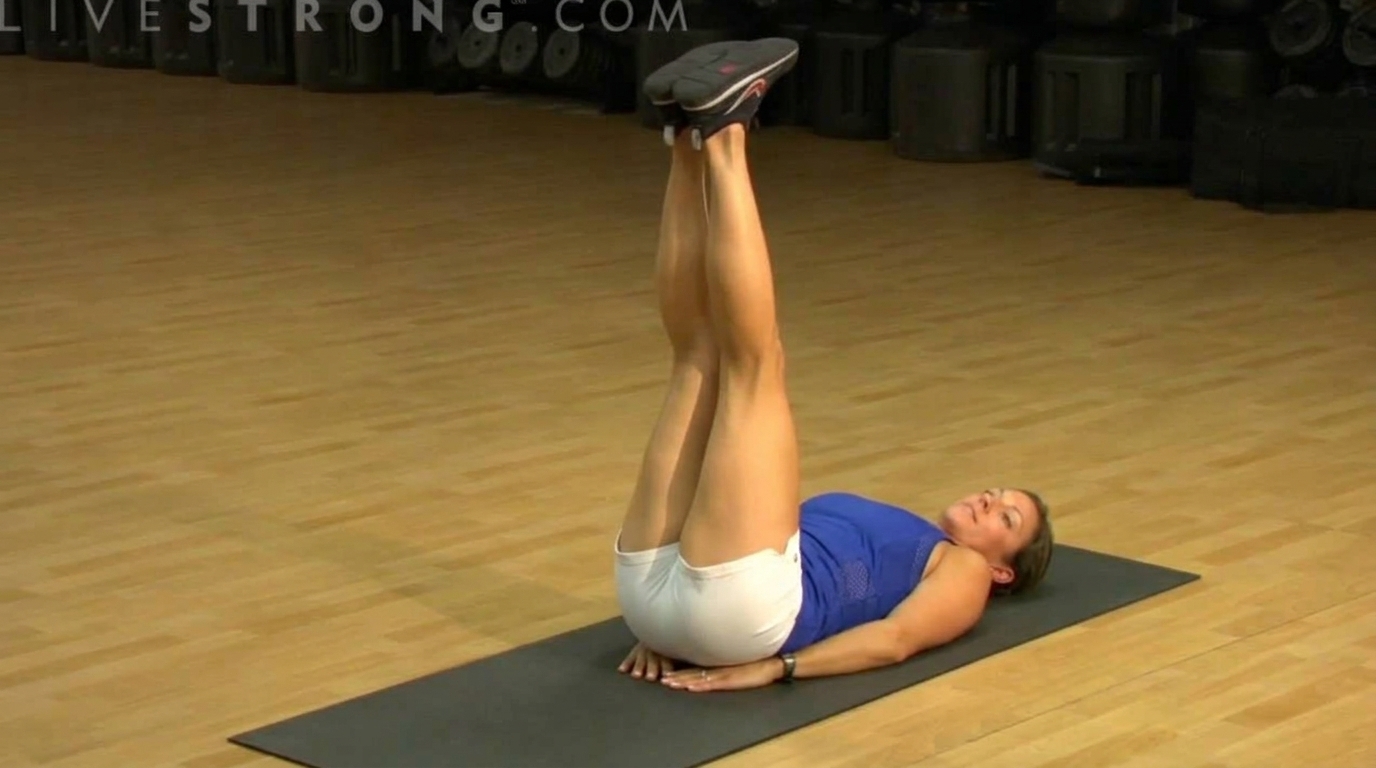
A leg raise is a strength exercise where you lift your legs using your core and hip flexor muscles.
You keep your upper body still while your legs do the moving. It can be done lying on the floor, hanging from a bar, or standing to the side.
The move looks simple, but it demands real muscle control. Your abs and hip flexors work together to lift and lower your legs in a slow, steady motion.
No equipment is needed for the basic version, making it easy to do anywhere, anytime.
Benefits of the Leg Raise Exercise
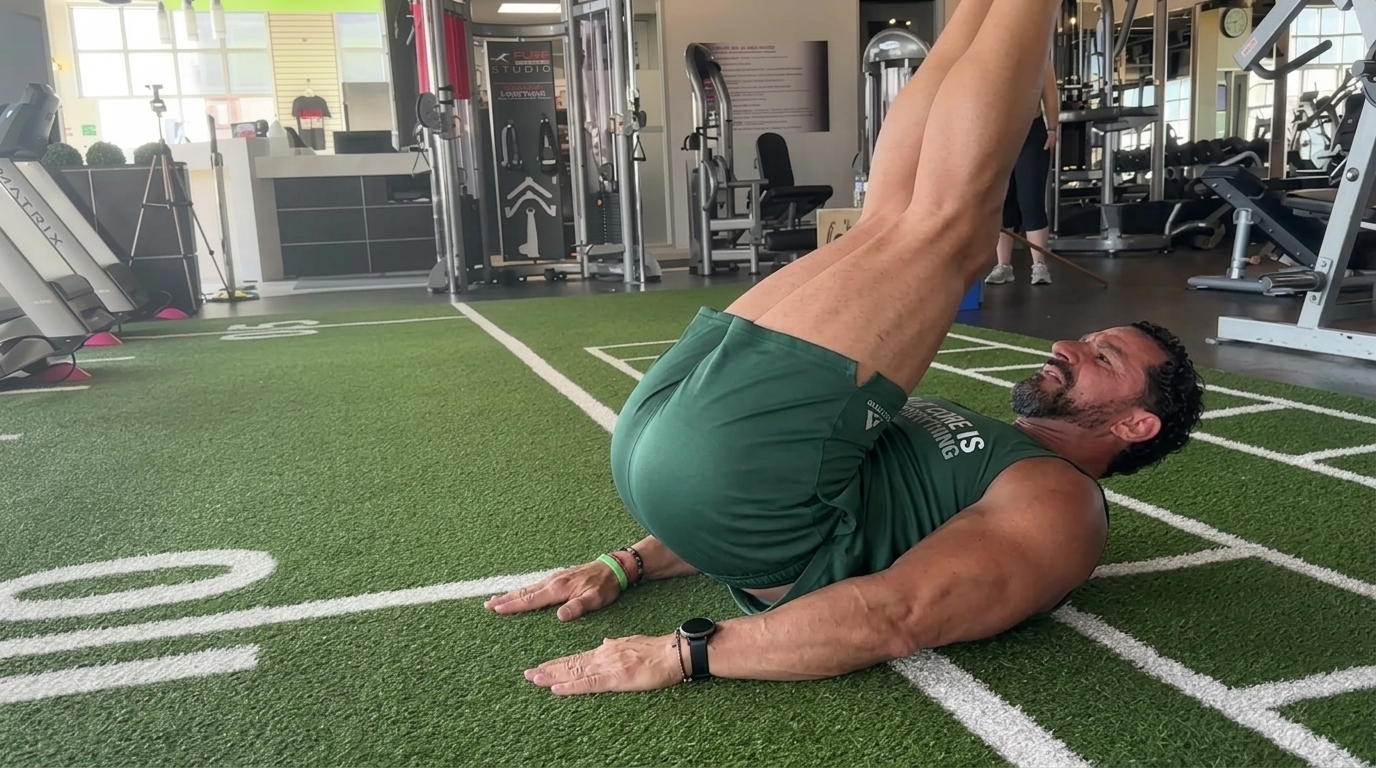
Leg raises offer more than just a flat stomach. Here is why they belong in your regular workout.
Strengthens Core Muscles
Leg raises work the rectus abdominis and deeper stabilizing muscles with every rep. A stronger core protects your spine and supports nearly every movement you make daily.
Improves Hip Flexor Strength and Stability
Most people have weak hip flexors from sitting too much, and leg raises directly fix that. Stronger hip flexors mean better posture, less lower back discomfort, and more power when you run or walk.
Supports Lower-Body Muscle Development
Leg raises also keep your quadriceps and glutes active throughout the movement. They are not a replacement for squats, but they complement lower-body training well.
Improves Balance and Body Control
Controlling your legs through the full range of motion sharpens your body awareness and proprioception. This carries over into better movement quality in other exercises and daily life.
Can Be Performed With Minimal Equipment
All you need is a flat floor for the basic version, making this exercise accessible to almost everyone. A pull-up bar or ankle weights can be added later when you are ready to progress.
How to Do the Leg Raise Exercise With Proper Form
Good form is what separates a productive set from a wasted one. Follow these steps carefully.
Step 1: Set Up Your Starting Position

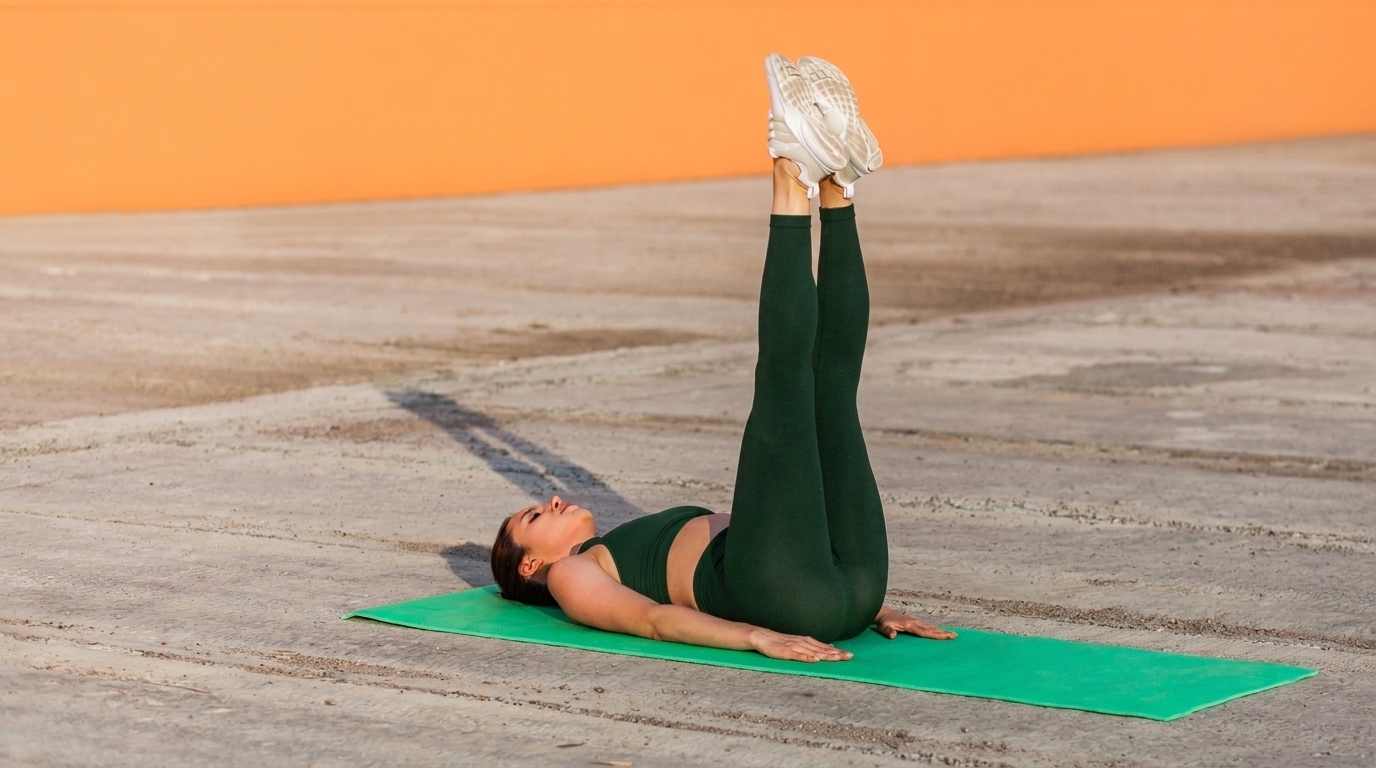
Lie flat on your back with your arms at your sides and palms facing down. Press your lower back firmly into the floor before you begin, as any gap puts strain on your spine.
Step 2: Raise Your Legs With Control and Proper Breathing
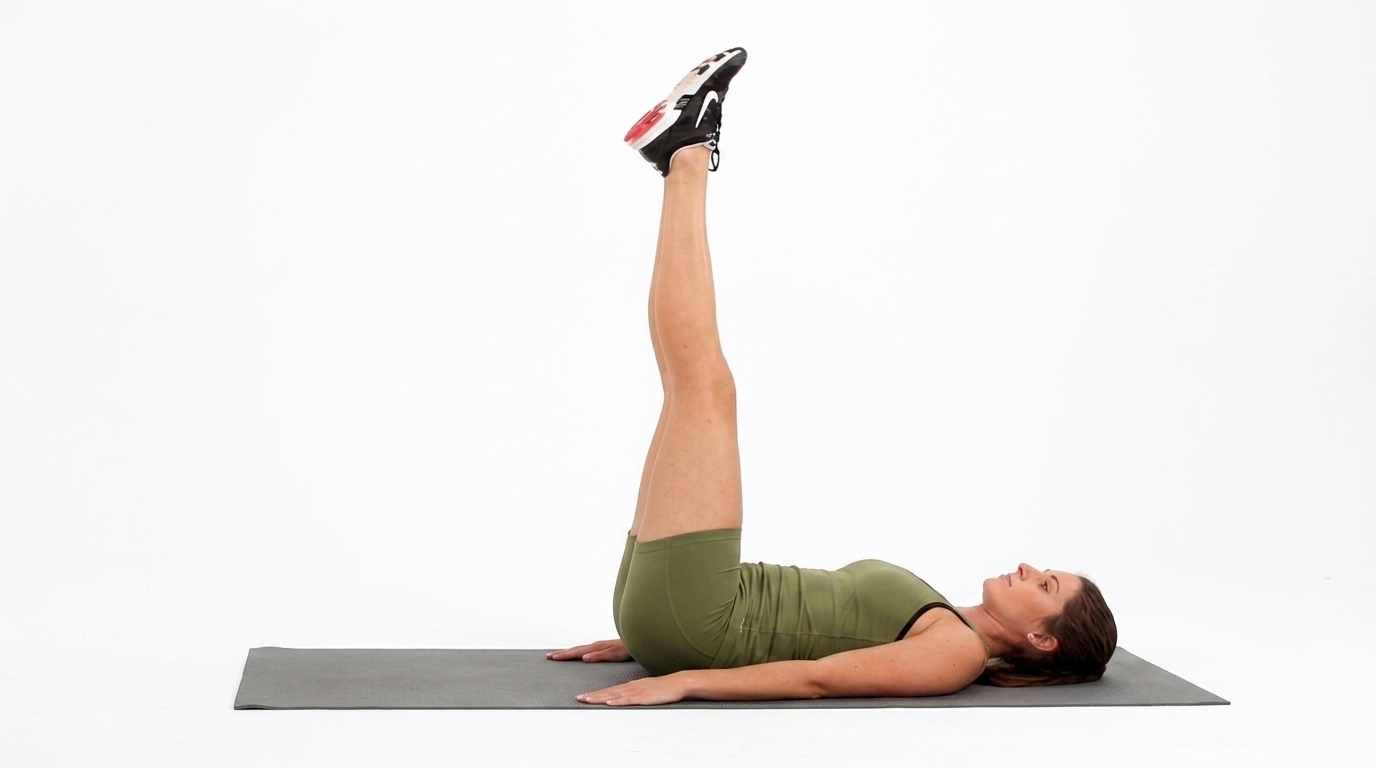
Exhale as you lift your legs slowly toward the ceiling, keeping them straight and together. Do not swing or rush. Let your abs do the lifting, not momentum.
Step 3: Lower Your Legs Slowly and Maintain Core Engagement
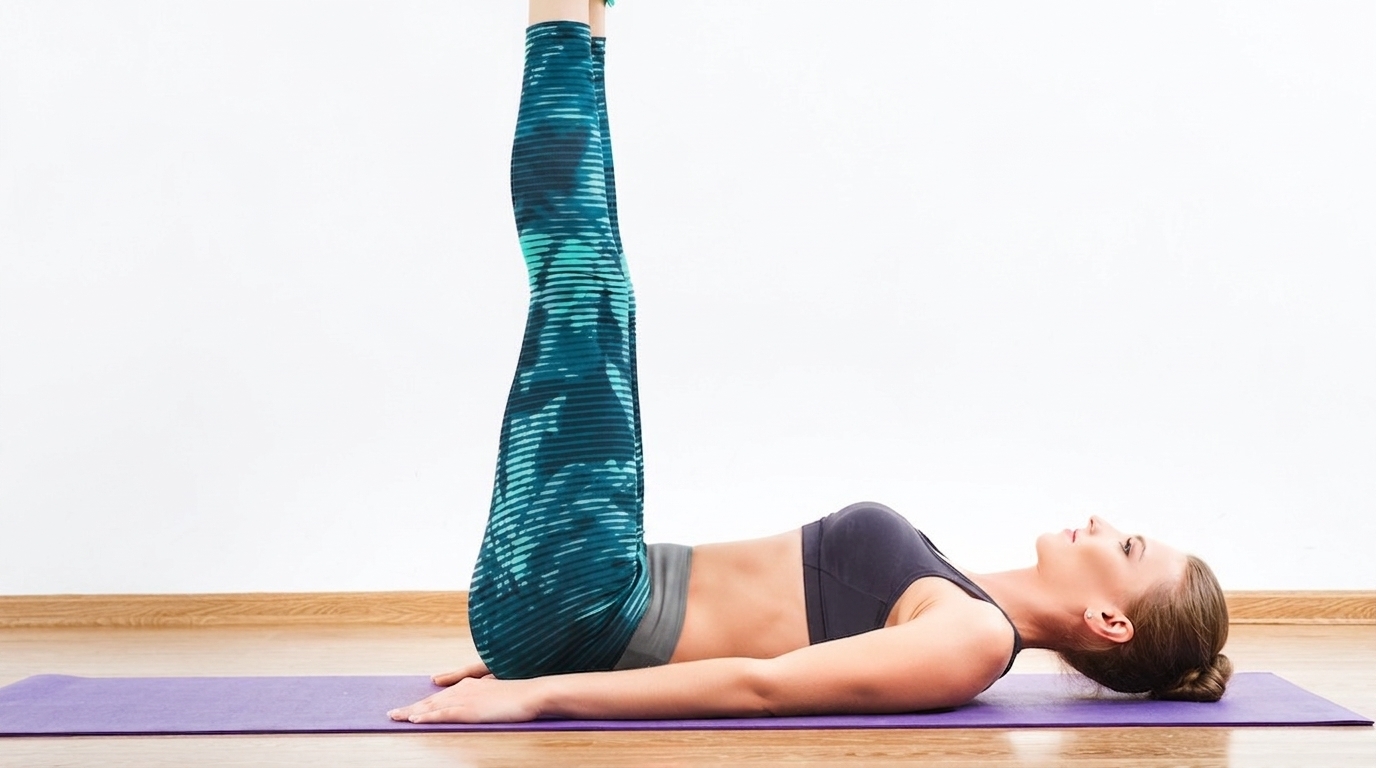
Inhale as you lower your legs back down and stop just before your feet touch the floor. Keep your lower back flat the entire time. The moment it arches, your form has broken down.
Leg Raise Exercise Variations to Try
Not all leg raises are the same. These variations keep your workouts fresh and target muscles from different angles.
Straight Leg Raise Exercise
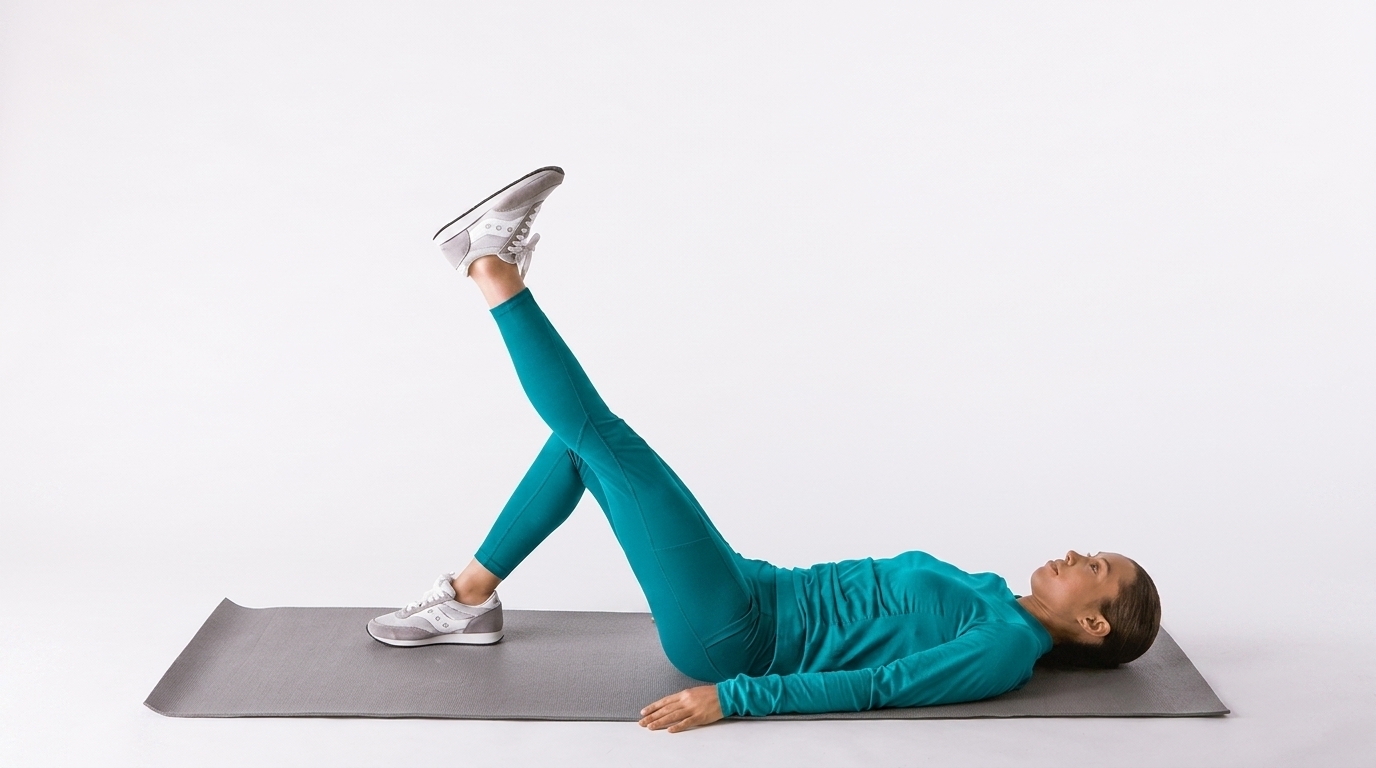
This is the standard lying version with both legs kept straight throughout the movement. It builds foundational core and hip flexor strength and is the best place for beginners to start.
Side Leg Raise Exercise
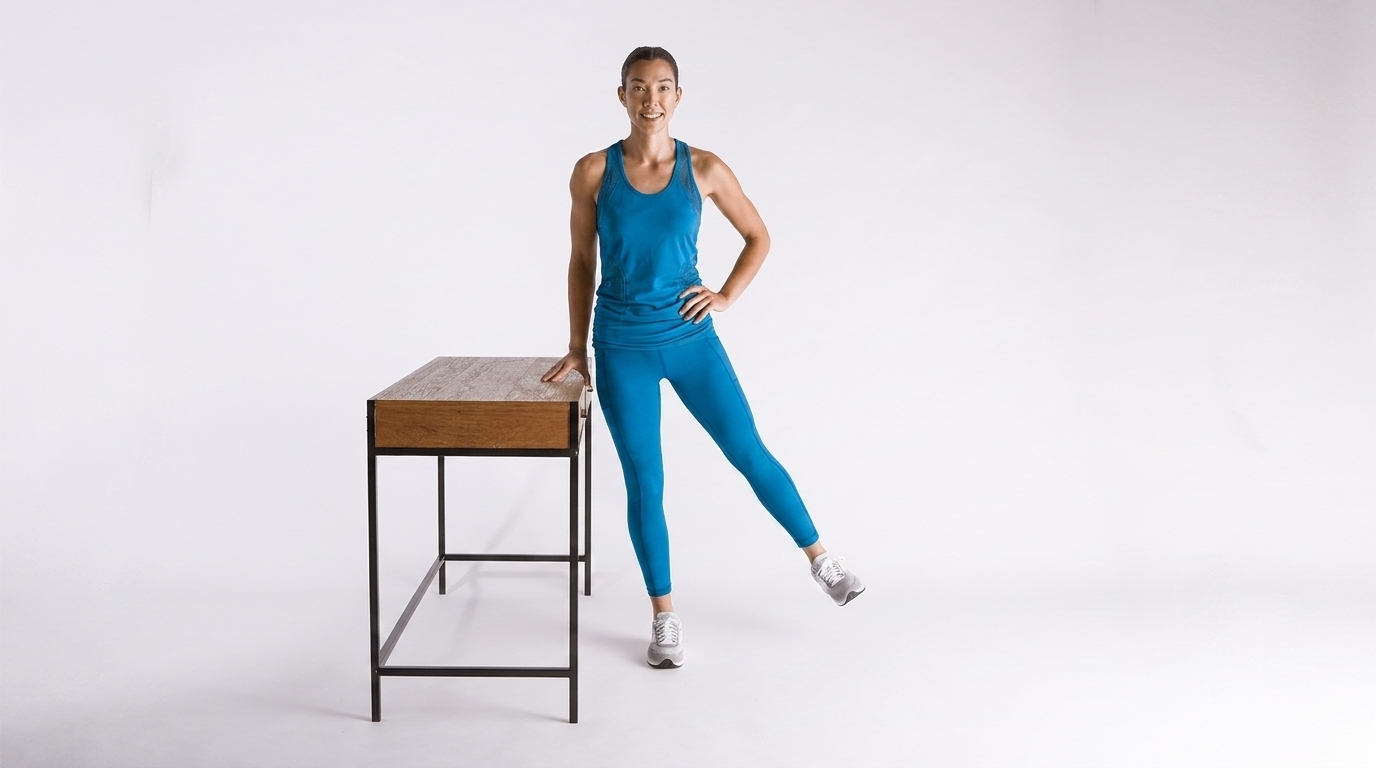
You stand upright and lift one leg out to the side in a slow, controlled motion. It targets the hip abductors and works the outer hips and thighs effectively.
Side Lying Leg Raise Exercise
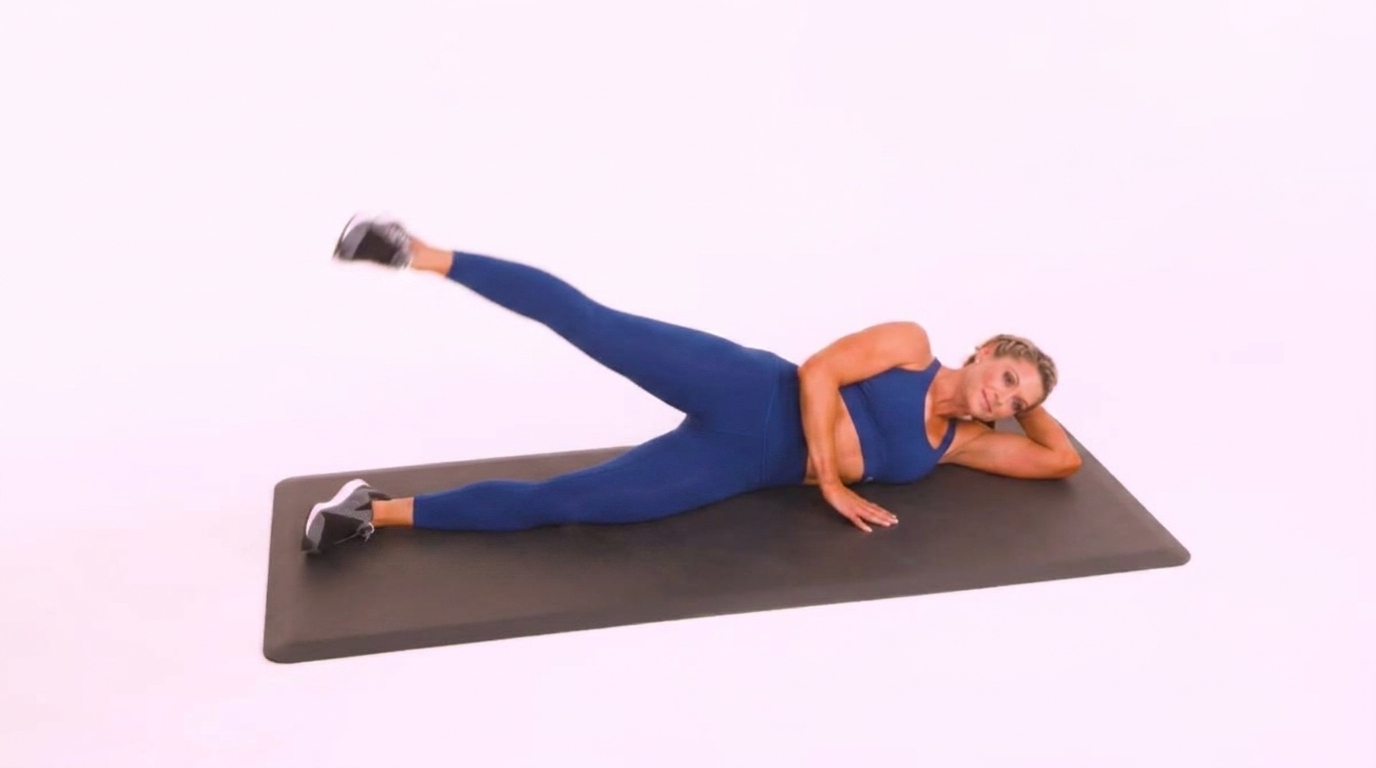
Performed on your side on the floor, you lift the top leg upward and lower it with control. This version removes the balance challenge and isolates the hip abductors more directly.
Hanging Leg Raise Exercise

Done from a pull-up bar, this advanced version demands grip strength, upper body stability, and strong core control. It allows the greatest range of motion out of all the variations.
Captain's Chair Leg Raise

You support your weight on your forearms in a captain's chair and lift your knees or legs in front of you. It is a solid middle ground between floor raises and hanging leg raises.
Side Leg Raise Exercise and Side Lying Leg Raise Exercise
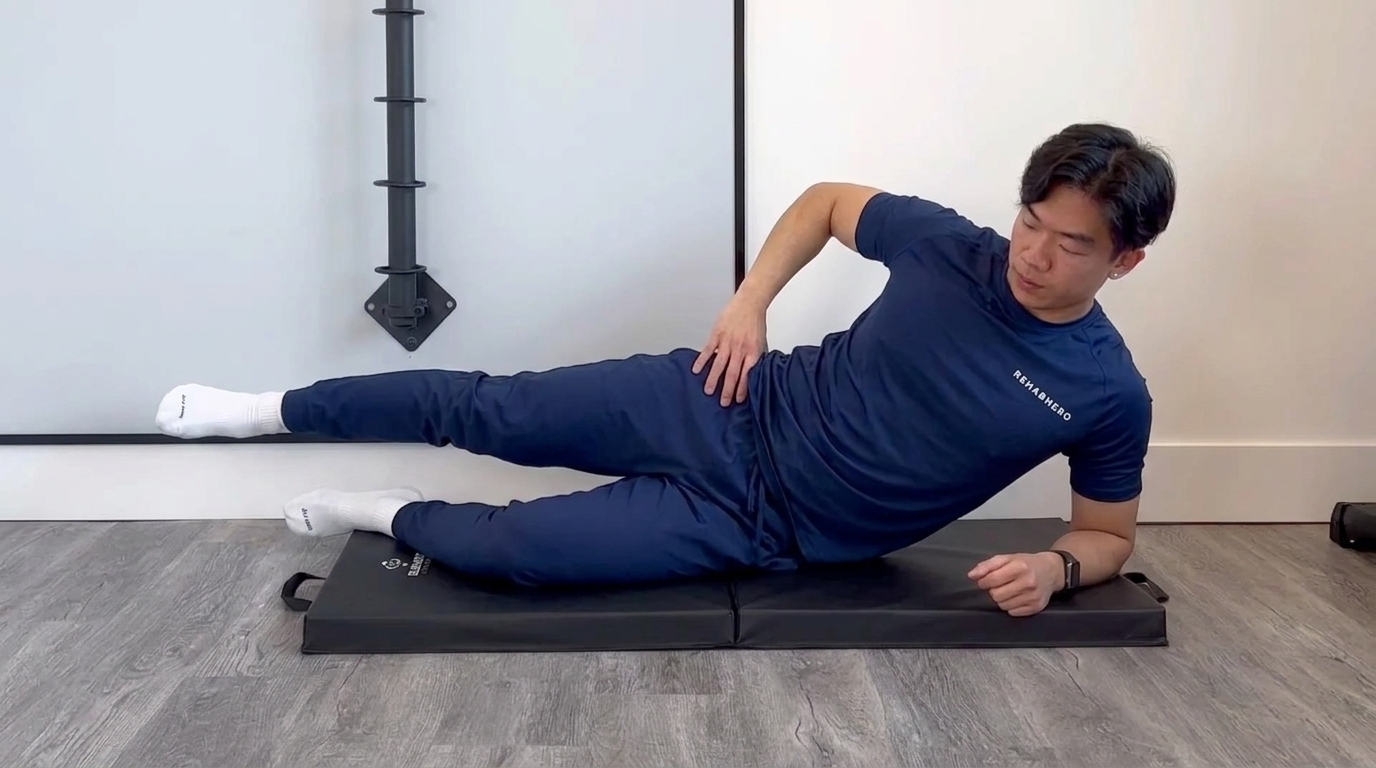
Both moves target the outer hip, but they are not the same. Here is how to tell them apart and use each one correctly.
Differences Between These Two Variations
The standing version is done upright with one leg lifting to the side, while the lying version is performed horizontally on the floor.
Standing raises demand more balance, while the lying version allows better muscle isolation.
Muscles Worked
Both target the gluteus medius and gluteus minimus, the hip abductor muscles on the outer hips.
The side lying version also activates the tensor fasciae latae along the outer thigh.
Proper Form and Technique
For the standing version, keep your torso upright and lift the leg to about hip height without leaning.
For the lying version, stack your hips evenly and raise the top leg in a straight line, not forward or back.
How to Make the Leg Raise Exercise More Effective
Small adjustments to how you train can make a significant difference in results over time.
Increasing Time Under Tension
Slow each rep down to a 3 second lift and a 3 to 4 second lower to force your muscles to work harder. A brief pause at the top adds even more tension and improves strength gains.
Using Resistance Bands or Ankle Weights
Once bodyweight reps feel easy, add light ankle weights starting at 1 to 2 kilograms. Resistance bands looped around your legs can also increase the challenge during the upward phase.
Adjusting Sets and Repetitions
Start with 3 sets of 10 to 15 reps and build up as your core gets stronger. Timed sets of 30 to 45 seconds are another good option to keep pushing your endurance.
Combining Leg Raises With Other Core Exercises
Leg raises work best alongside planks, dead bugs, bicycle crunches, and hollow holds. Rotating through different core movements gives your abs a more complete and balanced workout.
Safety Tips for Performing Leg Raise Exercises
Staying safe during leg raises is just as important as doing them consistently. Keep these tips in mind before and during every session.
- Always press your lower back flat into the floor before lifting your legs.
- Engage your core first, then move your legs, never the other way around.
- Stop immediately if you feel sharp pain in your lower back, hips, or knees.
- Reduce your range of motion if your back starts to arch during the movement.
- If you have a hip or knee injury, consult a physiotherapist before attempting any variation.
Conclusion
Leg raises have been part of my routine for a long time, and honestly, they never get old.
They are simple, effective, and work whether you are just starting out or well into your fitness path.
You now know the form, the variations, and how to stay safe doing them. Start with the basics, stay consistent, and build from there.
Give it a try today and see how your core responds. If this helped you, drop a comment below or share it with someone who needs a solid core workout.
Frequently Asked Questions
What Muscles Does the Leg Raise Exercise Work?
Leg raises target the rectus abdominis, hip flexors, and deep core muscles. The obliques, quads, and glutes also assist depending on the variation you use.
Is the Leg Raise Exercise Good for Beginners?
Yes, the basic lying version is beginner-friendly. Bending your knees or reducing the range of motion makes it even more manageable when starting out.
How Many Leg Raises Should I Do?
Start with 3 sets of 10 to 15 reps. Increase reps or add ankle weights gradually as your core strength improves over time.
Why Does My Lower Back Hurt During Leg Raises?
This usually means your core is not engaged or your back is lifting off the floor. Press your lower back down and shorten your range of motion to fix this.
Are Hanging Leg Raises Better Than Standard Leg Raises?
Hanging leg raises offer a greater range of motion and more challenge, but standard floor raises are safer and better for beginners building foundational strength first.