
Foot placement on the leg press machine matters more than most people think.
A small shift in where you put your feet can change which muscles work, how safe your knees feel, and how much progress you make.
This guide covers everything: how the machine works, where to place your feet for glutes or quads, seated leg press tips, and common mistakes to skip.
I have spent time studying proper form and working with people who train regularly. You will get clear, honest advice here, not guesswork.
Whether your goal is stronger glutes, bigger quads, or safer training, this blog has you covered.
Understanding Leg Press Mechanics and Movement

The leg press machine works by letting you push a weighted platform away from your body using your legs.
Your hips, knees, and ankles all move together during each rep. Where you place your feet on the platform decides which muscles do most of the work.
A low position targets the quads more. A high position brings the glutes and hamstrings into play. Range of motion also matters.
Going through a full range with slow, controlled reps builds more strength than rushing with heavy weight and short movement. Small adjustments create big differences in your results.
Proper Leg Press Foot Placement (Step-by-Step Guide)
Good leg press results start with setting up your body and feet in the right position before you even touch the weight.
Step 1: Set Up Your Body Correctly
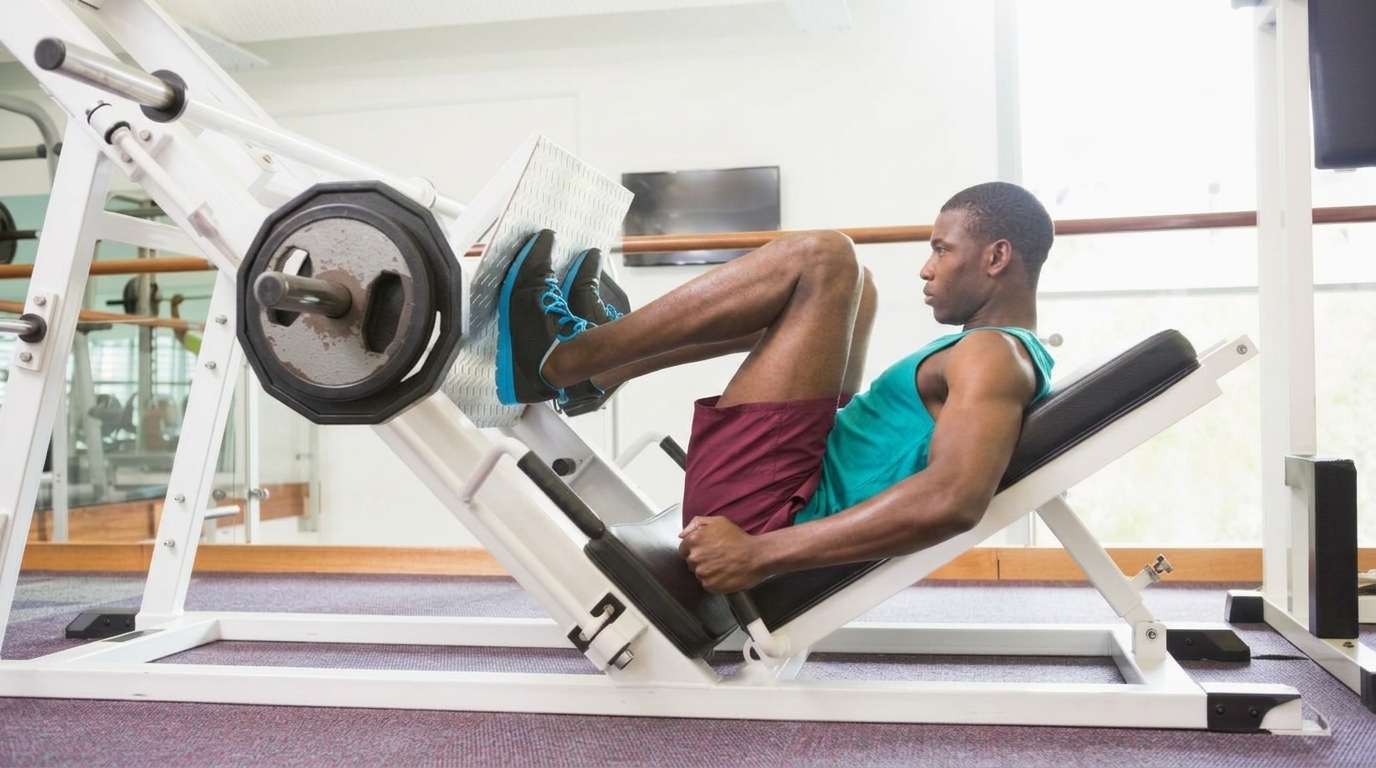
Sit back fully with your lower back flat against the pad. Adjust the seat so your knees sit at roughly 90 degrees when your feet are on the platform.
Step 2: Adjust Foot Position Based on Goal
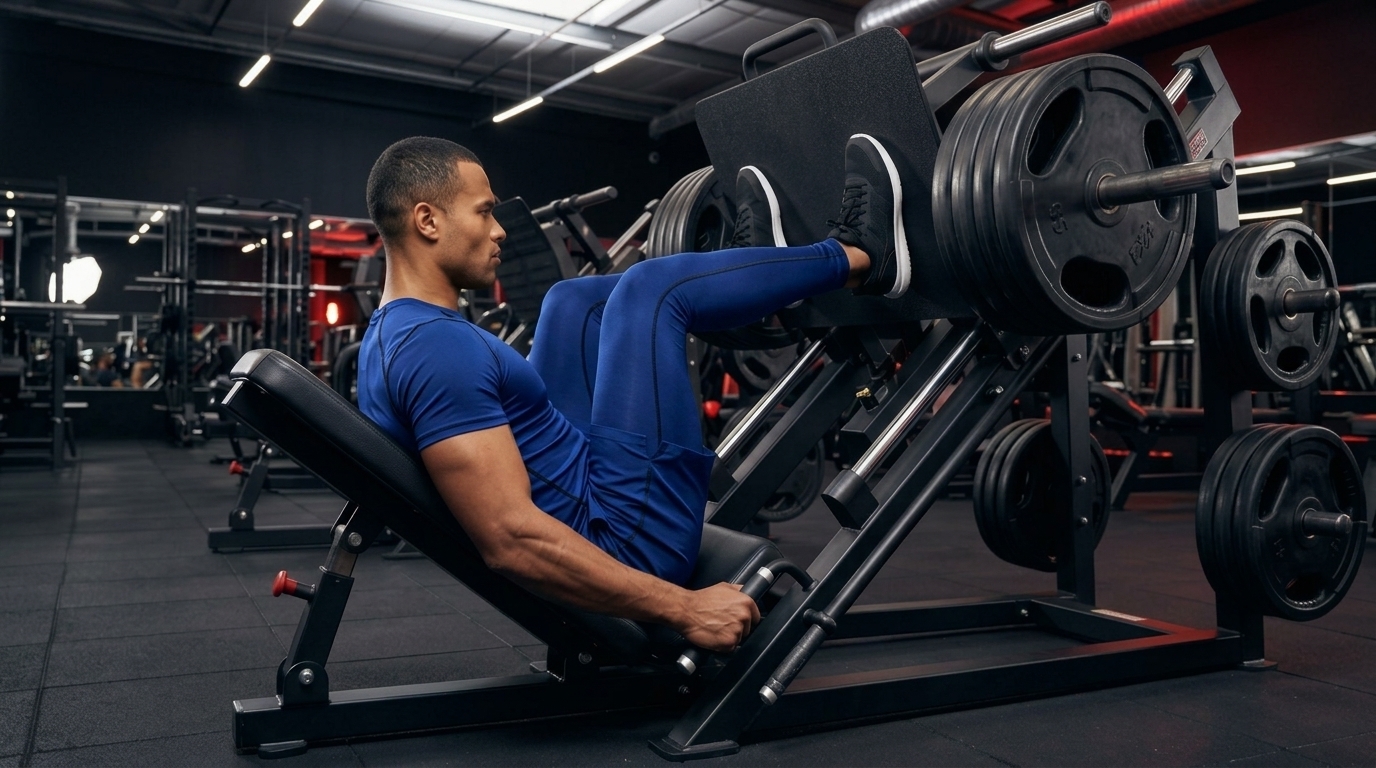
Feet shoulder-width in the middle works for a balanced workout. Move them lower for quads, higher and wider for glutes, or wider with toes out for inner thighs.
Step 3: Perform Controlled Movement
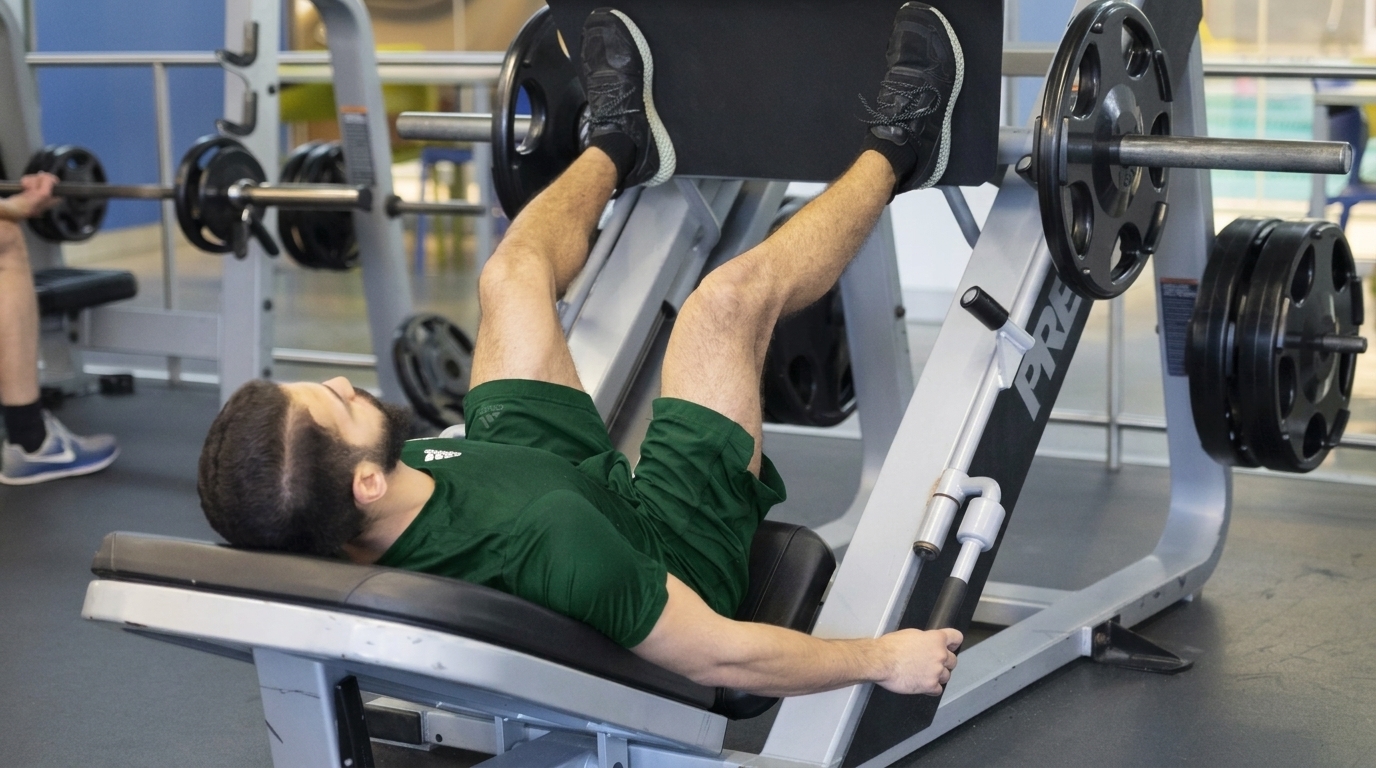
Push the platform out without locking your knees, then lower slowly without lifting your lower back. Keep your feet flat the entire time and breathe steadily through each rep.
Seated Leg Press Foot Placement Explained

The seated leg press has its own setup rules that differ from the standard angled machine most gyms have.
Difference Between Seated and Angled Leg Press Machines
The angled sled machine moves the platform diagonally and favors quad engagement. The seated version requires more hip bend, so your glutes and hamstrings get more involved from the start.
Best Seated Leg Press Foot Placement for Beginners
Start with feet flat at shoulder width in the middle of the platform. Use lighter weight and focus on feeling the movement before adding any load.
Proper Seat Adjustment for Posture and Alignment
Adjust the backrest so your knees reach 90 degrees with feet on the platform. Your lower back should stay in contact with the pad throughout every rep.
Common Seated Leg Press Mistakes to Avoid
Lifting your lower back off the pad, letting knees cave inward, and cutting the range of motion short are the most common errors. Slowing down and using a controlled range fixes most of these problems quickly.
Leg Press Foot Placement for Glutes and Hamstrings
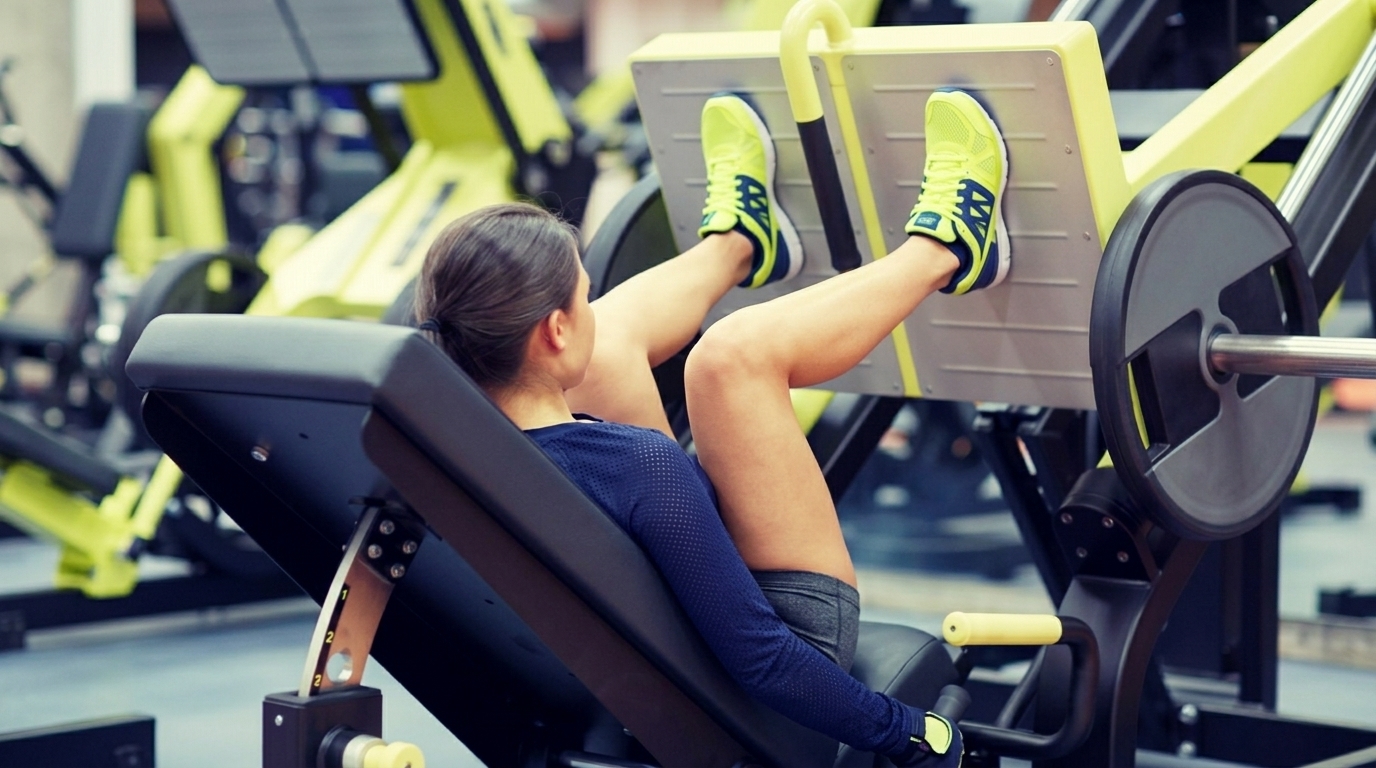
If glute and hamstring development is your goal, foot placement becomes one of your most important training variables.
High Foot Placement for Glute Activation
Placing feet in the upper half of the platform forces more hip bend, which stretches and loads the glutes through a greater range. The harder your hips work on the way up, the more your glutes respond.
Wide Stance vs Neutral Stance for Posterior Chain Focus
A wider stance opens the hips more and shifts load toward the glutes and inner thighs. A high and slightly wide placement together gives the strongest posterior chain stimulus.
How to Push Through Heels for Maximum Glute Engagement
Focus on pressing through your heels instead of your toes during each rep. This small cue keeps the hips involved and forces the glutes to do more of the work.
Best Tempo and Rep Range for Muscle Growth
Lower for 3 seconds, pause for 1, and press back for 2 for the best glute response. For size, aim for 8 to 12 reps. For strength, 4 to 6 reps. For endurance, 15 to 20 reps.
Leg Press Foot Placement for Glutes
Feet high and slightly wide, heels driving the press, and a slow controlled tempo is the formula. Foot placement alone is not enough without the right load and range of motion behind it.
Professional Advice for Better Form and Technique
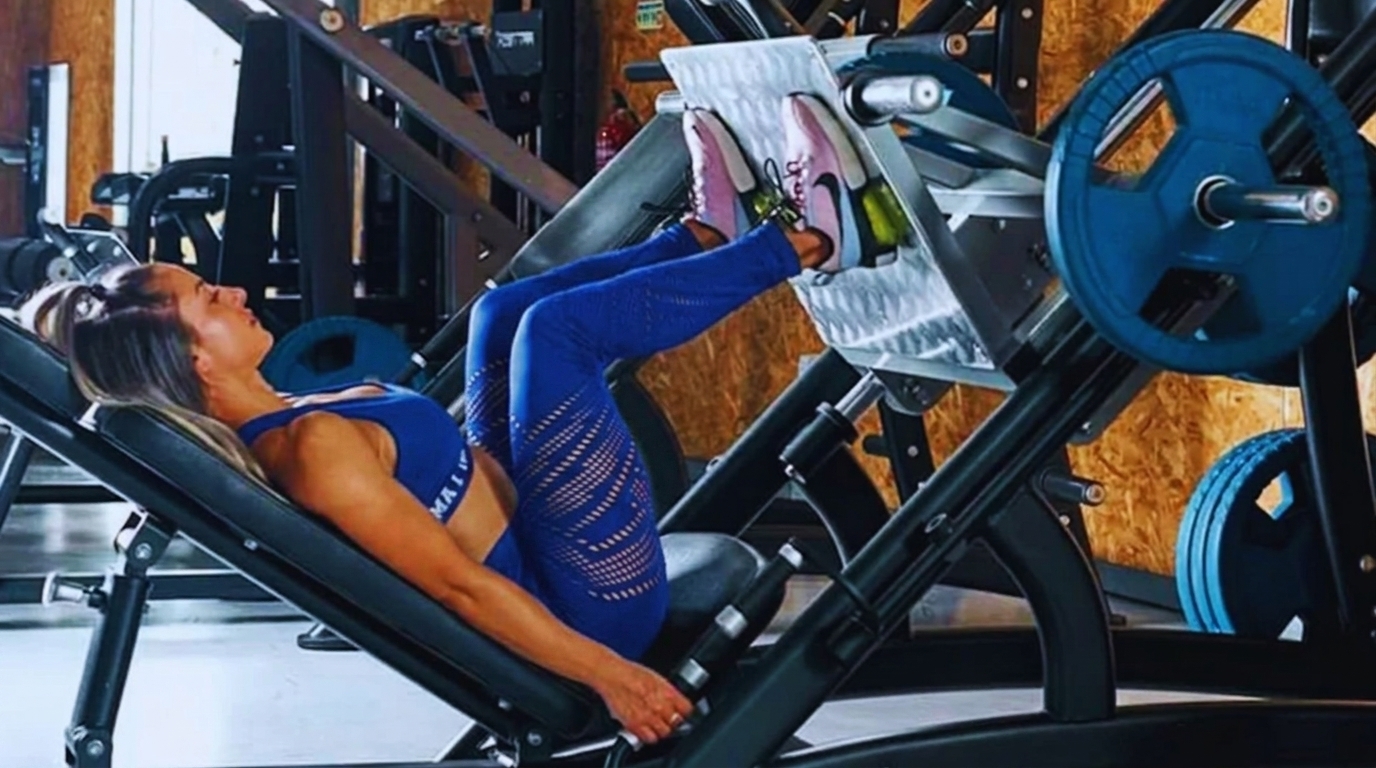
Getting the most from the leg press comes down to matching your setup to your goals and keeping your technique solid as you progress.
How to Choose Foot Placement Based on Fitness Goals
Low and narrow target quads, high and wide targets glutes and hamstrings, and middle shoulder-width gives balanced development. Let your goal for that session decide your setup before you even sit down.
Adjusting Stance for Quads, Glutes, and Hamstrings
Low and narrow builds quads, high and wide builds glutes and hamstrings, and toes slightly out adds inner thigh work. These are starting points, so adjust based on where you actually feel the muscle working.
Foot Placement Variations Based on Training Goals
Rotating foot positions across your training week lets you develop the full lower body without overworking one area. Master one position first before adding variations to your sessions.
Progressive Overload Without Sacrificing Form
Add weight, reps, or slow your tempo gradually over time to keep making progress. Form must stay solid first. Load should only increase when your current weight feels fully controlled.
Warm-Up and Mobility Tips for Safer Performance
Do 5 to 10 minutes of light cardio and dynamic hip stretches before hitting the leg press. Always start your first set with a lighter load to prep your joints before working sets.
Community Discussions on Leg Press Foot Placement
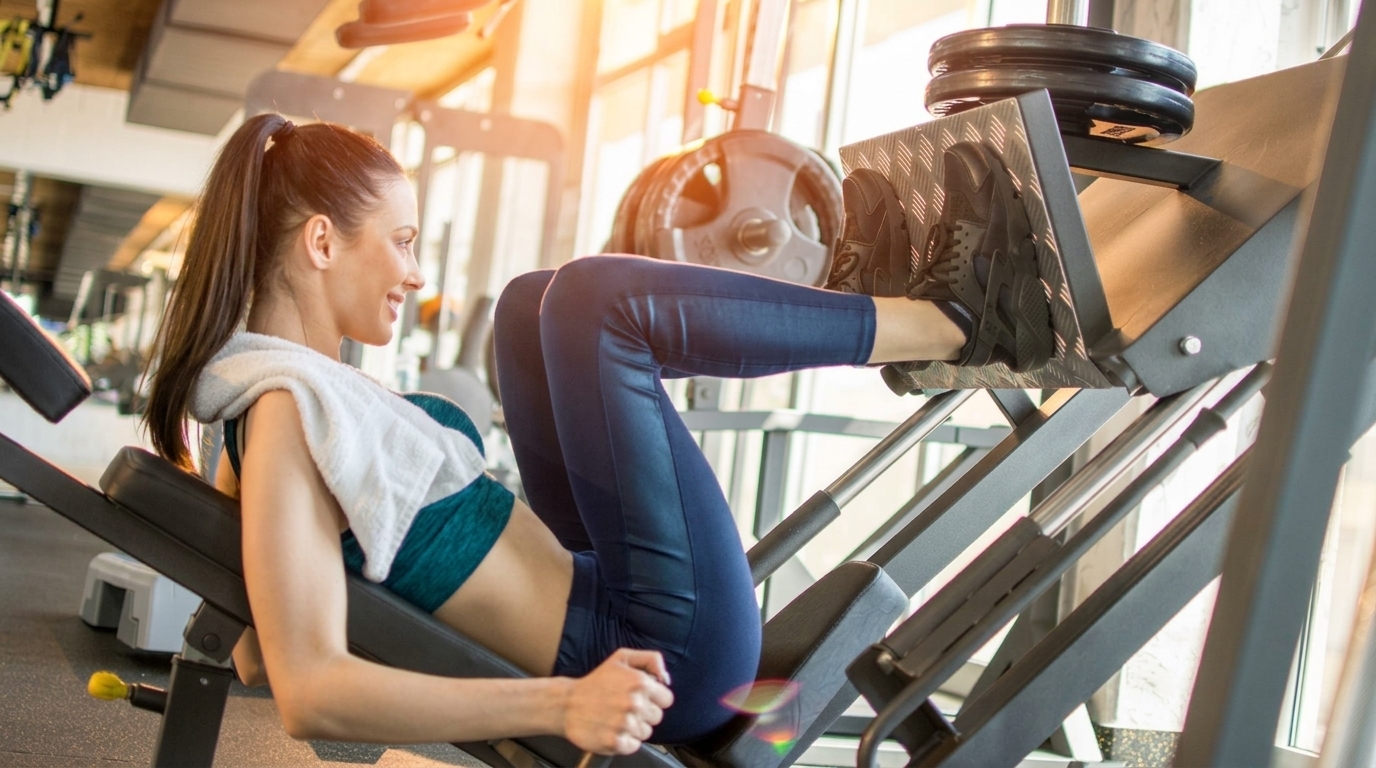
Real gym experiences and conversations from everyday lifters offer valuable insights that go beyond textbook instruction.
Common Gym Debates About Foot Positioning
The high vs low placement debate comes down to goals, not one being objectively better. Both positions have real value depending on which muscle group you are training that day.
Beginner Confusion Around Depth and Stance
Most beginners go too shallow out of fear of lower back rounding. With light weight and proper seat setup, a full range of motion is safe and more effective.
Real-World Experiences from Gym Users
Many lifters report feeling their glutes properly for the first time after switching to high foot placement. A narrow low stance helped others finally isolate their quads without feeling fatigued everywhere.
What Experienced Lifters Recommend for Best Results
Learn the neutral stance and full range first before experimenting with anything else. Using mind-muscle connection and recording your sets from the side are two of the most practical tips from seasoned gym-goers.
Tips for Better Leg Press Performance
These practical tips will help you train safer, feel stronger, and get better results from every leg press session.
- Always warm up with light cardio and hip mobility work before starting your sets.
- Use slow and controlled reps instead of rushing through them with momentum.
- Keep your core tight and your lower back flat against the pad throughout every rep.
- Try different foot positions across sessions to target different muscles safely.
- Stick with consistent training over weeks and months, because that is what drives real progress.
Conclusion
Leg press foot placement is one of those small details that changes everything once you get it right.
I used to place my feet randomly until I learned how much a simple shift changes muscle engagement.
That one change made my glutes and quads respond far better than before. Know your goal, set your feet to match it, and keep your form honest.
Try one adjustment in your next session and feel the difference yourself. Found this helpful? Drop a comment below or share it with a training partner who needs it.
Frequently Asked Questions
What is the best leg press foot placement for beginners?
A shoulder-width stance placed in the middle of the platform is the safest starting point. It gives balanced muscle engagement while you focus on learning proper form.
Is high foot placement better for glutes or quads?
High foot placement targets the glutes and hamstrings more effectively. Low foot placement shifts the focus onto the quads instead.
Can incorrect foot placement cause knee pain?
Yes, placing feet too low or letting heels lift and knees cave inward puts excess stress on the knee joint. Correct positioning reduces this risk significantly.
How often should I change my foot position?
Stick with one position for a few weeks to build strength, then rotate across sessions if you want to target different muscle groups.
Should I lock my knees at the top of the leg press?
No, always keep a slight bend at the top. Locking the knees shifts stress onto the joint and increases the risk of injury over time.