If you’ve ever walked into a gym and felt lost staring at all those machines, you’re not alone. I’ve been there too. Knowing the leg machines at the gym names can make a huge difference in how you train.
In this article, I’ll walk you through 11 machines, what they do, and how to use them right.
Whether you’re just starting out or getting back into fitness, this guide is for you. I’ve spent years in the gym and I know how confusing it gets at first.
Why Knowing Leg Machine Names at the Gym Matters

Not knowing the equipment in a gym can leave you feeling lost and unsure. It wastes time and raises the risk of injury.
Knowing the names of leg machines changes that. You feel more confident, follow workout plans easily, and stop guessing which machine targets which muscle.
For beginners, it builds a solid base from day one. For experienced lifters, it helps plan smarter sessions.
Knowing your equipment is the first step toward real progress.
List of 11 Leg Machines at the Gym Names You Should Know
Here are the top leg machines every gym-goer should be familiar with, from basics to advanced options.
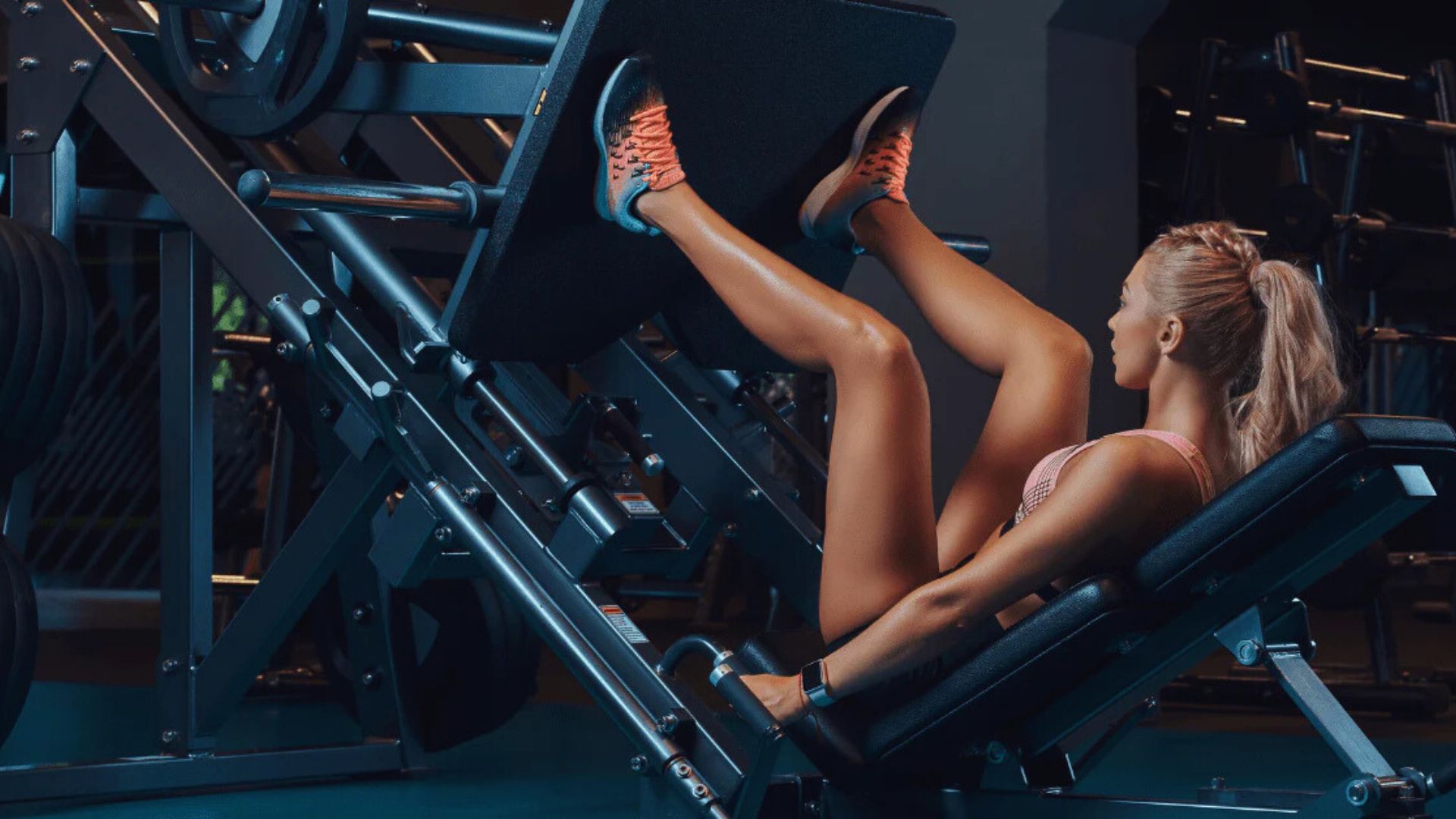
1. Leg Press Machine
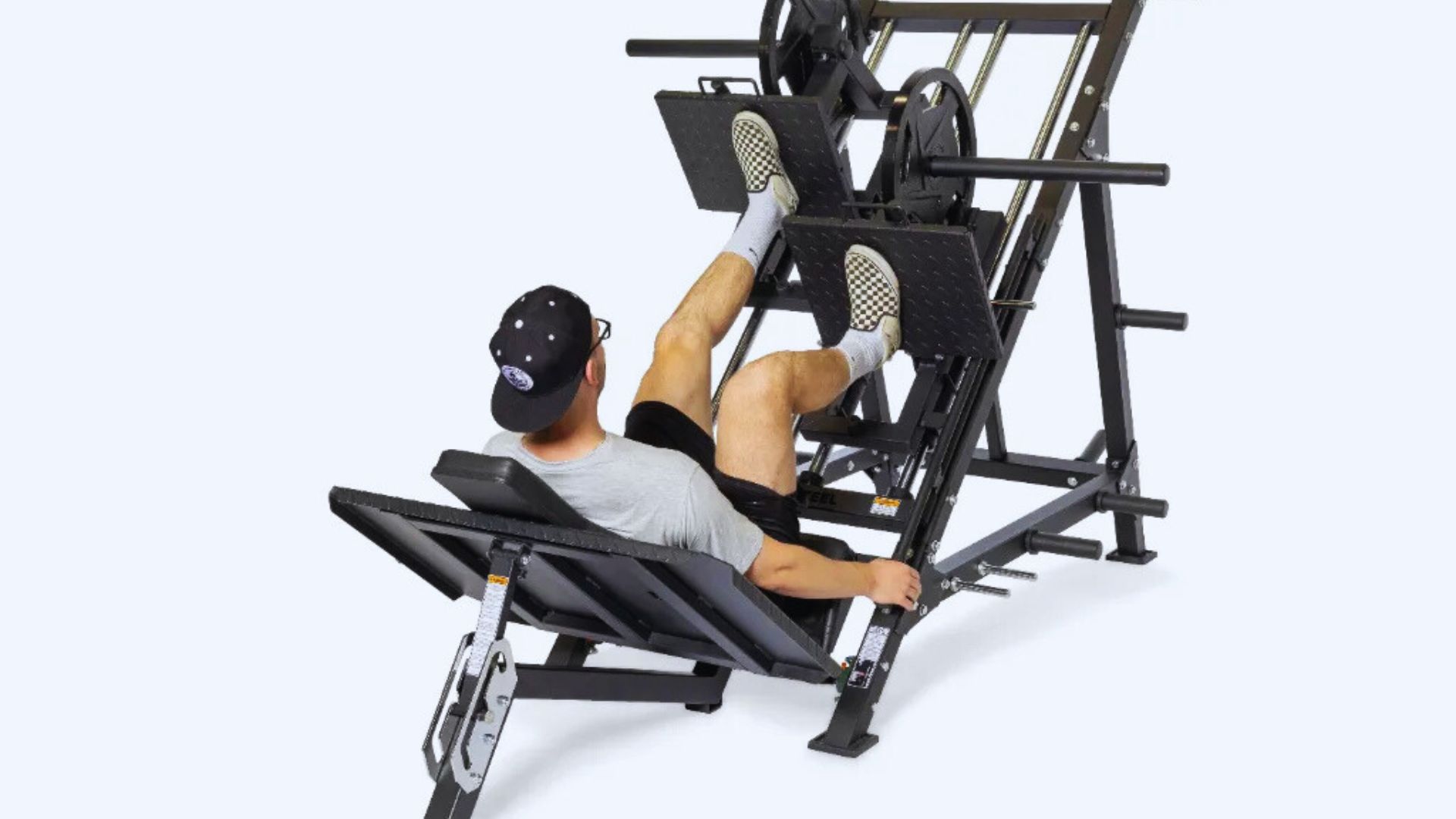
Muscles worked: Quads, glutes, hamstrings
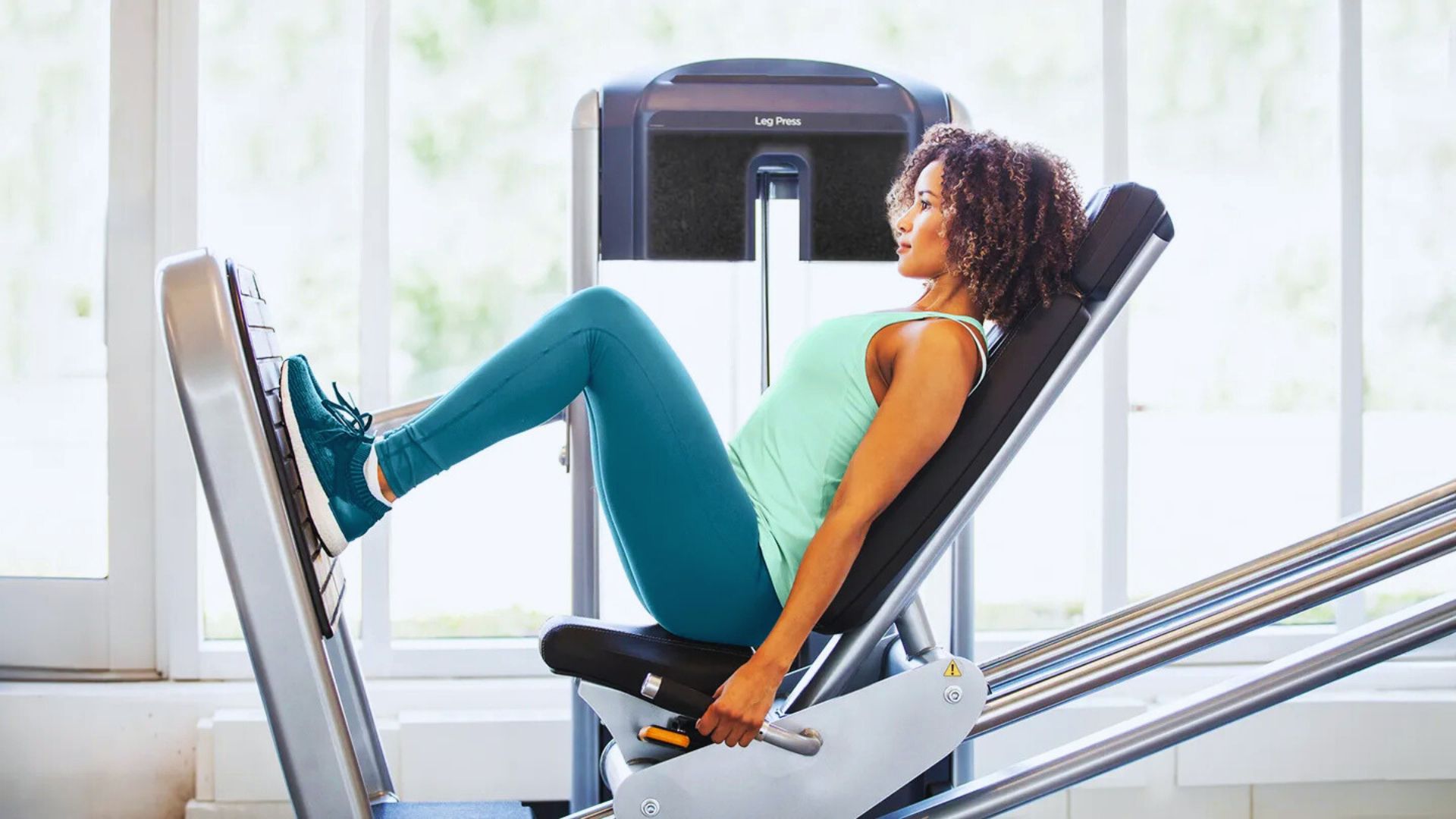
The leg press machine is one of the most popular pieces of equipment in any gym. You sit back, place your feet on a platform, and push.
It’s great for building lower body strength without putting pressure on your spine. Perfect if you want to go heavy but keep your back safe.
2. Smith Machine
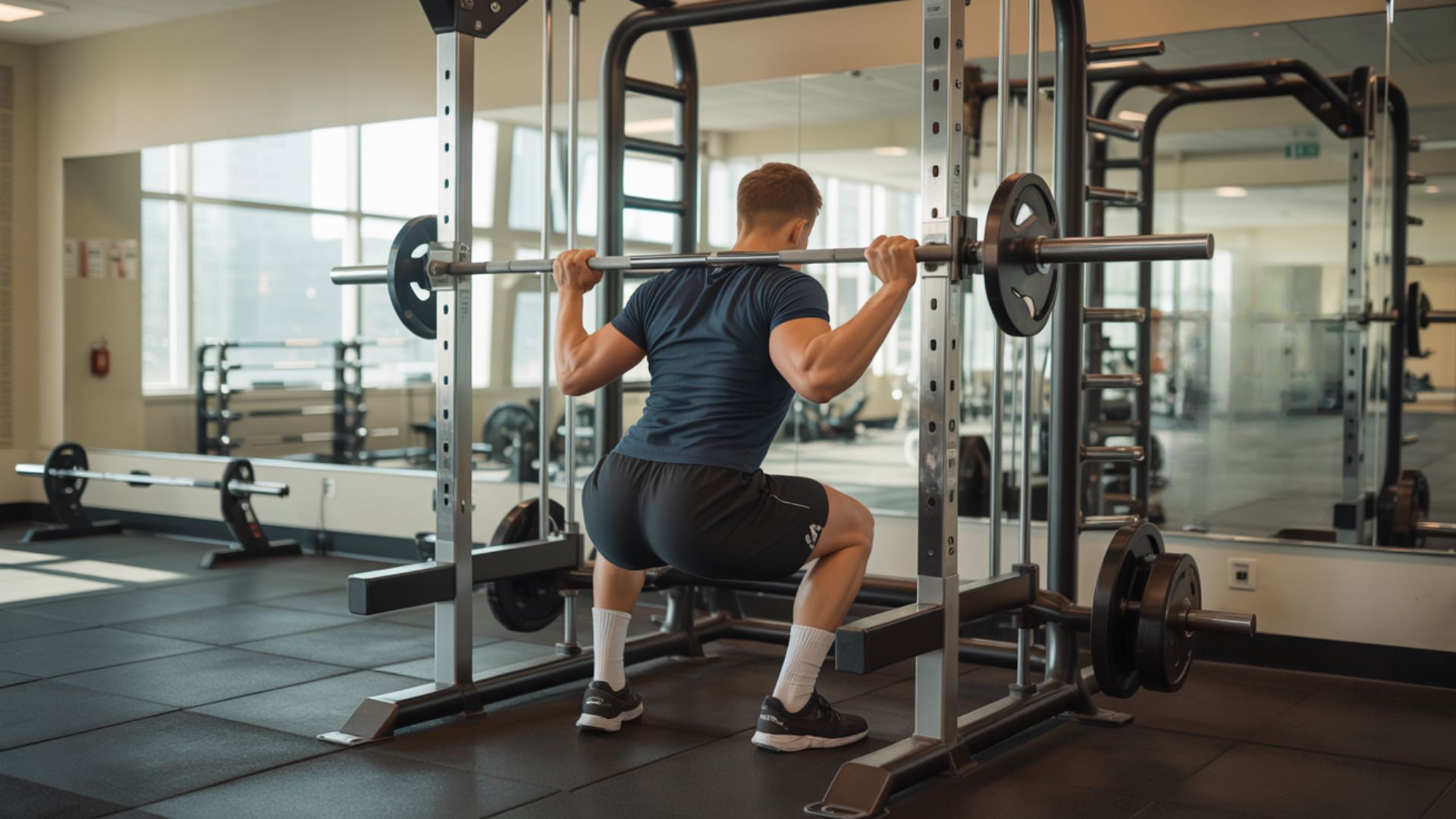
Muscles worked: Quads, glutes, hamstrings, calves
The Smith machine has a barbell fixed to vertical steel rails. It guides your movement, which makes it safer for squats and lunges.
It’s a solid pick if you’re training alone and don’t have a spotter.
3. Hack Squat Machine
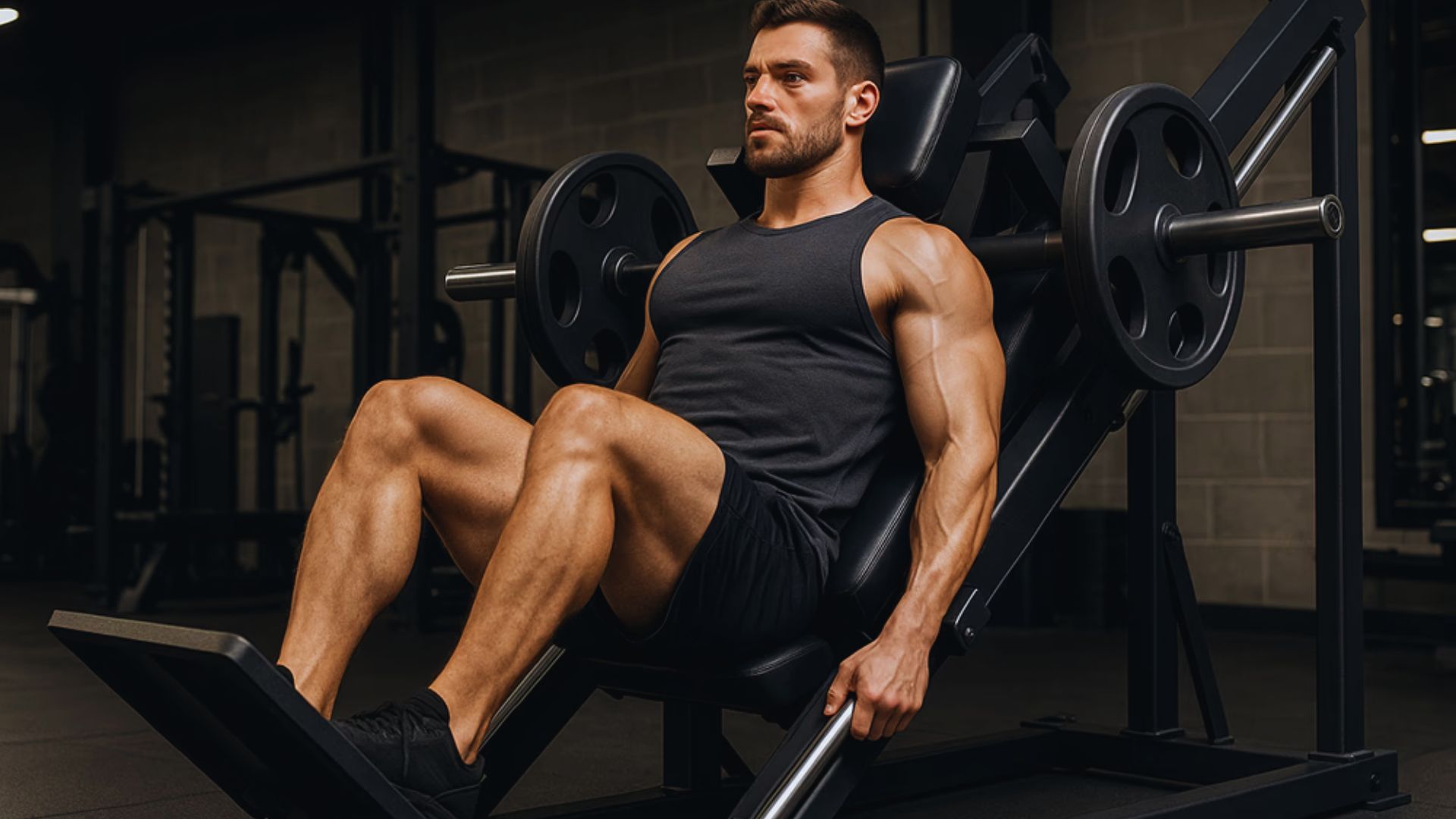
Muscles worked: Quads, glutes
The hack squat machine lets you squat with your back supported. You load weight on the side, step into the pads, and squat down.
It puts more focus on the front of your thighs compared to a regular squat. Great for building quad size.
4. Leg Extension Machine
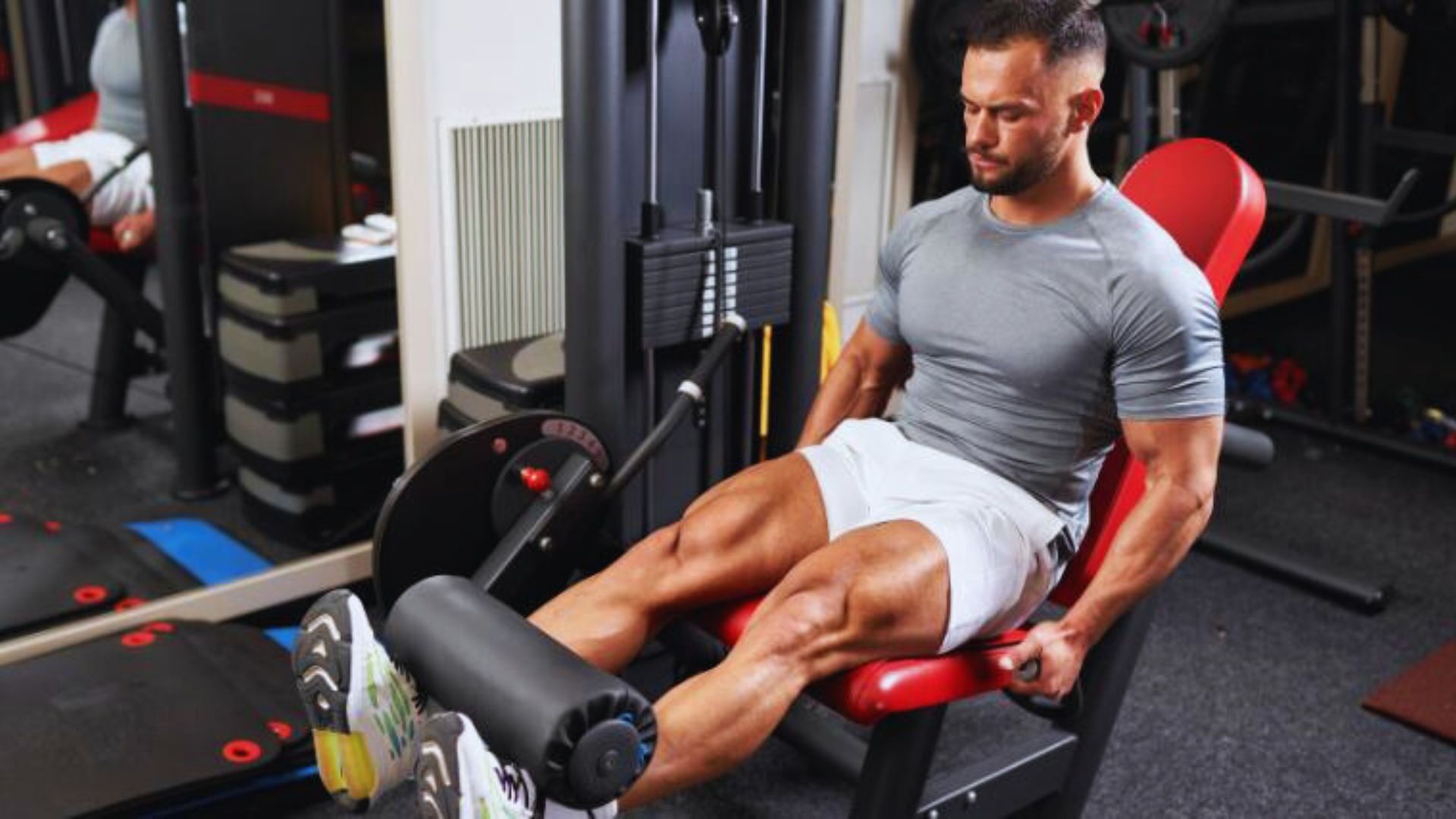
Muscles worked: Quadriceps only
This machine isolates your quads completely. You sit down, hook your ankles under the pad, and lift. It’s simple and safe.
Beginners love it because it’s easy to learn. It’s also used a lot in rehab after knee injuries.
5. Leg Curl Machine
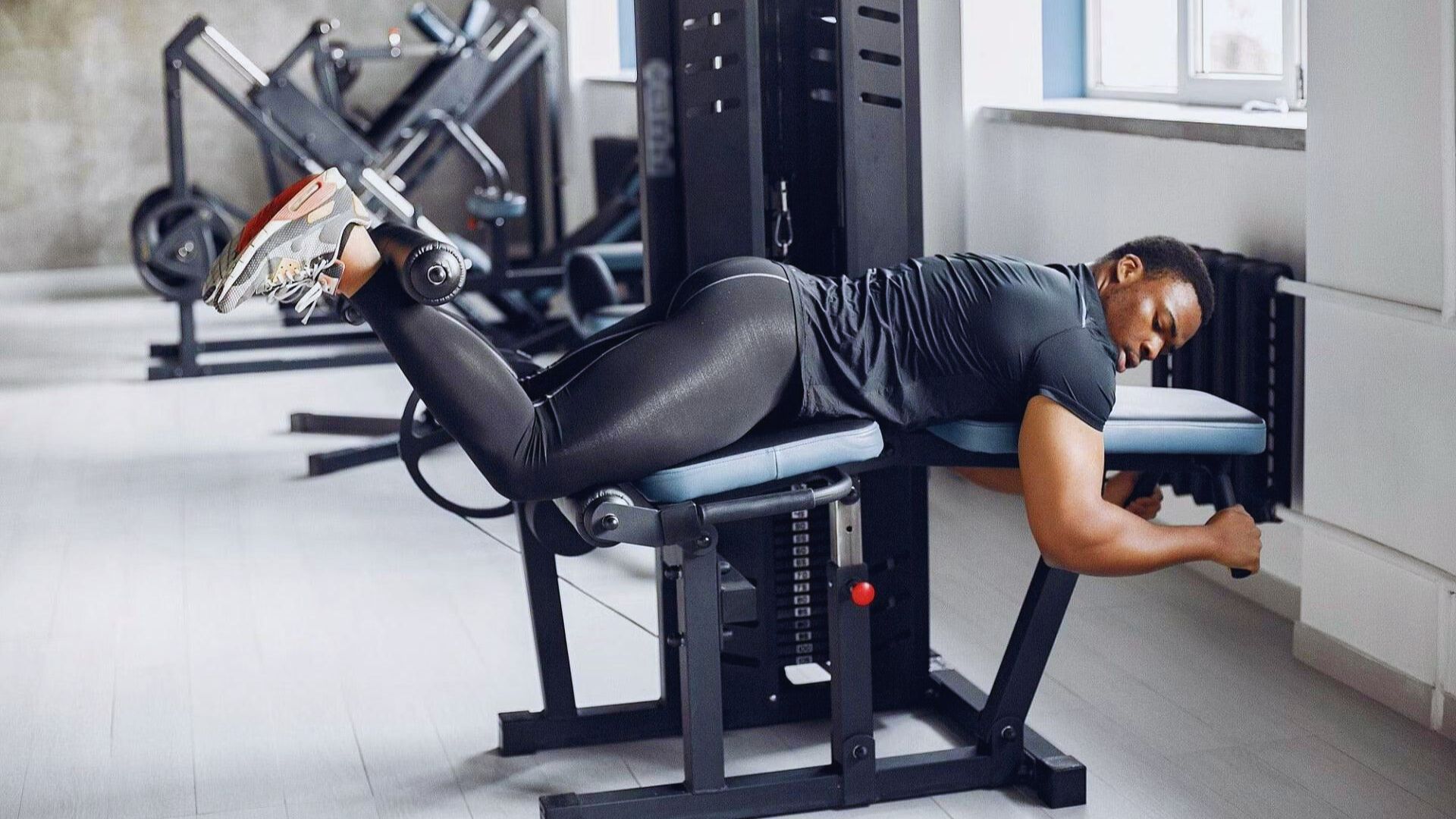
Muscles worked: Hamstrings
The leg curl machine works the back of your thighs. You can find two types: lying leg curl and seated leg curl. Both target the hamstrings.
Strong hamstrings help with balance and reduce injury risk. This machine is often skipped, but it’s important.
6. Calf Raise Machine

Muscles worked: Calves (gastrocnemius and soleus)
The calf raise machine focuses entirely on your lower leg muscles. You stand on a platform, place your shoulders under the pads, and raise your heels.
Strong calves improve your balance, stability, and even your posture.
7. Hip Abductor Machine
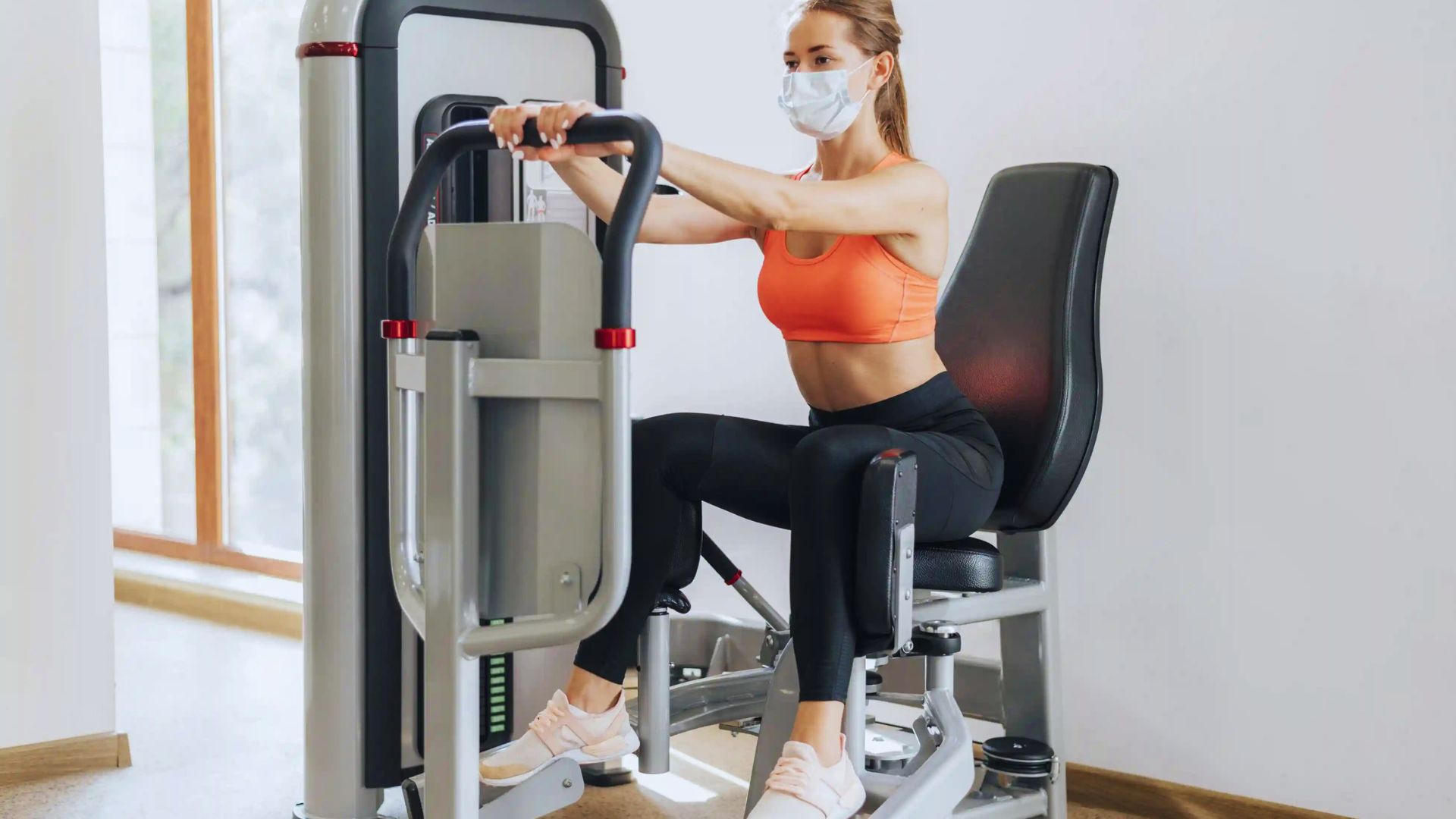
Muscles worked: Outer thighs, glutes
This machine works the muscles on the outside of your hips and thighs. You sit down and push your legs outward against resistance.
It helps with hip stability and is great for runners and athletes.
8. Glute Kickback / Cable Machine Attachment
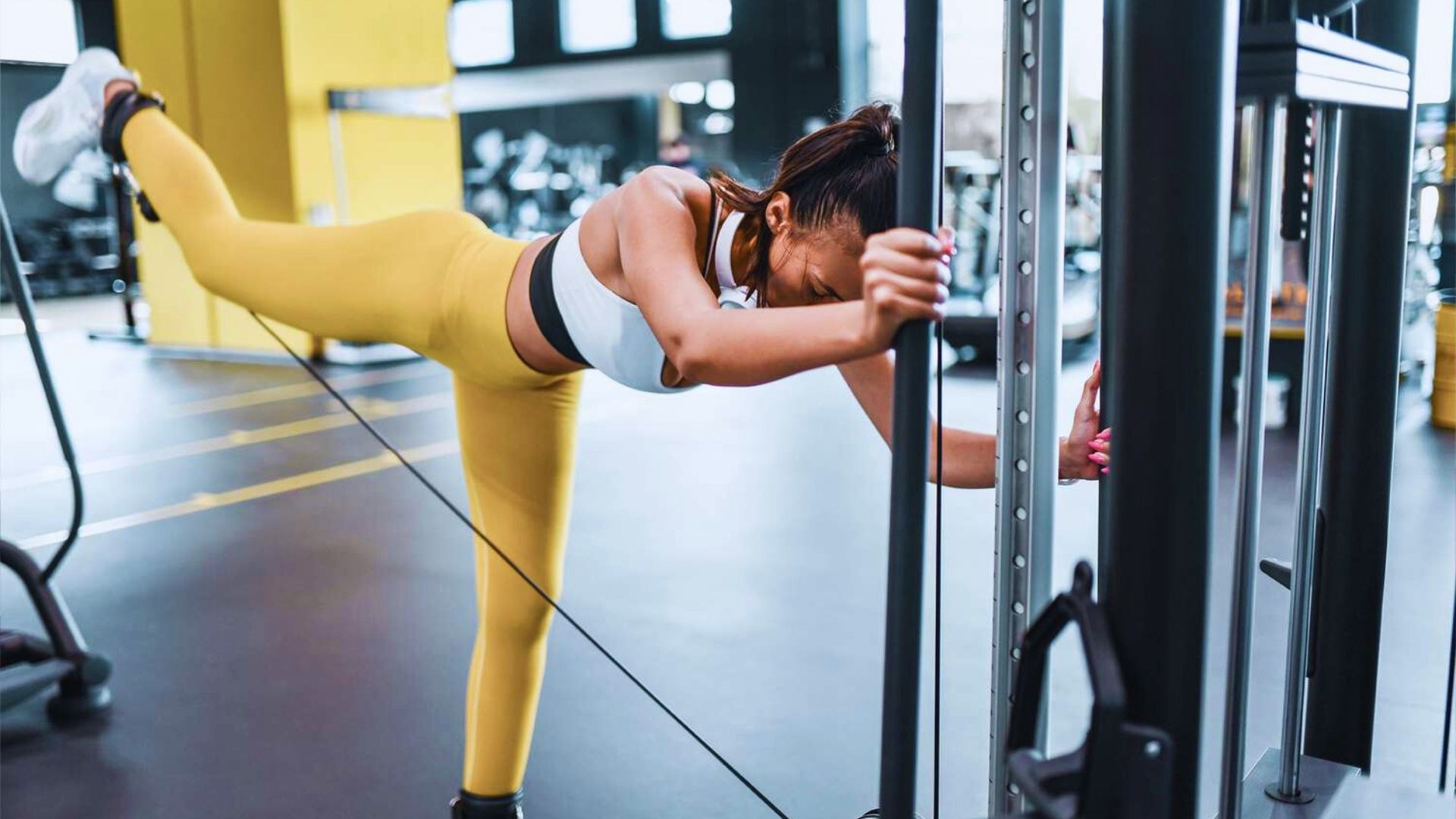
Muscles worked: Glutes and hamstrings
The glute kickback targets the glutes by extending the leg backward against resistance.
Unlike the abductor/adductor machines, it focuses on isolating the glutes and hamstrings, strengthening the posterior chain for better hip stability and leg power.
9. Belt Squat Machine
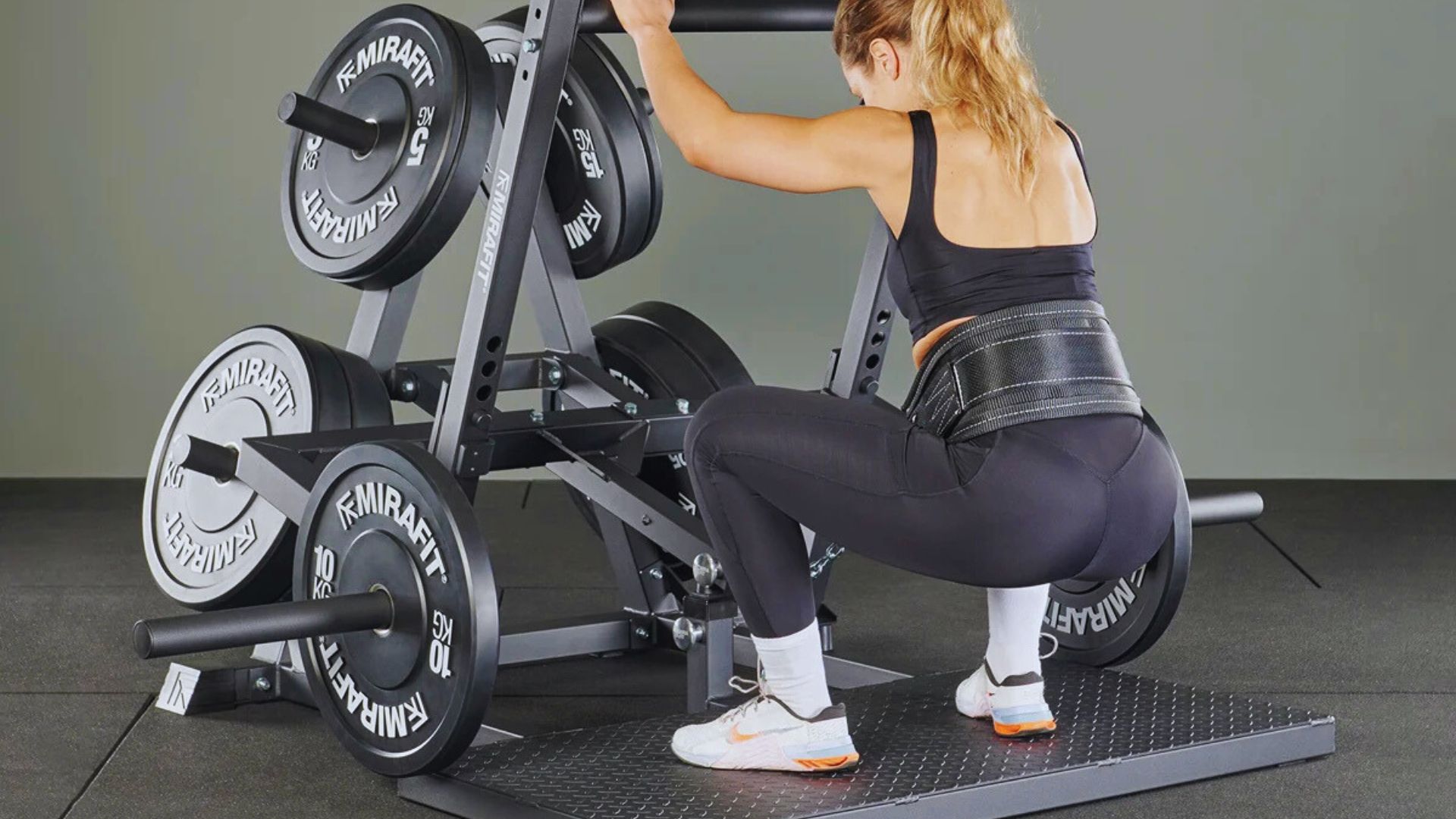
Muscles worked: Quads, glutes, hamstrings
The belt squat machine is a back-friendly alternative to barbell squats. The weight hangs from a belt around your waist instead of sitting on your shoulders.
This takes all the pressure off your spine, making it ideal for people with back issues.
10. Cable Machine (for Legs)
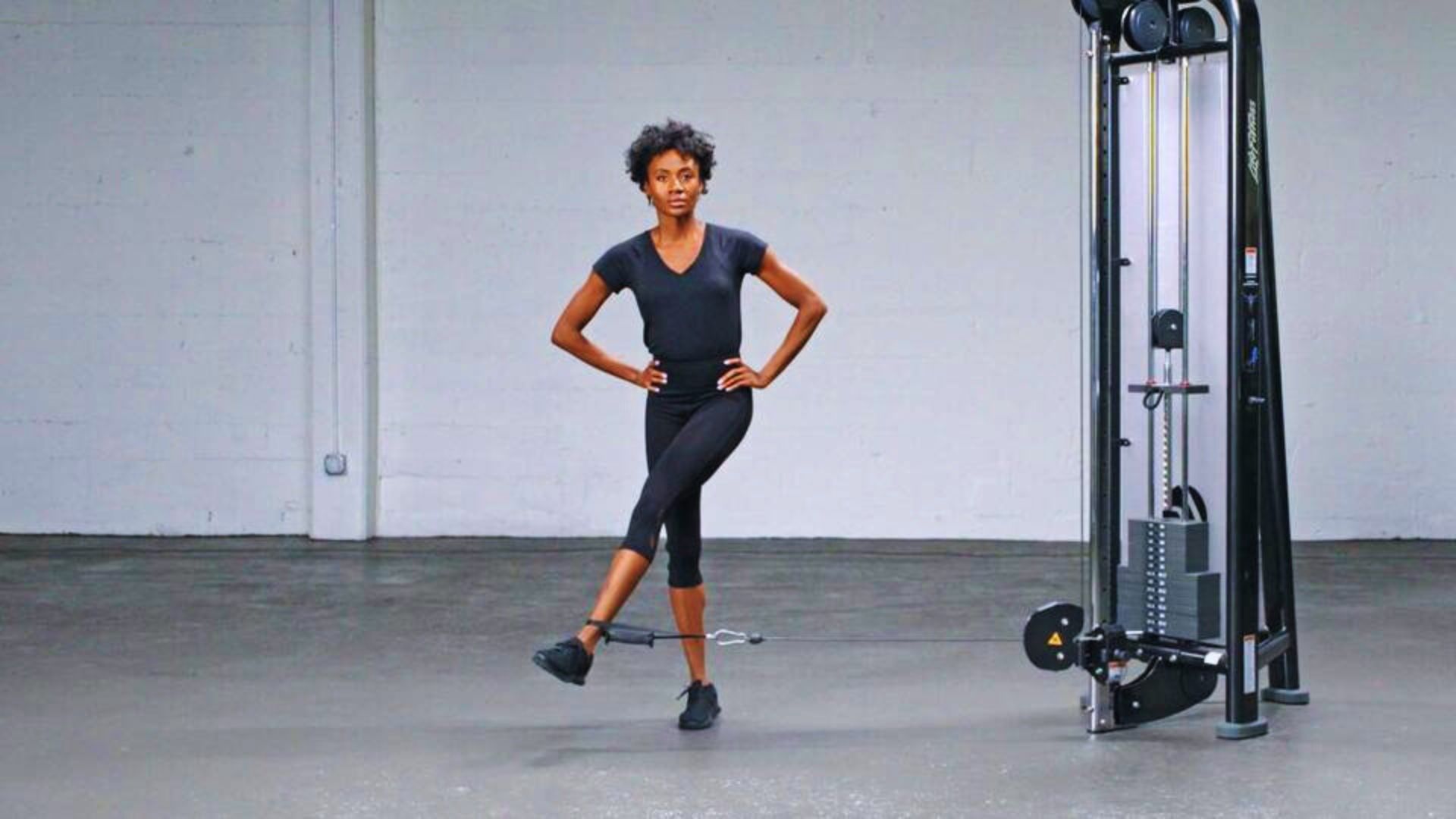
Muscles worked: Glutes, hamstrings, hip flexors
The cable machine is one of the most flexible tools in the gym. For legs, you can use it for kickbacks, cable curls, and hip extensions.
You attach an ankle strap, set your weight, and go. It gives constant tension throughout the movement.
11. Squat Rack
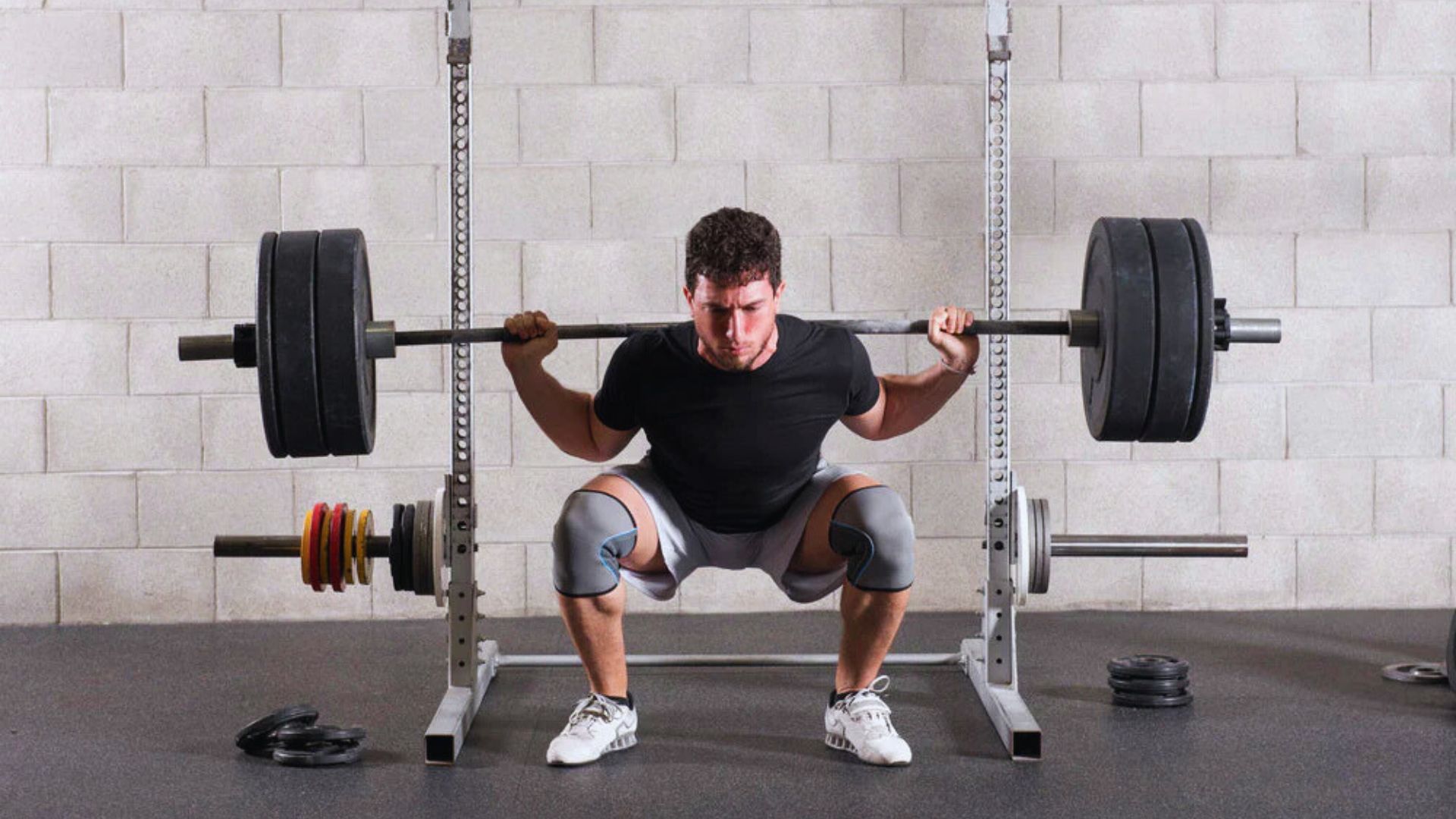
Muscles worked: Quads, glutes, hamstrings, core
The squat rack holds a barbell at adjustable heights. It’s the base for free-weight squats, which are one of the best compound leg movements.
You can also use it for lunges, box squats, and more. It’s a gym essential for lower body strength.
How to Choose the Right Leg Machines for Your Workout
Picking the right machine depends on your goals, skill level, and where you are in your fitness plan.
Not every machine is right for every person. Here’s how to pick what works for you:
By goal:
- Building strength: Leg press, squat rack, Smith machine
- Growing muscle: Hack squat, leg extension, leg curl
- Rehab or recovery: Leg extension, leg curl, cable machine
By experience level:
- Beginners: Start with guided machines like the leg extension, leg curl, and leg press.
- Advanced lifters: Add free-weight options like the squat rack and belt squat.
Combining machines: The best results come from mixing machines. Pair a compound move like the leg press with an isolation move like the leg curl. This covers more muscle groups in one session.
Common Mistakes When Using Leg Machines
Small errors in form or mindset can slow your progress and raise your injury risk.
Using Too Much Weight
Going heavy with bad form does more harm than good. Start light and focus on feeling the muscle work first. Add weight only when your form is solid.
Poor Posture and Form
Rounding your back, letting your knees cave in, or locking out your joints too hard are all warning signs. Watch yourself in the mirror or ask a trainer to check your form.
Skipping the Warm-Up
Cold muscles don’t perform well and get hurt easily. Spend 5 to 10 minutes warming up before hitting the machines. Light cardio or bodyweight squats work great.
Safety Tips for Using Leg Machines at the Gym
Follow these basic safety rules to protect your joints and get the most from every set.
- Always adjust the machine before you start. Seat height, pad position, and foot placement all matter.
- Take 60 seconds to set up correctly. Every person is built differently.
- Move with control. Slow, steady reps protect your joints and work the muscle better.
- Never use momentum to swing the weight. That puts stress on joints, not muscles.
- Use a full range of motion. Half reps give half results.
- Sharp pain means stop immediately. Normal effort discomfort is fine, but sudden pain is not.
- Warm up for 5 to 10 minutes before using any leg machine.
Conclusion
Learning the names of the leg machines at the gym was a turning point for me. Once I knew what each machine did, my workouts became more focused and a lot less stressful.
I stopped wandering around and started training with a real plan. If you’re just getting started, pick two or three machines from this list and get comfortable with them first.
You’ll build from there. I’d love to hear which machine you’re going to try first. Drop a comment below or share this post with a gym friend who needs it.
Frequently Asked Questions
What is the best leg machine for beginners?
The leg press and leg extension machines are great starting points. They are easy to learn and safe for new gym-goers.
How many leg machines should I use in one workout?
Using three to four machines per session is usually enough. Focus on covering the front, back, and sides of your legs.
Can I build big legs using only machines?
Yes, you can build strong and muscular legs using machines. Combine compound machines like the leg press with isolation ones like the leg curl for the best outcome.
Is the squat rack better than leg machines?
Both have their place. The squat rack builds overall strength. Machines target specific muscles more directly. Using both gives the best results.
How often should I train legs using gym machines?
Training legs two to three times per week with rest days in between works well for most people. Recovery is just as important as the workout itself.