Training legs and shoulders together is one of the smartest moves you can make in the gym. It saves time, builds balanced strength, and keeps your weekly plan clean and simple.
I still remember the first time I paired these two muscle groups. I walked out of the gym feeling like I had done twice the work in half the time.
That session changed how I planned every workout after that.
In this blog, I’ll walk you through everything from gym routines to dumbbell plans to home workouts. You’ll also find tips on sets, reps, supersets, and common mistakes to avoid.
I’ve been lifting for over a decade, and this combo has always been a go-to in my own training.
What is a Leg and Shoulder Workout?
A quick look at what this training combo means and why it works so well together.
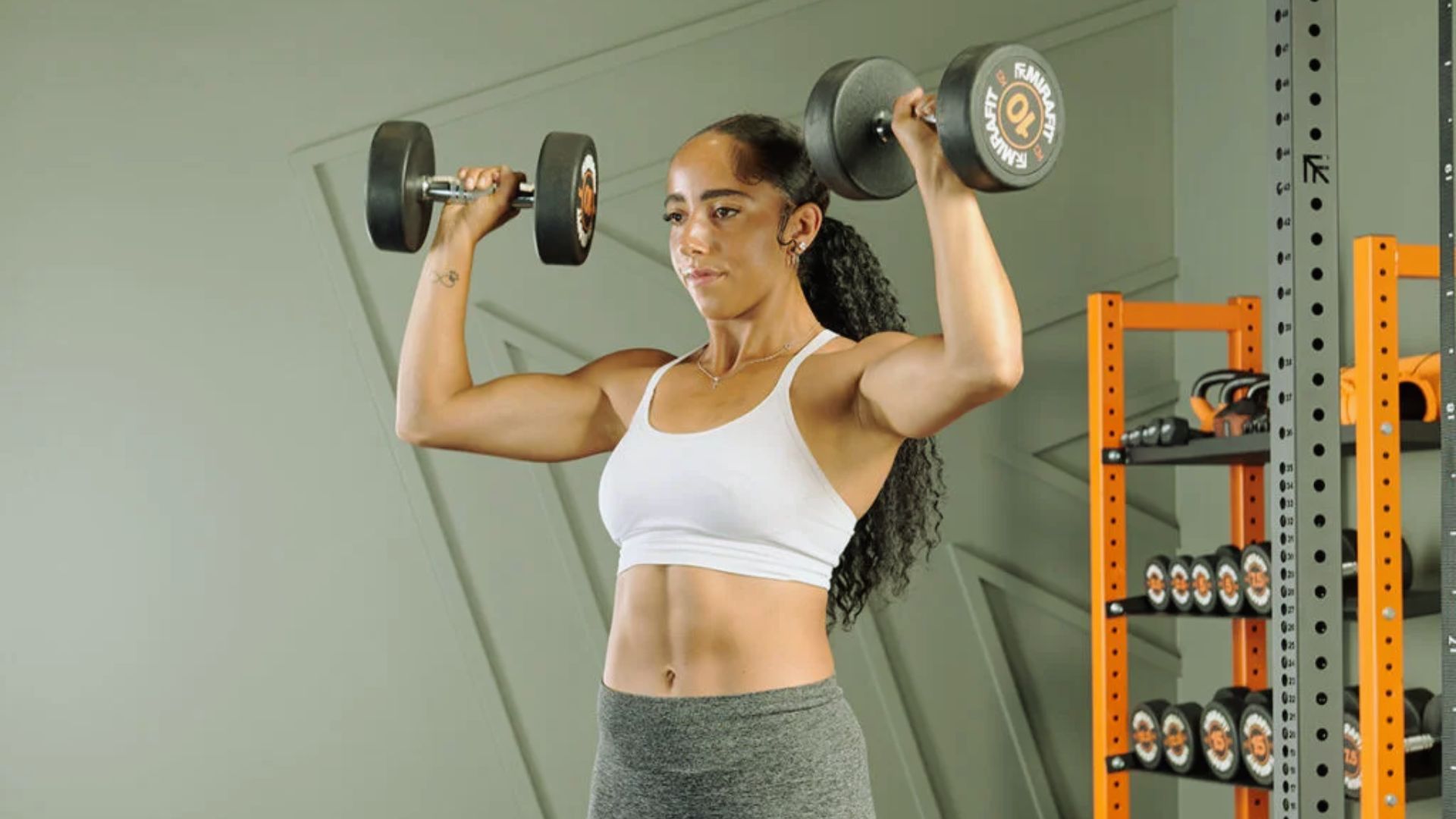
A leg and shoulder workout combines lower body and upper body pushing movements in one session. Legs cover quads, hamstrings, and glutes. Shoulders cover the front, side, and rear deltoids.
These two muscle groups don’t overlap much, so one can rest while the other works. That makes them a smart and efficient pairing.
You can absolutely train them on the same day. They don’t fatigue the same muscles, so performance stays strong throughout. This combo fits well into both 3-day and 4-day weekly splits.
Best Leg and Shoulder Workout Routine (Gym Plan)
A complete gym plan built for strength, efficiency, and real results you can see over time.
Warm-Up Routine

Never skip your warm-up. A proper warm-up prepares your joints, raises your core temperature, and reduces injury risk.
Start with 5 to 10 minutes of light cardio. A treadmill walk, cycling, or a light jog works well. Follow that with dynamic stretches.
This takes only 10 minutes and makes a significant difference in how your session feels.
Barbell Squat + Overhead Press
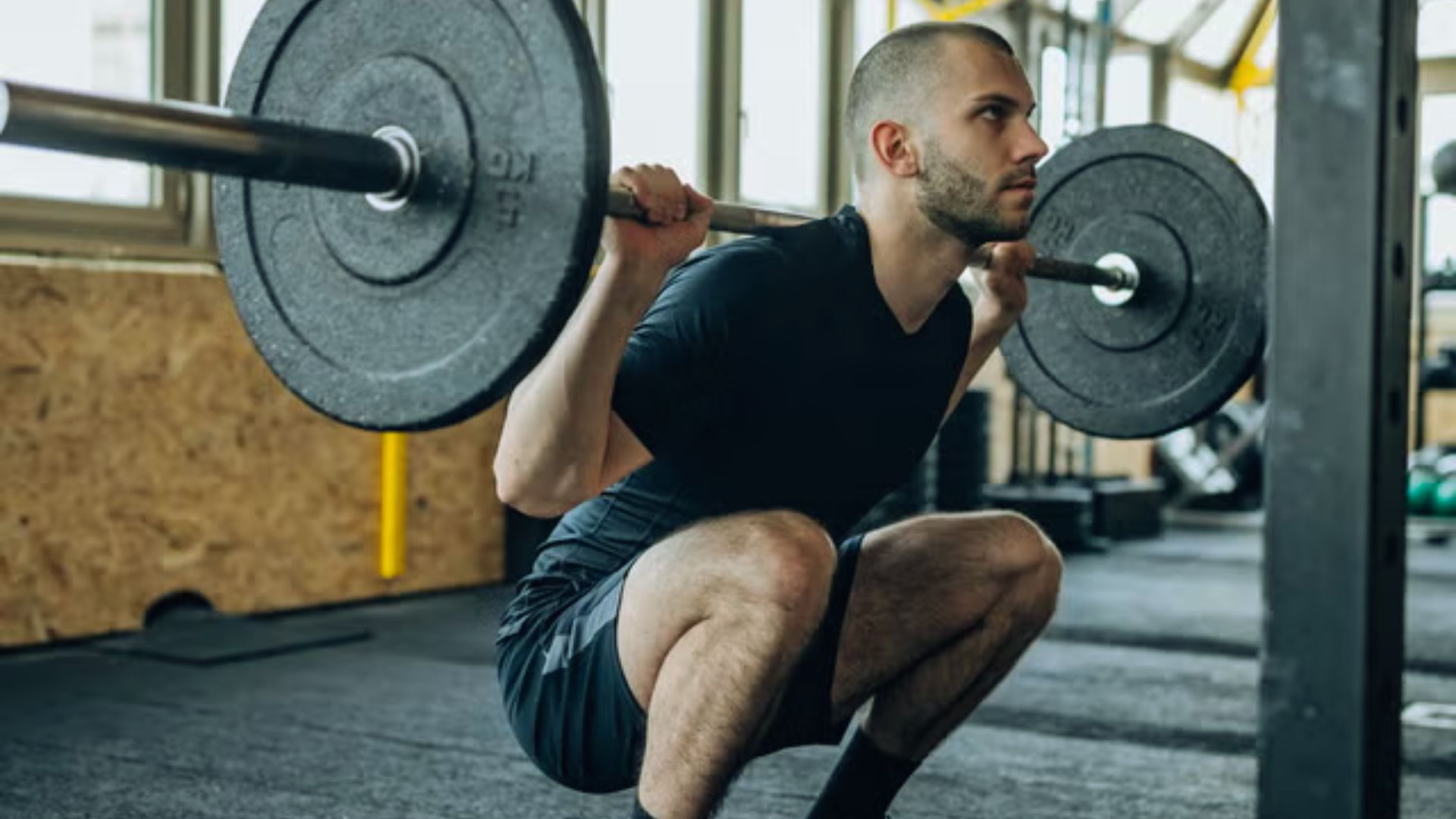
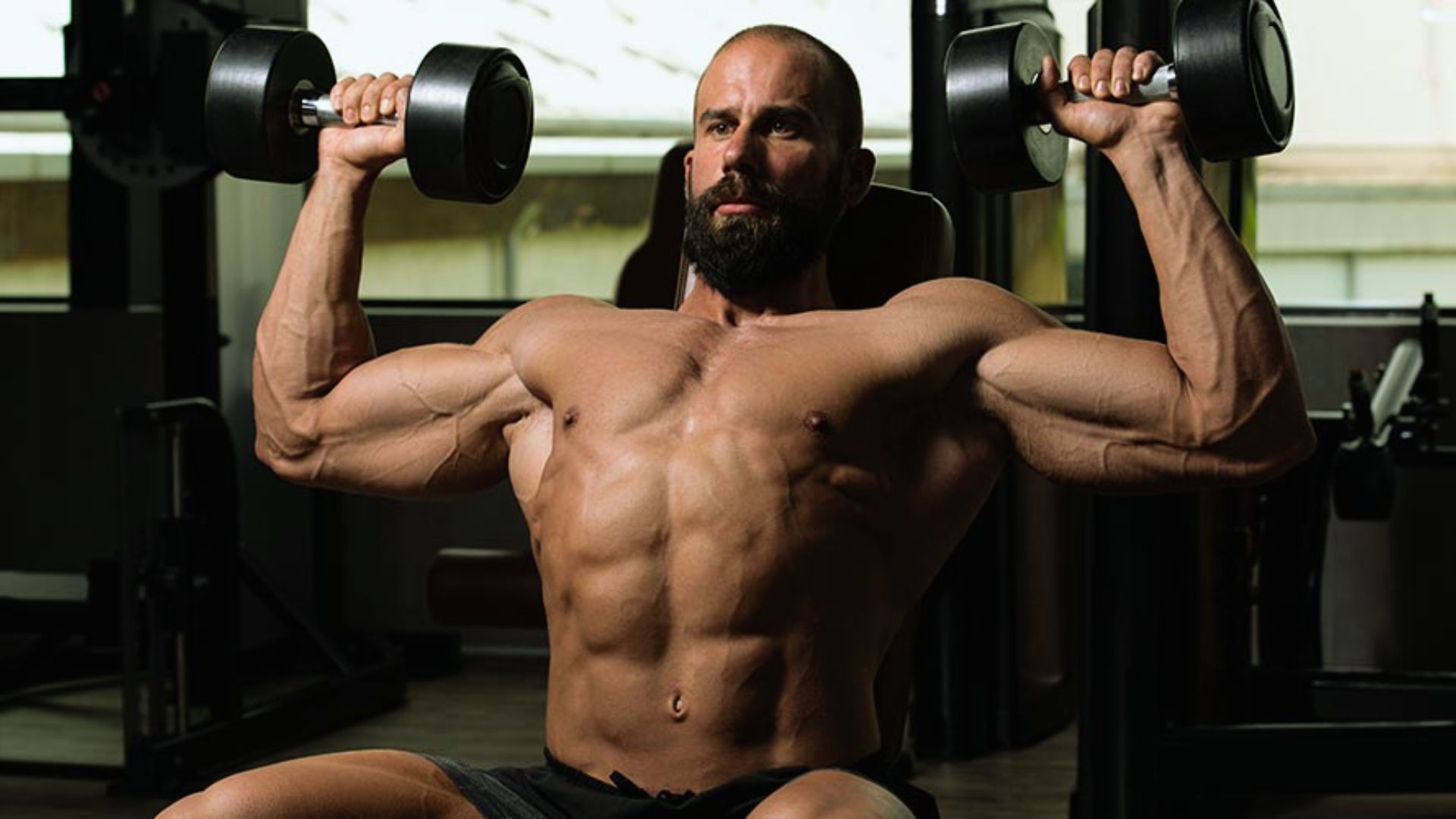
The barbell squat is one of the most powerful lower body movements. It hits your quads, hamstrings, glutes, and core. The overhead press targets all three heads of the deltoid and builds pressing strength.
Do your squats first while you’re fresh, then move into overhead press. This order keeps your form sharp on both lifts.
Walking Lunges + Lateral Raises
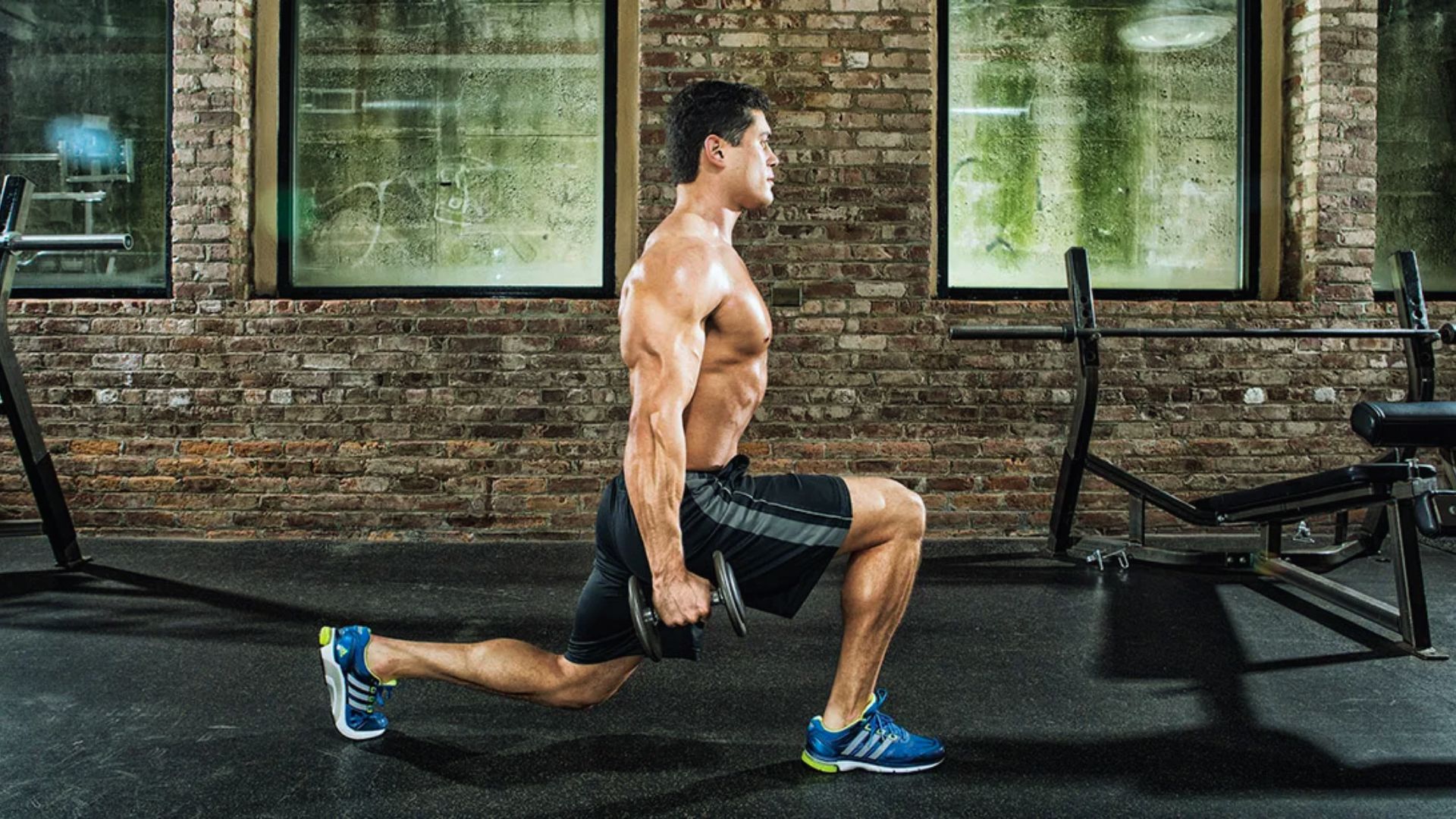
Walking lunges challenge balance and leg strength at the same time. They work each leg independently, which helps fix strength imbalances.
Lateral raises follow and isolate the side delts for that wider shoulder look.
Leg Press + Upright Rows

The leg press is excellent for loading the quads and glutes with less spinal stress. After a heavy squat session, this is a great follow-up.
Upright rows pair well here, targeting the traps and side delts without needing much energy.
Romanian Deadlift + Rear Delt Fly
Romanian deadlifts focus on the hamstrings and glutes through a controlled hip hinge. Many people skip this and end up with underdeveloped hamstrings.
Rear delt flies follow and correct one of the most common shoulder imbalances, which is weak rear delts.
Benefits of a Leg and Shoulder Workout

Here’s why adding this combo to your routine is one of the best decisions for your fitness goals.
Builds Balanced Full-Body Strength
Most people overtrain their chest and arms while ignoring legs. Pairing legs with shoulders forces you to give equal attention to your lower and upper body.
Over time, this builds a well-rounded physique with no obvious weak spots.
Saves Time With Efficient Routines
Instead of dedicating separate days to two smaller sessions, you handle both in one workout. This is a real advantage for people with busy schedules.
You get more done in less time without cutting corners.
Improves Muscle Symmetry
When your legs and shoulders are both well-developed, your body looks more proportional. Big shoulders and strong legs together create a powerful, athletic frame.
Many people neglect one or the other, which leads to imbalance.
Helps Increase Training Frequency
By combining muscle groups, you free up days in your weekly schedule. You can train each body part more often without overloading your recovery.
Higher frequency, when managed well, leads to faster strength and size gains.
Common Mistakes to Avoid
Avoiding these mistakes will save you time, prevent injury, and speed up your strength gains.
- Lifting too heavy with poor form leads to injury fast. Good movement always comes before heavy loading.
- Ignoring rear delts and hamstrings creates imbalances over time and raises your injury risk.
- Skipping warm-ups puts your joints at risk. Five to ten minutes of prep work goes a long way.
- Overtraining without rest slows progress. Muscles grow during recovery, not during the workout.
- Neglecting nutrition and sleep means your body can’t repair or grow stronger between sessions.
Leg and Shoulder Workout for Mass and Strength

Understanding the difference between training for size and training for strength changes everything about your results.
Difference Between Strength and Hypertrophy
Strength training focuses on lifting heavier weights for fewer reps. The goal is to increase how much you can lift over time.
Hypertrophy training focuses on muscle size through moderate weight and higher volume.
Both are valuable. Most people benefit from combining both approaches in their programming.
Best Rep Ranges for Strength
For pure strength: 1 to 5 reps per set with heavy weights and long rest periods of 2 to 4 minutes.
For a mix of strength and size: 5 to 8 reps per set at moderate to heavy weights.
For size with some strength: 8 to 12 reps per set with moderate weights and shorter rest.
Importance of Progressive Overload
Progressive overload means gradually increasing the challenge on your muscles over time. This is the single most important factor in getting stronger and building muscle.
You can do this by adding weight, adding reps, reducing rest time, or improving the quality of each rep. Without progressive overload, your body has no reason to adapt and grow.
Pro Tips for the Best Results
Simple habits done consistently make the biggest difference in your training.
- Start with compound lifts before moving to isolation work.
- Use supersets to pair a leg and shoulder exercise and save time.
- Focus on proper form before increasing weight.
- Track your weights, sets, and reps every session.
- Eat enough protein to support recovery after hard sessions.
Conclusion
Honestly, combining leg and shoulder training changed how I approach fitness altogether. It made my sessions shorter, my body more balanced, and my progress more consistent.
If you’re putting in the work, this routine will deliver. Stick with it, stay patient, and keep adding weight over time.
Now I’d love to hear from you. Are you adding a leg and shoulder workout to your plan? Drop a comment below and let me know how it goes.
Share this post if it helped, and check out our other strength training guides for more tips.
Frequently Asked Questions
Can I do a leg and shoulder workout on the same day?
Yes, you can train both on the same day without any issue. These muscle groups don’t compete, so you can push both hard and still recover well.
What is the best leg and shoulder workout routine?
A routine built around squats, overhead press, lunges, and lateral raises works best. Add supersets and progressive overload for consistent strength gains.
Is dumbbell leg and shoulder workout effective?
Dumbbells work very well for both muscle groups. They allow full range of motion, fix muscle imbalances, and are great for home or gym use.
How often should I train legs and shoulders?
Once or twice a week is enough for most people. Allow at least 48 hours of rest before training the same muscles again.
Is this routine suitable for beginners?
Yes, beginners can follow this routine easily. Start light, focus on form, and build up gradually using the 3-day split as a starting point.