If you've been struggling with regular squats due to back pain, poor balance, or bad form, the landmine squat might be exactly what you need.
This article covers everything about landmine squats. You'll learn what muscles they work, how to do them right, and which variations suit your goals best.
I've seen many beginners and even experienced lifters benefit from this move. It's one of the most practical squat variations out there.
By the end, you'll know how to add it to your routine with full confidence.
What Is a Landmine Squat?
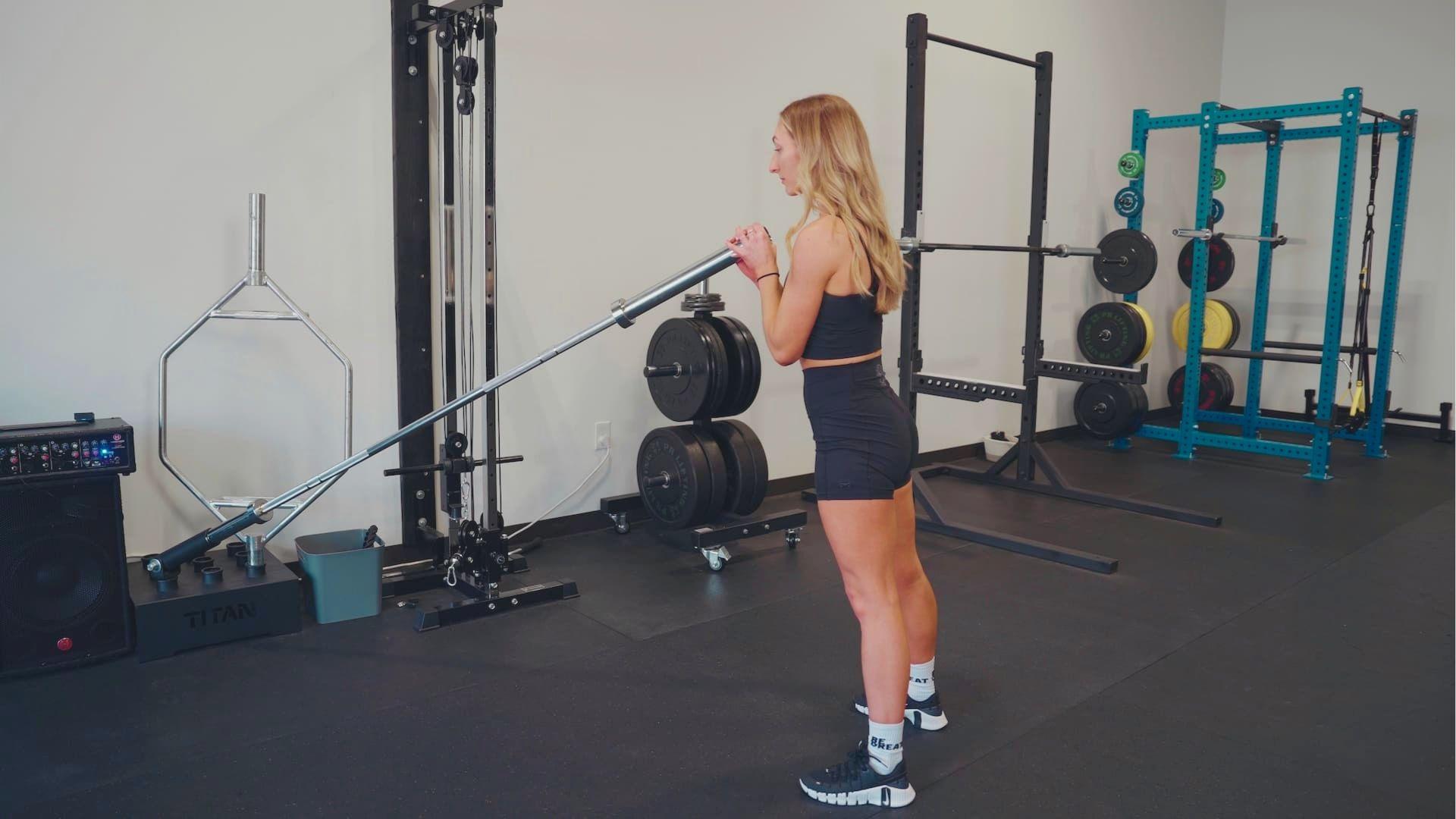
A landmine squat is a squat variation using a barbell anchored at one end to the floor. One end stays fixed using a landmine attachment or a wall corner. You hold the free end at chest height and squat as the bar follows an arc-shaped path.
This guided path makes the movement feel more controlled than a traditional squat. In a back squat, your torso and bar path depend entirely on your own strength and mobility. The landmine setup does some of that work for you.
The angled bar shifts your center of gravity forward slightly. This keeps your torso upright and reduces stress on your lower back. You don't need perfect mobility to get started, and the setup takes less than a minute.
Landmine Squat Muscles Worked
Know exactly which muscles are doing the work during a landmine squat.
Primary Muscles Targeted
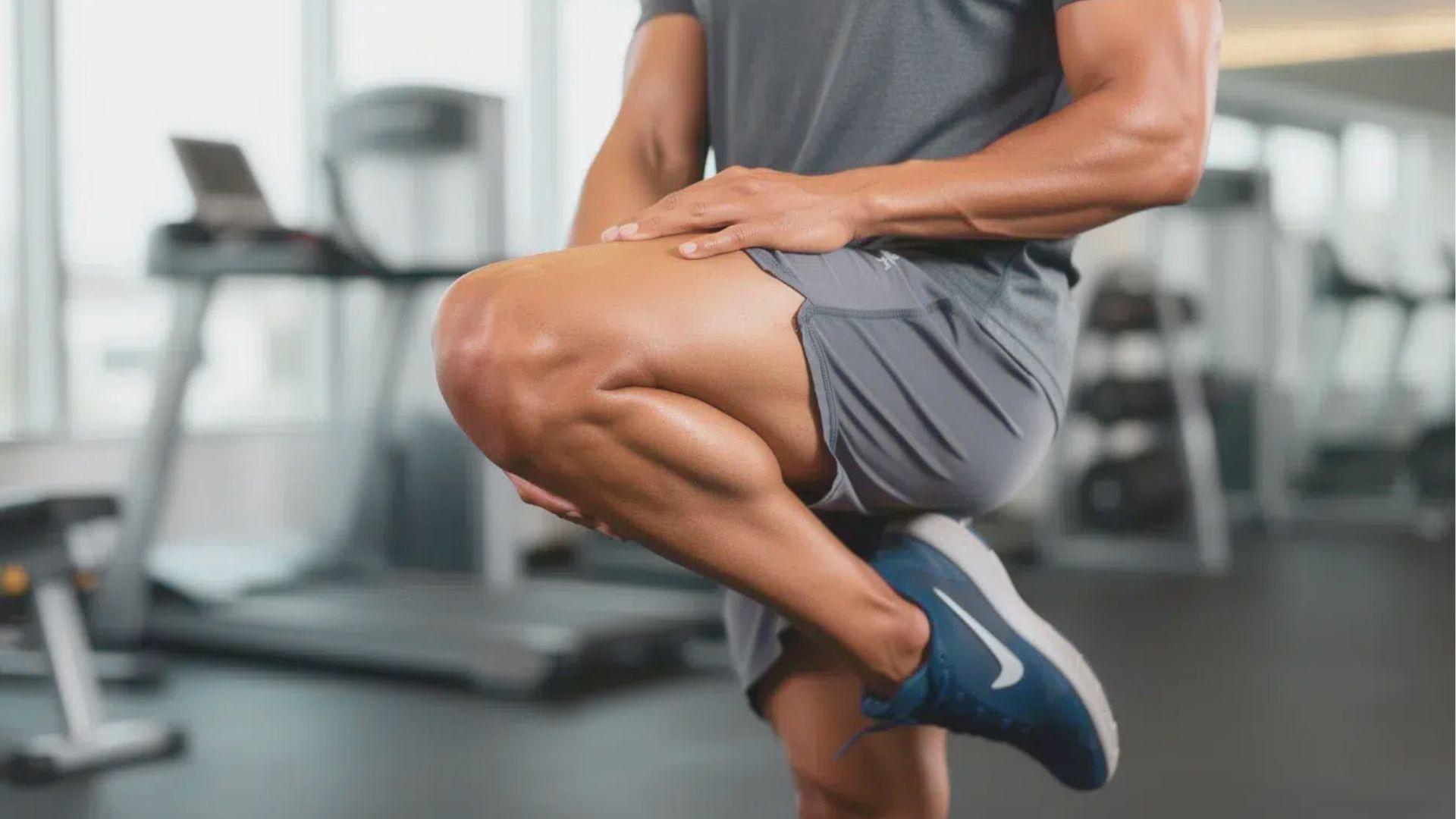
The landmine squat is a lower body movement at its core.
The main muscles it works include:
- Quadriceps (front of the thighs)
- Glutes (buttocks)
- Hamstrings (back of the thighs)
Your quads take on most of the load as you push back up from the squat. Your glutes and hamstrings work together to extend your hips at the top of the movement.
Secondary Muscles Involved
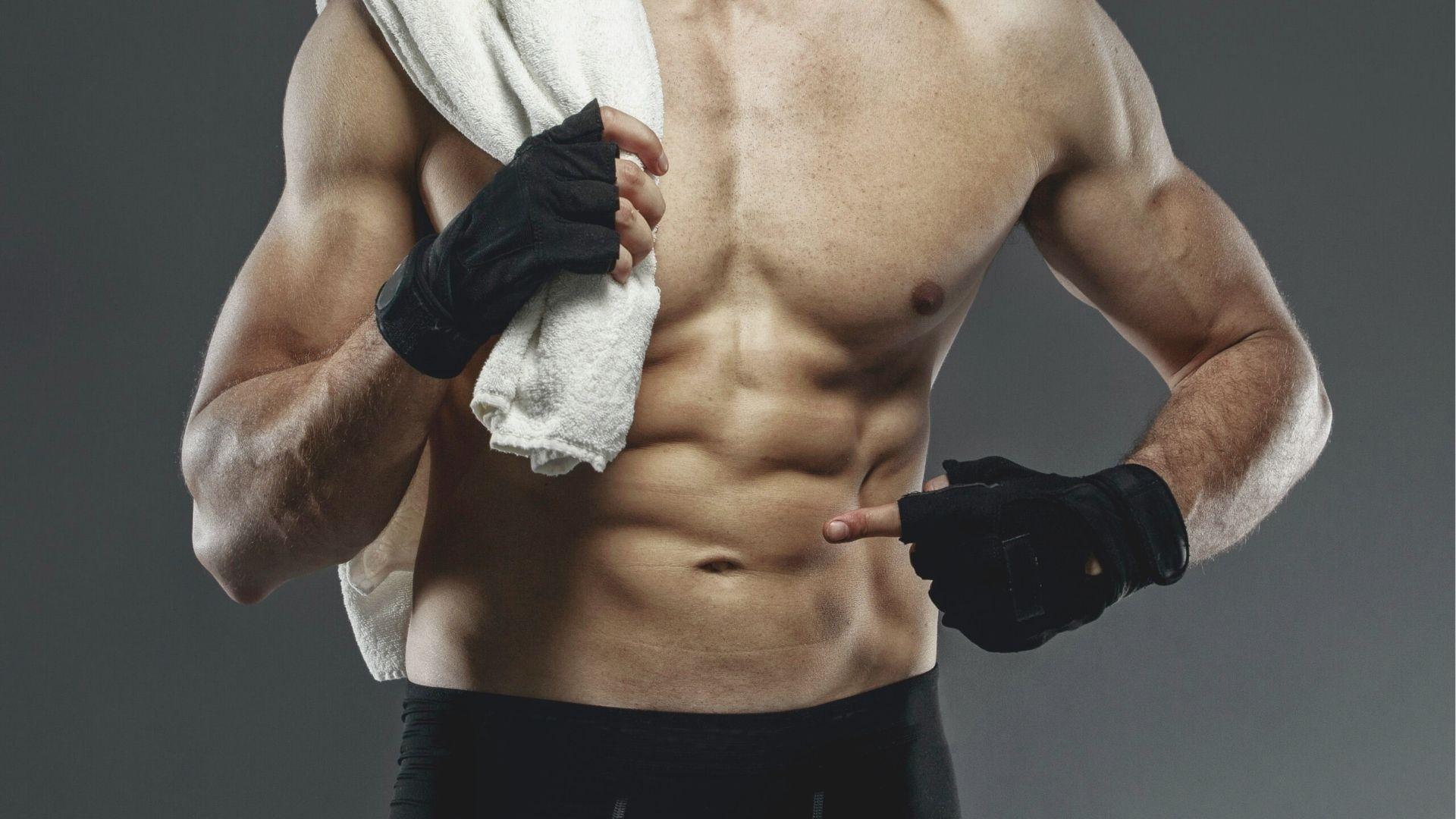
Several other muscles support the movement even if they're not the main focus:
- Core muscles (abs and lower back)
- Adductors (inner thighs)
- Calves
- Upper back and shoulders (when holding the bar in a goblet or front position)
Your core has to stay tight to keep your spine stable throughout the squat. Your shoulders and arms work to hold the bar in place.
How Different Variations Change Muscle Focus
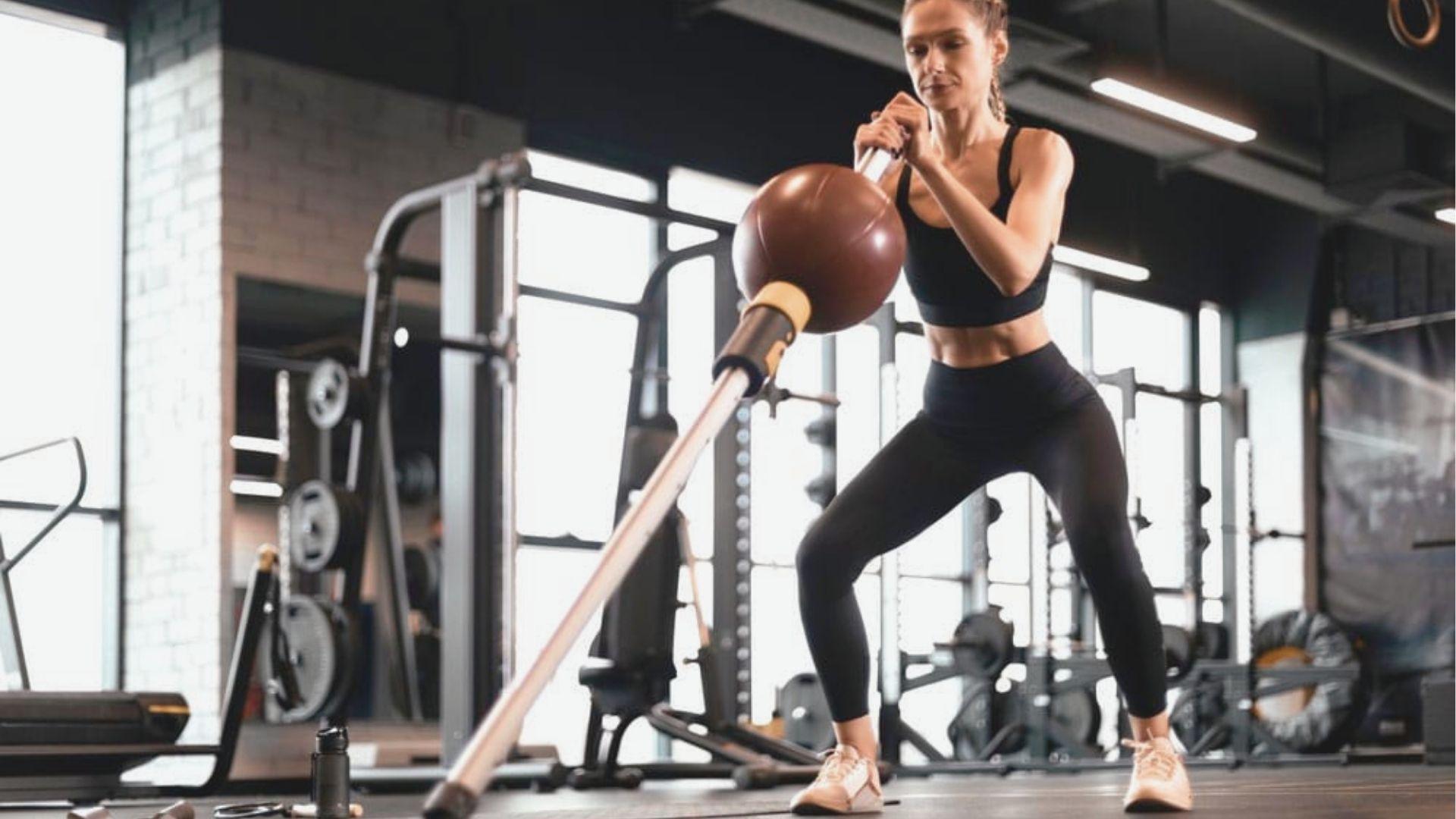
The muscles worked can shift depending on which variation you choose.
A landmine goblet squat puts more focus on the quads and upper back because you hold the bar at chest height.
A landmine hack squat shifts focus more to the quads by changing your foot position.
A single-leg landmine squat increases demand on the glutes and also challenges your balance and stability more.
Foot placement also matters. A wider stance works the glutes and inner thighs more. A narrower stance targets the quads harder.
Benefits of the Landmine Squat
Here are the key reasons the landmine squat deserves a spot in your training.
Reduces Stress on the Lower Back
One of the biggest problems with back squats is the pressure they put on the spine. For people with lower back issues, this can be a real concern.
The landmine squat reduces spinal compression. The angled bar path allows you to stay more upright. Less forward lean means less stress on the lumbar spine.
This makes it a smart option for anyone dealing with mild lower back discomfort.
Helps Improve Squat Mechanics
Good squat form takes time to learn. The landmine setup gives you immediate feedback. The guided bar path helps your body find the right position naturally.
Over time, this trains your body to squat with better mechanics. Many coaches use it as a teaching tool before progressing clients to barbell squats.
If your squat has been stuck for a while, this variation can help you feel the movement correctly.
Builds Lower Body Strength and Stability
The landmine squat is not just a beginner tool. It builds real strength in the quads, glutes, and hamstrings.
Because the bar is anchored, you can load it progressively. You can keep adding weight as you get stronger. The stability challenge also trains your supporting muscles in a way that carries over to everyday movement.
Beginner-Friendly and Easy to Learn
Most beginners struggle with the back squat. It has a steep learning curve. The landmine squat is much easier to pick up.
You don't need perfect hip mobility or a lot of coaching to get started. The setup guides your body through the right range of motion from the beginning.
This makes it a great first squat variation for anyone new to the gym.
Supports Mobility and Balance
The arc path of the bar actually encourages you to squat through a full range of motion. This can help improve hip and ankle mobility over time.
Because you're holding the bar in front, your balance is challenged in a safe way. This trains your stabilizing muscles without putting you at risk of falling or losing control.
How to Do a Landmine Squat Properly
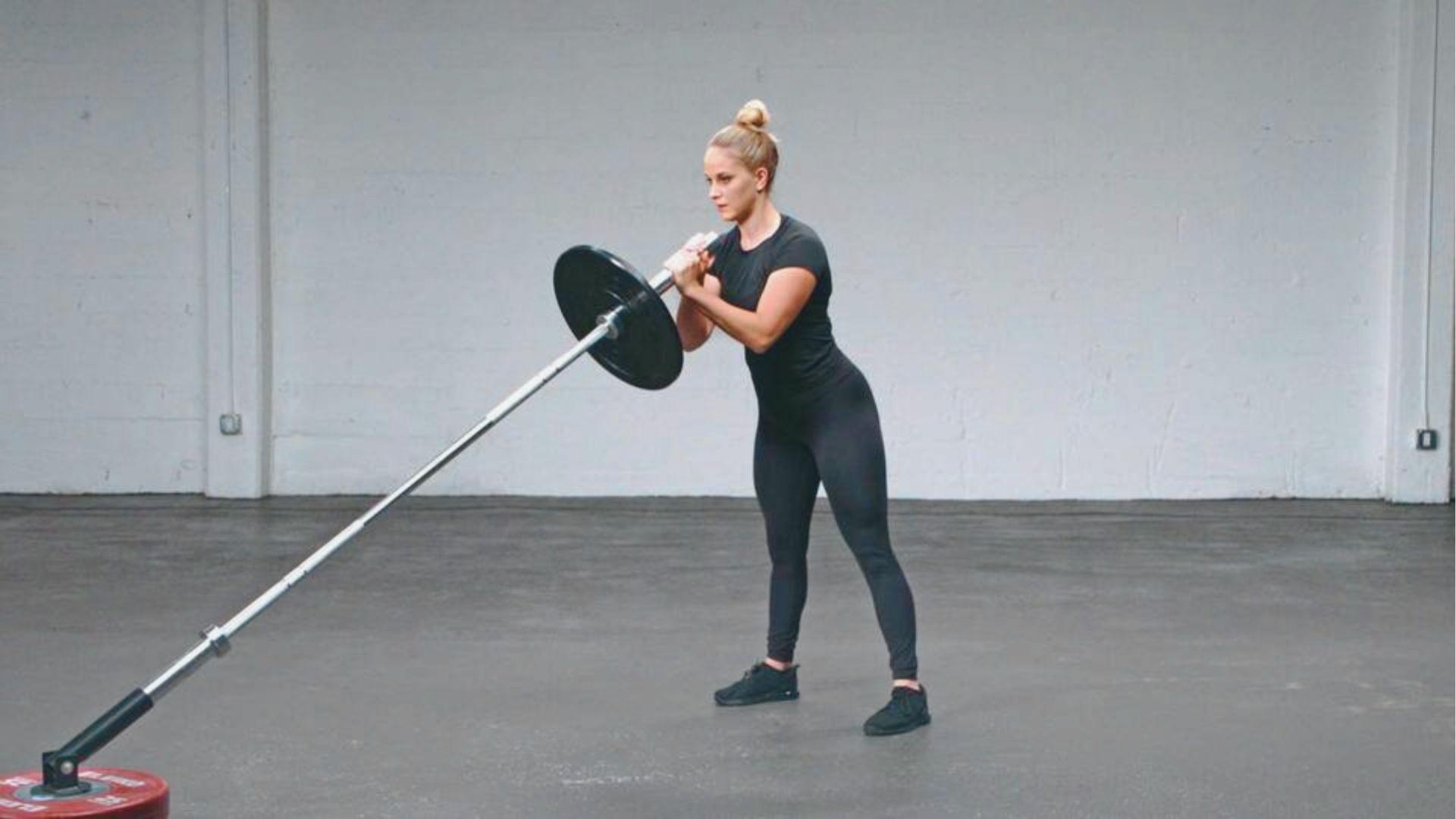
Follow these steps for safe, effective form every time you squat.
Equipment and Setup
You'll need:
- A barbell
- A landmine attachment or a sturdy corner to brace the bar
- Weight plates (start light)
Load one end of the bar with the desired weight. Secure the other end in the landmine attachment or corner. Stand facing the loaded end of the bar.
Make sure the floor is stable and there's enough space behind you to squat comfortably.
Step-by-Step Form Guide
- Stand facing the bar. Your feet should be shoulder-width apart.
- Pick up the loaded end. Hold it at chest height with both hands. You can cup the end of the sleeve or use a V-grip handle attachment.
- Brace your core. Keep your chest up and your back straight.
- Push your hips back slightly. Start the squat by bending at the hips and knees at the same time.
- Lower yourself down. Go until your thighs are parallel to the floor or as deep as comfortable.
- Keep your knees in line with your toes. Don't let them cave inward.
- Push through your heels. Drive back up to the starting position.
- Squeeze your glutes at the top. Reset and repeat.
Breathing and Core Positioning Tips
Breathing is something many people overlook. It matters more than you think.
Take a deep breath in before you descend. Hold it as you squat down. This is called bracing. It creates pressure in your core that protects your spine.
Breathe out as you push back up to the top.
Keep your rib cage down and your lower back in a neutral position throughout. Don't let your lower back round at the bottom of the squat.
Common Form Mistakes to Avoid
Fixing these small errors early will save you from injury and wasted effort.
- Letting the knees cave inward. This puts strain on the knee joints. Focus on pushing your knees outward to stay in line with your feet.
- Rounding the lower back. This usually happens when you go too deep before you have the mobility for it. Work within a comfortable range first.
- Using too much weight too soon. Start light. Learn the pattern before adding load.
- Looking down at the floor. Keep your gaze forward or slightly upward to maintain a neutral neck position.
- Rising onto the toes. Your heels should stay flat on the floor throughout the movement.
Popular Landmine Squat Variations
These variations let you target different muscles and keep your training fresh.
Landmine Goblet Squat
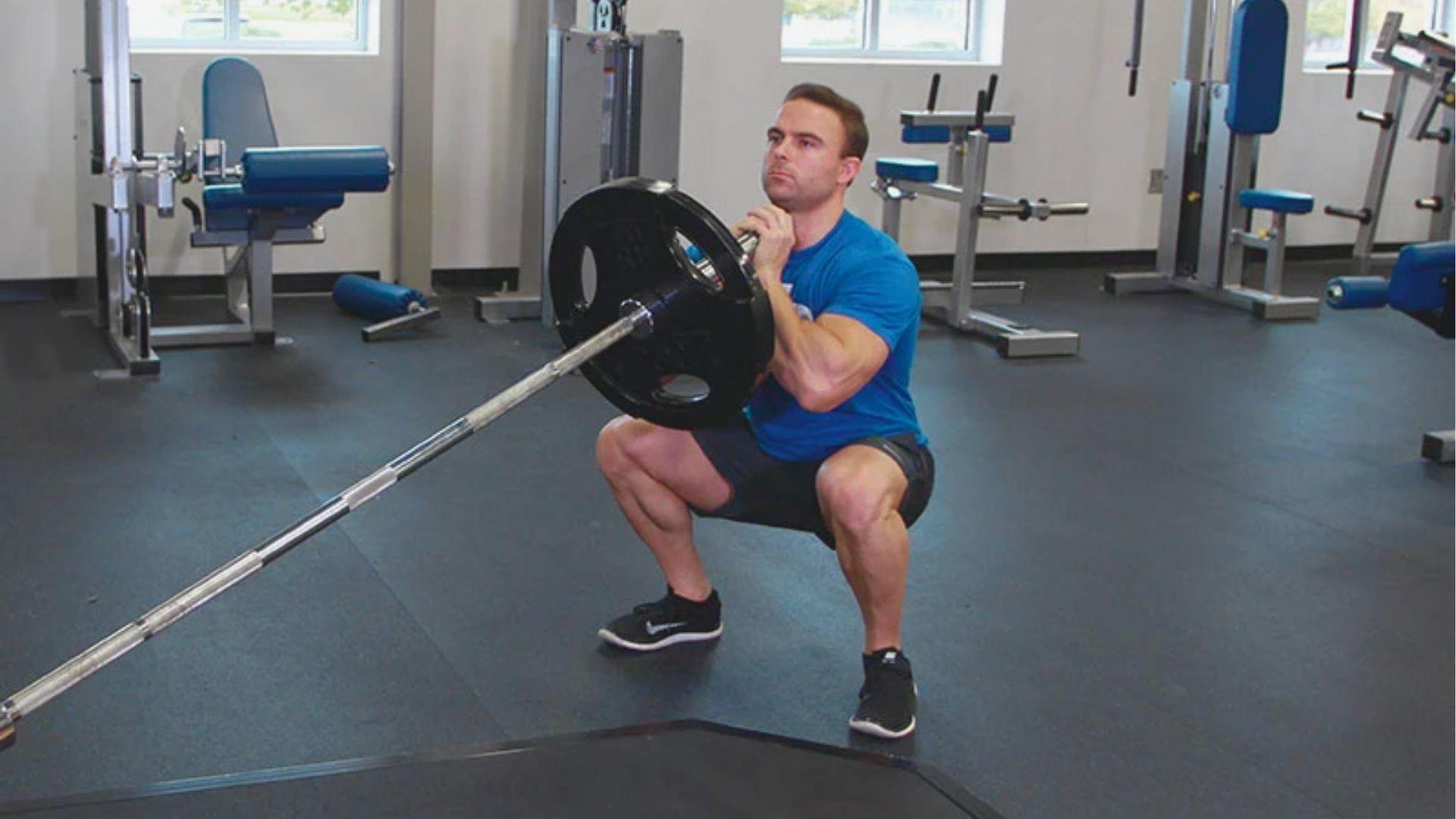
Hold the bar at chest height with both hands, just like a goblet. This keeps your torso upright and works the quads and upper back well.
Stand shoulder-width apart, squat down with elbows pointing down, and push back up. It's easy on the wrists and great for beginners.
Landmine Hack Squat
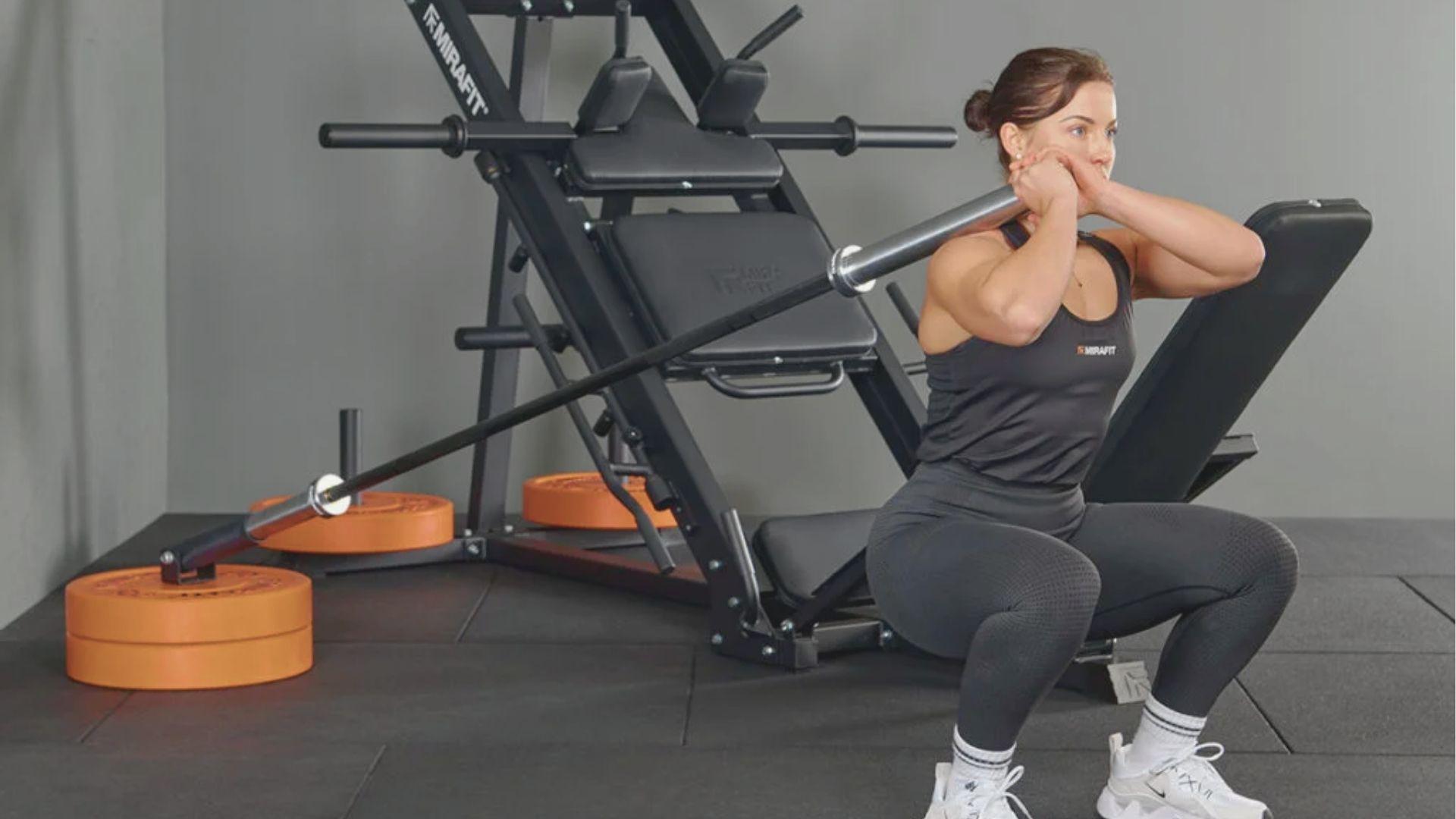
Stand with your feet slightly in front of the bar. As you squat, the bar passes between your legs. This angle puts more direct stress on the quads and feels similar to a hack squat machine.
Single-Leg Landmine Squat
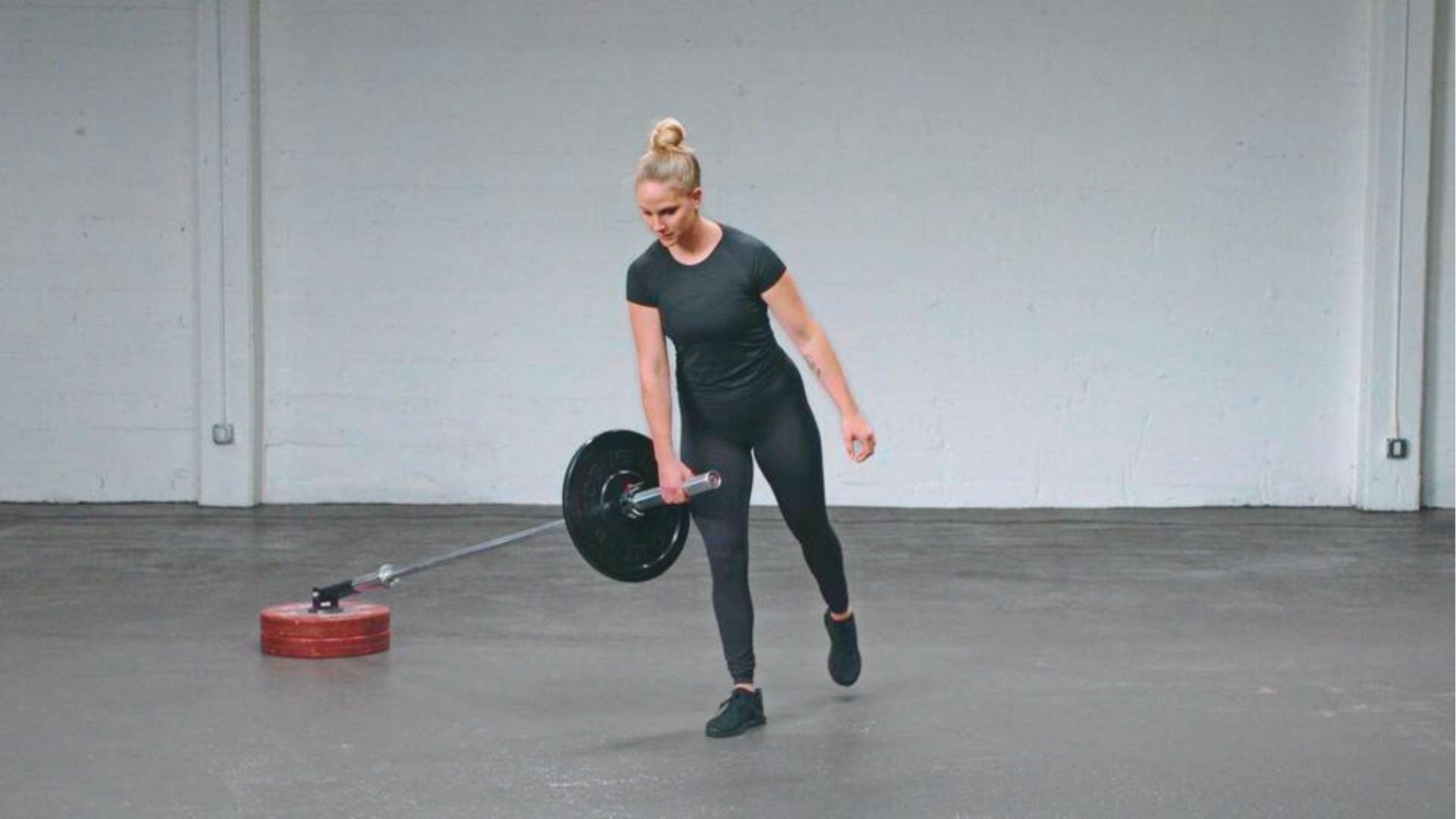
Squat on one leg while the other is raised or extended back. This works the glutes harder and fixes strength imbalances between both legs.
Start with bodyweight only. It's more challenging than it looks.
Landmine Squat vs Back Squat
Comparing two popular squat movements to help you choose what fits your training.
| Category | Landmine Squat | Back Squat |
| Bar Position | Held at chest height, anchored at one end | Sits across upper traps or rear deltoids |
| Torso Angle | Naturally upright due to fixed arc path | Depends on hip mobility and bar placement |
| Movement Type | Guided, fixed arc path | Free movement, fully independent |
| Primary Muscles | Quads, glutes, hamstrings | Quads, glutes, hamstrings |
| Muscle Emphasis | More quad activation, upper back and core engagement | More posterior chain loading (glutes, hamstrings, lower back) |
| Stability Required | Lower, bar provides support | Higher, full body control needed |
| Mobility Needed | Less hip and ankle mobility required | More hip mobility and flexibility needed |
| Best For | Beginners, people with back or knee discomfort, form improvement | Powerlifting, strength sports, advanced lifters |
| Impact Level | Lower impact, safer on the spine | Higher spinal load |
| Learning Curve | Easy to pick up | Steeper, takes more practice |
Many people include both movements in their routine. They serve different purposes and work well together depending on your goals.
Who Should Use Landmine Squats?
This movement works well for a wide range of people, not just beginners.
New lifters benefit from the guided bar path. It simplifies the squat pattern and makes learning faster without needing perfect mobility from day one.
Athletes can use it to build functional lower body strength. Single-leg variations are especially useful for training stability and power on one side at a time.
People with mild back or knee discomfort often find it more comfortable than the back squat. The controlled movement reduces spinal load and keeps the knees in a safer position. That said, always check with a doctor if you're dealing with a serious injury.
Tips to Get Better Results From Landmine Squats
Small adjustments in how you train can lead to much better results over time.
- Start with a weight that feels almost too easy. Many beginners load too much too soon and lose form fast. An empty bar is always a smart starting point.
- Focus on movement patterns before adding load. Once your squat feels controlled and clean, then slowly start increasing the weight each session.
- Never force squat depth before your body is ready. If your heels lift or your back rounds at the bottom, that is your current limit. Work within it and improve over time.
- Add ankle and hip mobility work outside your squat sessions. This is the fastest way to improve your depth safely. Consistency with mobility work pays off quickly.
- Place landmine squats at the start of your session if using them as your main movement. Aim for 3 to 4 sets of 8 to 12 reps. As an accessory, add them after your main squat or deadlift work to build volume without overloading your spine.
Conclusion
I hope this guide gave you everything you needed to get started with landmine squats. Honestly, this is one of those moves I wish more people knew about. It changed how I approached lower body training, especially on days when my back felt off.
If you're still figuring out your squat form or dealing with some discomfort, give this a real shot. Start light, focus on form, and be patient with yourself.
Try it in your next session and see how it feels. Got questions or results to share? Drop them in the comments below!
Frequently Asked Questions
Is the landmine squat good for beginners?
Yes, it is one of the most beginner-friendly squat variations available. The guided bar path makes it easier to learn proper form without needing advanced mobility.
How much weight should I start with on a landmine squat?
Start with just the bar or very light plates. Focus on form first and add weight gradually once you feel comfortable with the movement pattern.
Can landmine squats replace back squats?
They can be used as an alternative, but they are not a direct replacement. Back squats and landmine squats target the body in slightly different ways. Both can work well together in a program.
How many reps and sets should I do for landmine squats?
A good starting point is 3 to 4 sets of 8 to 12 reps. Adjust based on your goals, whether you're building strength or focusing on muscle growth.
Are landmine squats safe for people with lower back pain?
For most people with mild lower back discomfort, landmine squats are a safer option than back squats. Always speak with a healthcare professional before training through pain or injury.