

This article covers everything you need to know about isotonic exercise. You will learn what it is, how it works, and why it matters for your body.
This guide will help you move better and feel stronger, no matter where you are in your fitness routine.
I have seen many people skip this type of training because they did not fully understand it. Once you do, it changes how you approach fitness.
Isotonic exercise is one of the most practical and effective ways to build real strength. Let me walk you through it.
What Is Isotonic Exercise?
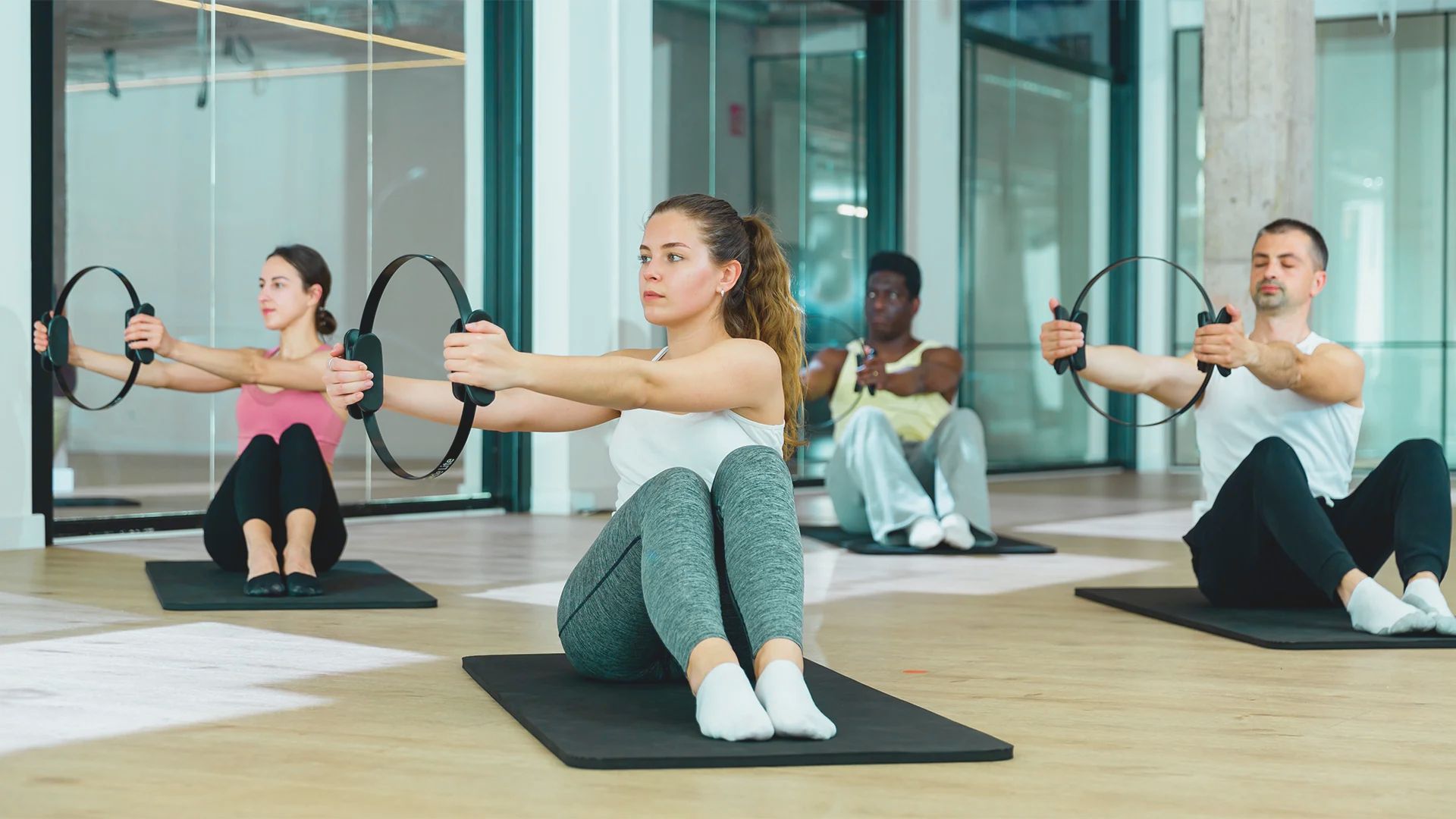
Isotonic exercise involves moving your muscles through a full range of motion against resistance. Chances are you are already doing it without knowing the name.
The word isotonic comes from Greek and literally means equal tension. Your muscles shorten and lengthen while the tension stays roughly the same throughout the movement.
A bicep curl is a simple example. The muscle shortens as you lift and lengthens as you lower. Squats, pushups, and lunges all work the same way.
This is different from static holds, where the muscle works hard but no movement happens.
With isotonic exercise, the body moves through a full range of motion, which is a big part of why it builds such effective, functional strength.
How Is Isotonic Exercise Performed?

Isotonic exercise uses controlled movement to work the muscles. Every rep has two phases.
Muscle Contraction and Movement Explained
Understanding the two phases helps you get more out of every rep.
The first phase is concentric. The muscle shortens as it generates force. Pushing up in a pushup is a clear example.
The second phase is eccentric. The muscle lengthens under control as you return to the start. Many people rush this part, but slowing it down builds more strength.
Range of Motion in Isotonic Exercise
How far you move through each rep directly impacts your results.
Isotonic exercise works the muscle from a fully stretched position to a fully contracted one. Cutting movements short reduces the benefits significantly.
Full range of motion builds more strength and protects your joints over time.
Isotonic Exercise Examples

There are many isotonic exercises to choose from. Here is a clear breakdown across different categories.
Common Examples of Isotonic Exercise
These are the exercises most people already know.
Squats, pushups, lunges, bicep curls, deadlifts, pull-ups, bench press, and shoulder press.
Each one moves the muscle through a full range of motion against resistance, whether that is body weight, free weights, or machines.
Example of an Isotonic Exercise for Beginners
The bodyweight squat is one of the best starting points.
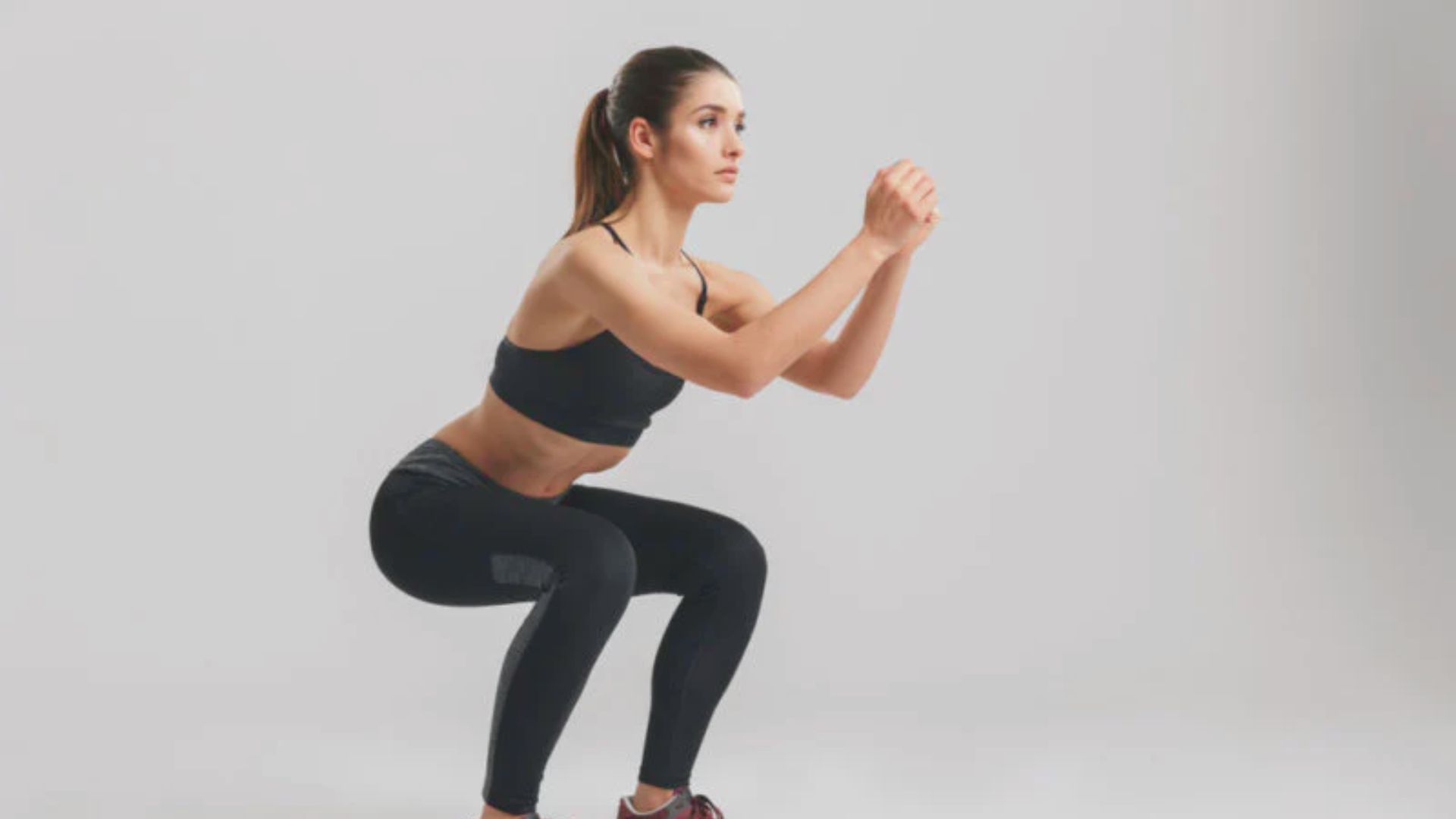
It requires no equipment and teaches good movement patterns from the start. Stand with feet shoulder-width apart, chest up, and core tight.
Lower yourself as if sitting back into a chair, then push through your heels to stand back up. Start with 3 sets of 10 reps and focus on control, not speed.
Upper-Body Isotonic Exercise Examples
These moves target the chest, back, shoulders, and arms effectively.
Pushups: Work the chest, shoulders, and triceps.
Dumbbell rows: Target the back and biceps.
Bicep curls: Isolate the bicep for focused arm strength.
Tricep dips: Work the back of the arms.
Overhead press: Build shoulder strength and stability.
Lower-Body Isotonic Exercise Examples
The lower body responds very well to isotonic training.
Squats: Work the quads, hamstrings, and glutes.
Lunges: Improve balance while strengthening the legs.
Deadlifts: Target the hamstrings, glutes, and lower back.
Leg press: Easier on the lower back.
Calf raises: Isolate the calf muscles for lower-leg strength.
Isotonic Exercise Benefits
The benefits of isotonic exercise go far beyond just looking stronger. They affect your health from the inside out.
Builds Muscle Strength and Endurance
Isotonic exercise forces muscles to adapt and grow stronger over time.
This process is called hypertrophy. Endurance increases too, so your muscles work longer before getting tired. Daily tasks like carrying groceries and climbing stairs all become easier.
Improves Joint Mobility and Flexibility
Full range of motion training keeps joints healthy and muscles flexible.
Isotonic exercises strengthen the muscles around your joints, reducing stiffness and providing better support. Moving freely in daily life becomes noticeably easier over time.
Improves Cardiovascular Fitness
Isotonic exercise works the heart, not just the muscles.
Short rest periods keep your heart rate raised, improving cardiovascular endurance. Circuit training using isotonic exercises is a great way to combine strength and cardio in one session.
Supports Bone Density and Injury Prevention
Weight-bearing exercise puts healthy stress on bones, making them denser and stronger.
This is especially important for women over 40 and older adults. Stronger muscles also support the skeleton better, lowering the risk of falls and injuries.
Helps With Weight Loss and Metabolism
Muscle tissue burns more calories than fat, even at rest.
Building muscle raises your resting metabolic rate, so your body burns more calories all day.
Consistent isotonic training, combined with proper nutrition, is one of the most effective ways to manage body weight long term.
Who Should Do Isotonic Exercise?

Isotonic exercise works for almost everyone. The intensity and exercises can be adjusted to fit any age or fitness level.
Beginners should start with bodyweight movements like squats, pushups, and lunges. Aim for 2 to 3 sessions per week and focus on form before adding weight.
Athletes and fitness enthusiasts use isotonic training to build strength, power, and endurance. Progressive overload, gradually increasing resistance over time, is key to continued improvement.
In physical therapy and rehab, isotonic exercise helps rebuild strength and restore joint function after injury.
Resistance bands are commonly used for gentle, adjustable resistance. Always work with a qualified professional when recovering from an injury.
Tips for Isotonic Exercise to Your Weekly Routine
Small, consistent changes to your weekly schedule make a big difference over time.
- Start with 2 to 3 sessions per week. Space them out so your muscles have enough time to recover and rebuild before the next session.
- Choose 4 to 6 exercises per session and include both upper- and lower-body movements to keep the workload balanced.
- Perform 3 sets of 10 to 15 reps per exercise. Once it starts feeling easy, increase resistance by 5 to 10 percent every 1 to 2 weeks.
- For a solid full-body session, cover the basics: squats, deadlifts, pushups, dumbbell rows, and lunges. These five movements hit every major muscle group.
- Advanced trainees can move to 4 or more sessions per week using a structured split routine that targets different muscle groups on different days.
Conclusion
Isotonic exercise changed how I approach fitness. Once I understood each movement, I stopped going through the motions and the results followed.
Pick a few exercises, stay consistent, and build from there. Small steps done regularly lead to real results.
Drop a comment below and share how you plan to get started. If this helps, share it with a friend who is trying to get stronger.
Frequently Asked Questions About Isotonic Exercise
Which Statement Refers to an Isotonic Exercise?
An isotonic exercise involves the muscle changing length while tension stays roughly constant. Any movement through a full range of motion against resistance, like a squat or bicep curl, qualifies.
What Is an Isotonic Exercise?
It is a movement-based exercise where the muscle shortens and lengthens against resistance. Common examples include squats, pushups, lunges, and dumbbell curls.
Are Squats and Pushups Isotonic Exercises?
Yes. Both involve full muscular contractions through a complete range of motion, making them classic isotonic exercises.
What Is the Difference Between Isotonic and Isometric Exercises?
Isotonic exercises involve movement through a range of motion. Isometric exercises involve holding a static position with no movement. Both build strength but in different ways.
Can Beginners Do Isotonic Exercises Safely?
Yes. Starting with bodyweight movements like squats and pushups, and focusing on good form before adding resistance, is a safe and effective way to begin.


