

Leg day used to confuse me. I’d hit the leg press hard, feel the burn, and walk out thinking I had just done solid compound training.
No one ever corrected me on that. Then I actually looked it up, and what I found changed how I train completely.
In this article, I’ll answer if leg press is truly a compound exercise. You’ll also get the top 13 best compound exercises for legs.
I’ll break down what to do, why it works, and how to build stronger legs faster.
What Is a Compound Exercise?
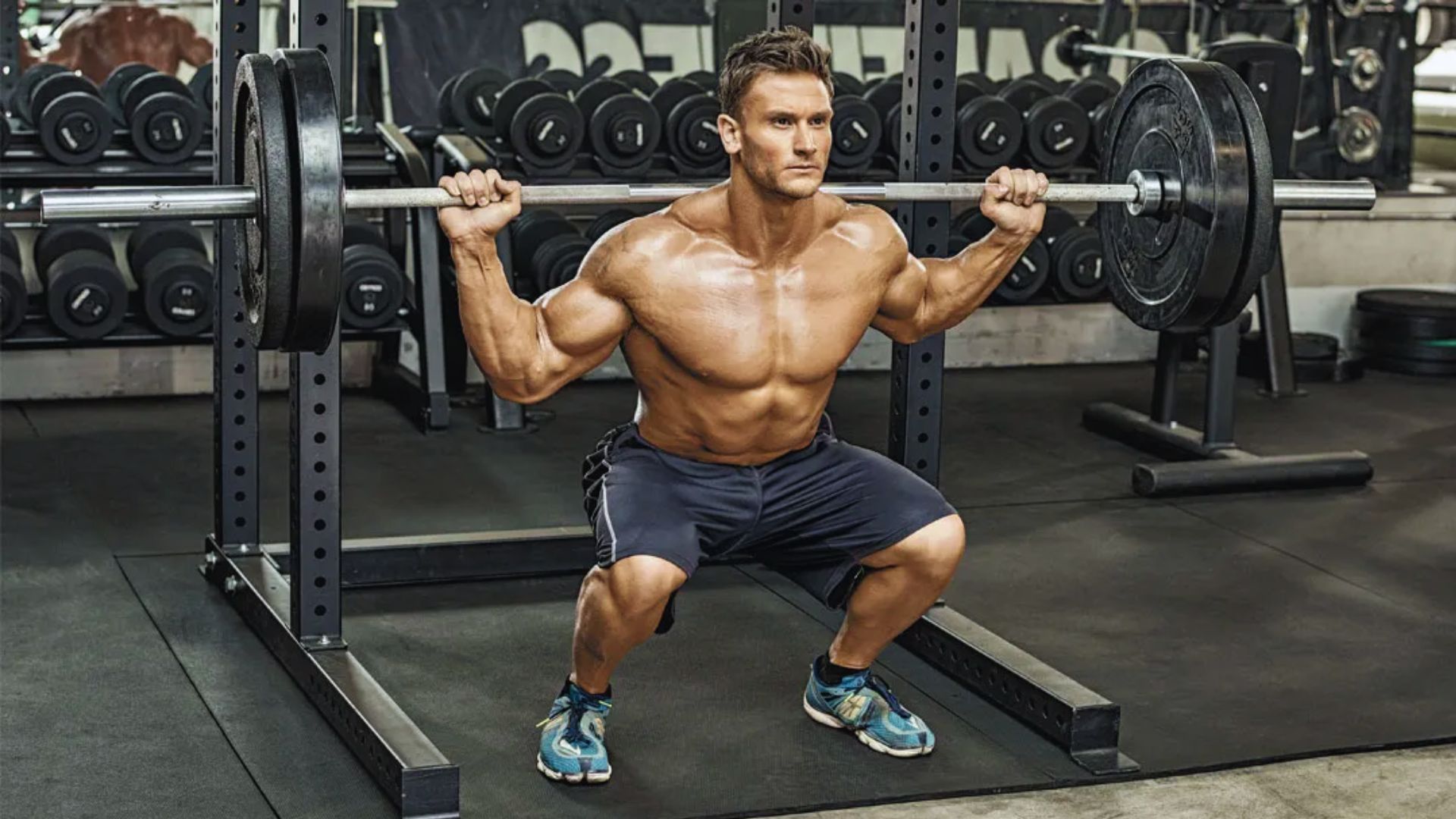
A compound exercise is any move that works more than one muscle group at the same time.
Instead of targeting just one muscle, it pulls several joints and muscles into action together.
Think squats: your hips, knees, and ankles all move at once.
That’s what makes compound exercises so efficient. You build more strength in less time.
They also burn more calories and carry over into real-life movement better than most isolation exercises do.
Is the Leg Press a Compound Exercise?
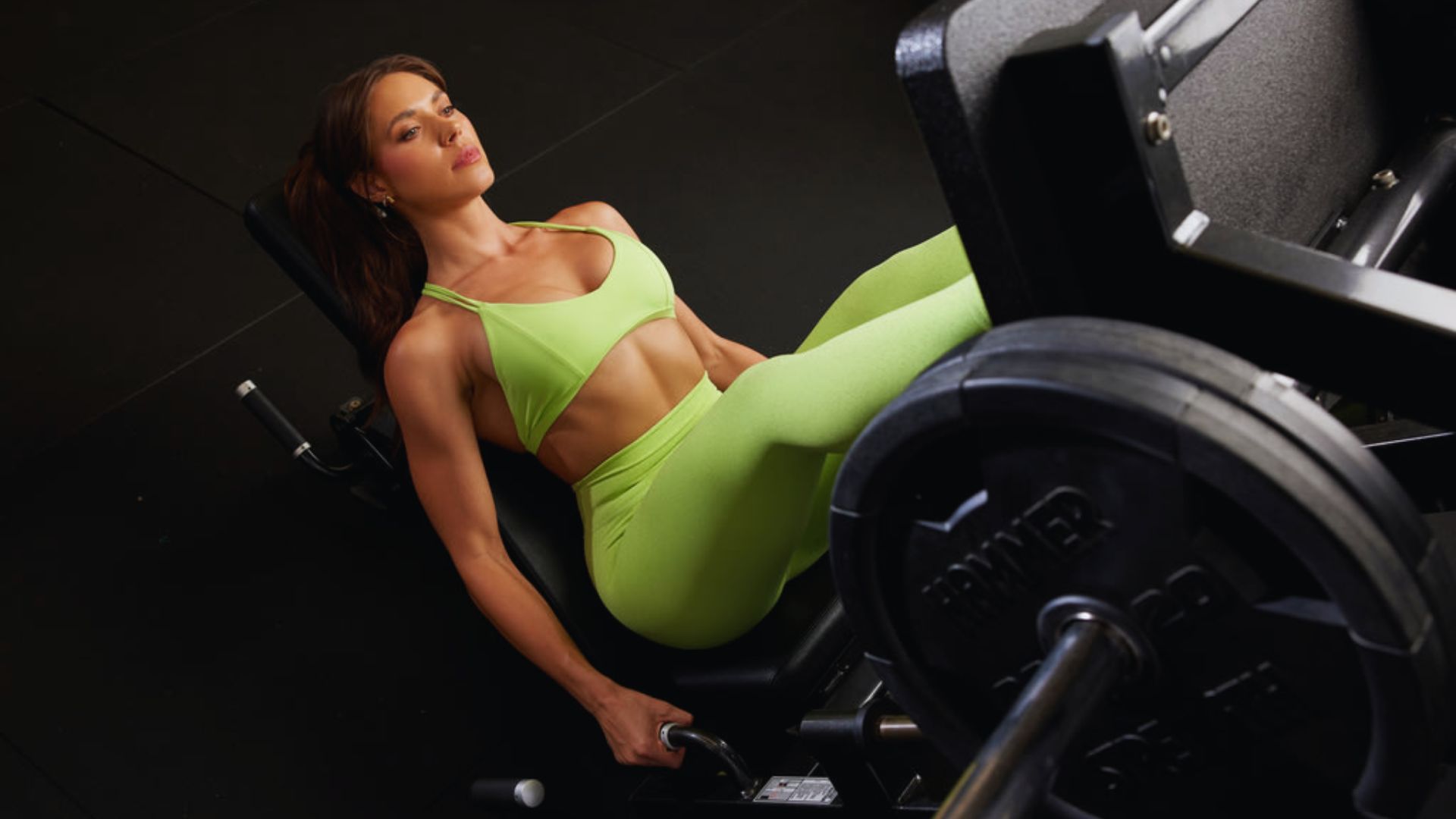
Yes, the leg press is a compound exercise. It works your quads, glutes, and hamstrings all at the same time.
Your knee and hip joints both move during the press, and that’s exactly what puts it in the compound category.
Now, it’s not as demanding as a squat. Your core and stabilizing muscles do a lot less work on the machine.
But it still engages multiple muscle groups in one movement, which makes it a solid compound option worth keeping in your leg training routine.
Muscles Worked in the Leg Press
Here’s a quick look at the key muscles the leg press targets.
Quadriceps
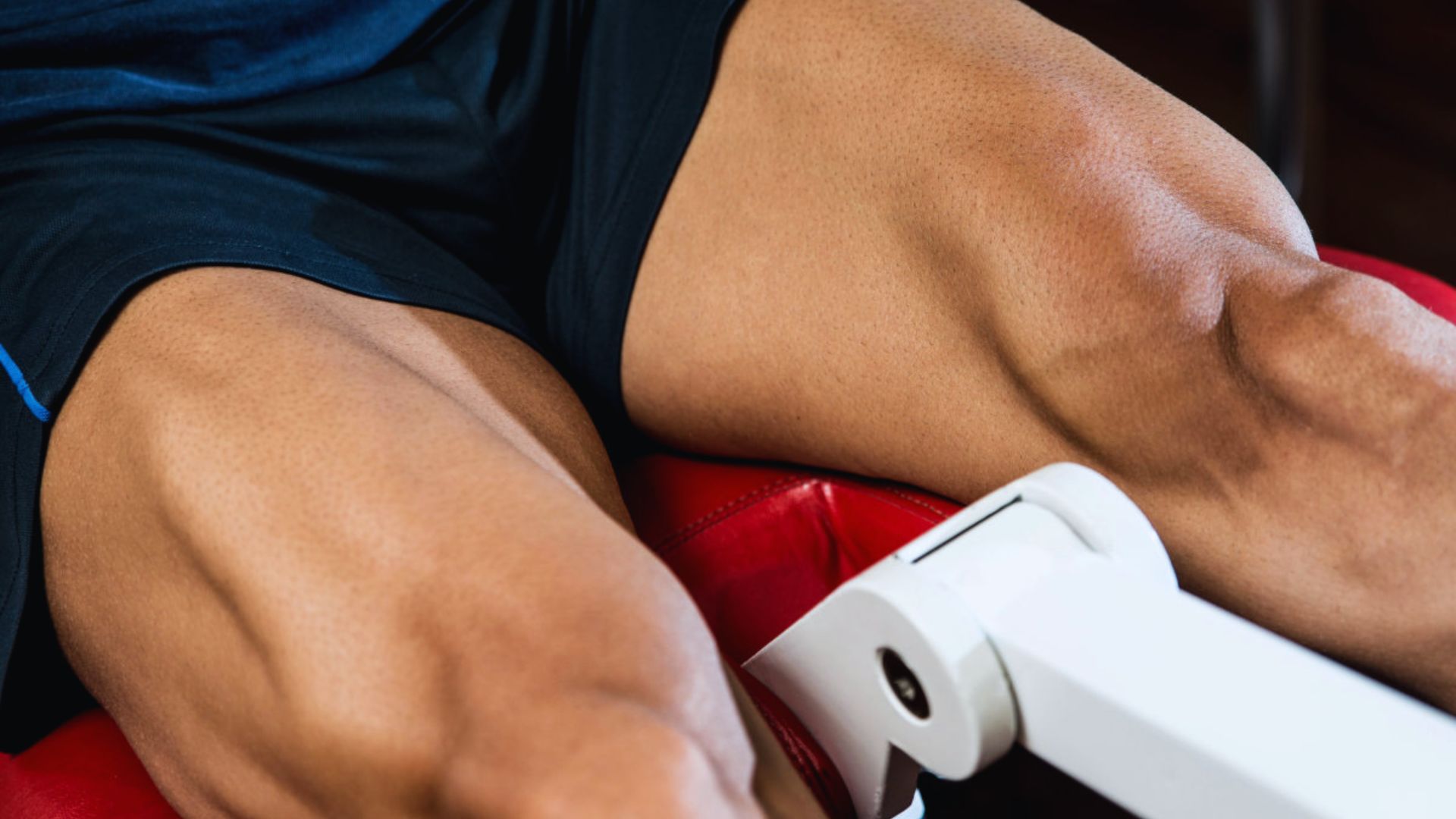
The quads are the main muscle group doing the work in a leg press. They sit on the front of your thigh and straighten your knee as you push the platform away.
The lower your feet are on the footplate, the more quad activation you get.
I’ve noticed a real difference in quad size since adding leg press into my weekly routine alongside squats.
Glutes and Hamstrings
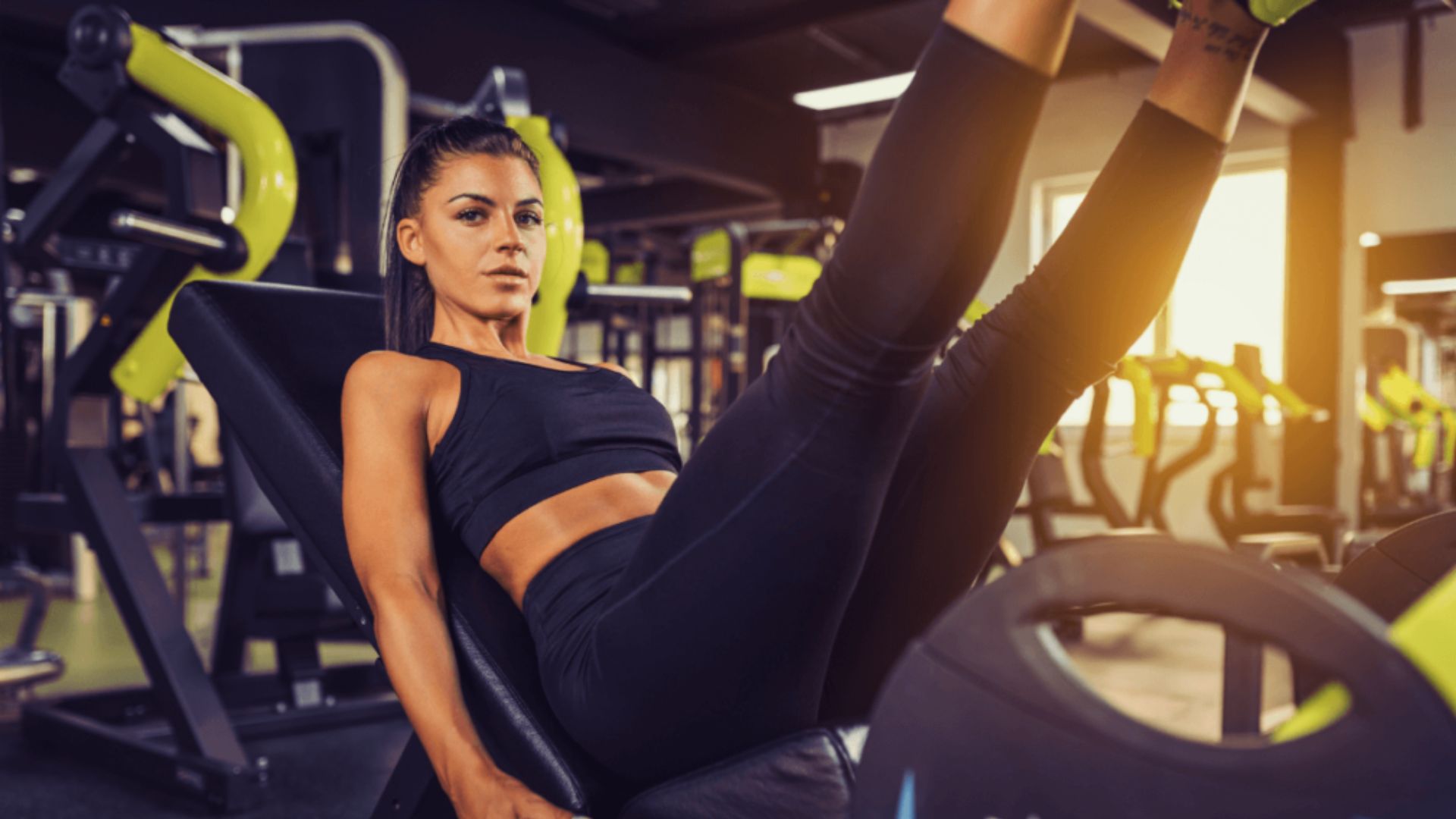
Your glutes and hamstrings play a supporting role in the leg press. They help drive the movement, especially at the bottom of the press when your hips are most flexed.
Placing your feet higher on the footplate shifts more load toward these muscles.
They don’t carry the same demand as the quads do here, but they’re definitely working throughout each rep.
Top 13 Best Compound Exercises for Legs
These are the moves that actually build serious leg strength. Pick your favorites and get to work.
1. Barbell Back Squat
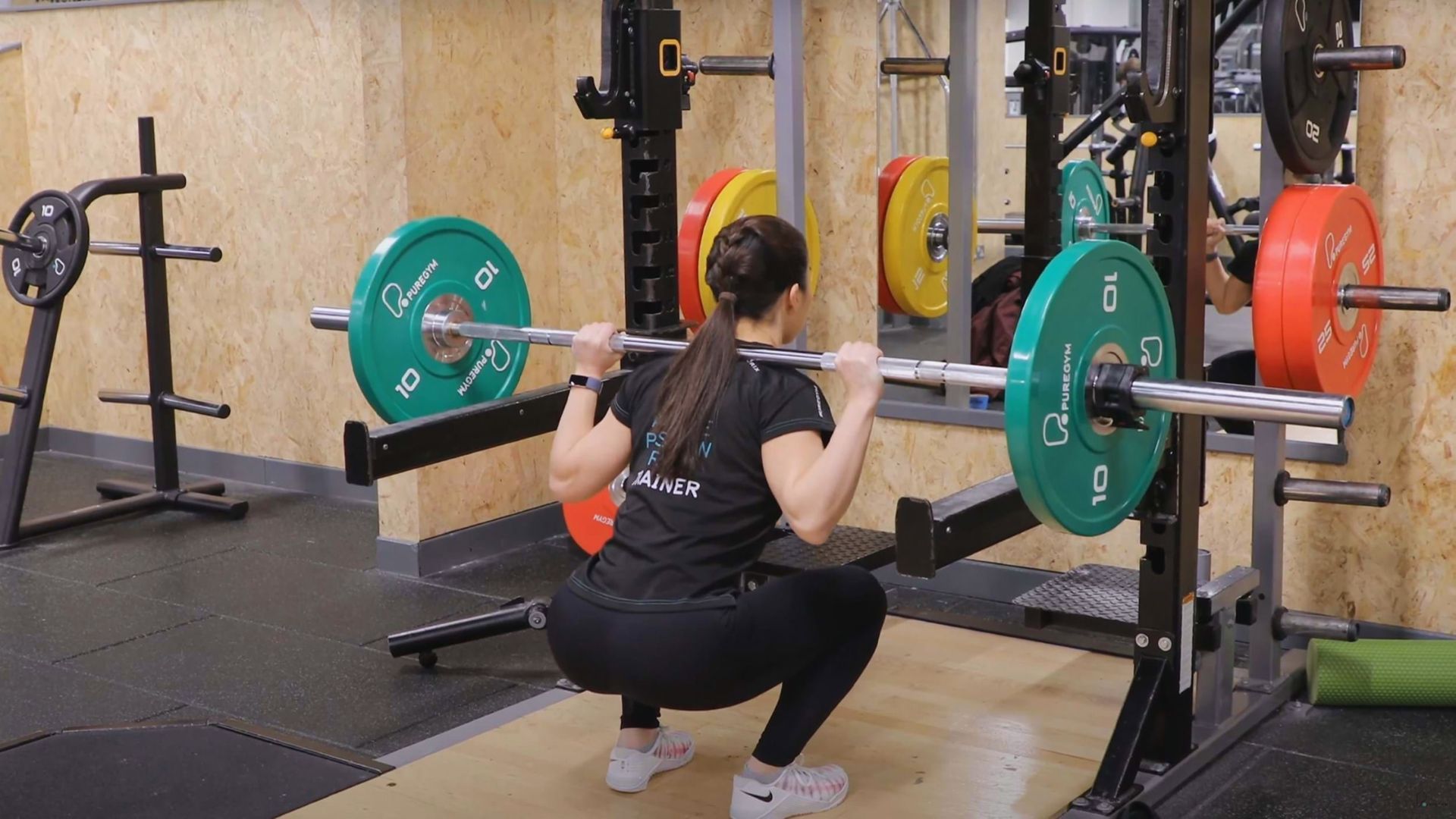
Load a bar across your upper back, squat until your thighs hit parallel, and drive back up. Your quads, glutes, hamstrings, and core all fire together in one movement.
It’s one of the most complete lower-body builders you can do. If you want stronger, bigger legs, this move needs to be in your program consistently.
No other exercise quite matches it for overall leg development.
2. Front Squat

Here, the bar sits across your front deltoids instead of your upper back. That small shift loads your quads harder and demands serious core stability.
Your torso stays more upright, which takes pressure off your lower back. It’s harder to learn than the back squat, but worth the effort.
For quad-dominant leg development, this is one of the best tools you can use.
3. Deadlift
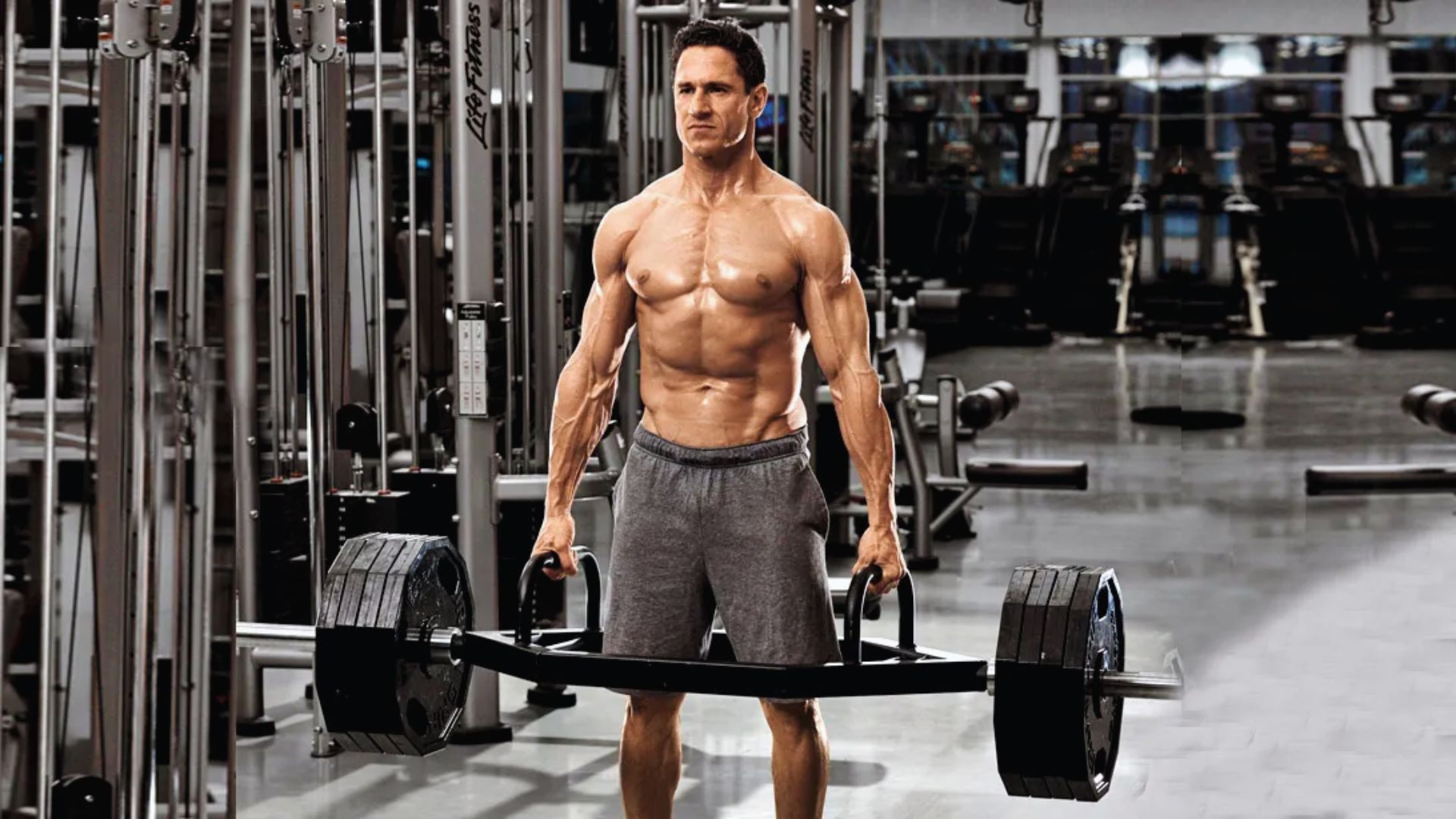
You hinge at your hips, grip the bar from the floor, and drive through your legs to stand tall. Your hamstrings, glutes, quads, and back all fire at once.
It’s one of the most functional strength exercises out there. I always recommend it to anyone building real lower-body power.
Nail your form before going heavy: technique matters a lot here.
4. Romanian Deadlift
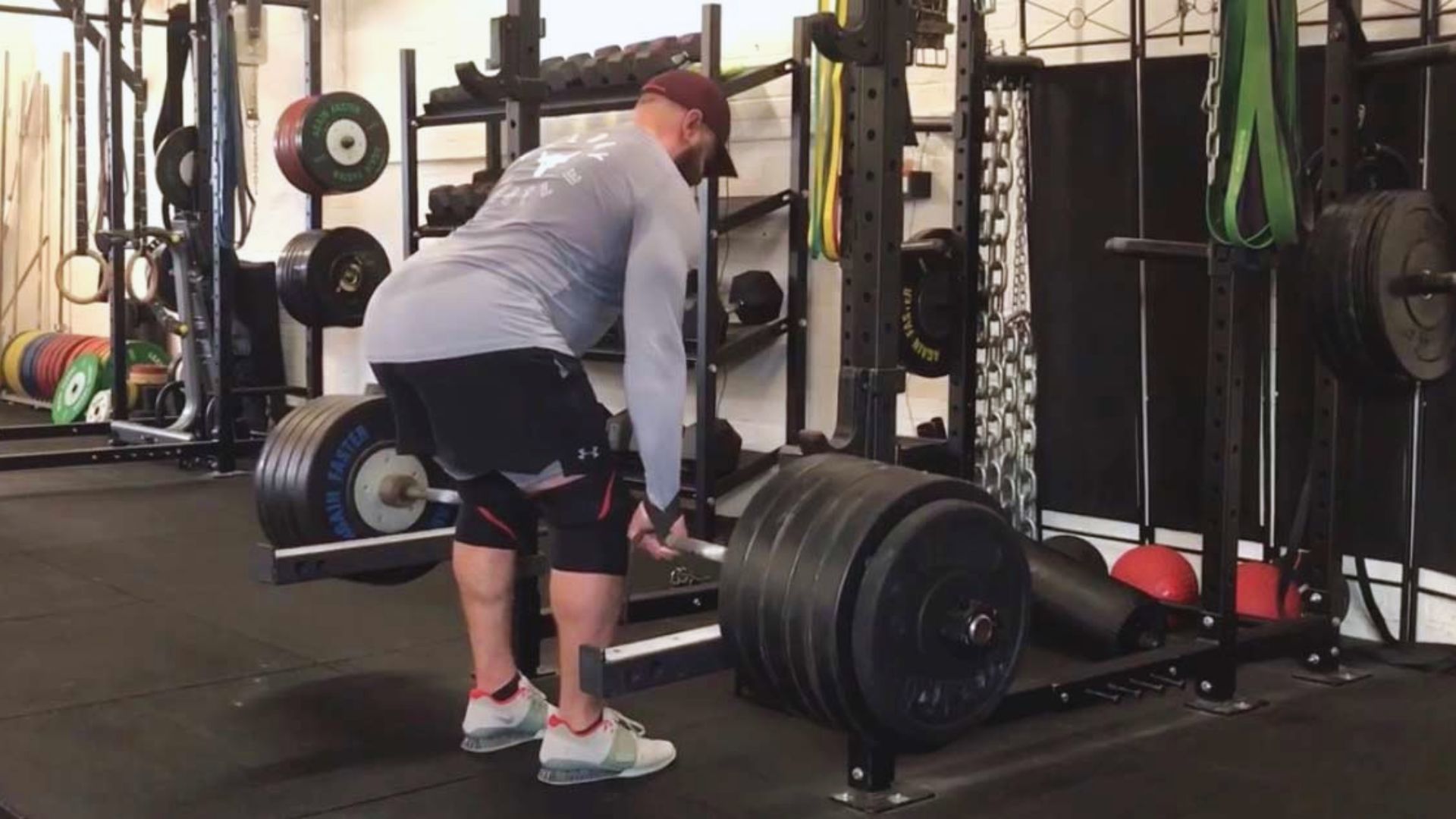
This variation focuses more on the posterior chain. You keep a slight bend in your knees, hinge at the hips, and lower the bar until you feel a strong hamstring stretch.
Your glutes and hamstrings carry most of the load. It’s excellent for building back-of-the-leg strength that most people neglect.
Add it on leg day after your heavier lifts.
5. Lunges

Step forward or backward and lower your rear knee toward the floor. Your quads, glutes, and hamstrings all work together with each rep.
What makes this move stand out is that it also trains balance and unilateral strength: each leg works independently.
That’s great for fixing side-to-side imbalances. Use body weight, dumbbells, or a barbell to keep progressing over time.
6. Bulgarian Split Squat
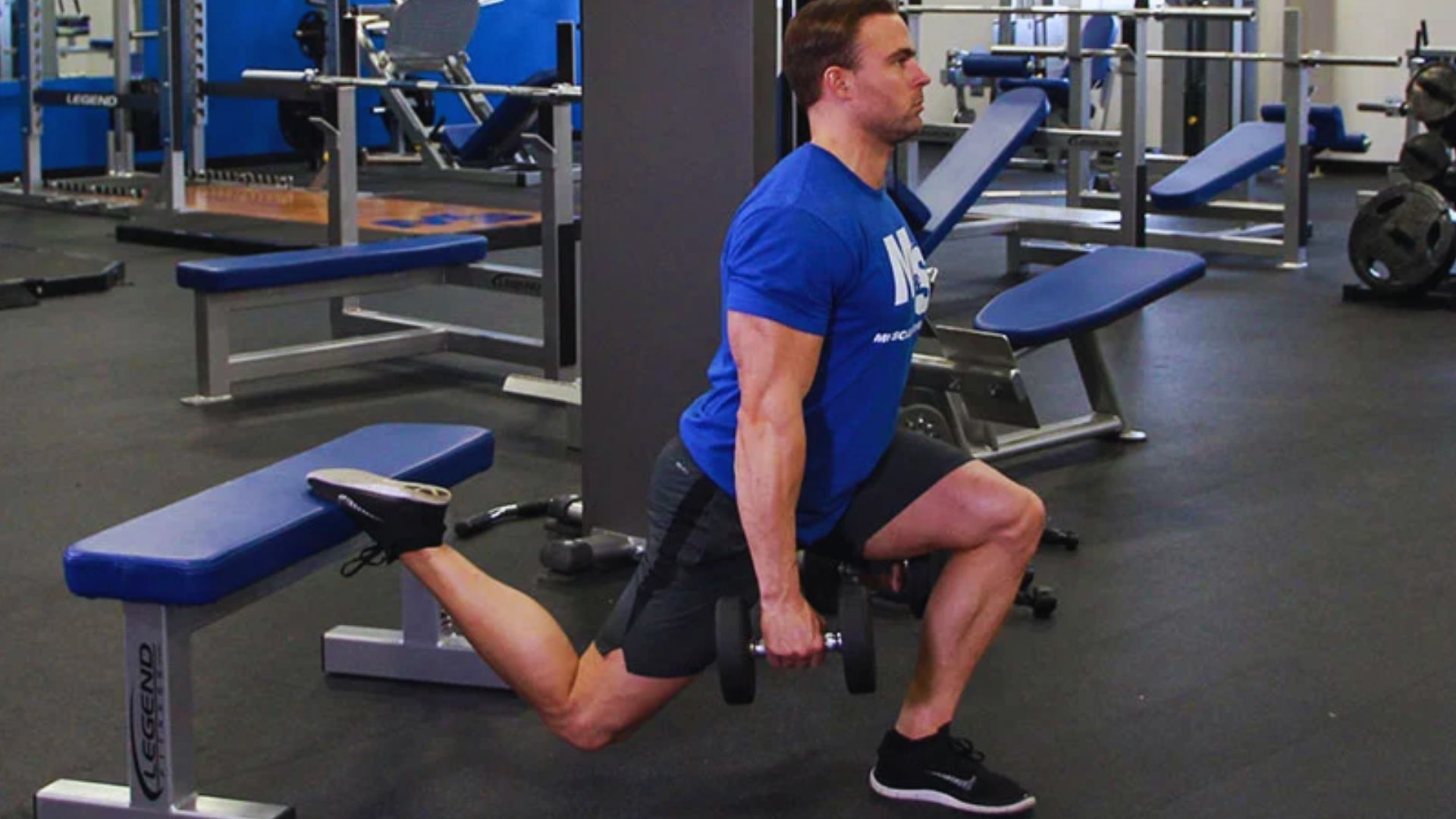
Elevate your rear foot on a bench and lower your front leg into a deep single-leg squat. Your quads and glutes take the full hit on the working leg.
It’s harder than a regular lunge and forces more stability throughout. Your core works overtime just to keep you upright.
If you want to build each leg equally, this exercise is brutally effective.
7. Leg Press
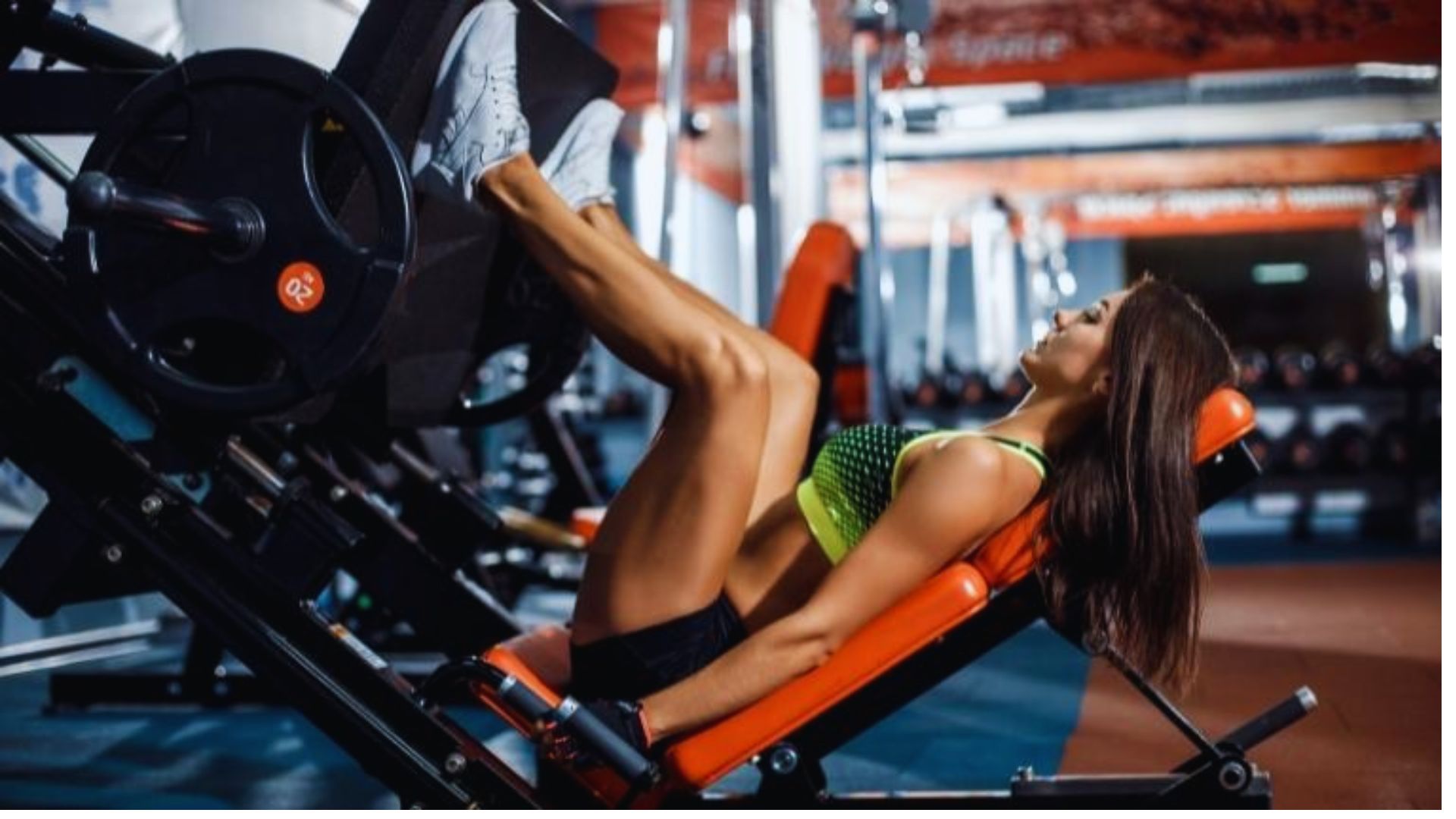
This machine-based move lets you load heavy without the balance demands of free weights. You sit in the seat, place your feet on the platform, and press it away.
Foot placement changes which muscles get hit most. Higher feet target glutes and hamstrings. Lower feet hit the quads harder.
It’s a great option when your lower back needs a break or you want extra volume after squatting.
8. Hack Squat
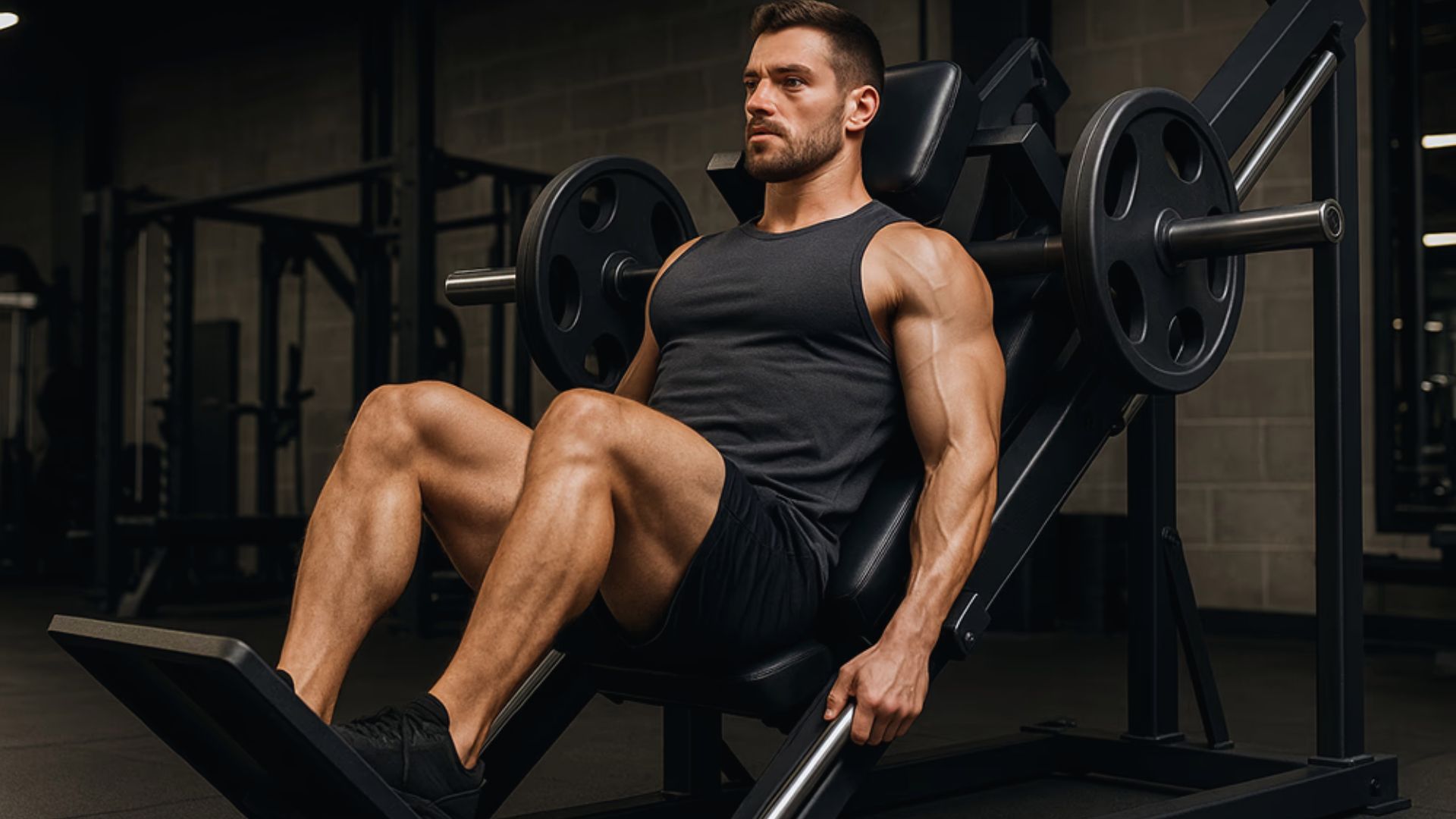
The machine holds your upper body in a fixed position while your legs do all the work. You squat down under the padded shoulder rests and drive back up.
It targets the quads heavily while also hitting the glutes and hamstrings. It sits somewhere between a squat and a leg press.
A good option when you want to go heavier on quads without loading your spine directly.
9. Step-Ups
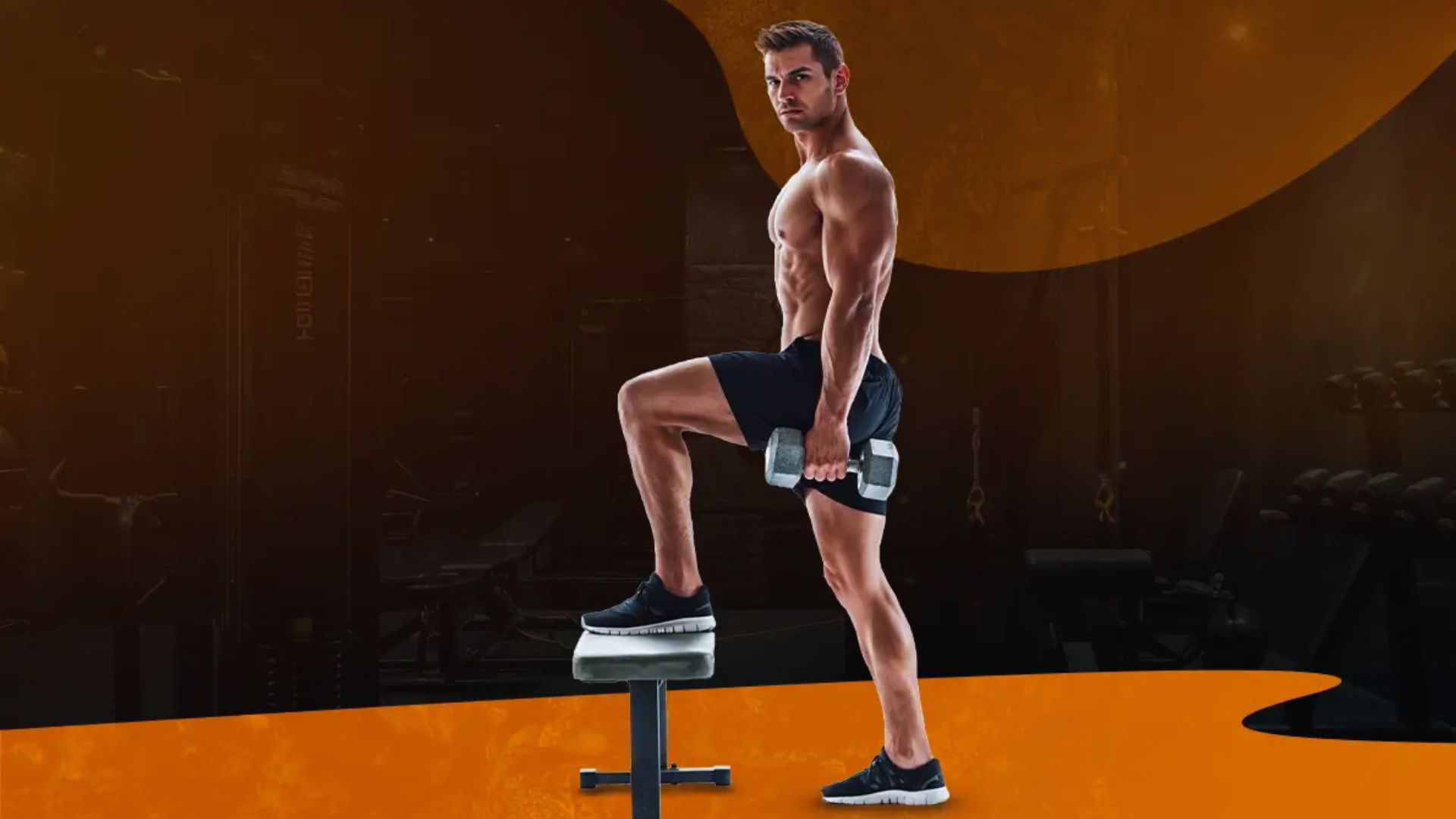
This one is underrated. You step onto a box or bench with one leg and drive through your heel to stand at the top.
Your glutes and quads do most of the work. The higher the step, the more glute activation you get. Balance and hip stability get challenged too.
Even with light dumbbells or body weight, this move can seriously push your legs when done with control.
10. Glute-Ham Raise
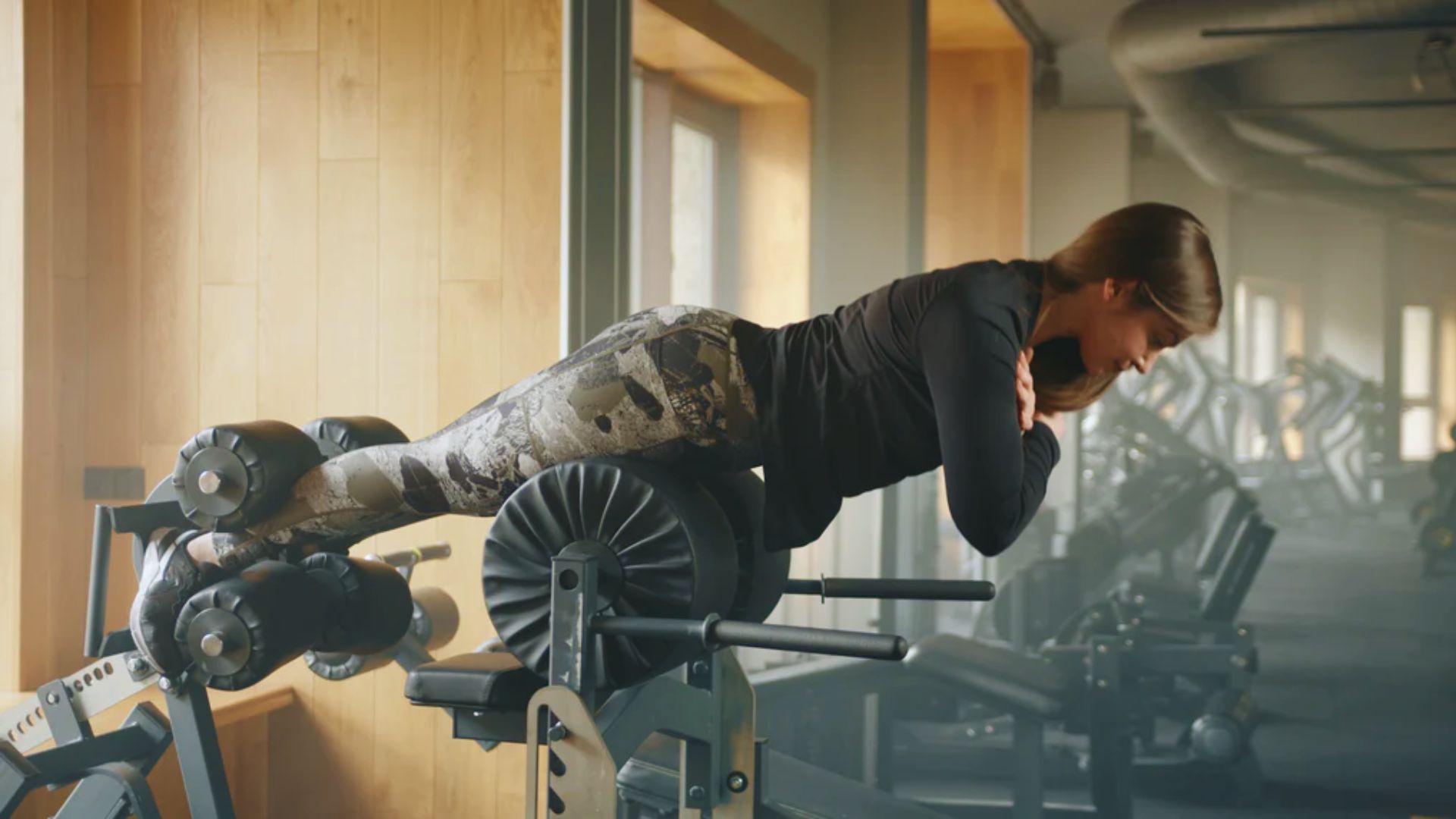
One of the toughest posterior chain exercises around. You lock your feet into the padded anchor, lower your body toward the floor using your hamstrings, and pull yourself back up.
Your glutes and hamstrings work hard through every inch of the movement. It builds serious hamstring strength and helps protect your knees long-term.
If your gym has the machine, make use of it.
11. Hip Thrust
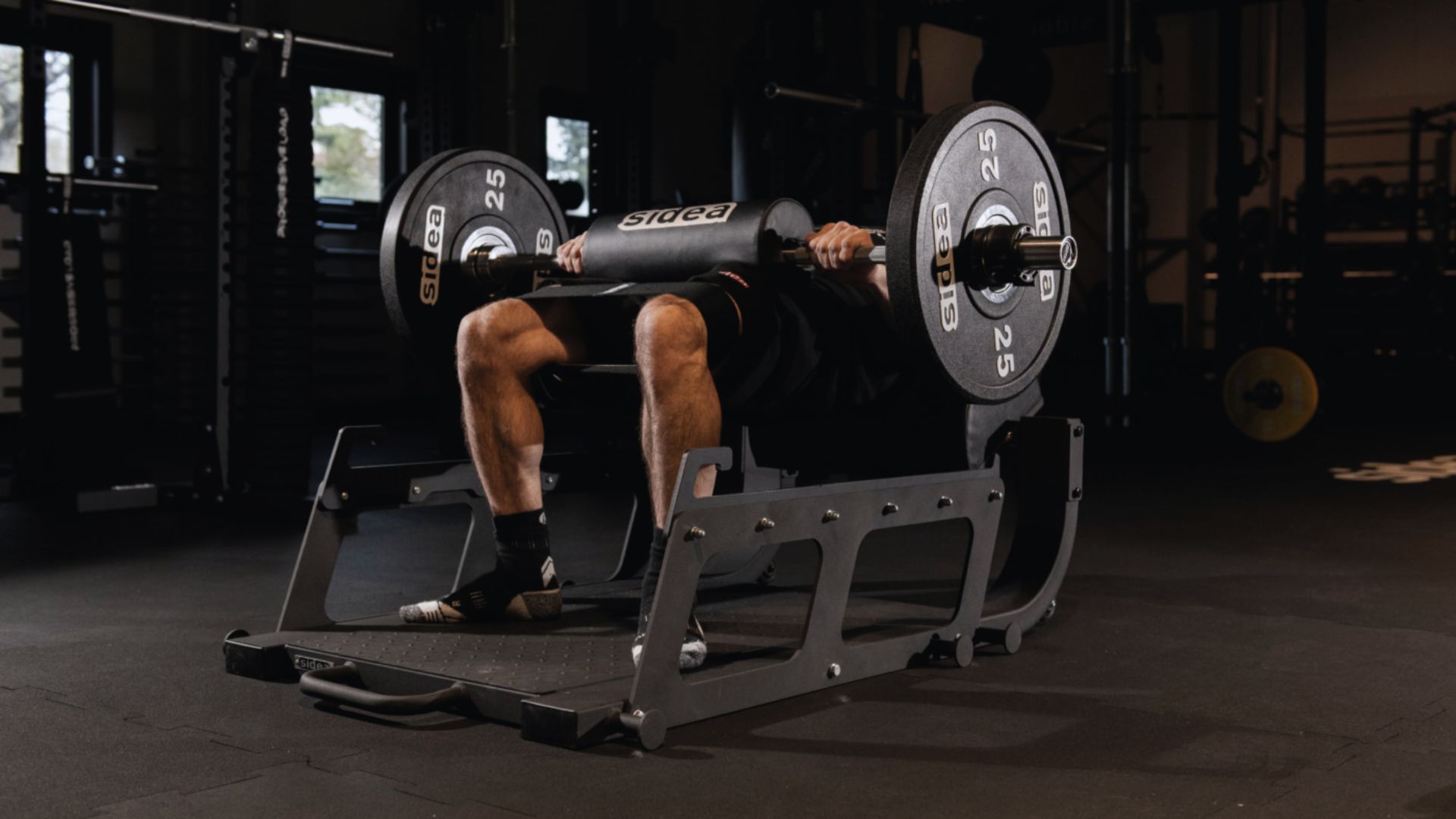
Rest your upper back on a bench, place a barbell across your hips, and drive upward by squeezing your glutes hard at the top.
Your hamstrings and core assist throughout the movement. It lets you load heavy and really target the glutes without taxing your spine the way squats and deadlifts do.
This has become a staple in lower-body training for good reason: it flat-out works.
12. Smith Machine Squat
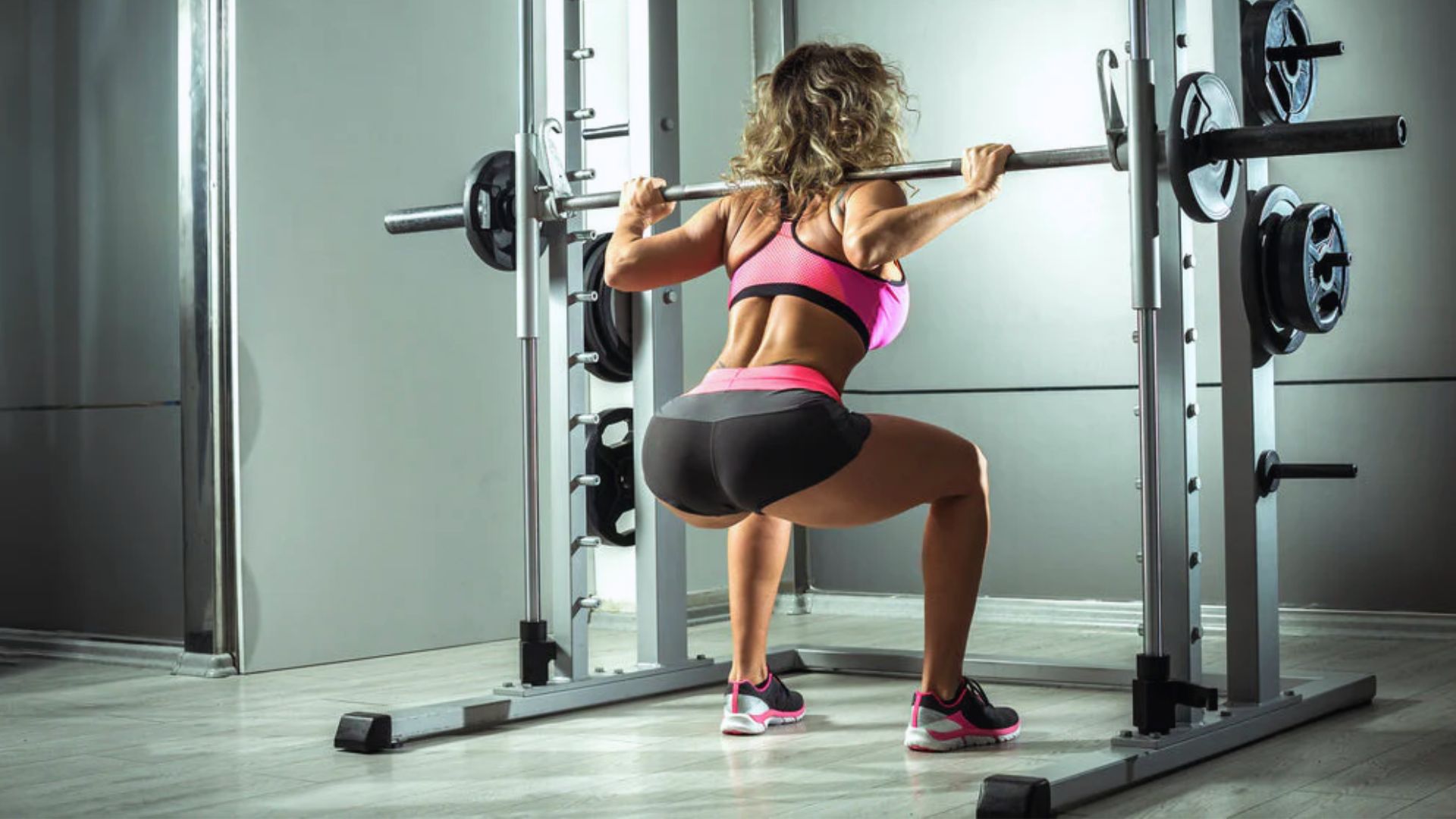
The guided bar on a fixed track removes the balance demand, which makes this useful for beginners or anyone coming back from injury.
Your quads, glutes, and hamstrings all work during the movement. The fixed path changes the feel compared to a free barbell, so some lifters use it to target specific muscles more precisely.
A solid compound option when free weights aren’t available or practical.
13. Sled Push / Prowler Push
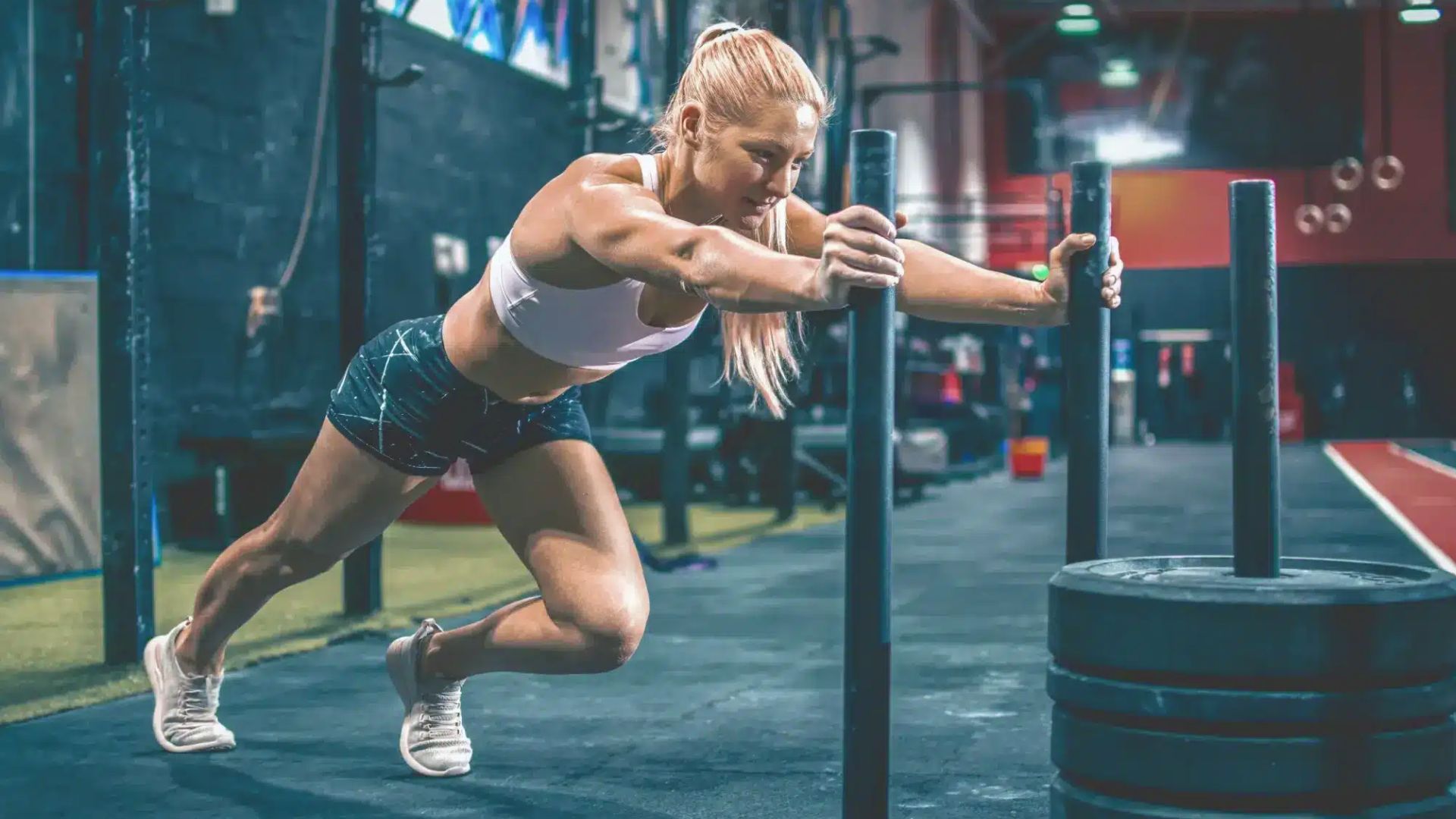
Load up the sled and push it across the floor using your legs and hips. Your quads, glutes, hamstrings, and calves all fire hard.
There’s no eccentric phase, which means less muscle soreness afterward. That makes recovery easier.
I use this at the end of leg day to finish strong. It builds real-world leg strength fast and doubles as solid conditioning work too.
How to Build Stronger Legs Using Compound Exercises
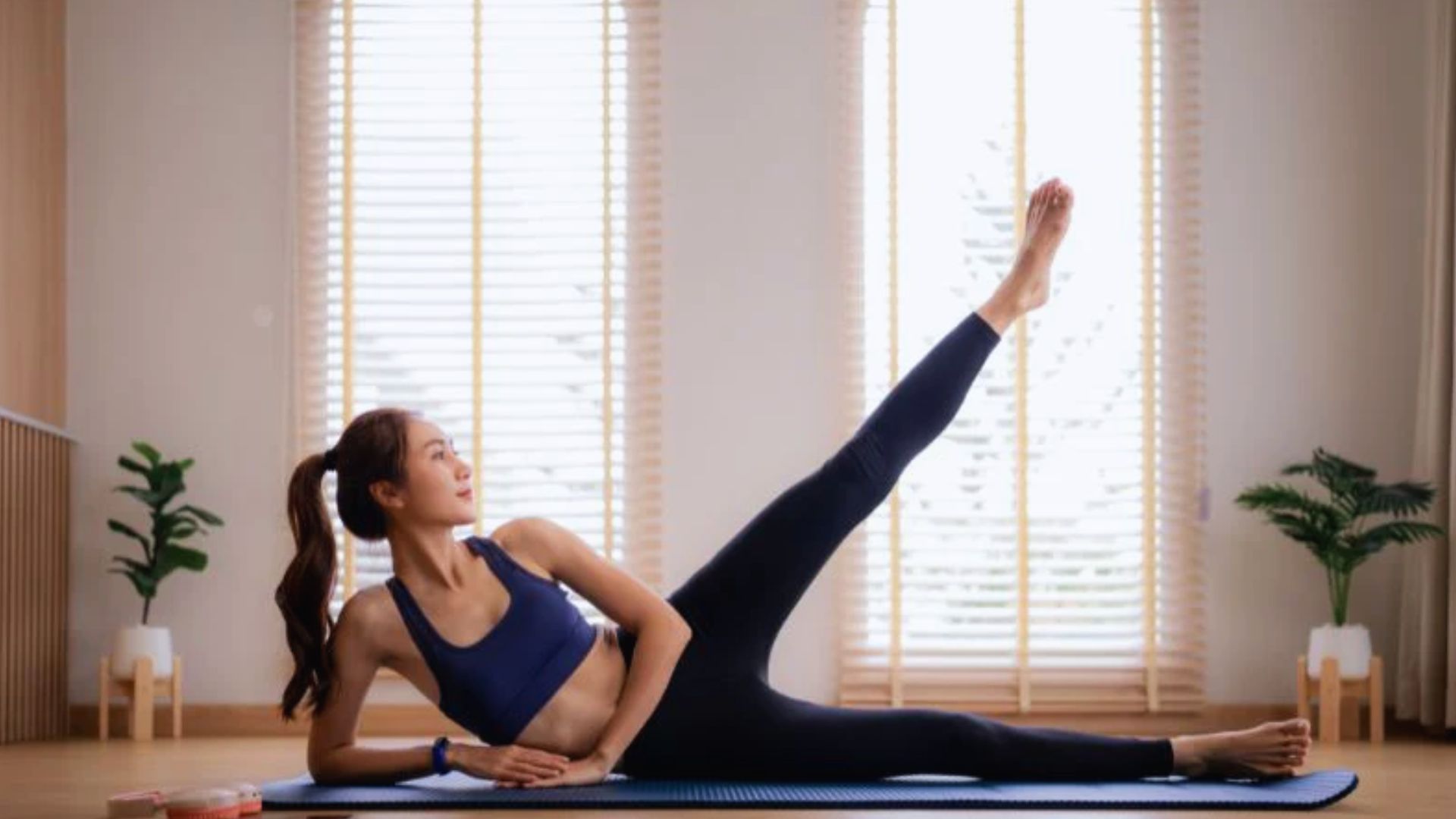
Building stronger legs comes down to using compound moves regularly and adding load over time.
Start with the basics: squats, deadlifts, and lunges.
Do them with proper form before adding weight. Aim to train legs two times a week with enough rest between sessions.
Progressive overload matters most. That means adding more weight, more reps, or better technique over time.
Don’t skip the posterior chain either. Hamstrings and glutes are just as important as quads for balanced leg strength and injury prevention.
Conclusion
Leg training doesn’t have to be complicated. Pick two or three exercises from this list, show up consistently, and add a little more weight each week.
I tried Bulgarian split squats for the first time and could barely walk for three days.
Totally worth it.Now it’s your turn.
Which exercise are you starting with? Drop a comment below.
And if this helped you, share it with someone who wants stronger legs.
Frequently Asked Questions
Is the leg press better than squats for building leg muscle?
Squats hit more muscles, but leg press is a solid add-on for extra quad work.
How many compound leg exercises should I do per session?
Two to three exercises per session is plenty.
Can beginners do compound leg exercises safely?
Yes, just start light and focus on form first.
How often should I train legs with compound exercises?
Twice a week with at least 48 hours rest between sessions.
Do compound leg exercises help with fat loss?
Yes, they burn more calories and help build muscle over time.