

Should you run before or after lifting weights? This question confuses many gym-goers. I’ve tried both ways myself, and I know how frustrating it can be to get it wrong.
This guide will help you figure out the best order for your body and goals. We’ll cover what experts say, how each choice affects your performance, and which option works for different training types. I’ve spent years testing workout orders and talking to trainers.
By the end, you’ll know exactly when to run and when to lift first. Let’s clear up this common fitness puzzle together.
Why Workout Order Sparks Debate?

The debate over workout order has split fitness fans for years. Runners and lifters often disagree because their goals are different.
People who focus on running want fresh legs for speed and form. They worry that lifting first will make their runs slower and harder. Meanwhile, people who care most about building strength prefer to lift when their muscles are ready. They know tired muscles can’t push as much weight.
Your energy levels matter too. What you do first gets your best effort. What comes second has to work with whatever energy is left.
Experience also plays a role. Beginners might not notice a big difference. Advanced athletes feel the impact more clearly. They’ve learned what helps them perform better.
The truth is, both sides have good points. The right answer depends on what you want to achieve.
Understanding Running and Strength Training

These two types of exercise affect your body in different ways. Knowing how they work helps you plan better workouts.
Running demands a lot from your heart and lungs. Your cardiovascular system delivers oxygen to working muscles. This takes serious energy. Your legs get tired from constant impact. Even a short run uses up glycogen stores in your body. Running leaves you tired, with heavy legs and lower energy.
Lifting weights requires muscle activation in a specific way. You create tension and overload to make muscles stronger. Fresh muscles perform better during lifting. They can handle heavier weights and complete more reps with good form.
Tired muscles struggle to lift properly. Your form might break down, which can slow progress and increase injury risk. Strength training uses energy in shorter bursts with rest between sets.
Is It Better to Run Before or After a Workout?

Experts don’t give a single answer that works for everyone. The best choice depends on your individual needs.
What Fitness Professionals Say About Workout Order
Most trainers and exercise scientists agree on one thing: put your priority first. If running matters most, do it first. If strength is your goal, lift first.
Sports physiologists point out that workout order affects performance. Your first activity gets the most energy and focus. The second activity has to work with what’s left.
Some experts suggest doing them on separate days if possible. This gives each workout full attention. But they know this isn’t realistic for everyone.
Personal trainers often tell clients to test both ways. Track how you feel and how you perform. The data will tell you what works.
There’s no universal rule because people have different bodies, goals, and schedules. What helps one person might hurt another’s progress.
Running Before or After Your Workout: Which Works Better?

The order you choose depends on your main training goal. Here’s what happens with each approach.
If you’re training for a race or trying to improve endurance, running first makes sense. Your legs are fresh. You can focus on speed and technique. Your running form stays better when you’re not tired. You land properly and your stride feels smooth.
This reduces injury risk. Runners often say their pace feels easier at the start of a session. They can hit target times without fighting fatigue. Starting with cardio also warms up your whole body.
But running first has drawbacks for lifting. After a run, your muscles have less power. You might lift lighter weights or do fewer reps. Glycogen stores drop during cardio, and your body needs that fuel for heavy lifting too.
Fatigue during resistance exercises can hurt your form. When you’re tired, you might use bad technique. Your mental focus drops too. After pushing through a run, it’s hard to stay sharp for complex lifts.
Running after lifting has its own challenges. Your legs will feel heavier during your run. Muscles that just worked hard don’t move as freely. Speed often drops when you run after lifting. Your tired legs can’t turn over as fast.
Your usual pace might feel much harder. Some people find it mentally tough to run after a hard lifting session. The motivation to keep going can fade.
How Personal Goals Influence Workout Order?

Your main training goal should guide your decision. Different priorities need different approaches.
Training for Strength or Muscle Growth
If building muscle or getting stronger is your top goal, lift first. This gives your strength work the attention it needs. Many serious lifters run after weights or on separate days.
Keep your runs shorter and easier if you do them after lifting. A 15-20 minute light jog won’t hurt your recovery much. Some people skip running altogether on heavy lifting days.
Training for Endurance or Races
Runners training for events should put running first. Your running performance matters most. Give it your best energy. You can still lift weights for support, but do it after your run and keep it moderate.
Focus on exercises that help running, like leg strength and core work. During race season, some runners reduce or skip lifting. Off-season is a good time to balance both more evenly.
General Fitness and Lifestyle Training
If you just want to stay healthy and fit, you have more flexibility. Neither running nor lifting has to come first all the time. Try switching the order throughout the week.
Run first on some days. Lift first on others. Listen to how your body feels. As long as you’re consistent and work hard, the order matters less for general fitness.
Combining Running and Strength Training in One Session
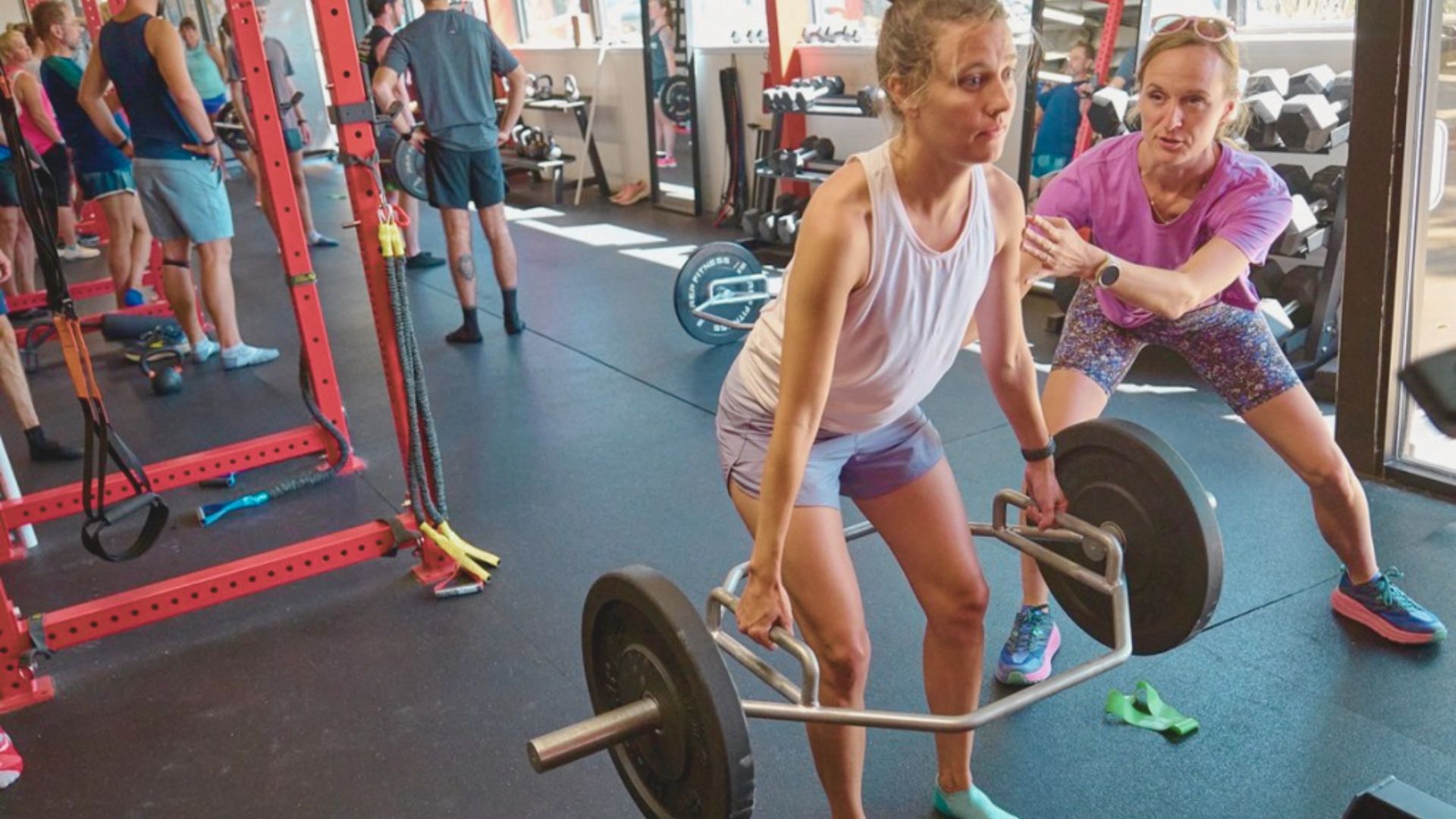
You don’t always have to do them separately. There are ways to blend both types of exercise.
Using HIIT or Circuit-Style Workouts
HIIT circuits mix cardio bursts with strength moves. You might do 30 seconds of running in place, then 30 seconds of squats.
This approach saves time and keeps your heart rate up. You get cardio and strength benefits together.
Circuit training works well for general fitness. You move quickly between exercises with little rest.
The downside is you won’t build maximum strength or peak cardio fitness this way. It’s a middle ground.
Splitting Sessions by Time or Day
Some people lift in the morning and run in the evening. This gives each workout full energy and focus.
Others prefer different days entirely. They might lift Monday, Wednesday, and Friday, then run Tuesday, Thursday, and Saturday.
Splitting sessions requires more time overall. But it can lead to better performance in both areas.
Recovery matters when you split sessions. Make sure you’re eating enough and sleeping well to support both workouts.
Tips to Decide Which Works Better for You
The best approach is personal testing. Here are five ways to figure out your ideal order.
- Pay attention to how you feel during and after workouts. Notice if running first leaves you too tired to lift well. Track your recovery between sessions.
- Watch for warning signs. Poor performance, increased soreness, or lack of progress mean the order isn’t working for you.
- Test one order for 2-3 weeks. Track weights lifted, running times, and how you felt. Then switch and compare results.
- Consider both performance and enjoyment. The best plan is one you’ll actually stick with long-term.
- Stay flexible with your goals. What works now might change in a few months. Adjust based on your current training focus.
Conclusion
I’ve tested both approaches over the years, and here’s what I’ve learned the right order is the one that matches your current goal. When I trained for a half-marathon, I ran first every time. Now that I’m focused on strength, I lift first.
Listen to your body, track your results, and don’t be afraid to switch things up. Try both ways for a few weeks and see what feels better. The perfect workout order is the one you’ll actually stick with.
What order do you prefer? Drop a comment below and share your experience with the community.
Frequently Asked Questions
Should beginners run before or after working out?
Put your main goal first. Focus on running or strength, whichever matters more to you.
How long should I wait between running and lifting?
You can do them back-to-back in one session. If splitting, wait 4-6 hours between workouts.
Can I run and lift on the same day?
Yes, many people do both. Put your priority first and keep the second workout lighter.
Does running before lifting burn more fat?
Not necessarily. Total calories burned matters more than order for fat loss.
How do I avoid getting too tired for the second workout?
Don’t push too hard on the first workout. Eat a snack, stay hydrated, and keep the second session shorter.


