

If you’ve ever switched from flat bench to incline, you probably felt it right away. The weight felt heavier. Your shoulders kicked in more. And your upper chest was burning by rep five.
So, is an incline bench actually harder than flat bench? Yes, it is.
The incline angle puts your muscles in a weaker position and cuts your natural leverage. Your shoulders do more work, and stability drops fast.
In this post, you’ll learn exactly why incline feels tougher, which muscles it hits harder, and how both lifts fit into a solid chest training plan.
Is the Incline Bench Harder Than Flat? (Quick Answer)
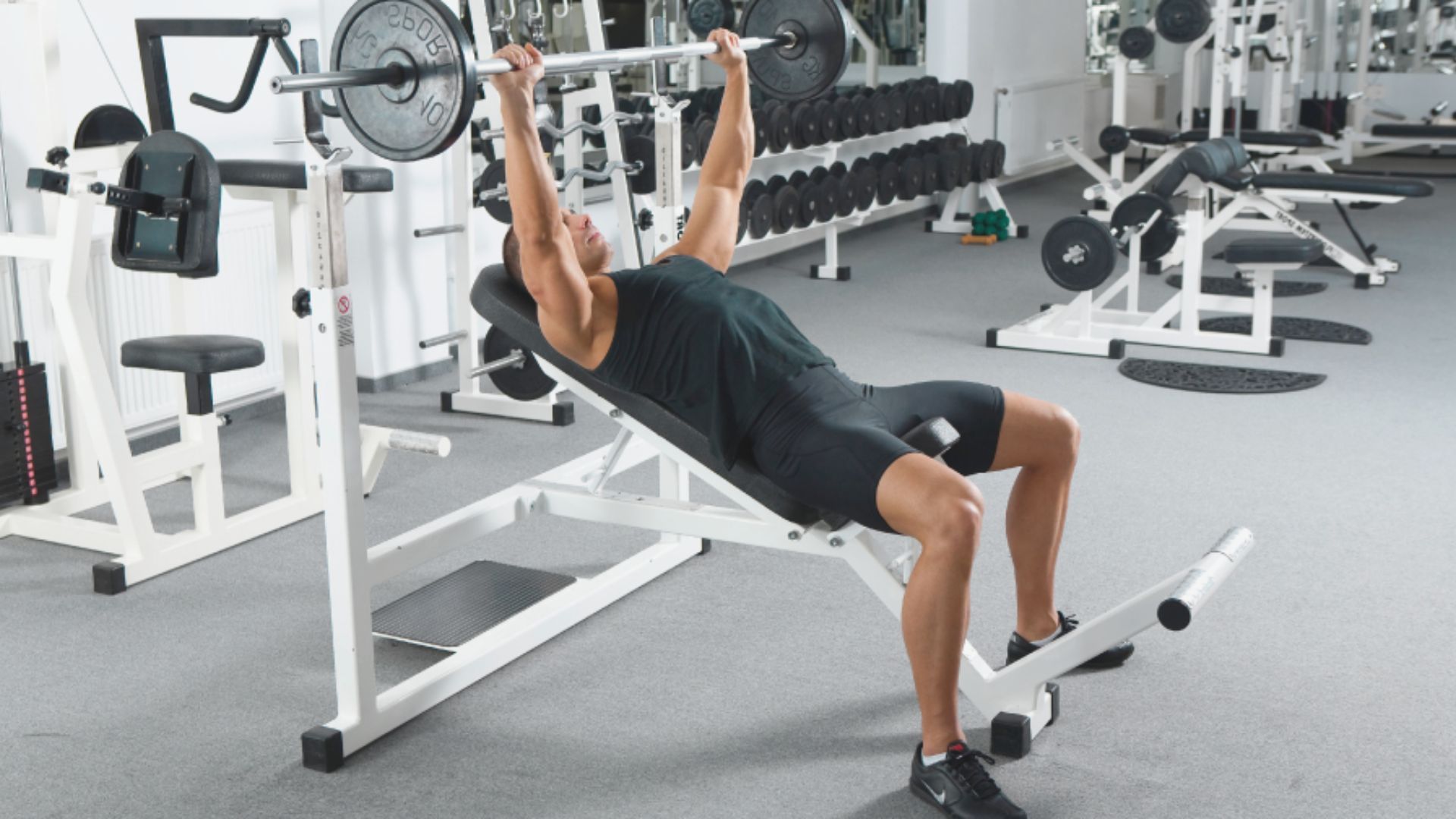
Yes, incline bench is harder than flat bench for most people. And the reason is not just the angle.
When you incline the bench, you shift the load onto your upper chest and shoulders. These are smaller muscle groups. They simply cannot move as much weight as the larger lower chest muscles that dominate on flat bench.
You also lose mechanical advantage on the incline. The bar path changes, your leverage drops, and your body has to work harder to stay in control. That is why the weight always feels heavier up top.
Key Reasons Why Incline Bench Is Harder
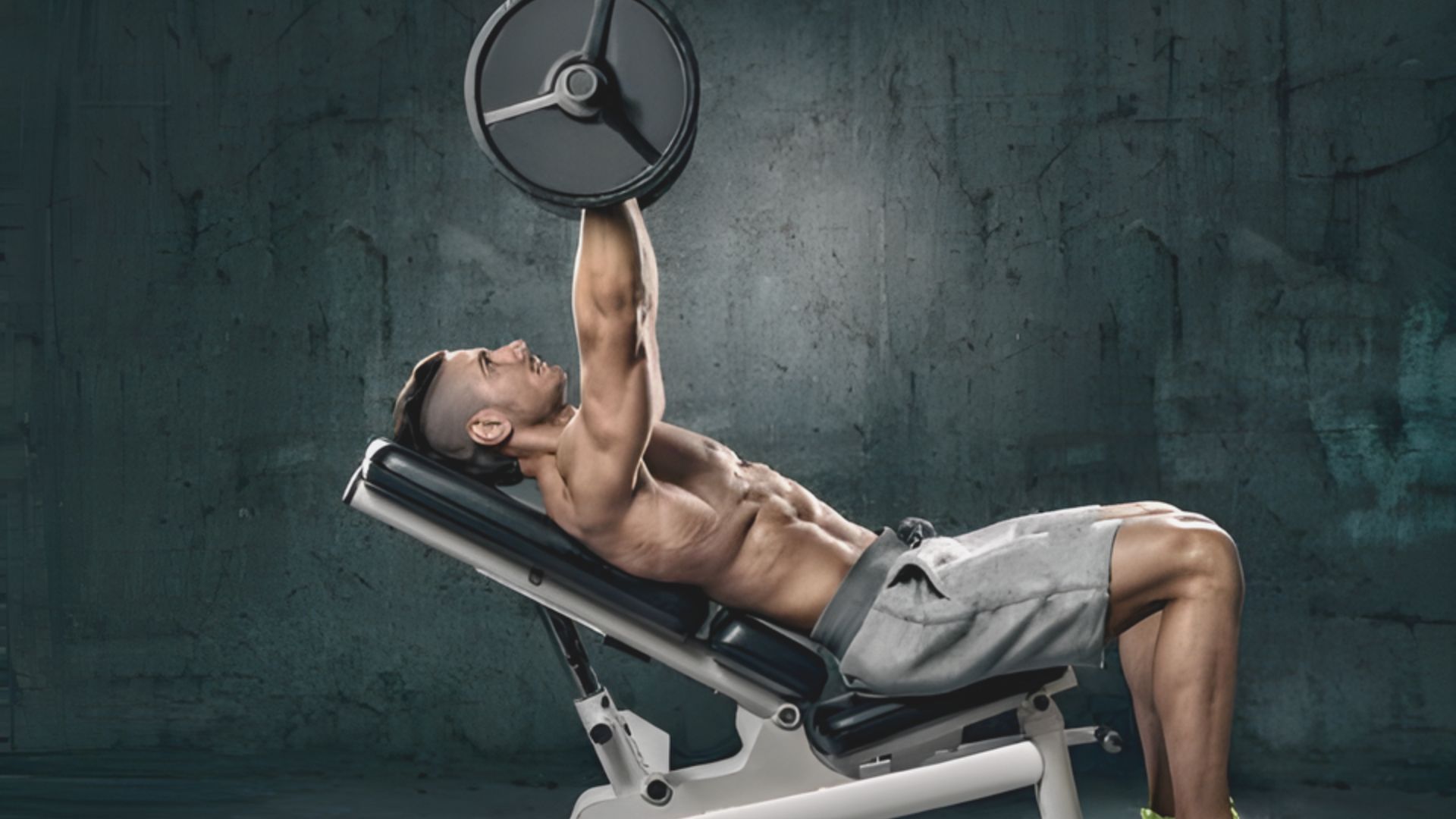
Incline bench is harder for five clear reasons. Each one adds to the difficulty and explains why your strength drops on the incline.
1. Upper Chest Is Weaker
The incline angle targets the clavicular pecs, which is the upper portion of your chest. This area gets less training volume for most lifters.
It is naturally weaker, so it fatigues faster and limits how much weight you can press.
2. More Shoulder (Front Delt) Activation
On the incline, your front delts take on a bigger share of the load. Shoulders fatigue much faster than your chest.
So even if your chest has more left in the tank, your shoulders give out first and cap your performance.
3. Reduced Mechanical Advantage
The incline angle makes pressing less efficient. Your body cannot generate force as easily as it can on a flat surface.
The bar path is longer and more awkward, which means you have to work harder just to move the same amount of weight.
4. Less Stability and Support
Flat bench lets you drive through your legs and stay locked in. Incline makes that harder.
Your body has less contact and support at this angle, so keeping the bar steady takes extra effort and burns energy before your chest even gets fully worked.
5. Longer Range of Motion
The incline increases how far the bar has to travel on each rep. More bar travel means more time under tension.
This makes every single rep more demanding and adds up fast, especially in the later sets when fatigue is already setting in.
Incline vs Flat Bench Press (Side-by-Side Comparison)
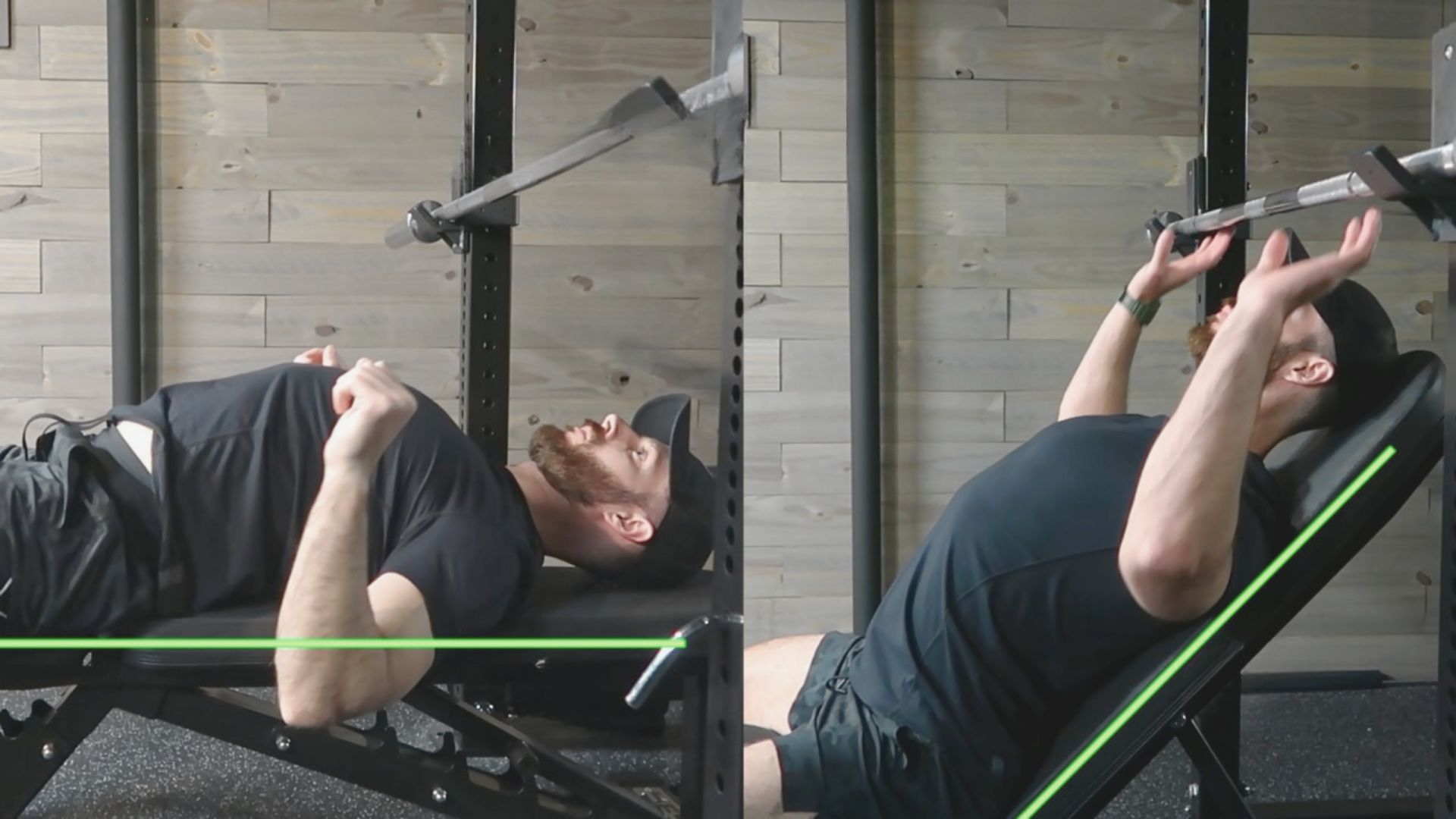
Both lifts work your chest but in very different ways. Here is how they compare across the things that matter most.
|
Category |
Incline Bench |
Flat Bench |
|
Muscle Activation |
Upper chest + shoulders |
Mid chest + triceps |
|
Strength Output |
Lower weight lifted |
Higher weight capacity |
|
Difficulty Level |
More challenging |
More stable and beginner-friendly |
|
Purpose |
Balanced chest development |
Strength and power |
How Much Harder Is the Incline Bench?
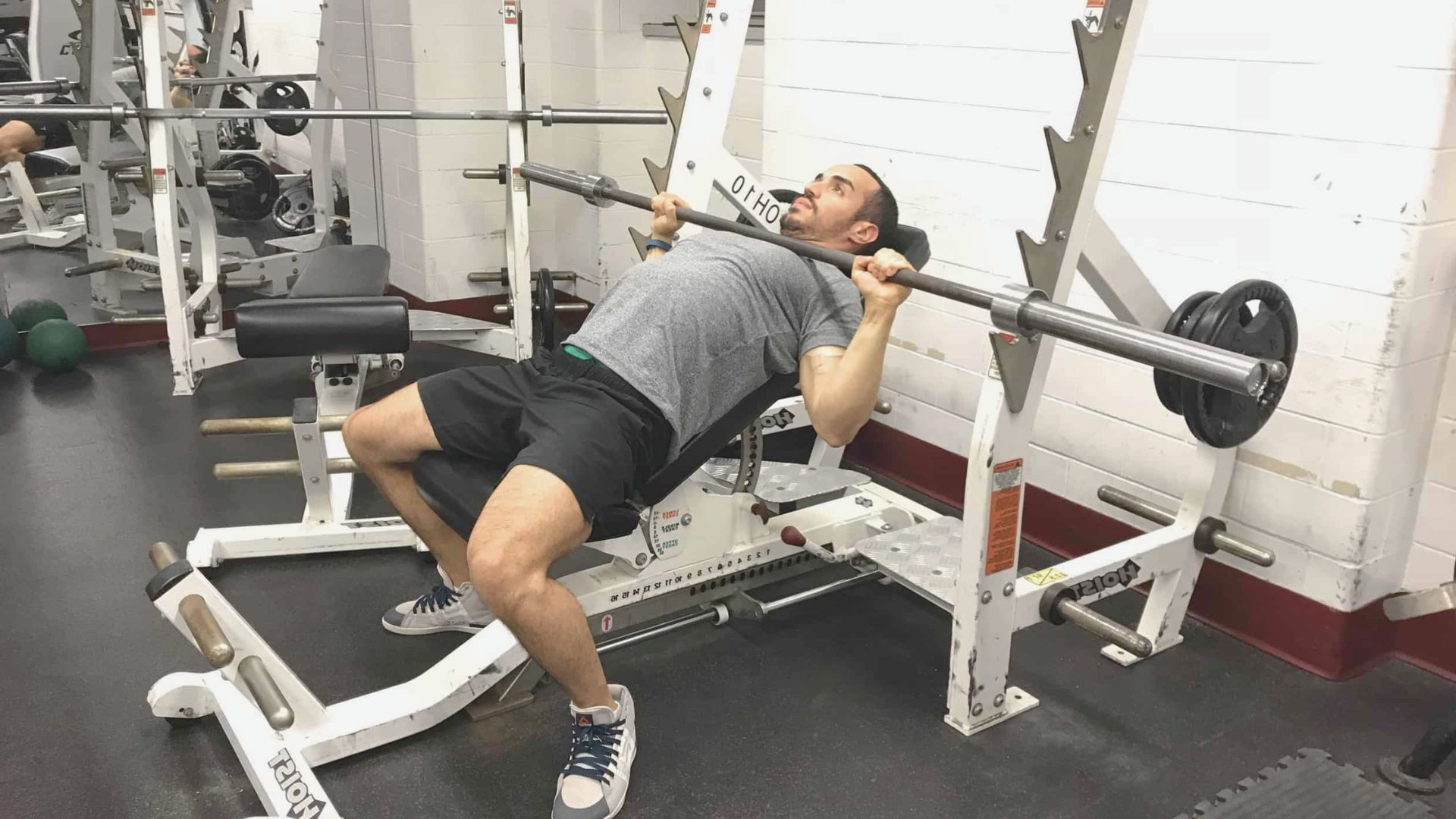
Most lifters press less on incline than on flat. Here is how big that gap usually is and why it exists.
Typical Strength Difference
Most lifters can press about 70 to 90 percent of their flat bench weight on the incline.
So if you flat bench 200 lbs, expect to press somewhere between 140 and 180 lbs on the incline. That gap is completely normal.
Why the Gap Exists
The difference comes down to two things. Your upper chest and shoulders are smaller muscles with less raw output than your mid chest.
On top of that, the incline angle reduces your leverage, making every rep mechanically harder to complete.
When the Incline Bench Might Not Feel Harder
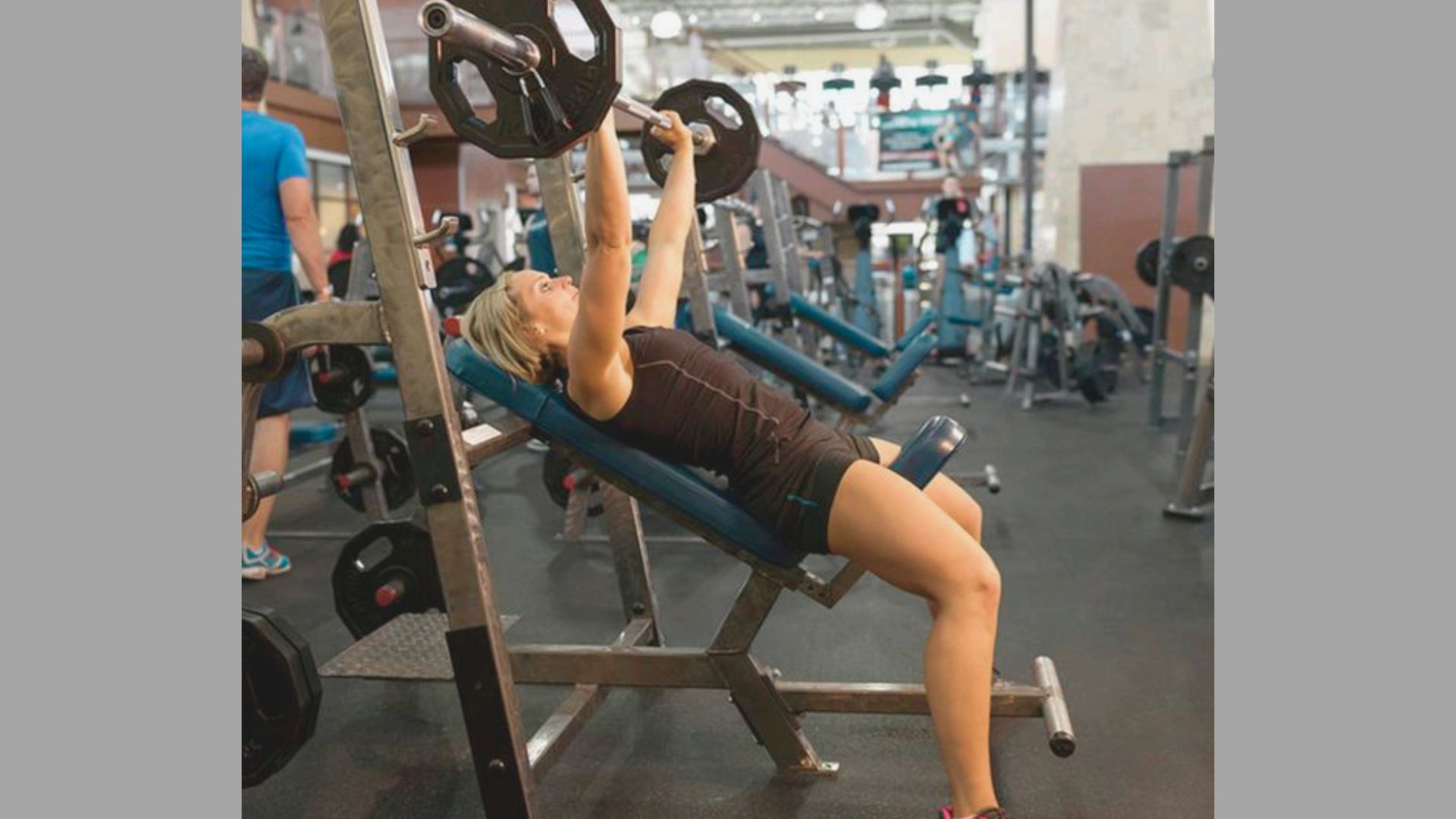
Incline bench is not harder for everyone. A few factors can close the gap or even flip it completely.
Strong Shoulders Dominate
Some lifters have naturally strong front delts that take over on the incline.
When your shoulders are the dominant muscle in the movement, the lift feels more manageable. Your body is just built to handle that angle better than most.
Training Preference
If you train incline more than flat, your body adapts to it. Consistent practice builds strength specific to that movement.
Lifters who program incline frequently often find it stops feeling significantly harder over time.
Individual Biomechanics
Limb length and bone structure play a big role in how hard any press feels. Lifters with shorter arms or a certain shoulder width may naturally have better leverage on the incline.
Body structure can make a bigger difference than most people expect.
Benefits of Incline Bench Press
Adding an incline bench to your routine does more than just mix things up. Here is what it actually does for your body.
- The incline angle puts direct focus on your upper chest, an area that flat bench often undertrains. Over time, this builds a fuller and more complete chest.
- Pressing at an incline forces your shoulders to work harder on every rep. This builds front delt strength that carries over to other pressing movements too.
- A well-developed upper chest changes how your whole chest looks. It adds thickness near the collarbone and gives your chest a more three-dimensional shape.
- Relying only on flat bench leaves gaps in your chest development. Incline fills those gaps and makes sure all parts of your chest grow together evenly.
- Training both incline and flat bench reduces muscle imbalances over time. A balanced chest is not just about looks. It also supports better posture and shoulder health.
Should You Do Incline or Flat Bench?

You do not have to pick just one. But knowing what each lift gives you helps you program smarter.
Choose Incline If
Go with incline if your goal is upper chest development. It targets the area that flat bench misses most. If you want a fuller, more balanced chest, incline needs to be in your routine.
Choose Flat If
Go with flat if strength and raw power are your priority. Flat bench lets you move more weight, build more overall mass, and is the better starting point for beginners still learning the press.
Best Approach
The best approach is to use both. Flat bench builds your strength base. Incline fills in the upper chest that flat bench leaves behind.
Most lifters who program both see better chest development than those who stick to just one. Start with flat, follow it up with incline, and let each lift do what it does best.
How to Improve Your Incline Bench Strength

Start with a 30 to 45 degree angle. Anything steeper shifts too much load onto your shoulders. Keep your reps controlled and your form tight on every set. Sloppy reps slow your progress fast.
Add direct shoulder and upper chest work to your routine to build the muscles that incline relies on most. Increase the weight gradually over time instead of jumping too fast.
And train incline first in your workout when your energy is highest. Fresh muscles move better and help you build strength faster.
Common Mistakes to Avoid
Small mistakes on the incline bench can slow your progress fast. Here are the ones to watch out for.
- Setting the bench too steep shifts the load onto your shoulders and takes your chest out of the movement completely.
- Using too much weight kills your form and puts extra stress on your shoulder joints every single rep.
- Letting your shoulders roll forward reduces chest activation and raises your injury risk. Keep your shoulder blades pulled back throughout.
- Skipping upper chest work outside of incline bench leaves this area lagging. Add cable flyes or dumbbell presses for direct work.
- Rushing through reps limits muscle growth. Slow down, control the bar, and press with intention on every rep.
Conclusion
Incline bench is harder, and now you know exactly why. Weaker muscles, less leverage, and less stability all work against you at that angle.
But that difficulty is what makes it worth doing. Flat bench gives you strength and stability. Incline fills in what flat bench leaves behind.
Use both and your chest will thank you for it. Start adding incline into your routine this week and see the difference for yourself.
Frequently Asked Questions
Is incline bench always harder than flat bench?
For most lifters, yes. The angle targets weaker muscles and reduces leverage, making it harder to move the same amount of weight.
How much less can I lift on incline compared to flat?
Most lifters press around 70 to 90 percent of their flat bench weight on incline. A noticeable drop is completely normal.
Can incline bench replace flat bench?
It cannot fully replace flat bench. Both lifts target different parts of the chest and serve different purposes in a well-rounded training plan.
What angle is best for incline bench press?
A 30 to 45 degree angle works best for most lifters. Going steeper than that shifts too much load onto the shoulders and away from the chest.
How often should I do incline bench press?
Once or twice a week is enough for most people. Give your upper chest and shoulders enough time to recover between sessions for the best results.