

I remember hitting a wall with beginner workouts. Everything felt too easy, but advanced moves felt way out of reach. That gap is real, and frustrating.
This blog covers the top 19 intermediate calisthenics exercises you need right now.
I’ll walk you through each move, how to do it safely, and how to build real strength without a gym.
I’ve trained with calisthenics for years and tested these routines myself. You’ll also find warm-up tips, cooldown guidance, and a simple structure to follow.
Let’s get started.
Warm-Up & Mobility
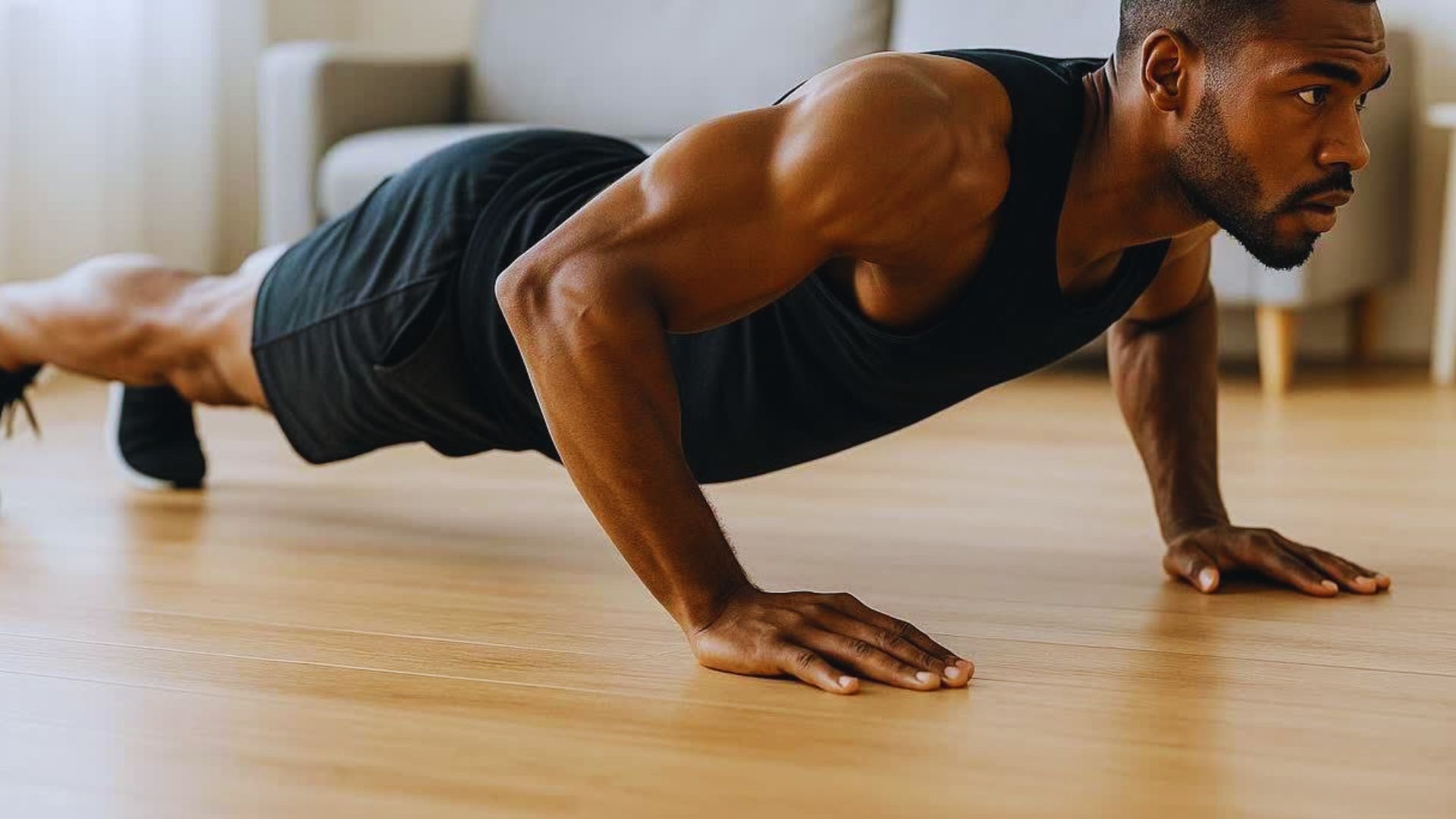
Before any intermediate calisthenics workout routine, your body needs to be ready to move. Spend 8 to 10 minutes on dynamic mobility work.
Do arm circles, hip rotations, leg swings, and shoulder rolls. Add 2 sets of bodyweight squats and cat-cow stretches for your spine.
This gets your joints loose, raises your heart rate slightly, and cuts the risk of injury. Skipping this step is one of the most common mistakes people make.
A warm body moves better and trains harder.
19 Important Intermediate Calisthenics Exercises
Each of these moves targets a key muscle group and builds the foundation for advanced skills.
1. Pull-Ups

Pull-ups work your back, biceps, and core all at once. Start with assisted pull-ups or negatives if full reps are tough.
Focus on a dead hang start and controlled lowering. Aim for 3 sets of 5 to 8 reps.
2. Bar Pullovers

This move hits your back, shoulders, arms, and core in one fluid motion. Keep your core tight throughout.
Use a low bar to start and focus on slow, controlled movement. Avoid swinging your hips for momentum.
3. Toes to Bar
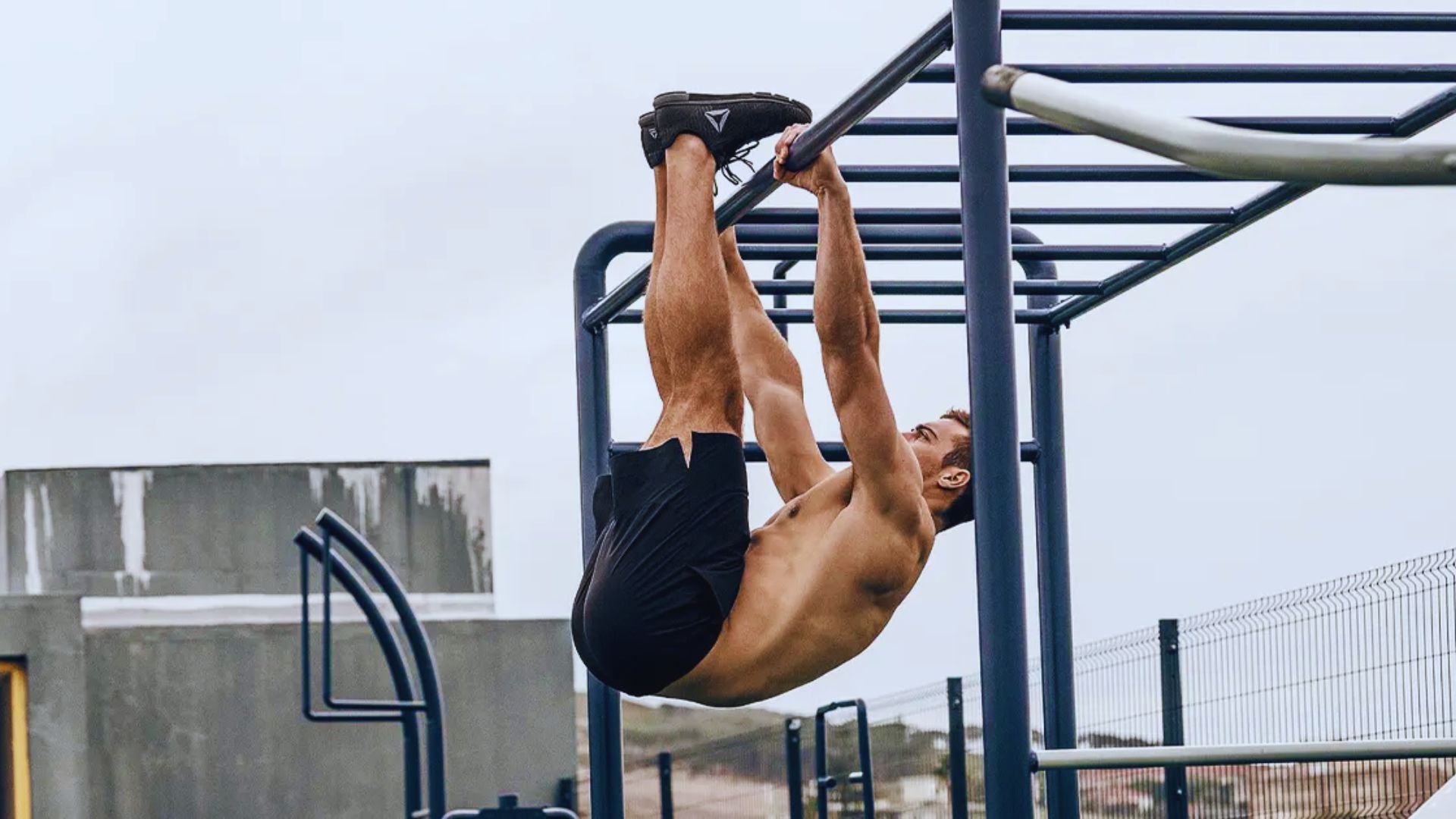
Toes to bar builds serious core and hip flexor strength. Start with bent knees and work toward straight legs over time.
Hang with a firm grip, brace your core, and lift with control. Avoid kipping when starting out.
4. Tricep Dips
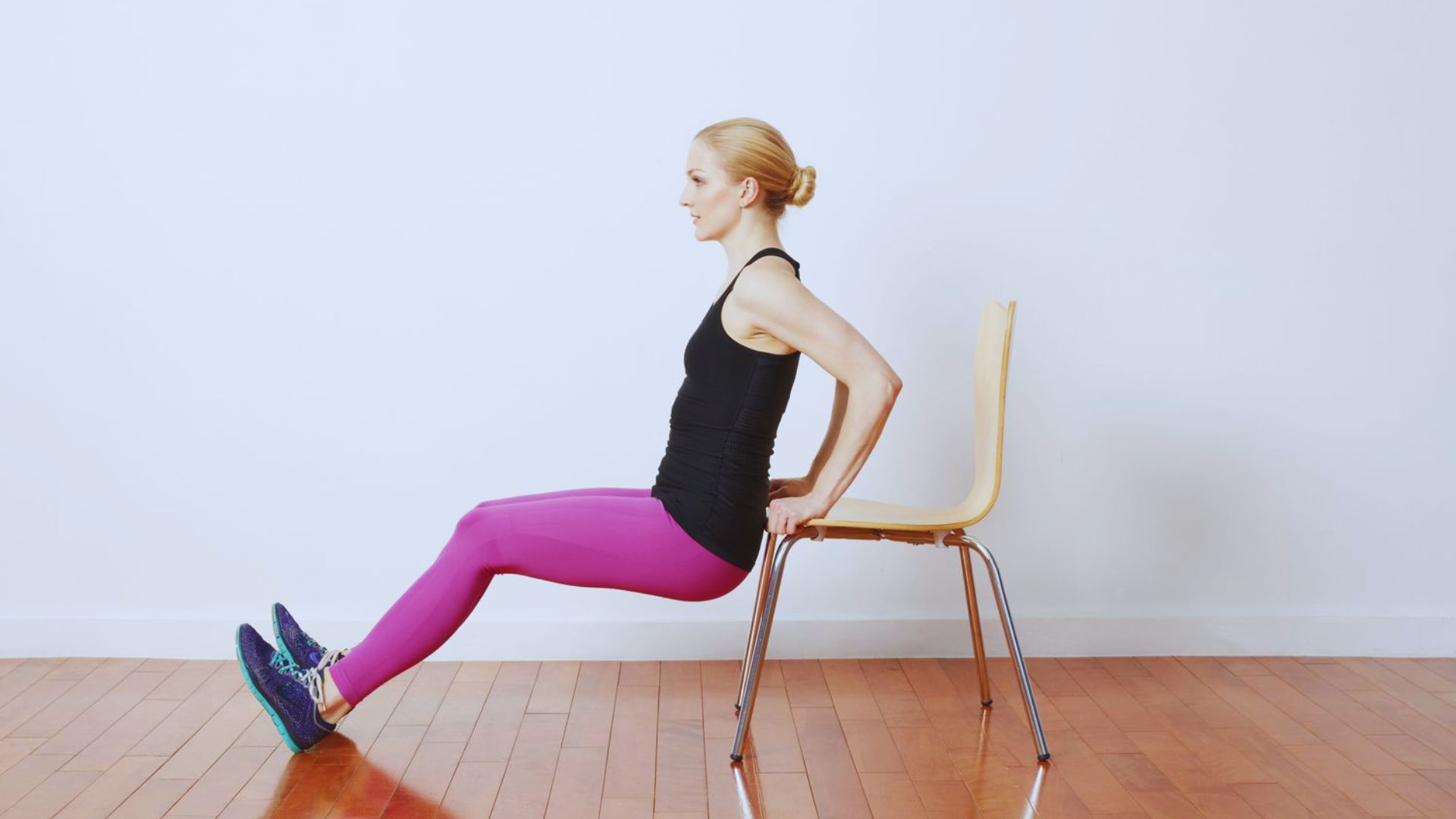
Dips target your chest, shoulders, and triceps. Use parallel bars and keep your torso slightly forward.
Try assisted dips or negative reps first if full dips feel too heavy. Three sets of 8 to 10 reps works well.
5. Pistol Squats
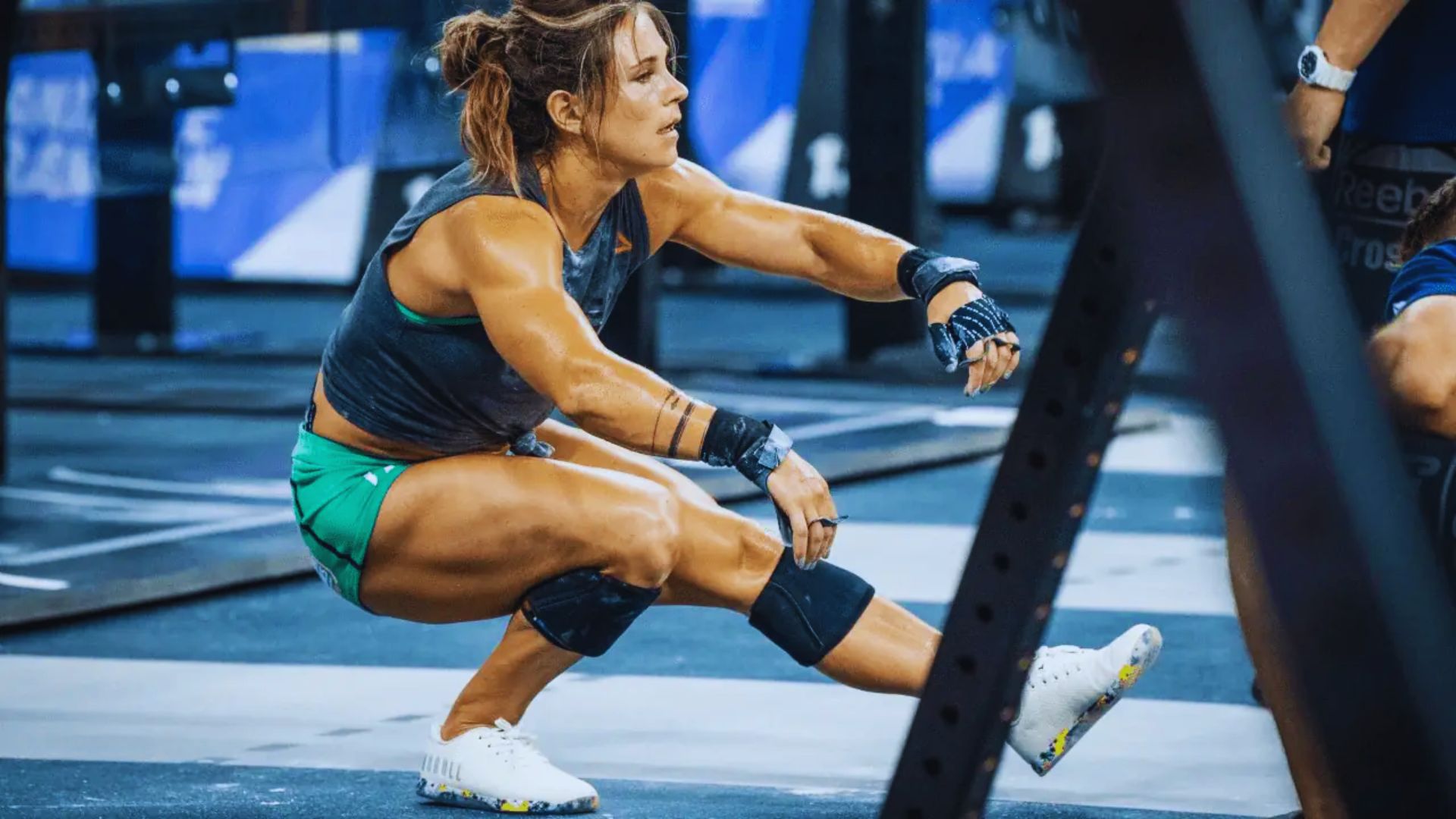
Pistol squats are a full lower body test, quads, glutes, hamstrings, and calves all work here. Use a box or TRX support to start.
Drive through your heel and keep your chest tall. Progress slowly to avoid knee strain.
6. L-Sits
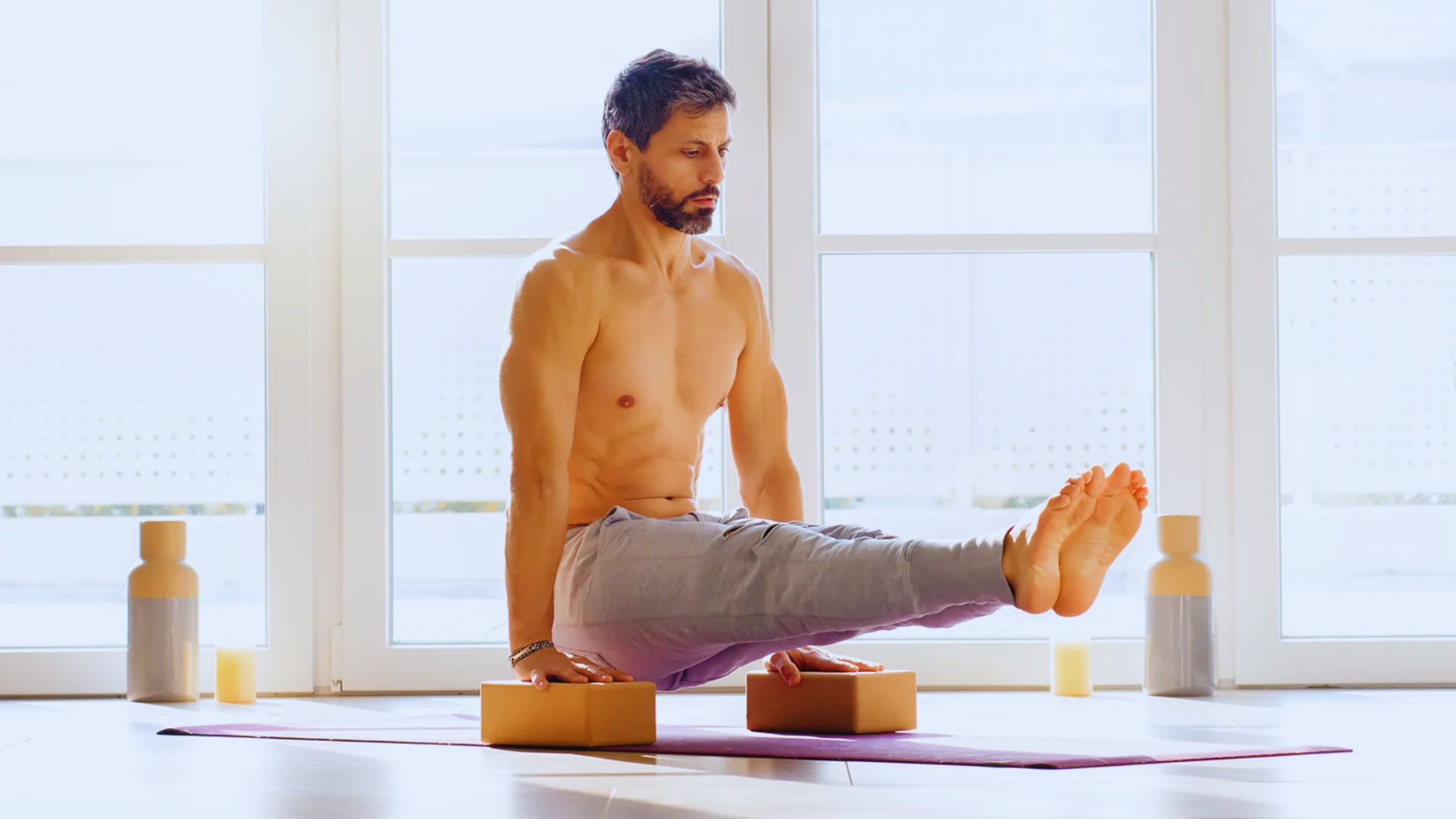
L-sits build core strength, hip flexor endurance, and shoulder stability. Start with L-tuck holds, then progress to single-leg and finally full L-sits. Hold for 10 to 20 seconds. Keep your arms straight and shoulders pressed down.
7. Handstands
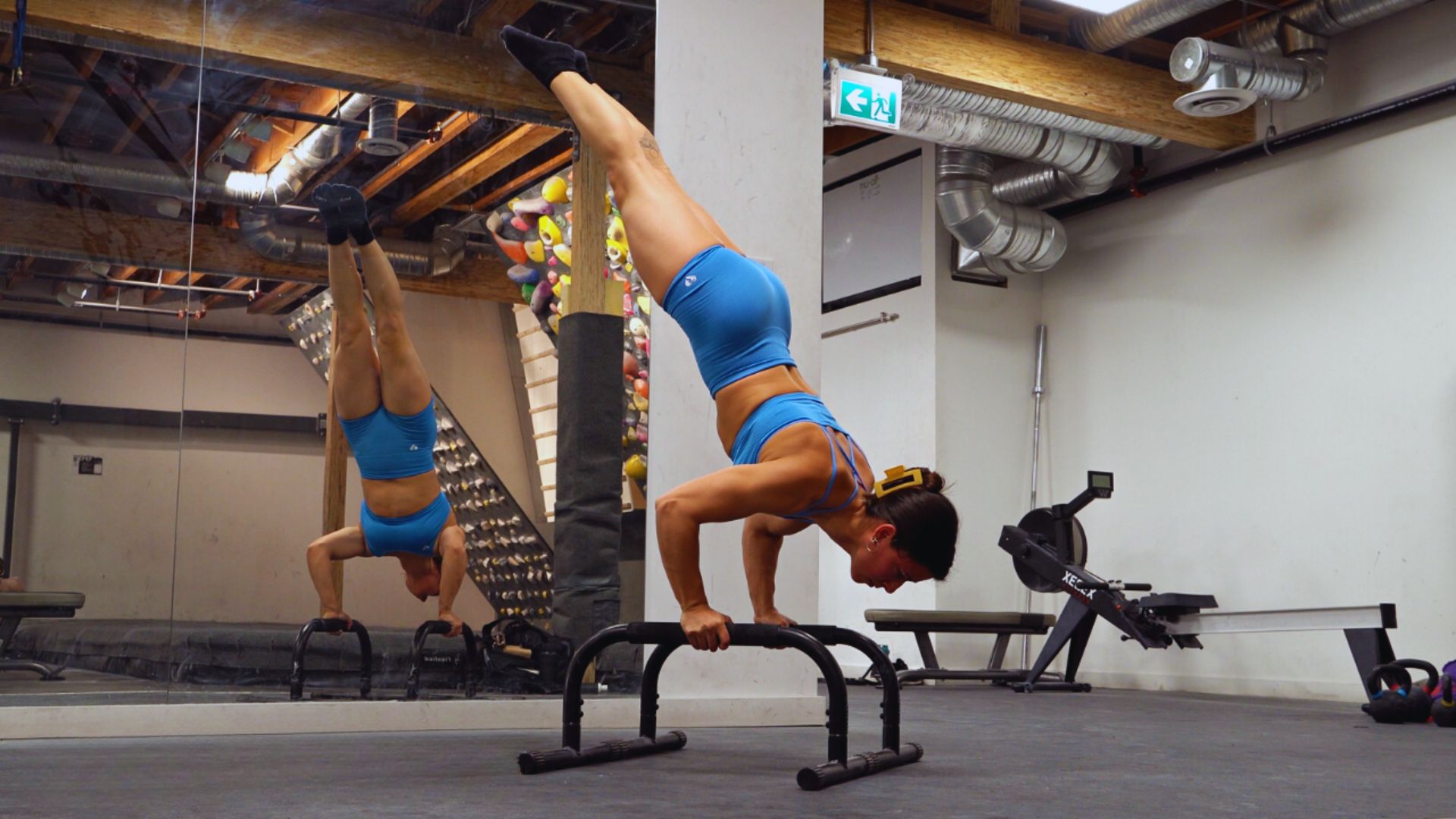
Handstands improve balance, shoulder strength, and core control. Begin with wall-supported holds, then try pike holds and plank progressions.
Practice kicking up slowly. Build your hold time before moving to freestanding attempts.
8. Chin-Ups

Chin-ups are pull-ups with an underhand grip. They hit your biceps and lats hard. Use band assistance or slow negatives if you need a regression.
Focus on full range of motion, start from a dead hang every rep.
9. Neutral Grip Pull-Ups
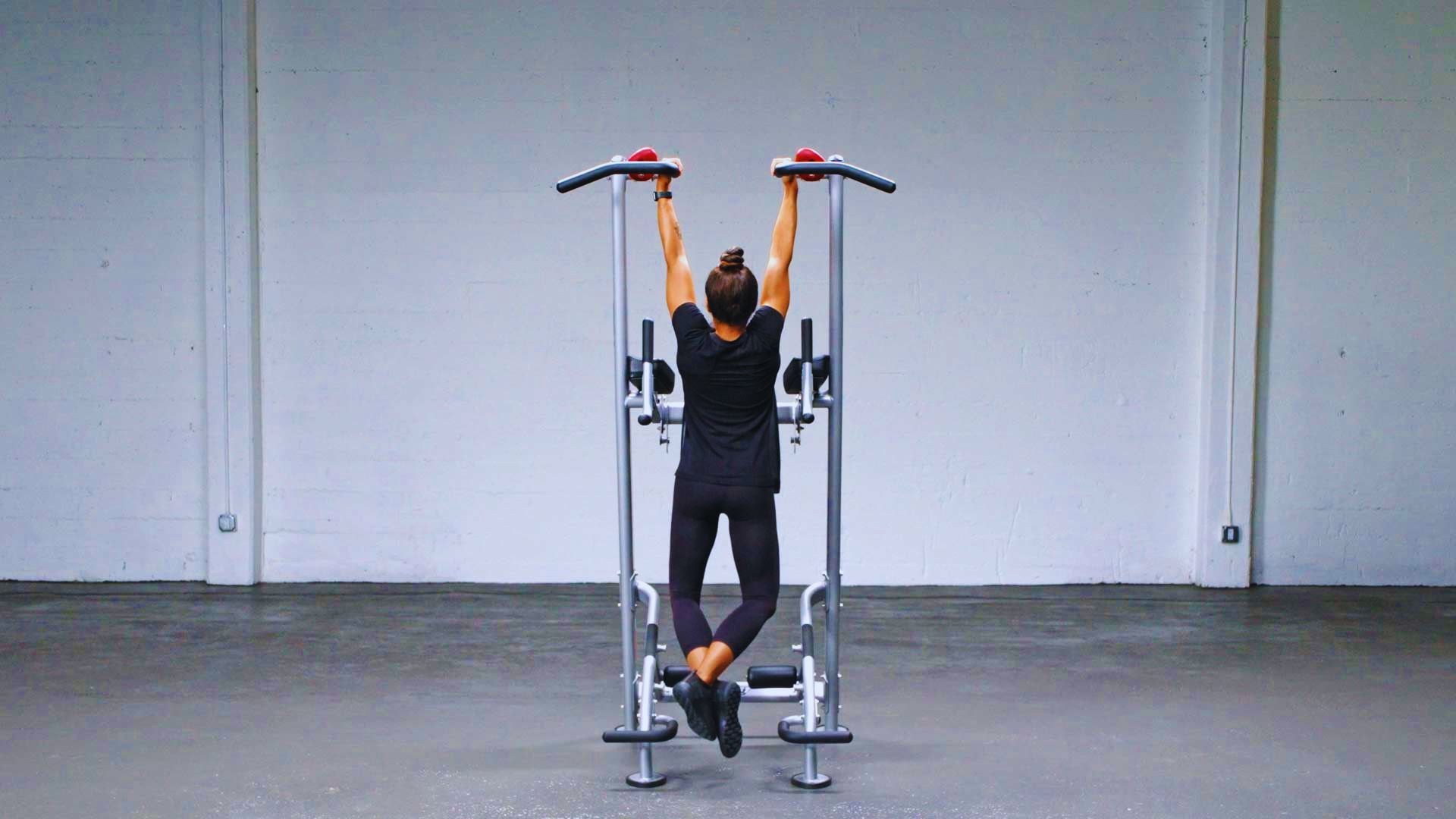
Neutral grip pull-ups use a parallel grip that’s easier on your wrists and elbows. They reduce overuse injuries and improve muscle engagement across your back and arms.
Great for anyone with wrist discomfort from standard pull-ups.
10. Muscle-Ups

Muscle-ups combine a pull-up and a dip into one powerful move. They demand real upper body strength and timing. Start by mastering high pull-ups and straight bar dips separately. Never rush this, sloppy muscle-ups lead to shoulder injuries.
11. Pike Push-Ups
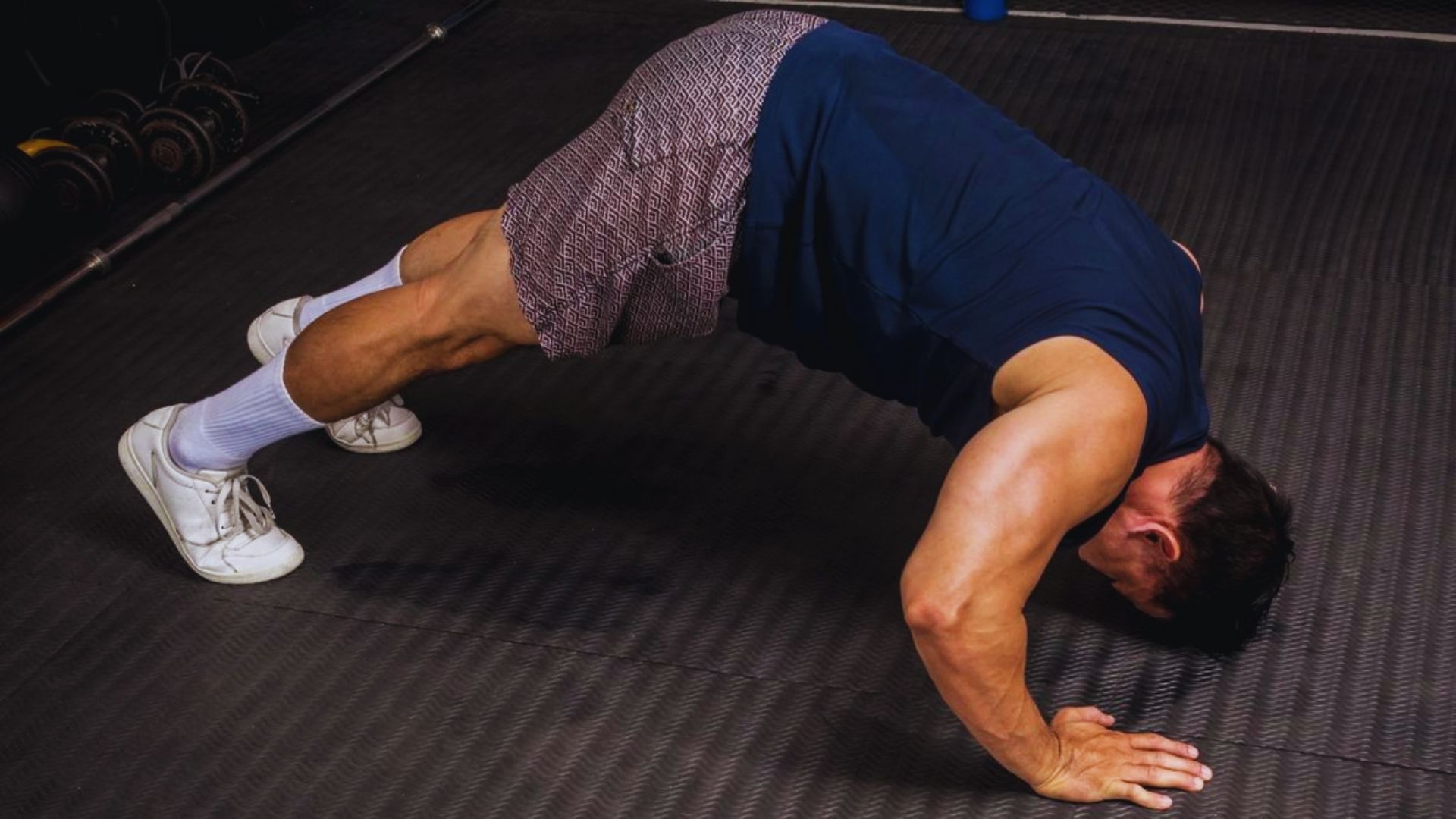
Pike push-ups build shoulder, tricep, and upper chest strength. Get into an inverted V shape with your hips high. Lower your head toward the floor with control. Elevate your feet on a box to make the move harder over time.
12. Advanced Pike Push-Ups

Advanced pike push-ups increase shoulder activation by narrowing your stance and raising your hips even higher.
Move slowly and avoid arching your lower back. This is a stepping stone toward handstand push-ups and requires good shoulder control.
13. Assisted Handstand Push-Ups (Back-to-Wall)

Back-to-wall handstand push-ups are a beginner-friendly regression. Your chest faces away from the wall.
Keep your core braced and lower your head with control. This builds the pressing strength and shoulder stability you need for full HSPUs.
14. Assisted Handstand Push-Ups (Chest-to-Wall)
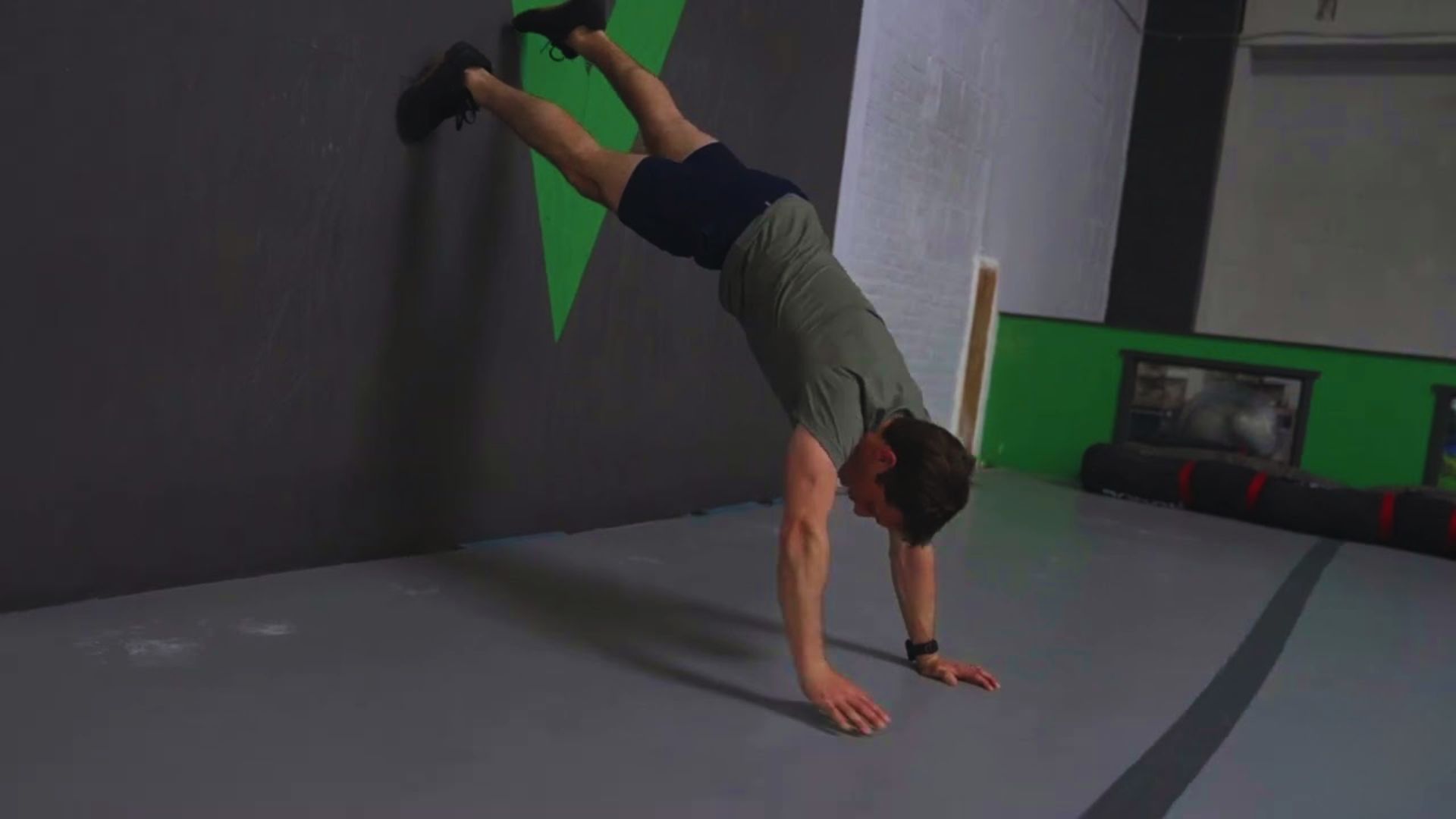
Chest-to-wall HSPUs are the harder version. Your chest faces the wall here, which demands better balance and more vertical pressing strength.
This variation builds directly toward a freestanding handstand push-up. Focus on slow, controlled reps.
15. Weighted Pull-Ups
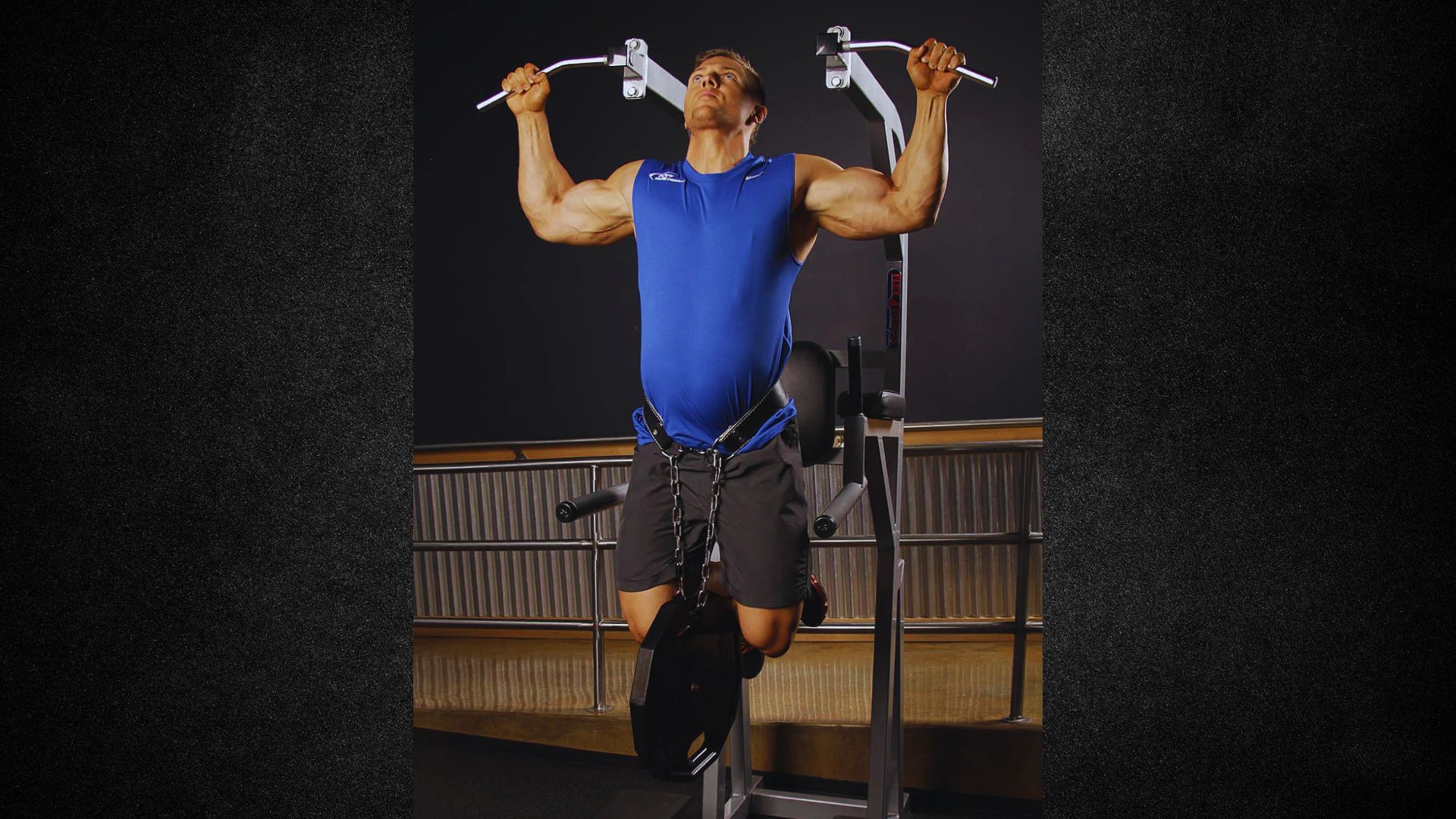
Adding weight to pull-ups builds serious strength. Use a dip belt or hold a dumbbell between your feet.
Start with small increments, 5 to 10 lbs. Never sacrifice form for load. This is one of the best moves for upper body muscle gain.
16. Parallel Bar Dips

Parallel bar dips hit your triceps, chest, and shoulders. Keep your elbows close to your body and lower until your upper arms are parallel to the ground.
Avoid flaring your elbows. Add weight once bodyweight reps feel easy.
17. Push-Ups
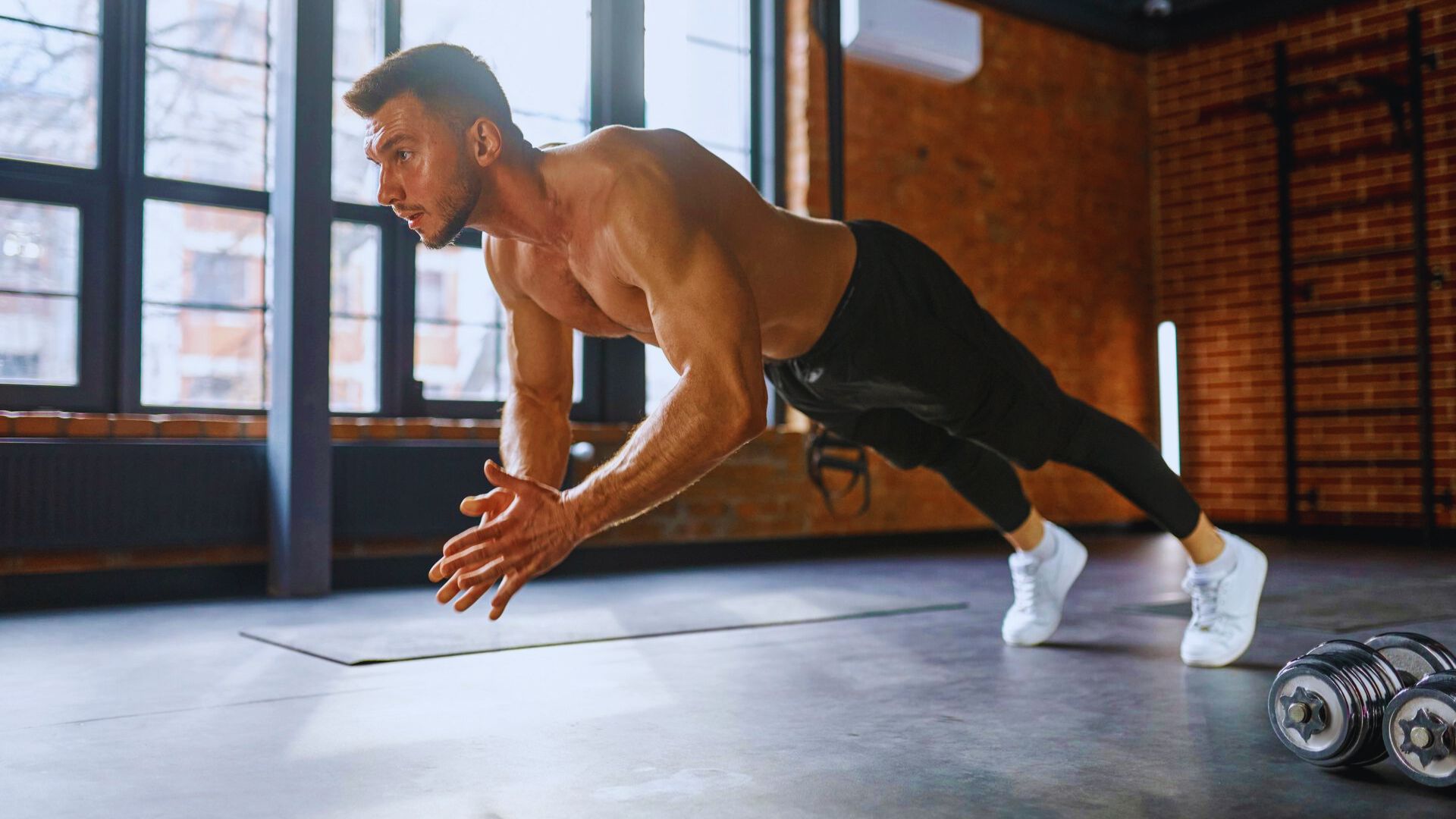
Push-ups never get old. Try diamond push-ups for triceps, decline push-ups for upper chest, or archer push-ups for unilateral strength.
Each variation changes the challenge. Perfect your form before chasing volume, a clean push-up beats sloppy high reps every time.
18. Bar Rows
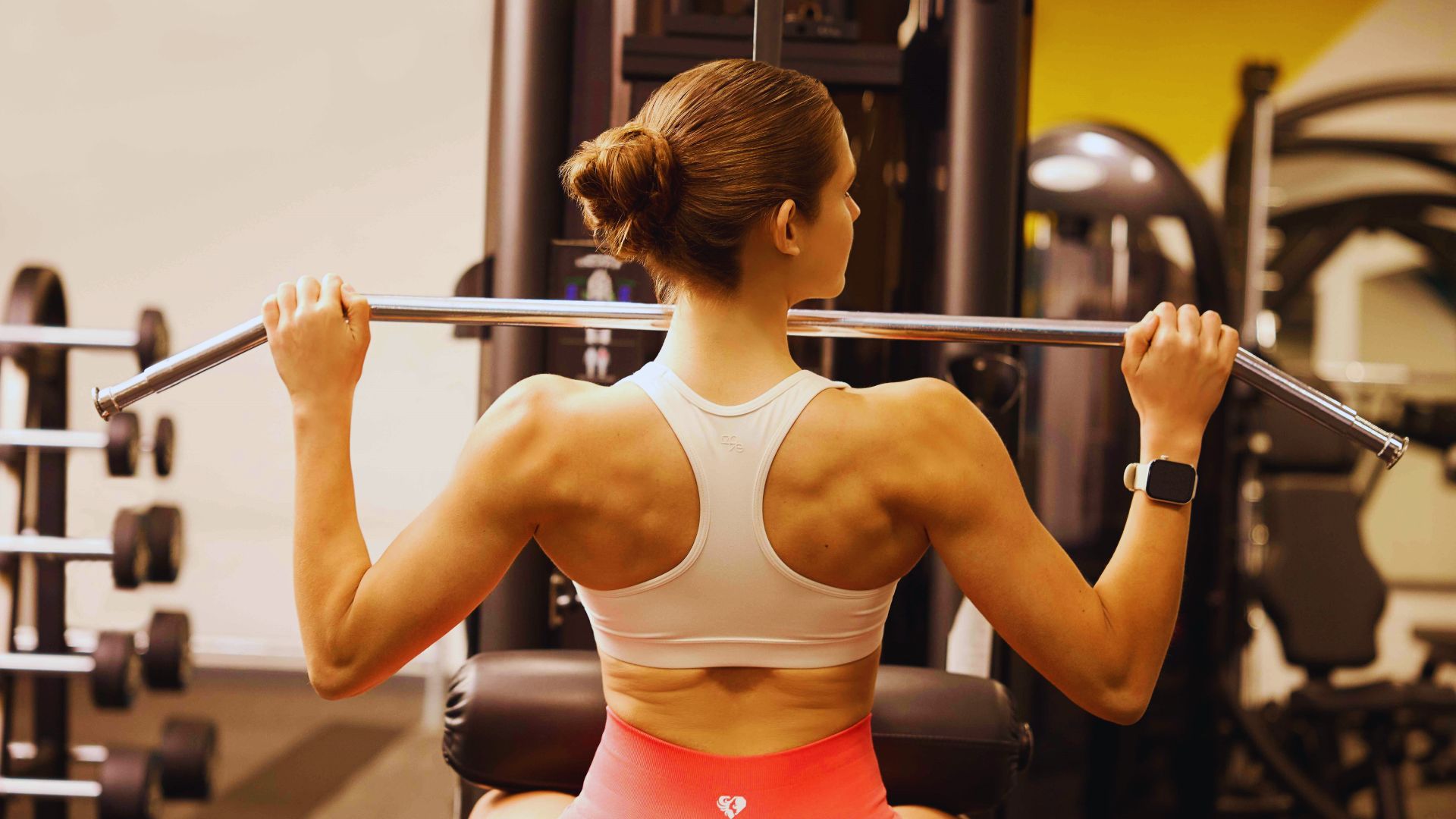
Bar rows strengthen your upper back, lats, and biceps. Hang below a low bar and pull your chest to it.
Keep a straight body line and full range of motion. This move balances out all the pushing work in your routine.
19. Sprint or HIIT Burst

Adding sprints or HIIT bursts boosts your cardiovascular fitness without a treadmill. Slot them between exercises or at the end of a circuit.
Even 20-second all-out efforts work well. This keeps your heart strong and your body conditioned.
Cooldown & Recovery
A proper cooldown helps your muscles recover faster and reduces soreness.
- Hold a chest stretch for 30 seconds on each side to release tight pecs.
- Do a seated hamstring stretch to loosen your legs after pistol squat work.
- Use a foam roller on your back and last for 2 to 3 minutes.
- Try a child’s pose for 60 seconds to decompress your spine and calm your nervous system.
- Take 5 slow, deep breaths at the end to bring your heart rate down fully.
How to Structure Your Routine
A smart structure means you train hard without burning out or getting hurt.
- Train 3 to 4 days a week with at least one rest day between sessions.
- Group push and pull movements together or alternate them across days.
- Start with skill work like handstands or L-sits when your energy is highest.
- Keep your sessions between 45 and 60 minutes to stay focused and consistent.
- Track your reps each week so you can spot progress and add difficulty gradually.
Conclusion
I won’t pretend this routine is easy, it’s not. But that’s what makes it worth it.
When I first nailed a clean muscle-up, it felt like everything clicked. That moment is waiting for you too.
Start with what you can do today. Skip the moves that feel too hard and come back to them in two weeks. Progress is rarely straight, but it always adds up.
Try this intermediate calisthenics workout routine and let me know how it goes in the comments.
Share it with a friend who’s stuck at the beginner stage. You might just be the push they needed.
Frequently Asked Questions
How many days a week should I do an intermediate calisthenics workout routine?
Three to four days a week is ideal for most people. This gives your muscles enough time to recover while keeping your training consistent and progressive.
Can I build muscle with an intermediate calisthenics workout routine?
Yes, you can build real muscle with calisthenics. Progressive overload through harder variations, added reps, and weighted moves stimulates muscle growth just like traditional gym training does.
What equipment do I need for intermediate calisthenics?
You need a pull-up bar and parallel bars at a minimum. A dip belt for weighted pull-ups and resistance bands for regressions are helpful but not required to get started.
How long does it take to progress from intermediate to advanced calisthenics?
Most people progress in 4 to 6 months with consistent training. Skills like muscle-ups and handstand push-ups take longer, but steady practice makes the difference over time.
Is it okay to mix calisthenics with weight training?
Yes. Many athletes combine both. Use weights for heavy lower body work or weighted pull-ups, and stick to bodyweight for skill-based movements. Balance your weekly volume so you aren’t overtraining any muscle group.