

Incline push ups are one of the most underrated exercises out there. I started doing them when regular push ups felt too hard, and they genuinely changed how I train.
In this article, I cover everything you need to know about incline push up benefits, the muscles worked, proper form, and common mistakes to avoid.
You will also find simple variations to help you get stronger over time. I have tested these tips personally and kept everything straightforward and honest.
This guide is built for beginners and anyone getting back into fitness after a break. By the end, you will know exactly what works and how to do it right.
What Is an Incline Push Up?
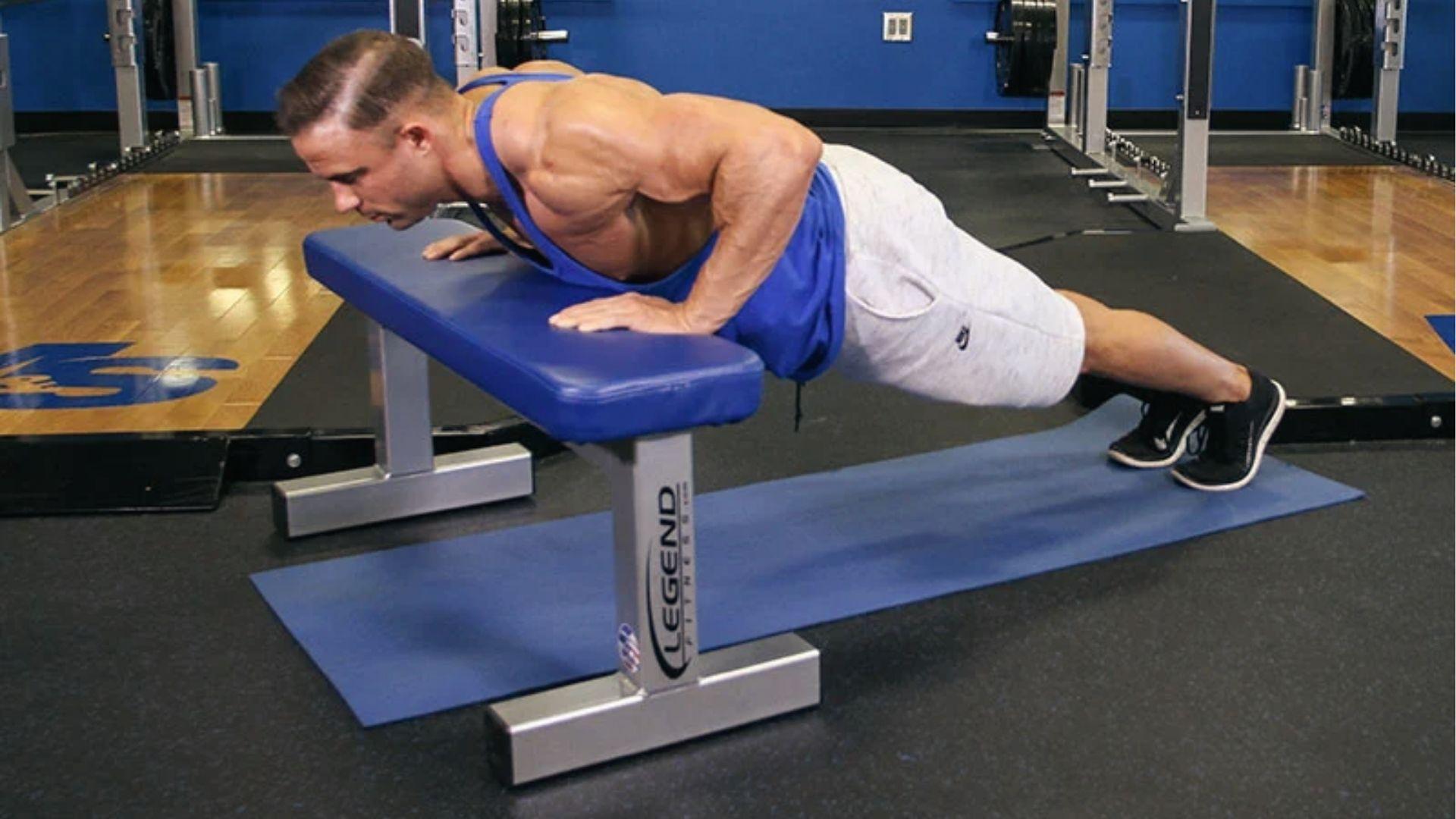
An incline push up is a push up performed with your hands placed on a raised surface.
This can be a wall, a bench, a step, or any sturdy object above floor level. Your body stays at a downward angle instead of lying flat on the ground.
Because of this angle, you push less of your body weight. That makes the movement easier on your muscles and joints. It puts less strain on your wrists and shoulders too.
This exercise is a smart starting point for anyone building upper-body strength. It trains your chest, arms, and core at the same time.
Everything You Need to Know About the Incline Push Up Exercise
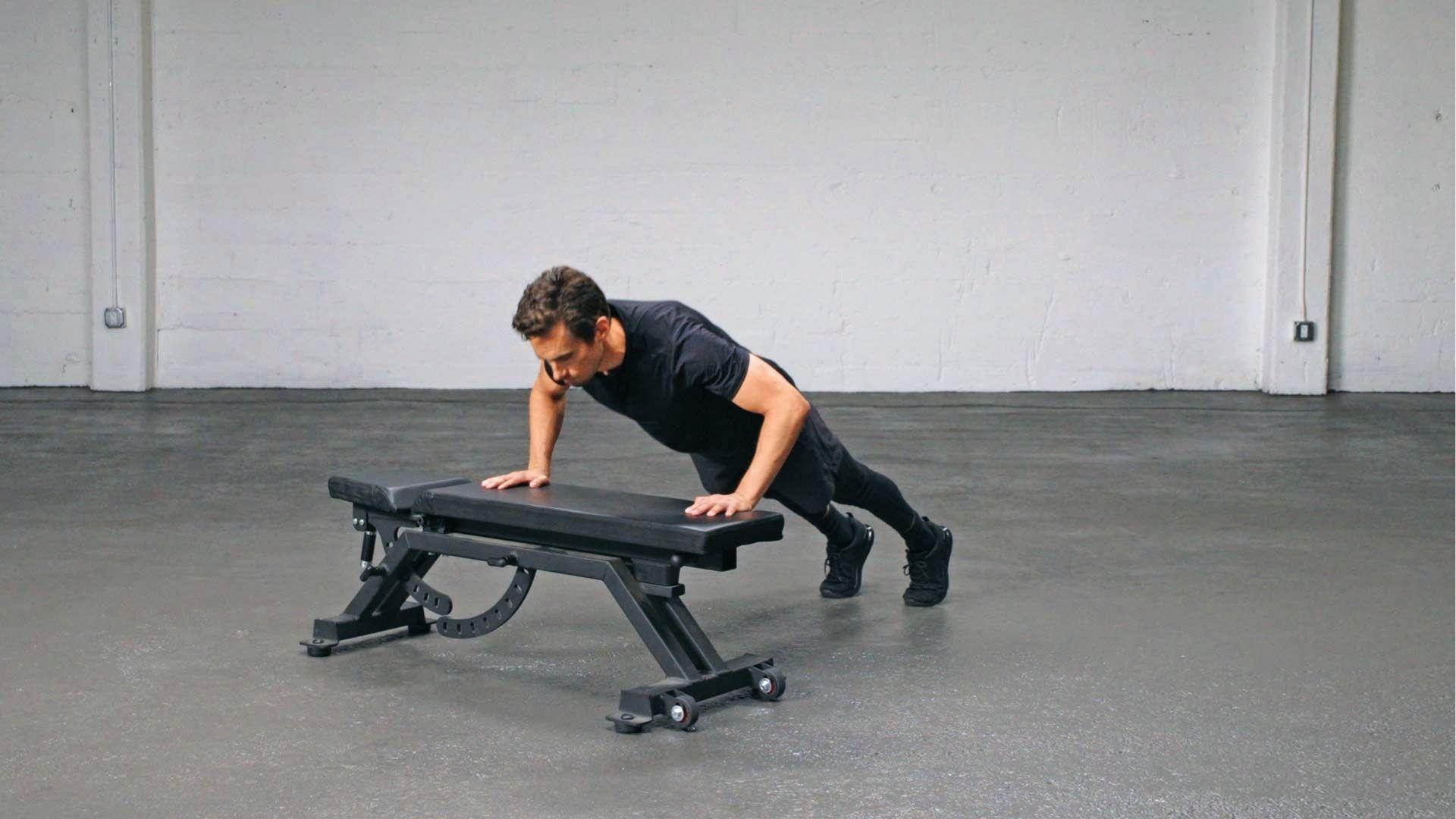
A full breakdown of how incline push ups work, who should do them, and what surfaces give the best results.
How Incline Push Ups Work
When you place your hands higher than your feet, the angle shifts the load. Your upper chest and front shoulders take more of the work. Your core stays active to keep your body straight.
The movement trains pushing strength in a way that is easier to control. This makes it perfect for building a base before moving to harder push up styles.
Incline Push Up vs Regular Push Up
A regular push up is done flat on the floor. Your full body weight is in play. An incline push up reduces that load by changing the angle.
Regular push ups work the mid and lower chest more. Incline push ups focus more on the upper chest and shoulders. Both are useful, but incline is better for beginners or anyone in recovery.
Who Should Do Incline Push Ups?
Beginners, older adults, and people recovering from injuries benefit the most. Anyone who struggles with standard push ups can use incline push ups to build up strength.
They are also useful for people who want to add volume to their chest training without extra strain.
Best Surfaces for Incline Push Ups
A sturdy bench is the most common option. A wall works well for very beginners. Stairs give you different height options to increase difficulty over time.
Always make sure the surface is stable before you start. A slipping surface can lead to injury.
Incline Push Up Benefits

Here are the top reasons why adding incline push ups to your routine can make a real difference in your training.
Builds Upper-Body Strength
Incline push ups train your chest, shoulders, and arms together. Over time, this builds functional pushing strength. You will notice it in daily tasks like pushing doors or lifting objects.
Improves Chest and Shoulder Development
The incline angle targets your upper pectoral muscles more directly. This gives better shape and definition to the upper chest. Your front deltoids also get consistent work during each rep.
Strengthens Core Stability
Your core works the entire time to keep your body straight. This passive core work adds up. It builds a stable midsection without doing any crunches.
Reduces Pressure on Wrists and Shoulders
The elevated hand position lowers the load on your joints. People with weak wrists or shoulder issues often find this version more comfortable. It lets you train without pain holding you back.
Helps Progress Toward Standard Push Ups
Incline push ups build the exact muscles you need for floor-level push ups. As you get stronger, you lower the surface height. Eventually, you hit the floor with full control.
Incline Push Up Muscles Worked
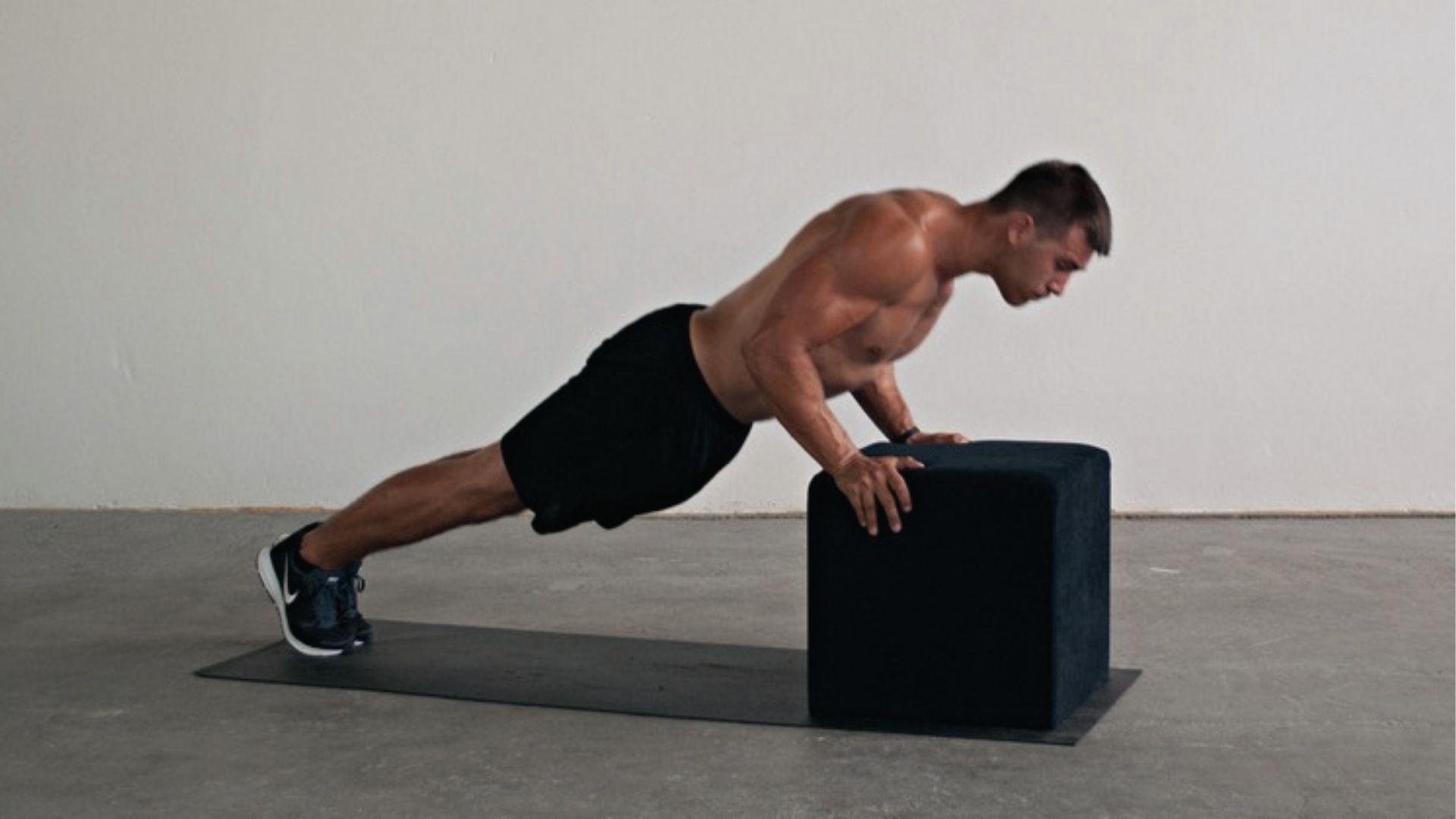
Knowing which muscles incline push ups target helps you train smarter and get more from every rep.
Chest Muscles (Pectoralis Major and Minor)
The pectoralis major is the main muscle worked. The upper fibers get the most activation due to the incline angle. The pectoralis minor also works as a supporting muscle.
Triceps and Arm Activation
Your triceps extend your elbows during the push phase. They work hard in the top half of the movement. Regular training builds visible arm strength and size.
Shoulder Muscle Engagement
The front deltoid is the most active shoulder muscle here. It assists the chest during the pushing motion. Over time, this builds rounder, stronger shoulders.
Core and Abdominal Muscles
Your abs and lower back muscles keep your spine neutral throughout. This low-level activation adds core endurance. It also improves your body awareness during training.
Stabilizer Muscles Used During Incline Push Ups
Your serratus anterior, rhomboids, and rotator cuff all work to stabilize the movement. These small muscles protect your joints. They also improve overall shoulder health over time.
Common Incline Push Up Mistakes to Avoid
Avoiding these errors will protect your joints and help you get stronger results from every session.
- Hips sagging drops lower back stress and reduces chest work. Keep your core tight throughout each rep.
- Elbows flaring too wide strains shoulder joints. Keep them at about 45 degrees from your torso.
- Half reps build less strength. Lower your chest fully to the surface every single time for real results.
- Using momentum removes muscle work. Slow down and control both the lowering and pushing phases.
- Wrong incline height makes reps too easy or too hard. Start where you can complete 10 clean reps with good form.
How to Do an Incline Push Up with Proper Form
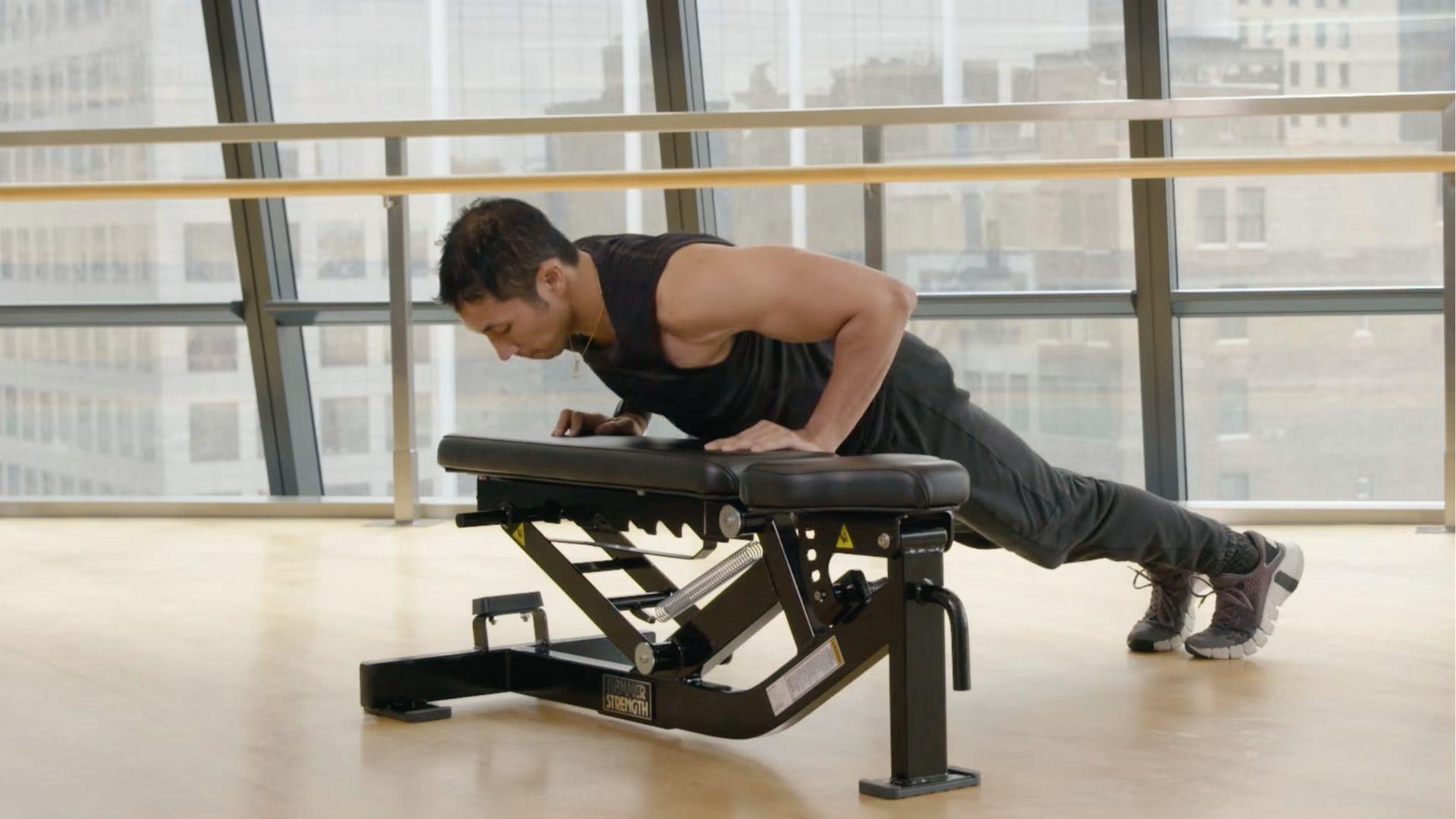
Good form makes every rep count. Here is how to do incline push ups the right way from start to finish.
Correct Hand and Foot Placement
Place your hands slightly wider than shoulder-width on the raised surface. Keep your feet together or hip-width apart on the floor. Your body should form a straight diagonal line.
How to Maintain Proper Body Alignment
Keep your head, spine, hips, and heels in one straight line. Do not let your hips rise or drop. Tighten your core before you begin each rep.
Lowering Phase Technique
Bend your elbows slowly and lower your chest toward the surface. Keep your elbows at a 45-degree angle from your body. Lower until your chest is close to or touches the surface.
Pushing Back Up Correctly
Press through your palms and extend your arms back up. Do not lock your elbows at the top. Pause briefly and reset before the next rep.
Tips to Improve Your Incline Push Up Results
Small changes in how you train can lead to faster and more noticeable strength gains over time.
Here are the 5 bullet points, short and simple:
- Slow down your reps. Lower for 2 seconds, push for 1. More tension means more strength.
- Tighten your core before every rep. Pull your belly button in and hold it there.
- Progress step by step. Add reps first, then lower the surface. Don't rush.
- Mix in other chest moves like dumbbell presses or dips for better muscle stimulation.
- Train consistently. Two to three times per week. Rest days matter just as much as workout days.
Conclusion
I started with incline push ups when five regular ones felt impossible. They built my strength steadily and kept my wrists pain-free.
Now I recommend them to every beginner I work with. Start with a surface that feels manageable, focus on form before chasing reps, and stay consistent.
Results will come. If this guide helped you, drop a comment below and let me know what surface you use. Share this post with someone who is just starting their fitness routine.
Frequently Asked Questions
Are Incline Push Ups Good for Beginners?
Yes, they are one of the best starting points. The elevated angle makes them easier to control and reduces joint stress.
What Muscles Do Incline Push Ups Work the Most?
The upper chest and front shoulders get the most work. Your triceps and core also stay active throughout each rep.
Are Incline Push Ups Effective for Building Muscle?
Yes, when done with proper form and progressive overload. They build real strength in the chest, arms, and shoulders over time.
How Many Incline Push Ups Should You Do?
Start with two to three sets of eight to twelve reps. Increase when those feel too easy. Quality always matters more than quantity.
Can Incline Push Ups Replace Regular Push Ups?
They can work as a substitute for beginners. But over time, adding regular push ups gives you more complete chest development.