Ever get up from a chair and feel a weird catch in your lower back or hip? That nagging tightness near your SI joint can turn simple movements like bending, walking, or even rolling over in bed into a small struggle.
For many people, this discomfort builds up slowly from sitting too long, poor posture, or repetitive strain, and it can be hard to pinpoint exactly what triggered it.
The good news is that you do not always need a clinic visit to find relief. In this post, we will walk through simple stretches, strengthening exercises, and daily habits that can help ease SI joint pain right from home.
Can You Release Your SI Joint by Yourself?
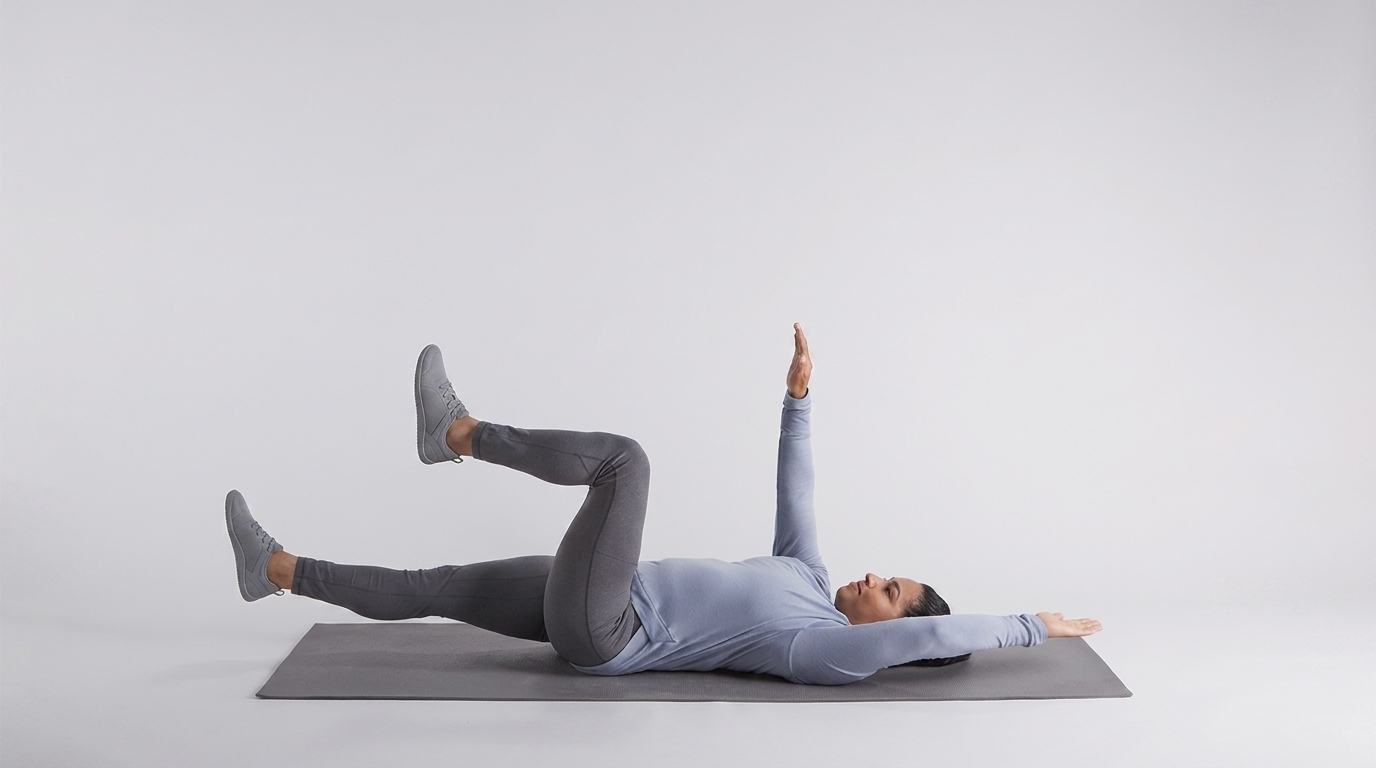
Many people try to loosen a stiff SI joint on their own with light stretches or gentle movements.
The SI joint sits where the sacrum, the triangular bone at the base of your spine, meets the ilium, the large flat bone of your pelvis.
Strong ligaments hold this joint tightly in place, so it barely moves, and even a small shift can cause pain in your lower back or hip.
Simple moves like pelvic tilts or pulling your knees to your chest may bring short term relief. But they do not fix the actual problem. Forcing a self adjustment can even make things worse.
A physical therapist or chiropractor can properly check the joint, test how it moves, and guide safe treatment.
Best Stretches to Loosen Your SI Joint by Yourself
A short guide to simple stretches that ease SI joint stiffness and help you move with less pain at home.
Sacroiliac joint pain can make everyday movement feel stiff and uncomfortable. The good news is that a few gentle stretches can help loosen the area and reduce tension. Here are five stretches you can try on your own.
Knee-to-Chest Stretch
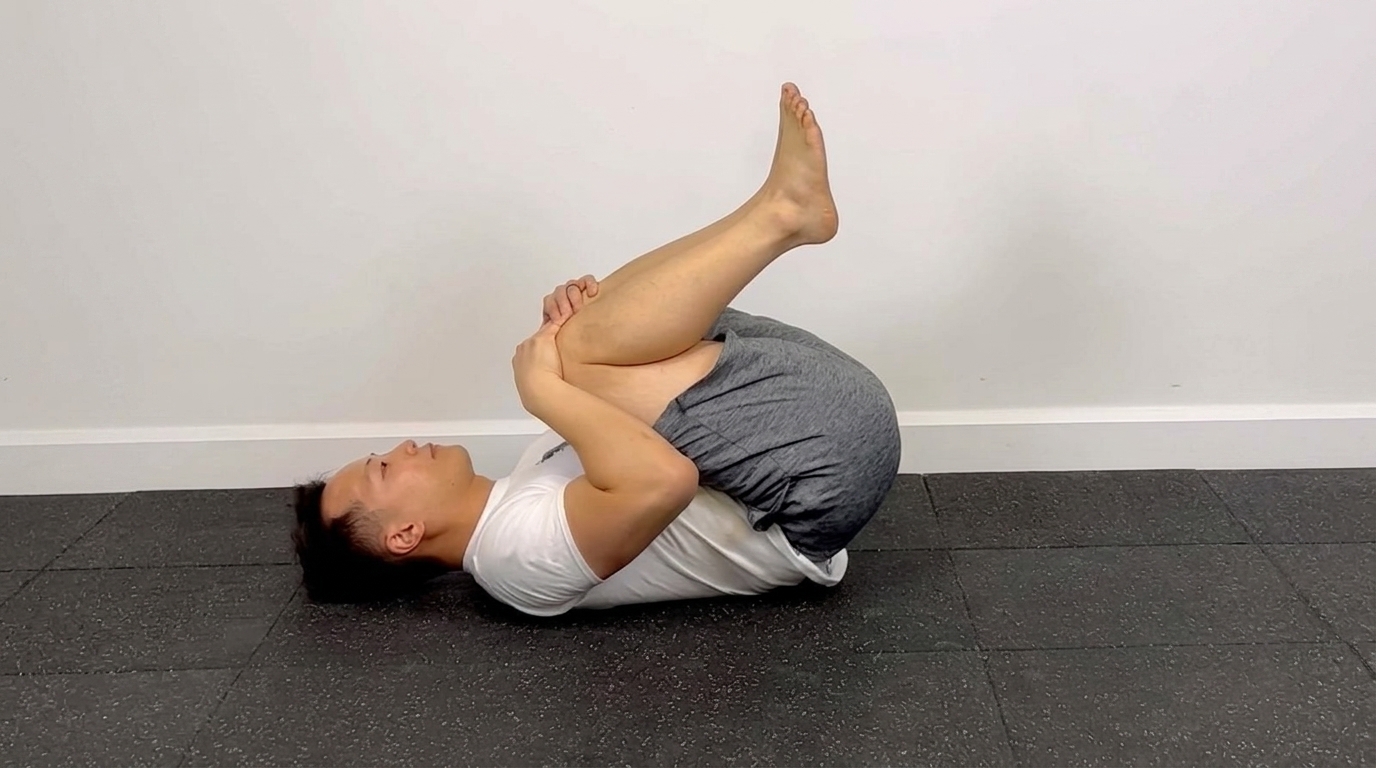
Lie on your back with both knees bent. Pull one knee toward your chest and hold it there for about twenty to thirty seconds.
This gentle motion helps release tightness in the lower back and hips, which often connects directly to SI joint discomfort.
Lower Trunk Rotation Stretch
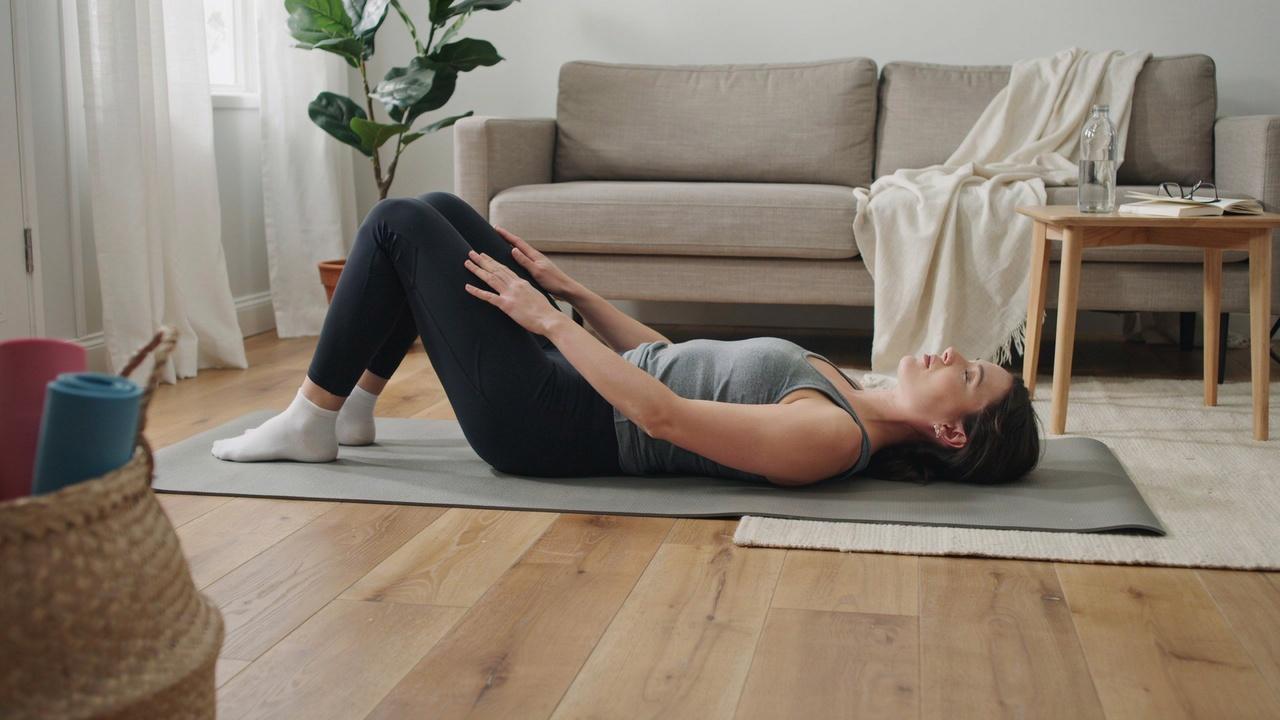
Lie on your back with your knees bent and feet flat on the floor. Slowly let both knees fall to one side while keeping your shoulders on the ground. This rotation helps loosen the muscles around the pelvis and spine.
Figure-Four (Piriformis) Stretch
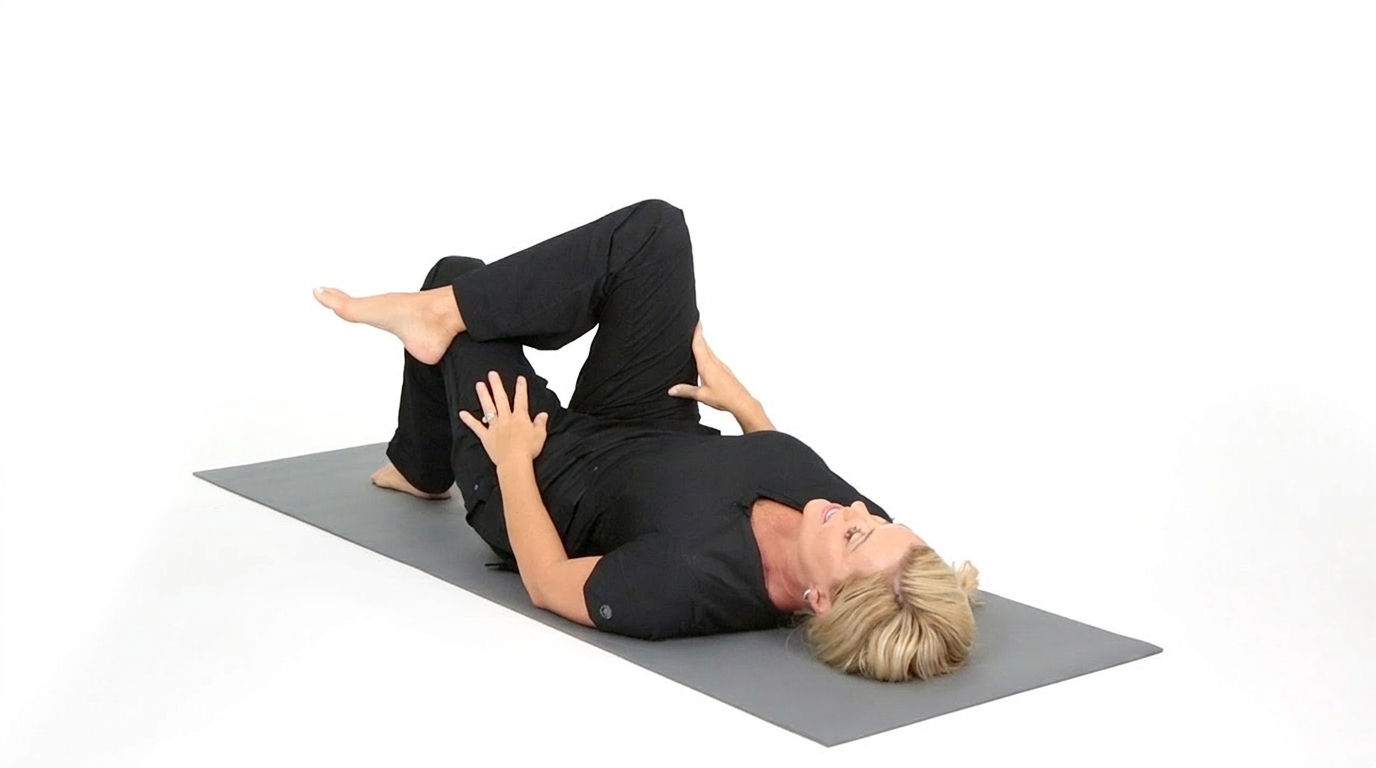
Lie on your back and cross one ankle over the opposite knee. Gently pull the uncrossed leg toward your chest. This stretch targets the piriformis muscle, which sits close to the SI joint and often adds to the tightness you feel.
Iron Cross Stretch
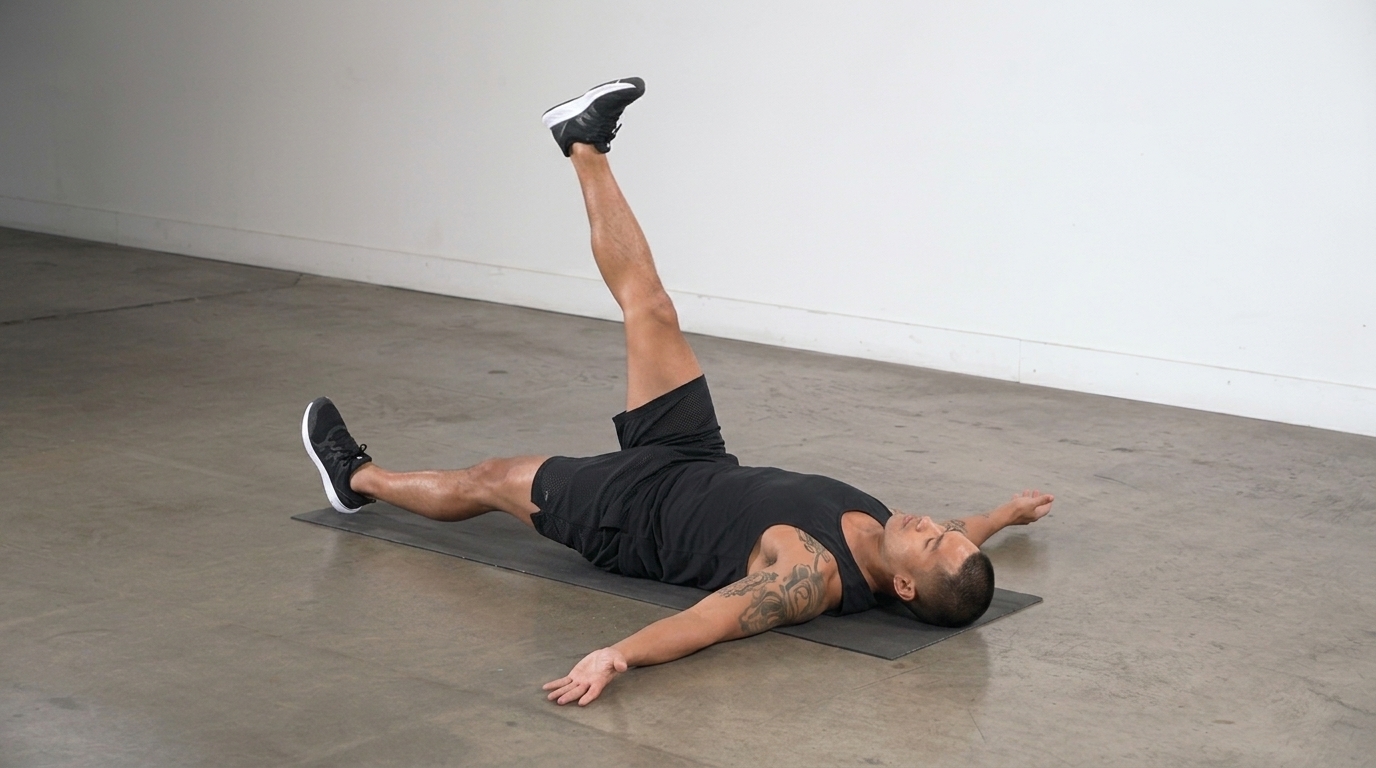
Lie flat on your back with your arms out to the sides. Cross one leg over your body toward the opposite hand while keeping your shoulders flat. This movement stretches the lower back and hips at the same time.
Scorpion Stretch

Lie face down with your arms out to the sides. Lift one leg and twist it toward the opposite side of your body. This stretch works on flexibility in the lower spine and helps improve motion around the pelvis.
Strengthening Exercises to Support the SI Joint
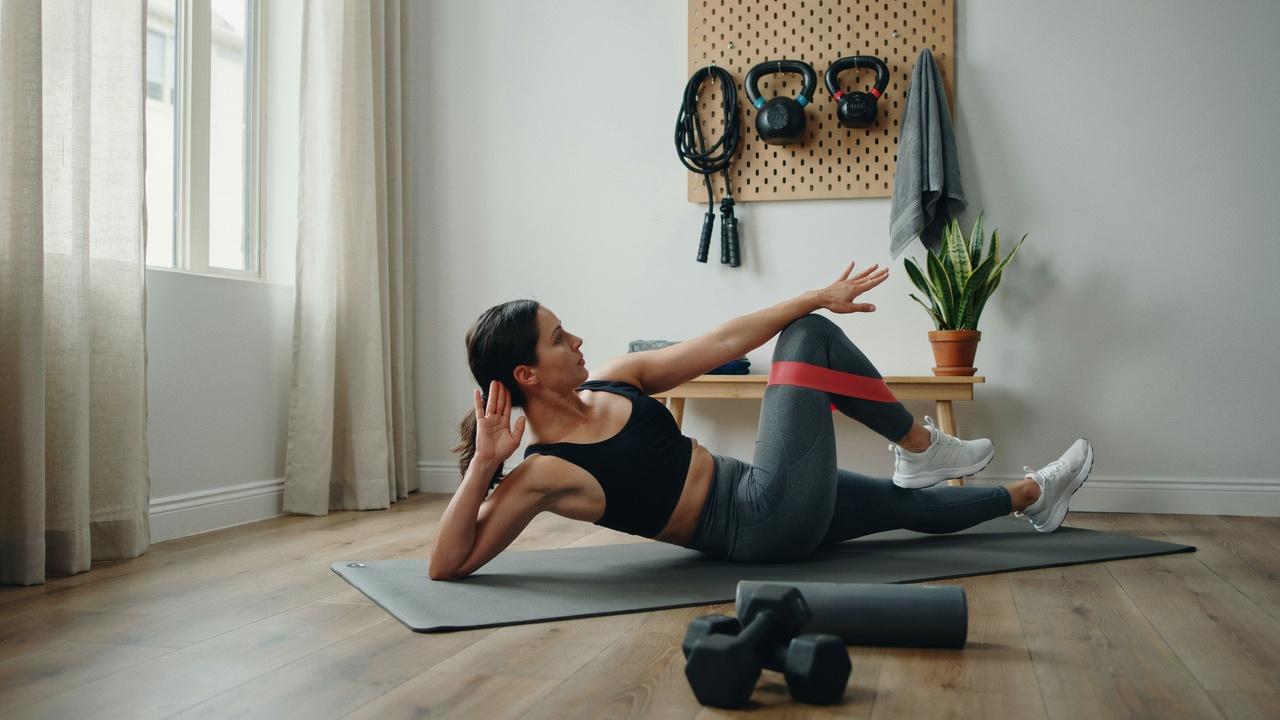
Exercises that build strength in the hips, glutes, and core to keep the SI joint stable and reduce future pain.
Stretching alone is not enough. Strong muscles around the hips and core, including the gluteus maximus, help keep the SI joint stable and prevent pain from returning. Weak glutes are a common factor in SI joint pain, which is why glute work belongs in any home routine.
Glute Bridge
Lie on your back with your knees bent and feet flat on the floor. Lift your hips toward the ceiling while squeezing your glutes. Hold for a few seconds, then lower slowly. This builds strength in the muscles that support the pelvis.
Clamshell Exercise
Lie on your side with your knees bent and stacked. Keeping your feet together, lift your top knee like a clamshell opening. This works the hip muscles that help stabilize the SI joint.
Bird Dog
Start on your hands and knees. Extend one arm forward and the opposite leg backward at the same time. Hold briefly, then switch sides. This exercise builds core stability and strengthens the lower back at the same time.
Hip Abduction With a Resistance Band
Place a resistance band around your thighs, just above the knees. Stand with your feet hip-width apart and step sideways against the resistance. This strengthens the hip muscles that keep the pelvis steady.
What Causes an SI Joint to Feel Locked?
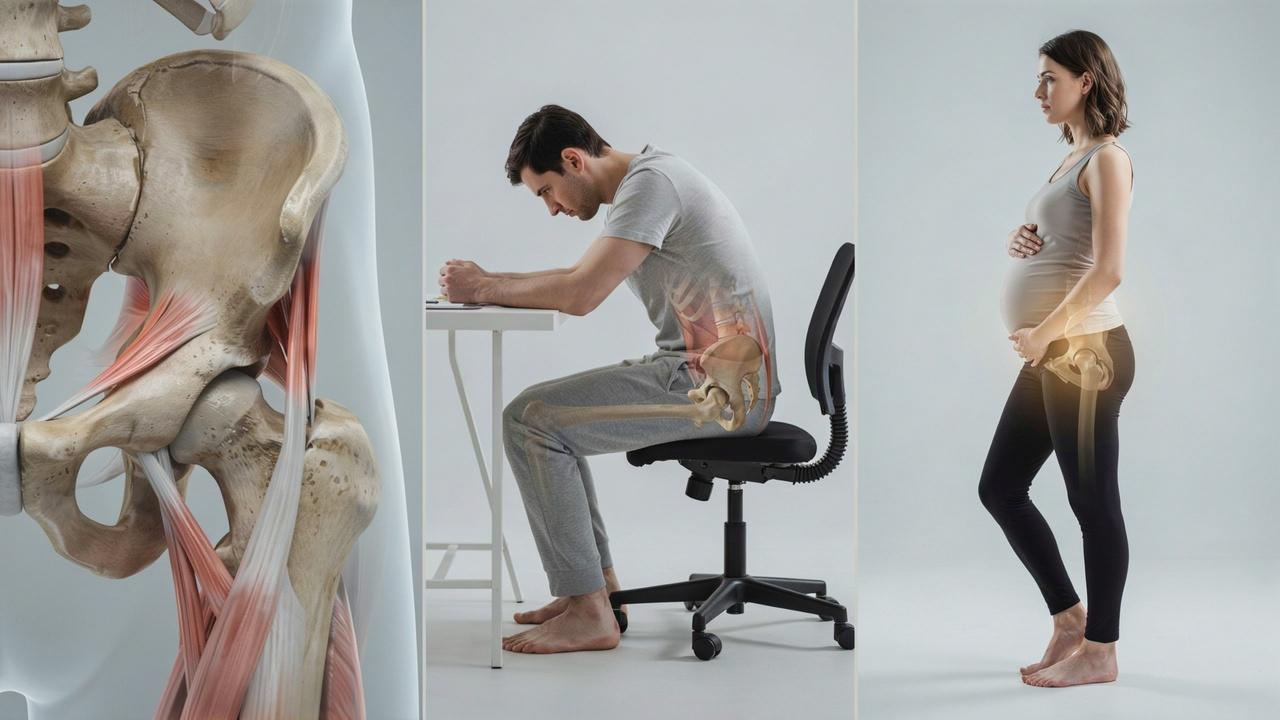
Common reasons behind SI joint stiffness, including tight muscles, hormonal shifts, and everyday habits that add strain.
Understanding why your SI joint feels stiff can help you avoid repeating the same triggers.
Muscle Tightness and Joint Dysfunction
Tight muscles around the hips and lower back can pull on the SI joint and limit its normal movement. Over time, this can make the joint feel stuck or locked. In some cases the joint itself becomes inflamed, a condition doctors call sacroiliitis, which can add to the stiffness.
Pregnancy and Hormonal Changes
During pregnancy, hormones loosen the ligaments around the pelvis to prepare for childbirth. This added flexibility can sometimes make the SI joint feel unstable or achy.
Poor Posture, Sports, and Daily Activities
Sitting for long hours, sudden twisting movements during sports, or repetitive daily tasks can all place extra stress on the SI joint.
Over time, this strain builds up and leads to stiffness or pain. Since you have two SI joints, one on each side of your spine, this pain usually shows up on just one side of your lower back or hip.
Common Mistakes to Avoid
Frequent errors people make while treating SI joint pain, such as forcing movement or ignoring proper strengthening routines.
Some habits can slow down your recovery instead of helping it.
- Avoid trying to crack or pop your SI joint on your own, since this can add inflammation or make the joint more unstable.
- Stretch to the point of gentle tension only, not sharp pain, since pushing through discomfort can injure the joint further.
- Do not skip glute and core strengthening, as stretching alone leaves the SI joint without proper support.
- Avoid ignoring ongoing pain or ongoing stiffness, since untreated issues tend to return again and again over time.
How Often Should You Do SI Joint Stretches and Exercises?
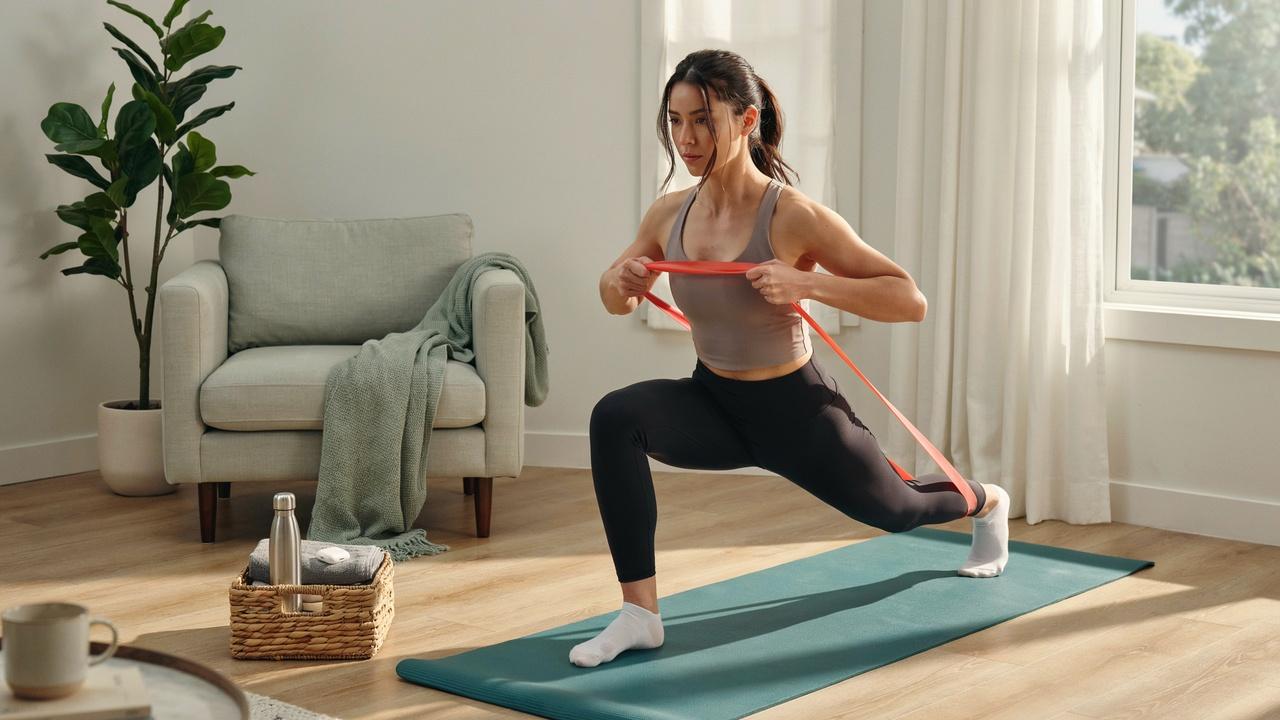
Most people benefit from doing these stretches and exercises daily, or at least four to five times a week.
Consistency matters more than intensity. Start with gentle repetitions and slowly increase as your body allows.
If a stretch or exercise causes pain rather than mild tension, stop and give your body more time to rest.
When to See a Doctor or Physical Therapist
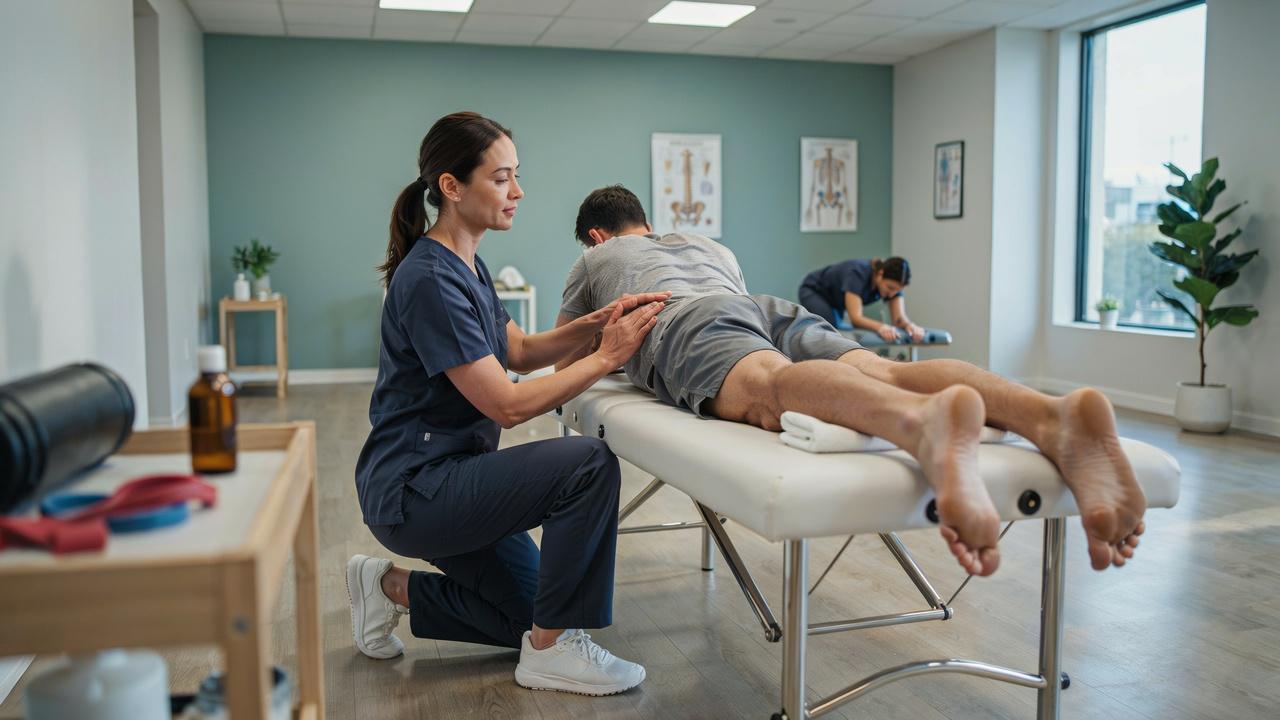
If your pain lasts more than a few weeks, gets worse with basic movement, or spreads down your leg, it is time to consult a doctor or physical therapist.
Persistent SI joint pain sometimes needs hands on treatment or a personalized exercise plan that goes beyond home care.
Getting proper guidance early can prevent the problem from turning into a long term issue.
Tips to Relieve SI Joint Pain Faster at Home
Practical daily habits, like heat therapy and posture changes, that can speed up relief from SI joint pain.
A few simple habits can make a real difference in how quickly your SI joint pain settles down.
- Plan Balanced Meals: Include a good source of protein, complex carbohydrates, and healthy fats in every meal.
- Eat Protein Throughout the Day: Spread your protein intake across meals to support muscle repair and recovery.
- Choose Nutrient-Dense Foods: Focus on foods like eggs, dairy, lean meats, beans, lentils, tofu, nuts, and whole grains.
- Watch Your Upper Limit: Very high protein intake over long periods can strain your kidneys and crowd out other nutrients, so more isn't always better.
- Track Your Progress and Adjust Intake: Monitor your strength, body changes, and daily protein intake, then make small adjustments if needed.
Conclusion
Dealing with SI joint pain can feel frustrating, but small daily steps really do add up. Simple stretches, a few strengthening exercises, and better posture habits can ease stiffness and help you move more comfortably.
The key is staying consistent and listening to your body along the way. If something feels off or pain sticks around, do not hesitate to check in with a doctor or physical therapist. Give these tips a try and notice how your body responds over the next few weeks.
Found this helpful? Drop a comment below, share it with someone who needs it, and check out our other posts on staying pain free.
Frequently Asked Questions
Can SI joint pain go away on its own without treatment?
Mild cases sometimes improve with rest and time, but ongoing stiffness or pain usually needs targeted stretches, exercises, or professional care to fully resolve.
Is it safe to run or exercise with SI joint pain?
Low impact activities are generally fine, but running or heavy lifting can worsen symptoms. Check with a professional before resuming intense workouts.
Can SI joint dysfunction affect one side of the body only?
Yes, it commonly affects just one side, causing pain in one hip or buttock, though some people experience discomfort on both sides.
Does sleeping position make SI joint pain worse at night?
Sleeping flat on your stomach or without support can strain the joint. Sleeping with a pillow between your knees often feels better.