Ever finish a back workout and still feel like your arms did all the work? You're not alone. A lot of lifters row for months without adding real thickness to their upper back, and it usually comes down to form, not effort.
Small mistakes like the wrong elbow position or rowing at the wrong angle can quietly cancel out your gains.
This guide breaks down exactly how to perform the upper back row correctly, the best variations to try, and simple tips to get more out of every set you do.
What is an Upper Back Row?
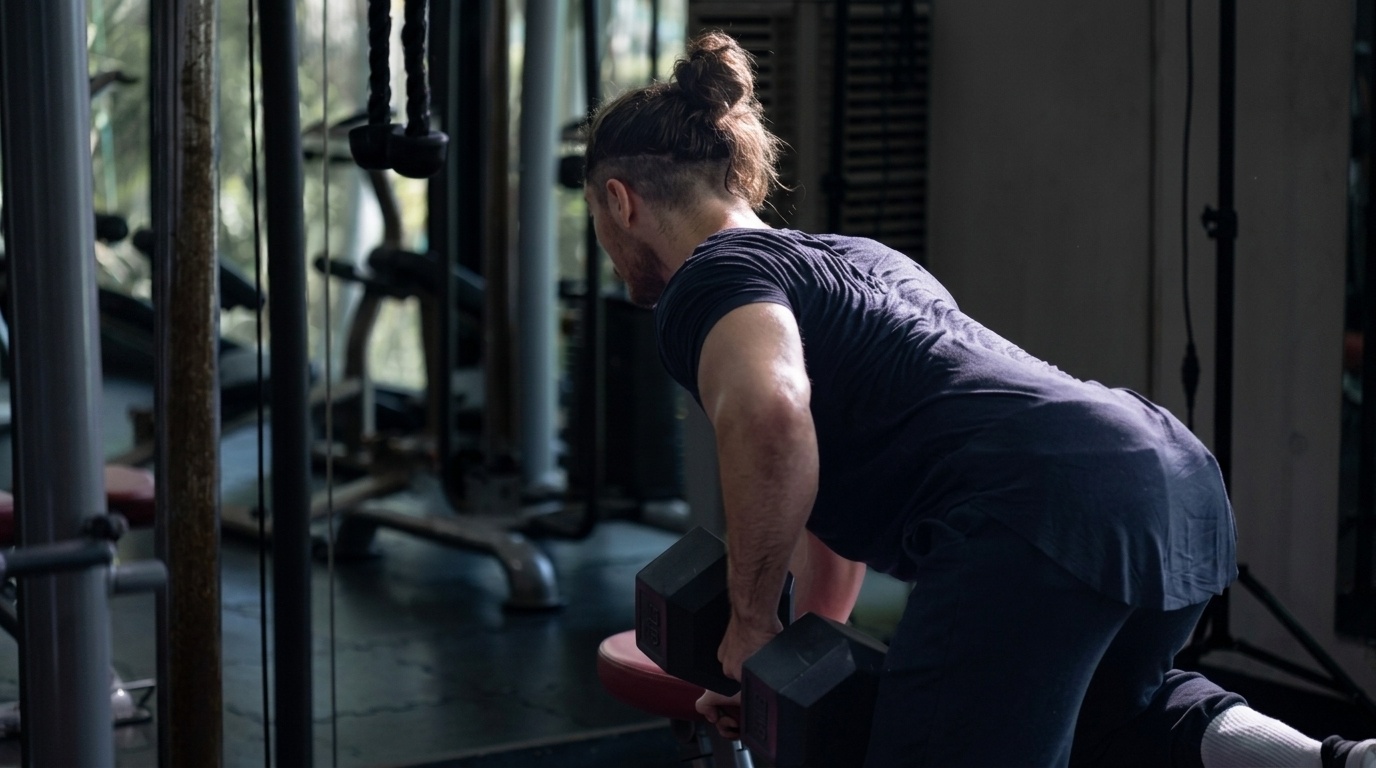
An upper back row is a pulling exercise that targets the muscles between your shoulder blades and upper back, mainly the rear delts, rhomboids, and upper and middle traps. Instead of pulling toward your stomach like a regular row, you pull up toward your chin or upper chest with elbows rising above shoulder height.
It's a horizontal pull, which trains a different part of your posterior chain than a straight-up pull like the upright row does.
It helps fix rounded shoulders and hunched posture from sitting or phone use, and it builds strength that supports lifts like squats and overhead presses.
To do it: set a cable, band, or dumbbells at chest height, stand tall with your core braced, and pull your elbows up and back toward your chin, squeezing your shoulder blades together.
Avoid swinging your body or shrugging your shoulders. Popular variations include face pulls, band pull-aparts, high cable rows, and reverse flys.
Train two to three times a week with light to moderate resistance for 12 to 15 reps. No equipment? Try prone Y-raises instead.
How to Perform an Upper Back Row Correctly
The upper back row is one of the best exercises for building a thicker, stronger back. But most people get less out of it than they should because their form is off.
Small mistakes like flaring the elbows too much or using momentum can turn a great exercise into a waste of time. Let's fix that.
Step-by-Step Upper Back Row Form
- Set your seat or bench height so the handle or bar sits at chest level.
- Grab the handle with a firm but relaxed grip.
- Brace your core and pull your shoulder blades back before your arms even move. This is called scapular retraction, and it's what makes sure your back does the work instead of your arms.
- Drive your elbows back and slightly out, pulling the weight toward your upper chest or collarbone.
- Pause for a second at the top and squeeze your shoulder blades together.
- Lower the weight slowly, letting your shoulder blades stretch forward again, keeping tension in your back the whole time.
The goal is to feel your upper back doing the work, not your arms.
Grip Width, Elbow Position, and Row Angle
Grip width changes which muscles do most of the work. A wider grip with flared elbows targets the rear delts and upper traps more. A narrower grip with elbows closer to your body brings the lats into play.
Studies on grip width and elbow position back this up, showing that wider, flared setups shift more of the load onto the rear delts and traps.
For upper back focus, keep your elbows at roughly a 45-degree angle from your torso. Pull the weight toward your chest, not your stomach. This small change in row angle shifts the work from your lower lats to your upper back muscles.
Breathing and Temp

Breathe out as you pull the weight in, and breathe in as you lower it back down. Avoid holding your breath through the whole set.
Keep your tempo controlled. A good rhythm is about one second to pull, one second to hold and squeeze, and two to three seconds to lower.
Slowing down the lowering phase, also called the eccentric, builds more muscle over time than rushing through reps.
7 Best Upper Back Row Exercises
There's no single best row for everyone. Different equipment and setups let you target your upper back from different angles. Here are seven solid options to add to your routine.
1. Chest Supported Upper Back Row
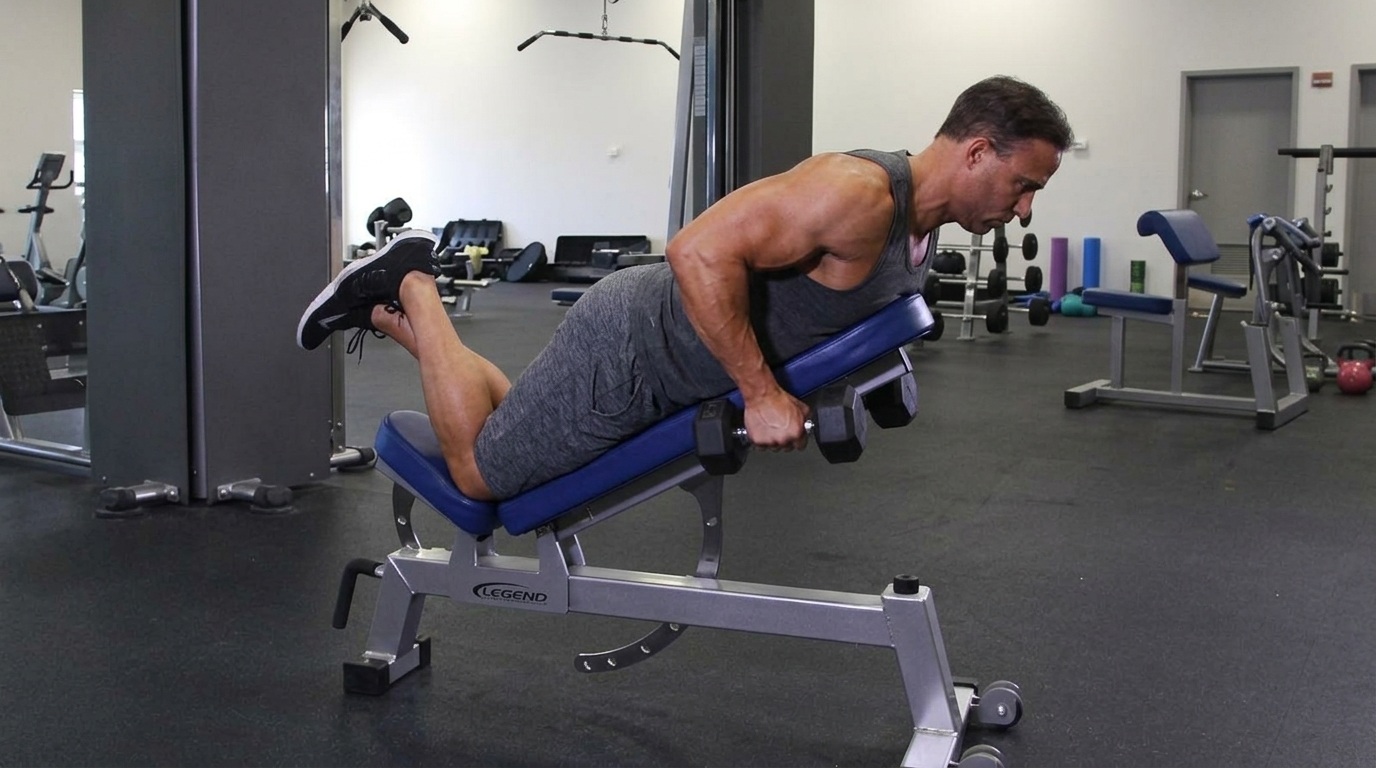
This move uses an angled bench to support your chest while you row. Because your torso is locked in place, you can't cheat with momentum. That makes it one of the safest and most effective options for isolating the upper back.
2. Seated Upper Back Row (Cable)
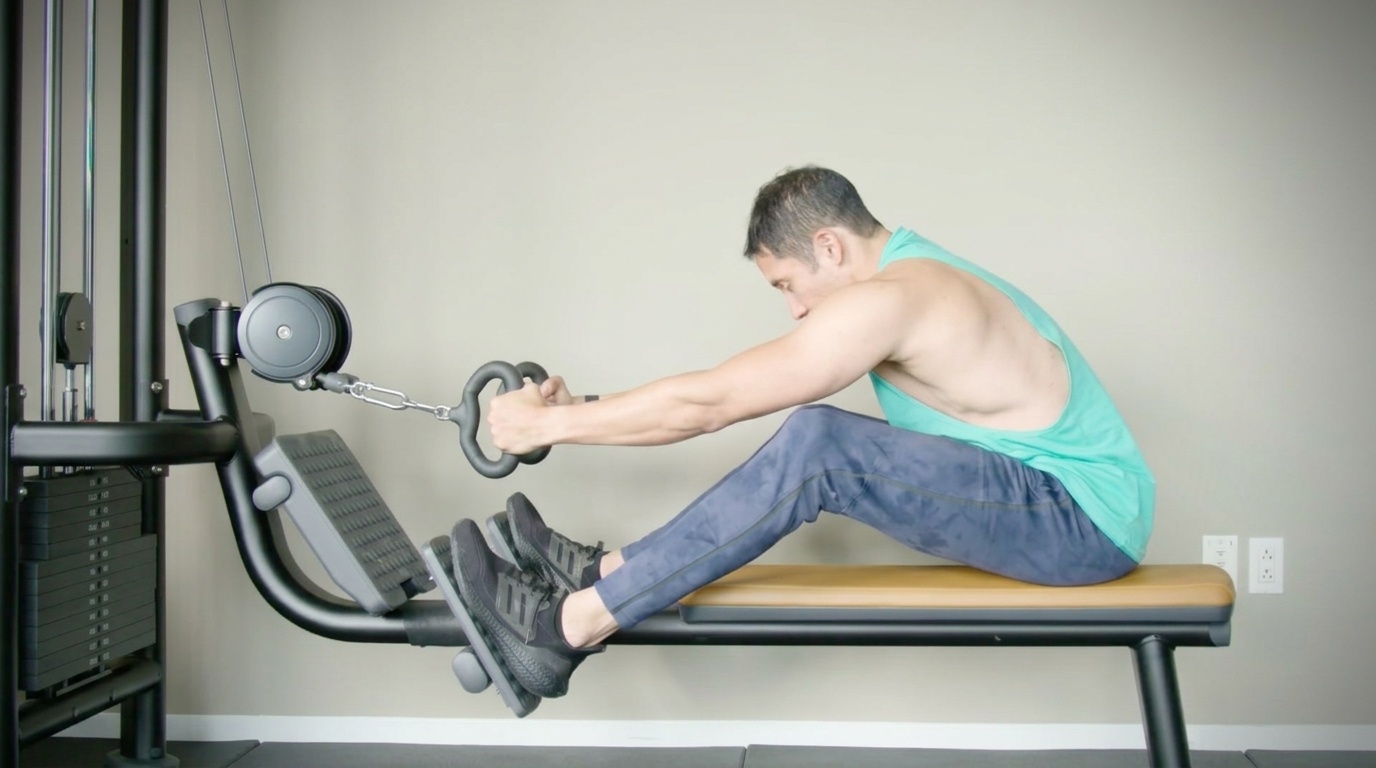
The cable row keeps constant tension on your muscles through the entire movement. Sit tall, brace your core, and pull the handle toward your upper chest while keeping your elbows wide. This version is great for building mind-muscle connection.
3. Upper Back Row Machine

Machines guide your movement path, which makes them a good choice if you're still learning proper form. Adjust the seat so the handles line up with your chest, not your belly button, to keep the focus on your upper back.
4. Dumbbell Upper Back Row
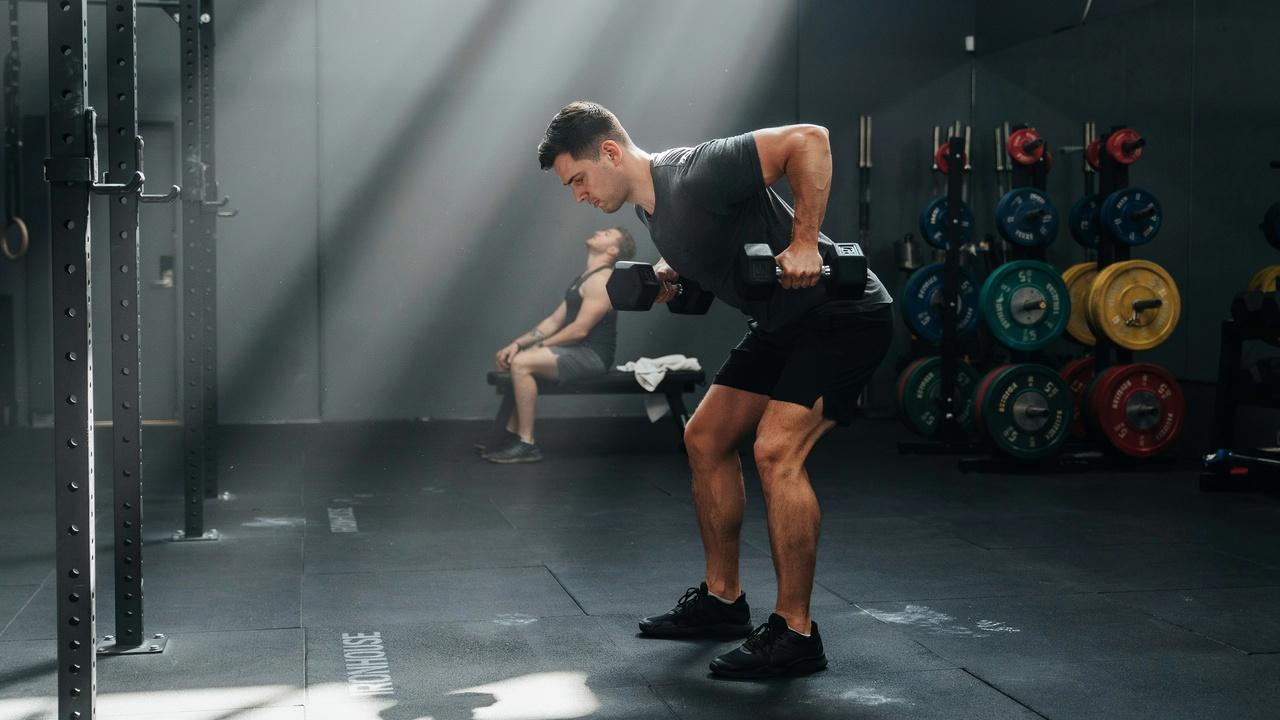
Using dumbbells lets each arm move independently, which helps fix strength imbalances between sides. Hinge at the hips, keep your back flat, and row each dumbbell toward your ribs with elbows flared slightly.
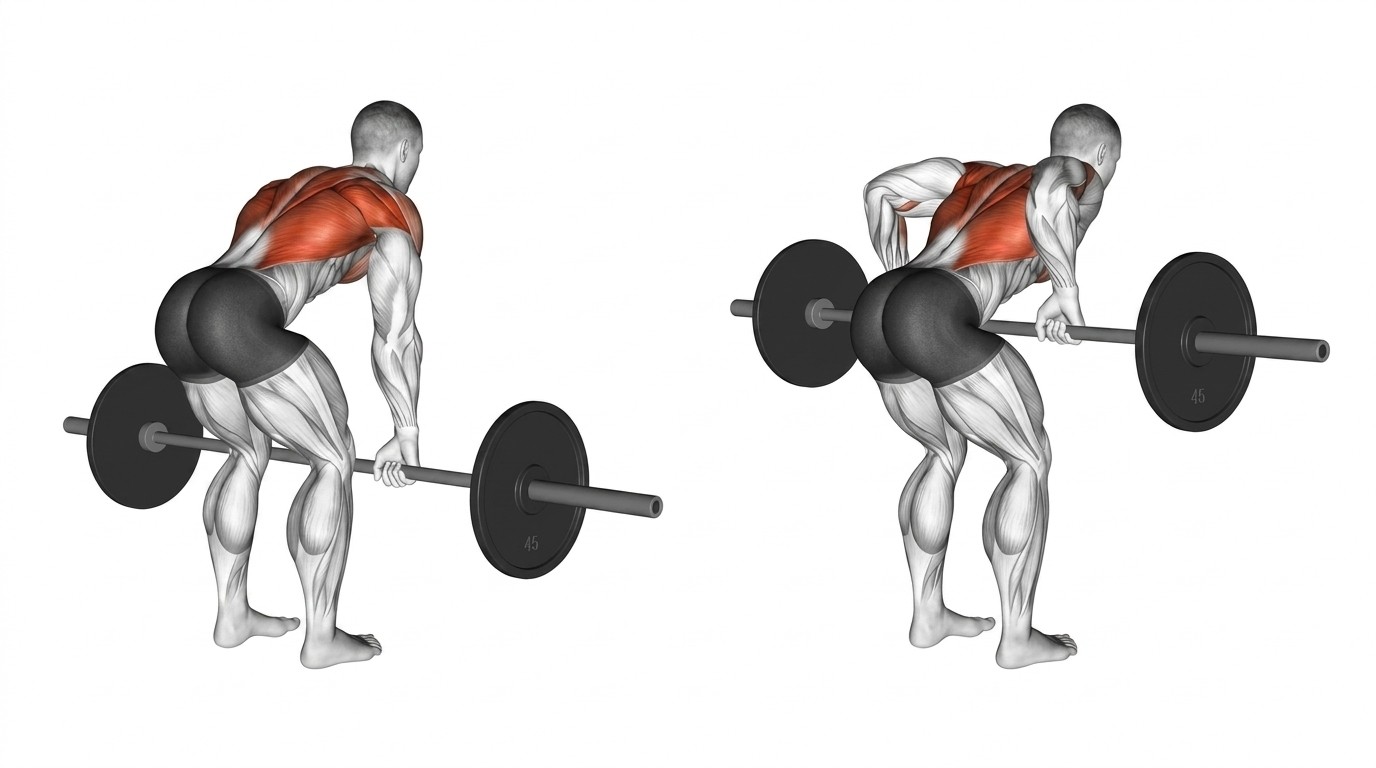
5. Bent-Over Barbell Upper Back Row
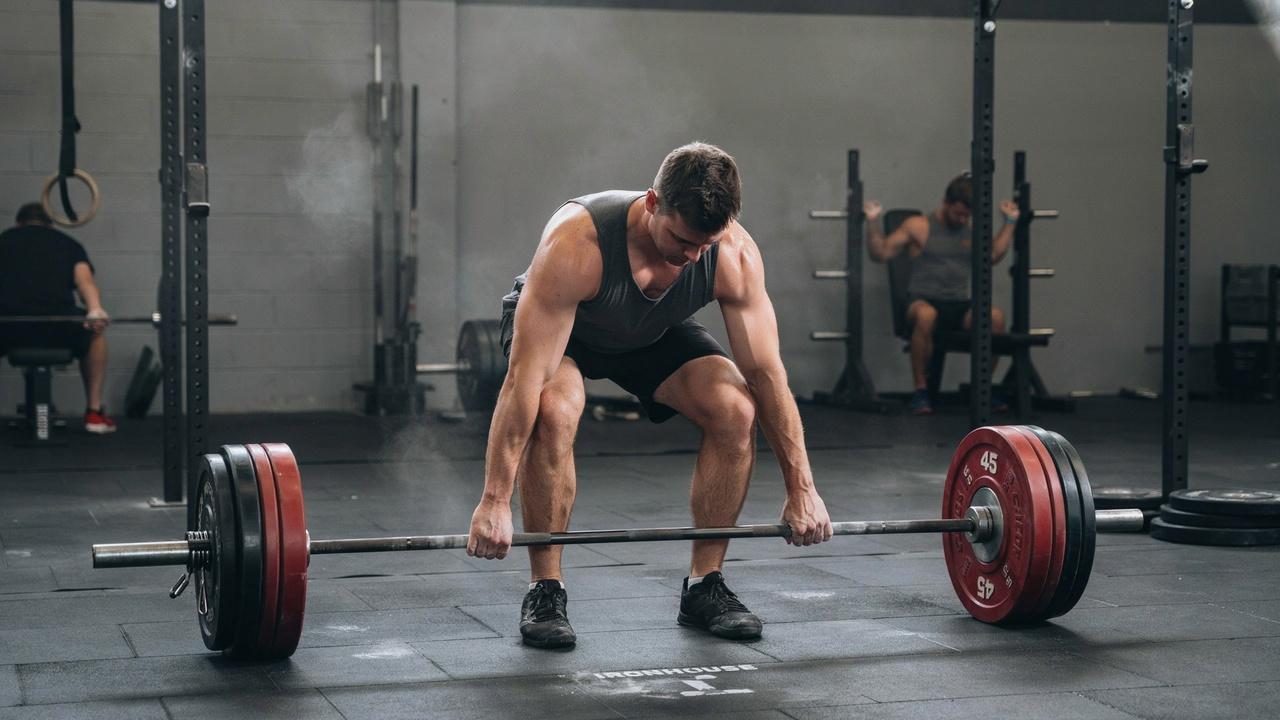
This is a classic strength builder. Hinge forward with a flat back, grip the bar with hands just outside your knees, and pull it toward your upper abdomen or lower chest. Because it loads the whole posterior chain, it's great for building overall back strength, not just size.
6. Plate-Loaded Upper Back Row
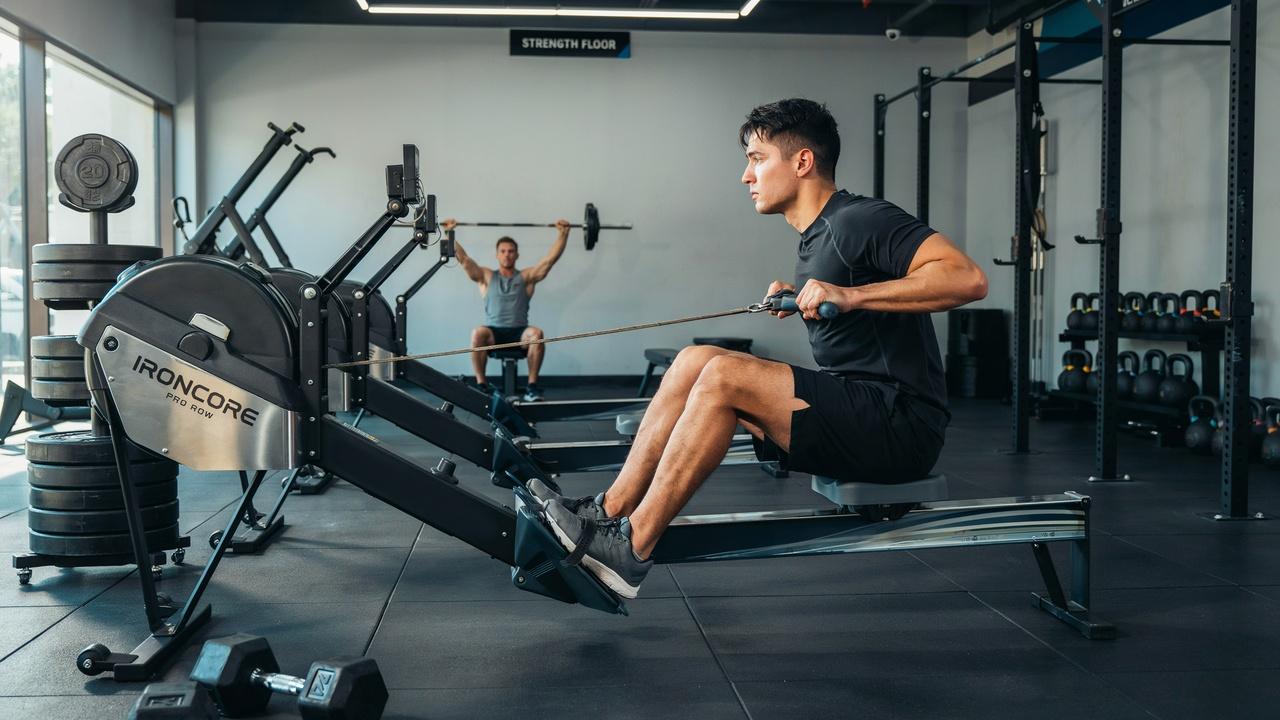
Plate loaded machines give you a smooth, guided path with adjustable resistance. They often let you row unilaterally too, which helps with symmetry. This is a good middle ground between free weights and fixed machines.
7. Hammer Strength Upper Back Row
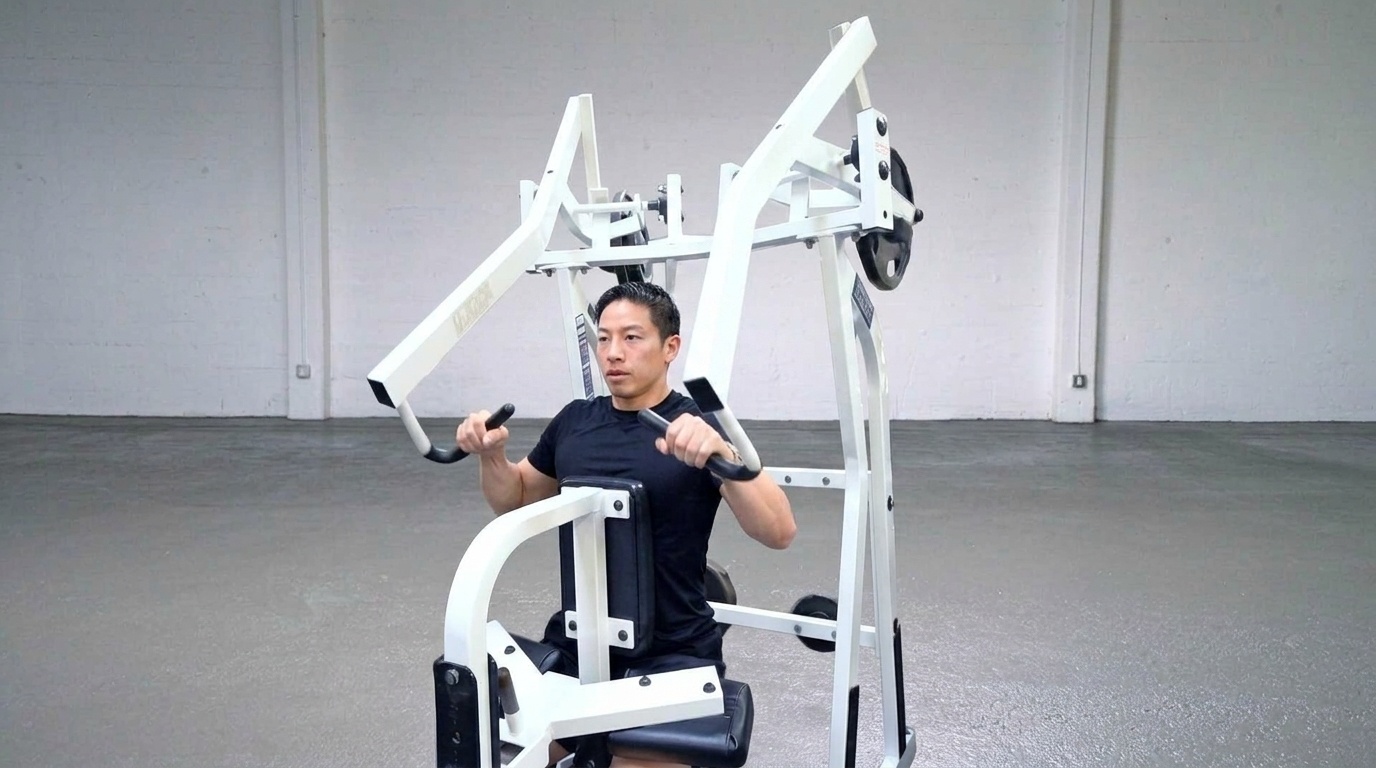
This machine uses a converging or fixed path that mimics a natural rowing motion. It's popular in gyms because it lets you load heavy weights safely while keeping strict form, since the machine controls the path for you.
Upper Back Row Variations for Every Training Goal
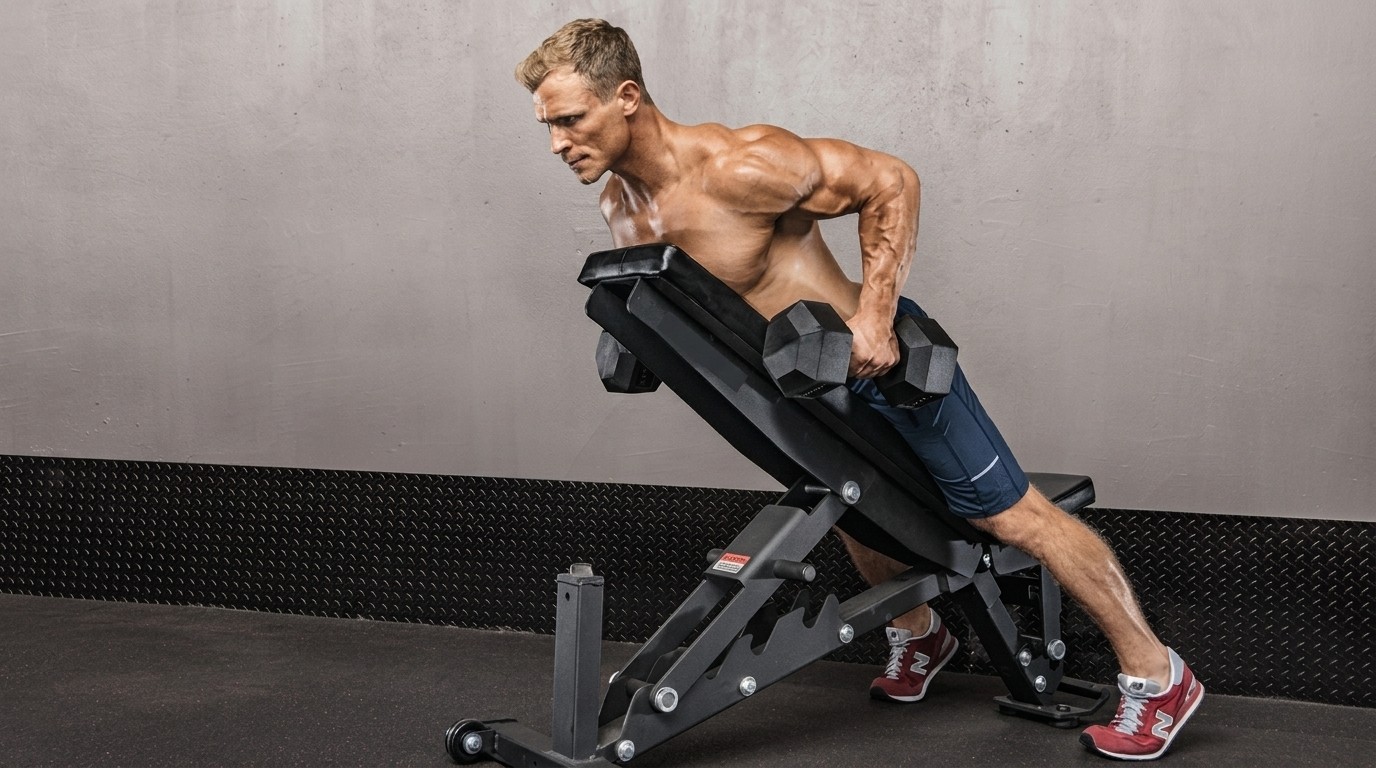
Not every row needs to look the same. Depending on what you're training for, whether that's muscle size, joint-friendly training, or fixing weak points, there's a row variation that fits.
Cable Upper Back Row for Constant Tension
Cables never let the weight rest at the bottom of the movement the way dumbbells or barbells do. This constant tension is great for hypertrophy, since your muscles stay under load for the whole set. It's also easier on the joints because the resistance curve is smoother.
Chest Supported Upper Back Row Machine for Stability
If you have lower back issues or just want to remove cheating from the equation, the chest supported machine is ideal. Since your torso stays fixed, all the effort goes straight into your upper back muscles.
Horizontal Upper Back Row for Mid-Trap Focus
Rows performed on a flat or horizontal plane, like an inverted row or seated cable row, shift more work to your mid traps and rhomboids. These muscles are responsible for pulling your shoulder blades together, which helps posture and shoulder health.
Single-Arm Dumbbell Upper Back Row for Muscle Imbalances
If one side of your back is noticeably weaker or smaller, single-arm rows are the fix. Training one side at a time stops your stronger side from taking over, so both sides get equal work.
How to Get Better Results from the Upper Back Row

Doing the row itself isn't enough. A few small adjustments can make a big difference in how much muscle you build and how well your back responds.
Row Toward the Upper Chest
Rowing toward your belly button targets your lats more. Rowing toward your upper chest or collarbone shifts the focus to your rear delts, traps, and rhomboids. If your goal is a thicker upper back, aim higher.
Keep Your Elbows Wide
Flaring your elbows out to the sides, rather than tucking them close to your body, recruits more of the upper back muscles. Think about pulling your elbows toward the wall behind you rather than down toward your hips.
Retract and Squeeze Your Shoulder Blades
Before you even pull the weight, pull your shoulder blades back and down. This sets your shoulders in a safe position and makes sure your back muscles start the movement, not your arms. Hold a one-second squeeze at the top of every rep.
Use the Right Weight and Full Range of Motion
Heavier isn't always better. If you have to shorten your range of motion or use momentum to move the weight, it's too heavy. Choose a weight that lets you fully extend your arms at the bottom and fully squeeze at the top on every single rep.
If your grip gives out before your back does, a pair of lifting straps can help you finish the set with good form.
How to Program the Upper Back Row
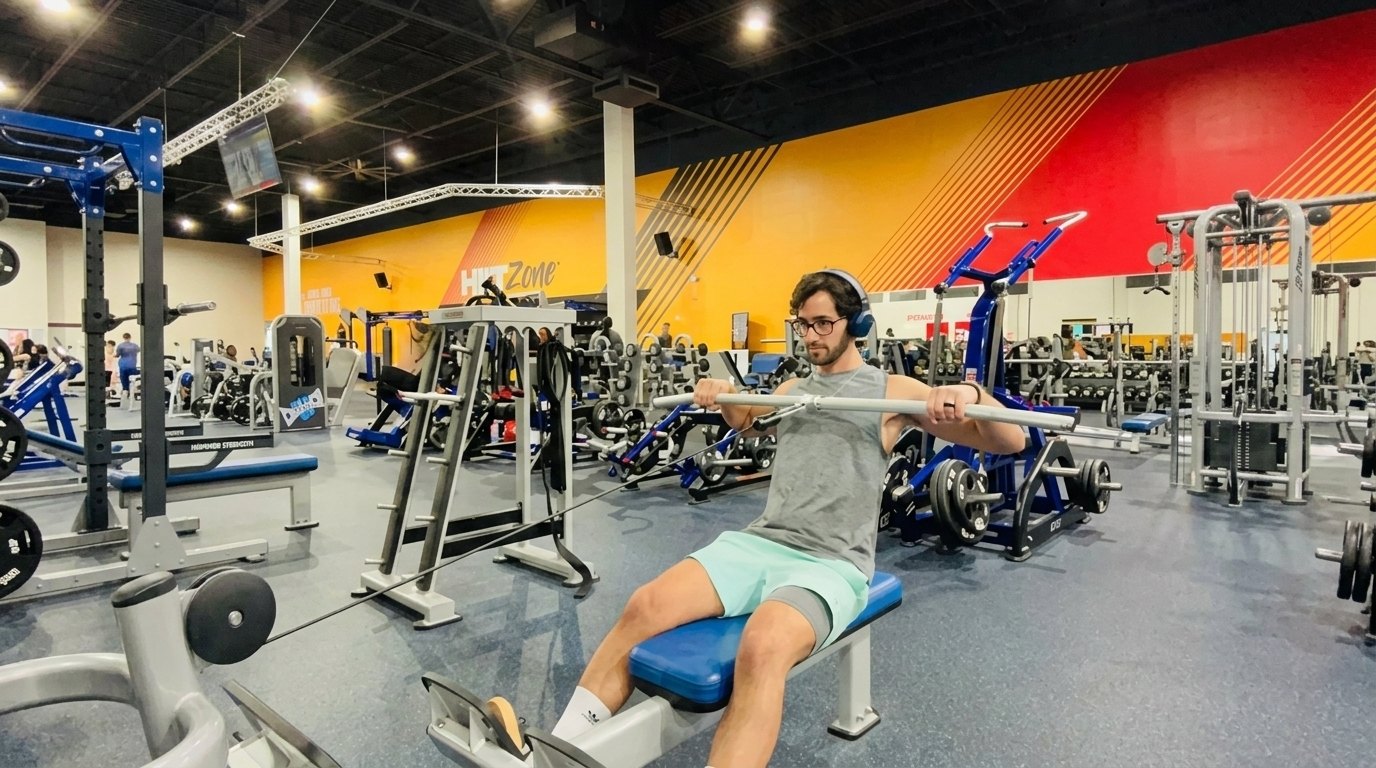
Knowing how to perform the row is only half the job. You also need to know how often, how heavy, and where to place it in your training week.
Sets and Reps for Muscle Growth
For building size, aim for 3 to 4 sets of 8 to 12 reps per exercise. If your goal is strength, drop the reps to 4 to 6 with heavier weight. Beginners can start with 2 to 3 sets and build up from there as their technique improves.
Where to Place Upper Back Rows in Your Workout
Rows work best early in your workout, right after any heavy compound lifts like deadlifts or pull-ups. Doing them while you're still fresh means better form and a stronger mind-muscle connection. Save lighter isolation work, like face pulls, for the end of your session.
Best Exercise Pairings for Back Day
Pair upper back rows with pulling movements like lat pulldowns or pull-ups for a balanced back workout. Adding a rear delt or face pull exercise afterward helps round out shoulder health and posture. A simple back day might look like: deadlifts, chest supported row, lat pulldown, and face pulls.
Beginner vs Advanced Programming
Beginners should focus on one or two row variations per week and prioritize form over weight. Advanced lifters can rotate between two or three row variations across the week to hit the upper back from different angles and avoid plateaus.
Upper Back Row Alternatives
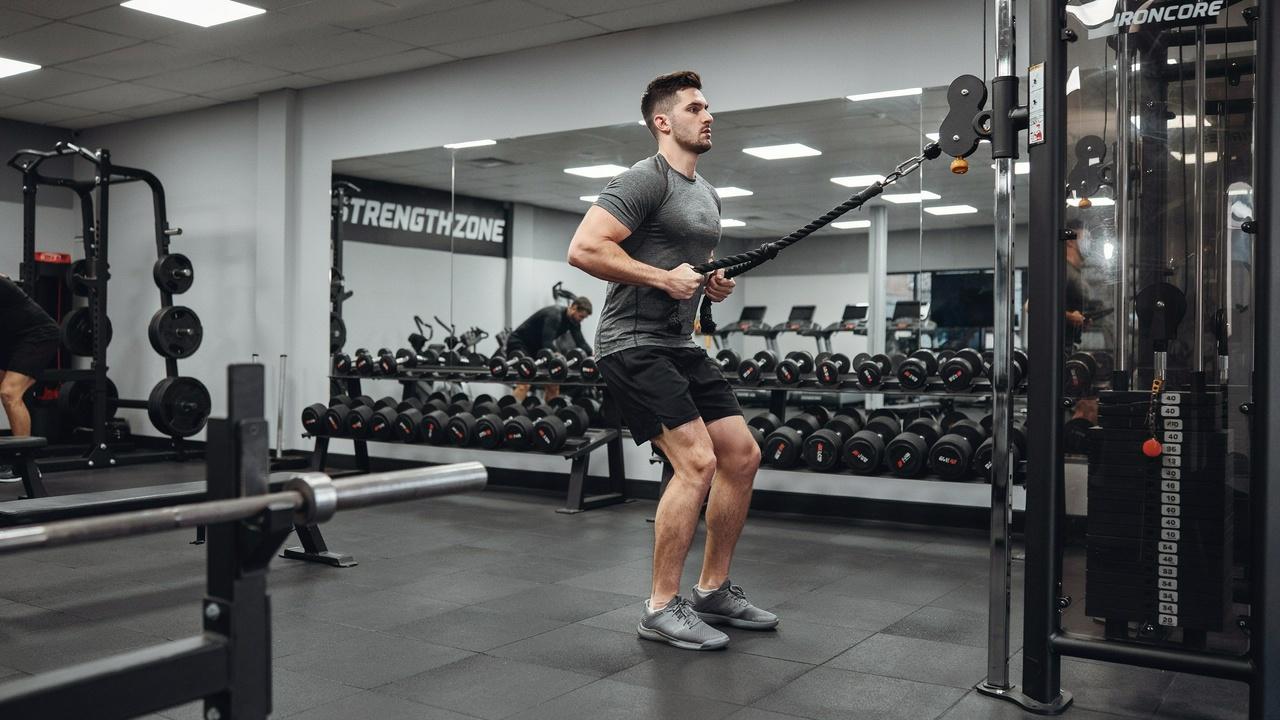
If you don't have access to the equipment for a standard row, or you want to add variety, these alternatives train similar muscles.
Face Pull
Using a cable or resistance band set at head height, pull the rope toward your face while flaring your elbows out. This exercise is excellent for rear delts, upper traps, and shoulder health in general.
Rear Delt Row
Similar to a regular row but performed with a wider grip and higher pulling angle, this move puts extra emphasis on the rear delts and upper traps rather than the lats.
Inverted (Horizontal) Row
Using a bar or rings set at hip or waist height, lie underneath and pull your chest up toward the bar. This bodyweight move is a great option if you train at home or don't have access to machines.
Resistance Band Upper Back Row
Anchor a resistance band at chest height, step back to create tension, and row the band toward your chest. This is a simple, portable option for travel or home workouts, and it still builds solid upper back strength when done with good form.
Upper Back Row Tips for Better Results
A few final habits can separate an average back workout from a great one. These small details add up over time.
- Keep your chest up and spine neutral. Avoid rounding your upper back or arching too much through your lower back. A neutral spine protects your joints and lets your back muscles work as they should.
- Pull your elbows wide to target the upper back. Elbow position changes which muscles get the most work. Wider elbows mean more upper back and rear delt activation.
- Squeeze your shoulder blades at the top. Don't rush through the top of the movement. That brief pause and squeeze is where a lot of the muscle activation happens.
- Control the lowering phase for better muscle activation. Lower the weight with control instead of letting it drop. This extra time under tension is one of the simplest ways to get more growth from the same weight.
- Choose the right weight before increasing load. Master your form with a moderate weight before adding more plates. Good technique with lighter weight builds more muscle than sloppy reps with heavy weight.
Conclusion
The upper back row is a simple move, but small details make all the difference. Focus on pulling toward your chest, flaring your elbows, and squeezing your shoulder blades at the top of every rep.
Pick the right weight, control your tempo, and stay consistent with your programming. Over time, these habits will build a stronger, more balanced back and help fix posture issues too.
Try adding one of these tips to your next workout and see how it feels. Got a favorite upper back row variation? Drop it in the comments, and share this guide with a workout partner who could use it.
Frequently Asked Questions
Is the upper back row better than the lat pulldown for back width?
No, they target different areas. Lat pulldowns build width through the lats, while upper back rows build thickness in the mid and upper back.
Can I do upper back rows every day?
No. Your back muscles need 48 hours to recover between sessions. Training this movement two to three times a week is enough for solid growth.
Why do I feel upper back rows in my biceps instead of my back?
This usually means your grip is doing too much work. Focus on initiating the pull with your shoulder blades before your arms bend.
Do upper back rows help improve posture?
Yes. Strengthening the rhomboids and traps through rows helps pull your shoulders back, counteracting the forward hunch caused by sitting and desk work.