

I ignored my wrists for years. I trained my arms, my back, my chest. But my wrists? Never.
Then the pain showed up. Stiffness in the morning. Discomfort during push-ups. A weak grip that held back my lifts.
That is when I started paying attention.
Your wrists are part of almost every move you make. Typing, lifting, cooking, carrying. They work all day and most people never train them once.
In this post, I am sharing 11 simple exercises that actually build wrist strength. I will also cover how often to train them and how to keep them healthy long term.
Why Strong Wrists Matter
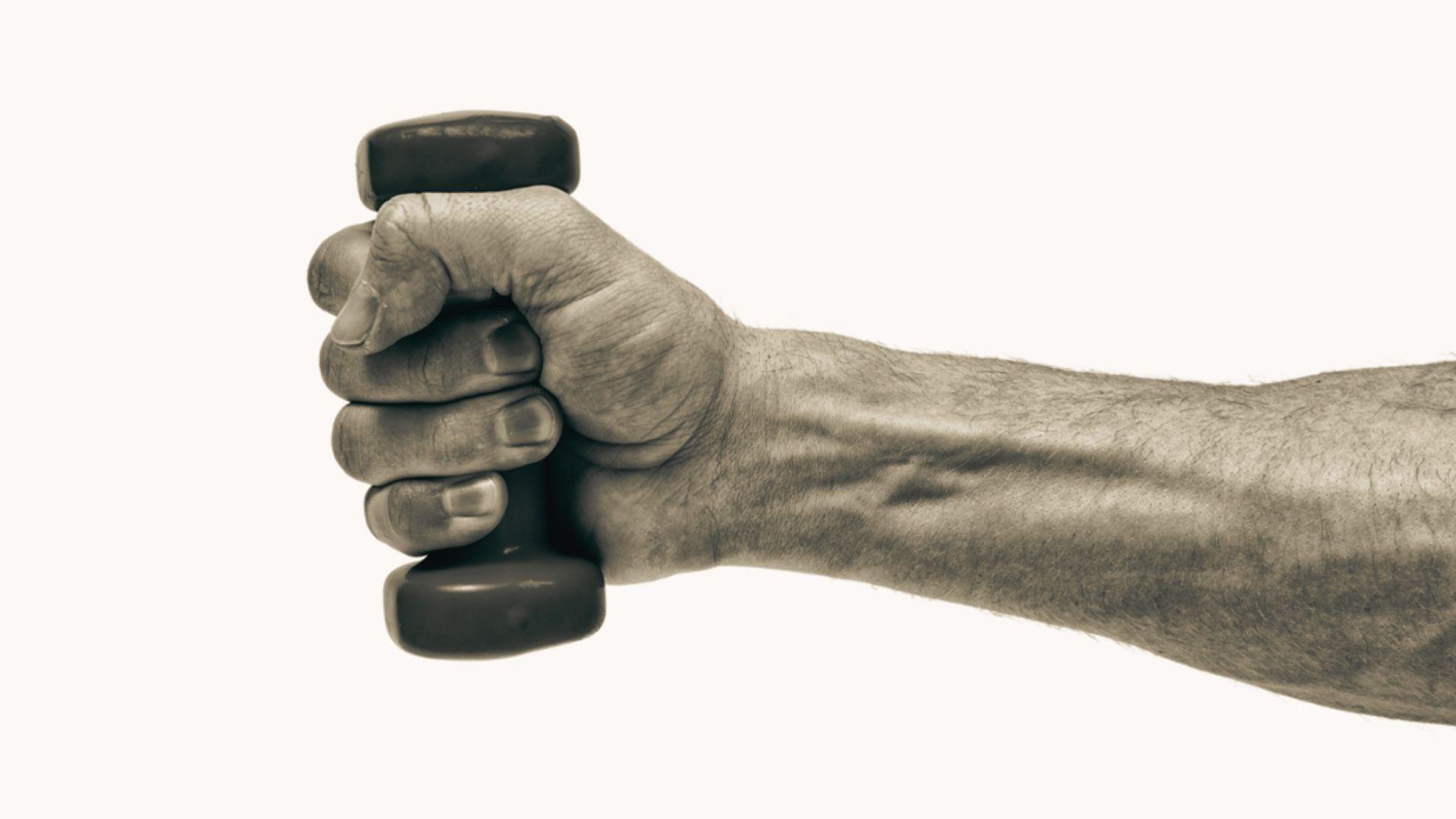
Most people ignore wrist strength until something hurts. But your wrists are involved in almost everything you do, from typing and cooking to lifting and playing sports.
Strong wrists give you a better grip, more control, and less strain on your joints. They help you push, pull, and carry with confidence.
In sports and workouts, they protect you from sprains and overuse injuries. Day to day, they make repetitive tasks easier and keep pain away.
Common Causes of Weak Wrists
- Long hours of typing and desk work put constant strain on your wrists, slowly weakening the muscles and tendons over time.
- Skipping wrist-specific training leaves these joints under-supported, even if the rest of your body is in great shape.
- After a wrist injury or surgery, the muscles lose strength fast and need focused work to get back to normal.
- As you age, muscle mass drops and joint mobility decreases, making your wrists weaker and stiffer without regular movement.
- Poor posture and bad form during daily tasks or workouts can quietly wear down wrist strength without you noticing.
How to Strengthen Wrists: 11 Effective Exercises
These 11 exercises cover everything from basic stretches to loaded carries. Add them to your routine and you will notice real improvements in grip, control, and joint comfort.
1. Composite Fist Exercise

Sit with your hand flat on a table. Slowly curl your fingers into a fist, hold for 3 seconds, then release.
Repeat 10 times per hand. This builds grip strength and activates the small muscles around the wrist joint.
2. Finger Abduction and Adduction
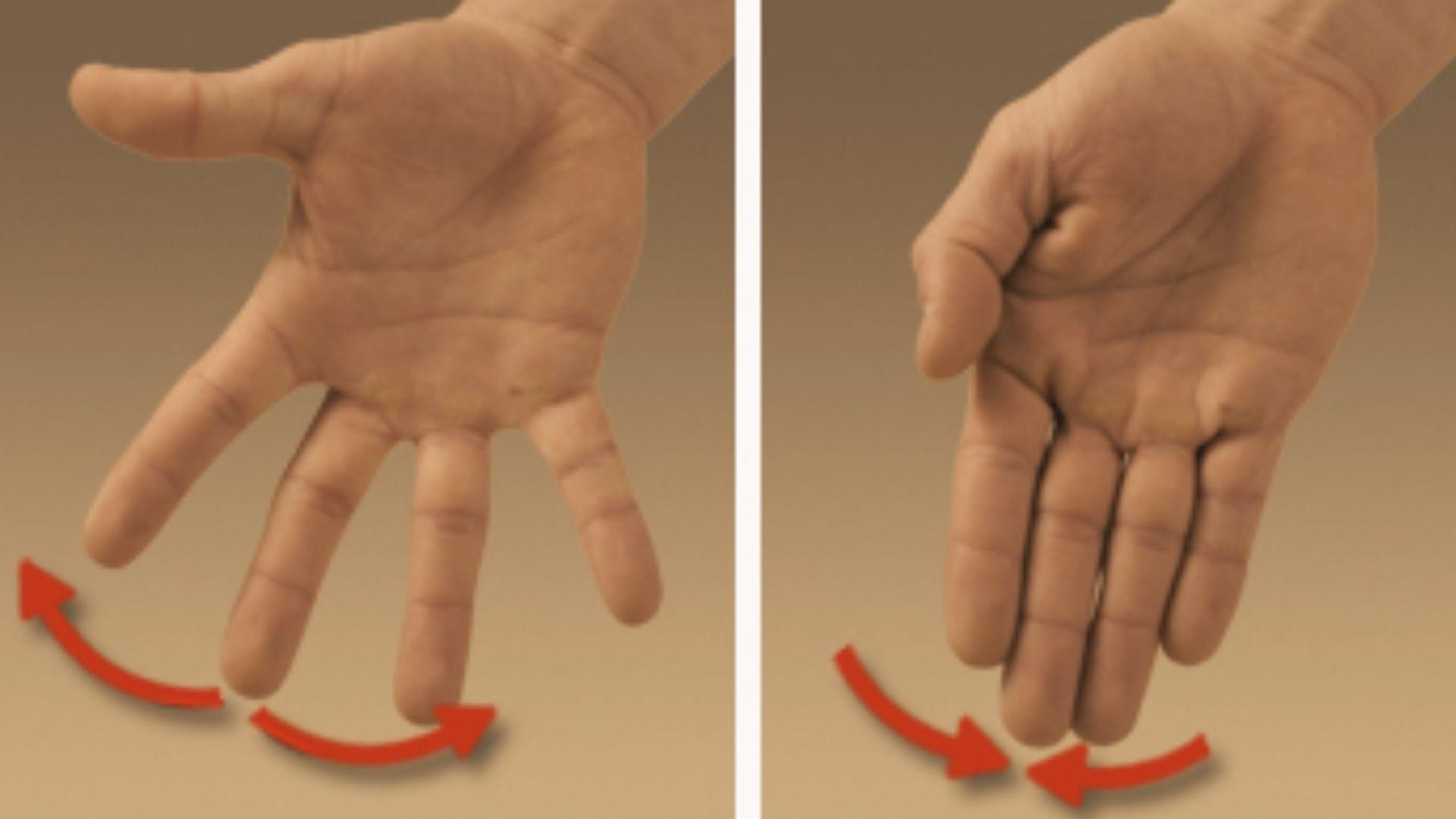
Place your hand flat on a surface. Spread your fingers as wide as possible, hold briefly, then bring them back together.
Do 10 reps per hand. This improves the stability of your hand and wrist by working the muscles between your fingers.
3. Thumb-to-Finger Opposition Exercise

Touch your thumb to each fingertip one at a time, moving from index to pinky and back. Repeat 5 rounds per hand.
This simple move sharpens coordination and strengthens the small muscles that support wrist control during precise tasks.
4. Wrist Flexion Stretch
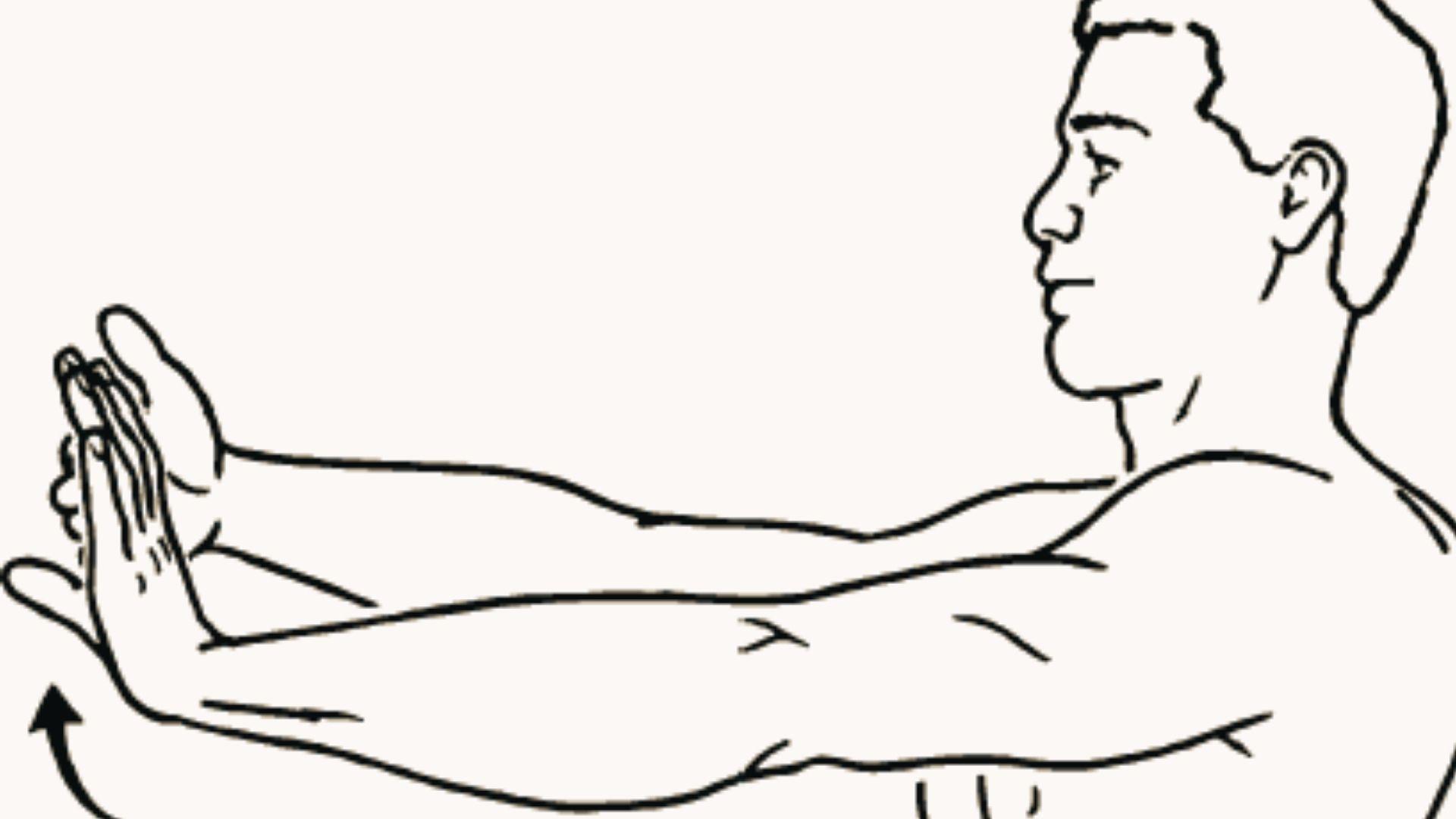
Extend one arm in front with your palm facing up. Use your other hand to gently pull your fingers downward.
Hold for 20 to 30 seconds per side. This loosens tight wrist flexors and gets your joints ready before any strength work.
5. Wrist Extension Stretch
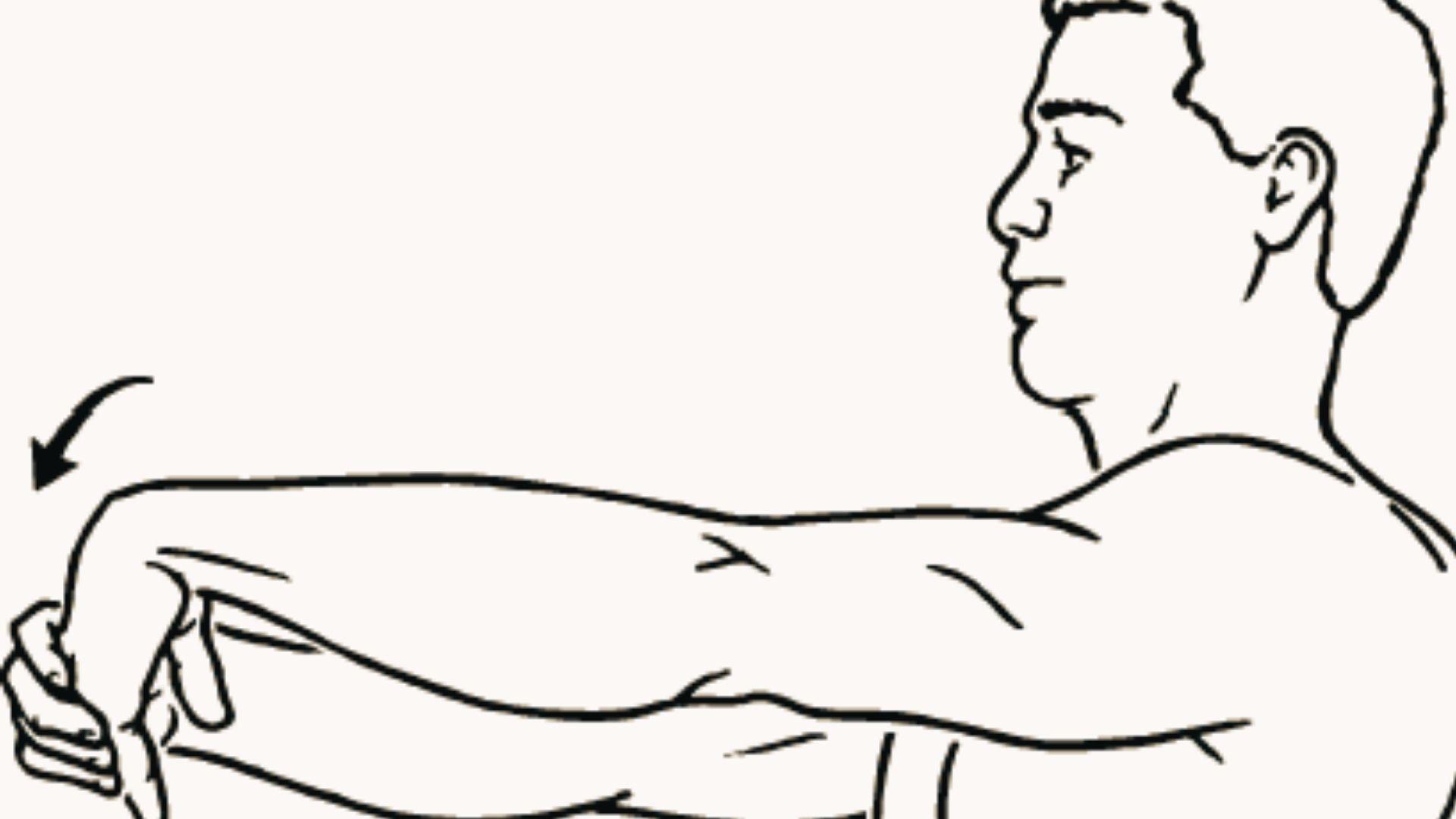
Hold your arm out with your palm facing down. Gently press your fingers back toward your body with your other hand.
Hold for 20 to 30 seconds. This stretch improves flexibility in the wrist extensors and reduces stiffness from long desk sessions.
6. Wrist Curls
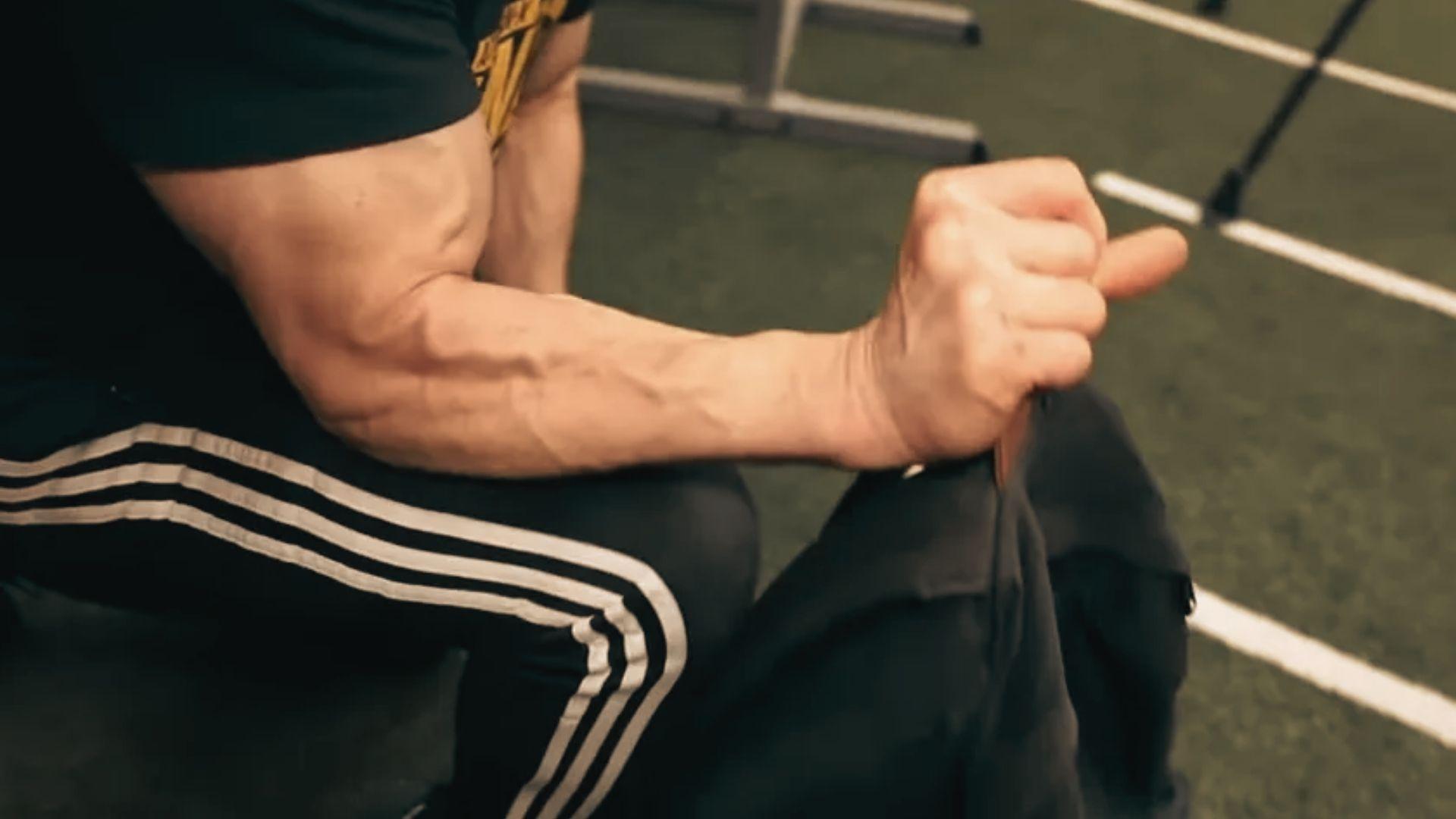
Hold a light dumbbell with your palm facing up, forearm resting on your thigh. Curl your wrist upward slowly, then lower it back down.
Do 3 sets of 12 reps. This targets the wrist flexors directly and builds a solid base for heavier lifting.
7. Reverse Wrist Curls
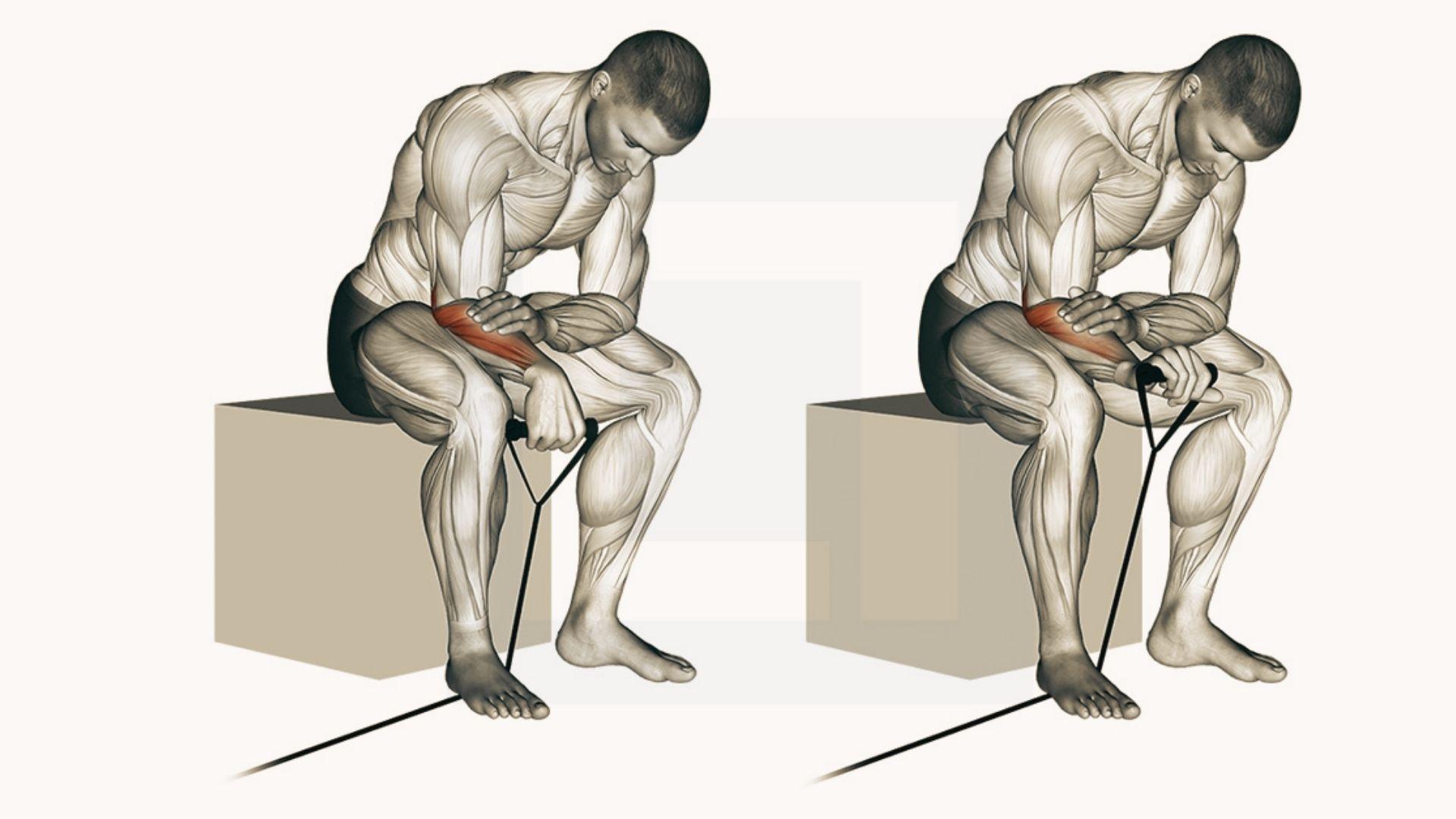
Hold a dumbbell with your palm facing down, forearm resting on your thigh. Lift your wrist upward, then lower slowly.
Do 3 sets of 12 reps. This works the extensor muscles on the back of your forearm, keeping both sides balanced and reducing injury risk.
8. Wrist Rotations
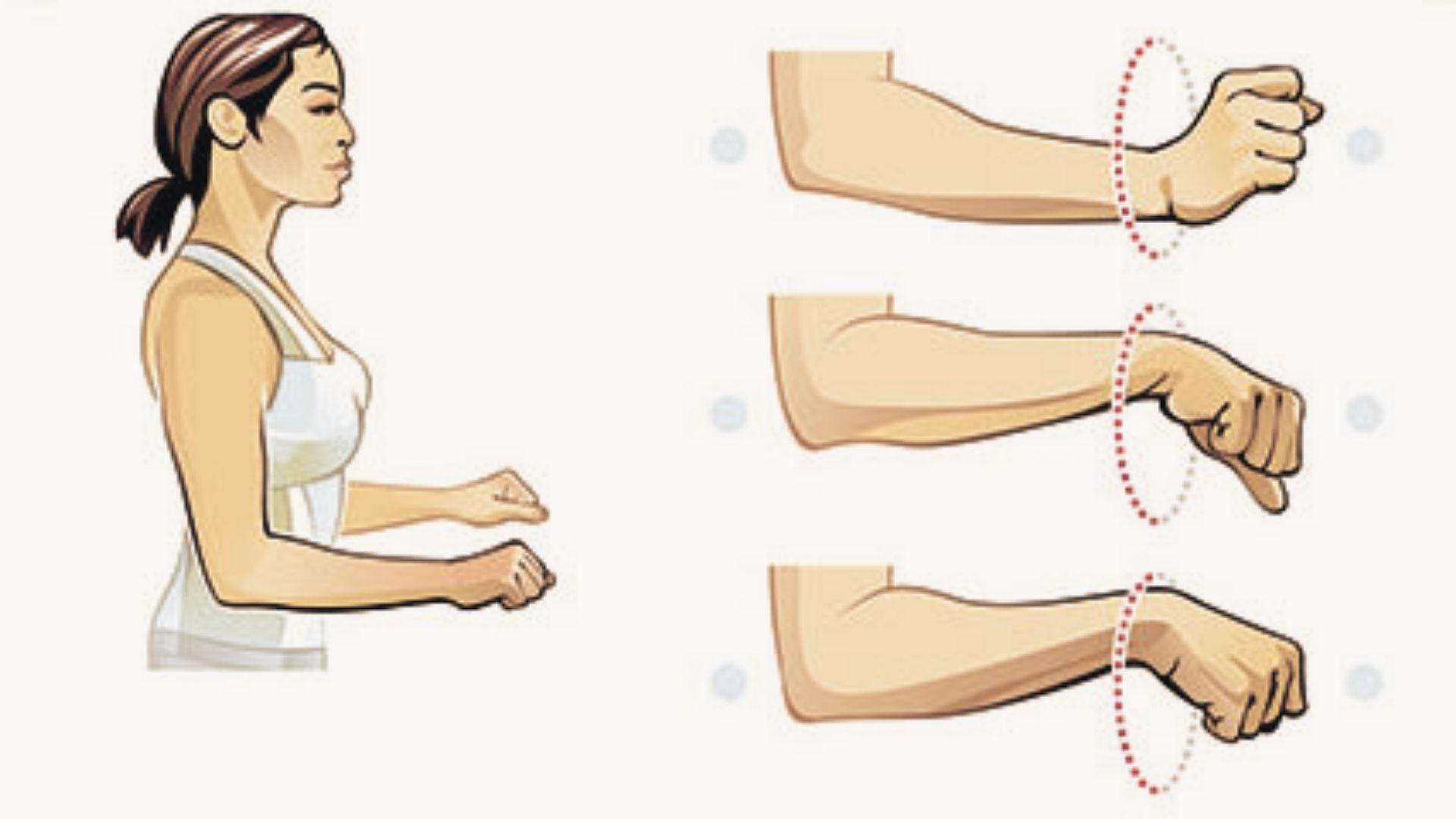
Extend your arms forward and make loose fists. Rotate both wrists in slow circles, 10 times clockwise and 10 times counterclockwise.
This warms up the joint, improves range of motion, and gives you better control during workouts and daily tasks.
9. Grip Strength Squeezes
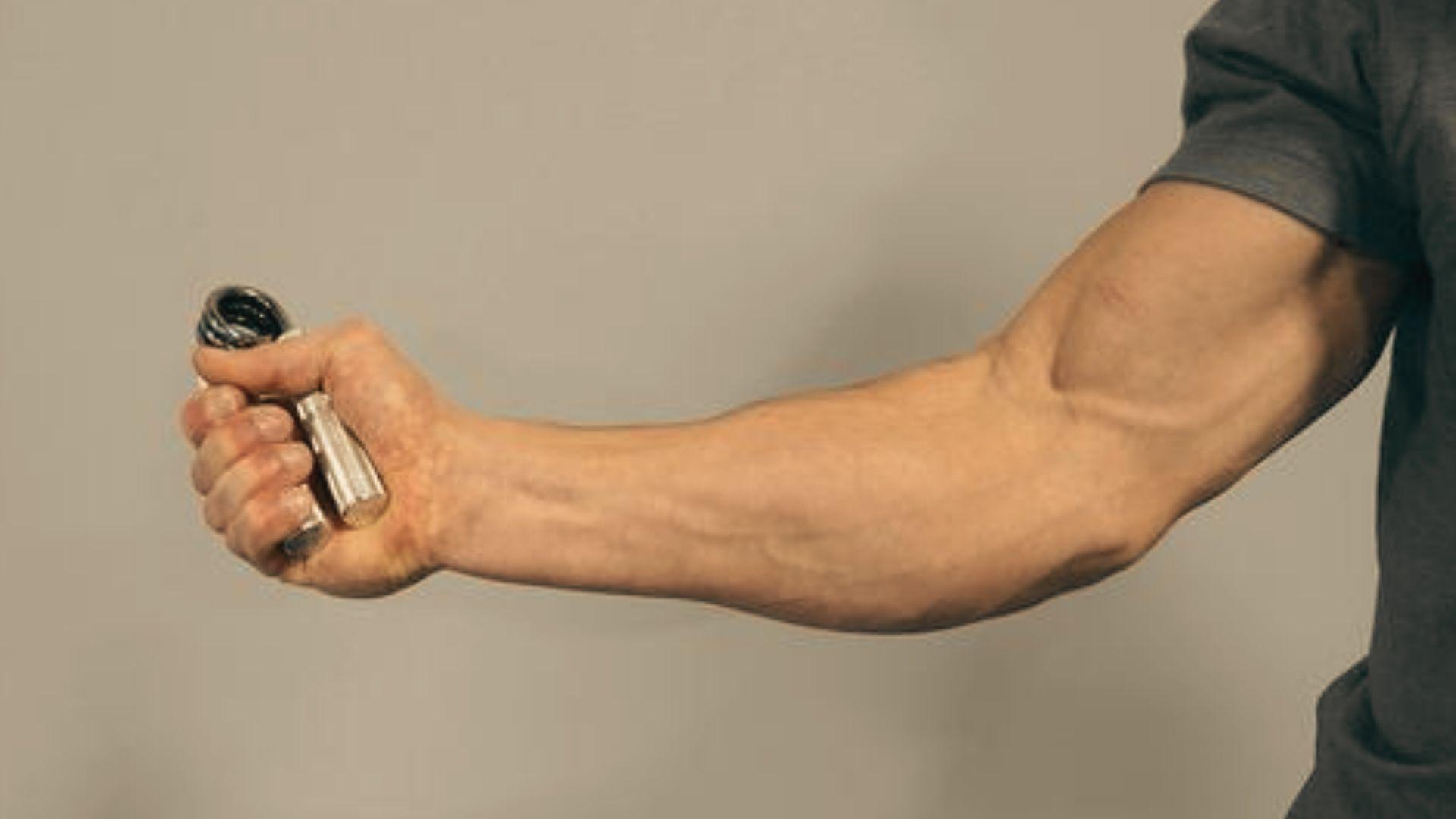
Hold a stress ball or grip trainer in one hand. Squeeze it as hard as you can, hold for 3 seconds, then release.
Do 15 reps per hand. This builds overall hand and wrist power and directly carries over to lifting, carrying, and sports performance.
10. Resistance Band Wrist Extensions
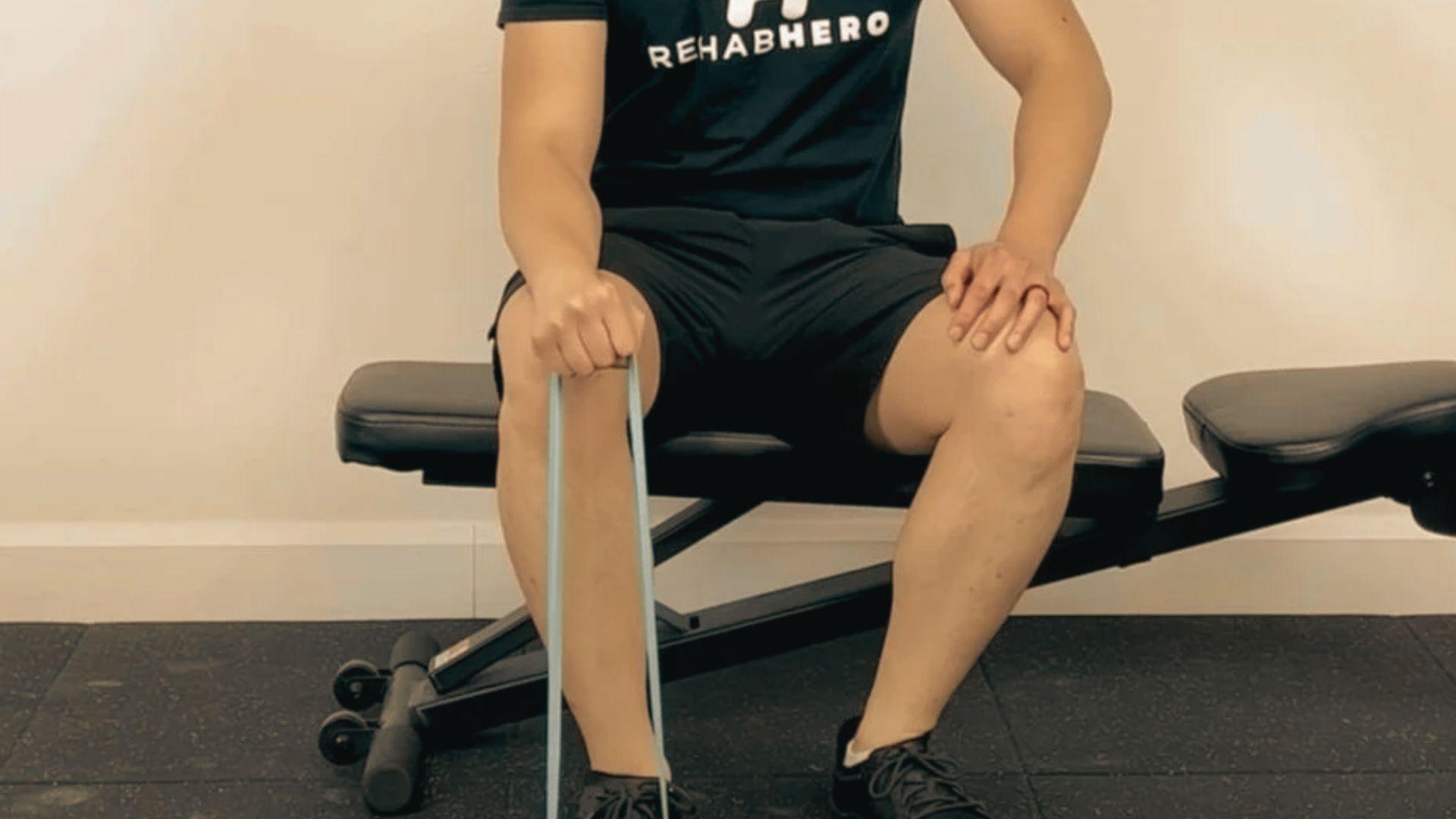
Step on one end of a resistance band and hold the other end with your palm facing down. Lift your wrist up against the band's resistance, then lower slowly.
Do 3 sets of 15 reps. This builds wrist endurance and strengthens the extensors with consistent, controlled tension.
11. Farmer's Carry

Pick up a heavy dumbbell or kettlebell in each hand. Walk in a straight line for 20 to 30 meters, keeping your grip firm and your posture upright.
This challenges your wrists and forearms at the same time under real load, building functional strength fast.
How Often Should You Train Your Wrists?
Beginners should start with 2 to 3 sessions per week, giving the joints time to recover between workouts.
Athletes and active gym-goers can go up to 4 times a week once they build a base.
Keep sessions short, around 10 to 15 minutes. If you notice soreness that does not go away, stiffness after rest, or pain during basic movements, pull back and give your wrists more recovery time.
Additional Tips to Keep Your Wrists Strong and Healthy
- Set up your desk so your wrists stay in a neutral position while typing. A wrist rest or ergonomic keyboard can make a big difference over time.
- Step away from your desk every 45 to 60 minutes and move your wrists around. Short breaks stop stiffness from building up through the day.
- Always use the right form during exercises like push-ups, planks, and lifts. Bad technique puts unnecessary stress on your wrist joints and raises injury risk.
- Stretch your wrists before and after every workout, not just on training days. Regular stretching keeps the joints mobile and the surrounding muscles loose.
- Stay consistent with your wrist care routine even when nothing hurts. Most wrist problems start small and get worse when early warning signs are ignored.
Conclusion
Strong wrists do not happen overnight. I have seen how small, consistent efforts add up faster than people expect.
Pick two or three exercises from this list and start this week. Build from there. Your joints will thank you for it.
Make wrist care a regular part of your routine, not something you only think about when pain shows up. Stay consistent, train smart, and your wrists will stay strong for the long run.
Ready to get started? Save this guide and come back to it every time you train.
Frequently Asked Questions
Can I strengthen my wrists without any equipment?
Yes, many wrist exercises need no equipment at all. Composite fists, wrist rotations, and thumb opposition drills can all be done anywhere, anytime.
How long does it take to see results from wrist exercises?
Most people notice improved grip and less stiffness within 3 to 4 weeks of consistent training. Stick with it and the results will keep building.
Are wrist exercises safe for people with arthritis?
Gentle wrist movements can actually help reduce arthritis pain and stiffness over time. Always check with your doctor first before starting any new exercise routine.
Can weak wrists cause shoulder or elbow pain?
Yes, weak wrists often shift stress up the arm to the elbow and shoulder. Strengthening your wrists can take pressure off those joints too.
How do I know if my wrist pain is serious?
If the pain is sharp, comes with swelling, or does not improve after a few days of rest, see a doctor. Do not push through pain that feels wrong.