If the regular clam shell exercise no longer feels challenging, you're not alone.
Many people reach a point where they want more glute activation and better results without adding complicated movements. That's where the right variations can help.
In this guide, you'll learn the best clam shell exercise variations for stronger glutes, including options with resistance bands, weights, and advanced progressions.
I'll cover how to perform each variation, who it is best for, and how to choose the right one for your fitness level.
My experience with glute-focused training has shown that small changes to a simple exercise can make a noticeable difference when done consistently.
If you're looking to build strength, improve hip stability, or make your workouts more effective, this article will help you find a clam shell variation that fits your goals.
What Is the Clam Shell Exercise?
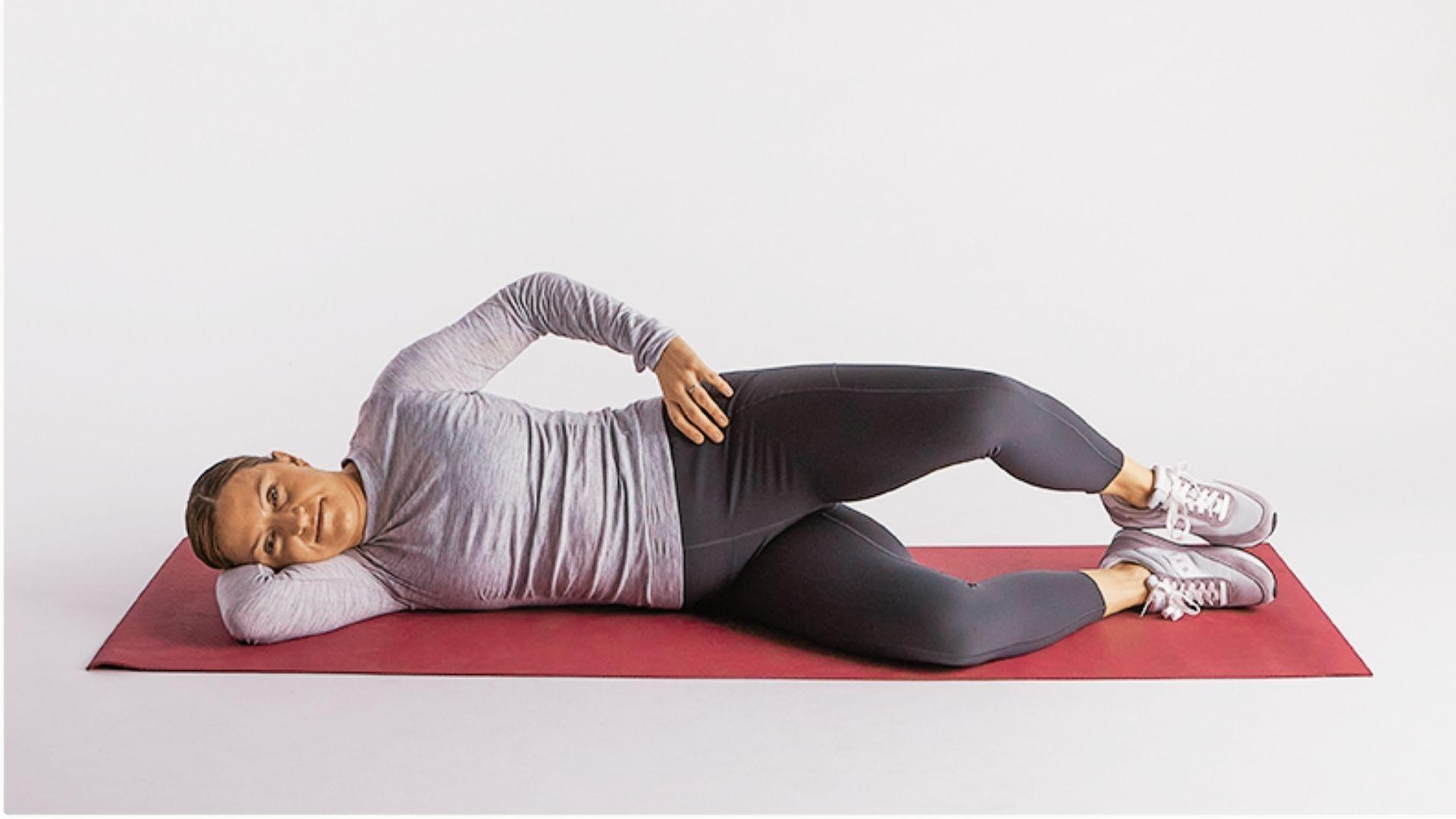
The clam shell exercise is a simple lower-body movement that targets the muscles around your hips and glutes. It is performed by lying on your side with your knees bent and feet together.
From this position, you lift your top knee while keeping your feet touching, then slowly lower it back down.
The movement looks similar to a clam opening and closing, which is how it got its name. Although it appears easy, it can be very effective when done with proper form.
Many people use this exercise as part of a warm-up, rehabilitation program, or glute-strengthening workout routine.
Why Try Clam Shell Exercise Variations?
Once you become comfortable with the standard movement, clam shell exercise variations can help you continue making progress.
Performing the same exercise repeatedly may eventually feel less challenging.
Variations introduce new movement patterns and levels of resistance that keep your muscles working harder.
They can also target the glutes from slightly different angles, helping improve overall muscle development.
If you are a beginner looking for a new challenge or an experienced exerciser wanting stronger glutes, adding variations can make your workouts more effective.
They also provide more flexibility when creating a balanced lower-body training routine.
Best Clam Shell Exercise Variations for Stronger Glutes
These clam shell exercise variations can help increase glute activation, add resistance, and keep your lower-body workouts challenging as you get stronger.
1. Resistance Band Clam Shell
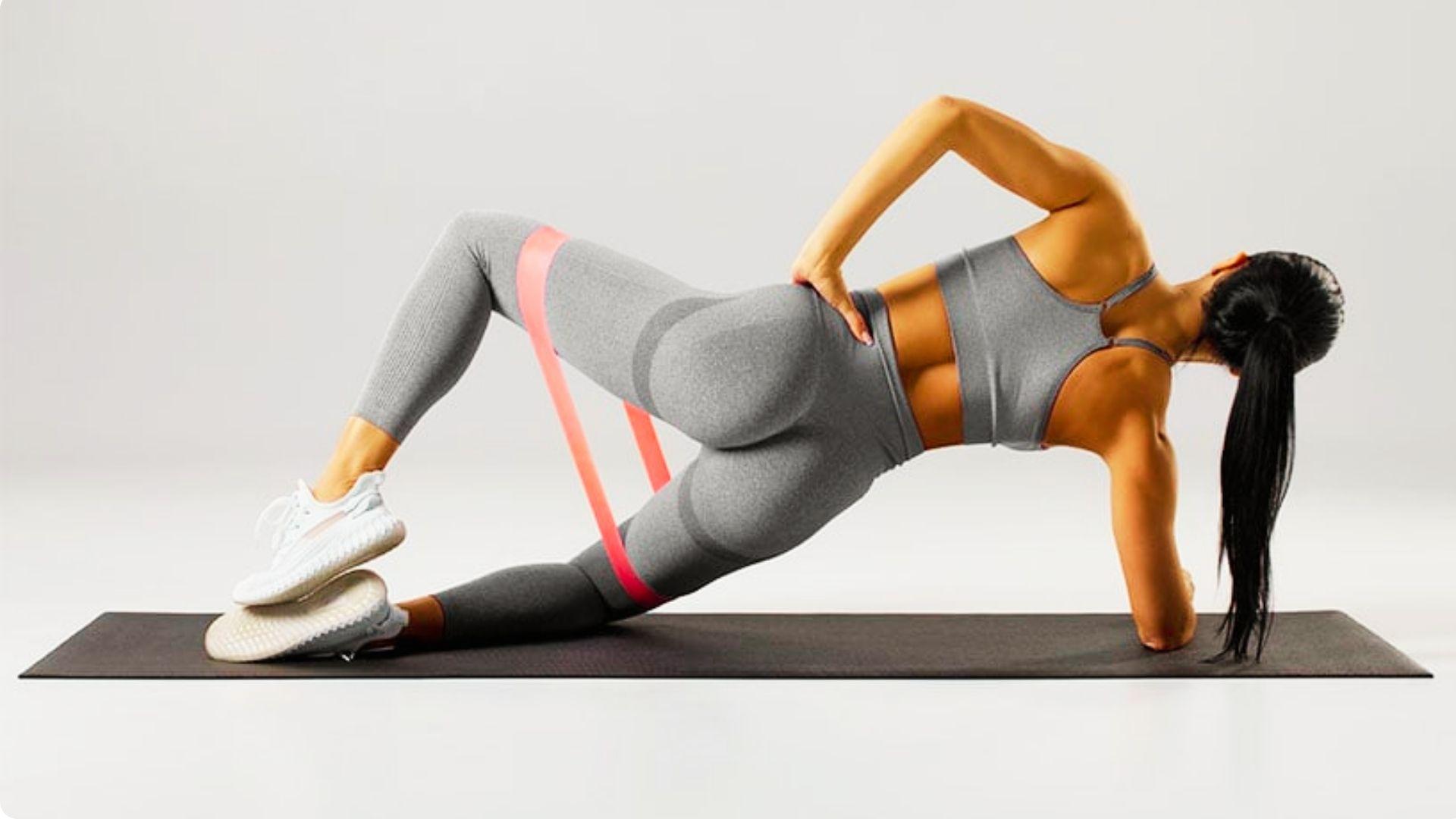
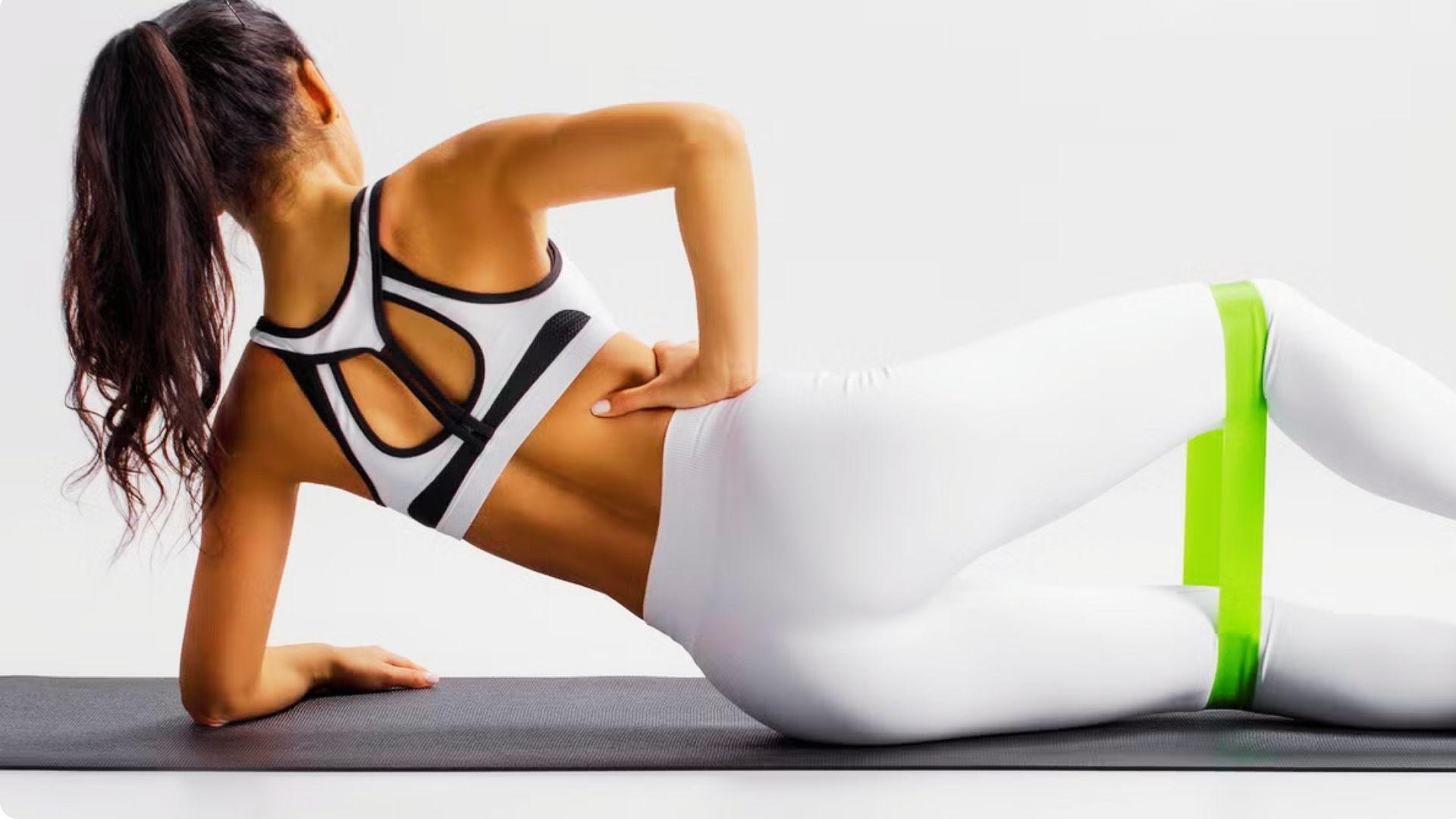
How to Do It:Place a resistance band just above your knees and lie on your side with your knees bent. Keep your feet together and lift your top knee against the band's resistance. Slowly return to the starting position and repeat.
Benefits:The band creates constant tension, making your glute muscles work harder throughout the movement. This variation is excellent for building hip strength.
Difficulty Level:Beginner to Intermediate
2. Mini Band Clam Shell Hold
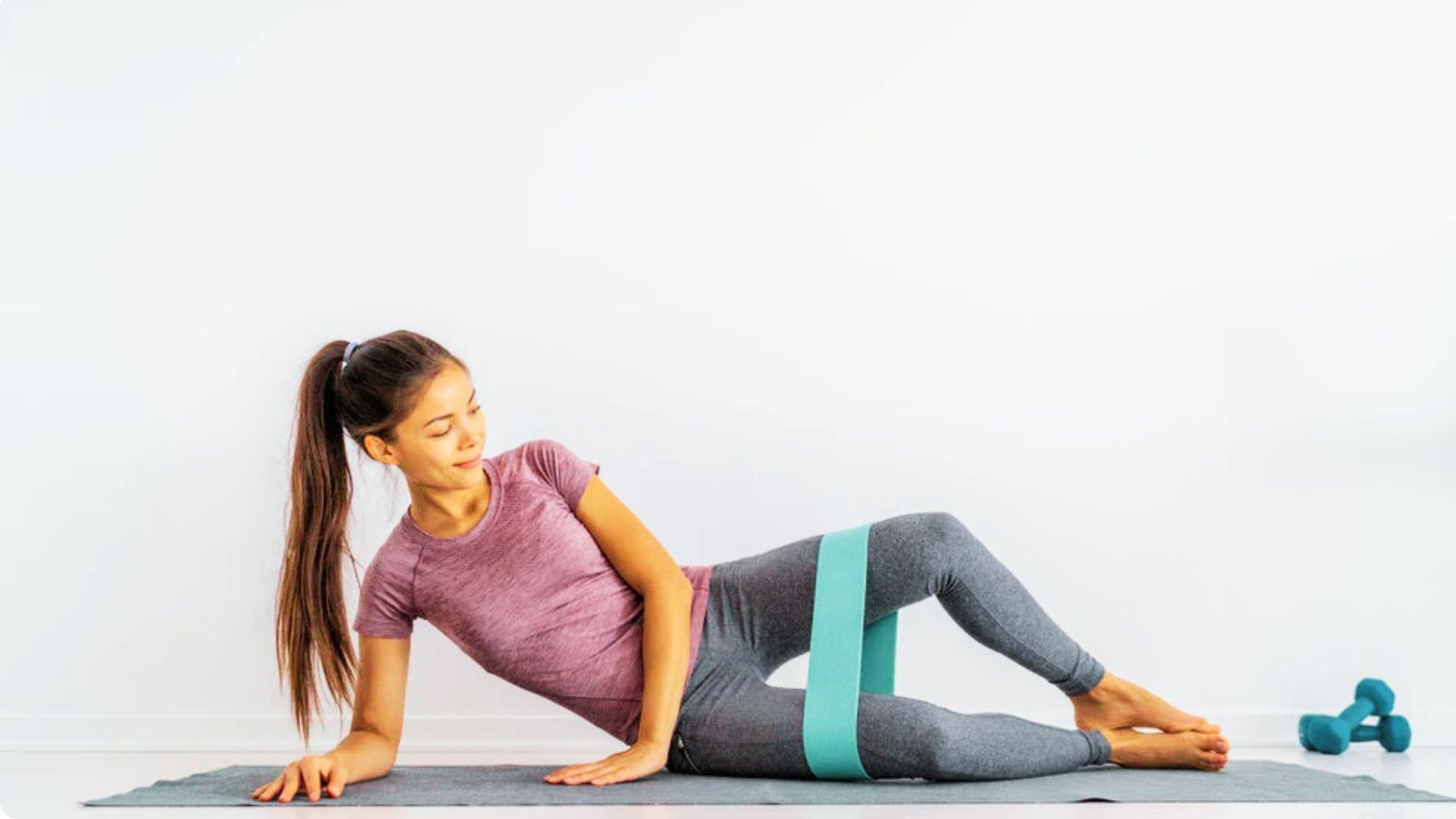
How to Do It:Place a mini band above your knees and perform a standard clam shell. Once your top knee reaches the highest position, hold it there for 10–30 seconds before lowering.
Benefits:The isometric hold keeps the muscles under tension for longer, increasing glute activation and improving muscular endurance.
Difficulty Level:Beginner to Intermediate
3. Weighted Clam Shell Exercise
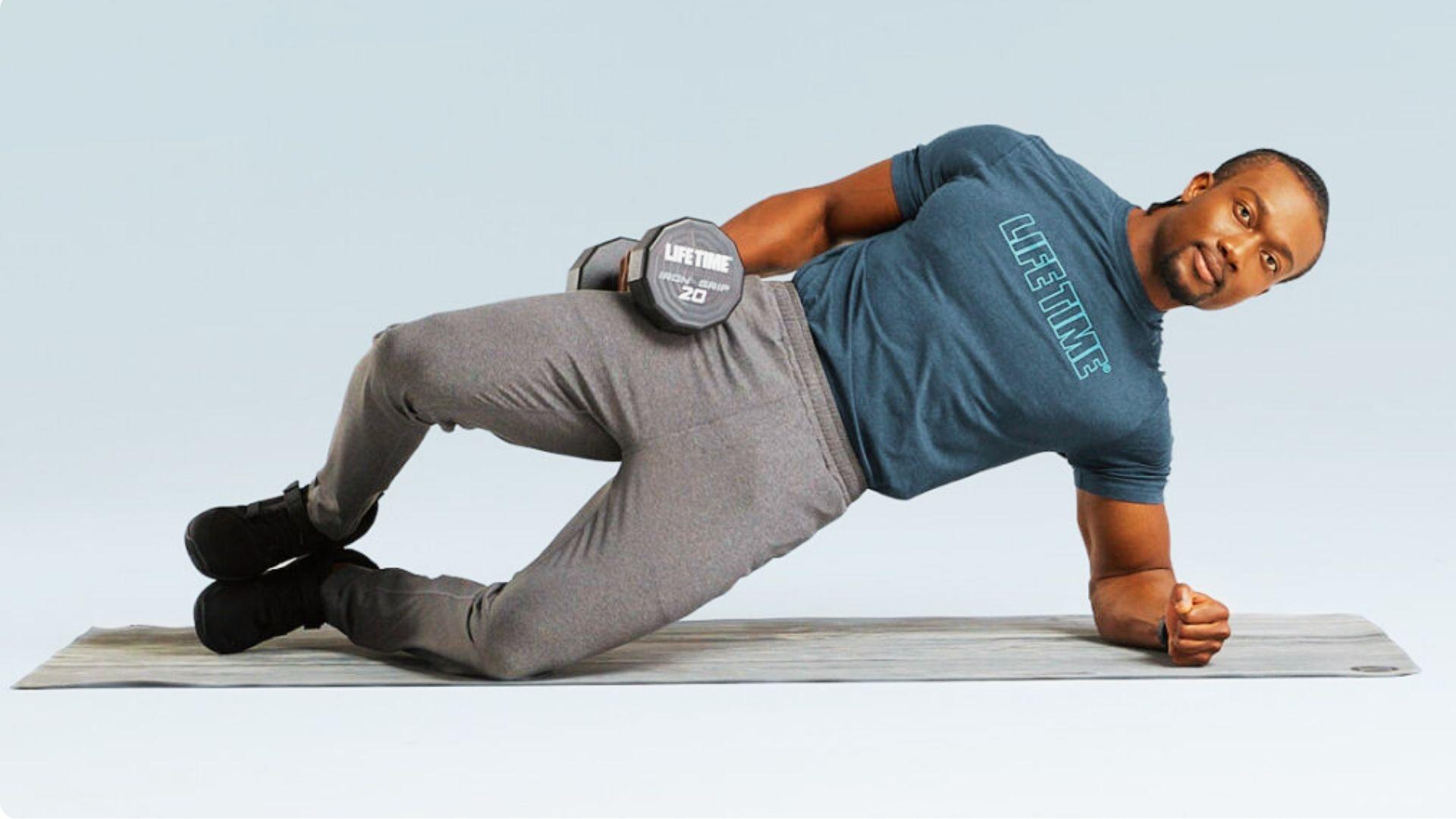
How to Do It:Lie on your side and place a light dumbbell on your upper thigh or wear ankle weights. Perform the clam shell movement slowly while maintaining control throughout each repetition.
Benefits:Additional weight increases resistance, helping develop stronger glutes and supporting progressive overload.
Difficulty Level:Intermediate
4. Elevated Feet Clam Shell
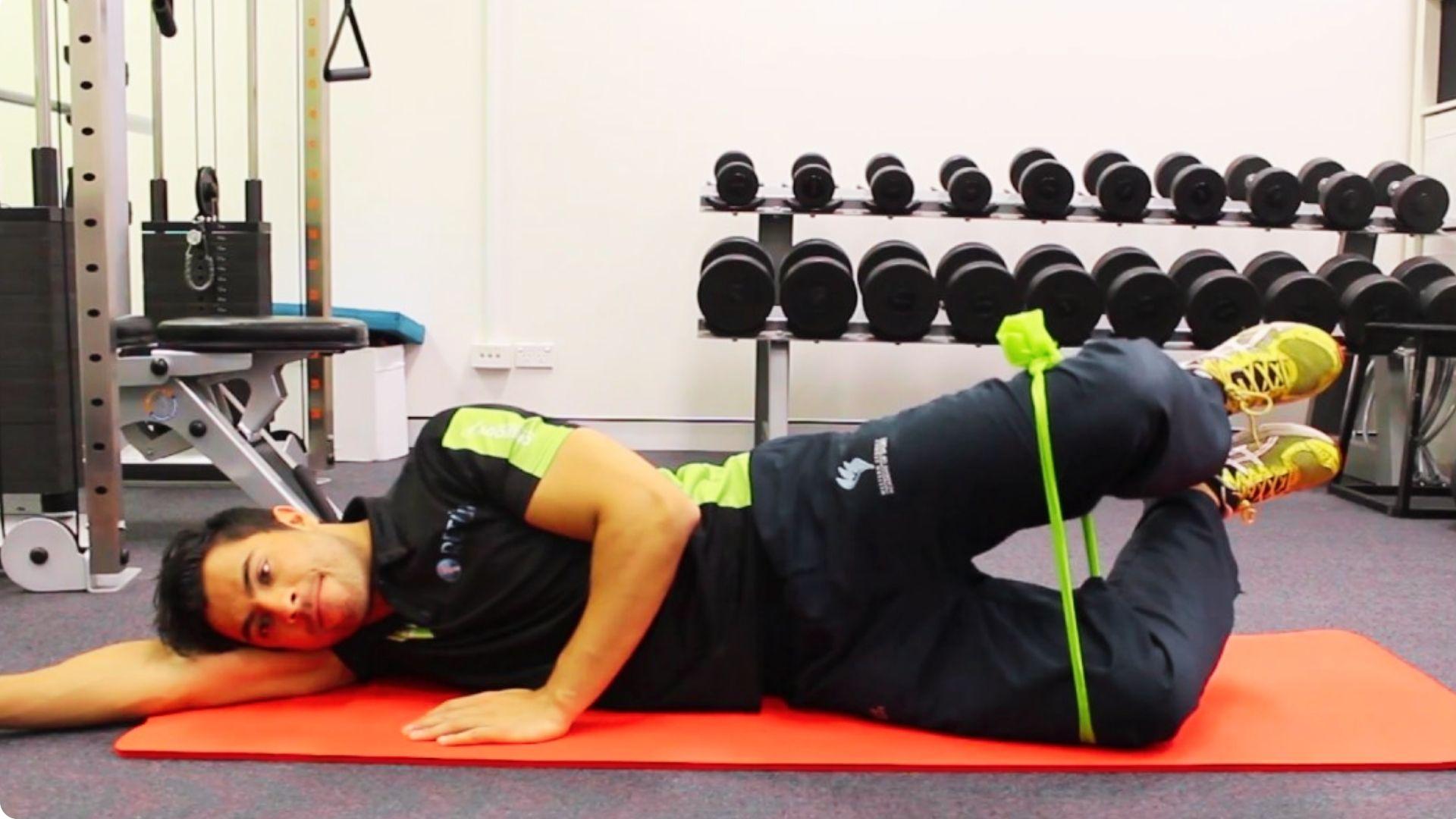
How to Do It:Lie on your side with your knees bent and place your feet on a small bench, step, or sturdy platform. Keeping your feet elevated, lift your top knee and lower it with control.
Benefits:The elevated position changes the angle of the exercise, often creating greater tension in the glute muscles and increasing the challenge.
Difficulty Level:Intermediate
5. Side Plank Clam Shell
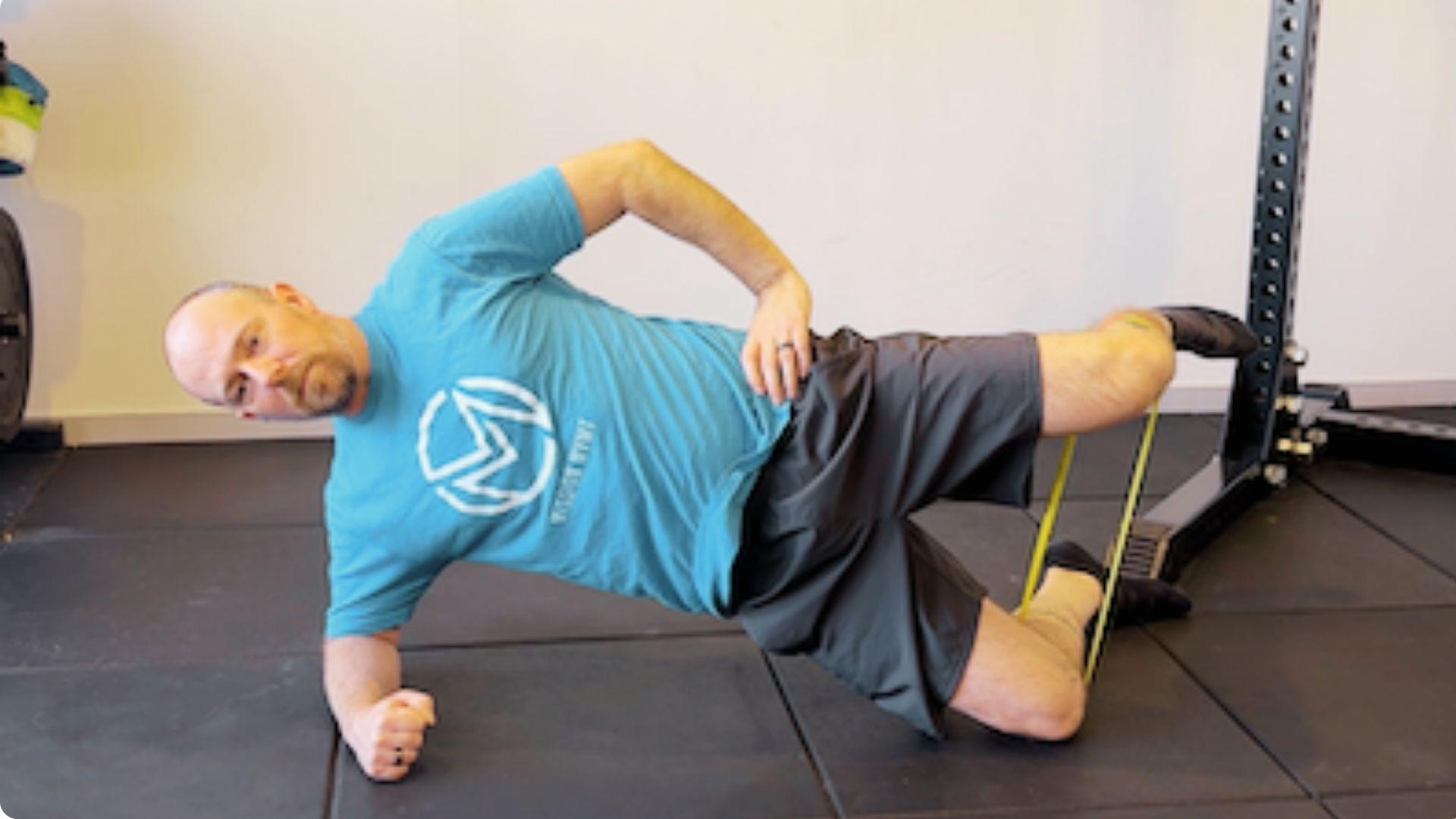
How to Do It:Begin in a side plank with your knees bent. While holding the plank position, lift your top knee into a clam shell motion and slowly return to the start.
Benefits:This variation strengthens the glutes while also challenging the core, shoulders, and hip stabilizers for a more complete workout.
Difficulty Level:Intermediate to Advanced
6. Reverse Clam Shell
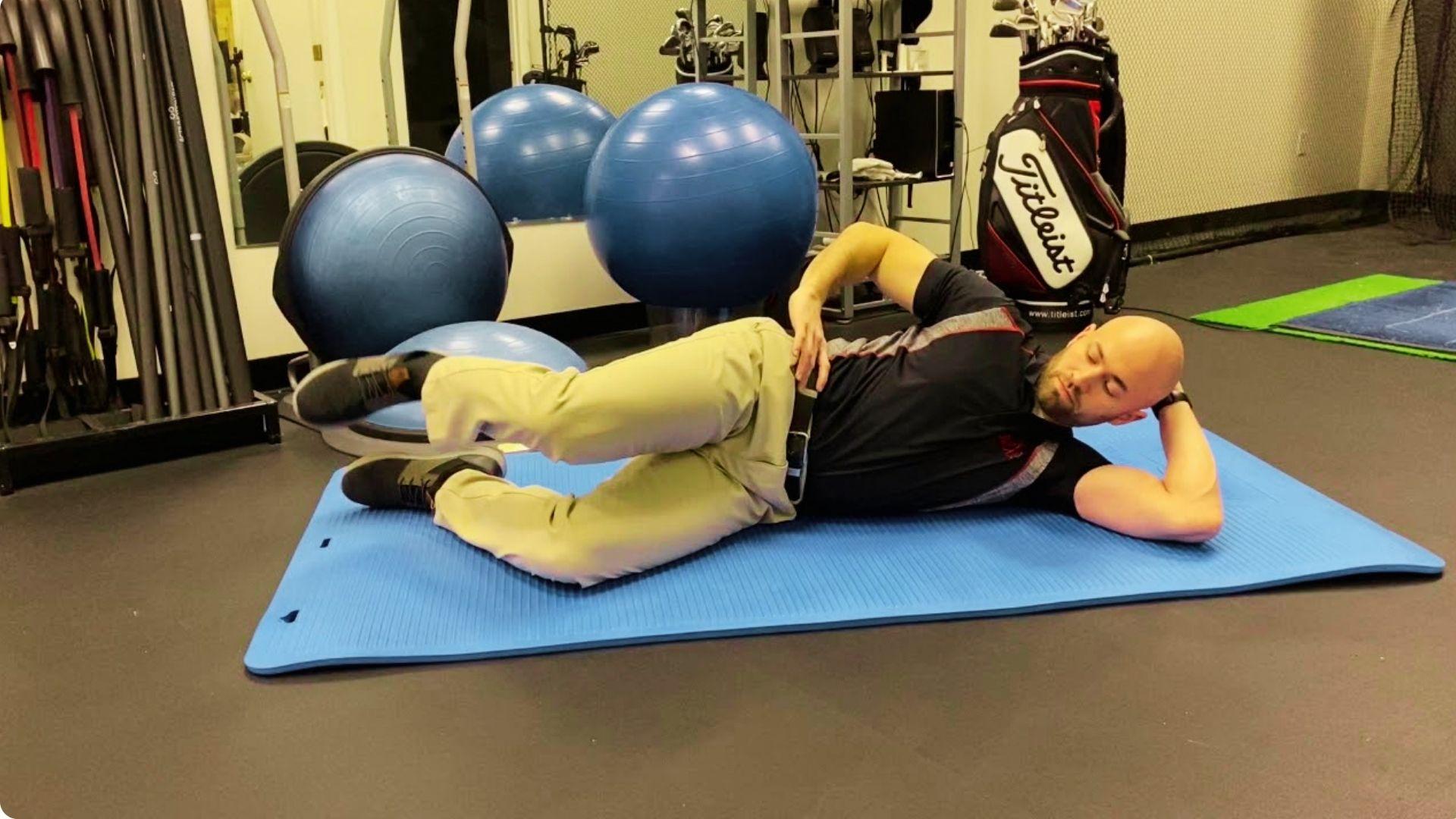
How to Do It:Lie on your side with your knees bent and together. Keep your knees touching while lifting your top foot away from the bottom foot, then slowly lower it back down.
Benefits:Unlike the traditional clam shell, this variation targets different hip muscles and can help improve hip mobility, control, and stability.
Difficulty Level:Beginner to Intermediate
7. Banded Clam Shell Pulses
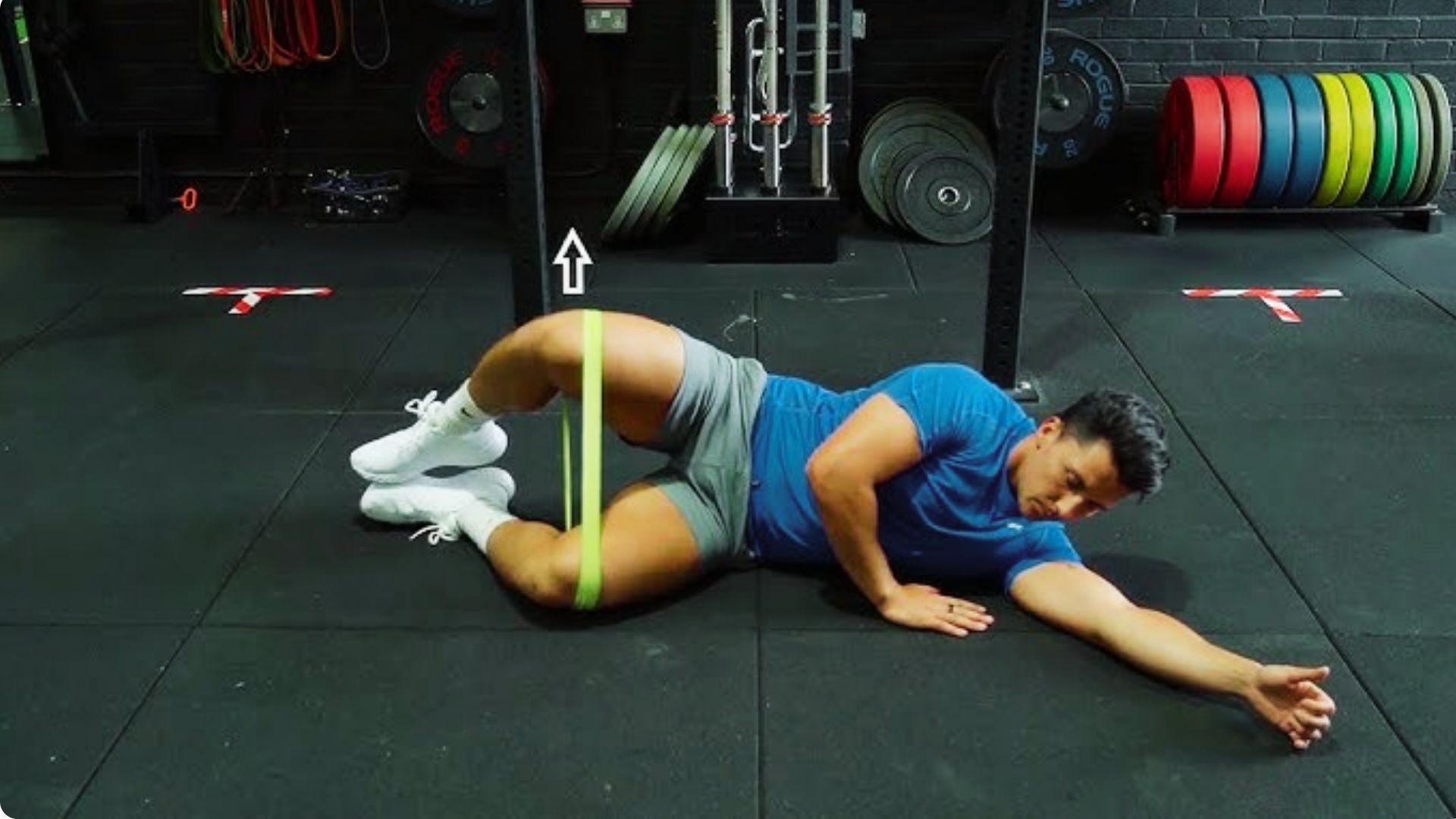
How to Do It:Place a resistance band above your knees and lift your top knee into the clam shell position. Instead of lowering completely, perform small pulse movements near the top of the range.
Benefits:The pulse technique keeps continuous tension on the glutes, making it an excellent finisher for increasing muscle fatigue and endurance.
Difficulty Level:Intermediate
8. Single-Leg Clam Shell
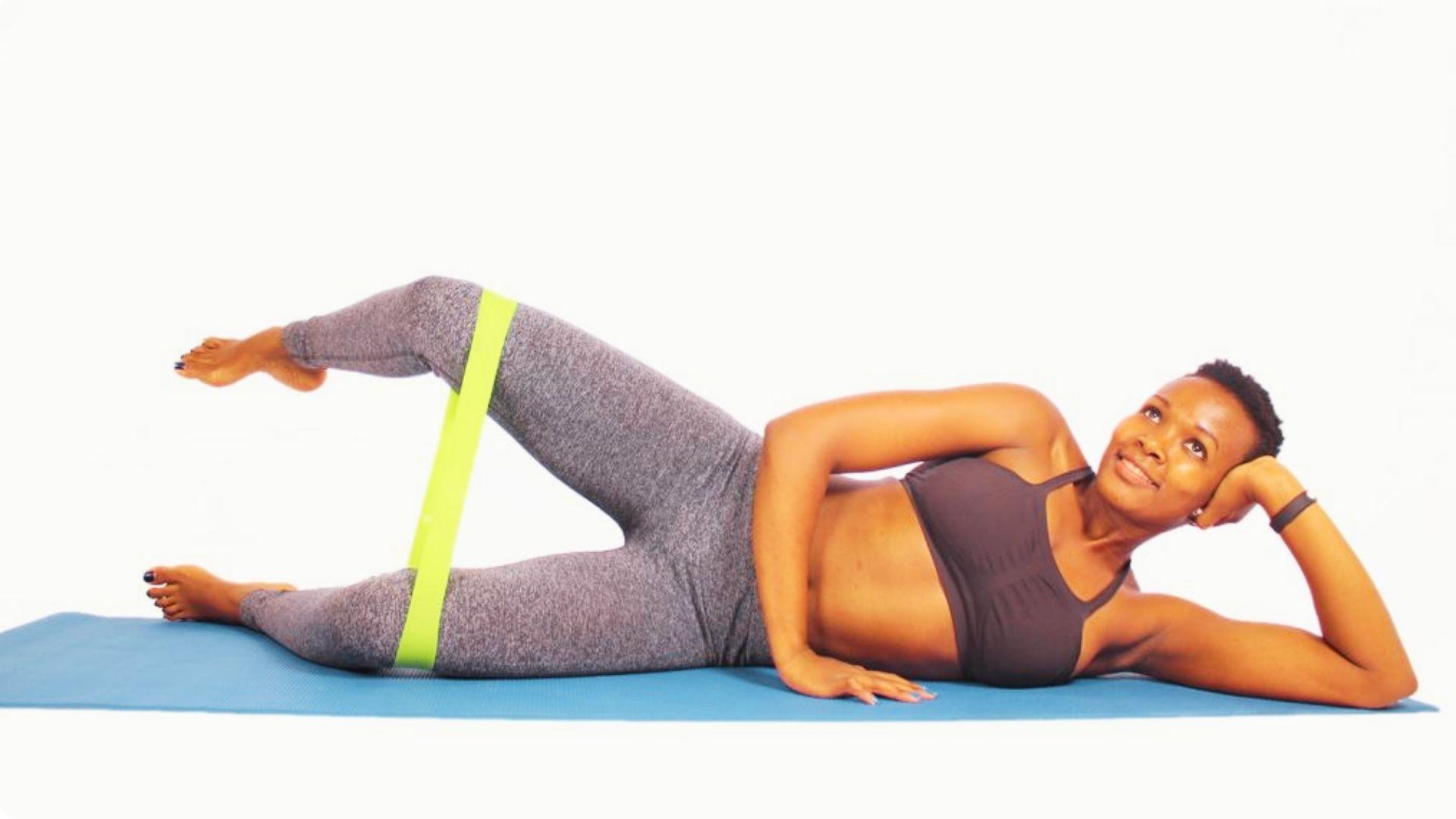
How to Do It:Perform a standard clam shell while keeping your body especially stable and controlled. Focus on isolating the working side and minimizing any movement through the hips.
Benefits:This advanced variation increases the demand on the working leg, helping improve balance, coordination, and hip stability.
Difficulty Level:Advanced
9. Stability Ball Clam Shell
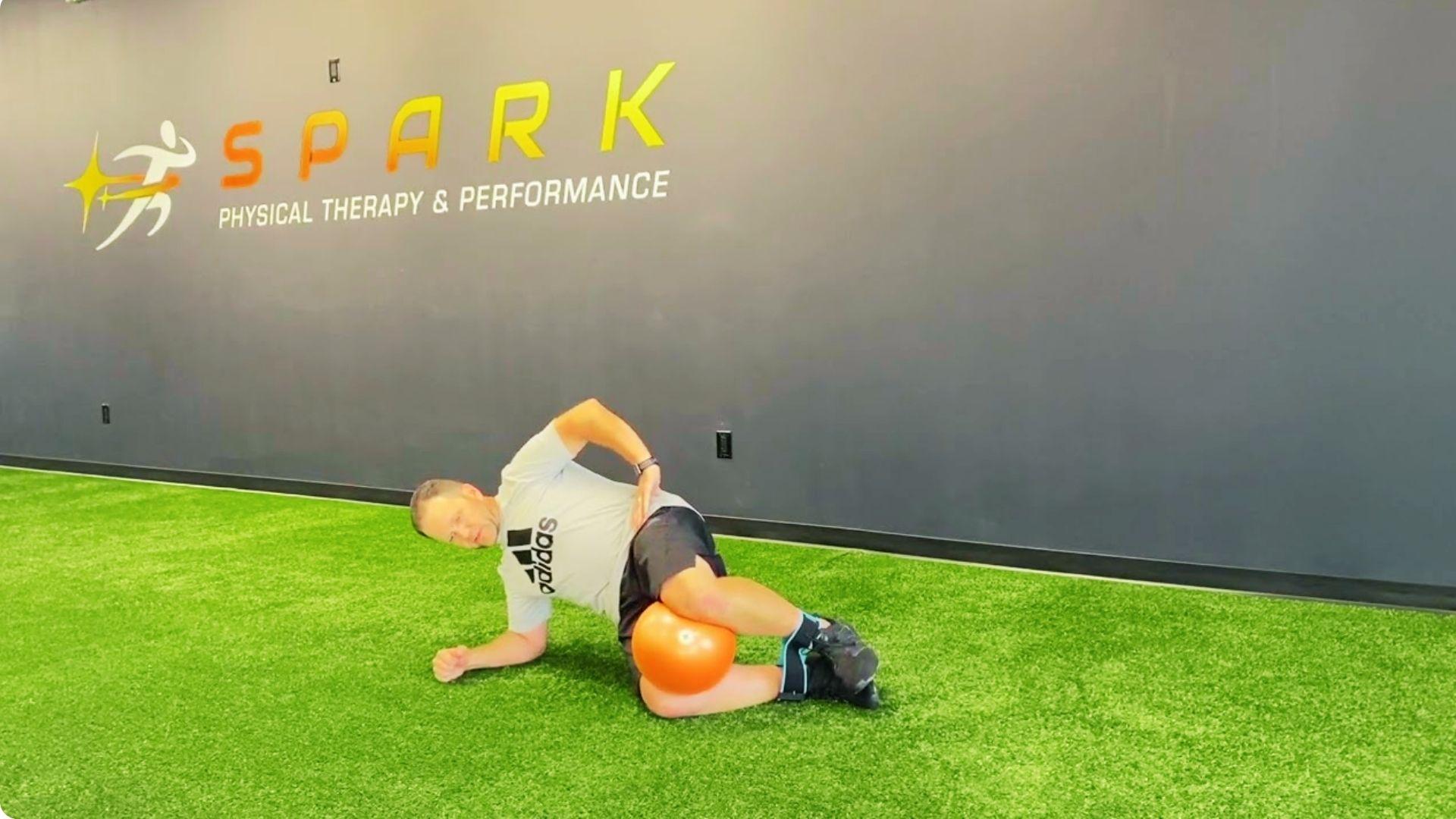
How to Do It:Position yourself on your side with part of your body supported by a stability ball. Perform the clam shell movement while maintaining balance and proper alignment.
Benefits:The unstable surface forces your core and stabilizing muscles to work harder while still targeting the glutes effectively.
Difficulty Level:Advanced
Which Clam Shell Variation Is Best for Your Fitness Level?
Choosing the right clam shell variation helps you challenge your muscles safely while matching your current strength, experience, and fitness goals.
| Fitness Level | Recommended Variations | Why They're a Good Fit |
| Beginners | Standard Clam Shell, Resistance Band Clam Shell (light band), Reverse Clam Shell | These variations focus on learning proper form, improving hip stability, and building a strong foundation without excessive resistance. They are easy to perform and suitable for most fitness levels. |
| Intermediate Exercisers | Mini Band Clam Shell Hold, Weighted Clam Shell Exercise, Elevated Feet Clam Shell, Banded Clam Shell Pulses | These options add moderate resistance and increased time under tension, helping improve glute strength, muscular endurance, and overall lower-body stability. |
| Advanced Athletes | Side Plank Clam Shell, Single-Leg Clam Shell, Stability Ball Clam Shell | These high-intensity variations require greater balance, coordination, and core engagement while placing a larger demand on the glutes and hip stabilizers. |
Common Mistakes to Avoid
Avoiding these common mistakes can help you target the right muscles, improve your form, and get better results from every clam shell exercise variation.
- Rolling the Hips Backward:This reduces glute activation and shifts the movement away from the intended muscles.
- Using Momentum:Swinging your knee up quickly may make the exercise easier, but it decreases muscle engagement.
- Lifting Too High:Raising your knee higher than your hip mobility allows can cause your pelvis to rotate.
- Choosing Too Much Resistance Too Soon:Starting with a heavy resistance band or added weight before mastering the movement can compromise form.
Conclusion
Building stronger glutes doesn't always require complicated workouts. Sometimes, a simple clam shell exercise with the right variation can make a noticeable difference.
I've always found that small adjustments, like adding a resistance band or changing the angle, help keep workouts more engaging and effective.
As you try these variations, pay attention to how your body responds and choose the ones that fit your goals.
Have a favorite variation or a tip that works for you? Leave a comment below, share this post with a workout partner, or try more glute-training guides.
Frequently Asked Questions
How often should I do the clam shell exercise?
Most people can perform the clam shell exercise 2–4 times per week. This gives your muscles enough practice while allowing time for recovery.
Can the clam shell exercise help strengthen glutes?
Yes, the exercise targets important glute muscles, especially the gluteus medius. Consistent training can improve strength and hip stability over time.
Should beginners use resistance bands for clam shell exercises?
Beginners can start without resistance and focus on proper form first. Once the movement feels comfortable, a light resistance band can add more challenge.
What is the best clam shell exercise variation for glute activation?
Resistance Band Clam Shell and Mini Band Clam Shell Hold are popular options because they keep constant tension on the glute muscles throughout the movement.
Can I include clam shell exercises in my warm-up routine?
Yes, many people use clam shell exercises before lower-body workouts. They can help activate the glutes and prepare the hips for movement.