
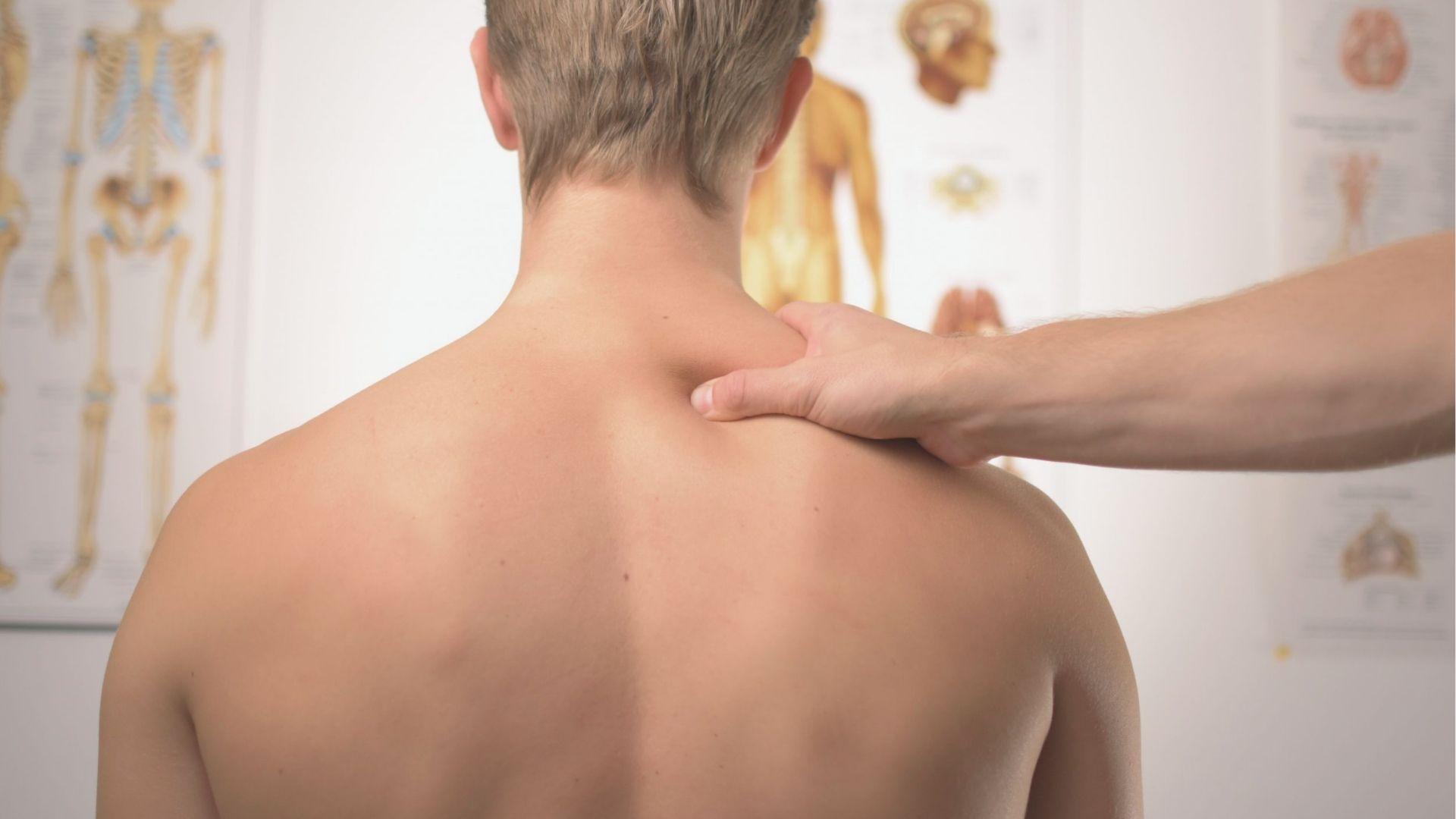
Muscle strains are painful. They slow you down and make simple tasks feel hard. I've been there, wondering how long the soreness would last and what actually helps.
This guide covers everything you need to know about muscle strain recovery. You'll learn what a strain really is, how to treat it at home, what to eat, and when to see a doctor.
We've helped many people get back on their feet faster using simple, proven steps.
Here's what we'll cover:what muscle strains are, how to recover faster, foods that support healing, safe exercises during recovery, and when to get medical help.
What Is a Muscle Strain?
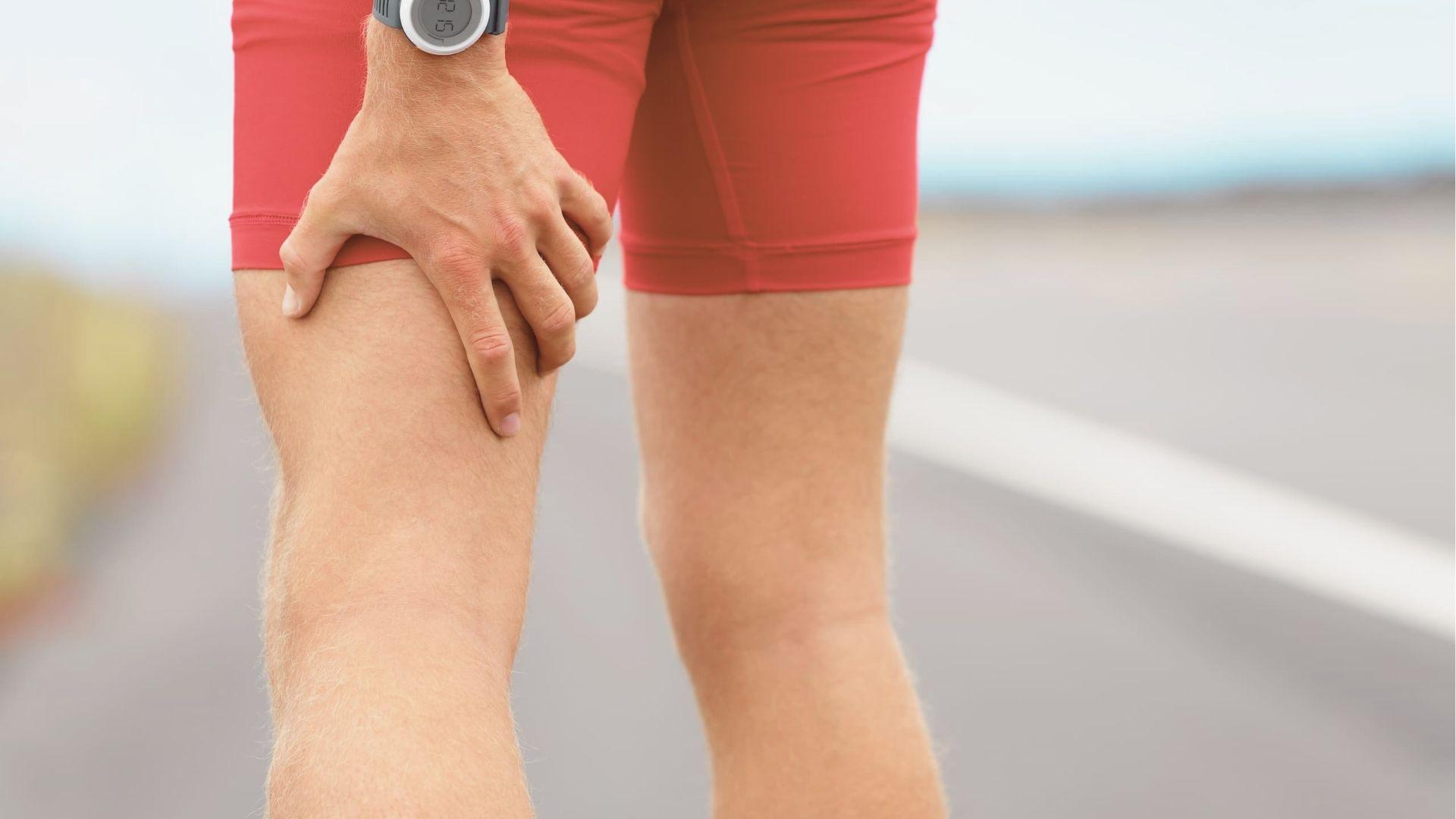
A muscle strain happens when muscle fibers get stretched too far or tear. It can happen to anyone, at any fitness level.
Strains usually occur when a muscle is pushed beyond its limits. Common causes include lifting without warming up, sudden twisting, overusing a muscle over time, or slipping and falling. The fibers get pulled or torn, which triggers pain, swelling, and stiffness.
Muscle soreness and muscle strains are not the same thing. Soreness shows up 24 to 48 hours after exercise and fades within a few days. A strain causes sharper pain, often right away, with possible swelling and limited movement.
| Feature | Muscle Soreness | Muscle Strain |
| When pain starts | 1-2 days after activity | During or right after injury |
| Pain type | Dull, achy | Sharp, localized |
| Swelling | Rare | Common |
| Recovery time | 2-4 days | Days to weeks |
Strains can happen anywhere but are most common in the hamstrings, lower back, neck, shoulders, calves, and groin. Athletes and heavy lifters face higher risk, but everyday activity can cause a strain too.
Signs and Symptoms of a Muscle Strain

Knowing the signs of a muscle strain helps you act fast and avoid making the injury worse.
Pain, Swelling, and Muscle Tightness
The first sign is usually pain. It can feel like a sharp pull or a burning sensation that gets worse when you use that muscle. Swelling may follow within a few hours.
The area can look puffy or feel warm. The muscle may also feel hard or knotted when you touch it. These are your body's ways of protecting the injured tissue.
Muscle Weakness and Limited Movement
After a strain, the muscle often feels weak. You may struggle to lift, bend, or move normally. A hamstring strain can make walking hard. A shoulder strain can make lifting your arm painful.
This weakness is temporary but pushing through it too soon makes things worse.
Symptoms of a Severe Muscle Tear
A severe tear feels very different. The pain is intense and may come with a sudden "pop." You may also notice significant bruising, visible muscle deformity, or a complete loss of function.
If any of these happen, stop all activity and see a doctor right away.
How to Speed Up Muscle Strain Recovery
These simple, research-backed steps can help your muscle heal faster and reduce pain along the way.
Start With the RICE Method
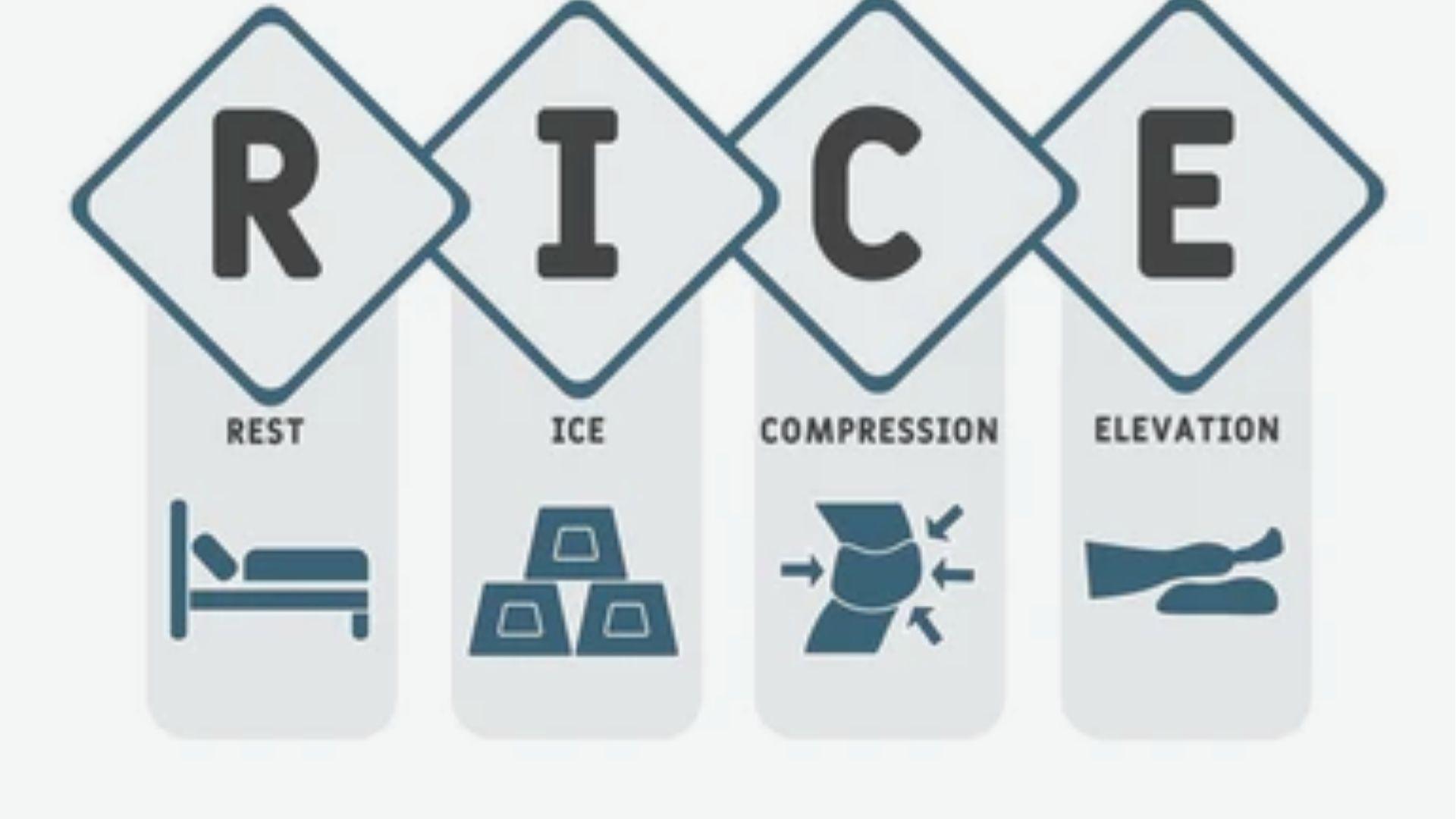
RICE stands for Rest, Ice, Compression, and Elevation. Start this as soon as the injury happens.
Rest the area, apply ice for 15 to 20 minutes every few hours during the first 48 hours, wrap it with a bandage, and raise it above heart level when possible.
This reduces pain and controls swelling early on.
Rest the Muscle Without Staying Completely Inactive
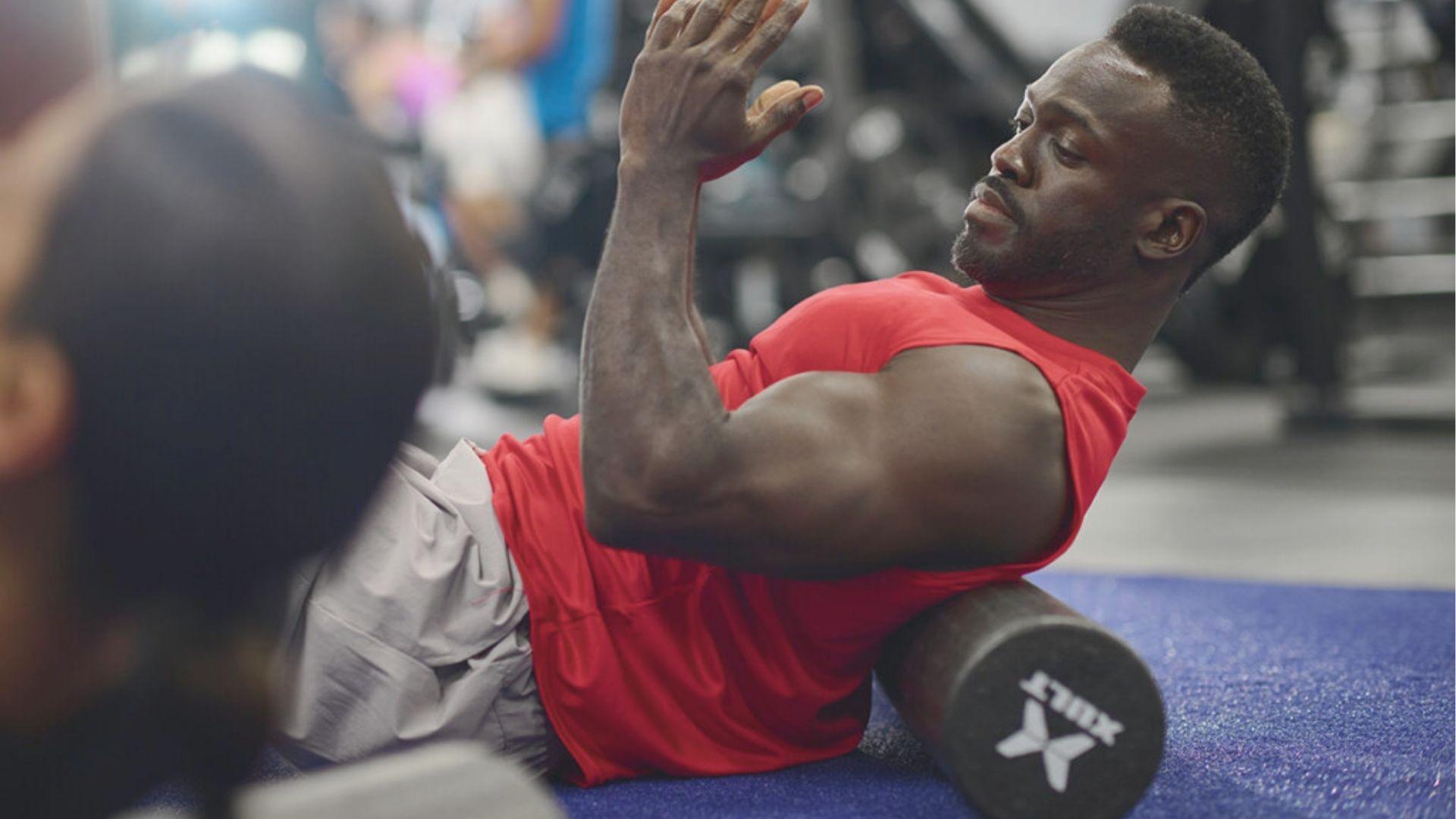
Rest matters, but total bed rest slows healing. Muscles need gentle movement to bring blood flow, oxygen, and nutrients to the area.
The goal is active rest. Avoid what caused the injury but stay gently mobile. Take short walks and keep circulation going.
Use Ice and Heat at the Right Time

Use ice for the first 48 to 72 hours to reduce swelling and numb pain. Always wrap it in a cloth before applying. Once swelling goes down, switch to heat.
A warm towel or heating pad relaxes tight muscles and improves blood flow. When in doubt, ice first.
Try Gentle Stretching and Mobility Work

Wait until sharp pain fades before stretching. Then begin slow, controlled movements within a pain-free range.
Gentle range-of-motion work reduces stiffness, improves blood flow, and helps prevent scar tissue buildup. Never force a stretch. If it hurts, stop.
Add Light Isometric Exercises

Isometric exercises contract the muscle without moving the joint. Try pressing your hand against a wall, squeezing your thigh while seated, or holding a light core contraction.
These maintain strength and boost blood flow without stressing the damaged tissue. Start light and build slowly.
Improve Sleep Quality for Faster Healing

Deep sleep is when growth hormone is released and tissue repairs itself. Poor sleep slows everything down.
Stick to a regular sleep schedule, keep your room cool and dark, and avoid screens before bed. Support the injured area with a pillow if needed.
Stay Hydrated Throughout Recovery

Every cell in your body needs water to function, including the ones repairing your muscle. Dehydration makes muscles stiffer and increases pain. Aim for at least 8 glasses of water a day.
Eat hydrating foods like cucumbers and watermelon. Avoid alcohol. It dehydrates the body and raises inflammation.
Increase Protein Intake to Support Muscle Repair

Protein rebuilds damaged muscle fibers. Include a protein source at every meal. Good options are eggs, chicken, salmon, Greek yogurt, lentils, and nuts.
You don't need protein shakes if your diet is balanced. Focus on whole foods spread throughout the day.
Use Pain Relievers Safely

NSAIDs like ibuprofen reduce both pain and inflammation. Acetaminophen helps with pain but not inflammation. Do not use either for more than a few days without medical advice.
Never use them to push through more activity than your body can handle. Pain relief should support recovery, not hide it.
Best Foods for Faster Muscle Recovery
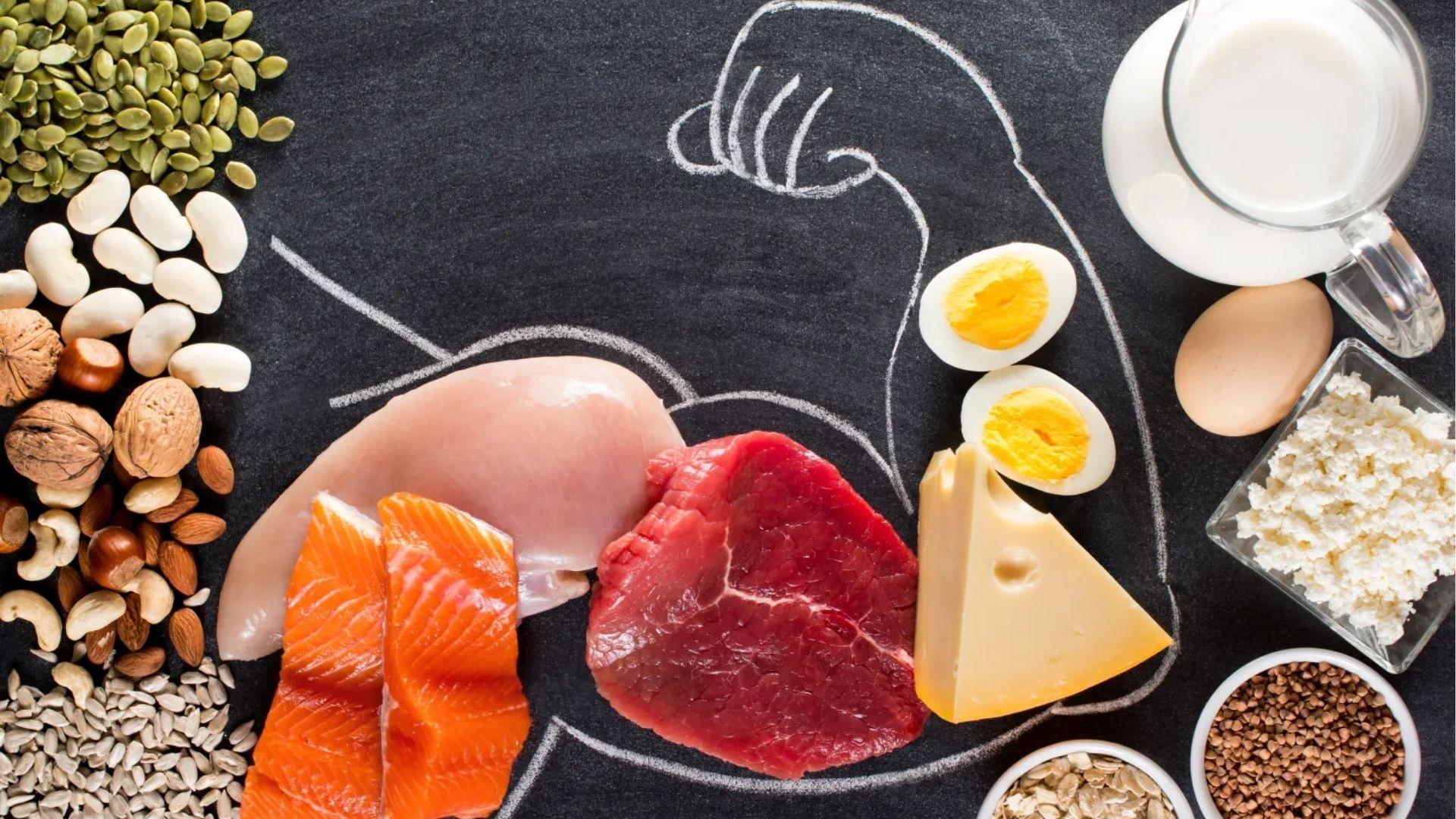
What you eat directly affects how fast your muscle heals. The right foods give your body what it needs to repair.
High-Protein Foods for Muscle Repair
Protein is what your body uses to rebuild torn muscle fibers. Top choices include eggs, chicken breast, salmon, Greek yogurt, and legumes.
Try to include protein at every meal and spread your intake throughout the day for the best results.
Anti-Inflammatory Foods That May Help
Too much inflammation slows recovery and raises pain levels. Foods like berries, turmeric, ginger, leafy greens, and olive oil can help calm it down.
These work best as part of a consistent, balanced diet. No single food will do the job alone.
Nutrients Important for Tissue Healing
Getting the right nutrients daily is one of the simplest things you can do to help your body heal faster.
| Nutrient | Why It Helps | Food Sources |
| Vitamin C | Supports collagen production | Citrus, bell peppers, kiwi |
| Zinc | Speeds tissue repair | Pumpkin seeds, beef, lentils |
| Magnesium | Relaxes muscle tension | Almonds, dark chocolate, bananas |
| Omega-3s | Reduces inflammation | Salmon, flaxseeds, walnuts |
If your diet is limited, a basic multivitamin can help fill gaps. But whole foods always come first.
What Slows Down Muscle Strain Recovery?
Some habits quietly delay healing. Knowing what to avoid matters just as much as knowing what to do.
Returning to Exercise Too Early

The pain fades and you feel ready, but the muscle may not be fully healed inside. Going back too soon can re-tear the muscle and turn a short recovery into a long one.
Return to activity gradually and test the muscle gently before full workouts.
Ignoring Pain Signals

Pain is a warning. Mild discomfort during gentle movement can be okay, but sharp or increasing pain is a clear signal to stop.
If an activity makes the pain worse, it is doing more harm than good. Back off and give the muscle more time.
Overstretching an Injured Muscle

Overstretching pulls at healing fibers. Watch for sharp pain during the stretch, lingering pain after, or increased swelling the next day.
These are signs you went too far. Stay within a comfortable range. Tension is okay. Pain is not.
Poor Sleep and Dehydration

Both slow your body's repair process. Poor sleep lowers growth hormone and increases pain sensitivity. Dehydration stiffens muscles and leads to cramping.
Fix these two things and your recovery speeds up. They cost nothing and are fully in your control.
Muscle Strain Recovery Timeline

Recovery time depends on how severe the strain is. Here's a general guide to set realistic expectations.
Mild Muscle Strain Recovery Time
Recovery time:1 to 2 weeks.
A mild strain affects only a few muscle fibers. Pain is manageable and movement is mostly intact. With proper rest, ice, and gentle activity, most people return to full movement within two weeks.
Moderate Muscle Strain Recovery Time
Recovery time:3 to 6 weeks.
A moderate strain causes more damage. Swelling, bruising, and limited movement are common. Follow the RICE method, avoid heavy activity, and reintroduce movement slowly. Physical therapy can speed things up.
Severe Muscle Tear Recovery Expectations
Recovery time:3 to 6 months or longer.
A severe tear may involve surgery and will require physical therapy. Do not manage this at home. See a doctor for a proper diagnosis and treatment plan.
Safe Exercises During Recovery

Moving correctly during recovery helps the muscle heal without setting it back. Start slow and build up with care.
Beginner Mobility Movements
Gentle mobility work keeps joints and muscles moving without stressing the injury. Try ankle circles, shoulder rolls, slow hip circles, or seated leg swings depending on where the strain is.
Move slowly, stay pain-free, and aim for 2 to 3 sessions a day.
Gentle Stretches for Tight Muscles
Once early soreness fades, stretching helps restore flexibility. Hold each stretch for 20 to 30 seconds. Breathe steadily. Never bounce. Stop if you feel sharp pain.
Also stretch the muscles around the injury since they often tighten up when you guard a sore area.
When to Resume Strength Training
Start strength training only when rest pain is gone, swelling has cleared, and you can move through a full range without sharp pain.
Begin with body weight movements and very light resistance. Increase the load over weeks, not days. Rushing this stage is how re-injuries happen.
When to See a Doctor for a Muscle Strain
Most strains heal at home with rest and basic care. But some signs mean you need professional help.
See a doctor if you notice severe or spreading bruising, swelling that gets worse after 48 hours, or a "pop" sound at the moment of injury. These can point to a complete muscle tear or ligament damage.
Also seek help if your pain does not improve after a week, if you lose normal function, or if you feel numbness, tingling, or burning near the injury. These symptoms may involve nerve damage that home care cannot fix.
When in doubt, get it checked. Catching a serious injury early saves a lot of time and pain later.
Tips to Prevent Future Muscle Strains
Small habits done consistently can protect your muscles and keep injuries from coming back.
- Always warm up before any physical activity. Spend at least 5 to 10 minutes doing light cardio and dynamic movements like leg swings or arm circles to prepare cold, stiff muscles before exercise.
- Work on flexibility and muscle strength regularly. Stretch after every workout and add resistance training 2 to 3 times a week to keep your muscles both mobile and strong.
- Avoid pushing your body too hard too fast. Signs like ongoing fatigue, poor performance, and soreness that never goes away are clear signals that your body needs more time to recover.
- Always use proper form during exercise. Poor technique puts unnecessary stress on muscles and is one of the most common causes of strains, so consider working with a trainer if you are unsure about your form.
- Give your muscles enough time to rest between sessions. Wait at least 48 hours before training the same muscle group again, take one full rest day each week, and aim for 7 to 9 hours of sleep every night.
Conclusion
Muscle strain recovery takes patience. I know how frustrating it feels when you just want to get back to your normal routine. But rushing the process almost always makes things worse.
From my own experience, the biggest game changer was learning to rest the right way, eat better, and actually sleep enough. Small changes make a real difference.
You got this. Take it one day at a time. If this guide helped you, drop a comment below or share it with someone dealing with a strain right now.
Frequently Asked Questions
How long does a typical muscle strain take to heal?
Mild strains heal in 1 to 2 weeks with proper rest. Severe strains can take several months depending on how bad the damage is.
Can I exercise with a muscle strain?
Light movement is fine and actually helps recovery. Stop any activity that causes sharp or worsening pain.
Should I use ice or heat on a muscle strain?
Use ice for the first 48 to 72 hours to control swelling. Switch to heat once the swelling is gone to loosen tight muscles.
Does massage help with muscle strain recovery?
Gentle massage around the area can improve blood flow and reduce stiffness. Avoid direct deep pressure on the injured muscle in the early days.
What foods speed up muscle recovery the most?
High-protein foods like eggs, chicken, and Greek yogurt help repair muscle tissue. Anti-inflammatory foods like berries and ginger can also reduce pain and support healing.


