

A lot of people want to lose weight but are scared of looking bulky. I get it. The good news is, you do not have to choose between the two.
Losing fat while staying lean comes down to one thing. The right approach.
No heavy lifting. No extreme dieting. Just smart, simple moves that work with your body, not against it.
In this guide, I will walk you through everything. From the best workouts to what to eat and how much cardio you actually need.
How to Lose Weight Without Gaining Muscle (Full Guide)
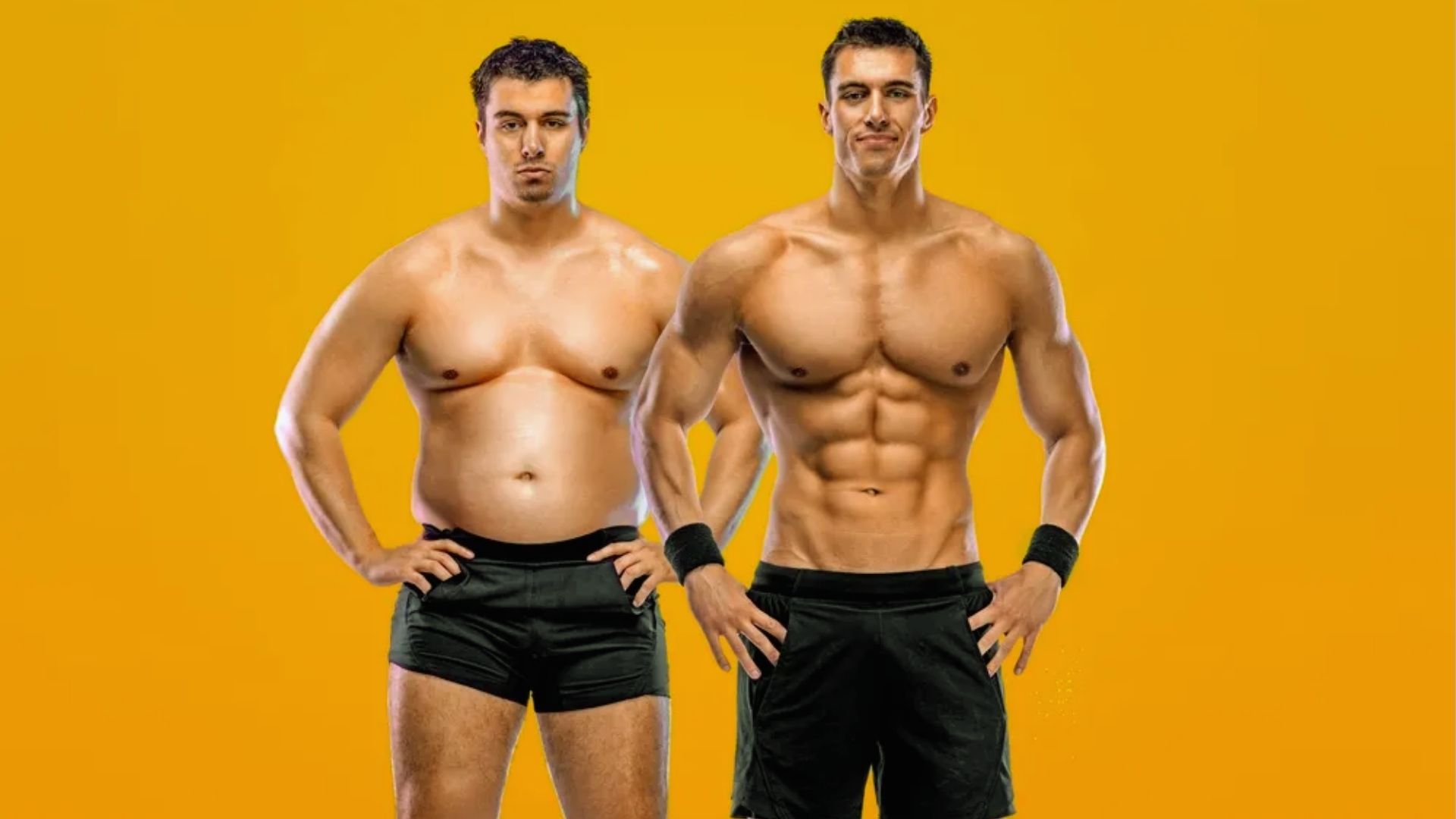
Losing weight without bulking means dropping body fat while keeping your frame lean and light. It is not about avoiding the gym. It is about choosing the right kind of movement.
Some workouts, like heavy lifting, push your body to build muscle. That adds weight even if you look slimmer.
The fix? Align your routine with your goal. Think low-intensity cardio, calorie control, and less resistance training.
Can You Lose Weight Without Gaining Muscle?
Yes, you can lose weight without getting bulky. You just need the right routine and a clear goal in mind.
Understanding Fat Loss vs Muscle Gain
Your body burns fat when it uses more calories than it takes in. It pulls stored fat for energy and slowly reduces body mass.
Muscle gain happens when you do resistance training and eat enough protein. Heavy lifting and strength circuits signal your body to build muscle tissue.
The Truth About “Bulking Up”
Most people fear they will get bulky the moment they start working out. That is mostly a myth.
Bulking takes heavy weights, serious effort, and a calorie surplus. It does not happen by accident.
Beginners may gain a little muscle early on. This is called newbie gains and fades quickly. Genetics and hormones also play a role. Men build muscle faster due to higher testosterone. Women are far less likely to bulk up naturally.
Key Strategy: Create a Moderate Calorie Deficit
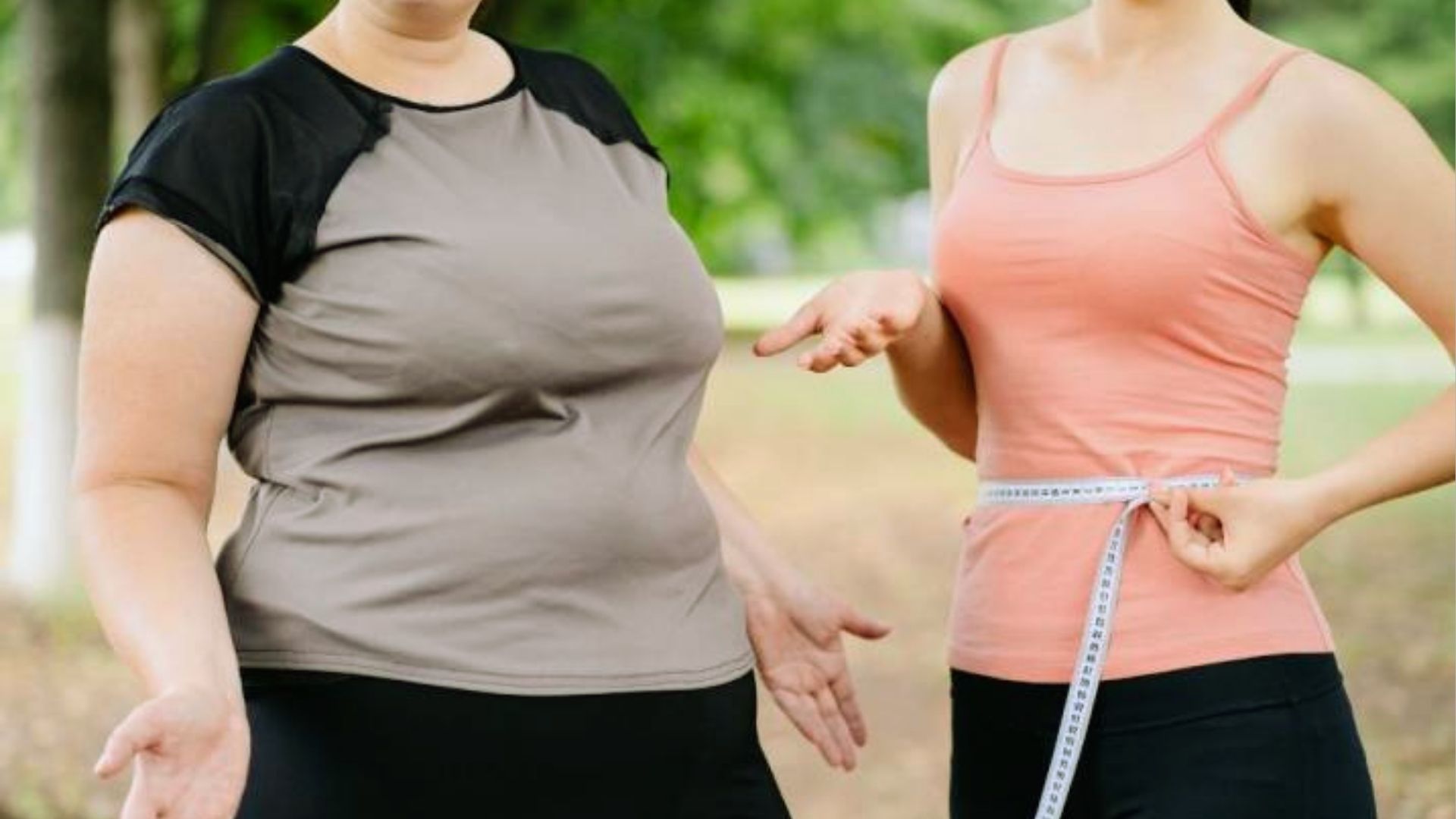
A calorie deficit is the foundation of fat loss. Eat less than you burn and your body starts using stored fat for energy.
Ideal Calorie Deficit for Fat Loss
A deficit of 300 to 500 calories a day gives steady, sustainable results. It is enough to burn fat without stressing your body.
Extreme dieting backfires. Eating too little slows your metabolism and causes muscle loss. Your body goes into survival mode and holds onto fat instead.
How Fast Should You Lose Weight?
A safe rate is 0.5 to 1 kg per week. Losing faster than this often means losing muscle, not just fat.
Going too slow can stall progress and kill motivation. Staying in that middle range keeps fat loss on track without pushing your body to build or break down muscle.
Best Workouts to Lose Weight Without Bulking
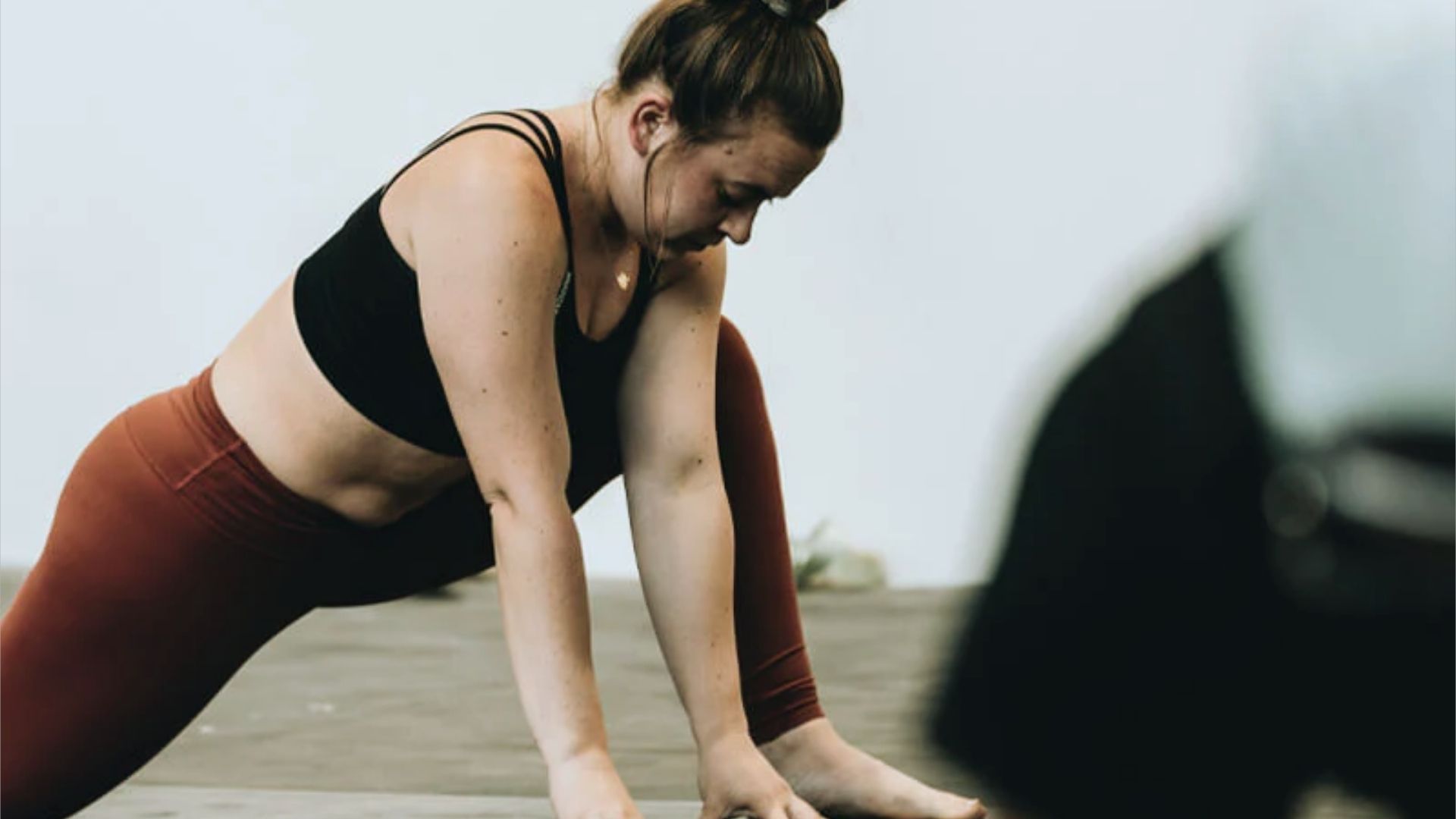
Not all workouts are built the same. The right ones burn fat without triggering muscle growth.
Low-Impact Cardio for Fat Loss
Walking, cycling, and swimming are great options. They burn calories without putting too much stress on your muscles.
Steady-state cardio keeps your heart rate at a moderate level for a longer time. This is ideal for fat burning. It does not push your body to build muscle mass.
Moderate HIIT Without Heavy Resistance
Short bursts of cardio, like sprints or jumping jacks, can burn a lot of calories fast. The key is keeping the resistance low.
Skip the weighted HIIT circuits. Bodyweight moves work just fine. They spike your heart rate, burn fat, and avoid muscle overload.
Pilates and Yoga for Lean Toning
Pilates and yoga do not bulk you up. They work on control, flexibility, and posture instead.
These workouts strengthen your core and lengthen your muscles. The result is a leaner, more toned look without added size. Great for anyone who wants to stay light and flexible while still staying active.
Exercises to Avoid If You Don’t Want to Gain Muscle

Some exercises work against your goal. If staying lean is the priority, these are the ones to skip or limit.
Heavy Weightlifting and Progressive Overload
Lifting heavy weights puts a lot of stress on your muscles. Your body responds by making them bigger and stronger.
Progressive overload means adding more weight or reps over time. This is great for building muscle but not ideal if you want to stay lean. The heavier you go, the more your body shifts into muscle-building mode.
High-Volume Resistance Training
Doing too many sets and reps with resistance also triggers muscle growth. This is called hypertrophy.
Training to failure, where you push until you physically cannot do another rep, sends a strong signal to your body to build more muscle. Over time, this adds size. If your goal is fat loss without bulk, high-volume resistance work is best kept to a minimum.
How to Adjust Strength Training (If You Still Want It)
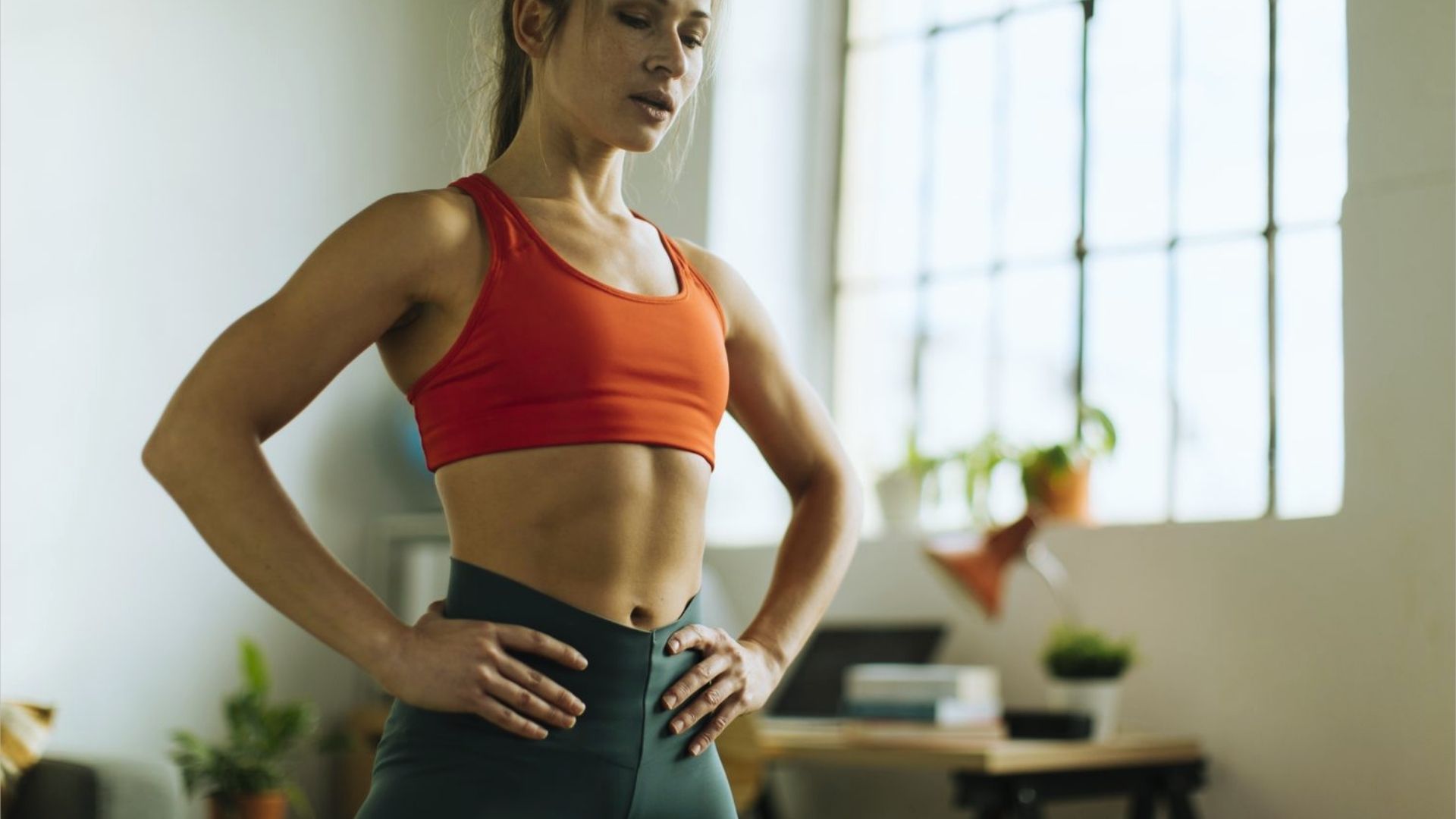
Strength training is not off-limits. You just need to tweak how you do it.
Stick to 15 to 20 reps with lighter weights. This builds endurance, not size. It keeps your muscles active without triggering growth.
Keep the weight the same over time. Do not increase it. The goal is to maintain what you have, not add more muscle to your frame.
Nutrition Tips to Lose Fat Without Gaining Muscle
- Eat whole foods, fruits, vegetables, and grains. They fuel your body without adding excess calories.
- Keep protein intake moderate. Too much protein combined with training pushes your body to build muscle.
- Cut back on processed foods and sugar. Clean eating supports fat loss and keeps your weight in check.
- Watch your portion sizes every day. Small, steady changes to your diet add up to real results over time.
Cardio Strategy for Lean Weight Loss
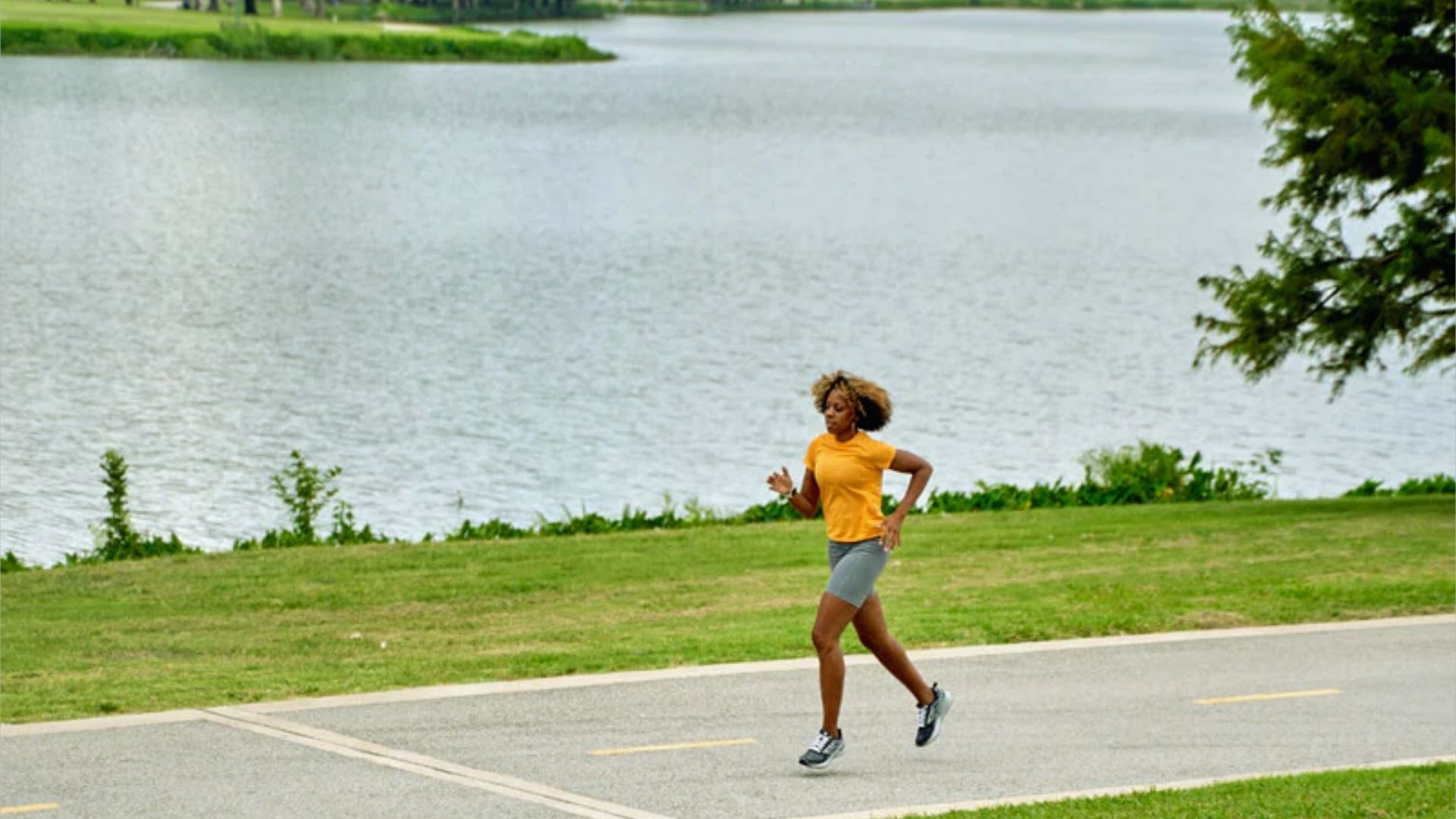
Cardio is one of the best tools for losing fat without bulking up. The key is doing the right amount at the right intensity.
How Much Cardio Do You Need?
Aim for 150 to 300 minutes of cardio per week. That breaks down to about 30 to 45 minutes a day, five days a week. This range is enough to burn fat steadily without overdoing it.
Best Cardio Duration and Intensity
Longer, moderate sessions work better for lean fat loss. A 45-minute brisk walk or steady bike ride burns more fat than a short intense sprint session.
Short, intense cardio spikes your heart rate fast but can put stress on your muscles. Moderate intensity keeps your body in fat-burning mode for longer.
Common Mistakes That Lead to Unwanted Muscle Gain
- Lifting heavy weights too often signals your body to grow muscle. Keep the weights light and the reps high.
- Eating too much protein on top of training speeds up muscle building. Keep your protein intake at a moderate level.
- Overdoing HIIT workouts puts constant stress on your muscles. Stick to moderate sessions and avoid high-resistance moves.
- Following bodybuilding-style programs is built for size, not fat loss. These routines are not aligned with a lean goal.
- Skipping cardio and relying only on strength work slows fat loss. Balance your routine with enough low-intensity cardio each week.
Conclusion
Losing weight without gaining muscle is completely doable. I have seen it work time and again with the right approach. Stay consistent, keep your workouts aligned with your goal, and do not overcomplicate it. Light cardio, moderate calories, and clean eating go a long way.
You do not need to go hard every day. You just need to stay steady.
Start small, stay consistent, and let the results follow. Drop a comment below and share your fat loss goal!
Frequently Asked Questions
Can I lose weight without doing any strength training?
Yes, you can. Cardio and a calorie deficit are enough to lose fat without any strength work involved.
Will walking every day help me lose weight without bulking up?
Absolutely. Walking is low-intensity and burns calories steadily without triggering any muscle growth.
How much protein should I eat to avoid gaining muscle?
Keep it moderate, around 0.6 to 0.8 grams per kg of body weight. Too much protein combined with training promotes muscle gain.
Is it possible to lose weight fast without gaining muscle?
Slow and steady works best. Losing 0.5 to 1 kg per week keeps fat loss on track without pushing your body to build muscle.
What type of cardio is best for losing weight without bulking?
Low-intensity options like walking, cycling, and swimming work best. They burn fat efficiently without putting stress on your muscles.


