

If you want to know how to increase squat weight, you’re in the right place.
I’ve been there stuck at the same number for weeks, feeling frustrated and lost. It’s not just about adding plates. It’s about training smarter.
In this blog, I’ll cover 7 proven methods that work for both men and women. You’ll learn form fixes, accessory exercises, recovery tips, and more.
These strategies are simple, safe, and backed by real experience. I’ve used them myself and seen real results. Let’s get started.
Understanding the Foundations of a Strong Squat
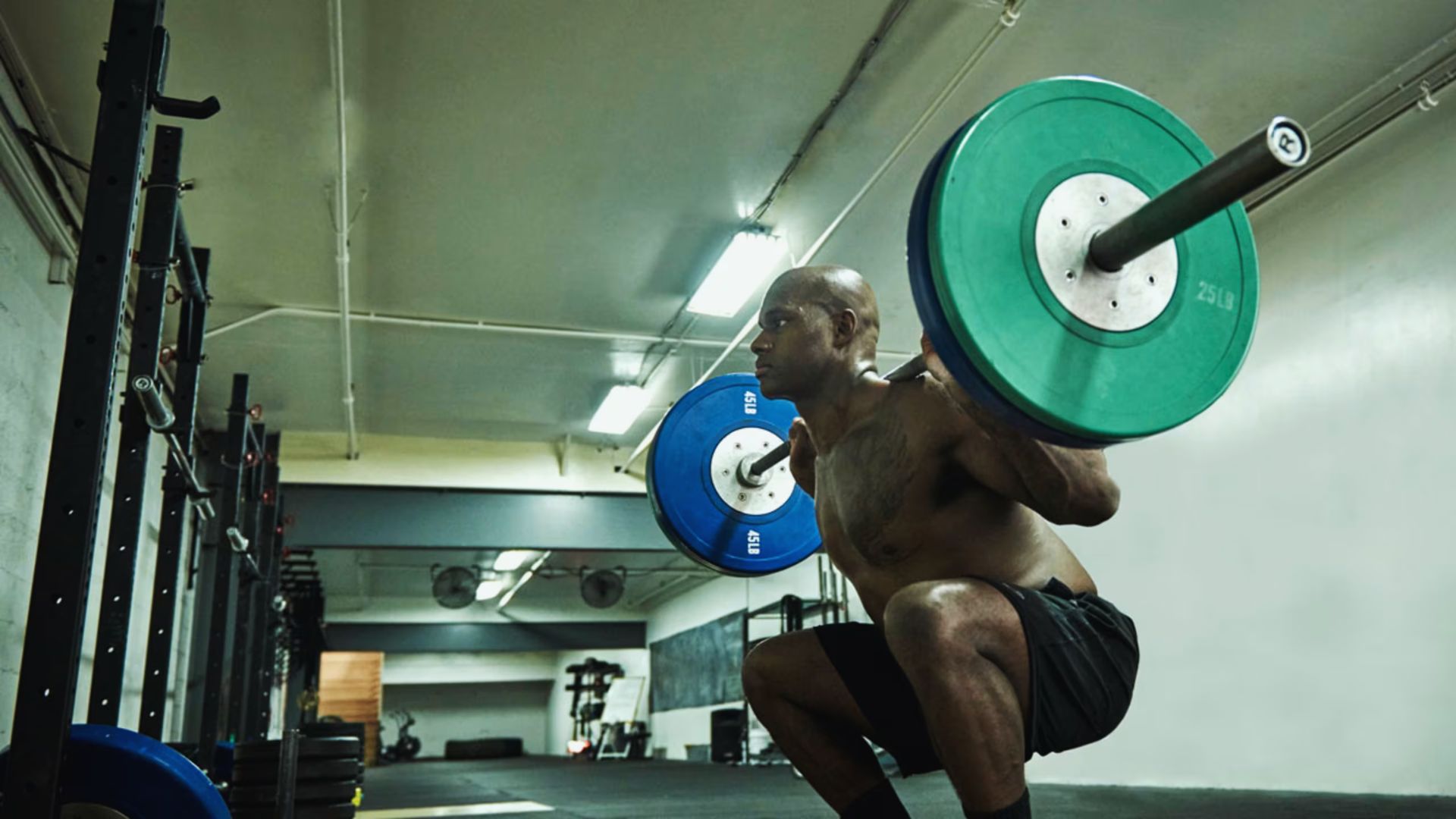
A heavier squat starts with the basics. If your form breaks down, your hips are tight, or your core is weak, adding more weight will only cause problems.
Proper form keeps your joints safe under load. Hip and ankle mobility lets you squat deep without compensation.
Core and posterior chain strength keep your body stable throughout the lift. Your glutes, hamstrings, lower back, and core all work together during a squat.
If one area is weak, the whole lift suffers. Fix the foundation first, stay consistent with the basics, and the weight will follow naturally.
7 Proven Methods to Increase Squat Weight Safely
These seven simple, proven methods will help you add more weight to your squat safely and consistently.
1. Master Proper Squat Form

Good form is not optional. It’s the base of everything.
Key points to check:
- Feet shoulder-width apart, toes slightly out
- Bar resting on your upper traps or low bar position
- Chest up, core tight, lats engaged
- Knees tracking over toes
- Hip crease below parallel at the bottom
For women: hip width varies more than in men. A slightly wider stance often feels more natural and allows better depth. Don’t force a narrow stance if it feels off.
Film yourself from the side and front. You’ll catch form issues you can’t feel.
2. Strengthen Supporting Muscles with Accessory Exercises
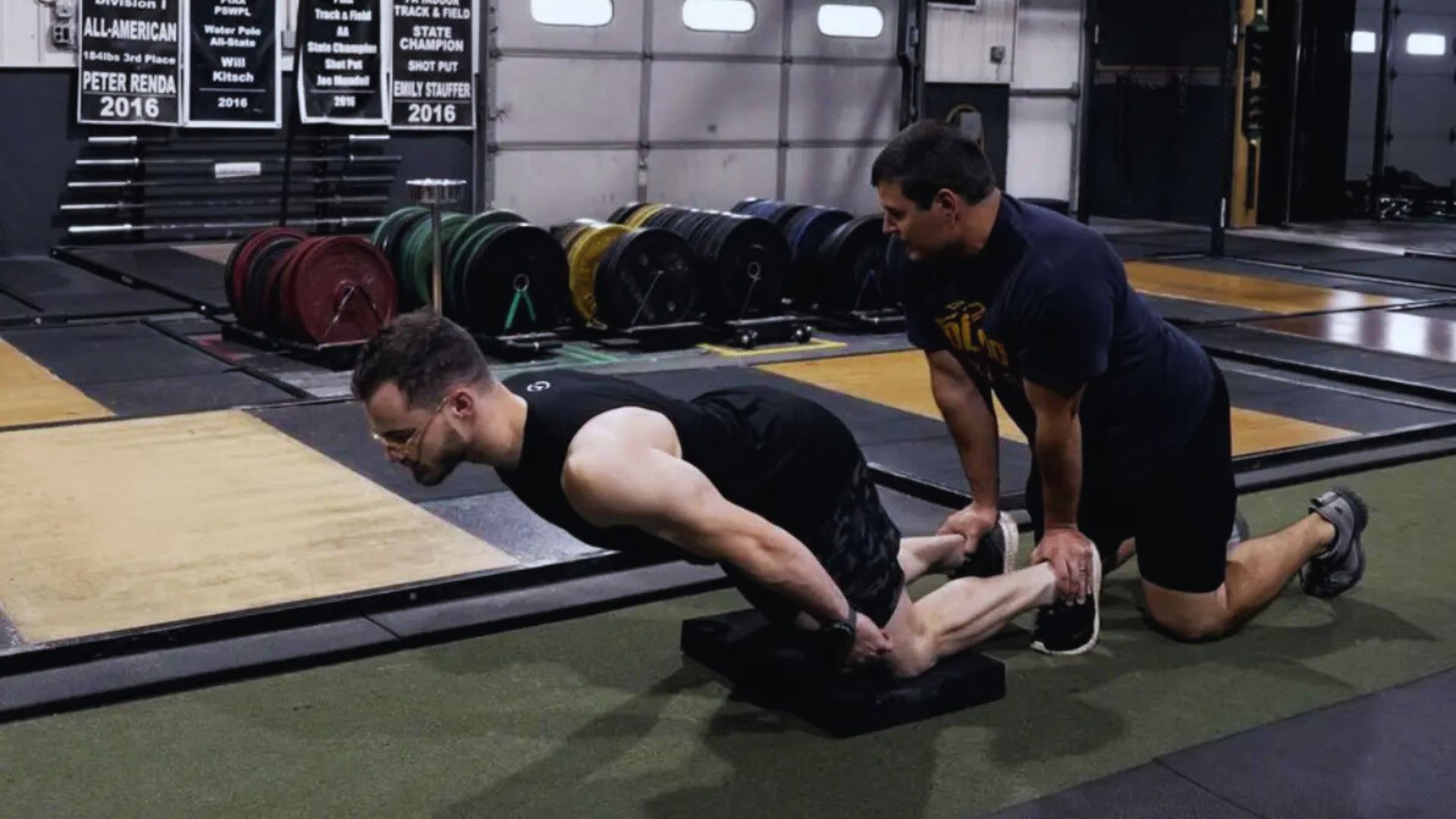
Weak glutes or hamstrings will cap your squat progress fast.
Best accessory moves:
- Romanian Deadlifts – 3 sets of 8–10 reps
- Goblet Squats – 3 sets of 10–12 reps
- Step-Ups – 3 sets of 10 each leg
- Front Foot-Elevated Split Squats – 3 sets of 8 each leg
These target the posterior chain directly. Stronger glutes and hamstrings mean a stronger squat.
If you want to know how to increase squat weight fast, this is one of the quickest ways to make it happen. Don’t skip accessory work.
3. Add Plyometric and Explosive Training

Your muscles need to produce force fast. That’s where plyometrics come in.
Exercises to add:
- Box jumps
- Depth jumps
- Broad jumps
- Short sprints
These train your nervous system to fire harder and faster. That carries over directly to your squat. More power at the bottom of the squat means you push through sticking points easier.
Frequency: 1–2 times per week is enough. Keep sessions short and focused. Quality over volume here.
4. Train Unilateral and Multi-Plane Movements
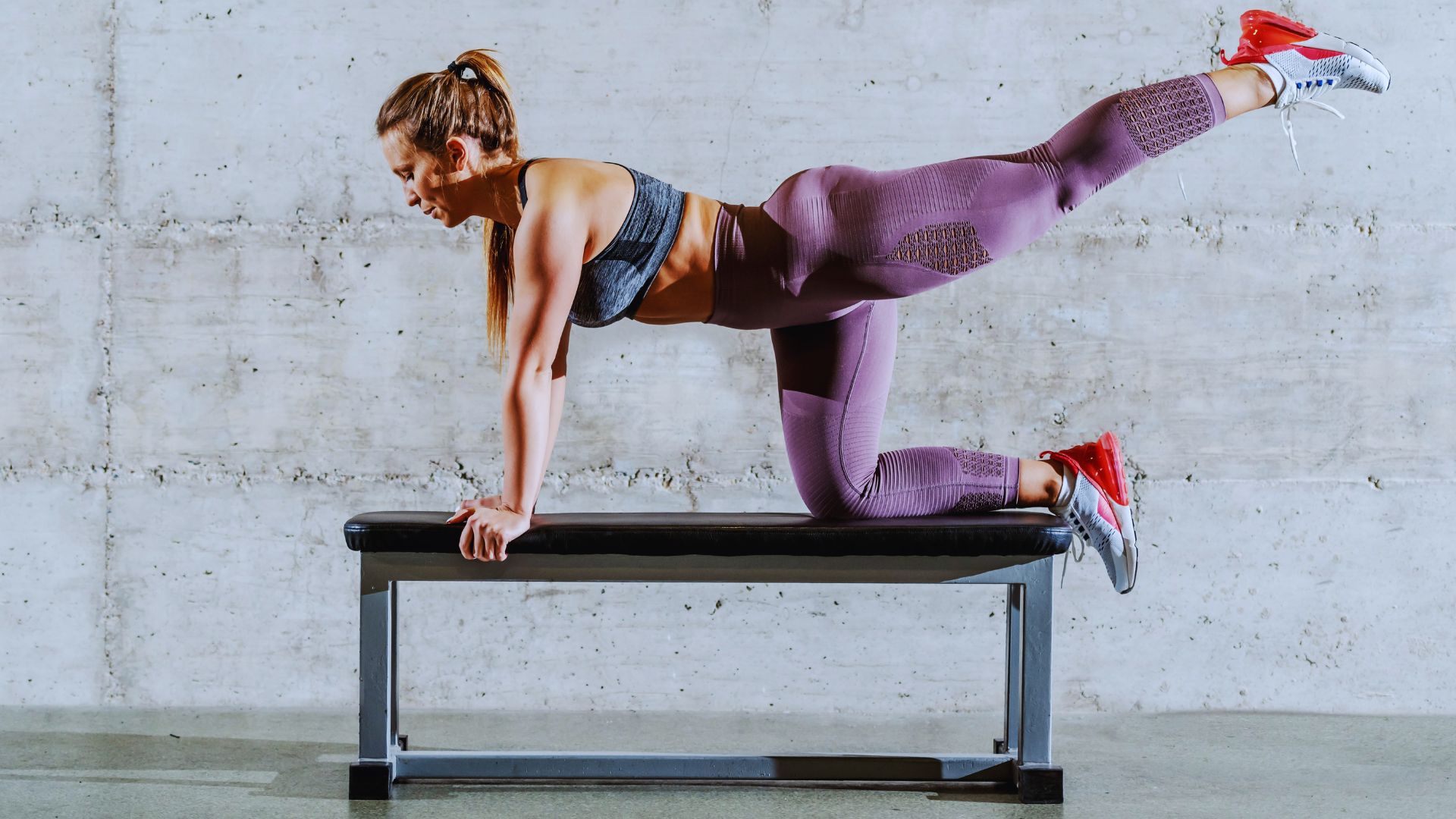
Most people have one leg that’s stronger than the other. This imbalance limits total squat weight over time.
Fix it with:
- Bulgarian Split Squats – the king of unilateral leg work
- Reverse Lunges – easier on the knees, great for stability
- Single-Leg Romanian Deadlifts – builds balance and hamstring strength
These movements also train your hips in different directions, which improves overall stability. When both legs are equally strong, your squat goes up.
5. Incorporate Isometric Holds

Isometric training means holding a position without moving. It builds serious strength at specific joint angles.
Simple holds to add:
- Plank holds – 1–3 minutes, 2–3 sets
- Lunge holds – 30–60 seconds each leg
- Dead hangs – 30–60 seconds for shoulder and grip stability
Isometrics build the kind of stability that keeps you tight at the bottom of a heavy squat. They’re simple to do and don’t add much fatigue. Add them at the end of a session.
6. Optimize Squat Frequency and Recovery
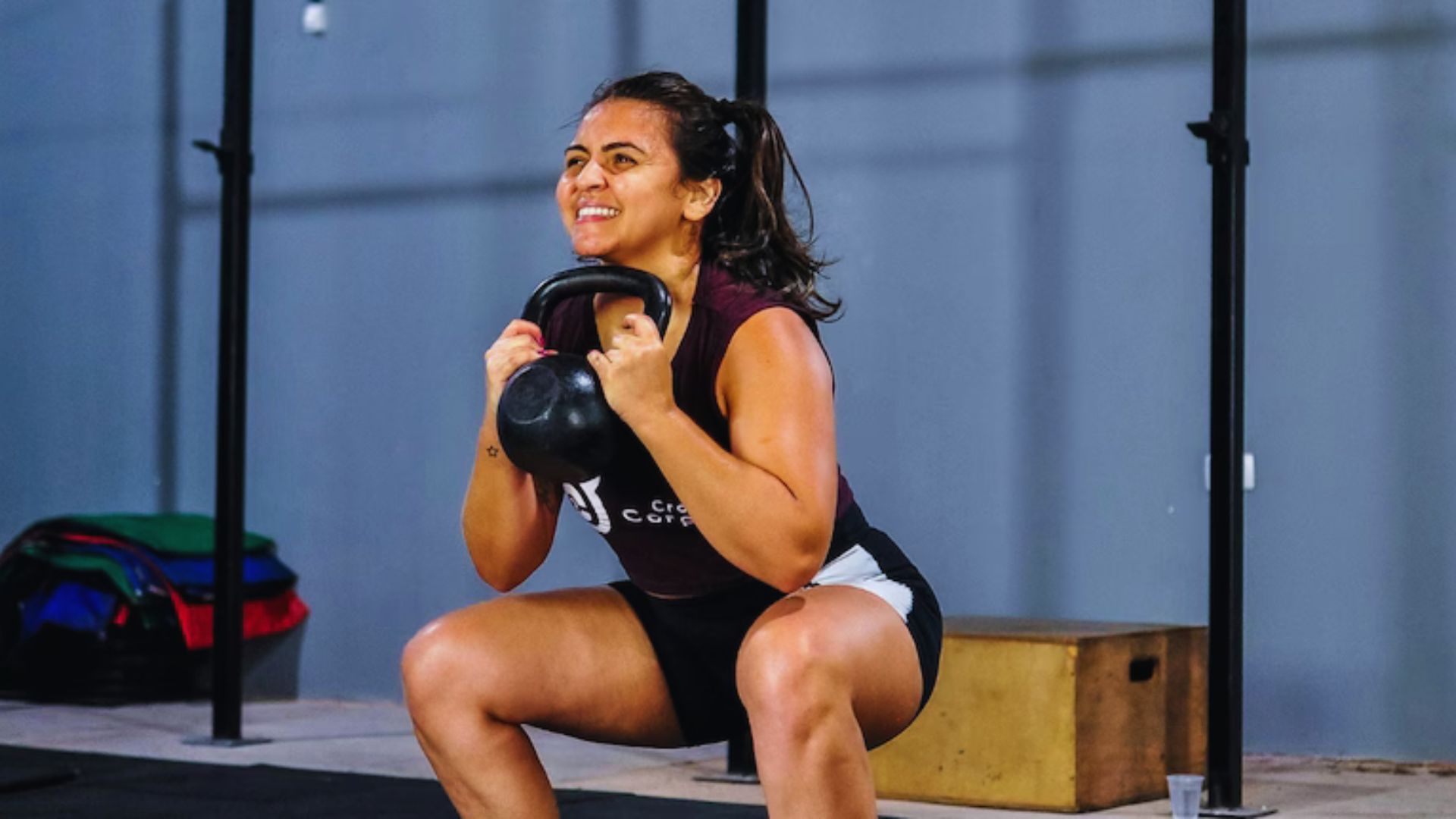
More is not always better. Squatting heavily every day leads to burnout and injury.
A smart weekly setup:
- 1 heavy squat day – focus on main lifts, work up to top sets
- 1-2 accessory days – split squats, RDLs, plyos
- Rest or active recovery on other days
Your central nervous system needs time to recover after heavy loads. If you squat heavy too often without recovery, your performance drops. More rest often means more progress.
7. Track Progress and Apply Progressive Overload
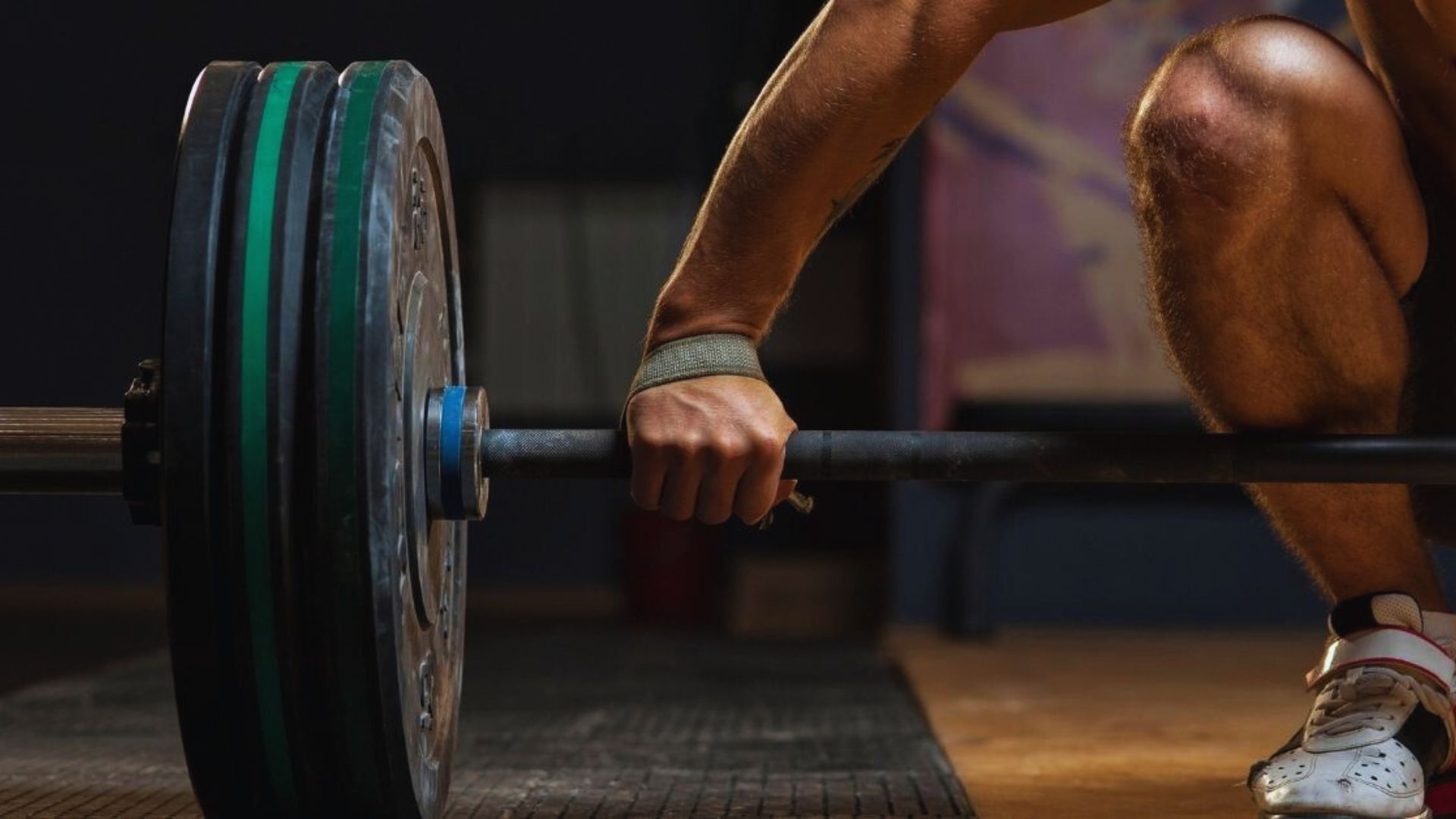
You can’t manage what you don’t measure.
Log every session:
- Weight used
- Reps completed
- RPE (Rate of Perceived Exertion, scale of 1–10)
- Notes on how the set felt
Progressive overload means adding stress over time – either more weight, more reps, or less rest. Even small increases of 2.5–5 lbs per week add up fast over months.
One lifter I know went from a 135 lb squat to 225 lbs in under a year just by logging consistently and adding weight in small steps. The tracking made the difference.
Nutrition Strategies to Support Squat Strength

Your muscles need fuel to grow and recover. Without proper nutrition, even the best training plan will stall.
Key guidelines:
- Protein: Aim for 0.7–1g per pound of body weight. Chicken, eggs, Greek yogurt, and lentils are solid choices.
- Carbs: Eat carbs around your training window. They fuel your session and speed up recovery.
- Hydration: Even mild dehydration hurts performance. Drink water consistently throughout the day.
Creatine monohydrate is one of the most well-researched supplements for strength. It helps with power output and recovery. If you’re not taking it, it’s worth considering.
Mobility and Recovery Techniques
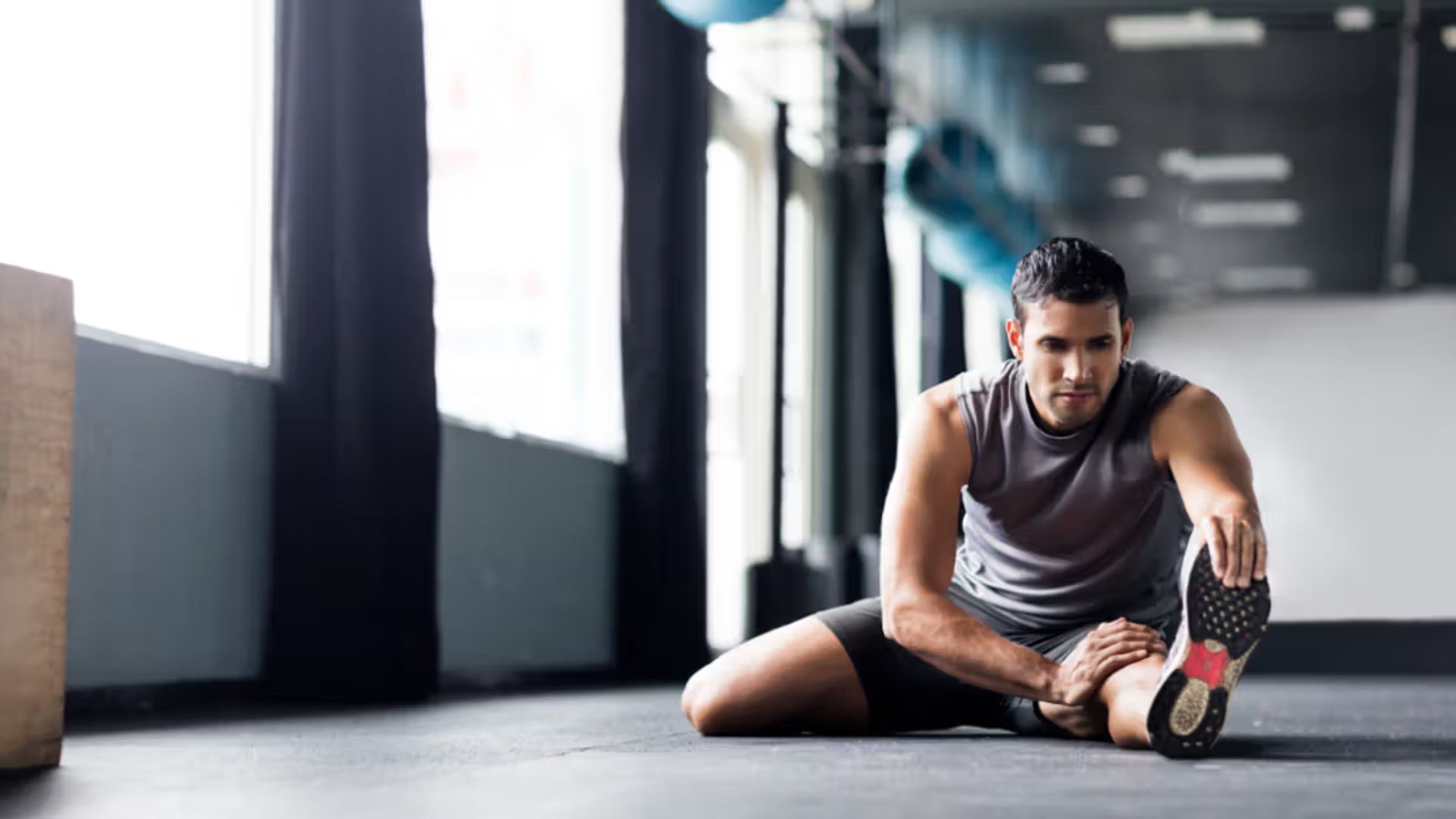
Recovery is when your body actually gets stronger. Don’t skip it.
Mobility work to do regularly:
- Hip flexor stretches
- Ankle circles and calf stretches
- Thoracic spine rotations
- Foam rolling quads, hamstrings, and glutes
Recovery habits that matter:
- Sleep 7–9 hours per night. Growth hormone is released during deep sleep.
- Active recovery days – light walking, cycling, or yoga keep blood flowing without adding stress.
- Rest days are not wasted days. They’re when your muscles rebuild stronger.
Skipping recovery is one of the top reasons people plateau on squats.
Tips to Maximize Squat Gains Safely
Small habits done consistently beat intense effort done occasionally.
- Work on mobility before every session, even for 5–10 minutes
- Add accessory work 2 times per week minimum
- Include one explosive training session to build power
- Increase weight only when form is solid at current load
- Sleep and eat well – these are non-negotiable
- Consider a sample weekly split: heavy squat day, accessory day, explosive day, rest, repeat
Conclusion
I know how it feels to be stuck, staring at the same plates week after week. But once I started combining these methods, things shifted fast. How to increase squat weight isn’t a mystery.
It’s a process. Fix your form, strengthen the right muscles, recover well, and track everything. Small steps done consistently will take you further than you think.
If this blog helped you, drop a comment below and let me know where your squat stands right now. Share it with someone who needs it too. You’ve got this, and I’m rooting for you.
Frequently Asked Questions
How long does it take to increase squat weight?
Most people see noticeable strength gains in 4–8 weeks with consistent training and progressive overload. Results vary based on starting point and recovery habits.
How often should I squat to get stronger?
Squatting 1–2 times per week with proper recovery is enough for most people. More frequency only helps if recovery is fully managed.
What is the fastest way to increase squat weight?
Fixing form, adding accessory work for weak muscles, and applying progressive overload consistently are the fastest ways to see improvement in squat strength.
Can women follow the same squat progression methods as men?
Yes. The core methods are the same. Women may benefit from a slightly wider stance and extra focus on glute and hip strength, but the overall approach works for everyone.
Why is my squat not increasing despite training hard?
Common reasons include poor recovery, weak supporting muscles, bad form, or not eating enough protein and calories to support muscle growth. Track your sessions and check each area.