Getting shredded is not about extreme dieting or spending endless hours in the gym.
After testing different methods and working with people at various fitness levels, one thing becomes clear: most people fail because they lack a structured plan, not motivation.
This guide gives you a practical approach to fat loss and muscle definition without unnecessary confusion.
You will learn how to build the right diet, choose effective workouts, organize your weekly routine, and stay consistent over time.
Everything is broken down into simple, actionable steps that are realistic to follow and designed to deliver long-term results while helping you build a lean, strong physique.
What Does "How to Get Shredded" Actually Mean?

Getting shredded means lowering your body fat enough that your muscles become clearly visible.
It is not just about losing weight. You need lean muscle underneath to actually look defined. For most men, that means reaching around 8-12% body fat.
For women, it is closer to 16-20%. A shredded physique shows muscle separation, visible abs, and a lean overall frame.
Reaching that point requires a calorie deficit, high protein intake, and consistent strength training.
It takes time and patience, but with the right approach it is completely achievable for most people who stay consistent.
How to Get Shredded: Step-by-Step Fat Loss Strategy
Follow this 11- step plan to lose fat, build muscle, and get a shredded physique through diet and training.
Step 1: Set Your Goal for a Shredded Physique

Decide your timeline before anything else. Getting shredded in 30 days gives you a solid start, while 2-3 months allows for real, visible fat loss.
Set a body fat target, not just a weight goal, and track progress with photos and measurements weekly.
Step 2: Calculate Maintenance Calories

Your maintenance calories are the total calories your body needs to stay at its current weight. Use a TDEE calculator online and enter your weight, height, age, and activity level.
This number becomes your baseline before creating any deficit.
Step 3: Create a Moderate Calorie Deficit

Eat 300-500 fewer calories than your maintenance level each day. This creates steady fat loss of around 0.5-1 pound per week without hurting your muscle.
Avoid going too low as it slows your metabolism and causes muscle loss.
Step 4: Follow a High-Protein Diet

Protein protects your muscle while you are in a calorie deficit. Aim for 0.7 to 1 gram per pound of body weight daily.
Good sources include chicken, eggs, Greek yogurt, tuna, and whey protein.
Step 5: Build a Strength Training Routine
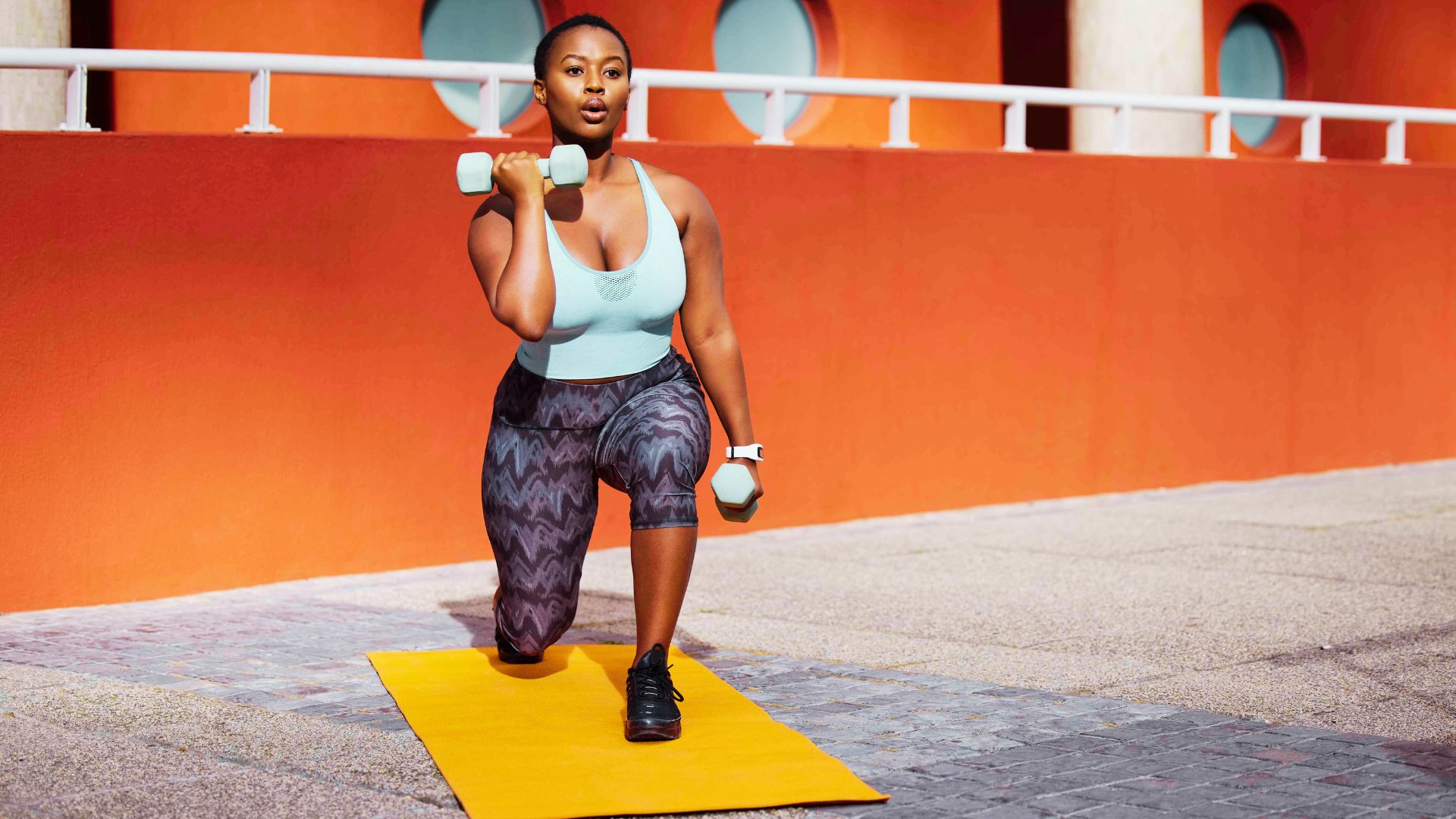
Focus on compound lifts like squats, deadlifts, bench press, and rows. Train each muscle group at least twice per week in the 6-12 rep range.
Apply progressive overload by gradually increasing weight or reps over time.
Step 6: Add Dumbbell or Home Workouts

You do not need a gym to make real progress. Dumbbells cover almost every major movement including squats, rows, and presses.
Do 3-4 sets of 8-15 reps per exercise and focus on form before increasing weight.
Step 7: Train Abs and Obliques for Definition

Train your core 2-3 times per week using planks, leg raises, bicycle crunches, and cable crunches.
Ab exercises build the muscle underneath, but fat loss from your overall deficit reveals them. Slow, controlled reps work better than rushing through sets.
Step 8: Add Cardio and HIIT Training

HIIT burns significant calories in less time and keeps your metabolism uplifted after the session ends.
Steady-state cardio like walking works well on rest days without stressing recovery. Start with 2-3 sessions per week and adjust based on progress.
Step 9: Use Carb Control or Carb Cycling

Eat more carbs on training days when your body needs them for energy. On rest days, reduce carbs slightly and increase healthy fats.
If cycling feels complex, simply keep most of your carbs around your workout window.
Step 10: Track Portions and Food Intake

Hidden calories from sauces, oils, and snacks often cancel out your deficit without you noticing. Use an app like MyFitnessPal and weigh your food with a kitchen scale.
Track consistently for at least 2-4 weeks to understand your real intake.
Step 11: Prioritize Sleep, Recovery, and Stress Control

Poor sleep raises cortisol, which promotes belly fat storage and increases cravings. Aim for 7-9 hours of sleep each night and manage stress through walks or short breaks.
Muscle repairs during rest, so skipping recovery slows your results.
How to Get Shredded Diet Plan (Nutrition Breakdown)

A proper shredded diet focuses on high protein, balanced carbs, and healthy fats to fuel fat loss and muscle.
Best Foods for Fat Loss and Muscle Retention
The best foods for getting shredded are high in protein and low in processed sugar. Stick to chicken, eggs, tuna, oats, sweet potatoes, and healthy fats like avocado and olive oil.
Protein, Carbs, and Healthy Fats Balance
A solid macro split for fat loss is 35-40% protein, 30-40% carbs, and 20-30% fats. For a 180-pound person eating 2,000 calories, that means roughly 175-180g protein, 150-200g carbs, and 50-65g fats daily.
How to Get Shredded Workout Plan

This workout plan combines strength training, cardio, and HIIT to help you build muscle and burn fat effectively.
Strength Training for Muscle Growth and Fat Loss
Strength training is what keeps your muscle intact while you are losing fat. Focus on compound movements like squats, deadlifts, bench press, and rows for 3-4 days per week.
Weekly Workout Split for Lean Physique
A simple 5-day split covers Chest and Triceps, Back and Biceps, Active Rest, Legs and Glutes, and Shoulders and Abs followed by HIIT and a full rest day.
If you can only train 3 days, use a full-body routine on Monday, Wednesday, and Friday.
Tips to Stay Consistent and Maintain a Shredded Physique
Staying consistent is the hardest part of getting shredded. These simple tips will help you stay on track.
- Take progress photos every two weeks and measure your waist, arms, and hips weekly.
- Prep your meals on Sundays so healthy food is always ready throughout the week.
- Allow one flexible meal per week to reduce cravings and stay consistent long term.
- If fat loss stalls, cut 100-150 calories or add one extra cardio session.
- Build habits and routines instead of relying on motivation alone.
Conclusion
Getting shredded comes down to three things: a calorie deficit, high protein, and consistent training.
I spent a long time overcomplicating it before realizing that simple and steady always wins. You do not need a perfect plan.
You need one you actually follow every week. Start with one step from this guide today and build from there.
If this guide on how to get shredded helped you, drop a comment below and share it with someone who needs it. Your progress starts with the very next decision you make.
Frequently Asked Questions
How long does it take to get shredded naturally?
It depends on your starting body fat. Most people see noticeable definition in 8-12 weeks with consistent diet and strength training.
Can you get shredded without cardio?
Yes. Cardio helps but is not required. A calorie deficit through diet and strength training alone can get you shredded over time.
What is the fastest way to get shredded safely?
Combine a moderate calorie deficit with high protein intake and consistent strength training. Add HIIT 2-3 times per week for faster results.
Do you need supplements to get shredded?
No. Supplements like whey protein or creatine can support your plan but are not required. Whole food and a proper training routine are enough.
Can beginners get shredded in 30 days?
Significant results in 30 days are possible if you have extra body fat to lose. But a full shred usually takes 2-3 months of consistent effort.