

Want to know how to gain muscle without gaining fat? You’re in the right spot. I’ll show you exactly how to build lean muscle while keeping extra fat off your body.
This guide covers smart eating plans, training methods, and recovery tips that actually work. You’ll learn the right calorie targets, protein amounts, and workout styles to use.
I’ll also share meal examples and common mistakes to avoid. I’ve spent years helping people get stronger without the unwanted bulk. Here’s what you need to know.
Understanding Muscle Gain vs Fat Gain
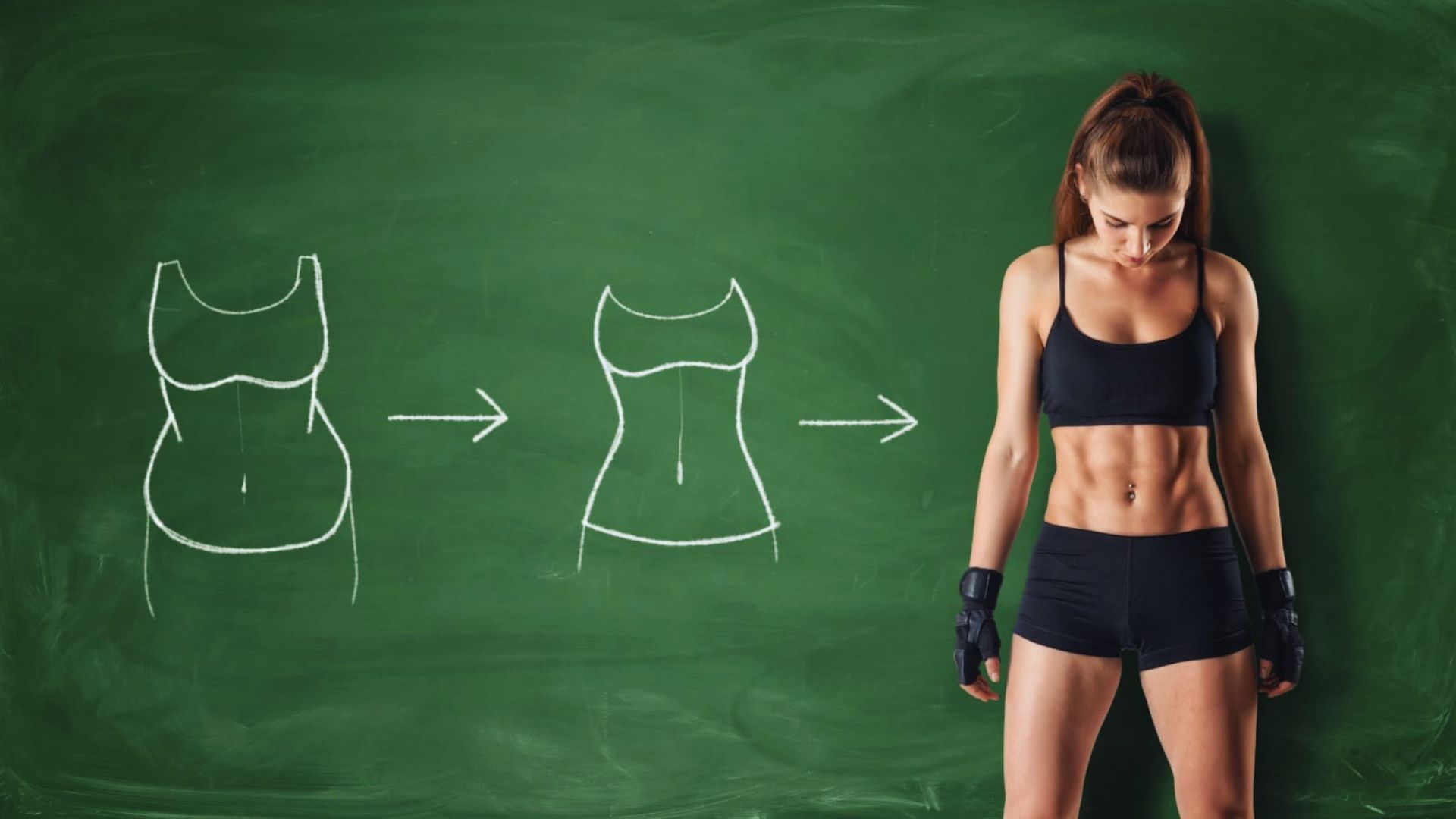
Gaining muscle and gaining fat are two different processes in your body, and knowing the difference helps you get better results.
Your muscles grow through resistance training and protein. When you lift weights, you create tiny tears in muscle fibers. Your body repairs them bigger and stronger.
Aim for 1.6 to 2.2 grams of protein per kilogram of body weight daily. Use moderate to heavy weights for 6 to 12 reps. Slow, steady gains prevent excess fat.
Fat gain happens when you eat too many calories. A huge surplus doesn’t speed up muscle growth. It just stores extra energy as body fat. Your body builds muscle at a fixed rate. Extra calories beyond that become fat. Keep your surplus small and track progress weekly.
Diet Strategies to Gain Muscle Without Fat

What you eat determines whether you gain lean muscle or muscle plus fat. Smart nutrition makes all the difference.
Calculating Your Calorie Surplus
Start by finding your maintenance calories, then add about 10%. For example, if your maintenance is 2000 calories, eat around 2200 calories per day. This small surplus gives your body enough energy to build muscle without excess fat storage.
Track your weight gain each week. Aim for 0.25 to 0.5% of your body weight per week. If you weigh 70 kg, that’s about 175 to 350 grams per week. Gaining too fast? Cut calories by 100 to 200 per day. Not gaining at all? Add 100 to 200 calories.
Prioritize Protein Intake
Get 1.6 to 2.2 grams per kilogram of body weight daily. Good sources include lean meats, fish, eggs, legumes, tofu, and Greek yogurt.
Spread your protein evenly across 3 to 5 meals per day. Each meal should have 20 to 40 grams of protein.
Smart Carbohydrate & Fat Choices
Choose whole grains and complex carbs like brown rice, quinoa, oats, sweet potatoes, and fruits. These provide steady energy without big blood sugar spikes.
Include healthy fats from avocado, nuts, seeds, and olive oil. Avoid excessive junk food and high-fat empty calories that fill up your calorie budget without providing nutrients your body needs for muscle growth.
Meal Prepping for Success
Cook protein, carbs, and vegetables in bulk on weekends. Try grilled chicken with brown rice and broccoli, salmon with quinoa and asparagus, or turkey meatballs with whole grain pasta.
Keep healthy snacks ready like Greek yogurt with oats, apple slices with almond butter, hard-boiled eggs, and protein shakes. Store prepped meals in containers so you can grab them quickly and stay on track.
Training Strategies to Build Muscle Without Fat
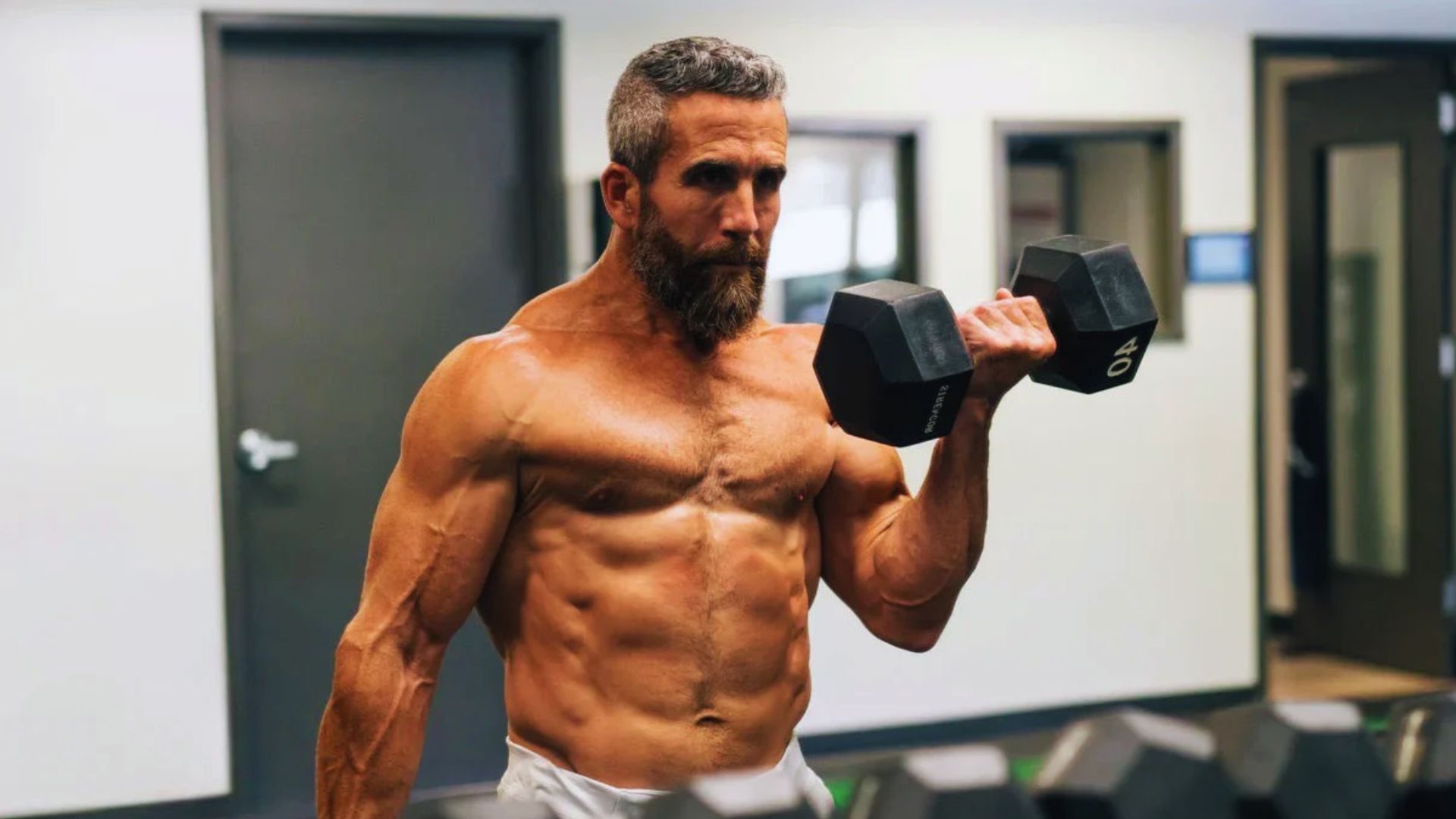
Your workout plan needs to focus on building muscle while keeping fat gain minimal. The right approach makes a big difference.
Resistance Training Basics
Compound exercises should form the core of your training. Key movements include squats, deadlifts, bench press, rows, and overhead press. These work multiple muscle groups at once and stimulate the most growth.
Train 2 to 4 times per week with moderate intensity and correct form. Focus on progressive overload by gradually increasing weight, reps, or sets over time. Stick with moderate weights for 6 to 12 reps to stimulate muscle growth while controlling fat gain.
Cardio and Conditioning
Cardio helps manage body composition while you build muscle. The key is not overdoing it. HIIT burns calories fast. Try 15 to 20 minutes of sprints or bike intervals 2 to 3 times per week.
Moderate cardio like brisk walking also works. Schedule cardio on non-lifting days or several hours after weight training to protect muscle growth.
Recovery & Lifestyle Tips
Building muscle happens outside the gym, not inside it. Recovery and lifestyle factors determine your results.
- Get 7 to 9 hours of sleep each night. Sleep is when muscle recovery and growth hormone release occurs.
- Take at least 1 to 2 full rest days per week. Watch for signs of overtraining like constant soreness, decreased strength, or poor sleep.
- Keep a food and training diary. Track what you eat, how much you lift, body weight, and progress photos weekly.
- Adjust based on your results. If your weight goes up but your waist stays the same, you’re gaining muscle without excess fat.
- Stay patient with realistic expectations. Expect to gain about 0.5 to 1 kg of muscle per month as a beginner.
Sample Day of Eating for Lean Muscle Gain
Here’s a practical example showing how to eat for muscle growth without excess fat. This plan is for someone weighing 70 kg who needs about 2200 calories per day.
Breakfast (550 calories, 35g protein)
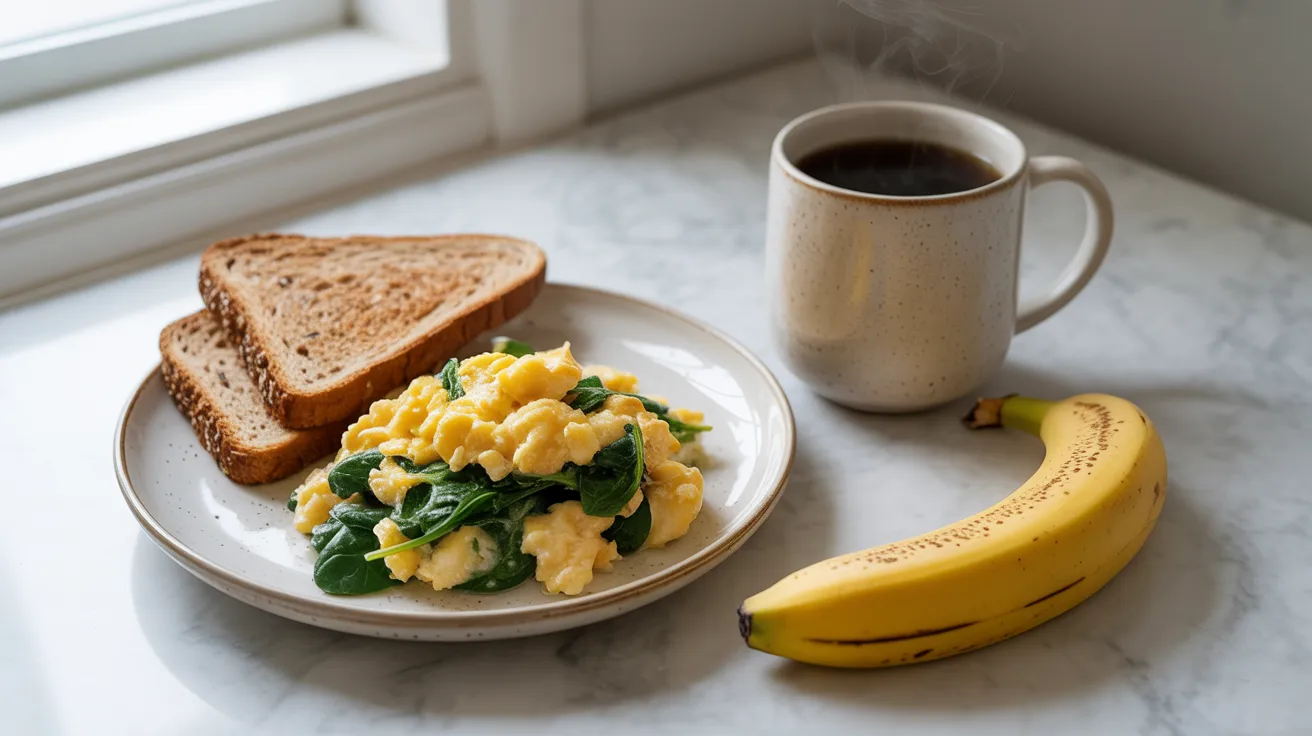
3 scrambled eggs with spinach, 2 slices whole grain toast, 1 medium banana, and black coffee or tea.
Starting your day with protein kickstarts muscle recovery and keeps you full until your next meal. The combination of eggs and whole grains provides both fast and slow-digesting nutrients. Spinach adds iron and vitamins that support energy production throughout the day.
Mid-Morning Snack (220 calories, 20g protein)
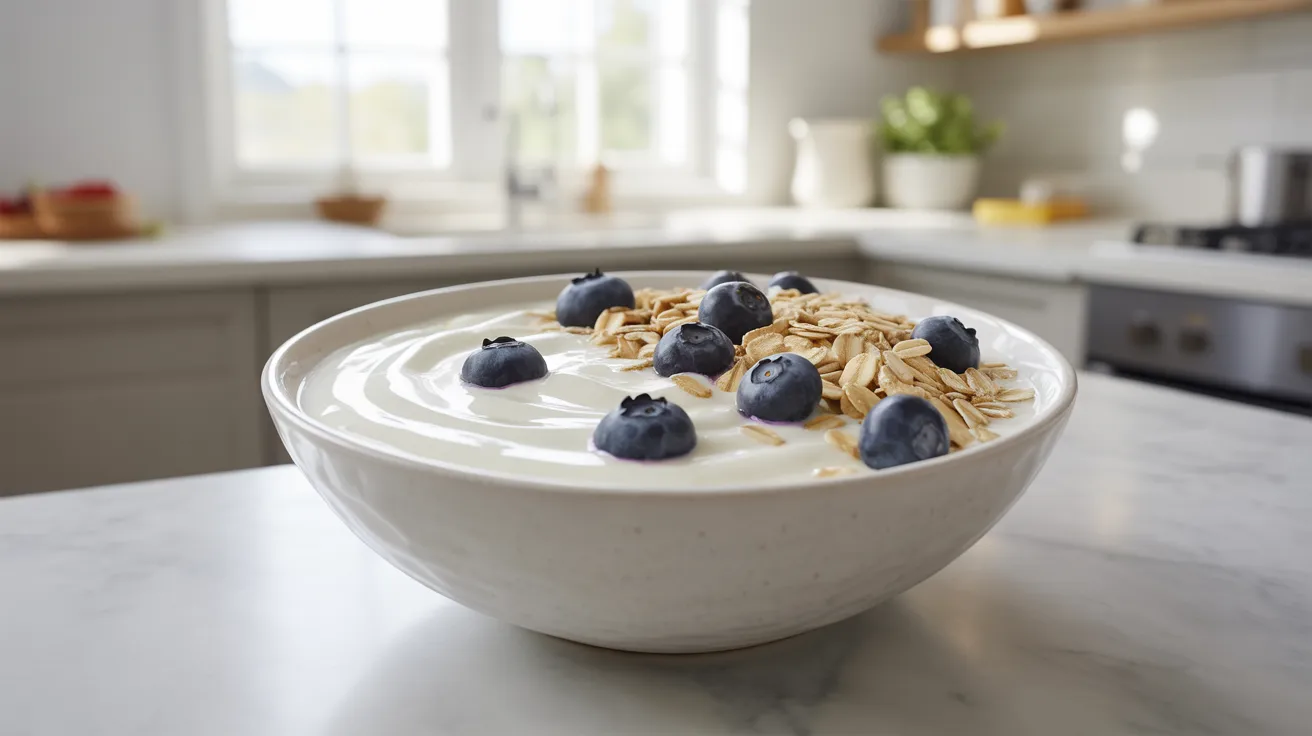
Greek yogurt (plain, non-fat) with 30g oats and blueberries. This combination provides fast-digesting protein along with complex carbs to fuel your workouts and maintain steady energy levels.
The probiotics in yogurt support gut health and nutrient absorption. Oats release energy slowly, preventing blood sugar crashes that lead to cravings.
Lunch (600 calories, 45g protein)
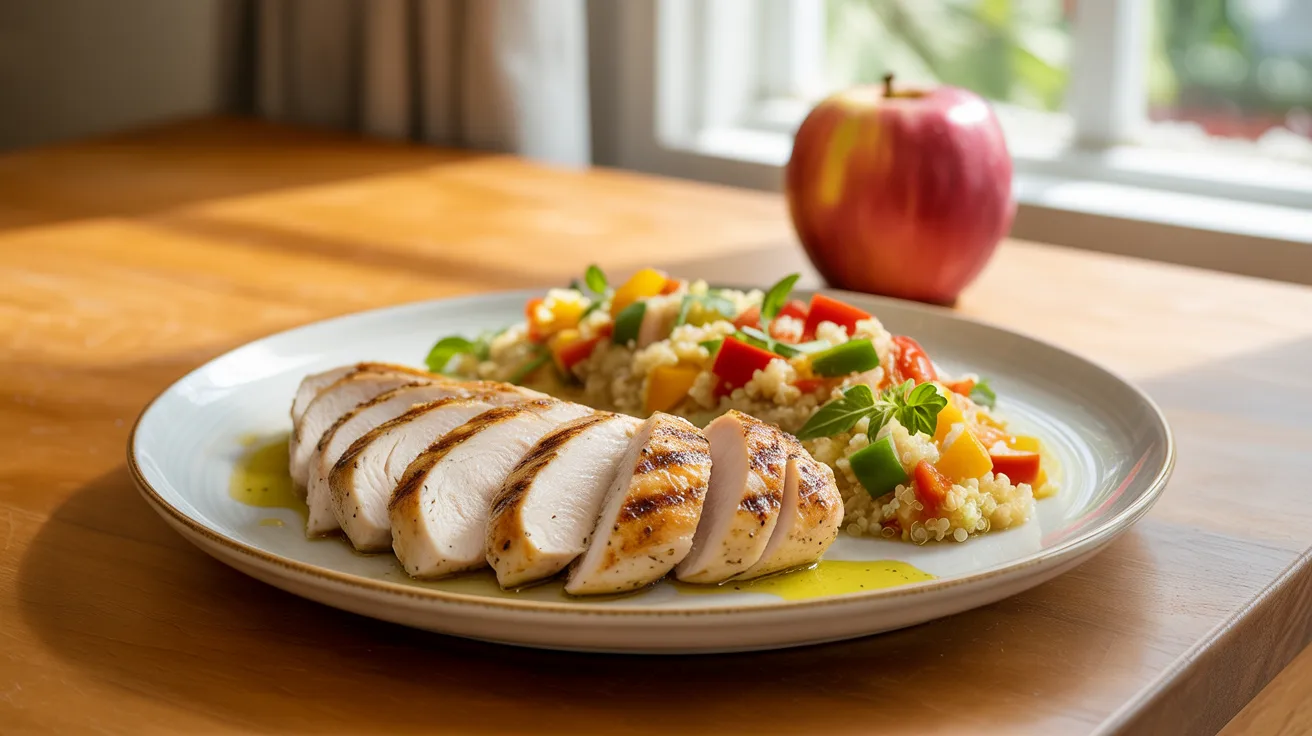
Grilled chicken breast (150g), quinoa salad with mixed vegetables, olive oil and lemon dressing, and an apple on the side.
Quinoa offers complete protein along with fiber, while healthy fats from olive oil support hormone production. This meal provides the bulk of your midday energy needs.
Mixed vegetables add vitamins, minerals, and antioxidants that aid recovery. The fiber content keeps you satisfied for hours.
Afternoon Snack (180 calories, 15g protein)
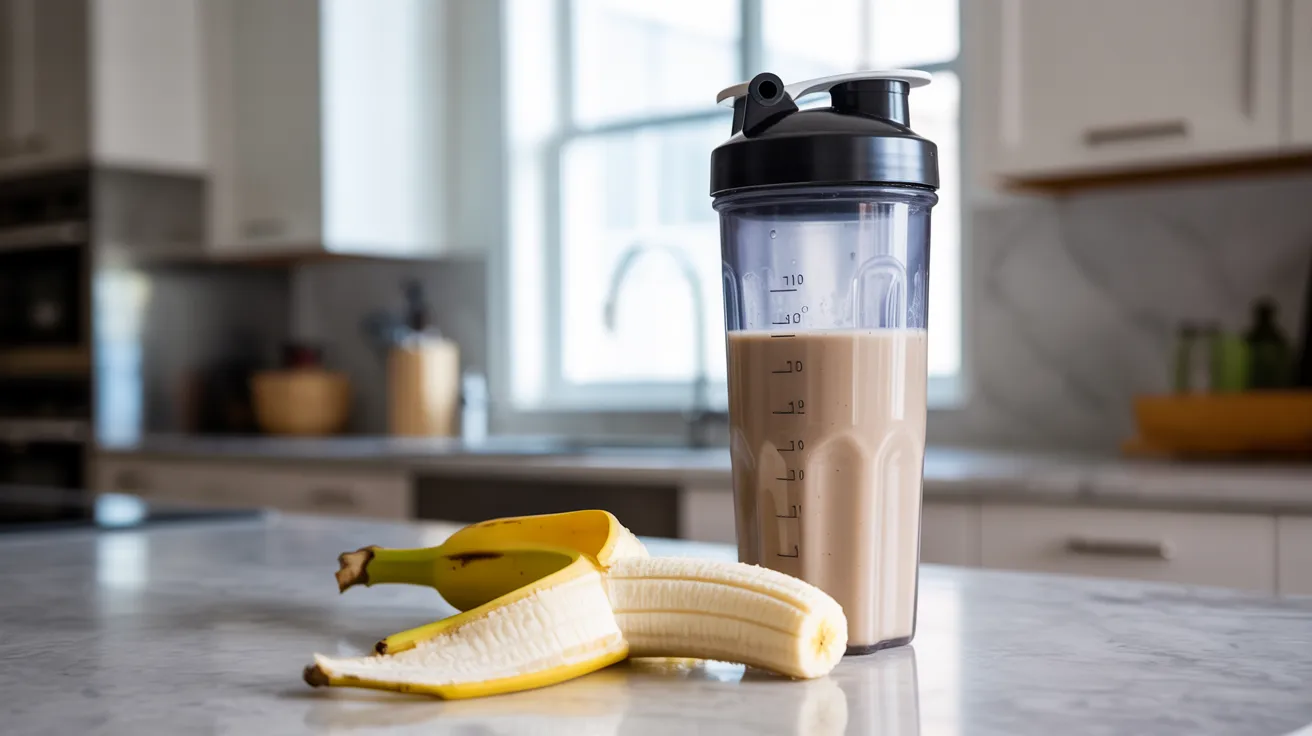
Protein shake with water and half a banana. Time this snack 1-2 hours before training for optimal energy, or use it post-workout if you train in the afternoon.
The banana provides quick carbs to fuel intense lifting sessions. A shake is convenient and digests easily without causing stomach discomfort during exercise.
Dinner (550 calories, 40g protein)
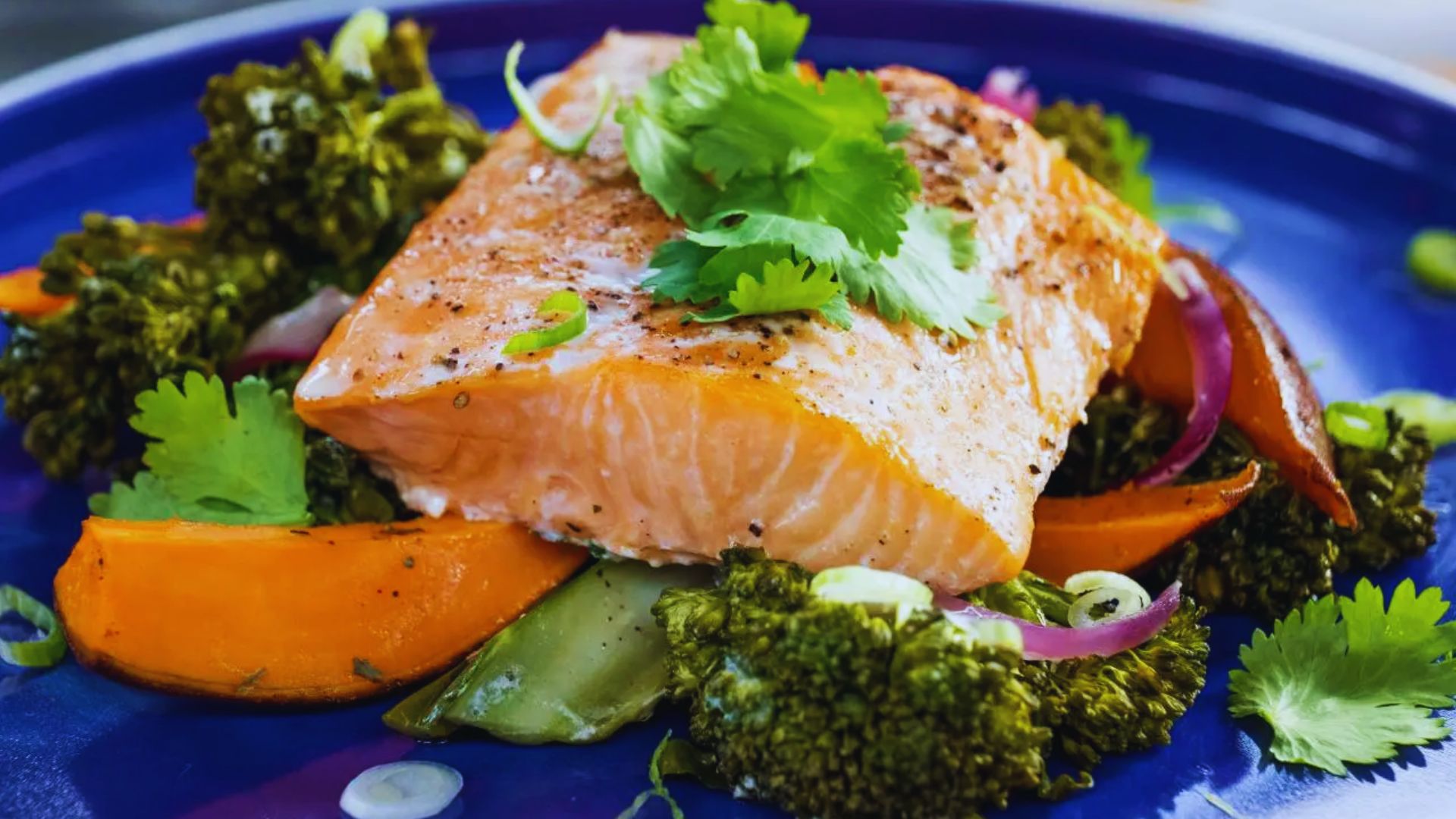
Baked salmon (150g), medium sweet potato, steamed broccoli and carrots, and a small side salad.
Salmon provides omega-3 fatty acids that reduce inflammation and support recovery, while sweet potato replenishes glycogen stores.
This meal helps repair muscle tissue damaged during training. The variety of vegetables ensures you get different micronutrients.
Eating a substantial dinner prevents late-night hunger and supports overnight muscle building.
Evening Snack (100 calories, 10g protein)
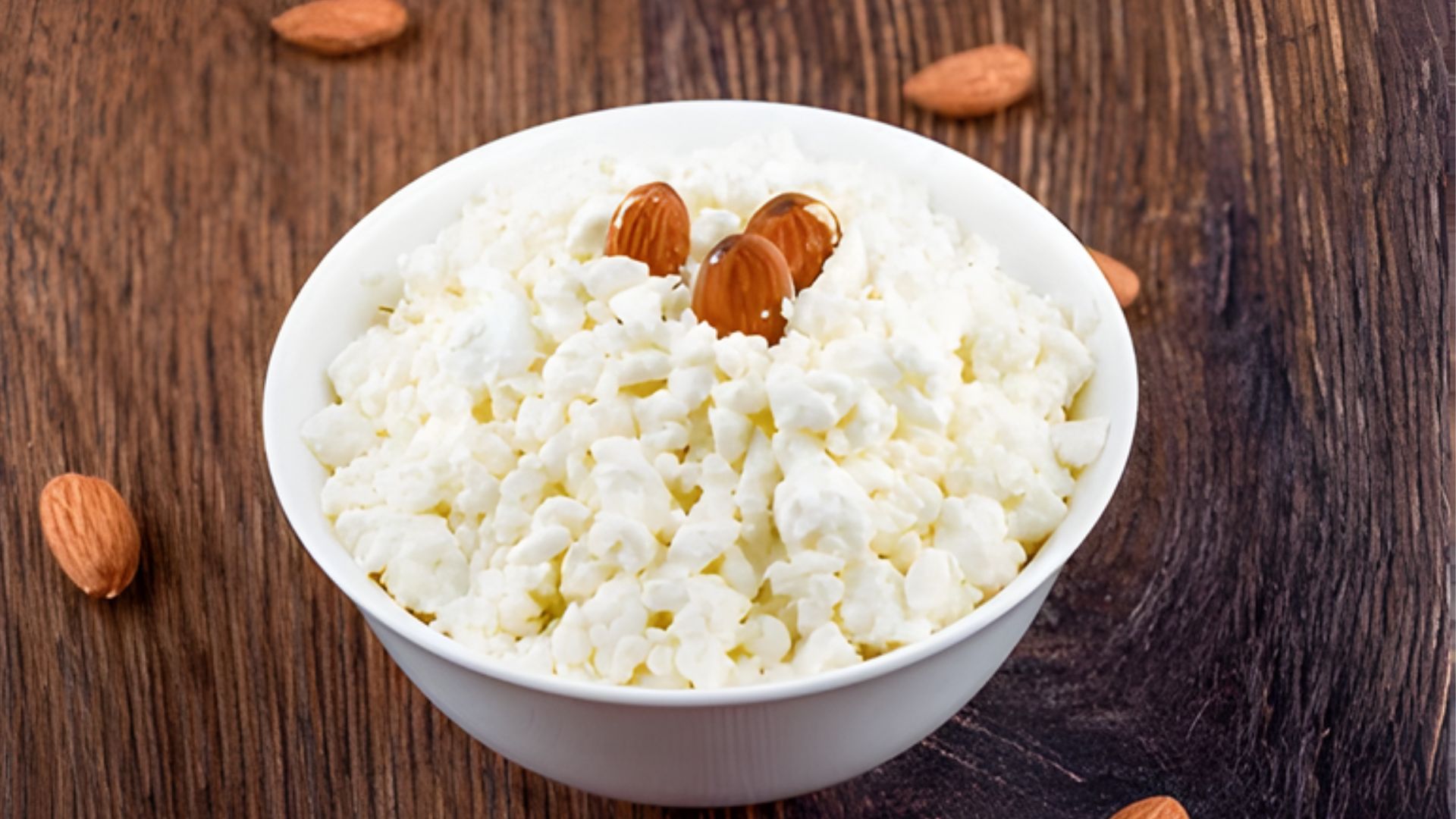
Cottage cheese with a few almonds. Casein protein in cottage cheese digests slowly overnight, feeding your muscles while you sleep.
Almonds add healthy fats and extra calories without being too filling. This small snack prevents muscle breakdown during your 8-hour fast while sleeping.
The combination keeps you from waking up hungry in the middle of the night.
Meal Prep Tips for Busy Lifestyle
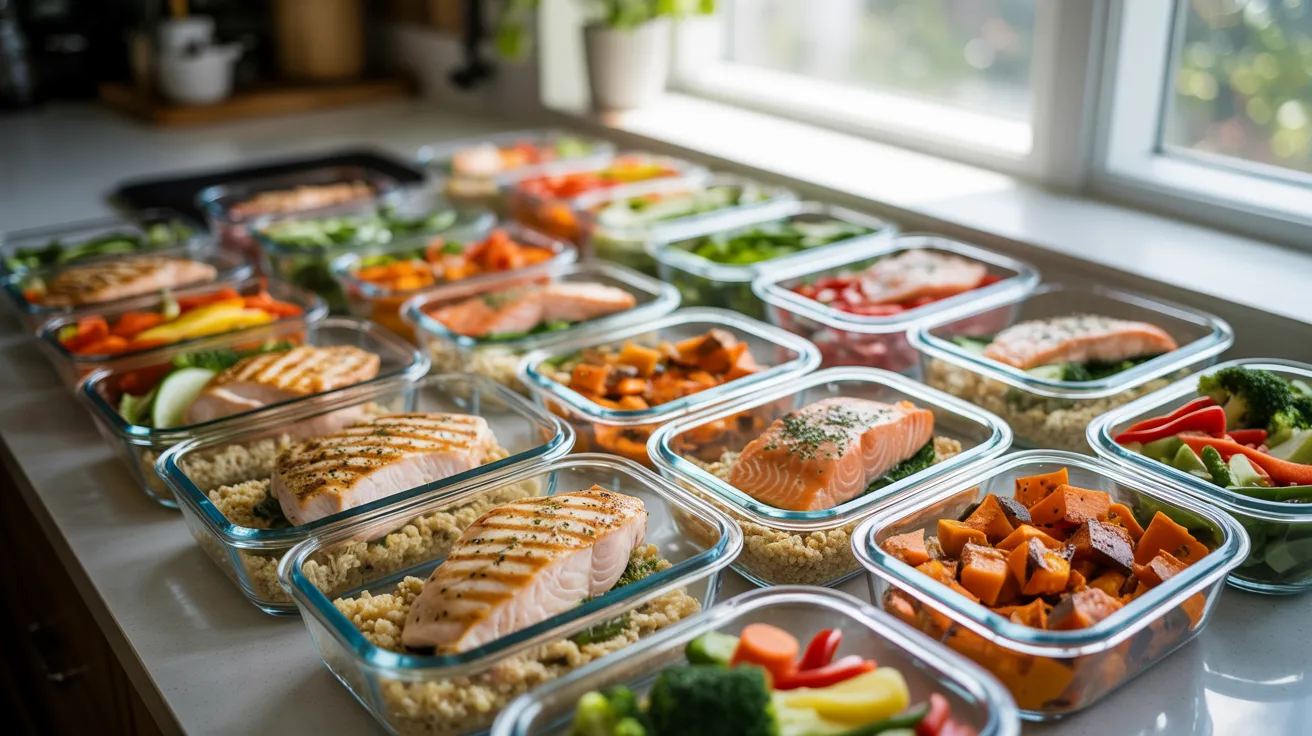
Cook proteins in bulk on Sunday by grilling several chicken breasts and salmon portions. Prepare quinoa, rice, and sweet potatoes ahead in containers. Chop vegetables for the week in sealed bags.
Use a slow cooker for easy meals while you work. Hard-boil a dozen eggs at once for quick protein sources. Stock your pantry with staples like canned tuna and nut butter for emergency meals.
Common Mistakes to Avoid
Avoid these common pitfalls that can derail your muscle-building progress.
- Don’t dirty bulk by eating excessive junk food, which packs on fat faster than muscle and forces you into lengthy cuts later
- Distribute protein wisely by spreading intake across multiple meals throughout the day instead of loading it all at once
- Balance cardio and rest since too much cardio burns needed calories while overtraining prevents proper recovery
- Prioritize sleep because less than 7-8 hours raises stress hormones that promote fat storage instead of muscle growth
- Track and stay patient by monitoring weight, measurements, and strength regularly, remembering muscle growth takes months not weeks
Conclusion
Building muscle while staying lean is absolutely doable when you follow these proven methods. Start with your calculated calorie surplus, eat enough protein, and train with purpose.
Track your progress weekly and adjust as needed. I’ve seen countless people succeed with this approach, and it changed how I train too.
Remember, patience beats rushing every time. Your body will reward consistency. Drop a comment below sharing your biggest challenge with lean muscle gain.
Want more tips? Check out our nutrition guide and training programs.
Frequently Asked Questions
Can I gain muscle without any fat gain at all?
Gaining pure muscle with zero fat is very difficult for most people. A small amount of fat gain often happens during muscle building phases. Focus on keeping fat gain minimal by using a controlled calorie surplus and tracking your progress carefully.
How long does it take to see muscle growth?
Most people notice visible changes after 8 to 12 weeks of consistent training and proper nutrition. Beginners see results faster than trained lifters. Strength gains come first, then size follows.
Should I eat more on training days than rest days?
You can keep calories the same every day for simplicity. Some people prefer eating slightly more carbs on training days for energy. Both approaches work as long as your weekly average hits your target surplus.
How much protein do I really need per day?
Aim for 1.6 to 2.2 grams of protein per kilogram of body weight daily. A 70 kg person needs 112 to 154 grams. Spread protein across multiple meals throughout the day.
Can I build muscle while losing fat at the same time?
Body recomposition is possible but slow. It works best for beginners or people returning after a break. Most people get better results by focusing on one goal at a time.