

Lower back pain from squats is more common than you think. And the good news? It is fixable.
In this guide, you will learn why squats cause lower back pain and what you can do to stop it. I have broken it down into simple steps that actually work, from fixing your form to building a stronger core.
I have dealt with this myself, and I know how frustrating it can be. You do not have to quit squats. You just need the right approach.
Let’s get into it.
Why Squats Can Cause Lower Back Pain

Lower back pain during squats usually comes down to a few key reasons.
Bad form is the biggest culprit. Rounding your spine or leaning too far forward puts too much pressure on your lower back.
A weak core forces your lower back to do work it was never meant to handle.
Tight hips and hamstrings make your lower back compensate, leading to strain over time.
Loading too much weight too soon and skipping your warm-up also increase the risk of pain and injury.
How to Fix Lower Back Pain From Squats
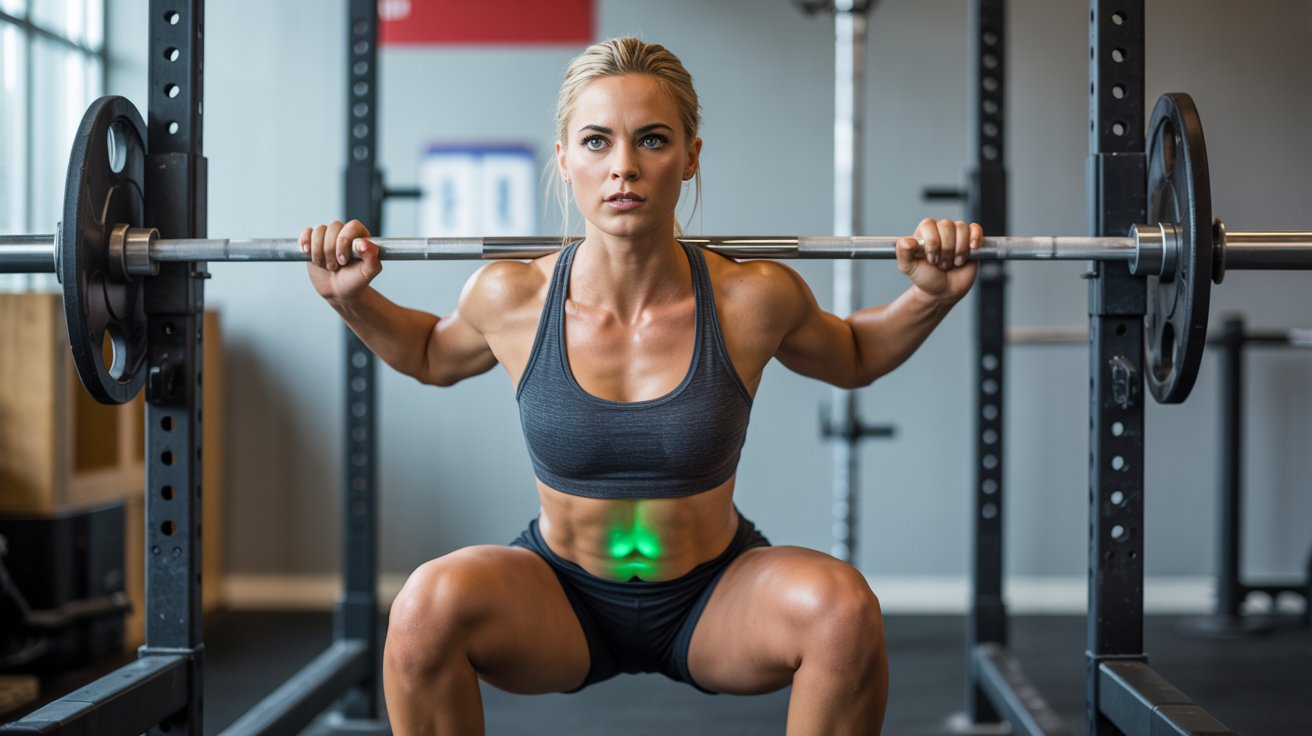
You do not need to stop training. You need to train smarter with a few key corrections.
Check and Correct Your Squat Form
Start by filming yourself squatting from the side. Look for forward lean, back rounding, or knees caving in. These are the most common form errors that lead to pain.
Strengthen Your Core to Support Your Spine
A strong core takes pressure off the lower back during squats. Add core exercises to your routine three to four times a week.
Improve Hip and Hamstring Mobility
Spend time stretching your hips and hamstrings daily. Better mobility means your lower back does not have to compensate during the movement.
Reduce the Weight and Focus on Technique
Drop the weight and focus on moving well. Master the form with lighter loads before adding more weight.
Practice Proper Breathing and Core Bracing
Take a deep breath before you squat, brace your core like you are about to take a punch, and hold that tension throughout the rep. This protects your spine.
Allow Adequate Rest and Recovery for the Lower Back
If your lower back is sore, give it time to recover. Training through pain can make things worse. Rest, stretch, and come back stronger.
Correct Squat Technique to Prevent Lower Back Pain
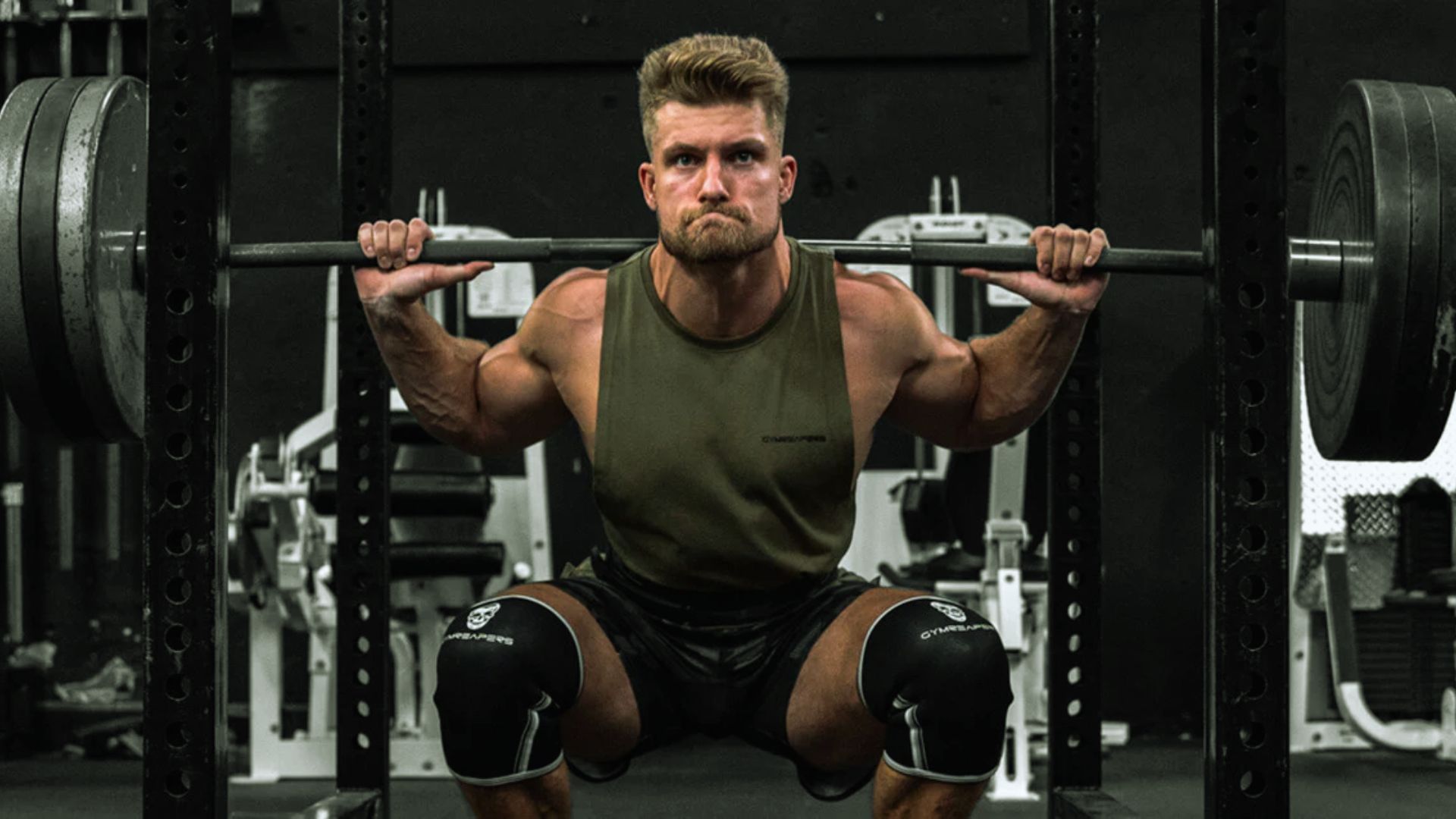
Good technique is the single most important factor in keeping your lower back safe during squats.
Proper Foot Stance and Positioning
Stand with your feet shoulder-width apart and toes pointing slightly outward. This foot position gives you a stable base and allows your hips to move freely.
Maintaining a Neutral Spine During the Movement
Keep your chest up and your back straight throughout the squat. A neutral spine means no rounding and no excessive arch. Think of it as keeping your back in its natural position.
Engaging Your Core Throughout the Squat
Brace your core before you start moving and keep it tight all the way through. A soft core means an unstable spine.
Keeping Knees Aligned With Your Toes
Your knees should track over your toes at all times. If they collapse inward, it throws off your alignment and puts strain on the lower back.
Pushing Through the Heels Instead of the Toes
Drive through your heels as you stand up from the squat. This keeps your weight balanced and activates the glutes and hamstrings properly.
Best Exercises to Strengthen the Muscles That Protect Your Lower Back
Building strength in the right muscles helps support your spine and reduce pain during squats.
1. Planks for Core Stability
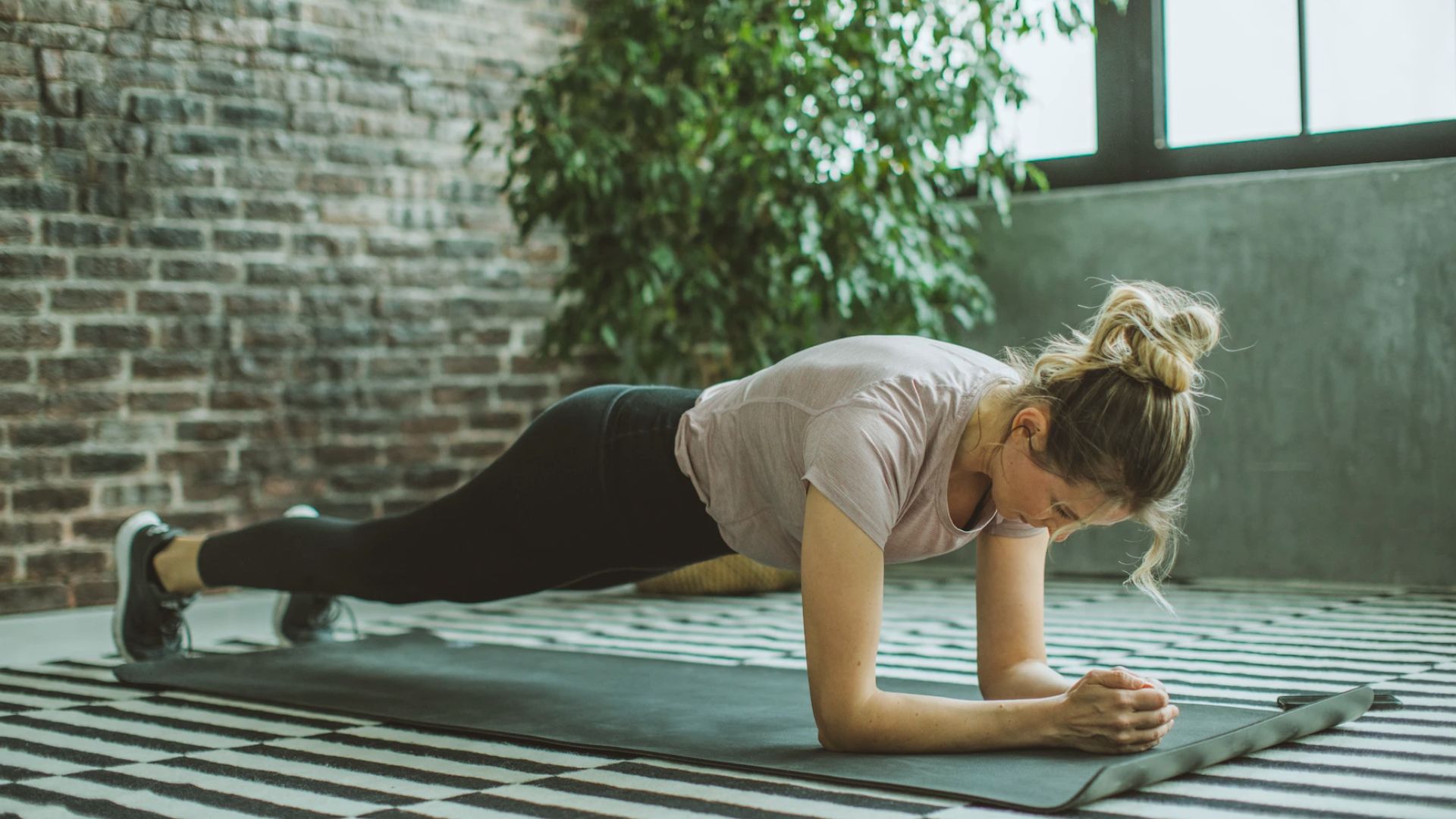
Hold a plank position for 20 to 30 seconds and focus on keeping your body in a straight line. This builds the deep core muscles that stabilize your spine.
2. Bird Dogs for Spine Control

From a hands-and-knees position, extend one arm and the opposite leg at the same time. Hold for a few seconds and switch sides. This exercise trains your spine to stay stable during movement.
3. Dead Bugs for Core Engagement

Lie on your back and extend opposite arms and legs while keeping your lower back pressed into the floor. This is one of the best exercises for building a strong and stable core.
4. Side Planks for Obliques and Side Core Strength

Side planks target the muscles on the sides of your core. These muscles help keep your spine aligned during squats and reduce lower back strain.
5. Glute Bridges to Strengthen the Posterior Chain

Lie on your back, push your hips up, and squeeze your glutes at the top. Strong glutes take pressure off the lower back and improve your squat mechanics.
Stretches That Help Fix Lower Back Pain From Squats
Regular stretching improves mobility and helps your lower back recover faster after training.
1. Hip Flexor Stretch for Improved Mobility

Kneel on one knee and push your hips forward gently. Hold for 30 seconds on each side. Tight hip flexors pull on the lower back, so keeping them loose matters a lot.
2. Hamstring Stretch to Reduce Lower Back Strain

Sit on the floor with your legs straight and reach toward your feet. Tight hamstrings limit squat depth and force the lower back to compensate.
3. Spiderman Stretch for Hips and Glutes

Step one foot forward into a lunge position and lower your back knee to the ground. Rotate your torso toward the front leg. This stretch opens up the hips and glutes.
4. Elephant Walk Stretch for Hamstrings and Lower Back

Walk forward while keeping your legs straight and reaching your hands toward the ground. This stretch targets the hamstrings and decompresses the lower back.
5. Pancake Stretch for Hips and Inner Thighs

Sit on the floor with your legs spread wide and lean forward from the hips. This stretch improves inner thigh and hip mobility, which directly supports better squat mechanics.
Tips to Prevent Lower Back Pain From Squats
A few simple habits can keep your lower back healthy and help you squat pain-free long-term.
- Always warm up your hips, hamstrings, and glutes before squatting
- Start with bodyweight squats before adding heavy weights
- Focus on controlled movement instead of rushing through reps
- Strengthen your core regularly to stabilize your spine
- Improve hip and ankle mobility to maintain proper squat depth
Conclusion
Lower back pain from squats does not have to be your reality. With better form, regular stretching, and a stronger core, you can train without the pain.
I remember when I could barely squat without feeling that familiar ache in my lower back. Taking a step back, fixing my form, and building up slowly made all the difference. It was worth every bit of patience.
If this guide helped you, leave a comment below and let me know. Share it with someone who needs it. And check out our related posts for more training tips.
Frequently Asked Questions
How Do I Stop Lower Back Pain When Squatting?
Focus on keeping a neutral spine and bracing your core before each rep. Also, check that your foot position and squat depth match your current mobility level.
Should I Stop Squatting if My Lower Back Hurts?
Take a short break and allow your back to recover. Then return with lighter weight and a stronger focus on proper form before building back up.
Can Weak Glutes Cause Lower Back Pain From Squats?
Yes, weak glutes force the lower back to compensate during the squat. Adding glute bridges and hip exercises to your routine can reduce lower back strain significantly.
How Long Does Lower Back Pain From Squats Last?
Mild soreness usually goes away within two to five days with rest and light stretching. If the pain is sharp or lasts longer than a week, it is best to see a professional.
Are Squats Bad for Your Lower Back?
Squats are not bad for your lower back when done with proper form and appropriate weight. In fact, squatting correctly can strengthen the muscles that support and protect the lower back.


