Shoulder pain after every workout was normal for months. I tried switching exercises, taking rest days, even cutting back on weight. Nothing helped.
Then I came across scaption raises. Things finally started to shift.
This is not just another shoulder exercise. It works with how your shoulder actually moves, not against it. And once I understood that, everything changed.
In this blog, I'll cover what scaption raises are, how to do them the right way, the real benefits, common mistakes to skip, and who should be doing them.
If your shoulders have been feeling off, you are in the right place.This might be the fix you have been looking for.
Let's get into it.
What Are Scaption Raises?
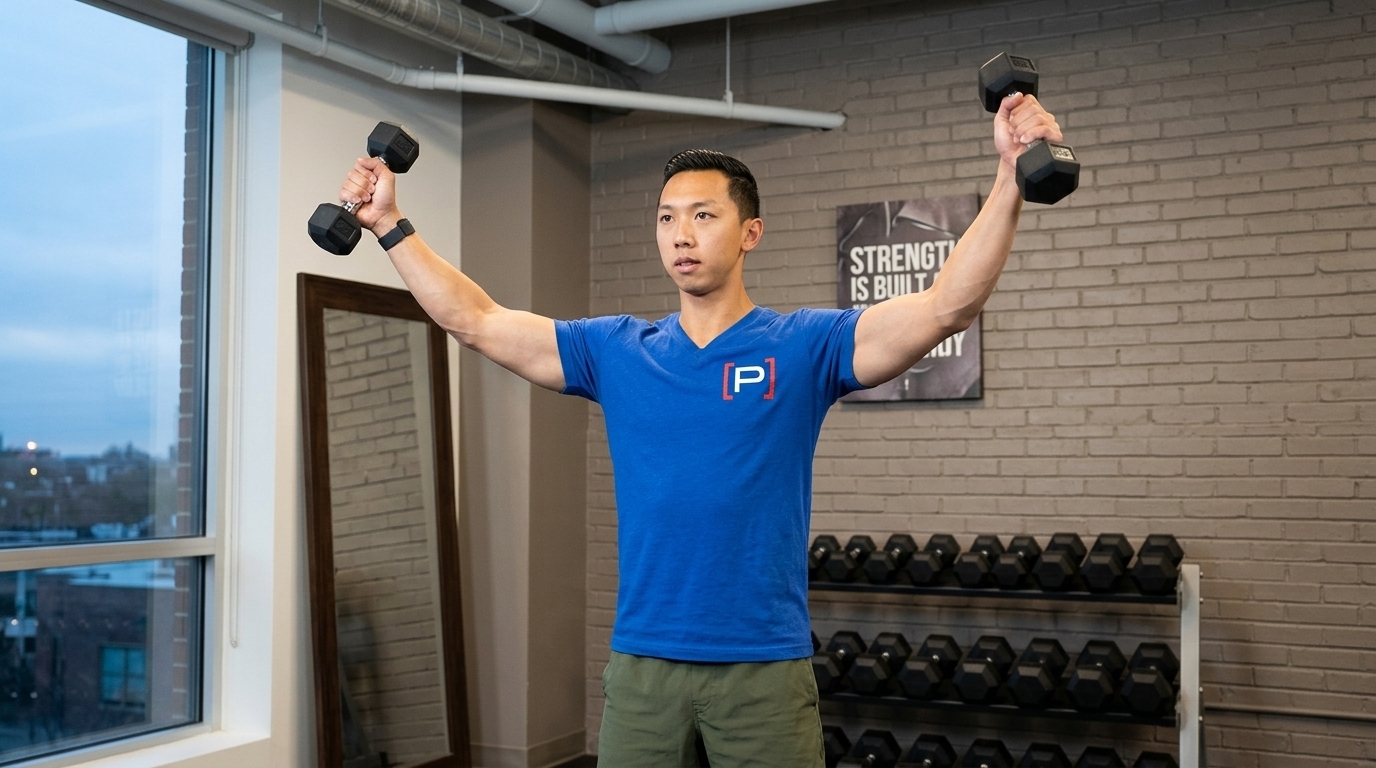
Scaption raises are a shoulder strengthening exercise where you lift your arms up at a slight angle in front of your body.
That angle puts you right in the scapular plane, which is roughly 30 to 45 degrees forward from the sides of your body.
The scapular plane is where your shoulder joint naturally moves with the least strain. Working in this plane lets the ball of your upper arm bone sit better inside the shoulder socket.
This supports smoother movement and more control during the lift. Unlike front raises or lateral raises, scaption raises follow the shoulder's natural movement path.
That makes them easier on the joint and more effective for building functional shoulder strength over time.
Why Scaption Raises Are Good for Shoulder Health
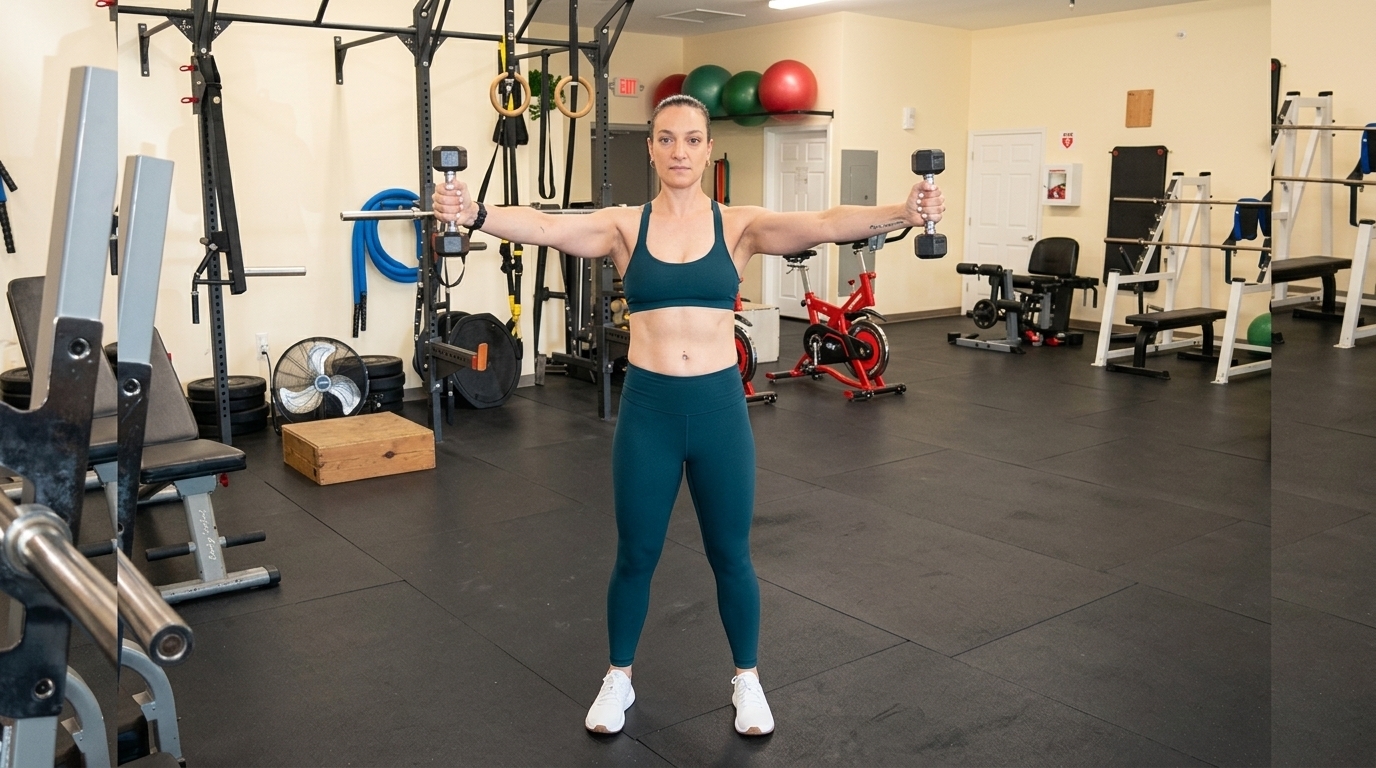
Scaption raises work with how your shoulder is built, not against it. Because you lift in the scapular plane, the joint does not have to fight awkward angles or unnatural stress.
This is why physical therapists and trainers commonly use this exercise in shoulder rehab and prevention programs.
The movement calls on the rotator cuff muscles and the deltoid together, which supports both strength and stability.
For people recovering from minor shoulder issues or those looking to protect their shoulders long-term, scaption raises offer a lower-risk way to build muscle.
They are practical, effective, and a smart choice for anyone who wants to keep their shoulders working well for years.
Equipment You Need
You only need basic equipment for this exercise.
- Dumbbells: A pair of light to moderate dumbbells works well. Start lighter than you think you need.
- Resistance bands (optional alternative):A resistance band anchored at floor level can replace dumbbells if needed.
How to Do Scaption Raises Properly: Step-by-Step Technique
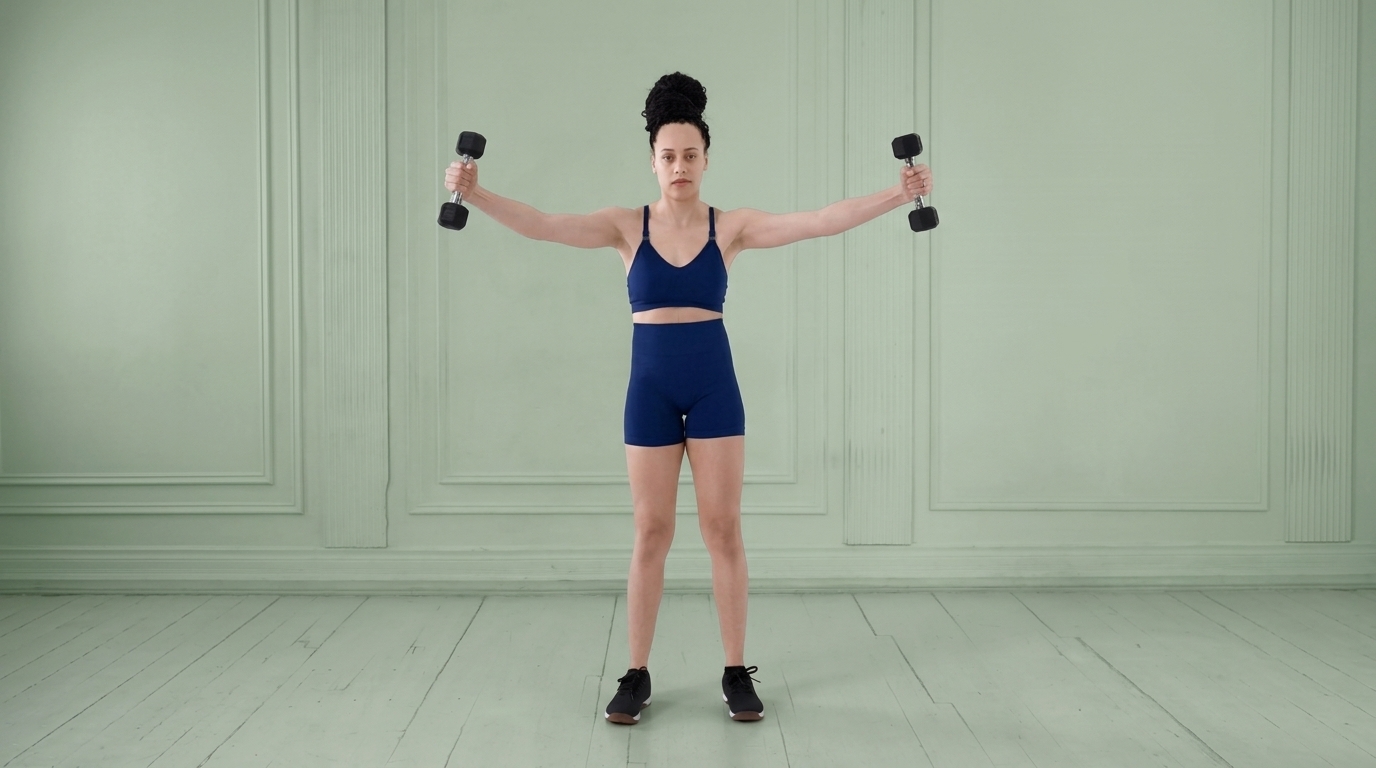
Good form makes all the difference here. Follow each step carefully, especially when you are new to this movement.
Stand with Your Feet Shoulder-Width Apart
Set your feet about hip to shoulder-width apart. Stand tall with a soft bend in your knees. Keep your weight balanced evenly across both feet.
This base position gives your body the support it needs to control the lift without compensation from your lower body.
Hold a Pair of Light Dumbbells with a Thumbs-Up Grip
Grip the dumbbells so your thumbs point up toward the ceiling. This grip naturally rotates your arms into the correct position for the scapular plane.
It also reduces internal shoulder rotation during the lift, which helps protect the tendons inside the joint.
Position Your Arms About 30 to 45 Degrees in Front of Your Body
Bring your arms slightly forward, not straight out to your sides. This is the scapular plane. The exact angle will feel natural once you find it.
Your arms should form a slight V shape in front of you. This is the most important cue in the entire exercise.
Brace Your Core and Keep Your Chest Lifted
Before you raise the weights, tighten your core muscles like you are about to take a punch. Keep your chest up and your shoulders pulled slightly back and down.
Avoid letting your upper back round forward. This setup protects your lower back and keeps the focus on your shoulders.
Raise the Weights Slowly Until They Reach Shoulder Height
Lift both arms at the same time, moving at a slow and controlled pace. Stop when your hands reach about shoulder height.
Going above shoulder height shifts the load away from the target muscles and can strain the shoulder joint. Controlled movement matters more than speed here.
Pause Briefly While Maintaining Control
At the top of the movement, hold the position for one to two seconds. This short pause removes any momentum from the lift.
It forces your shoulder stabilizers to work a little harder, which improves strength and control over time. Do not let the weights drift or wobble during the pause.
Lower the Weights Slowly to the Starting Position
Bring the weights back down at the same speed you raised them. Resist gravity on the way down instead of letting the weights drop.
This eccentric phase of the movement builds just as much strength as the lift itself. Keep your thumbs pointing up the whole way.
Repeat for the Desired Number of Repetitions
A good starting point is 2 to 3 sets of 10 to 12 reps. Focus on quality over quantity.
Once the form feels solid and controlled from start to finish, you can gradually increase the weight or add more reps.
Benefits of Scaption Raises
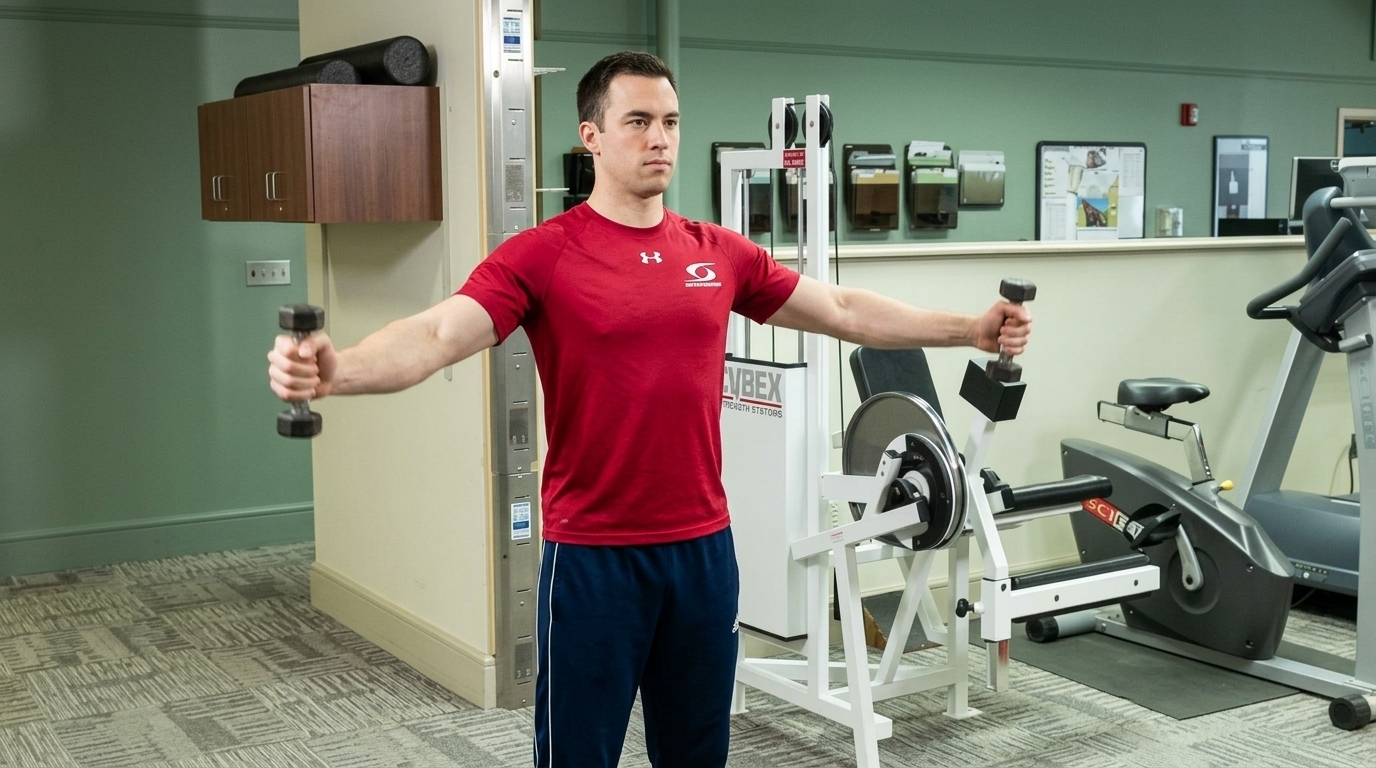
A small change in angle makes a big difference in results. Here is what this exercise can do for you.
Build Stronger Shoulders
Scaption raises target the deltoid and rotator cuff muscles that are responsible for lifting and stabilizing your arms.
Strengthening these muscles improves your ability to lift, push, and carry in everyday life and in the gym.
Improve Shoulder Stability
This exercise trains the smaller stabilizing muscles around the shoulder joint.
Stronger stabilizers support better joint function during athletic movements, overhead work, and repetitive activities that stress the shoulder over time.
Most people overlook these smaller muscles completely. But they are the ones doing the quiet work that keeps your shoulder joints healthy long term.
Promote Better Shoulder Mobility and Control
Lifting in the scapular plane trains your shoulder through a functional range of motion.
Over time, this builds better movement quality and reduces compensations that can lead to stiffness or discomfort during more demanding exercises.
Better control means fewer breakdowns under load. That is the kind of progress that actually sticks.
Support Better Posture
The muscles that control scapular movement also play a role in upper-body alignment.
Regularly training these muscles with scaption raises helps reinforce good posture patterns, especially for people who sit at a desk for long hours.
I sit at a desk most of the day, so this benefit hit close to home. Even small improvements in posture make a real difference in how your body feels by evening.
Support Injury Prevention
Building the stabilizing muscles around the shoulder complex lowers injury risk over time.
A stronger, more stable shoulder is less likely to break down under load, during sports, or in daily activities that put repeated stress on the joint.
Prevention is always easier than recovery. A few sets of scaption raises each week is a small investment that pays off a lot down the road.
Common Scaption Raise Mistakes to Avoid
Small errors can make this exercise less effective or cause discomfort. Watch out for these.
- Lifting the weights too high:Stop at shoulder height. Going higher shifts load off the target muscles and strains the joint.
- Using too much weight: Heavy dumbbells force compensation. Start light and focus on control first.
- Swinging the arms: Momentum takes the work away from your shoulder muscles. Move with intention.
- Shrugging the shoulders: Keep your shoulders down and back throughout the lift. Shrugging overworks the traps and reduces shoulder activation.
- Rushing through reps:Slow reps build more strength and stability than fast ones. Take your time.
- Arching the lower back:A rounded or overarched lower back means your core is not engaged. Brace before every rep.
Precautions Before Performing Scaption Raises
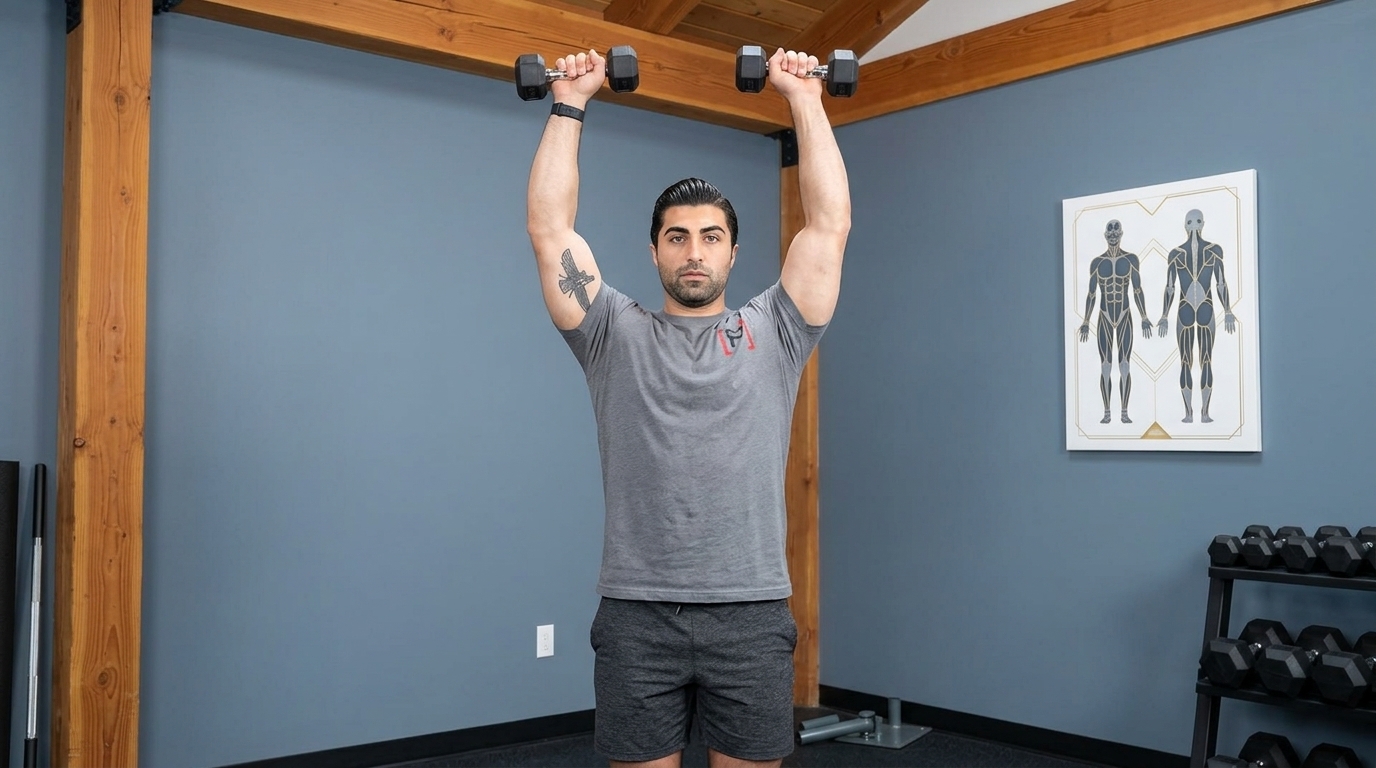
Take a moment to read these before you add this exercise to your routine.
Start With Light Resistance
Always begin with a weight that feels almost too easy. Master the movement pattern first. Movement quality comes before load.
Once the form feels automatic and comfortable, you can slowly increase the resistance.Think of it as building a foundation. Rushing the weight up too soon is how small issues turn into bigger ones.
Avoid Painful Ranges of Motion
If you feel sharp pain or a pinching sensation at any point in the movement, stop immediately. Discomfort from muscle fatigue is normal. Sharp or worsening pain is not.
Do not push through it.Pain is your body sending a clear signal. Ignoring it rarely ends well, especially with shoulder exercises.
Focus on Control Over Weight
Proper form will always produce better results than heavy dumbbells with bad technique. If you cannot control the weight through the full range of motion, it is too heavy.
Drop down and rebuild from there.Slow, controlled reps build real strength over time. Sloppy reps just build bad habits.
Consider Existing Shoulder Conditions
If you are recovering from a shoulder injury, surgery, or dealing with ongoing shoulder pain, speak with a physical therapist or sports medicine professional before starting this exercise.
They can help you adapt the movement to your specific situation safely.Not every exercise works the same for every body.Getting the right guidance upfront saves you a lot of setbacks later.
Who Should Include Scaption Raises in Their Routine?
This exercise works well for a wide range of people.
- Beginners who are just starting to build shoulder strength and want a safe, low-risk movement to learn
- Athletes who rely on strong, stable shoulders for throwing, swimming, climbing, or overhead sports
- Lifters who want to improve shoulder health and support their bigger pressing and pulling movements
- Anyone focused on shoulder stability and movement quality, especially those who have had minor shoulder issues in the past
Conclusion
I added scaption raises after months of shoulder stiffness that just would not quit.
Within a few weeks, my shoulders felt noticeably better during every other exercise I was doing. Small change. Big difference.
If you are dealing with tightness or want stronger, more stable shoulders, start here. Go light, focus on form, and stay consistent.
Have you tried scaption raises? Drop a comment below. And if this helped, share it with someone who trains.
Frequently Asked Questions
How many sets and reps should I do for scaption raises?
Start with 2 to 3 sets of 10 to 12 reps using a light weight that you can control through the full movement.
Can beginners do scaption raises?
Yes, scaption raises are well suited for beginners because they follow the shoulder's natural movement pattern and are easy to learn with light weights.
Are scaption raises better than lateral raises?
Scaption raises move in the scapular plane, which tends to place less stress on the shoulder joint than traditional lateral raises, making them a good alternative or complement.
How heavy should the dumbbells be for scaption raises?
Start with 2 to 5 pounds if you are new to shoulder exercises. The goal is controlled movement, not heavy lifting.
Can I do scaption raises if I have a shoulder injury?
If you are recovering from a shoulder injury, consult a physical therapist before starting this exercise to make sure it is appropriate for your specific condition.