I've been there. Standing at the bench press, loading plates, and wondering if I'm even close to where I should be.
If you've ever Googled "how much should I be able to bench," you're not alone. Most people have no idea what a realistic number looks like for their level.
That changes today.
In this blog, I'll cover bench press standards by experience level, gender, and bodyweight.
Real numbers. No fluff. By the end, you'll know exactly where you stand and have a clear target to work toward.
Let's get into it.
Understanding Bench Press Benchmarks and Why They Matter
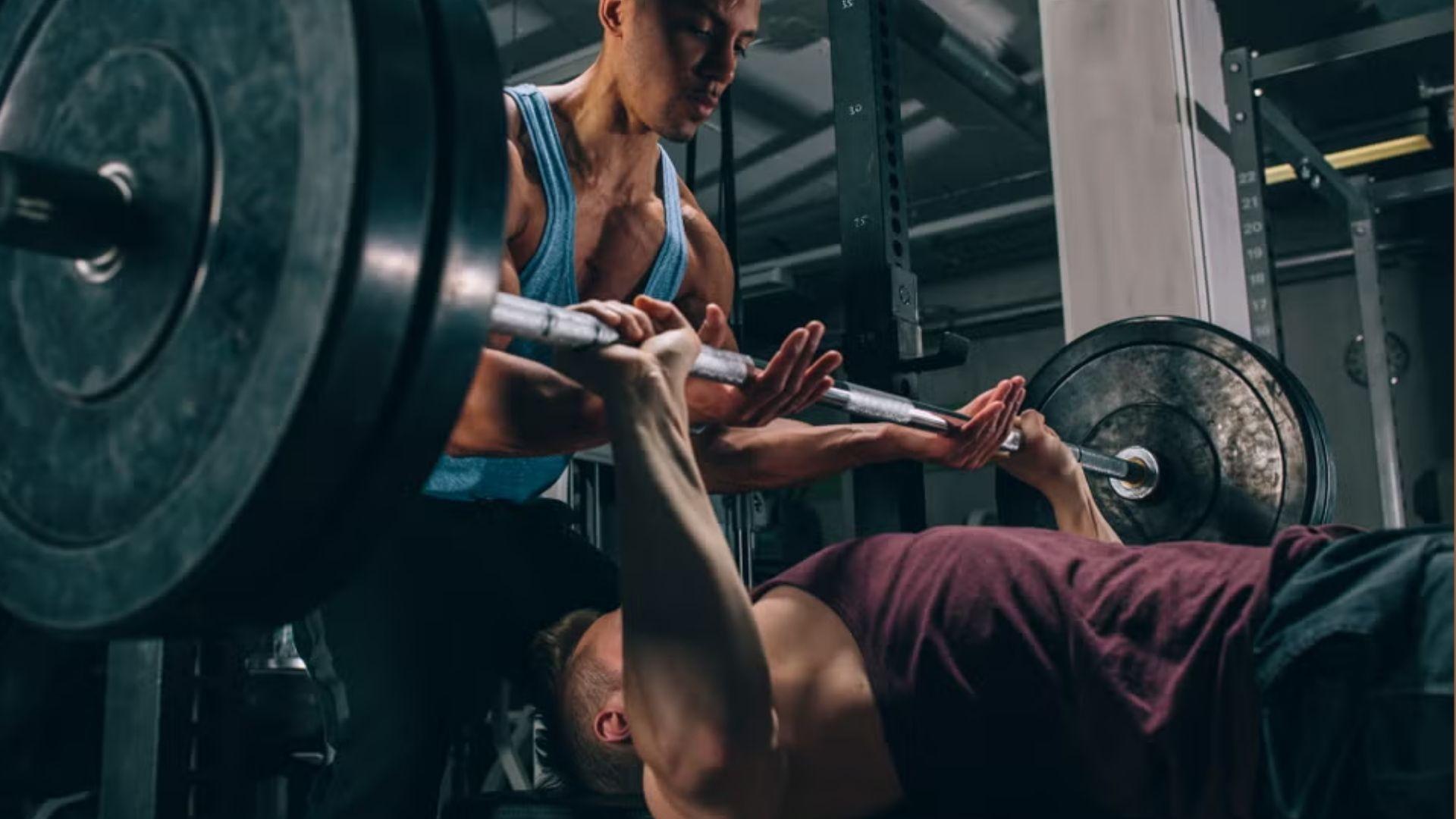
Bench press benchmarks give you a real target to measure progress against. Without them, you're just lifting and hoping for the best.
Knowing the standard for your level helps you set goals that actually make sense. It tells you if you're on track, ahead, or need more work.
Most people only focus on the total weight on the bar. The smarter move is looking at your bodyweight ratio, experience level, and gender.
These three things give you a full picture of your strength.
Once you understand how benchmarks work, you can plan your training with a clear direction and stop second-guessing every session.
Bench Press Standards by Experience Level
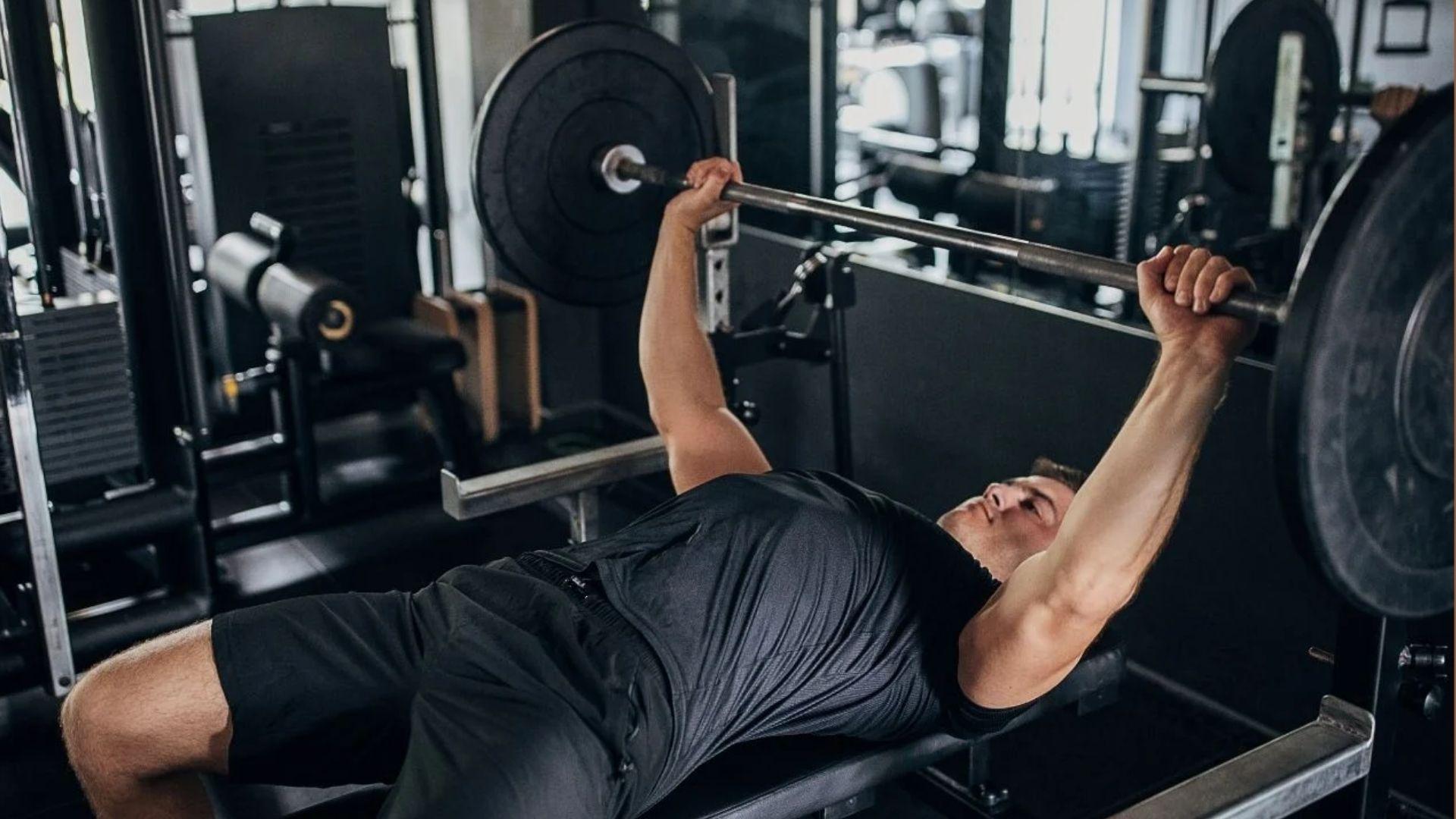
Your training age matters more than you think when it comes to bench press numbers.
Untrained Lifters (No Structured Training Background)
If you've never followed a structured training plan, you're in the untrained category. Most untrained men can bench around 135 lbs or less.
Women typically start around 45–65 lbs. These numbers aren't bad. Everyone starts somewhere.
The point is to get a baseline. Once you know where you're starting from, you can build a clear plan and move forward.
Beginner Lifters (0–12 Months of Training)
After a few months of consistent training, real progress starts to show. Beginner men often bench around 135–175 lbs.
Women in this range typically reach 65–95 lbs. This stage is where the biggest gains happen fast.
Your muscles are adapting quickly. Form matters more than weight here. Get your technique right now, and the numbers will follow naturally.
Intermediate Lifters (1–3 Years of Consistent Training)
At this stage, you've built a solid base. Intermediate men can typically bench around 175–225 lbs. Women often reach 95–135 lbs.
Progress slows a little here. That's completely normal. This is when programming and consistency count the most
Adding structure like progressive overload makes a real difference. Small, steady gains each week add up fast.
Advanced Lifters (3+ Years of Structured Strength Training)
Advanced lifters have spent years building serious strength. Men at this level typically bench 225–300 lbs.
Women often hit 135–185 lbs. Getting here takes real discipline. Recovery, nutrition, and sleep become just as important as the workout itself.
Plateaus are more common now. Breaking through them requires smart programming, not just loading more plates every session.
Elite Lifters (Competitive or Near-Competitive Strength Levels)
Elite lifters are in a different category altogether. Men at this level bench over 300 lbs, with some competitive lifters pushing 400 lbs or more.
Women regularly hit 185–225 lbs and beyond. Getting here takes years of focused training and near-perfect recovery habits.
Most people won't reach this level. But understanding it helps you see the full range of what's possible.
Bench Press Standards by Gender

Men and women have different bench press standards, and both are equally valid to track.
Average Bench Press for Men Across Experience Levels
Men generally have more upper body muscle mass, so average numbers run higher. An untrained man might bench around 135 lbs.
Beginners reach 135–175 lbs. Intermediate men hit 175–225 lbs. Advanced lifters push 225–300 lbs.
Elite men go beyond 300 lbs. These are broad ranges. Your individual numbers will vary based on body type, arm length, and training history.
Average Bench Press for Women Across Experience Levels
Women's numbers are lower on average, but the progress curve looks nearly identical to men's. An untrained woman might bench 45–65 lbs.
Beginners reach 65–95 lbs. Intermediate women hit 95–135 lbs. Advanced lifters push 135–185 lbs.
Elite women go above 185 lbs. Strength gains follow the same path. The starting point is different, not the effort required.
Strength Differences Exist (Muscle Mass, Physiology, Training Exposure)
The gap comes down to biology. Men naturally have more testosterone, which supports greater muscle mass.
Women have a smaller upper body muscle base on average. Hormonal differences also affect how quickly muscle grows.
Training history plays a role too. Men have historically had more exposure to structured strength training, which pushes average numbers higher overall.
Bench Press Standards by Bodyweight
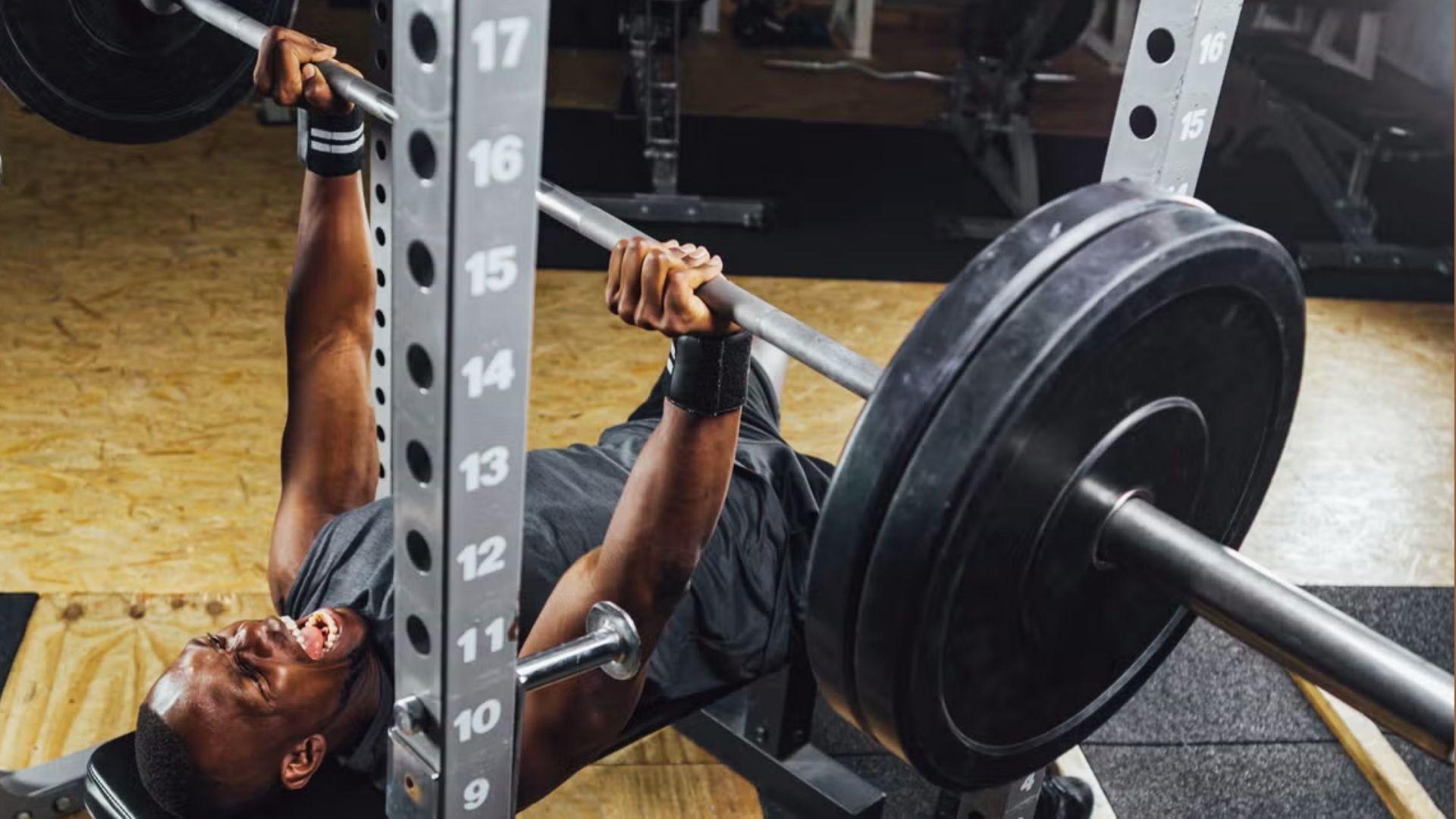
How much you weigh changes what a strong bench press actually looks like for you.
Why Relative Strength (vs Bodyweight) Is the Key Benchmark
Absolute numbers don't tell the full story. A 150 lb person benching 180 lbs is proportionally stronger than a 220 lb person benching 200 lbs.
That's why relative strength matters. It compares how much you lift to your bodyweight.This makes progress fair across different body sizes.
Focusing on relative strength gives you a much more accurate view of where you really stand.
Beginner Target (40–60% of Bodyweight)
If you're just starting out, aim to bench 40–60% of your bodyweight. For a 160 lb person, that's 64–96 lbs.
These numbers might feel light, but they build a strong foundation. Focus on form first. Learn to control the bar through the full range of motion.
Get your technique solid. The weight will go up naturally as you build real strength.
Intermediate Target (Around 1× Bodyweight)
Benching your own bodyweight is a major milestone. It means moving 100% of your weight on the bar. For a 170 lb person, that's 170 lbs.
At this level, you've built real, functional strength. Most people reach this point after one to two years of consistent training.
It's a solid, meaningful target worth working toward with purpose.
Advanced Target (1.25× to 1.5× Bodyweight)
At the advanced level, aim to bench 1.25 to 1.5 times your bodyweight. For a 170 lb person, that's 212–255 lbs.
Getting here takes years of solid training and smart programming. Nutrition and recovery matter a lot at this stage.
Small weekly improvements add up significantly over months. This is a strong, respectable level of pressing power for any lifter.
Elite Target (1.75×+ Bodyweight)
Elite strength means benching 1.75 times your bodyweight or more. For a 170 lb person, that's about 297 lbs or beyond.
Very few lifters ever reach this level. It typically takes five or more years of serious, focused training.
Getting here requires more than just showing up. Sleep, diet, programming, and recovery all need to be on point. It's rare, but it's possible.
What Is Considered a "Good" Bench Press?
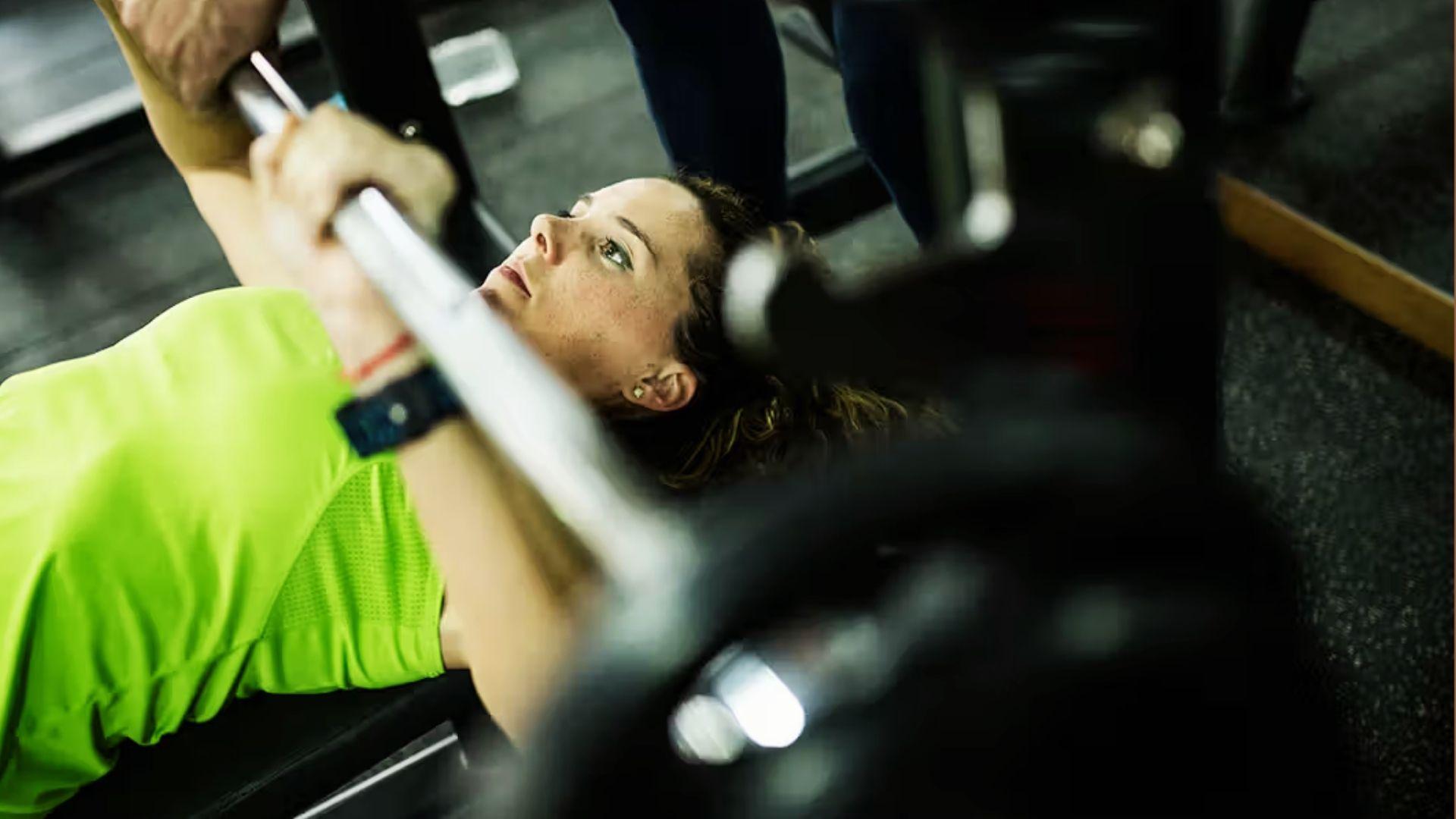
A "good" bench press depends on who's asking. For most people, reaching their bodyweight on the bar is a strong, well-rounded goal.
That's generally considered a solid bench for an intermediate lifter.
If you can bench 1.5 times your bodyweight, you're in the advanced range, and that's genuinely impressive by any standard.
But "good" is also personal. If you've added 20 lbs to your bench over three months, that's good progress.
Don't let external standards override your own growth. Focus on steady improvement, and the numbers will reflect your work honestly over time.
How to Measure Your Bench Press Level Accurately
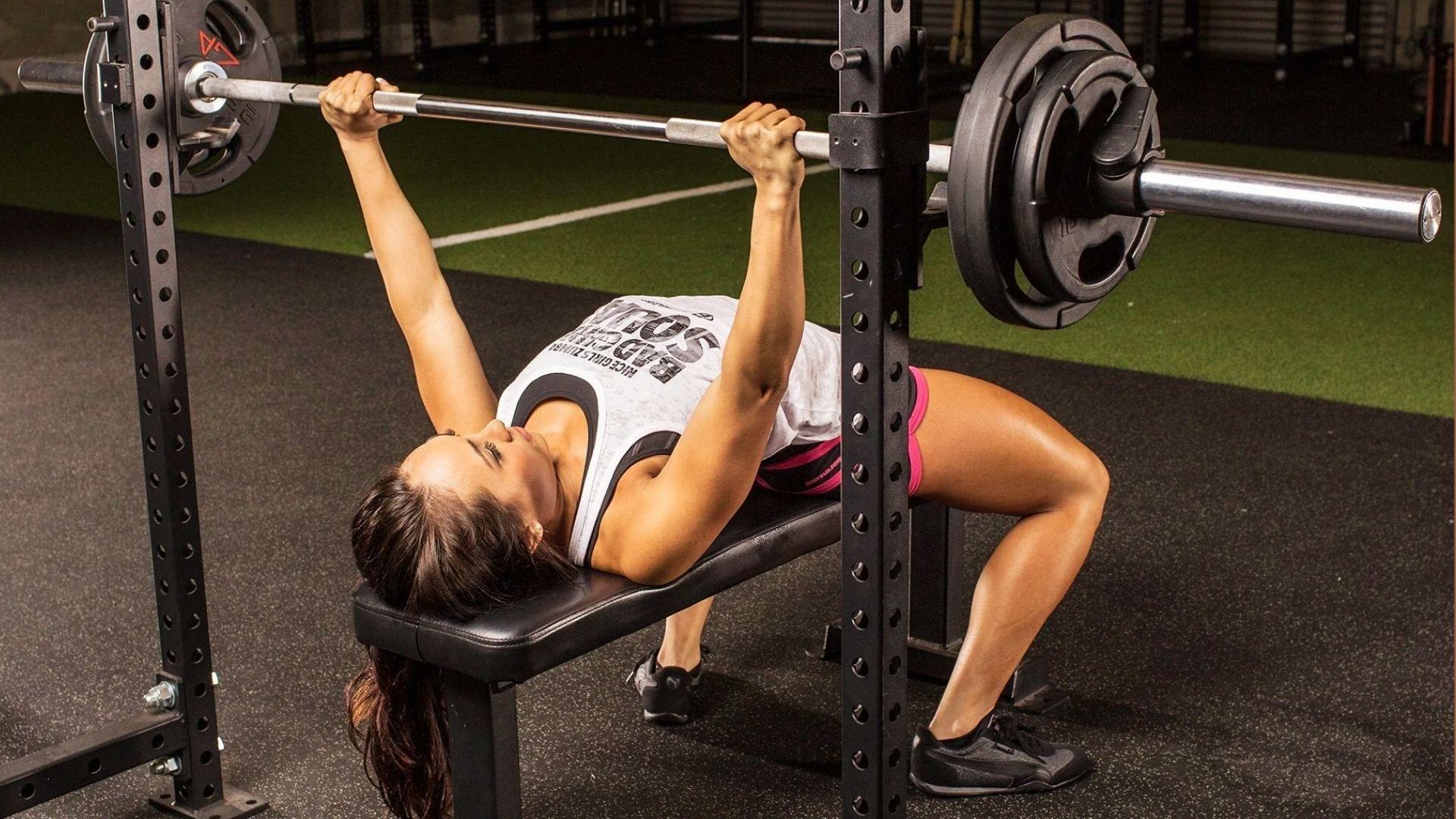
The most accurate way to measure your bench press strength is through a one-rep max test, also called a 1RM.
This is the maximum weight you can lift for exactly one rep with good form. But you don't need to test your 1RM every week.
That increases injury risk without speeding up progress. Instead, estimate your 1RM using rep-based sets.
If you can bench a weight for 5 reps, multiply that number by 1.15 to get a rough estimate. This approach keeps testing safe, your joints healthy, and your training consistent week after week.
Safety Tips for Bench Press Training
Lifting heavy is fine, but only when you're doing it the right way.
- Always use a spotter or safety pins: If you miss a lift alone, the bar comes straight down on you.
- Keep both feet flat on the floor: It gives you a stable base and better control through every rep.
- Use a squat rack with safeties if you train alone: Set the bars just below chest height and you're good.
- Stop if something hurts: Sharp pain means stop now. Pushing through it only makes things worse.
- Warm up first: Do two lighter sets before your working weight. Cold muscles pull easily.
Follow these steps every time, and you'll be lifting for years without setbacks.
Conclusion
I've asked myself "how much should I be able to bench" more times than I can count. The moment I stopped comparing and started tracking my own progress, everything clicked.
Now you have the numbers. You have the benchmarks. You know where you stand.
Pick one goal. Start this week.
Drop a comment below and tell me your current bench press. I'd love to know where you're starting from.
Frequently Asked Questions
How Much Should a Beginner Bench Press?
A beginner should aim for 40–60% of their bodyweight as a starting target on the bench press.
Is Benching Your Bodyweight a Good Goal?
Yes, benching your bodyweight is a solid intermediate milestone and a meaningful marker of real upper body strength.
How Often Should I Test My One-Rep Max?
Test your 1RM every 8–12 weeks to avoid overloading your joints and disrupting your regular training schedule.
Why Is My Bench Press Not Going Up?
Slow progress usually comes from poor sleep, inconsistent nutrition, or not following a structured, progressive training program.
What Is a Good Bench Press for a Woman?
A good bench press for women at the intermediate level is around 1× bodyweight, which is a strong and realistic target.