

How much does a squat bar weigh? If you’ve asked this while loading plates at the gym, you’re not alone. I’ve been lifting for years, and this question still comes up.
Most standard Olympic bars weigh 45 lbs (20 kg), but that’s not always the case. Different bars have different weights. This can mess up your training numbers if you don’t know what you’re using.
In this guide, I’ll break down the weights of different squat bars. You’ll learn why bars vary, how to identify what you’re using, and which bar fits your goals.
I’ll also show you how this affects your strength tracking. After hundreds of training sessions, I know which details matter.
Let’s get you the right information.
What Is Considered a Squat Bar?
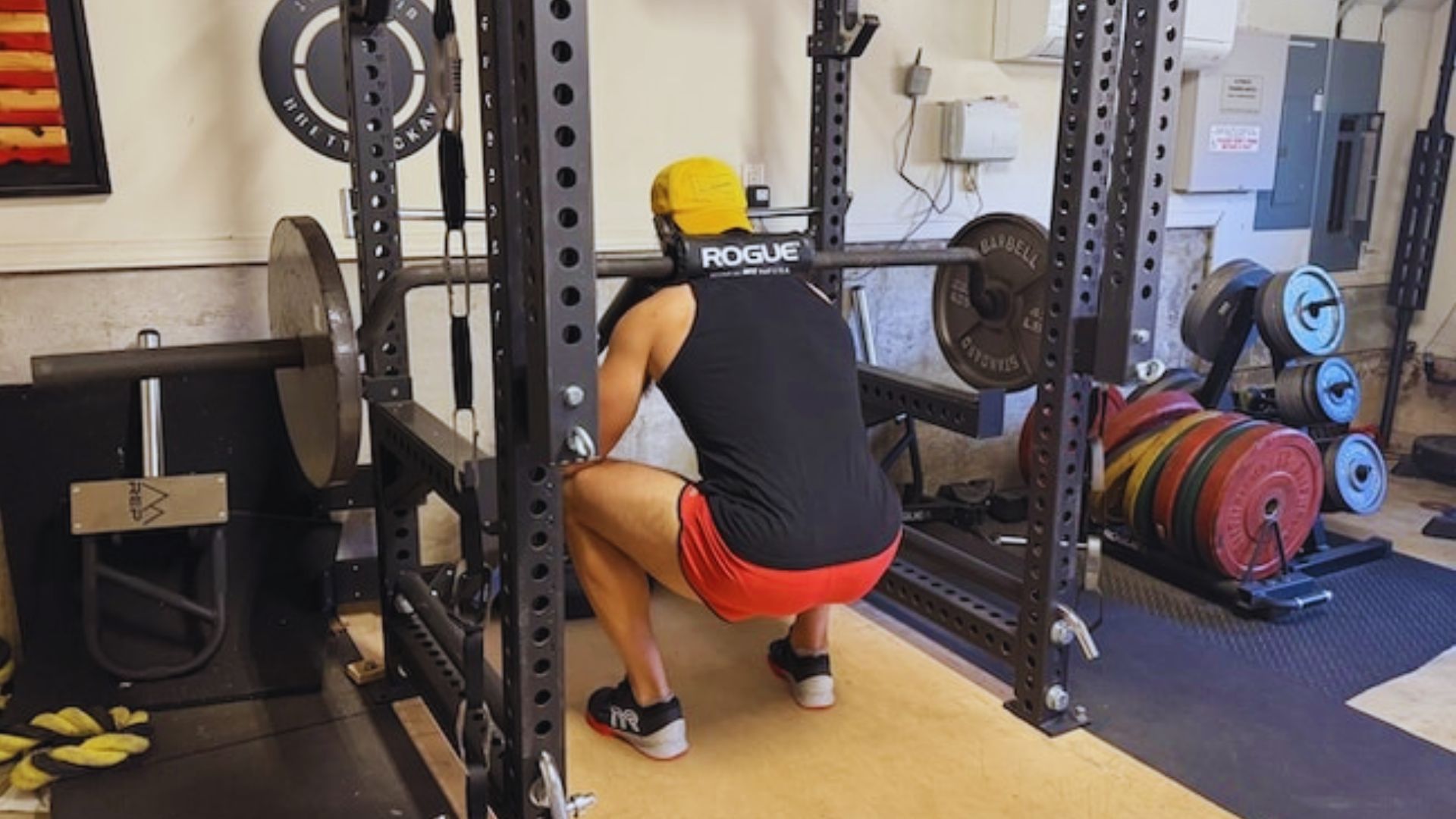
A squat bar is any barbell designed to hold weight plates and support squatting movements across your back or shoulders.
The most common squat bar is the standard Olympic barbell. It’s 7 feet long with rotating sleeves on the ends. Men’s Olympic bars weigh 45 lbs (20 kg).
Women’s versions weigh 33 lbs (15 kg). The bar has center knurling that helps it grip your back during squats. The sleeves hold standard 2-inch Olympic weight plates.
Not all barbells are the same. Regular squat bars have center knurling and a straight design. Specialty bars like safety squat bars have padding and handles. Deadlift bars are longer and thinner.
Trap bars have a hexagonal shape that you stand inside. Weight varies by design. A safety squat bar can weigh 60-70 lbs because of added padding. A standard bar stays at 45 lbs.
Common Squat Bar Weights Explained
Different squat bars have specific weights based on their design and intended use.
Men’s Olympic Squat Bar (20 kg / 45 lbs)
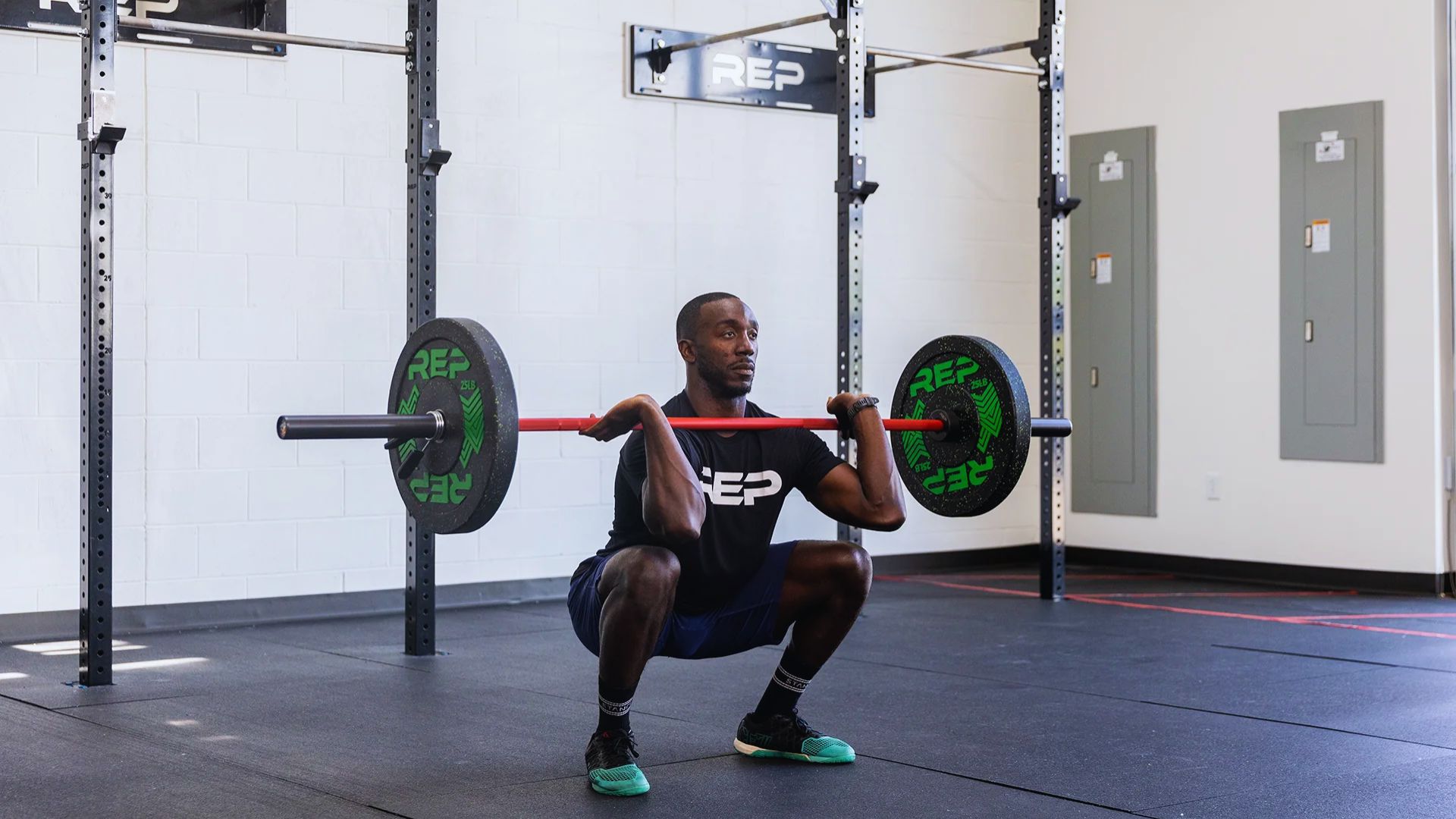
This is the standard weight you’ll see everywhere.
Men’s Olympic bars are built to hold heavy loads. They’re rated for 1,000+ lbs in most cases. The 45 lb weight provides stability without being too heavy to lift empty.
These bars measure 7 feet (2.2 meters) long. The shaft is 28-29mm thick. The sleeves can hold several hundred pounds of plates on each side.
When you see “Olympic bar” at the gym, this is usually what it means. Competition powerlifting and Olympic lifting both use this weight.
Women’s Olympic Squat Bar (15 kg / 33 lbs)

Women’s bars are lighter and thinner.
The main difference is the 25mm shaft diameter. This makes it easier to grip for people with smaller hands. The bar weighs 33 lbs instead of 45 lbs.
The length is slightly shorter at 6.5 feet. The knurling might be less aggressive. Weight capacity is still high enough for serious lifting.
Many commercial gyms only stock men’s bars. You’ll find women’s bars more often in CrossFit gyms or Olympic lifting facilities.
Powerlifting Squat Bars (55 lbs and up)
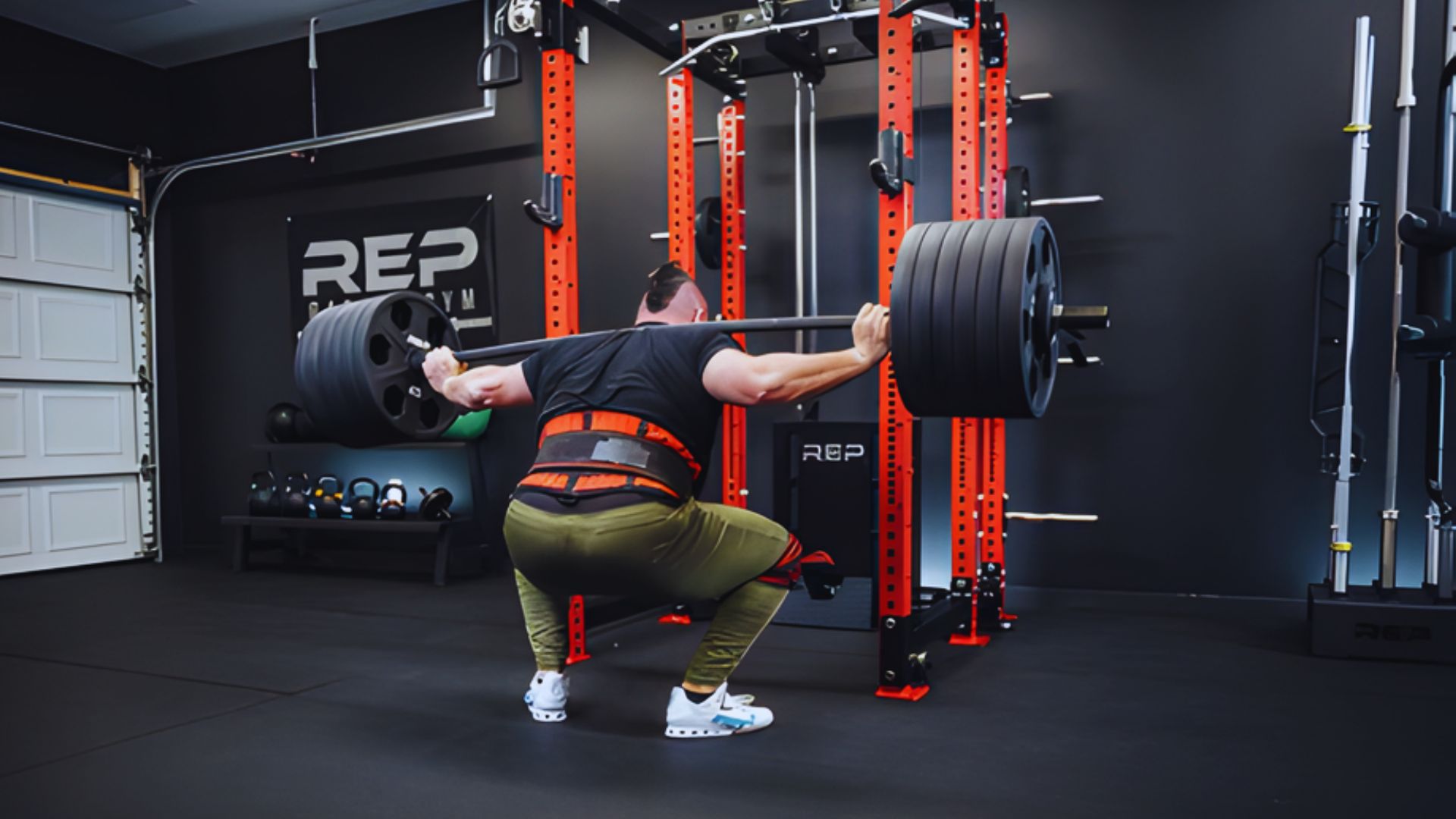
Specialized powerlifting squat bars weigh more.
These bars are built thicker and stiffer. A Texas Power Bar or similar weighs around 45 lbs, but some specialty squat bars go up to 55 lbs or more. The extra weight comes from increased shaft diameter and length.
Powerlifting bars have more aggressive knurling. They’re designed for maximum weight capacity. Some can hold over 1,500 lbs.
Safety squat bars (SSB) weigh 60-70 lbs typically. They have padding and handles that add weight. The cambered design also requires more material.
How Squat Bars Compare to Other Gym Bars?
Each type of bar has its own weight range based on its design and purpose.
Safety Squat Bar Weight
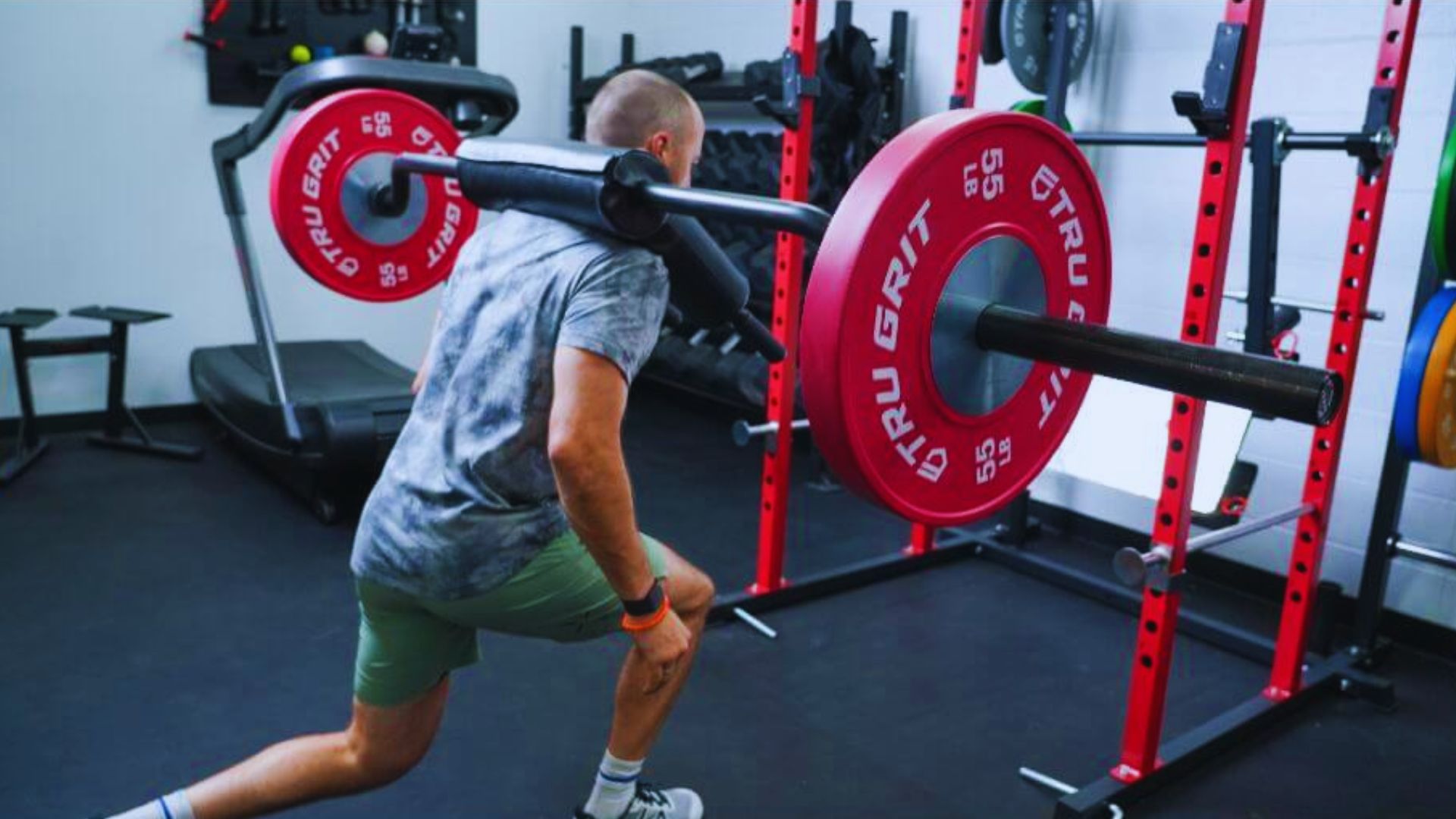
Safety squat bars typically weigh 60-70 lbs.
The padding around the bar adds weight. So do the handles that stick forward. The cambered (bent) design uses more steel than a straight bar.
Some models weigh up to 80 lbs. Always check the manufacturer’s specs. This extra weight means your squat numbers will look different from those with a standard bar.
The padding sits on your shoulders and takes pressure off your hands. This helps people with shoulder mobility issues.
Trap / Hex Bar Weight
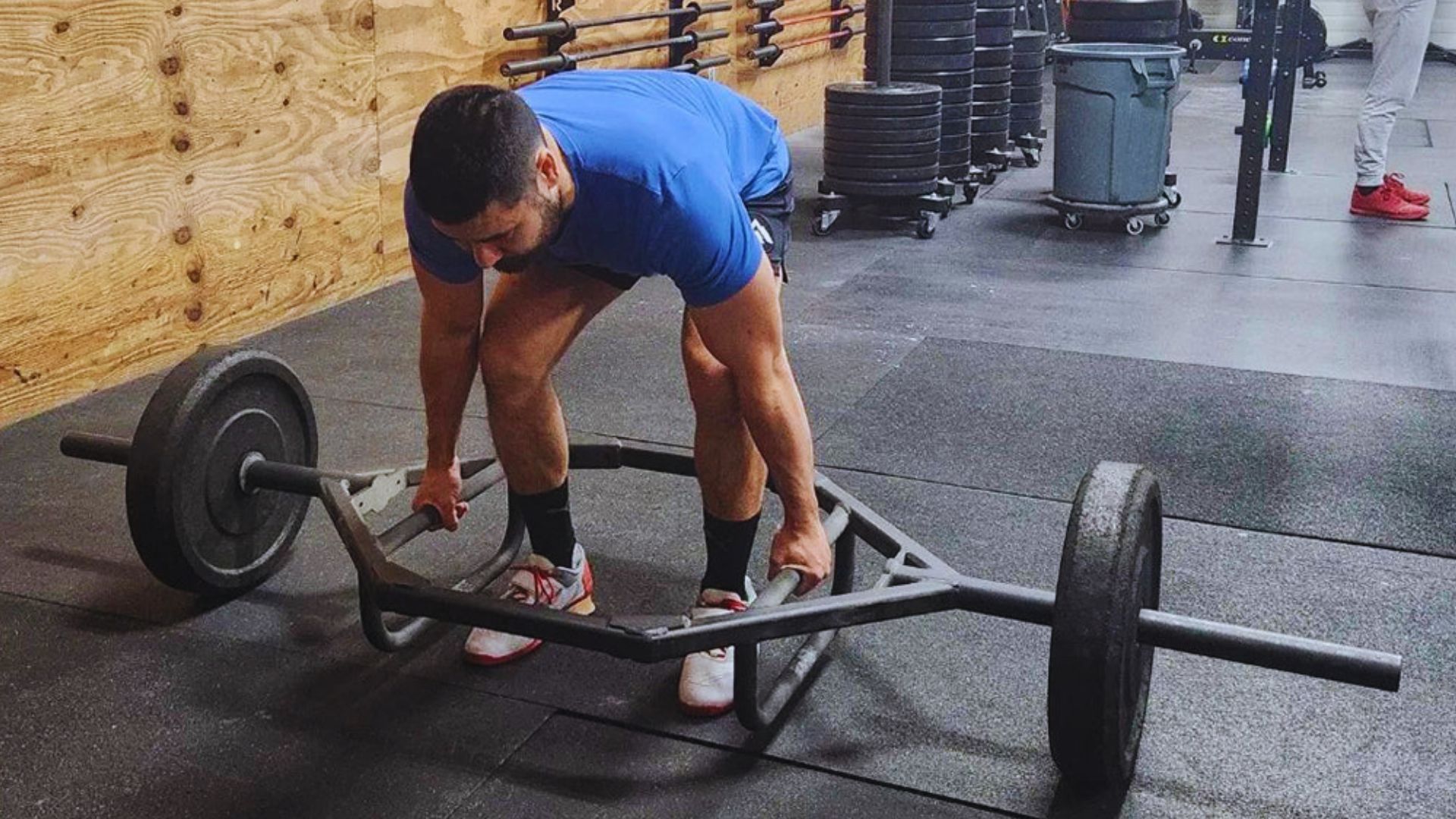
Trap bars usually weigh 45-60 lbs.
The hexagon shape requires more material than a straight bar. Most standard trap bars weigh around 45-50 lbs. Larger models designed for heavy deadlifts can weigh 60-75 lbs.
The handles sit at your sides instead of in front. This changes the movement pattern completely. It’s not really a squat bar, but people use it for similar lower-body work.
Check if your trap bar has high and low handles. The weight stays the same, but the handle position changes your range of motion.
EZ Curl Bar Weight
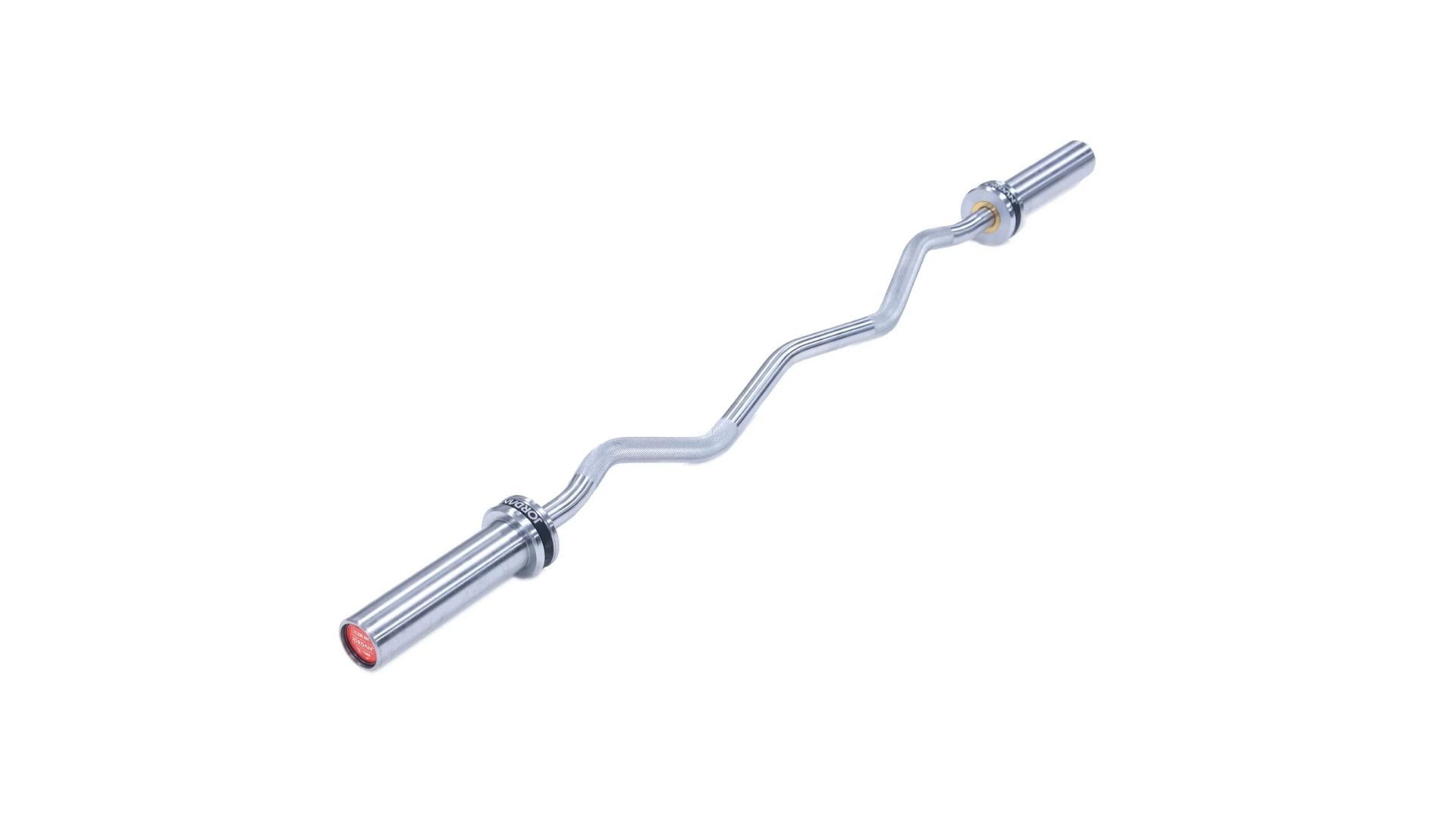
EZ curl bars are much lighter at 15-25 lbs.
These are the shorter, wavy bars used for arm exercises. The zigzag shape reduces wrist strain during curls. They’re not designed for squats.
Standard EZ bars are about 4 feet long. Olympic EZ bars (which fit Olympic plates) weigh closer to 25 lbs. Fixed-weight EZ bars in commercial gyms vary widely.
Fixed Barbell Weight Ranges
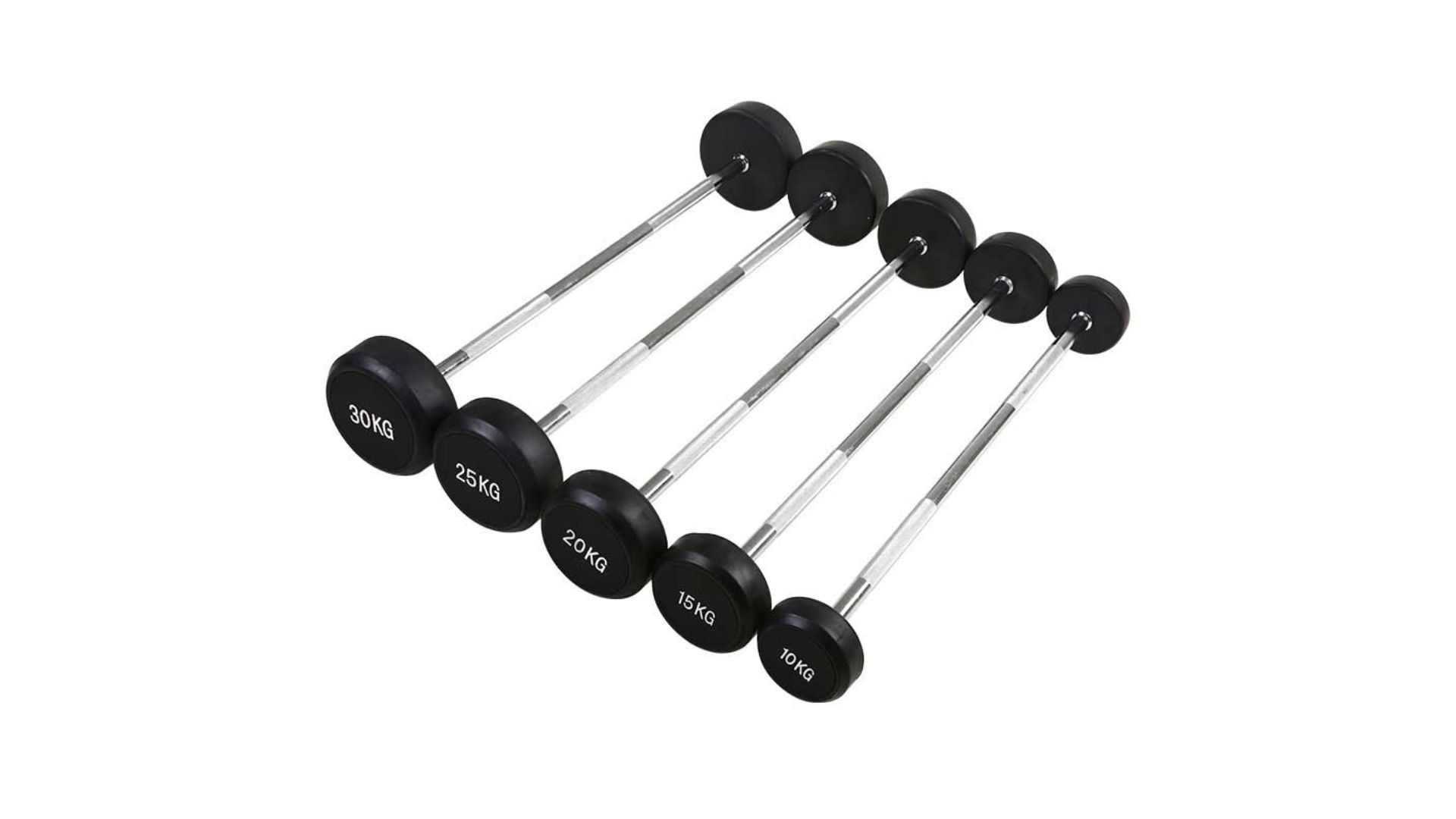
Fixed barbells have weights permanently attached.
These are the short, straight bars you see on racks. They range from 10 lbs to 120+ lbs. The weight includes both the bar and the attached plates.
These aren’t used for squats in most gyms. But some people use lighter fixed bars (20-30 lbs) for goblet squats or to learn form.
The bar itself might only weigh 5-10 lbs. The rest is the rubber-coated weight on the ends.
Smith Machine Bar (Actual vs Counterbalanced Weight)
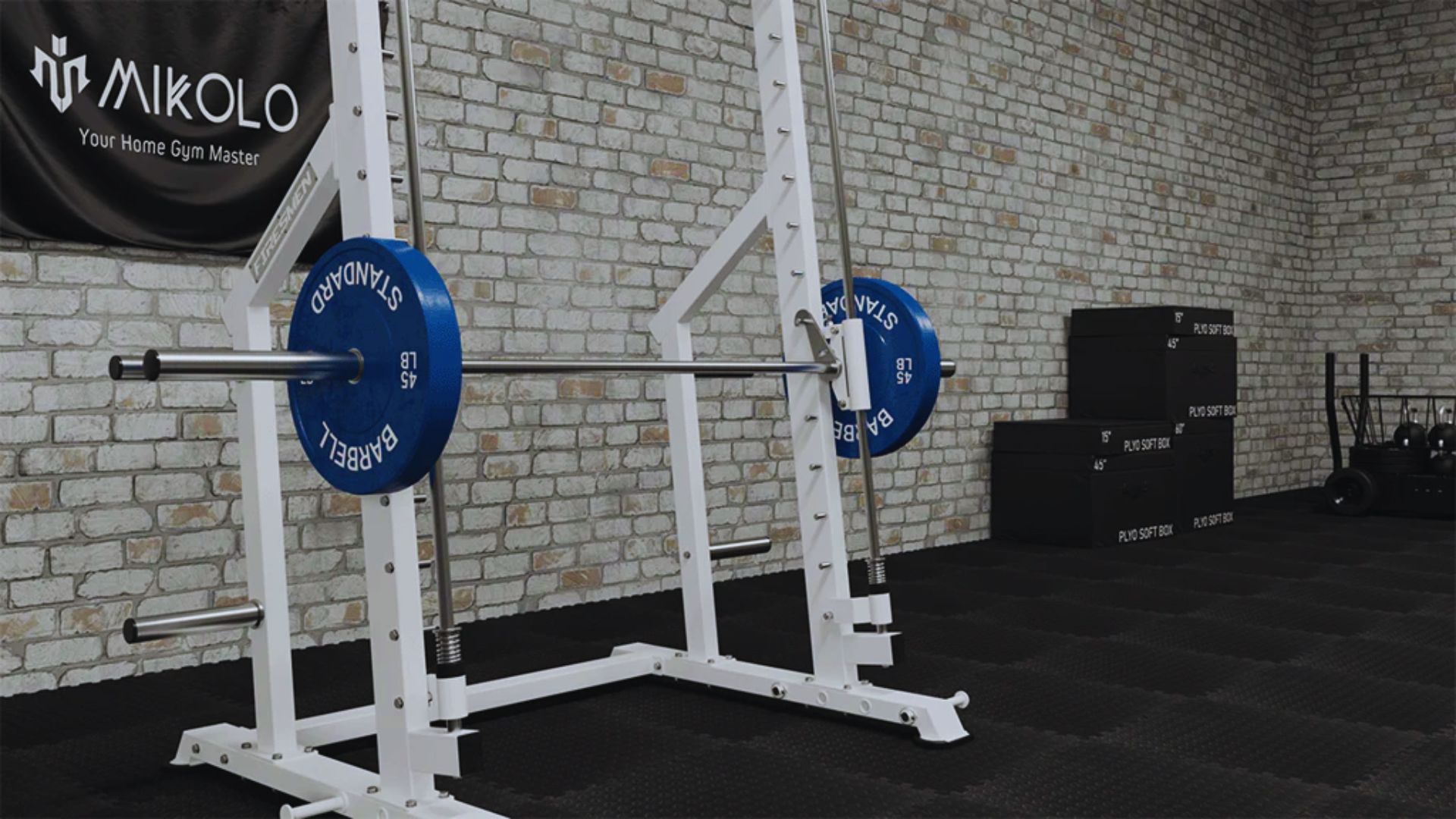
Smith machine bars are tricky to calculate.
The bar runs on fixed rails. Many have a counterweight system that reduces how much you actually lift. An unassisted Smith bar might weigh 15-45 lbs.
With counterweights, the effective weight can be 10-20 lbs or even zero. Some machines reduce the bar weight to nearly nothing. Others keep it at full weight.
There’s no standard here. One gym’s Smith machine might feel like 15 lbs, another’s like 30 lbs. Some machines have a label showing the counterbalanced weight. Most don’t.
If you track Smith machine squats, note which machine you use. Your numbers won’t transfer directly to free weight squats.
Why Squat Bar Weight Matters for Training?
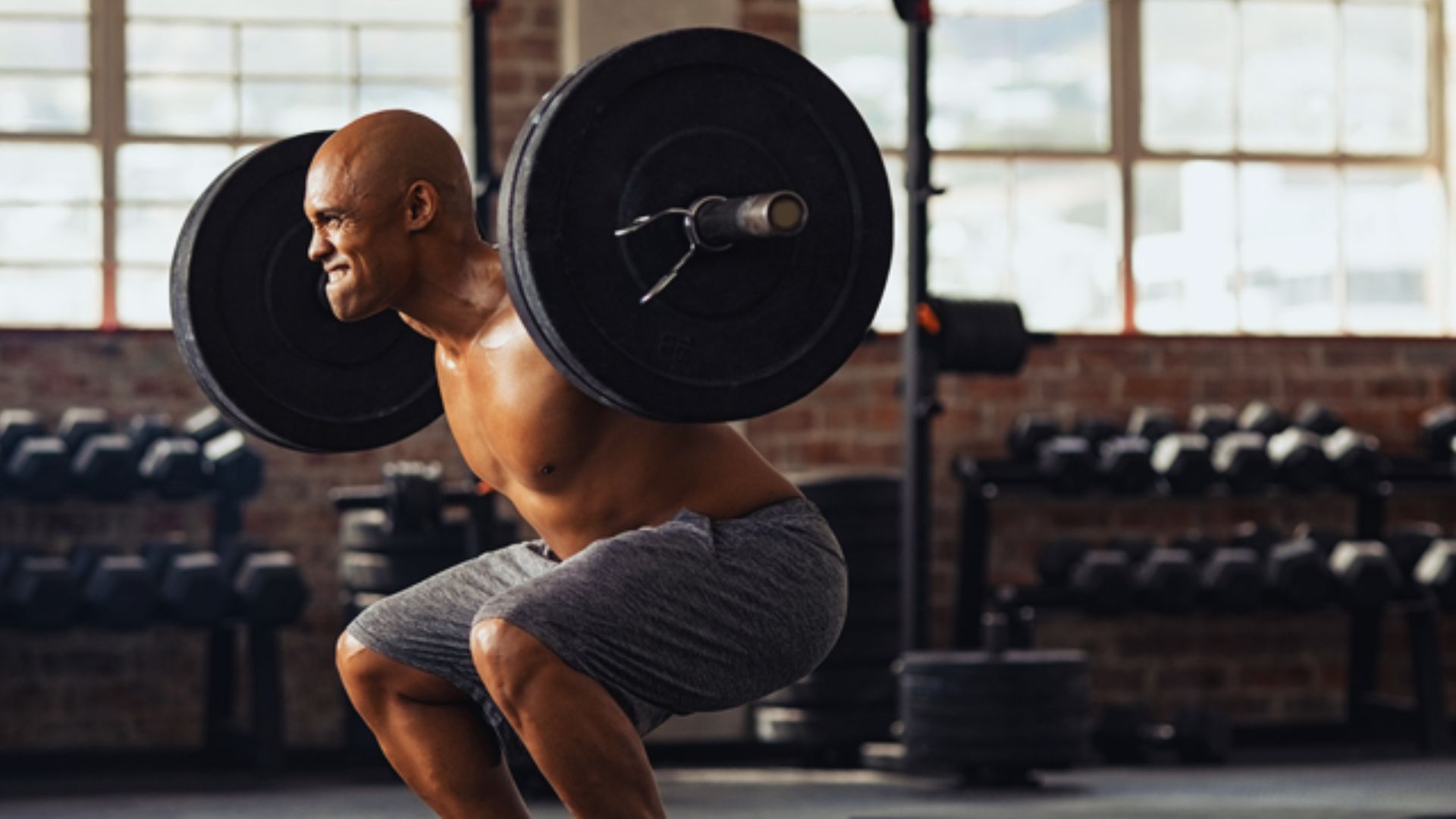
Knowing your bar weight keeps your strength tracking accurate and helps you program better workouts.
Accurate Strength Tracking & PRs
You can’t track progress without knowing what you’re lifting. If you squat 225 lbs on a standard 45 lb bar, you’re lifting 180 lbs in plates. Switch to a 60 lb safety squat bar, and you need 165 lbs in plates for the same total weight.
Track which bar you use for each lift. A 315 lb squat on a standard bar is different than 315 lbs on a safety squat bar.
Form, Balance, and Load Distribution
Different bar weights change how the lift feels. A heavier bar sits more stably on your back and is easier to control. Lighter bars can feel wobbly.
The bar’s weight affects your center of gravity. Specialty bars like the safety squat bar shift weight forward, changing your bar path.
Programming Differences Between Bar Types
Your program should account for bar differences. Switching to a 60 lb safety squat bar means using less plate weight, but the lift becomes harder because of the forward weight shift.
You might need to reduce total weight by 10-20% with specialty bars. Track your maxes separately for each bar type. Don’t compare them directly.
How to Check the Weight of Your Squat Bar?
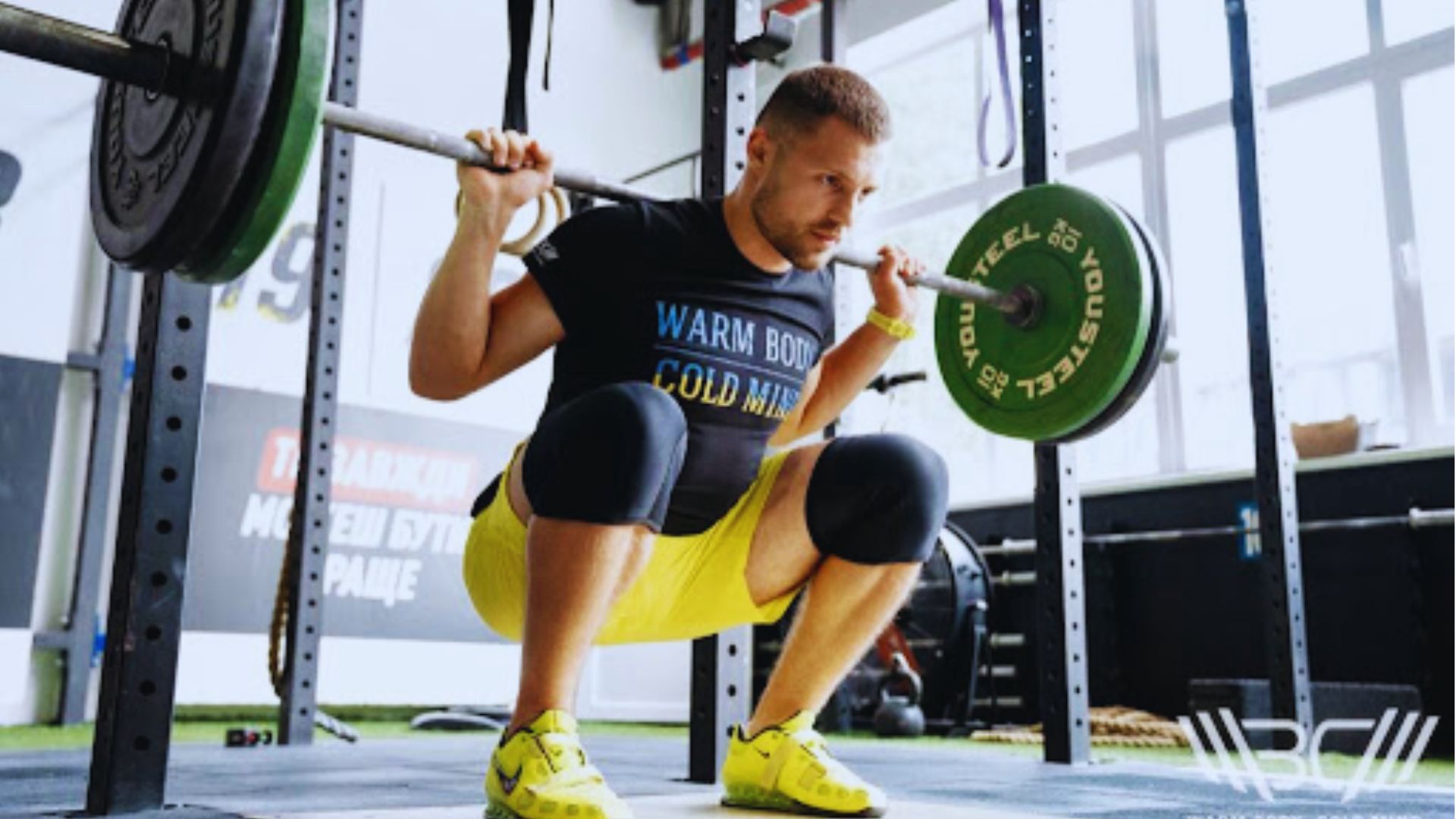
Three reliable methods help you figure out exactly what your bar weighs.
Most quality bars have markings stamped on the end caps. Look for “20KG” or “45LBS” on the metal caps. Rogue, Eleiko, and other major brands always mark their bars. Check the gym’s website or ask staff if you’re unsure.
When in doubt, weigh it yourself. Put the bar on a scale. For long bars, weigh each end separately and add them together. If the bar isn’t labeled, standard 7-foot Olympic bars are almost always 45 lbs.
Shorter bars are lighter. Bars with padding are heavier. Mark the bar yourself with tape if it’s your home gym.
Choosing the Right Squat Bar for Your Gym
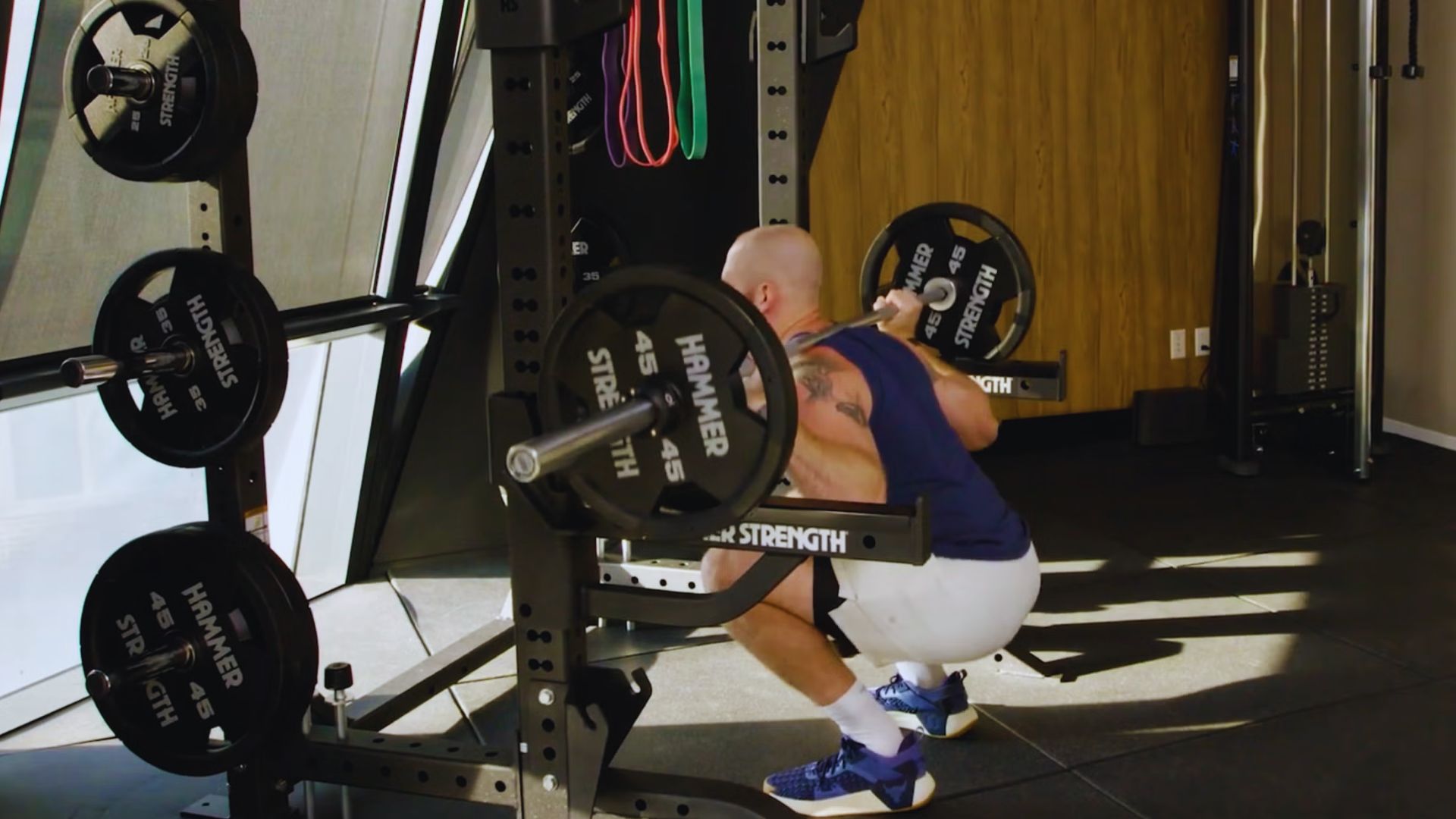
Pick your bar based on your experience level, physical needs, and where you train.
Beginners should start with standard Olympic bars. A 45 lb bar teaches proper form. Some beginners might start with a 35 lb training bar. Advanced lifters benefit from specialty bars like safety squat bars or buffalo bars.
Bad shoulders need different options. Safety squat bars have handles that point forward. This takes stress off your shoulders. Buffalo bars have a slight curve that’s easier on shoulder mobility.
For home gyms, buy one good 45 lb Olympic barbell first. Make sure it holds at least 500 lbs. Commercial gyms should stock 4-6 standard 45 lb bars and add women’s bars (33 lbs) if needed. Budget bars work fine for home use. Commercial gyms need bars rated for 1,000+ lbs.
Conclusion
Knowing how much your squat bar weighs keeps your training honest. I’ve seen people get frustrated when their numbers don’t add up, only to find out they’d been using different bars. Most gyms use 45 lb Olympic bars, but always check. A quick look at the end caps or a minute with a scale saves you from bad math later.
Start tracking which bar you use for each workout. Your future self will thank you when you’re chasing new records.
Got questions about your gym’s equipment? Drop a comment below. I’d love to hear what bars you’re using.
Frequently Asked Questions
How much does a standard squat bar weigh at Planet Fitness?
Planet Fitness uses Smith machines, not free weight squat bars. Their Smith machine bars weigh approximately 15-20 lbs due to counterbalance systems.
Can I squat with a 35 lb bar if 45 lbs is too heavy?
Yes, absolutely. Many gyms have training bars weighing 15-35 lbs for learning form and building strength.
How do I know if I’m using a men’s or women’s Olympic bar?
Men’s bars are 28-29mm thick and weigh 45 lbs. Women’s bars are 25mm thick and weigh 33 lbs.
Does the bar weight count toward my total squat weight?
Yes, always include the bar weight. If you squat with a 45 lb bar and add 100 lbs in plates, your total is 145 lbs.
Why does my gym’s squat bar feel heavier than 45 lbs?
It might be a specialty bar like a safety squat bar (60-70 lbs) ora powerlifting bar (55 lbs). Check the end caps for weight markings.


