

If you’ve ever walked into a gym and wondered what that long, heavy bar on the rack actually weighs, you’re not alone.
Most people guess wrong. And that mistake can throw off your whole workout log.
In this article, I’ll break down exactly how much an Olympic bar weighs, why it matters, and how different bars compare.
I’ve spent years lifting and helping others set up home gyms, so you’re getting real, practical answers here.
We’ll cover what an Olympic bar is, how much men’s, women’s, and training bars weigh, how it compares to other bar types.
Let’s get started.
What Is an Olympic Bar?
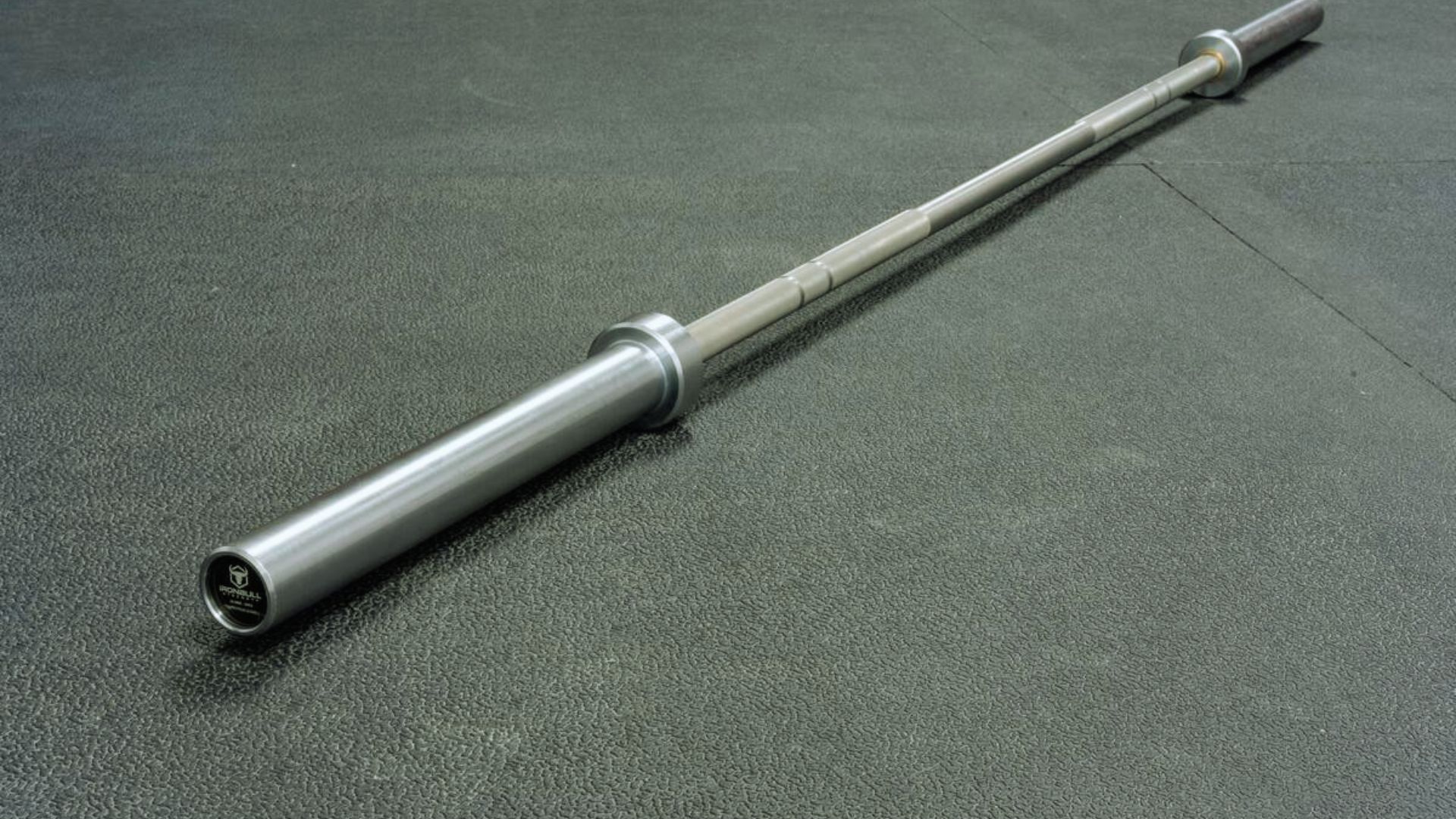
An Olympic bar is a barbell built for heavy lifting and competitive use.
It’s the standard bar found in weightlifting competitions, powerlifting meets, and most commercial gyms. It’s made to handle heavy loads without bending or breaking.
The biggest difference from a standard bar is the rotating sleeves.
These let the weight plates spin freely during a lift, which reduces wrist strain and makes fast movements like the clean and jerk much safer.
Men’s bars are 2.2 meters long with a 28mm to 29mm shaft and weigh 20 kg (44 lbs).
Women’s bars are slightly shorter at 2.01 meters, with a thinner 25mm shaft, and weigh 15 kg (33 lbs).
All Olympic bars also have knurling, which is the rough texture on the shaft that gives you a firm grip during heavy lifts.
How Much Does an Olympic Bar Weigh?
Knowing your bar’s exact weight helps you log lifts correctly and stay on track with your training.
Men’s Olympic Bar

The standard men’s Olympic bar weighs 20 kg or 44 lbs.
This is the bar you’ll find at almost every commercial gym. It’s the one used in Olympic weightlifting and powerlifting competitions worldwide.
Specs at a glance:
- Weight: 20 kg / 44 lbs
- Length: 2.2 meters
- Shaft diameter: 28mm to 29mm
- Load capacity: 680 kg (1,500 lbs) or more for quality bars
This bar works well for squats, deadlifts, bench press, overhead press, and Olympic lifts. It’s the go-to bar for most male lifters at any level.
Women’s Olympic Bar

The standard women’s Olympic bar weighs 15 kg or 33 lbs.
It’s shorter and thinner than the men’s bar, which makes it easier to hold and control during fast, technical lifts.
Specs at a glance:
- Weight: 15 kg / 33 lbs
- Length: 2.01 meters
- Shaft diameter: 25mm
- Ideal for: Smaller lifters, those with smaller hands, and anyone doing Olympic-style lifts
The thinner shaft makes a real difference for grip comfort. Many women and smaller male lifters actually prefer this bar for everyday training too.
Technique or Training Bars

Training bars are lighter bars built for learning proper form, warming up, or rehab work.
Weight range: 5 kg to 15 kg (11 lbs to 33 lbs)
These bars are great for:
- Beginners learning to squat or deadlift
- Physical therapy and injury recovery
- Youth athletes
- Practicing Olympic lifts with lower injury risk
They look like regular Olympic bars but are lighter and usually have a lower load capacity. Don’t plan to load them heavy.
Comparison With Other Bar Types
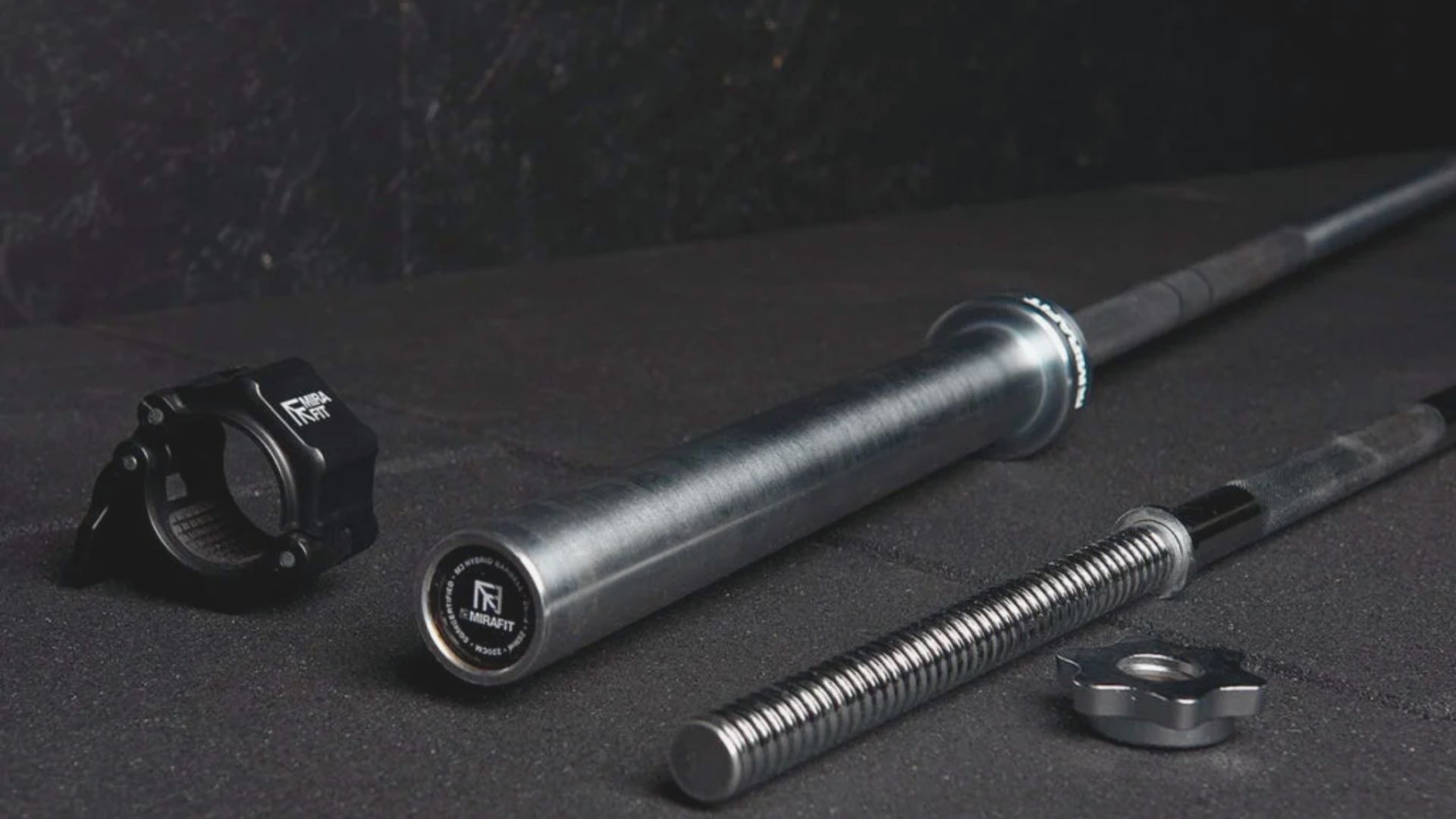
Not all barbells are the same. Here’s how Olympic bars stack up against the rest.
Standard Bar vs Olympic Bar
Many home gym setups come with a standard bar. Here’s how they compare.
Standard Bar
- Length: About 5 to 6 feet
- Weight: Around 15 to 25 lbs
- Sleeve diameter: 1 inch
- Load capacity: 200 to 300 lbs
- Best for: Light home workouts and beginners
Olympic Bar
- Length: About 7 feet
- Weight: 44 lbs (men’s), 33 lbs (women’s)
- Sleeve diameter: 2 inches
- Load capacity: 1,000 lbs or more
- Best for: Heavy lifting, progressive training, and competition prep
If you’re planning to go beyond basic fitness, an Olympic bar is worth the investment. Standard bars can bend or fail under serious loads.
Specialty Bars
Beyond the standard Olympic bar, there are several specialty bars made for specific movements.
EZ Curl Bar
- Weight: 10 to 40 lbs
- Best for: Bicep curls and tricep work
- The angled grip reduces wrist strain during arm exercises
Hex / Trap Bar
- Weight: 35 to 65 lbs
- Best for: Deadlifts, shrugs, and carries
- You stand inside the bar, which puts less stress on your lower back
Safety Squat Bar
- Weight: 44 to 66 lbs
- Best for: Squats with limited shoulder mobility
- The padded yoke and angled handles make squatting easier on your shoulders
Quick Reference Table
Use this table as a quick reference before buying a bar or logging your next lift.
| Bar Type | Weight | Best Use |
| Men’s Olympic Bar | 44 lbs / 20 kg | Squats, deadlifts, bench, Olympic lifts |
| Women’s Olympic Bar | 33 lbs / 15 kg | Same lifts, smaller frame |
| Training / Technique Bar | 11 to 33 lbs | Beginners, rehab, skill work |
| Standard Bar | 15 to 25 lbs | Light home training |
| EZ Curl Bar | 10 to 40 lbs | Arm exercises |
| Hex / Trap Bar | 35 to 65 lbs | Deadlifts, carries |
| Safety Squat Bar | 44 to 66 lbs | Shoulder-friendly squats |
Should You Count the Bar Weight in Your Lifts?
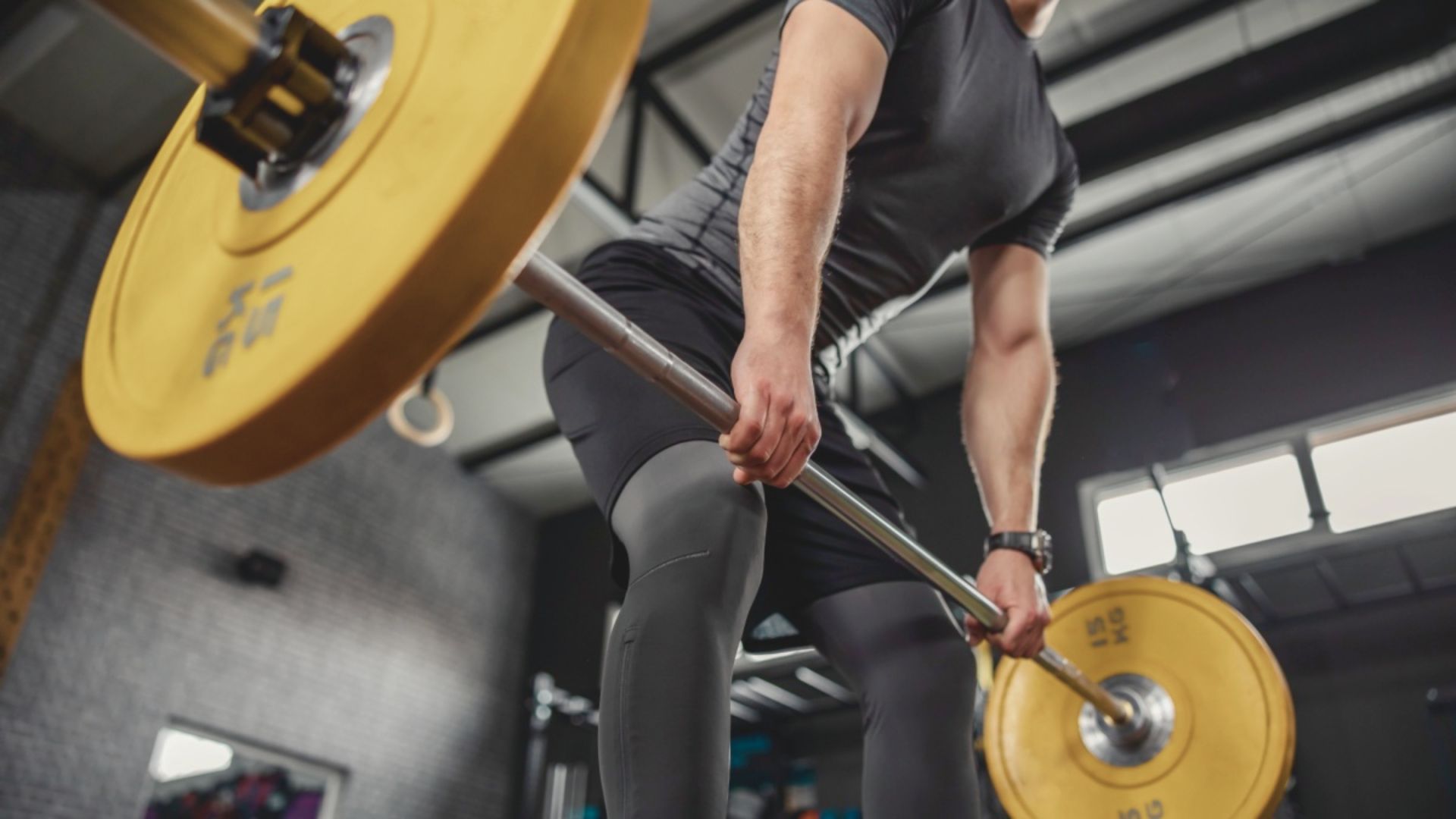
Yes. Always. One of the most common mistakes new lifters make is adding up the plates and forgetting the bar entirely. That throws your numbers off by 44 lbs or more.
If your training log is wrong, you can’t track real progress or plan safe increases over time. Accurate numbers also protect you from going too heavy too fast, which leads to injury.
Here’s what that looks like in practice. Bench pressing two 25 lb plates per side is 94 lbs total, not 50. Squatting two 45 lb plates per side is 134 lbs total, not 90.
Deadlifting four 45 lb plates per side is 404 lbs total, not 360. Always count the bar. It takes two seconds and keeps your training honest.
Choosing the Right Bar for Your Home Gym
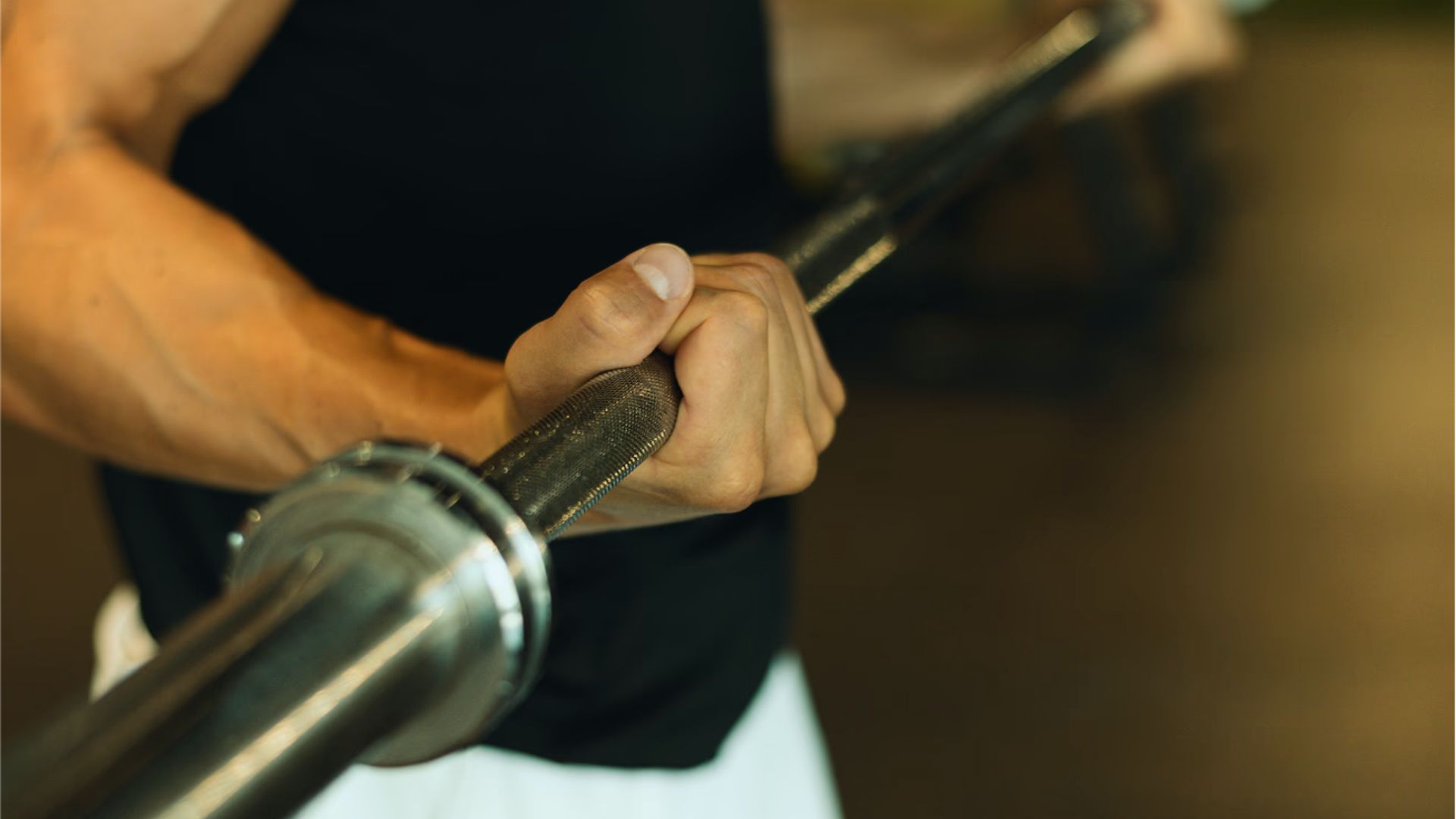
One solid Olympic bar covers most of what you need. For the average lifter, a men’s or women’s Olympic bar handles squats, deadlifts, bench press, rows, and overhead work without any issue.
If you have smaller hands or tight wrists, the 25mm women’s bar might feel more comfortable even if you’re a man. Grip comfort directly affects your form and confidence under load.
For general strength, start with a 20 kg or 15 kg Olympic bar. Add a trap bar if you have lower back issues or a safety squat bar if shoulder mobility is a problem.
Keep it simple and build from there.
Conclusion
Knowing how much your bar weighs sounds simple.
But it’s one of those small details that actually changes how you train. I used to skip counting the bar when I first started lifting.
My numbers were off for months before I caught the mistake. Once I fixed it, my programming made way more sense.
The bar weight matters. Get clear on what you’re lifting before you add another plate.
Found this helpful? Drop a comment below or share it with a friend who’s building their gym setup!
Frequently Asked Questions
How much does a standard Olympic barbell weigh?
A men’s Olympic bar weighs 20 kg (44 lbs) and a women’s bar weighs 15 kg (33 lbs). Check the bar’s label if you’re unsure.
Is a 20 kg bar too heavy for beginners?
Not at all. Most beginners start with just the bar and build up slowly. It’s a great starting point for learning basic lifts.
Do all gyms use the same Olympic bar?
Most gyms use the 20 kg men’s bar as default. Some also carry women’s bars and specialty bars depending on the setup.
Can I use Olympic plates on a standard bar?
No. Olympic plates have a 2-inch hole and standard bars have a 1-inch sleeve. They don’t fit together, so always match your plates to your bar.
Why does the women’s Olympic bar weigh less than the men’s?
It’s shorter and thinner by design to fit smaller hands and body proportions. It also follows different weight standards used in women’s competition lifting.


