

Ever felt unsure which bar to pick for your deadlifts and why some lifters prefer the hex bar? If you want safer, more effective lifting, you’re in the right place.
From my years coaching athletes and testing equipment, I’ve learned that the right hex bar can make a huge difference in performance and safety.
In this blog, we’ll break down the types of hex bars, factors that affect their weight, and tips for choosing the best one.
Knowing how much does a hex bar weigh helps you lift smarter from day one.
Keep reading to find the perfect bar for your training.
What Is a Hex Bar?
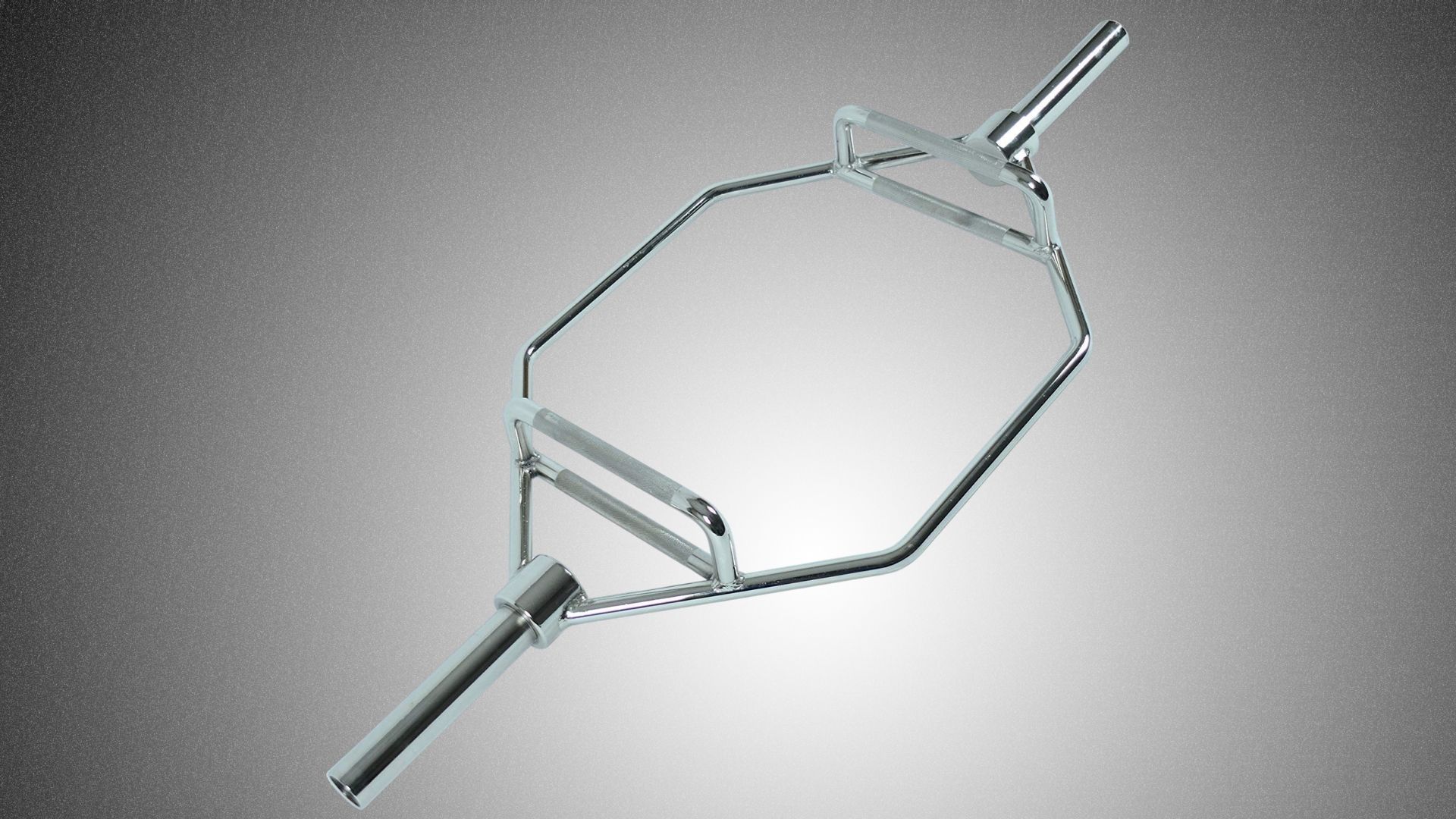
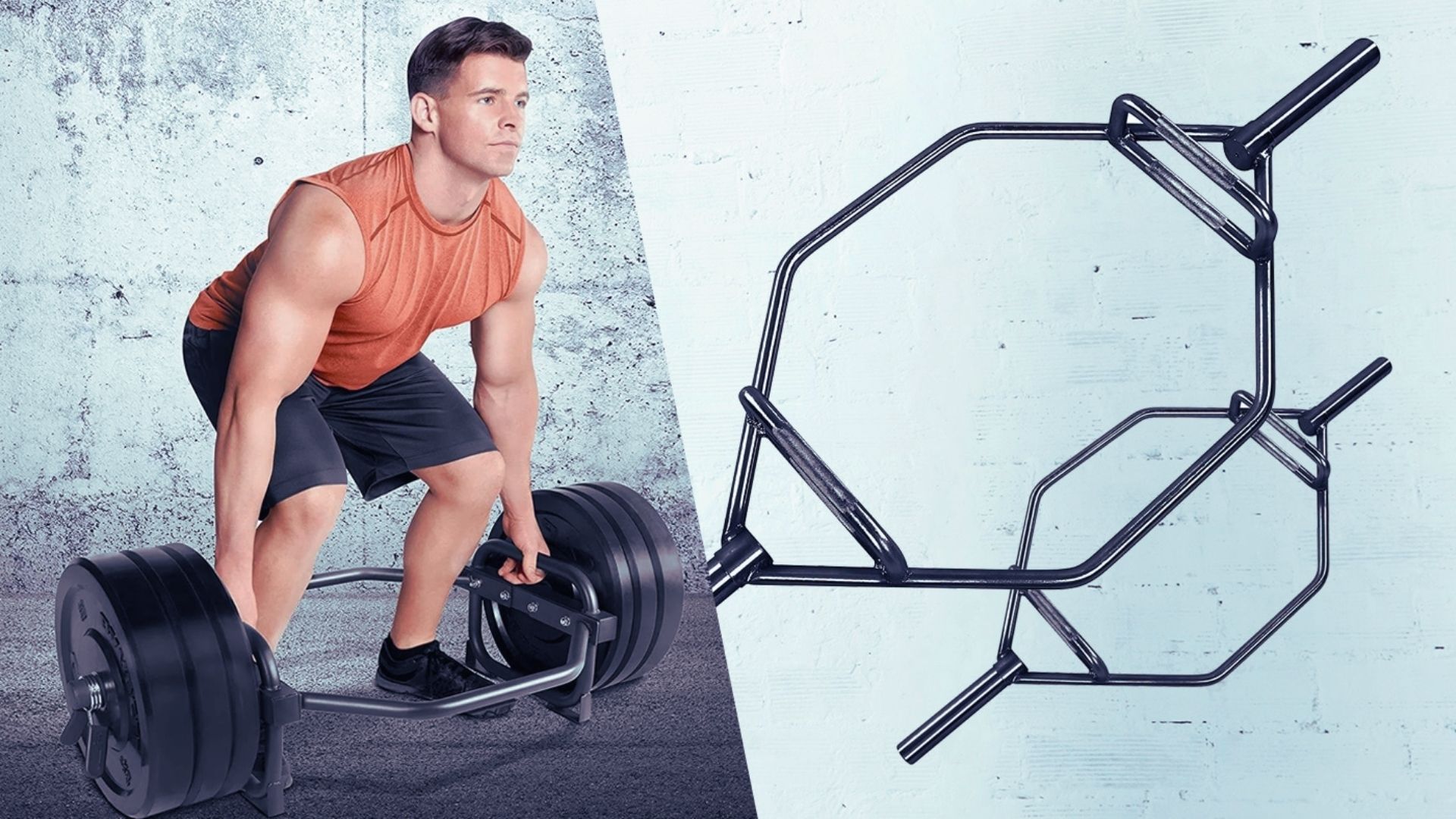
A hex bar, also known as a trap bar, is a specialized barbell designed for deadlifts and other strength exercises.
Its rare hexagonal shape allows you to step inside the bar, giving your hands a neutral grip.
This design helps keep your spine in a safer, more natural position compared to a traditional straight bar.
Most hex bars are made to hold standard 2-inch Olympic weight plates, making them compatible with most gyms and home setups.
Standard Hex Bar Weight by Type
Hex bars vary in weight based on design, material, and use. Knowing the type helps you choose the right bar for your training goals.
1. Classic Standard Hex Bar
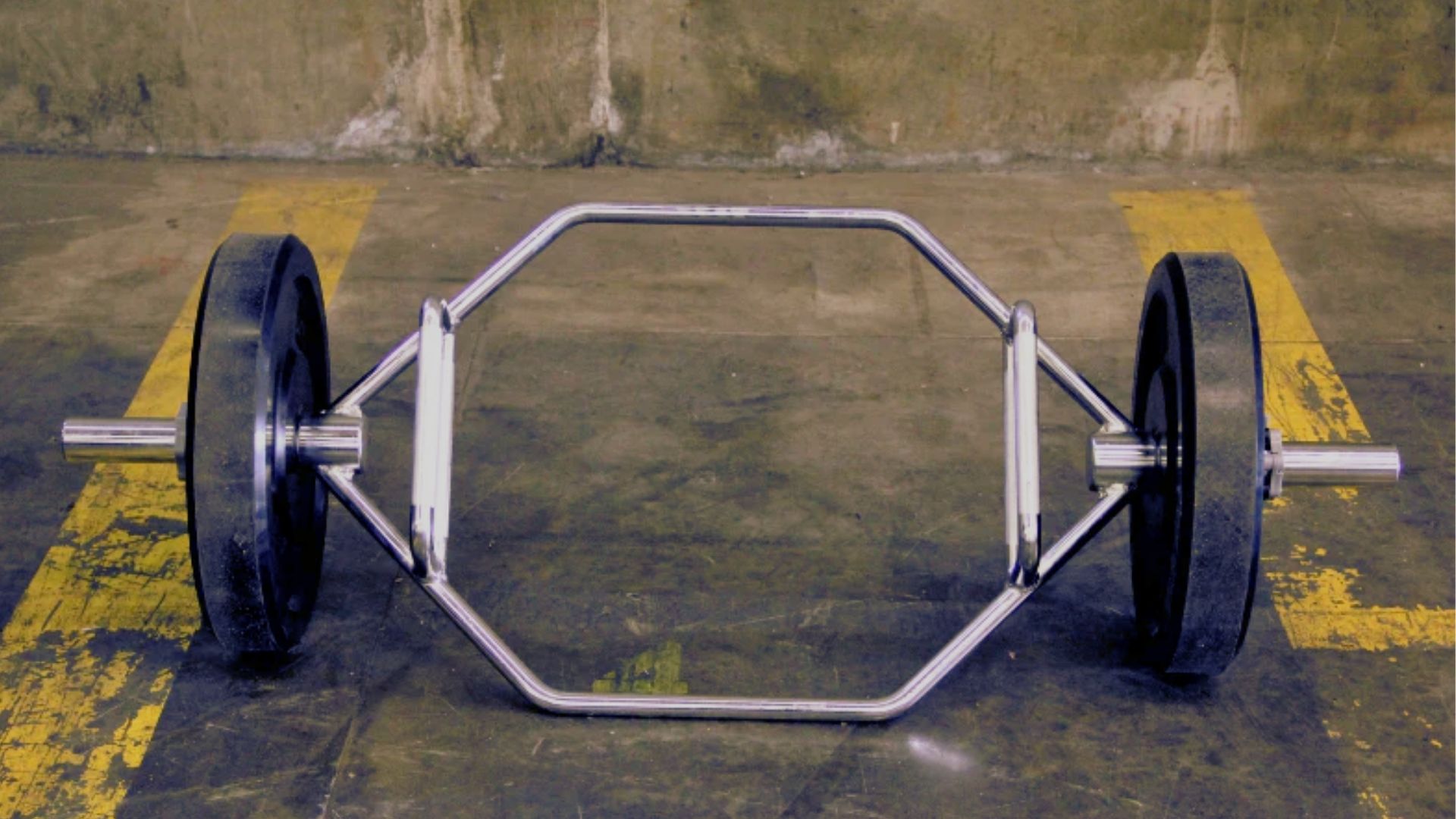
The classic standard hex bar usually weighs 45 pounds in most gyms, with international versions around 20 kilograms.
It holds 2-inch Olympic plates and offers a balanced option for general strength training.
Its design makes it versatile for most lifters, providing stability, safety, and compatibility for everyday lifting sessions.
2. Lightweight Hex Bars
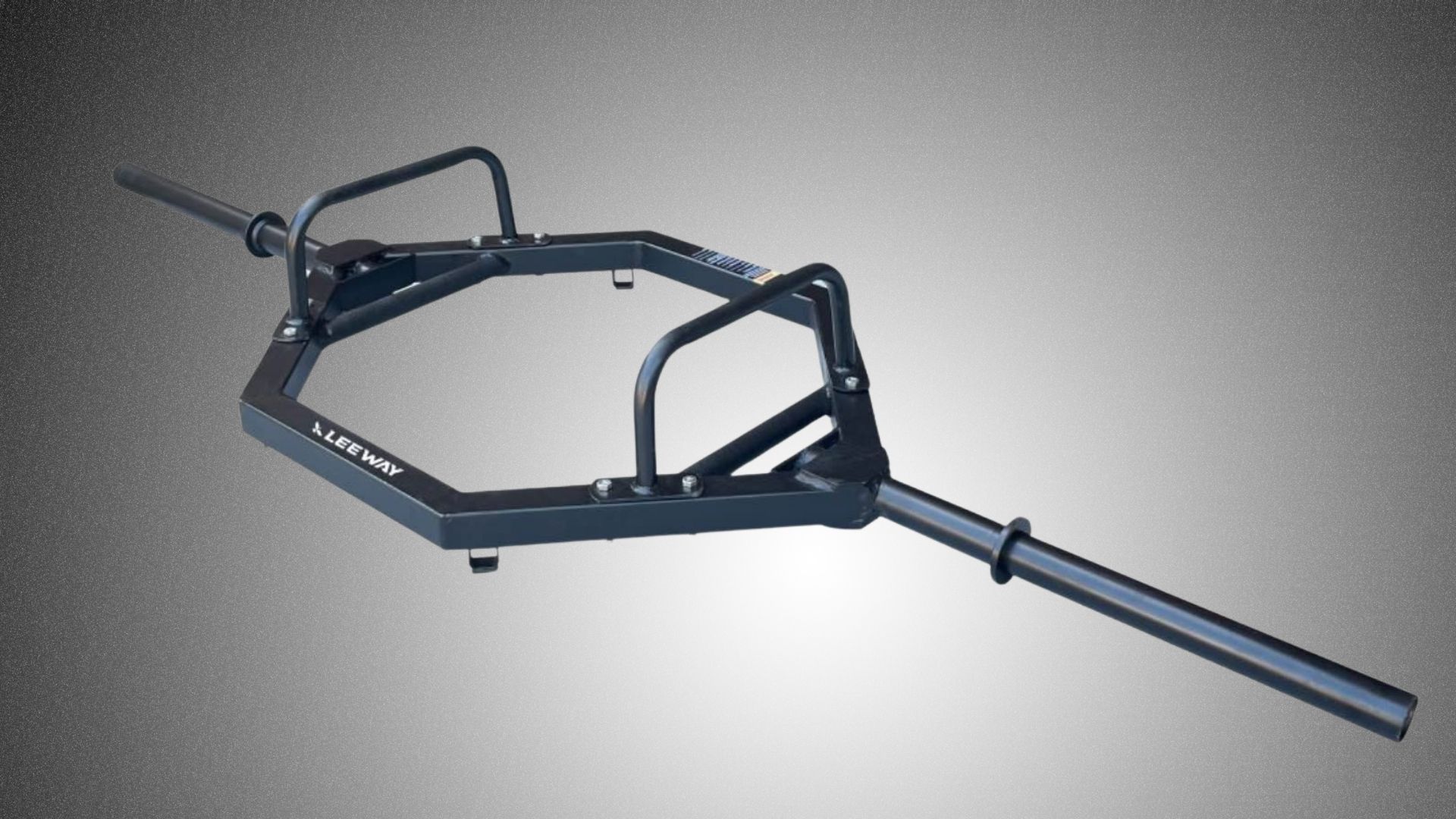
Lightweight hex bars weigh roughly 25 to 35 pounds, making them ideal for beginners or those in rehab programs.
They feature shorter sleeves and simpler construction, which makes handling easier.
This design helps users practice safe lifting form while gradually building strength without risking injury or strain.
3. Heavy-Duty / Rackable Hex Bars
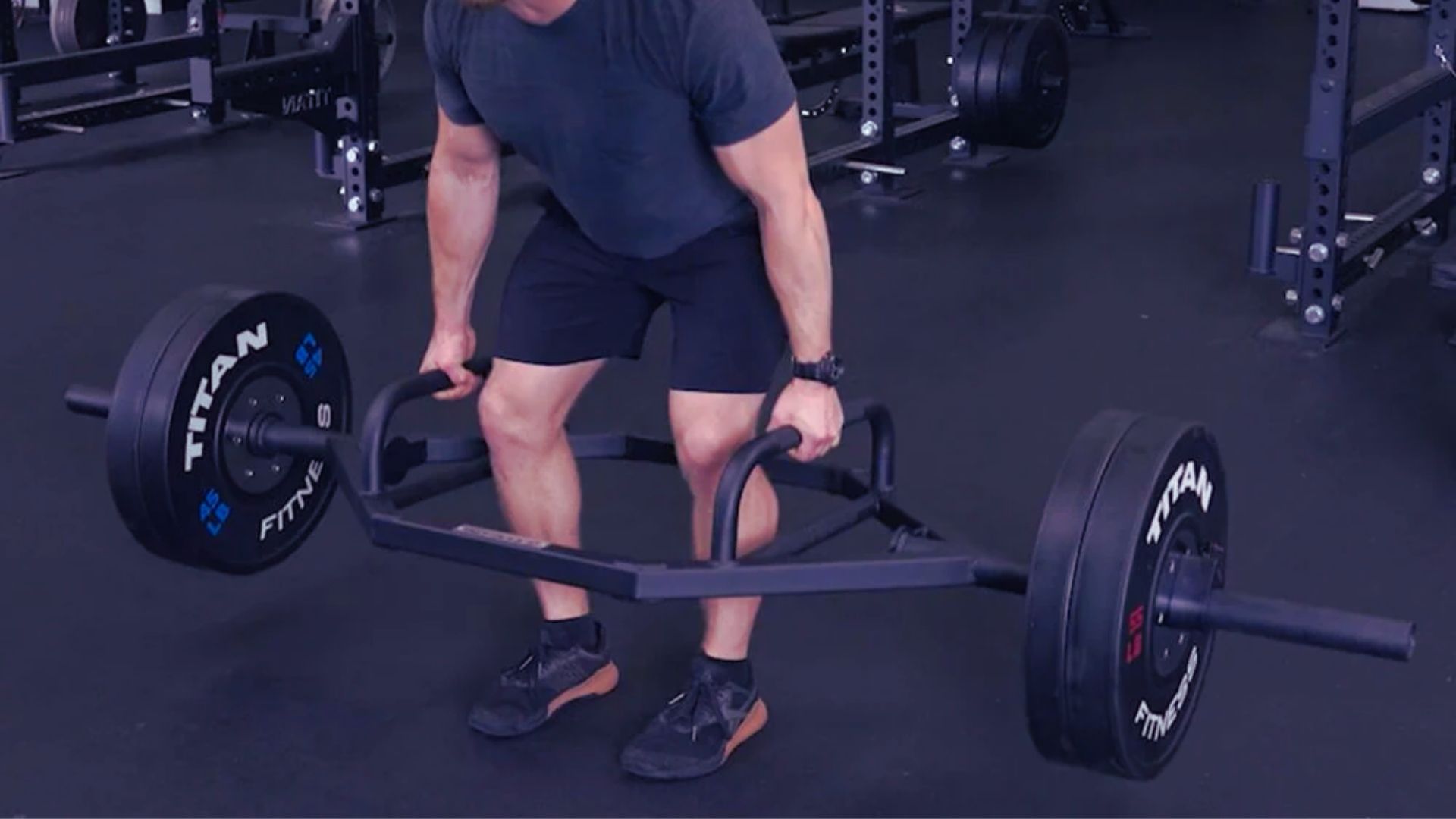
Heavy-duty or rackable hex bars weigh between 55 and 75 pounds, designed for serious strength training and athletic programs.
Their longer sleeves and reinforced steel construction increase durability and weight capacity.
These bars are suitable for powerlifting or intense gym workouts, offering stability and reliability during heavy lifting sessions.
4. Open Hex Bars
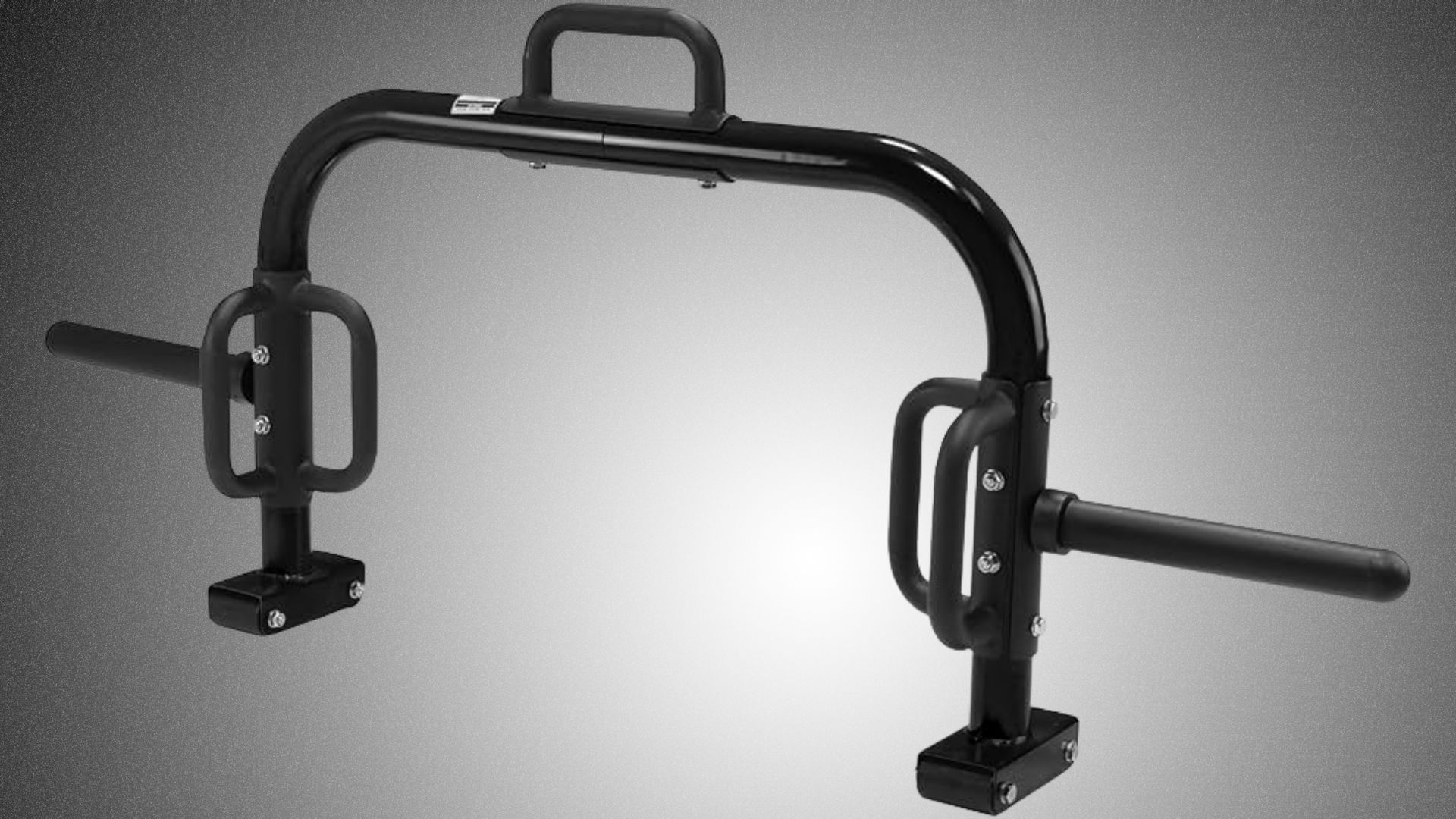
Open hex bars typically weigh 45 to 60 pounds and have a frame that allows easy loading and unloading of plates.
They are ideal for home gyms and functional training routines.
Their convenient design makes setup faster, while maintaining stability and safety for users performing various lifting exercises.
How Much Does a Hex Bar Weigh: Factors That Affect
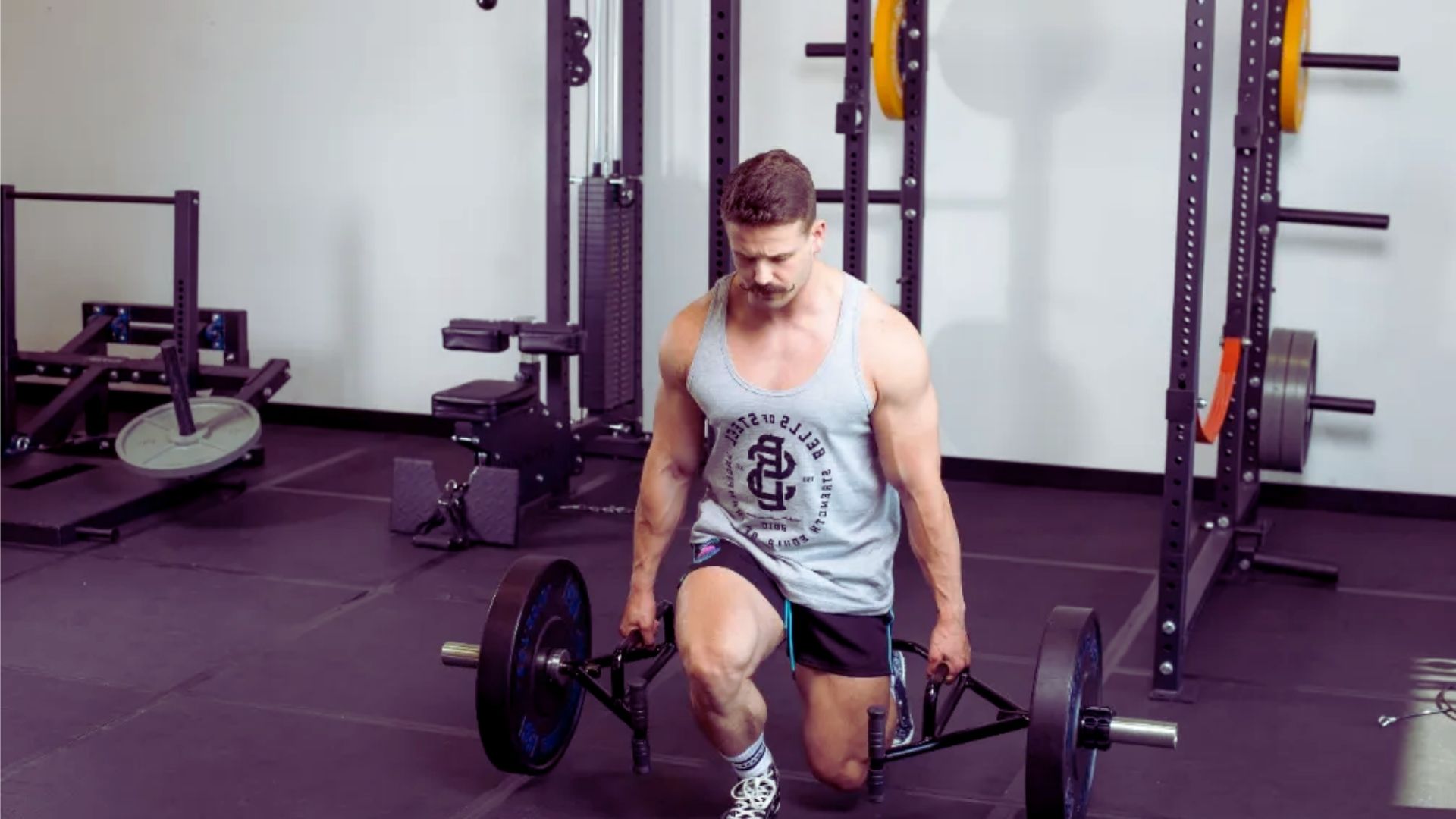
Hex bars vary in weight depending on design and construction. Knowing these factors helps you choose the right bar.
- Steel Thickness (Gauge of Steel):
Thicker steel makes a bar heavier. Budget bars use thinner tubing, while heavy-duty bars for 800-1,000+ pound capacity are made with reinforced steel for maximum durability.
- Sleeve Length:
Longer sleeves allow more weight plates to be loaded and add to the total bar weight. Shorter sleeves, often found in compact home gym bars, keep the bar lighter and easier to handle.
- Open vs Closed Design:
Open trap bars usually weigh more because their frame needs extra reinforcement. Closed hex bars may be slightly lighter due to simpler construction.
- Rackable Frame Construction:
Bars designed to fit in power racks are longer and heavier. Extra steel is added to make them safe for rack-mounted lifts, increasing overall weight.
- Handle Type (Raised vs. Flush Handles):
Raised or dual-handle systems add more welded steel. Knurled, removable, or rotating handles also increase the total mass of the bar.
- Built-in Features:
Some bars include built-in deadlift jacks, rotating sleeves, or specialty grips. These additions add material, making the bar heavier but more functional and convenient.
- Weight Capacity Rating:
Bars rated for 300-500 pounds are lighter and suitable for general use. Bars designed for 800-1,000+ pounds require thicker steel and reinforced construction, which increases weight.
Knowing these factors helps you understand why hex bars differ in weight and choose the right one for your workouts.
Because hex bars vary in steel thickness, sleeve length, handle configuration, and frame design, there is no universal industry standard weight.
How to Check Your Hex Bar’s Exact Weight: Step-by-Step
Checking the exact weight of your hex bar ensures accurate tracking of your lifts. There are simple ways to verify it without guessing.
- Check Manufacturer Specifications: Look on the brand’s website or product listing for the bar’s weight. Official specs are usually the most accurate source.
- Look for Engraving or Sleeve Stamp: Some bars have weight markings etched or stamped directly on the sleeves. This provides a quick reference without needing extra tools.
- Weigh It Yourself (Bathroom Scale Method): Step on a scale alone and note your weight. Then hold the bar and step on it again. Subtract your body weight to get the exact bar weight.
- Compare to a 45 lb Olympic Barbell: Use a standard barbell as a reference. If it feels noticeably heavier or lighter, you can estimate the difference for practical purposes.
Pro Tip: Many gyms use 60 lb hex bars but label them as 45 lbs. Always double-check to track your lifts accurately.
Hex Bar Weight vs. Standard Barbell
Hex bars and standard barbells differ in weight and design. This helps you choose the right bar.
|
Bar Type |
Average Weight |
Common Use |
|
Standard Olympic Barbell |
45 lbs |
Bench, squat, deadlift |
|
Hex Bar (Standard) |
45 to 60 lbs |
Trap bar deadlift |
|
Heavy-Duty Hex Bar |
70 to 90 lbs |
Powerlifting |
|
Lightweight Hex Bar |
25 to 35 lbs |
Beginners |
Understanding these differences helps you pick a bar that matches your strength level and training goals.
How Much Does a Hex Bar Weigh Army ACFT
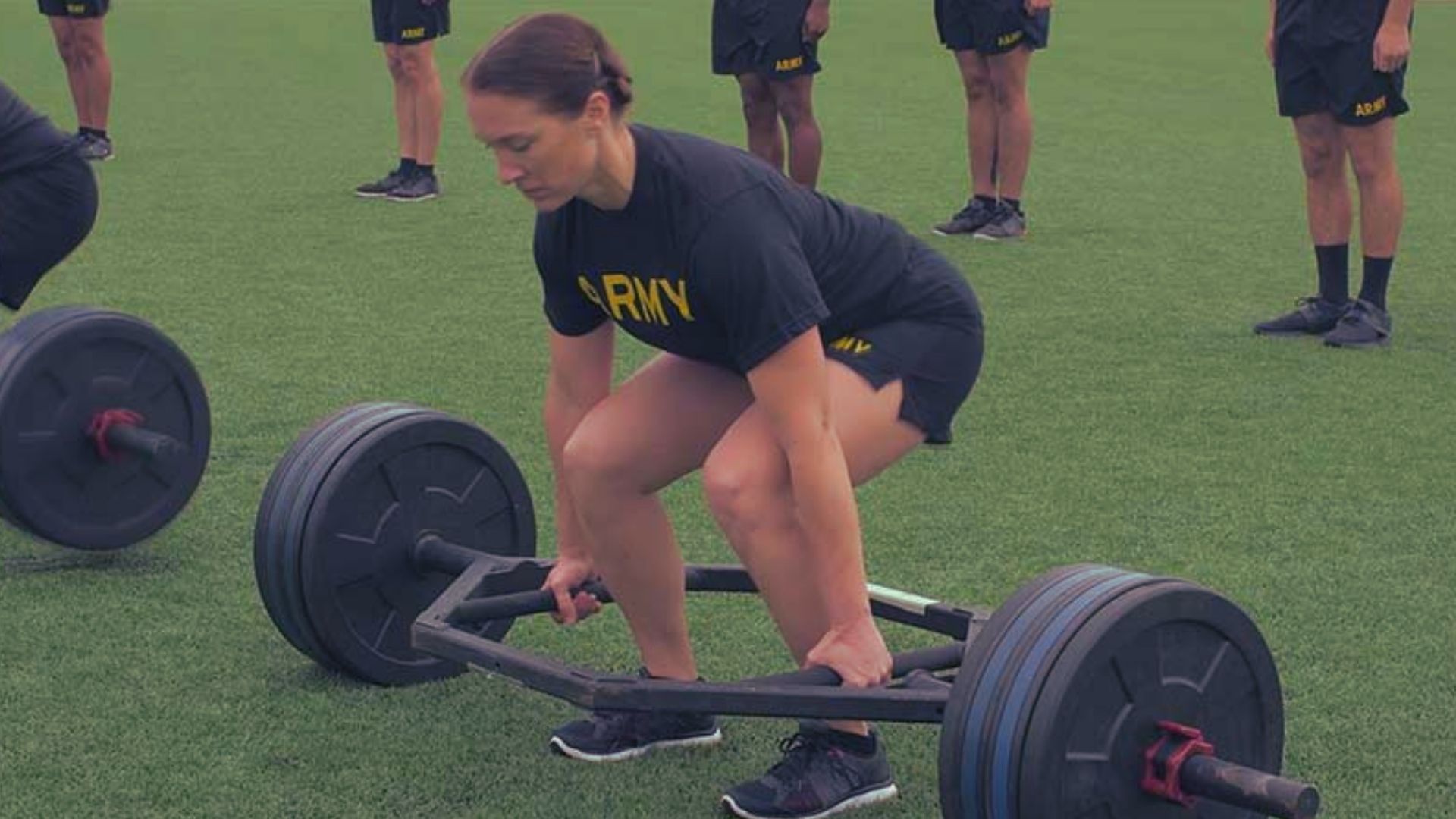
The Army ACFT trap bar weighs 60 pounds (27.2 kilograms) and is used for the deadlift portion of the Army Combat Fitness Test.
It is designed for durability and consistent performance, so every soldier lifts the same weight under standardized conditions.
The bar’s size, material, and construction ensure safety and reliability during training and testing.
Knowing the official weight helps athletes and civilians who want to replicate ACFT training.
How Much Does a Hex Bar Weigh in KG
Hex bars come in different weights, and it’s useful to know their equivalents in kilograms.
A 45-pound bar equals about 20.4 kg, 50 pounds is 22.7 kg, 60 pounds is 27.2 kg, and 70 pounds is roughly 31.7 kg.
Knowing these conversions helps you track your lifts accurately, especially if your gym or program uses metric measurements.
Common Hex Bar Weights in Kilograms:
- 45 lbs = 20.4 kg
- 50 lbs = 22.7 kg
- 60 lbs = 27.2 kg
- 70 lbs = 31.7 kg
Knowing hex bar weights in kilograms helps you track your lifts accurately.
Hex Bar Weight for Home Gyms: What Should You Buy?
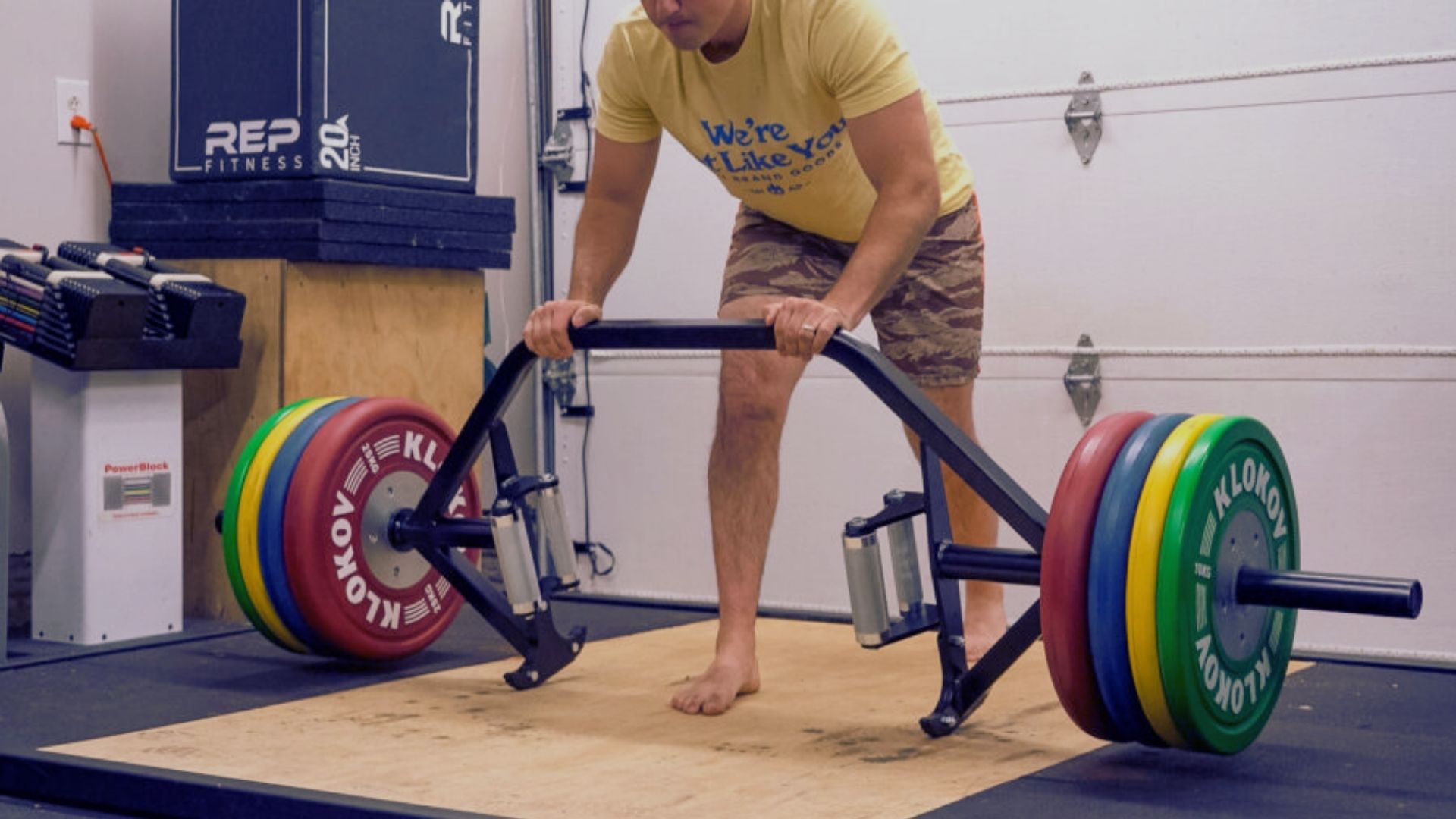
Choosing the right hex bar for your home gym depends on your goals, space, and budget. The right bar ensures safe lifting and effective workouts.
For Beginners: The recommended weight range is 25 to 50 pounds. Budget-friendly bars are ideal for starting out and practicing proper form without heavy loads.
For Strength Training: Heavy-duty hex bars are best for serious lifting. Look for longer sleeves and a higher weight capacity to handle heavy plates safely.
For Limited Space: Compact hex bar models save room and are easier to store. They are still strong enough for general strength and home workouts.
The right hex bar makes home workouts safer and more effective. Choose based on your goals and available space.
Conclusion
Choosing the right hex bar can greatly improve your lifting.
From lightweight bars for beginners to heavy-duty bars for serious strength training, knowing the weight, design, and features helps you lift safely and effectively.
Understanding how much does a hex bar weigh ensures your workouts match your goals at home or in the gym. Picking the right bar builds confidence and makes training more enjoyable.
Start your next session with a bar that suits you and feel the difference from the first lift!
Frequently Asked Questions
How Much Does a Standard Trap Bar Weigh?
A standard trap bar weighs 45 to 60 pounds and varies depending on the manufacturer
Are All Hex Bars 45 Pounds?
No. Hex bars vary by type. Lightweight bars are 25 to 35 pounds, standard bars are 45 to 60 pounds, and heavy-duty bars are 70 to 90 pounds
Is a Hex Bar Deadlift Easier?
Yes. The weight is centered, and the neutral grip reduces spinal stress, making it easier than a straight bar
How Much Does a Rackable Hex Bar Weigh?
Rackable hex bars usually weigh 60 to 75 pounds because they have extra steel for rack compatibility
Can I Use Regular Plates on a Hex Bar?
Yes. Most hex bars have standard 2-inch Olympic sleeves that work with regular plates


