

If you’re new to kettlebell training, figuring out how many kettlebells do I need can feel more confusing than the workout itself.
I’ve been there, standing in a store, second-guessing every option. You want to start strong without wasting money or crowding your space. Good news, the answer is simpler than you think.
In this guide, I’ll cover how many kettlebells you actually need, what weight to start with, and when to add more.
With years of fitness experience, I’ll help you skip the guesswork and get straight to training smart.
How Many Kettlebells Do Beginners Really Need?
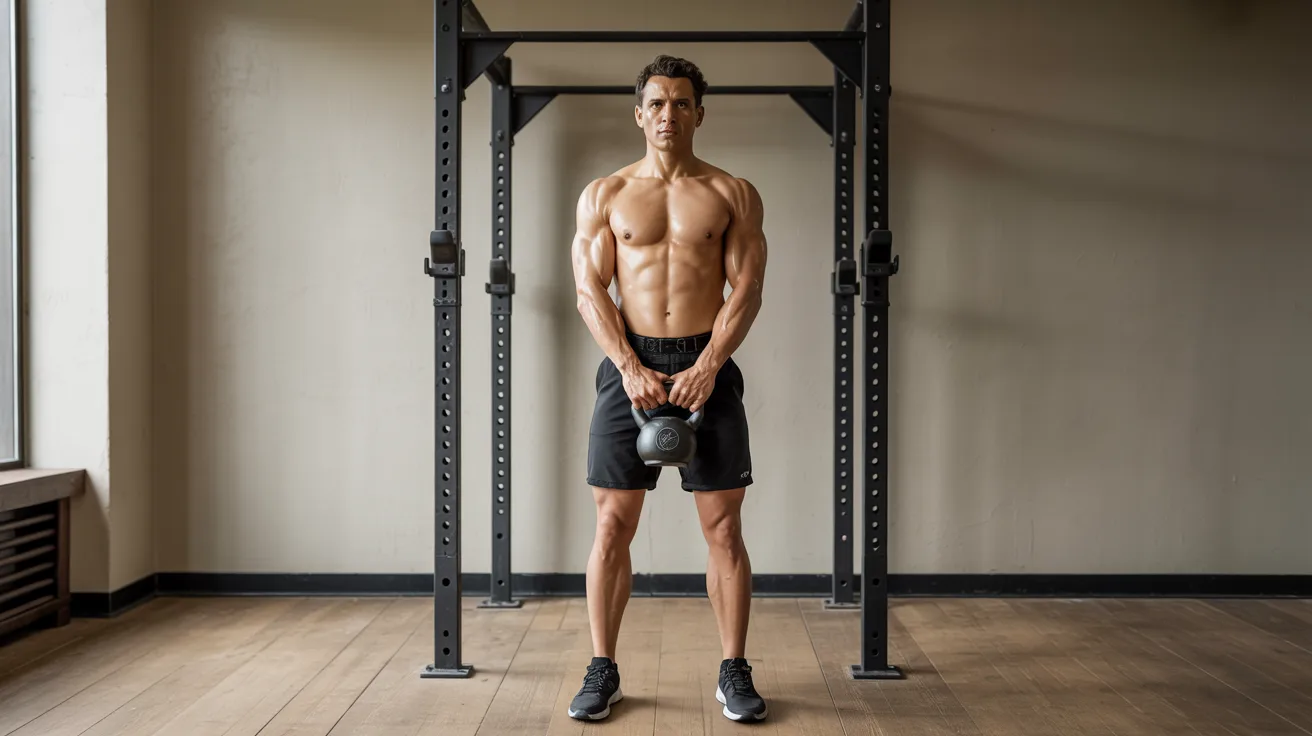
Most beginners overthink this, but the honest answer is simple and budget-friendly. Start with one kettlebell, that’s it. You don’t need a full rack or matching pairs.
One kettlebell builds strength, improves conditioning, and teaches proper form.
Three things shape your decision: your current strength level, your fitness goals, and your budget.
If you’re a beginner, all three point to the same answer. Buying multiple kettlebells too soon wastes money and creates confusion about where to begin. Keep it simple and build from there.
Is One Kettlebell Enough to Start?
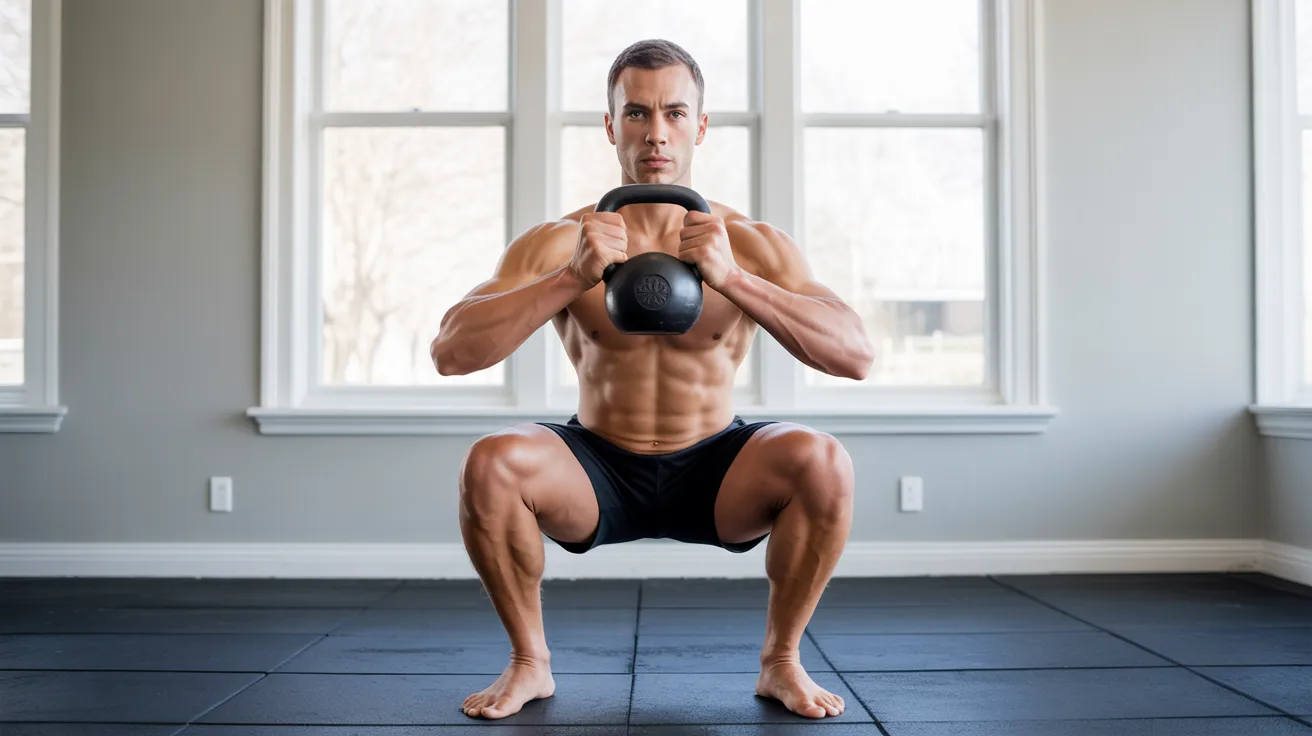
Yes, one kettlebell can take you further than most people expect.
Benefits of Training With a Single Kettlebell
One kettlebell keeps things simple. You focus on movement, not equipment. It’s easier to stay consistent when your setup takes five seconds.
You also save money and space, which matters when you’re just getting started.
Training with one kettlebell also forces good habits. You can’t rely on momentum or extra weight to get through a set. You learn to control the bell.
Best Beginner Exercises
Three exercises work best when starting out:
- Kettlebell swings: builds power and works your whole body
- Goblet squats: great for leg strength and posture
- Halos: improves shoulder mobility and control
These three alone can give you a solid full-body workout three to four times a week.
How One Kettlebell Builds Strength and Technique
Strength comes from repetition and progressive overload. With one kettlebell, you increase reps, slow down your tempo, or improve your form over time.
Technique sharpens fast when you’re not distracted by switching weights. Most trainers recommend spending at least four to six weeks with one weight before adding another.
When Should Beginners Add a Second Kettlebell?
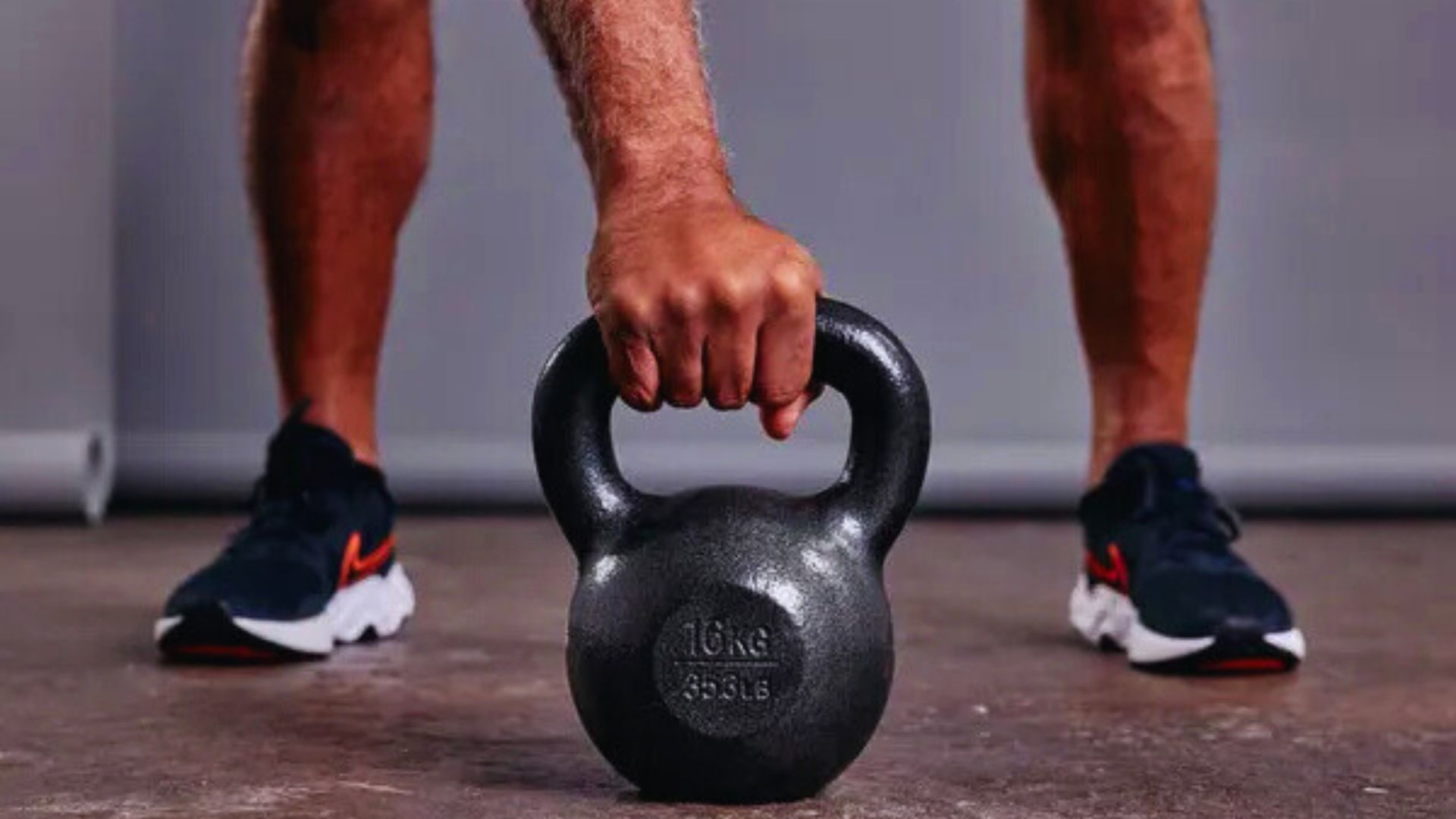
There’s a right time to add a second kettlebell. Rushing it slows your progress.
Signs You’re Ready to Upgrade
You’re ready for a second kettlebell when your current weight feels easy across all your exercises, you can complete every set with clean form, and you’ve been training consistently for at least six to eight weeks.
Don’t add more just because you feel bored. Add more because your body has actually adapted.
Benefits of Using Two Kettlebells
Two kettlebells open up a new range of movements. You can train both sides of your body at the same time, which improves balance and builds muscle faster.
You also add variety without needing a full gym setup.
Beginner-Friendly Double Kettlebell Exercises
Once you’re ready, start with a double front squat for leg development, a double clean for power and coordination, or a farmer’s carry to build grip and core stability.
Always start light when moving to double kettlebell work. Even experienced lifters drop weight when switching to bilateral training.
Should Beginners Buy Kettlebells in Pairs?
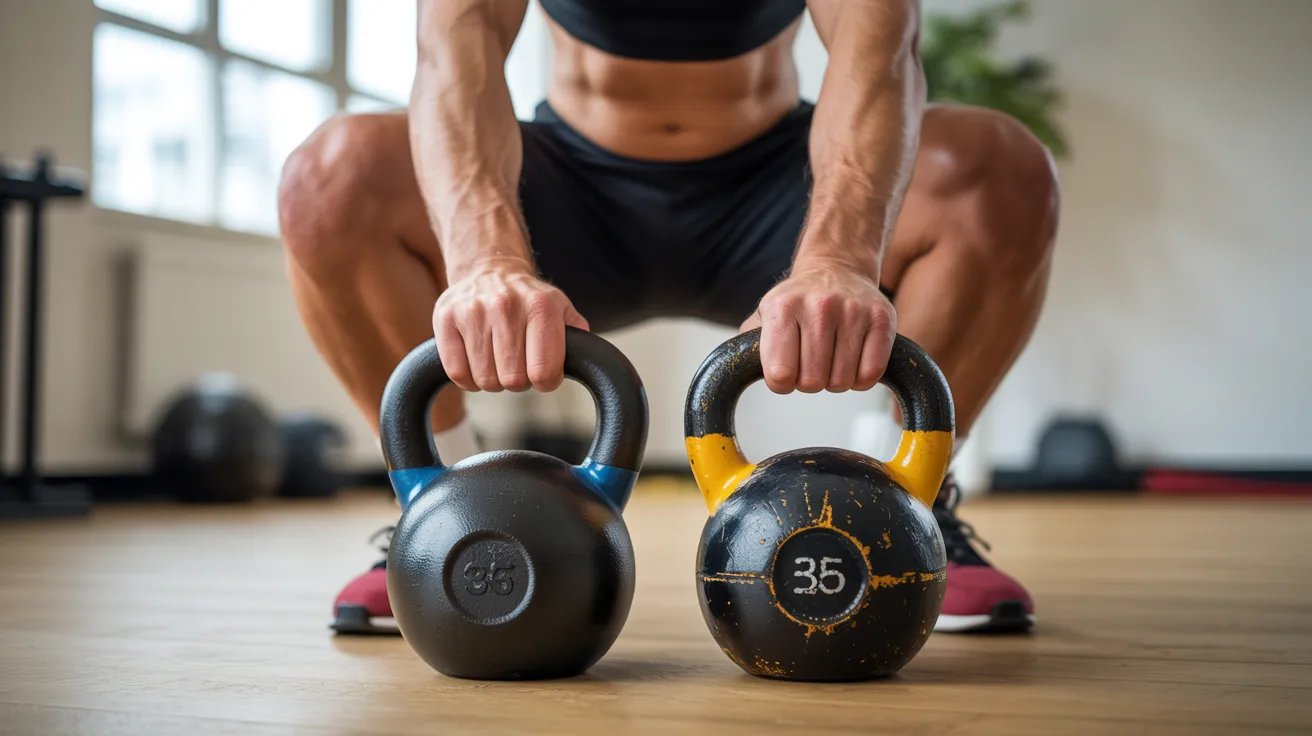
Buying in pairs sounds smart. But for beginners, it often isn’t the best move.
Pros of Same-Weight Kettlebells
Matching kettlebells make double exercises easier. The weight feels even, and movements stay balanced.
If you know you’ll progress to double work soon, buying a pair can save money compared to buying two separate bells later.
Benefits of Different Weight Kettlebells
Different weights give you more flexibility. You can use a heavier bell for lower body work and a lighter one for overhead pressing.
This is actually how most people train in real life. Your legs are stronger than your shoulders. Your pulling muscles are stronger than your pushing ones.
Best Buying Strategy for Beginners
Here’s a simple plan,
- Buy one medium-weight kettlebell first
- Train with it for six to eight weeks
- Then add a second bell – either a heavier one for legs or a lighter one for pressing
This approach costs less upfront and gives you time to figure out what you actually need.
What Kettlebell Weight Should Beginners Choose?
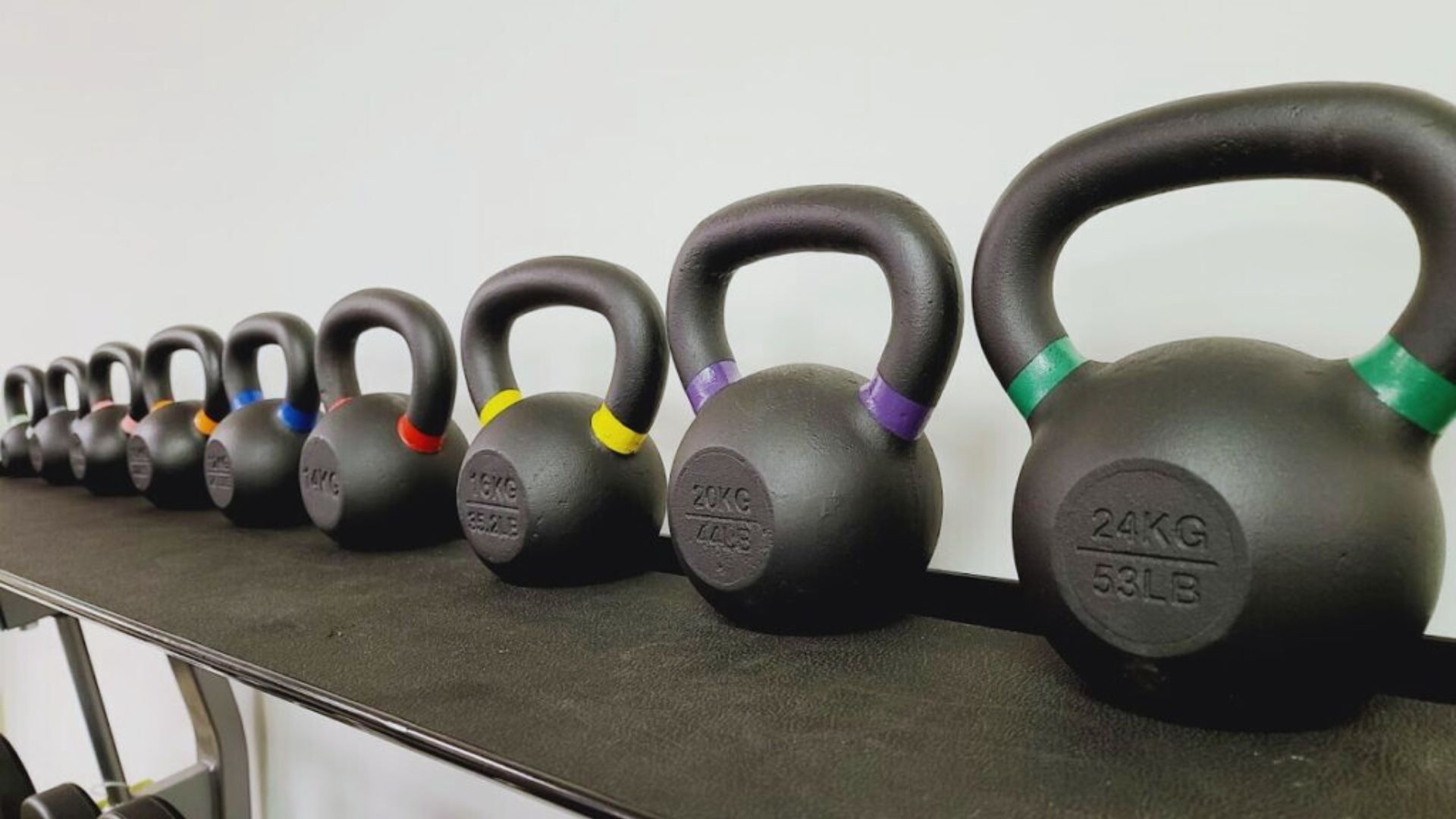
Picking the wrong weight is the most common beginner mistake. Here’s how to get it right.
Recommended Starting Weights
For men: Start with a 16 kg (35 lb) kettlebell. If you’re completely new to lifting, a 12 kg (26 lb) works too.
For women: Start with an 8 kg (18 lb) or 12 kg (26 lb) kettlebell depending on your current fitness level.
These are general starting points. If you’re already active, go slightly heavier. If you’re starting from scratch, go lighter.
Light vs Heavy Kettlebells for Different Exercises
Not all exercises need the same weight. Swings and deadlifts can handle heavier loads. Overhead pressing and Turkish get-ups need lighter weights, especially at first.
A single mid-range kettlebell usually covers both when you’re starting out.
How to Safely Progress in Weight
Progress in small steps. Most kettlebells come in 4 kg increments. Move up only when you can complete your current sets with solid form and without feeling gassed by the end.
Don’t rush it. Slow progress sticks longer.
Tips for Choosing the Right Number of Kettlebells
A few simple rules can save you time, money, and frustration.
- Start with one kettlebell and master the basic movements first
- Get comfortable with form before adding any new equipment
- Bad form with two bells is worse than good form with one
- Move up in weight only when your current bell feels easy on all exercises
- Progress gradually small steps stick longer than big jumps
- If training at home long-term, add a second or third bell over time
- If you’re still testing the waters, one kettlebell is enough for now
Conclusion
Starting simple is always the right move. When I began training with kettlebells, I thought I needed more equipment to see results. I didn’t. One bell, three exercises, and a few weeks of consistency made a real difference.
If you’re standing in front of a rack wondering how many kettlebells do I need, the answer is one for now. Build from there as you grow stronger.
Drop a comment below with your current weight choice or share this with someone just getting started. Keep it simple and stay consistent. You’ve got this.
Frequently Asked Questions
Can I build muscle with just one kettlebell?
Yes, one kettlebell is enough to build muscle when used consistently. Compound movements like swings, squats, and cleans work multiple muscle groups at once.
How long should I train with one kettlebell before buying another?
Most beginners benefit from six to eight weeks with one bell. Once your form is solid and the weight feels manageable, you’re ready to add more.
Is it better to buy a heavier or lighter kettlebell as a beginner?
It depends on your exercise. A mid-weight bell that challenges you on swings but allows clean pressing form is usually the best starting point.
Do I need to buy kettlebells in pairs?
No, beginners do not need to buy in pairs. A single kettlebell covers most beginner exercises and helps you figure out what weight works best before investing more.
What is the best kettlebell weight for a beginner woman?
Most beginner women do well starting with an 8 kg or 12 kg kettlebell. Those with a stronger fitness base can start at 12 kg and move up from there.


