

I spent weeks doing kettlebell swings with zero clarity on how many were actually enough. Too few felt pointless. Too many left me sore for days.
Sound familiar?
After training with kettlebells for years, I can tell you the answer is simpler than most people think.
Knowing how many kettlebell swings per day you need depends on your goal. Whether it’s fat loss, strength, or endurance, there’s a real number for you.
This blog breaks it all down, from beginner counts to advanced targets, including how many kettlebell swings per day to lose weight.
Let’s get started.
Why Kettlebell Swings Are So Effective

Kettlebell swings hit almost every muscle in one move. Your glutes, hamstrings, core, and shoulders all work together. That’s rare for a single exercise.
They also combine strength training and cardio at the same time. You build muscle while your heart rate spikes. Two benefits, one movement.
The calorie burn is surprisingly high for how little time it takes. A focused 10-minute session can torch more calories than a casual 30-minute jog.
They also build explosive power and endurance together. Over time, you’ll notice better posture, stronger hips, and more stamina in daily life.
How Many Kettlebell Swings Per Day Is Ideal?
The right number depends on where you are right now. A beginner and an advanced athlete shouldn’t be doing the same volume. Here’s how to break it down by level.
General Recommendation
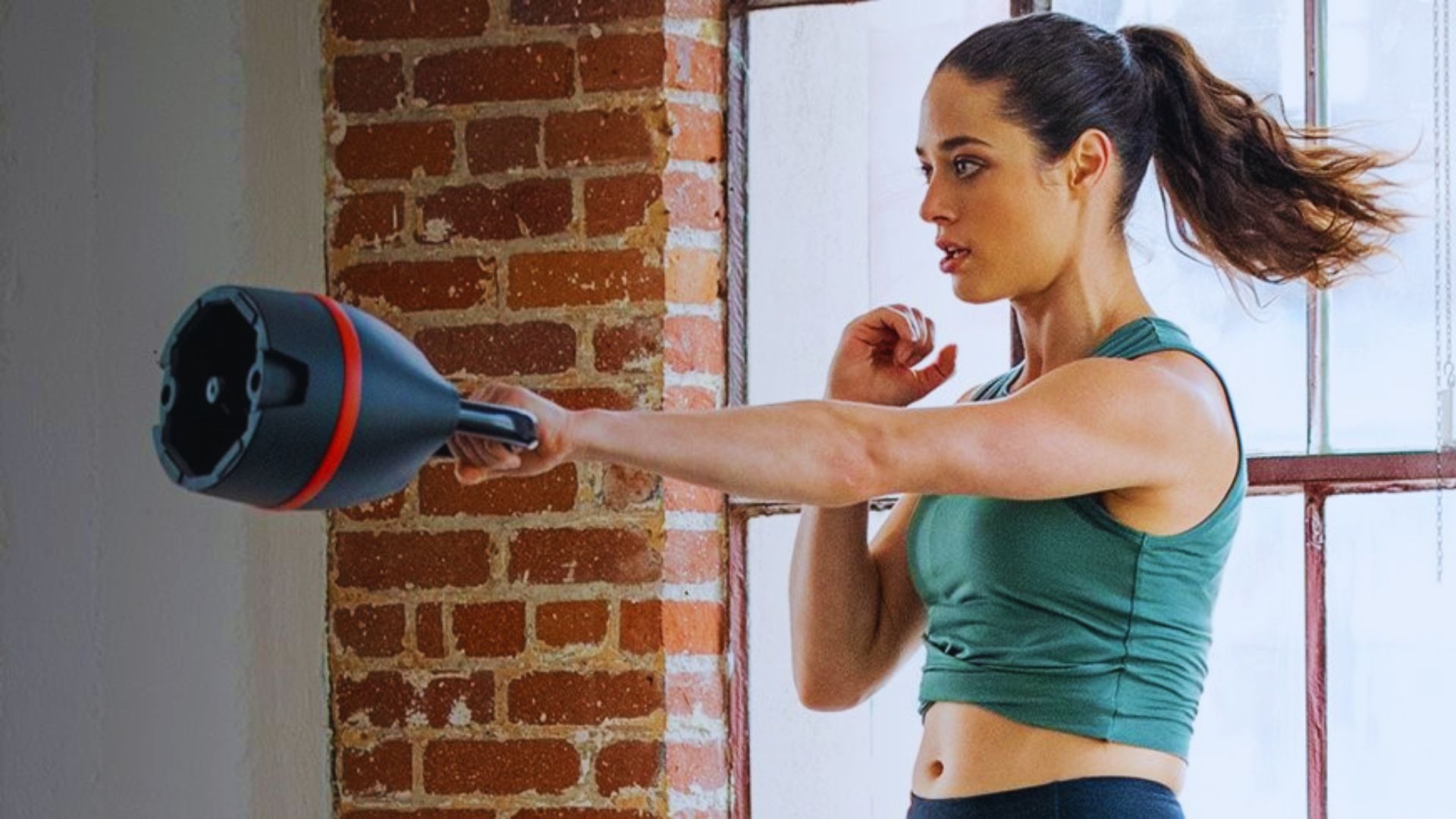
Beginners should aim for 50 to 100 swings per day. That’s enough to build the habit and learn proper form without overdoing it.
Intermediate athletes can push to 100 to 200 swings daily. At this stage, your form is solid and your body handles the load better.
Advanced lifters can go for 200 to 300+ swings per day. This is a high training volume and needs proper recovery built in.
Always start at the lower end of your level. Moving up too fast is one of the quickest ways to get injured.
The “Sweet Spot” for Most People
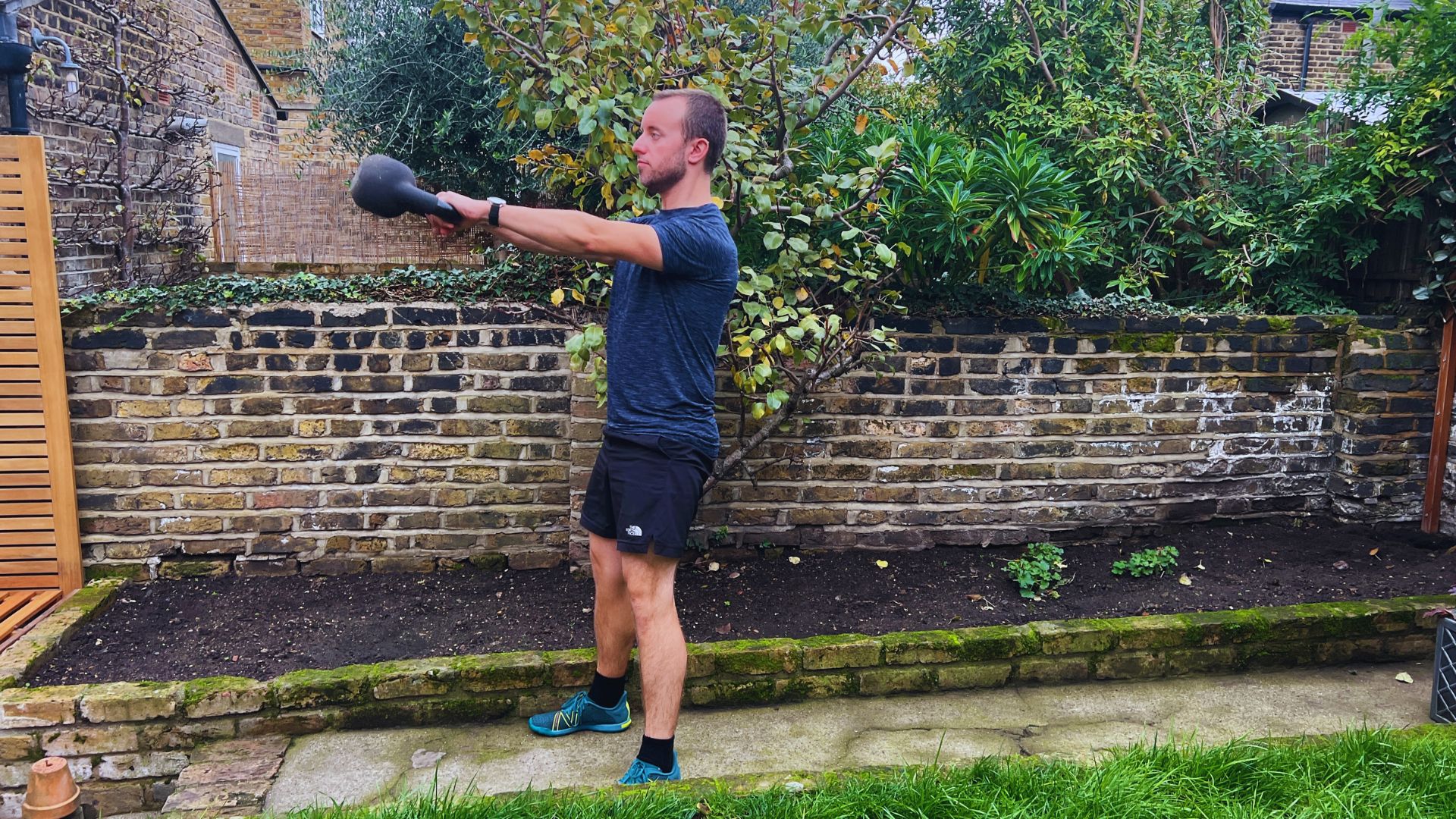
For most people, 100 to 150 swings per day hits the right balance. It’s enough to see fat loss, strength gains, and improved endurance.
You don’t have to do them all at once. Breaking them into 3 to 5 sets works just as well, sometimes better.
Splitting your swings also helps you maintain good form throughout. When you’re tired, your form breaks down. Sets prevent that.
Quality vs. Quantity
Doing 50 clean, powerful swings beats doing 200 sloppy ones every time.
Here’s a quick comparison:
|
Factor |
High Quality Swings |
Poor Form Swings |
|
Muscle activation |
Full and effective |
Reduced, uneven |
|
Injury risk |
Low |
High |
|
Calorie burn |
Maximised |
Wasted effort |
|
Progress over time |
Consistent |
Stalled or regressed |
|
Joint stress |
Controlled |
Damaging |
How Many Kettlebell Swings Per Day to Lose Weight
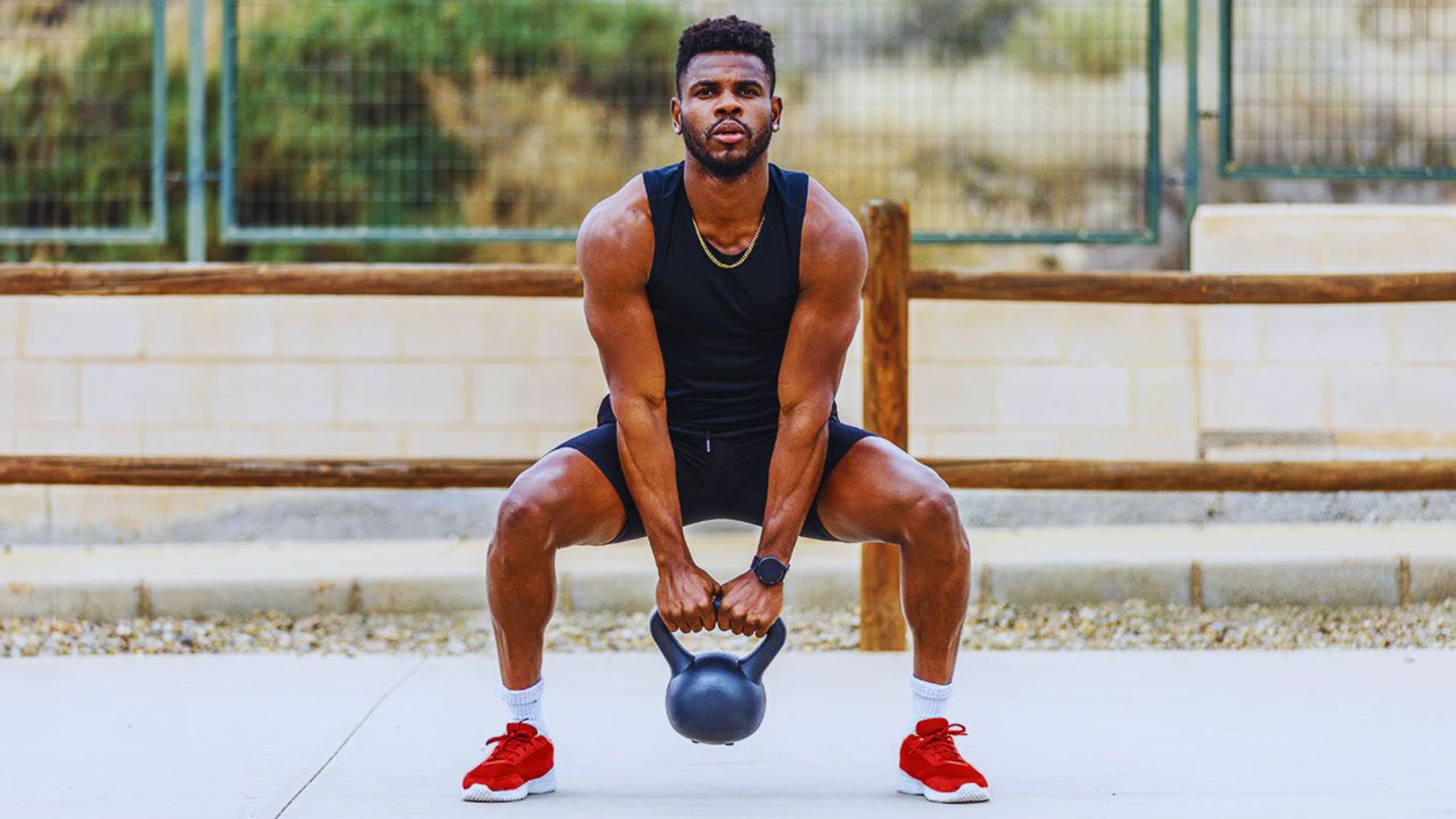
Kettlebell swings are one of the better fat-burning exercises out there. A single swing can burn roughly 20 calories per minute depending on your weight and intensity. That adds up fast.
For weight loss, 150 to 300 swings per day is the ideal range. Pair that with a calorie deficit and you’ll see real changes.
The afterburn effect also plays a big role here. Your metabolism stays elevated for hours after a kettlebell session. This means you keep burning calories even after you stop moving.
Interval-style training works especially well for fat loss. Try doing swings in short, intense bursts with brief rest periods. It keeps your heart rate up and maximises the calorie burn.
Factors That Affect Your Ideal Daily Number
There’s no single number that works for everyone. Your ideal daily swing count depends on several things working together.
Here’s what matters most:
- Fitness level: Beginners need less volume to get results. More swings don’t always mean better results.
- Body weight: Heavier individuals may fatigue faster initially and need shorter sessions to start.
- Kettlebell weight: A heavier bell means more muscle stress. You’ll need more recovery time between sessions.
- Goals: Fat loss, strength building, and endurance training all call for different volumes.
- Recovery ability: Sleep, nutrition, and stress all affect how fast your body bounces back.
- Training frequency: If you swing every day, keep the daily volume moderate. If you swing 3 to 4 days a week, you can push harder each session.
Once you understand your own factors, dialling in your number becomes much easier. Start conservative and adjust from there.
Best Kettlebell Swing Workout Structures
Structure matters as much as numbers. Here are three proven formats based on your goal.
Beginner Routine

Do 5 sets of 10 to 15 swings with 30 to 60 seconds of rest between sets. That gives you 50 to 75 swings total per session.
Focus entirely on hip hinge mechanics here. Drive through your hips, not your arms.
Three days a week is plenty at this stage. Your body needs time to adapt to the new movement pattern.
Fat Loss Routine
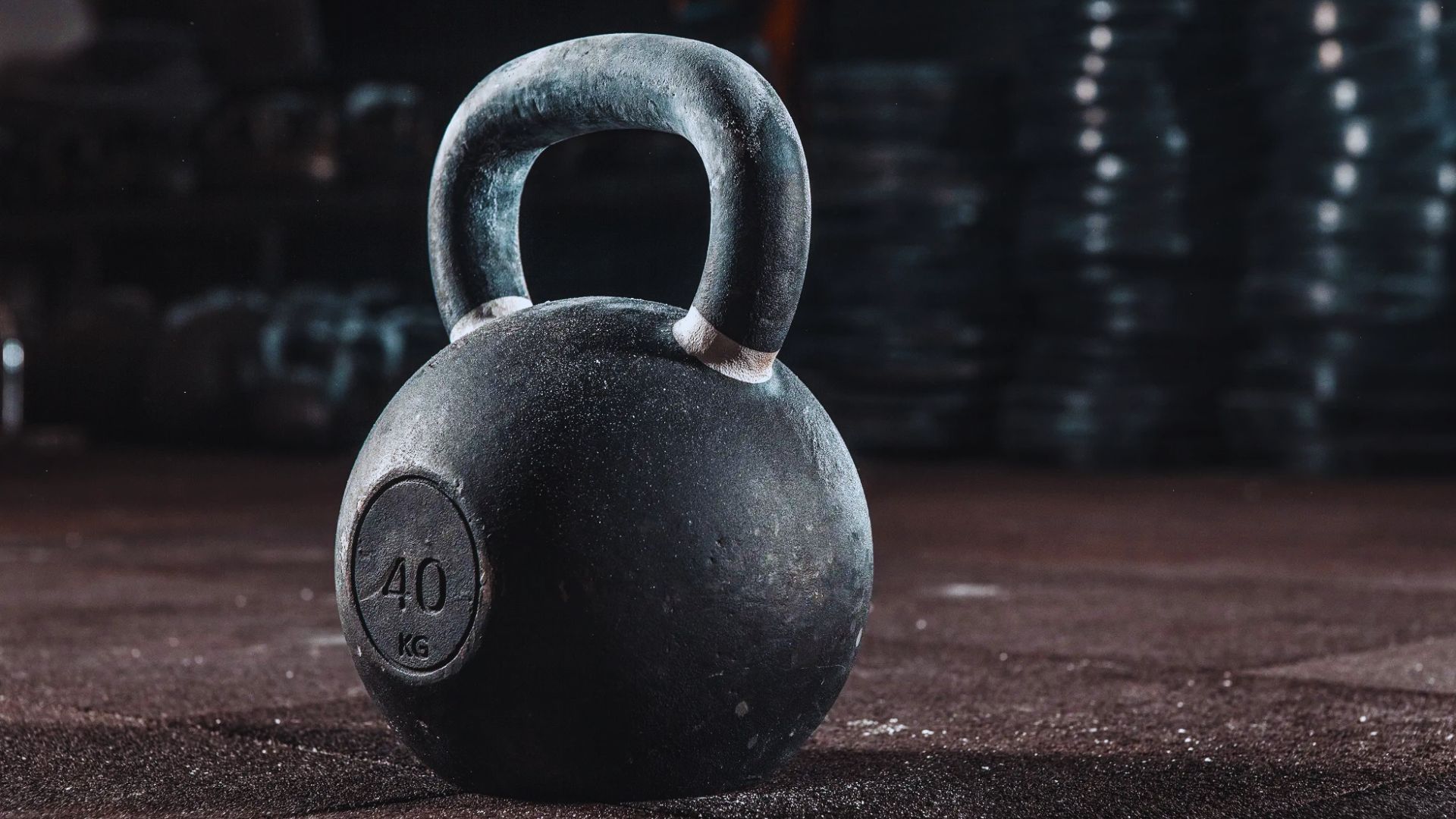
Try 10 sets of 20 swings with only 20 to 30 seconds of rest between sets. That’s 200 swings in a short, intense session.
The short rest periods keep your heart rate elevated. That’s where the fat burning magic happens.
Do this routine 3 to 4 times a week. Pair it with a clean diet and you’ll see results faster.
Advanced Conditioning Routine

Use an EMOM format – that’s Every Minute on the Minute. Do 15 to 20 swings at the start of each minute, then rest for whatever time remains.
This builds serious conditioning fast. Your work-to-rest ratio becomes more demanding as you get stronger.
Run this for 10 to 20 minutes. It’s short, brutal, and effective.
How to Progress Safely Over Time

Progress should feel gradual, not painful. Add 10 to 20 swings per week rather than doubling your volume overnight.
Only increase your kettlebell weight when your current weight feels easy for your full set count. Jumping up in weight before you’re ready leads to injury.
Track your sessions in a simple notebook or app. Write down your sets, reps, and how you felt. Patterns show up over time.
Avoid going from 100 swings to 300 swings in one week. Your joints, tendons, and lower back need time to catch up to your ambition.
Common Mistakes to Avoid
Most people plateau or get hurt not because they work too little, but because of avoidable errors. Knowing what to watch for saves you weeks of setbacks.
Watch out for these:
- Using your arms to lift the bell: Swings are a hip hinge movement, not a shoulder raise. Arms just hold the bell.
- Rounding your lower back: This puts serious stress on your spine. Keep your back flat throughout the movement.
- Going too heavy too soon: Ego lifts with poor form do nothing useful. Start lighter than you think you need.
- Skipping the warm-up: Cold hips and hamstrings are injury-prone. Spend 5 minutes warming up before every session.
- Overdoing daily volume: More swings don’t always mean faster results. Overtraining leads to fatigue and burnout.
Small corrections made early lead to big results later. Check your form regularly, even when you feel confident.
Benefits You Can Expect
The results from consistent kettlebell training show up in multiple areas of your life, not just your physique. Here’s what I’ve personally noticed and what research supports.
Here are the benefits you can expect:
- Fat loss and calorie burn: Regular swings create a significant caloric demand, supporting weight loss goals.
- Stronger glutes and core: Two areas most people neglect but desperately need for back health and posture.
- Better cardiovascular fitness: Your resting heart rate drops and your stamina improves noticeably within weeks.
- Improved posture and mobility: The hip hinge pattern counters the damage done by sitting all day.
- Time-efficient workouts: 15 to 20 minutes of focused swings delivers results that hour-long gym sessions often don’t.
Consistency is what unlocks these benefits. A solid 20-minute session three times a week beats a two-hour session once a week every time.
Conclusion
After years of training, I still come back to kettlebell swings. They work. For most people, 100 to 150 swings per day is the sweet spot.
It’s enough to burn fat, build strength, and keep you moving without burning out.
Knowing how many kettlebell swings per day fits your goal is what separates progress from guesswork. Start small, be consistent, and increase gradually.
Have questions or want to share your swing count? Drop them in the comments below, and let’s talk!
Frequently Asked Questions
Is doing kettlebell swings every day safe?
Yes, it’s safe as long as you manage your volume, use proper form, and give your body enough recovery time. Reducing intensity on some days helps avoid overuse injuries.
How many kettlebell swings should a beginner do daily?
Start with 50 to 100 swings per day and increase the count gradually as your form and strength improve. Rushing the progression is the biggest beginner mistake.
Can kettlebell swings reduce belly fat?
Kettlebell swings burn significant calories and reduce overall body fat when combined with a proper diet. Spot reduction isn’t possible, but consistent swings contribute to whole-body fat loss.
How long does it take to see results?
Most people notice visible changes within 2 to 4 weeks with consistent training and good nutrition. Strength and endurance improvements often show up even sooner.
Should I do kettlebell swings in one session or split them?
Both approaches work well, but splitting into sets often helps maintain better form throughout your session. Choose whichever fits your schedule and energy levels.