

Dips looked easy. Two bars, bodyweight, done. That was my thinking when I first started.
Then I hit a wall. I had no idea how many dips should I do to actually build strength without wrecking my shoulders.
Too little and nothing changed. Too much and I felt it in all the wrong places.
Turns out, the right number is not random. It is based on your experience, your body, and your goal.
So what is the number for you? Stick with me. The answer is more specific than you think.
Understanding Dip Performance Standards
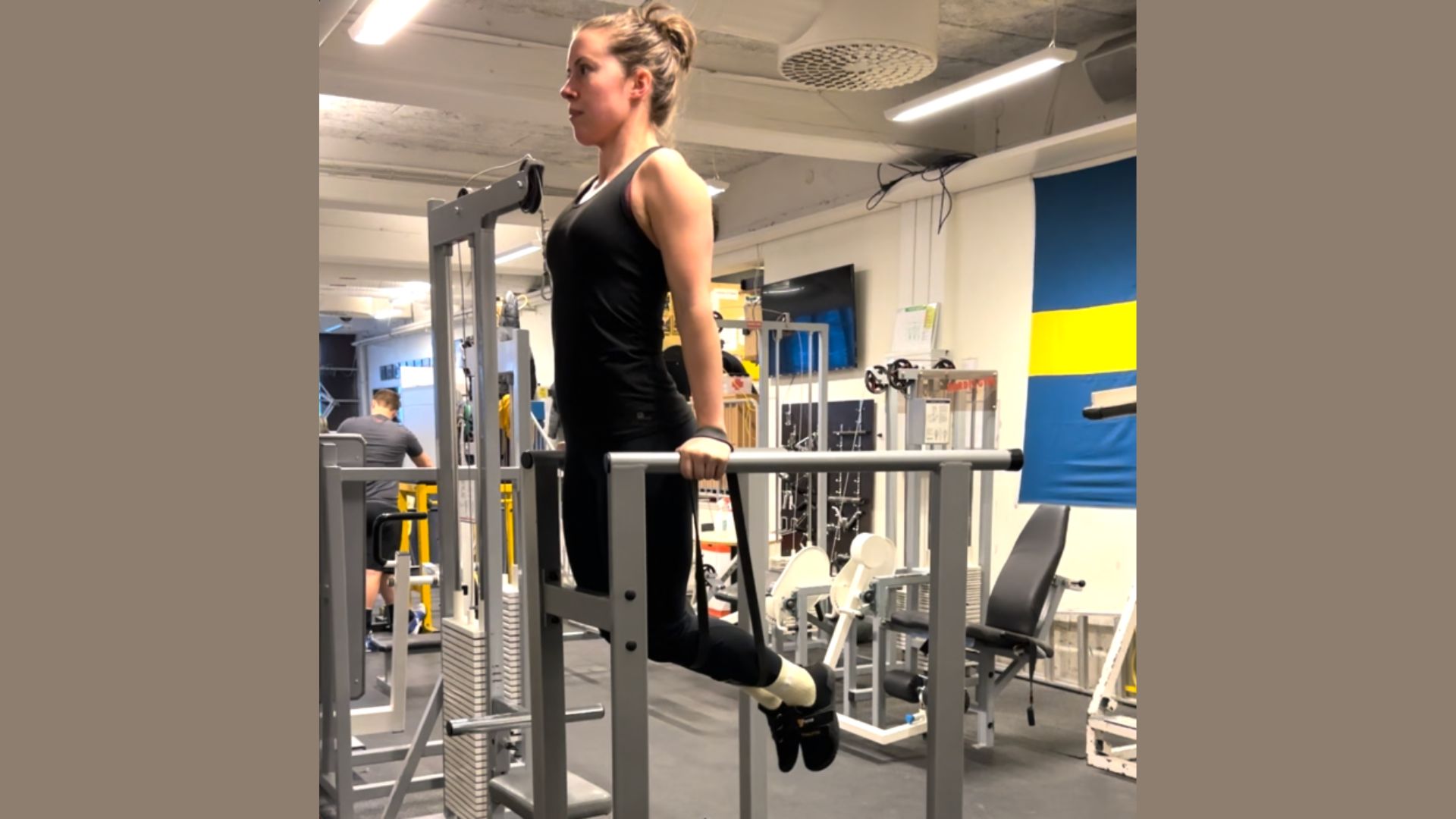
Not everyone should aim for the same dip count. A 180-pound beginner and a trained athlete have completely different baselines. Comparing yourself to someone else’s numbers is a fast road to frustration or injury.
Three things shape how many dips you can do: your gender, your body weight, and how long you have been training.
Heavier individuals naturally work harder per rep. Less training experience means less muscle recruitment and endurance.
One big misconception: more dips does not always mean better results.
Quality reps with full range of motion beat sloppy high-rep sets every single time.
How Many Dips Should I Do Based on Experience Level

The right number of dips comes down to where you are right now, not where you want to be in six months. Start where you are. Build from there.
Beginners
If you are just starting out, aim for 2 to 3 sets of 3 to 5 reps. That is enough to build the movement pattern without burning out your joints.
Train dips 2 to 3 times per week with at least one rest day between sessions. Your muscles need time to recover, especially when they are new to this kind of load.
Form is everything at this stage. Keep your elbows close to your body, lower yourself slowly, and do not let your shoulders roll forward. Bad habits now will hurt you later.
If full dips are too hard, start with bench dips or use an assisted dip machine. There is no shame in building up to the real thing.
Intermediate Lifters
At this level, you should be comfortable with 10 to 15 clean reps. Start working in the 3 to 4 sets range and push toward progressive overload each week.
Train dips 3 to 4 times a week. Your body has adapted enough to handle more frequency without breaking down.
Once you can hit 15 solid reps with no struggle, it is time to add a weight belt or hold a dumbbell between your feet. Weighted dips are where real strength gains happen.
Keep adding small amounts of weight, 2.5 to 5 pounds at a time. Chasing big jumps too fast is how people end up with shoulder problems.
Advanced Lifters
Advanced lifters can aim for 20 or more bodyweight reps. At this point, volume and weighted variations are your main tools for continued progress.
For strength, go heavier with lower reps, around 4 to 6 per set. For hypertrophy, stay in the 8 to 12 rep range with moderate added weight.
Split your training so dips fall on chest or triceps days. Doing them too often without structure leads to overuse injuries in the shoulder joint.
Even at an advanced level, one full rest day between dip sessions is still important. Overtraining is real and it stalls progress more than it helps.
Factors That Influence Your Dip Count
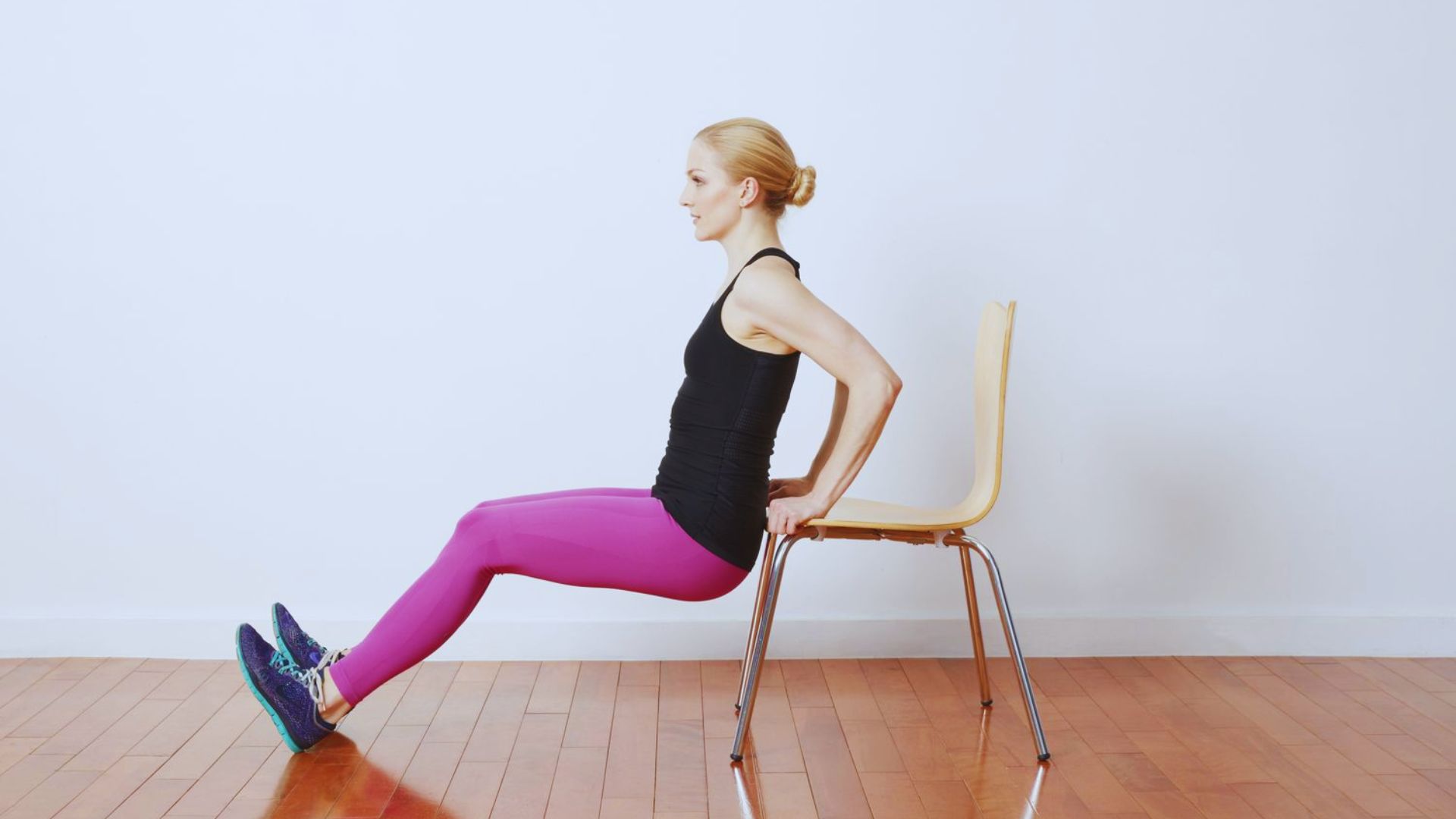
Your dip numbers do not exist in a vacuum. Several things outside of just training frequency can push your count up or hold it back.
Here is what makes the biggest difference:
- Body weight: The more you weigh, the more you are lifting per rep. Heavier individuals may do fewer reps initially, and that is completely normal
- Shoulder and triceps strength: Weak shoulders limit how deep and how long you can dip safely
- Grip width and bar type: Parallel bars that are too wide can strain your shoulders. Find a width that feels natural for your frame
- Recovery: Poor sleep and lack of rest days directly affect how many reps you can push out
- Nutrition: Not eating enough protein slows muscle repair, which means slower progress overall
Your dip count is a reflection of your whole fitness picture. Fix the basics and your numbers will rise on their own.
How Many Dips Should I Do a Day?
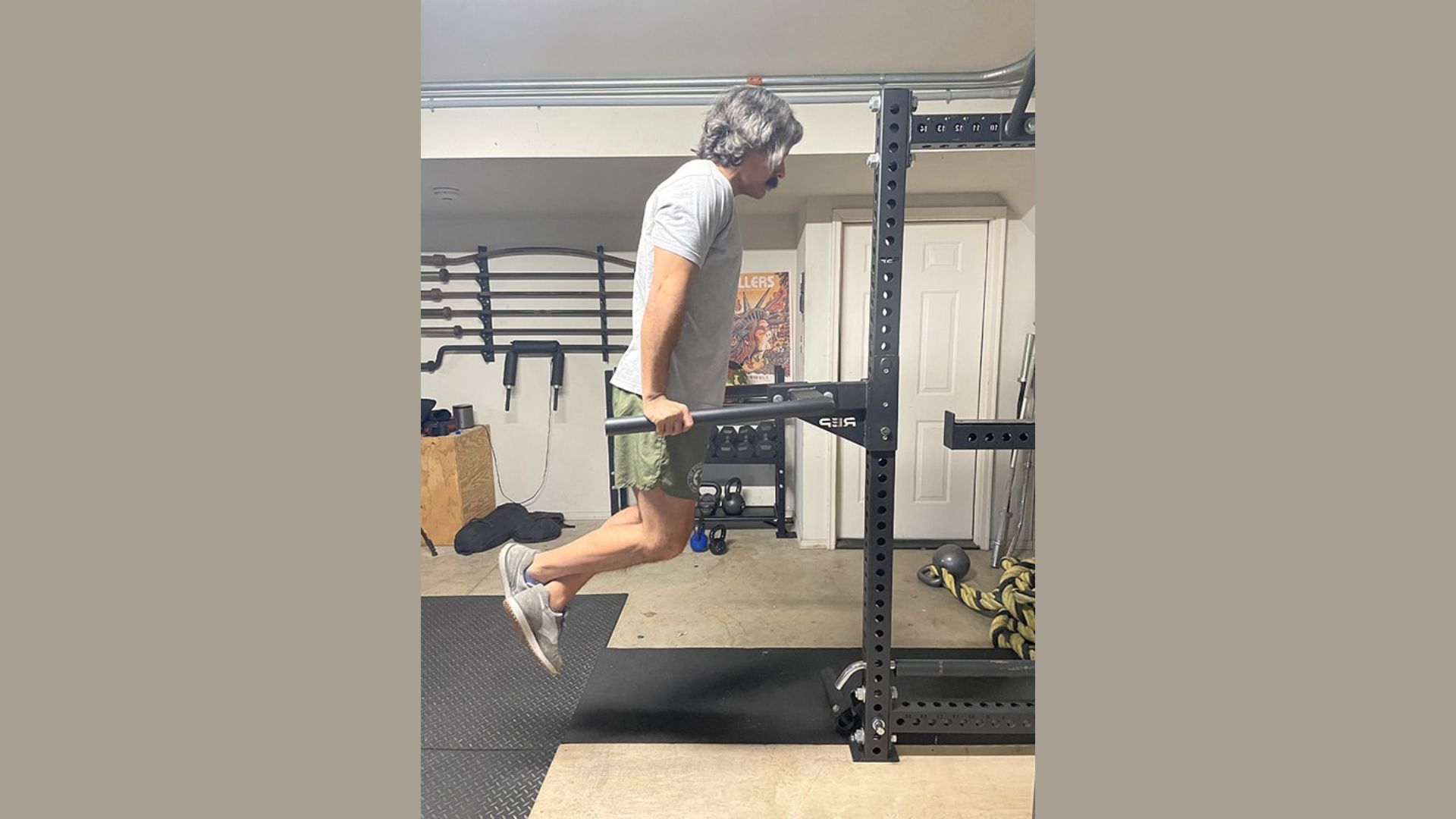
This is the question most people really want answered. How many dips should I do a day without overdoing it?
For beginners, 3 sets of 3 to 5 reps on training days is plenty. Do not train dips daily when you are just starting. Your connective tissue needs more recovery time than your muscles do.
For intermediate lifters focusing on endurance or hypertrophy, daily low-rep practice can work. Something like 3 sets of 5 to 8 reps daily is manageable if your shoulders feel good.
Advanced lifters can use a daily dip practice with smart programming. Keep intensity moderate on most days and go hard only two to three times a week.
Always listen to your body. Soreness is okay. Sharp pain in the shoulder or elbow is not. If something hurts, skip it and rest.
Tips to Safely Increase Dip Numbers
Progressing on dips takes patience. Going too fast is the most common reason people plateau or get hurt.
Use these strategies consistently and your numbers will keep climbing:
- Warm up properly: Do arm circles, band pull-aparts, and shoulder rotations before any dip session
- Progressive overload: Add one rep per set each week or a small amount of weight once bodyweight gets easy
- Rest between sets: Take 90 seconds to 2 minutes between sets for strength work, less for endurance
- Use variations strategically: Leaning forward during dips targets the chest more. Staying upright hits the triceps harder
- Sleep and eat well: These are not optional. They are where the actual growth happens
Consistent small improvements over weeks will do far more than random hard sessions once in a while.
Common Mistakes and How to Avoid Them
Most people do dips wrong in at least one way. These mistakes slow progress and can cause real damage over time.
Watch out for these:
- Swinging or using momentum: This takes load off the muscles and puts it on the joints. Slow down and control every rep
- Incomplete range of motion: Half reps build half the strength. Lower until your upper arms are at least parallel to the floor
- Shoulders rolling forward at the bottom: This is the most common injury pattern. Keep your chest up and your shoulder blades pulled back throughout the movement
- Overtraining: Doing dips every day with high intensity and no recovery is a recipe for shoulder and elbow pain
- Ignoring pain signals: Mild fatigue is normal. Pain in your joints is not. Do not push through joint pain
Fix one mistake at a time. Clean up your form before you worry about adding reps or weight.
Conclusion
I spent way too long chasing someone else’s dip numbers. It got me nowhere. The moment I stopped comparing and started tracking my own progress, everything clicked.
Your reps will grow. Your form will sharpen. But only if you show up and put in the work consistently.
So here is my challenge to you. Do your dips today, count your reps, and write that number down.
Come back in four weeks and tell me how far you have come. Drop it in the comments. I want to see your progress firsthand.
Frequently Asked Questions
What Is a Good Number of Dips for Beginners?
For beginners, 3 to 5 clean reps per set is a solid starting point. Focus on form first and let the numbers follow naturally.
How Many Dips Can an Average Man or Woman Do?
The average untrained man can do around 5 to 10 dips, while the average untrained woman may manage 1 to 5. These numbers vary based on body weight and overall fitness level.
Can I Do Dips Every Day Safely?
Light dip practice daily is possible for intermediate and advanced lifters, but beginners should rest at least one day between sessions. Joint health matters more than daily volume.
Should I Add Weight to Increase My Dip Count?
Adding weight builds strength, which eventually improves your bodyweight rep count too. Only add weight once you can do 15 or more clean bodyweight reps consistently.
How Do I Know If My Dip Form Is Correct?
Your elbows should stay close to your body, your chest should face slightly downward, and your shoulders should not roll forward at the bottom. Recording yourself from the side is the easiest way to check.