Are you training your core the right way for real results?
I’ve spent years helping clients strengthen their midsection safely and effectively, and one thing I’ve learned is that knowing how many core exercises per workout to include can make a huge difference.
In this guide, I’ll share simple ways to plan sessions, choose the right movements, and track your progress without overdoing it.
You’ll learn exercises for every fitness level, how to avoid common mistakes, and how to adjust your routine for steady gains.
Let’s make core training smarter, not harder.
Understanding Core Training and Its Importance

Core training focuses on the muscles around your stomach, sides, and lower back.
Many people think it means only working the abs, but the core is a full support system that helps your body move with control each day.
Simple actions like lifting, bending, or standing rely on these muscles. The rectus abdominis helps you bend forward.
The obliques support twisting and side movement. The transverse abdominis sits deep in the midsection and acts like a natural brace.
The erector spinae run along the spine and help you stay upright. A strong core can improve balance, posture, and sports performance. It may also lower the risk of common workout injuries.
How Many Core Exercises Per Workout Should You Include?
Choosing the right number of core exercises helps you train with better focus. Too many moves in one session can cause fatigue and affect form. A simple, planned routine often works best.
Optimal range: Most people can include 1 to 3 core exercises in one workout session. Training the core about 2 to 3 times per week gives enough time for muscle recovery and steady progress.
Quality over quantity: It is better to perform a few exercises with correct form and full control than to rush through many movements. Slow and controlled reps can help activate the core more effectively.
Beginner guidance: Start with 1 to 2 basic exercises and focus on learning proper technique.
Intermediate guidance: Include 2 to 3 exercises with slight variation or added challenge.
Advanced guidance: Use 3 focused exercises with higher intensity, longer holds, or added resistance.
Choosing the right number of core exercises helps maintain focus and proper form during training.
Choosing the Right Core Exercises
Picking the right mix of core exercises helps train all areas of the midsection. A balanced plan can improve strength, control, and movement quality over time.
1. Flexion-Focused Exercises

Flexion-focused exercises include crunches, cable crunches, and sit-ups. These movements train the upper part of the abdominal muscles by bending the torso forward.
When done with slow control and proper breathing, they can help build strength, support posture, and improve overall core muscle awareness.
2. Bottom-Up / Pelvic-Lifting Exercises
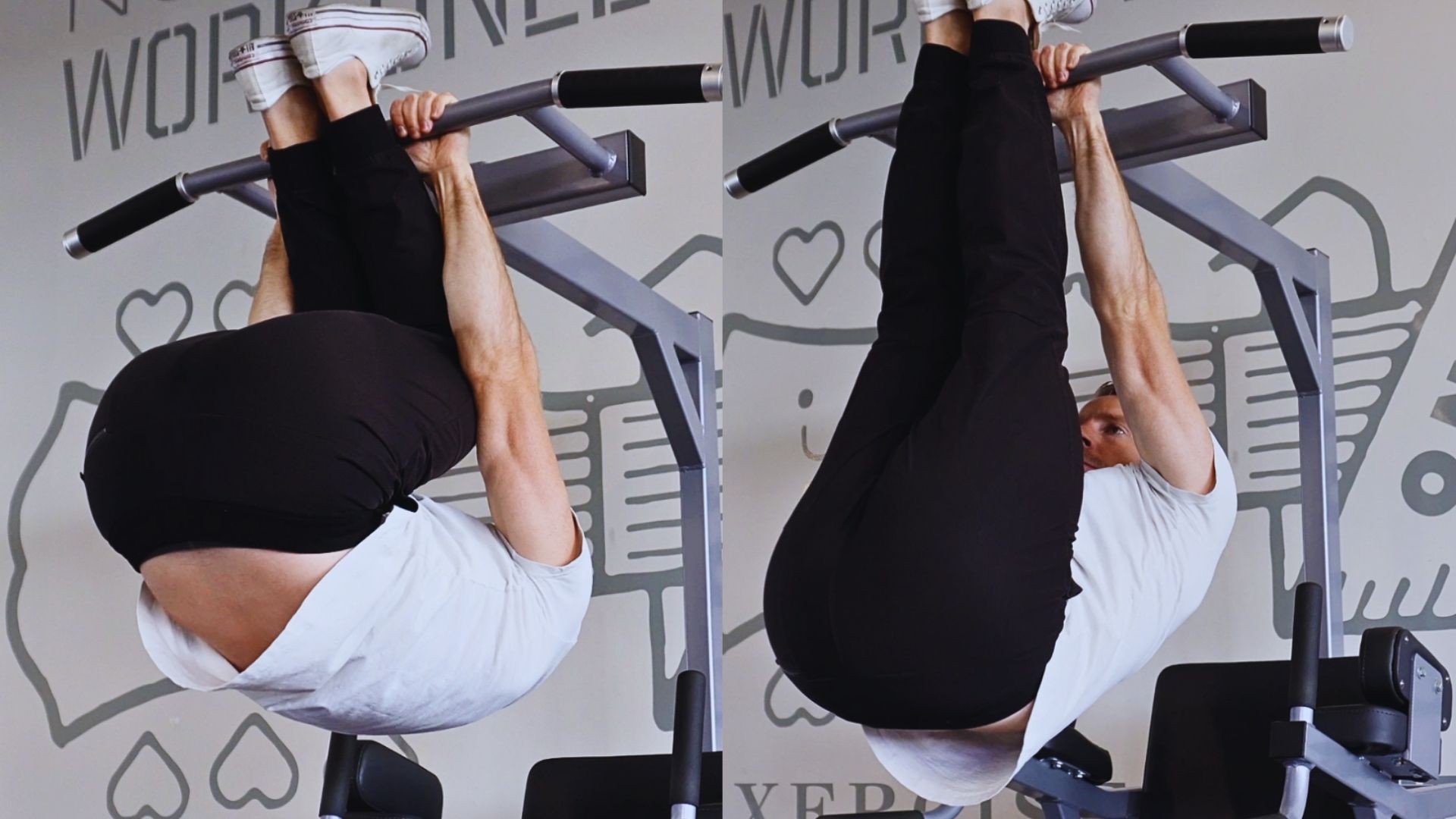
Bottom-up or pelvic-lifting exercises, such as hanging leg raises, reverse crunches, and leg lifts, mainly target the lower abdominal area.
These movements involve lifting the hips or legs with control. Regular practice can support pelvic stability, improve lower core strength, and assist in better body coordination.
3. Rotation / Oblique Exercises

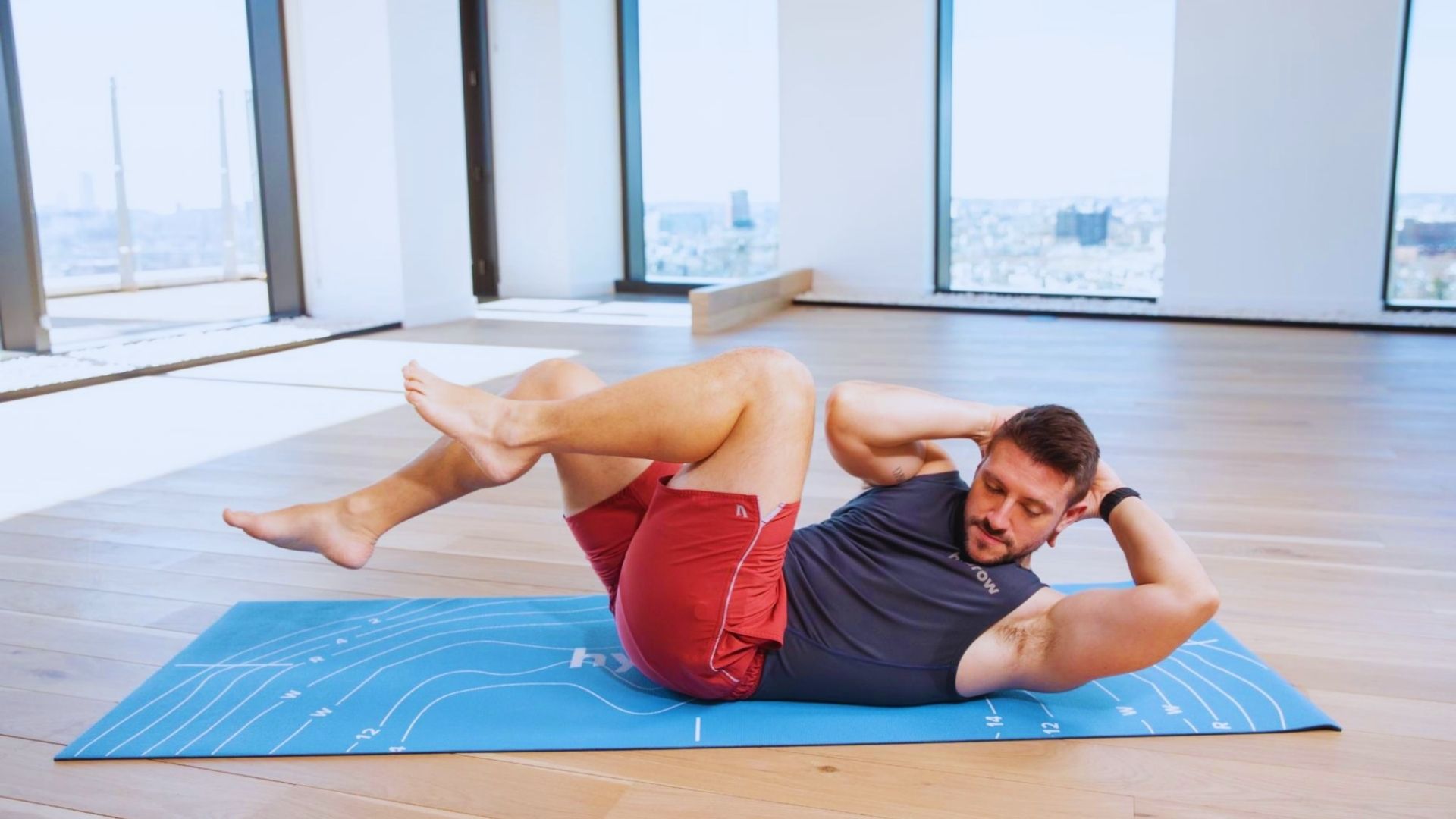
Rotation-based exercises like Russian twists, cable woodchoppers, and bicycle crunches train the muscles along the sides of the waist.
These moves involve twisting or turning the torso. They can help improve side strength, support smoother turning actions, and aid balance during daily and sports movements.
4. Anti-Extension Exercises

Anti-extension exercises include planks, ab rollouts, and stability ball rollouts. These movements train the core to resist arching of the lower back.
By keeping the spine steady during holds or forward motion, they help support full core strength, posture control, and safer movement during workouts.
5. Anti-Rotation Exercises
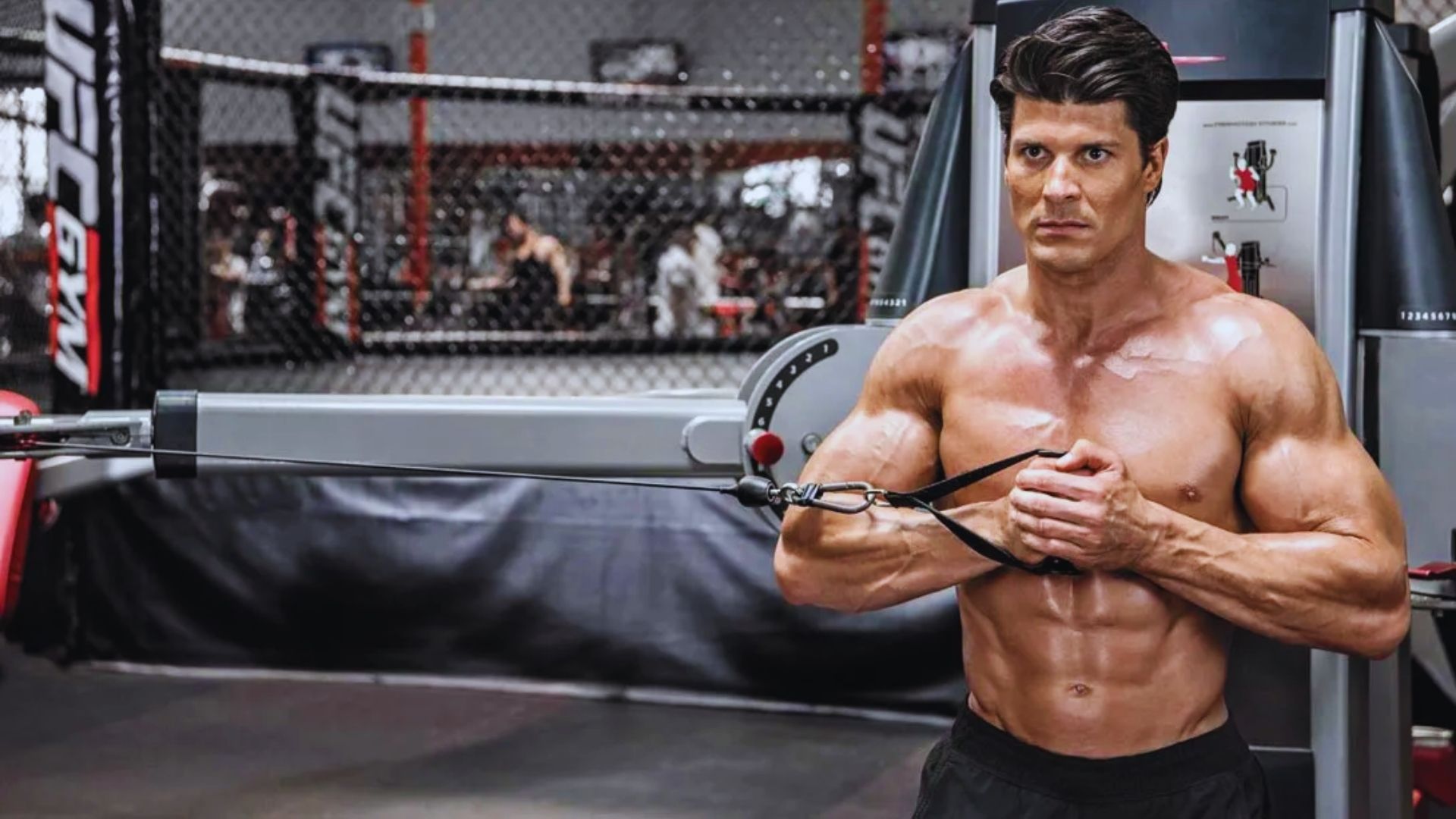
Anti-rotation exercises such as the Pallof press, single-arm cable press, and side planks with reach train the body to resist twisting forces.
These movements work the obliques and deep core muscles. They can improve trunk stability, balance, and strength needed for controlled movement patterns.
6. Dynamic / Functional Core Exercises
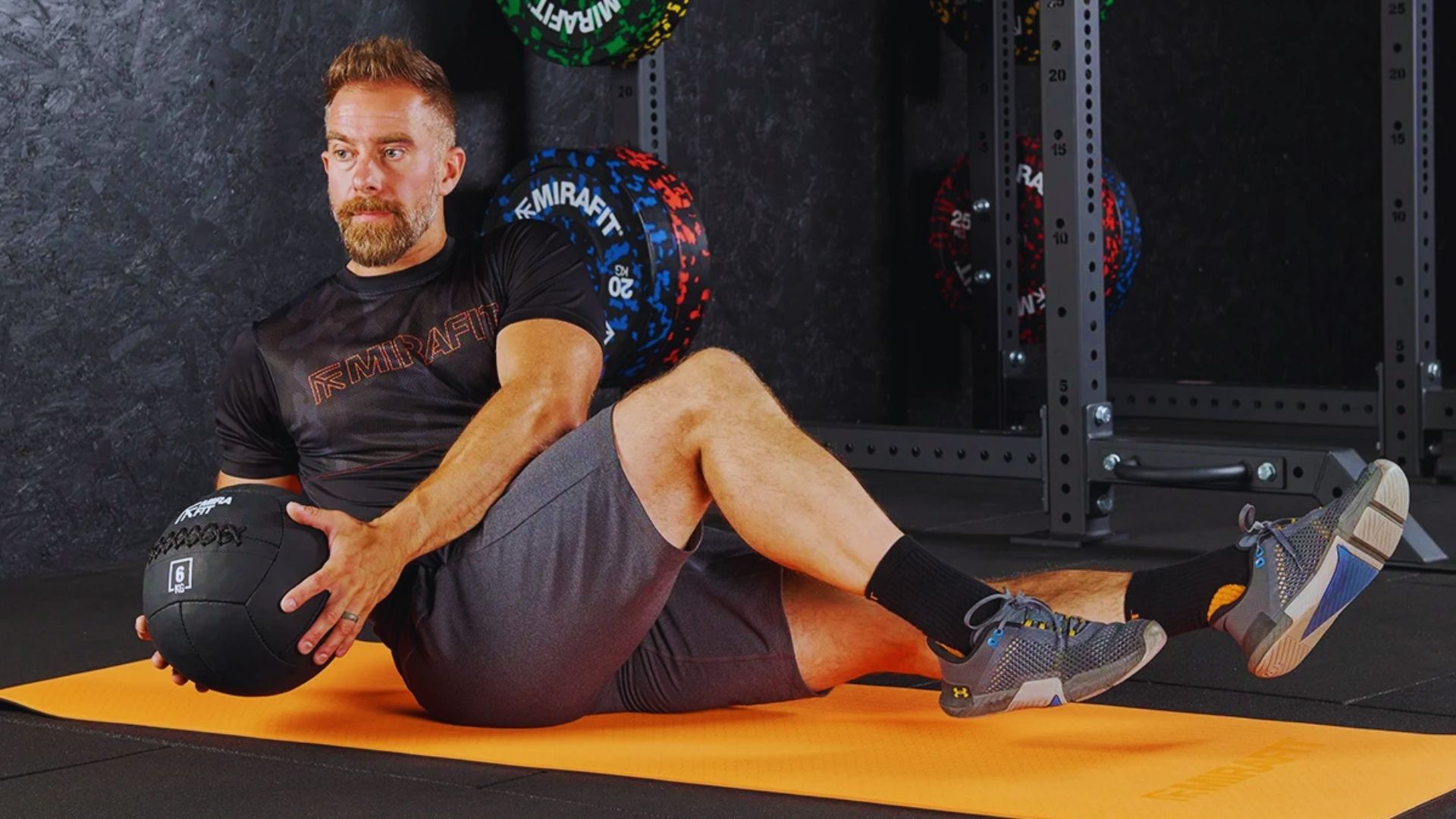
Dynamic core exercises like mountain climbers, medicine ball slams, and hanging knee raises with twist involve faster and more active movement.
These drills train the core while the body is in motion. They can support functional strength, improve coordination, and increase heart rate during workouts.
7. Isometric / Static Hold Exercises

Isometric core exercises include planks, side planks, and hollow holds. These moves require holding the body still in a fixed position for a time.
Such training builds deep muscle endurance, improves posture control, and helps the core stay firm during lifting, sports tasks, and daily movements.
Weekly Core Training Frequency
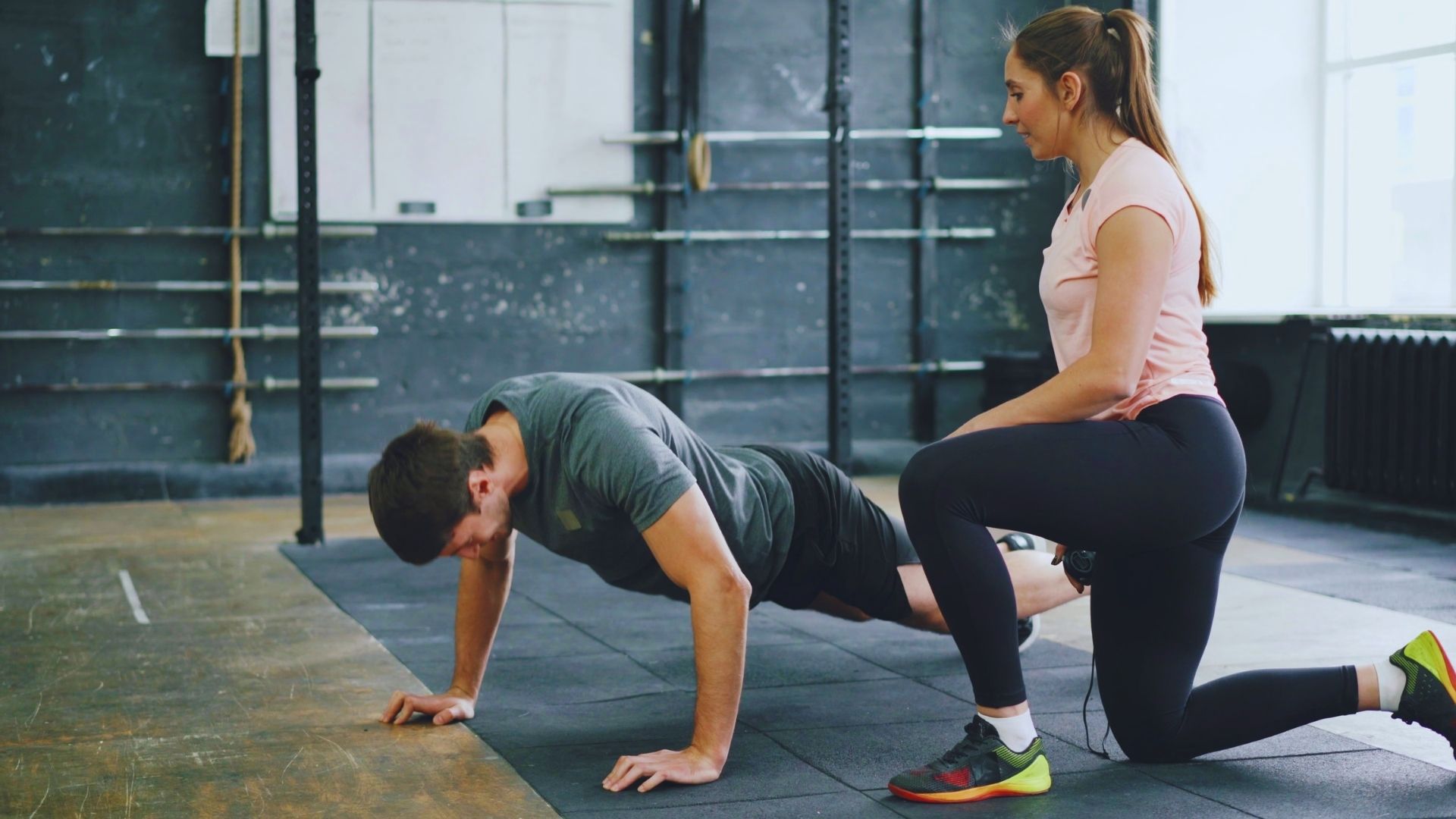
Training your core with the right weekly plan can support steady strength gains. Most people can benefit from using about 2 to 5 different core exercises across the week.
This approach helps target various core muscles without placing too much stress on the body.
Microcycle planning means spreading these exercises over a few workout days instead of doing them all at once.
For example, you can train the core two or three times a week with different movements in each session.
This method allows muscles to recover between workouts, which supports better performance and lowers the chance of overuse strain.
Factors That Determine How Many Core Exercises You Should Do
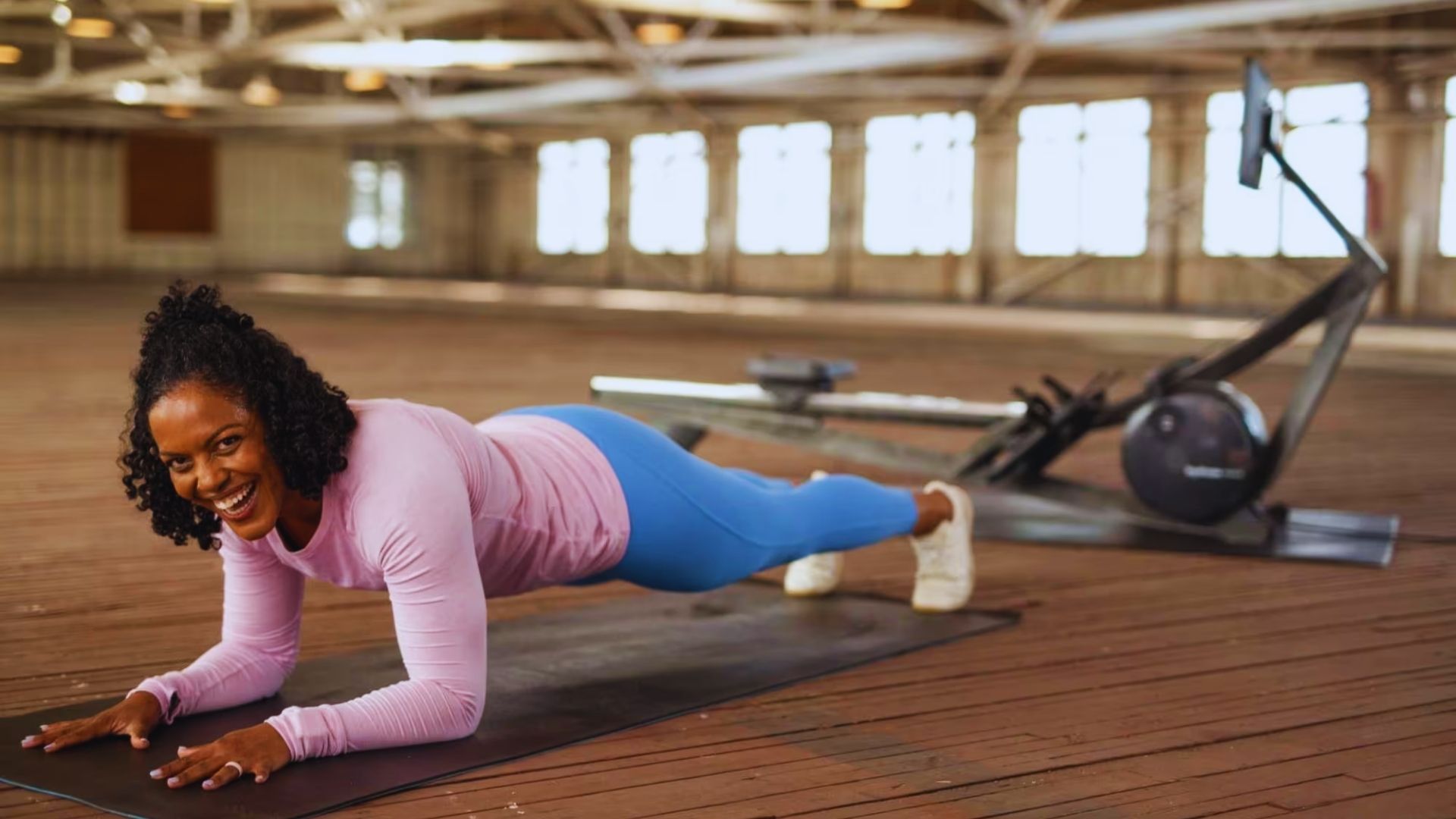
The number of core exercises in a workout depends on your training needs and routine plan. A few key factors can help you decide what works best.
Fitness level: Beginners can start with 1 to 2 basic exercises. Intermediate and advanced individuals may include 2 to 3 more challenging movements.
Workout frequency per week: If you train core often, keep fewer exercises per session. With fewer weekly sessions, you can add more variety in one workout.
Goals: Strength training needs slow, controlled exercises. Endurance may need longer holds or higher reps. A mix of moves can support overall fitness and muscle tone.
Workout duration and other muscle groups: Short core work fits well in full-body sessions. Core-focused workouts can include more time and variation.
These factors can help you plan the right number of core exercises for steady and safe progress.
Sample Core Workout Templates
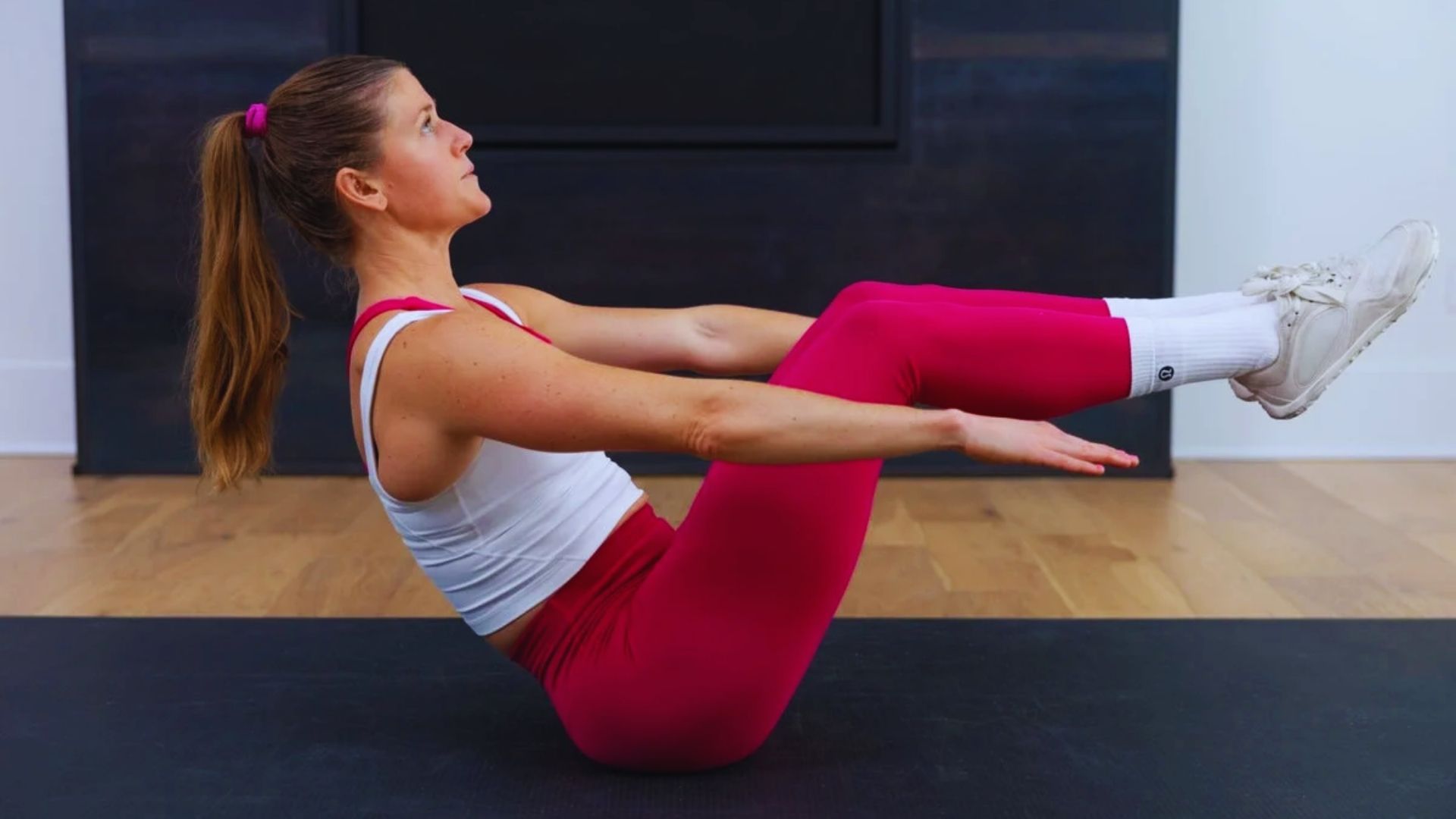
Using simple workout templates can help you stay consistent with core training. These examples show how to plan sessions based on your fitness level.
Beginner template:
Choose 2 core exercises, such as crunches and planks. Perform 3 sets of 12 to 15 repetitions or 20 to 30 second holds. Focus on slow movement and correct form. Rest for short intervals between each set.
Intermediate template:
Include 2 to 3 exercises like reverse crunches, Russian twists, and side planks. Complete 3 to 4 sets of 12 to 15 repetitions or 30 to 40 second holds. Aim for steady control and balanced effort.
Advanced template:
Use 3 challenging exercises such as hanging leg raises, ab rollouts, and plank variations. Perform 4 sets with added resistance or longer hold time. Keep rest short to maintain core tension and workout intensity.
These simple templates can guide you in planning core workouts that match your fitness level.
Common Mistakes in Core Training
Avoiding common errors can make core workouts safer and more effective. The table below shows frequent mistakes and simple fixes to improve training results.
|
Mistakes |
Fixes |
|
Doing too many core exercises in one session |
Limit sessions to 1 to 3 focused exercises and give full effort to each movement |
|
Ignoring obliques or deep core muscles like the transverse abdominis |
Include twisting, side hold, and stability exercises to train all core areas |
|
Training the core daily without proper rest |
Allow recovery days between sessions to support muscle repair and strength gains |
|
Using poor form or rushing through repetitions |
Perform slow, controlled reps and maintain steady body alignment throughout the set |
Correcting these mistakes can help you train your core with better safety and steady progress.
How to Track Progress and Adjust
Tracking your core training helps you understand what is working and when to make changes. Small adjustments over time can support steady strength and performance gains.
Strength: Notice if exercises feel easier or if you can handle more resistance or longer hold time. This shows your core muscles are getting stronger.
Endurance: Check how long you can maintain planks or complete sets without losing form. Better control and less fatigue show improved muscle stamina.
Muscle definition: Visible tone around the midsection may improve with regular training and proper nutrition. Progress often takes time and consistency.
Signs to increase variety or intensity: If workouts feel too easy or progress slows, add new exercises, increase sets, or extend hold duration.
Periodization strategies: Plan training in phases by changing intensity, volume, or exercise type every few weeks to support continuous improvement.
Regular tracking and timely adjustments can help keep your core training effective and goal-focused.
Conclusion
From my experience, keeping core training simple, focused, and well-structured often produces the best results over time.
Prioritizing good form, proper recovery, and a clear weekly plan makes each session more effective.
Knowing how many core exercises per workout to include helps prevent fatigue, ensures balanced training, and keeps progress steady.
A consistent, manageable routine builds strength, improves posture, and improves control in daily movement.
Stay consistent with your weekly core routine. Start now and notice little progress each week!
Frequently Asked Questions
Can Core Exercises Help Reduce Belly Fat?
Core exercises build muscle strength and tone. Fat loss needs regular training, a balanced diet, and good sleep habits.
Should You Do Core Exercises Before Or After Weights?
Many people train core after strength work to avoid early fatigue. Light core moves before workouts can help with posture and control.
Do You Need Equipment For Effective Core Training?
Core workouts can be done with bodyweight alone. Equipment can add a challenge but is not always required.
Is It Safe To Train the Core With Lower Back Pain?
Gentle core exercises may help support the back. Start with basic stability moves and seek expert advice if pain continues.
How Long Should You Rest Between Core Workout Sets?
Most routines use short rest periods of about 30 to 60 seconds. Rest time can change based on workout intensity and fitness level.