So you’re wondering how many calories the bench press burns, and honestly, so did I when I first started lifting. I used to think more reps meant more fat was gone. Not exactly true.
In this article, I’ll break down the real numbers, what affects your calorie burn, and how to get more out of every set.
I’ve spent years in the gym testing this firsthand, and I want to share what actually works.
We’ll cover calorie estimates, body weight comparisons, and practical tips. No fluff, just clear, simple answers you can actually use.
Bench Press Calories Explained What You Really Burn
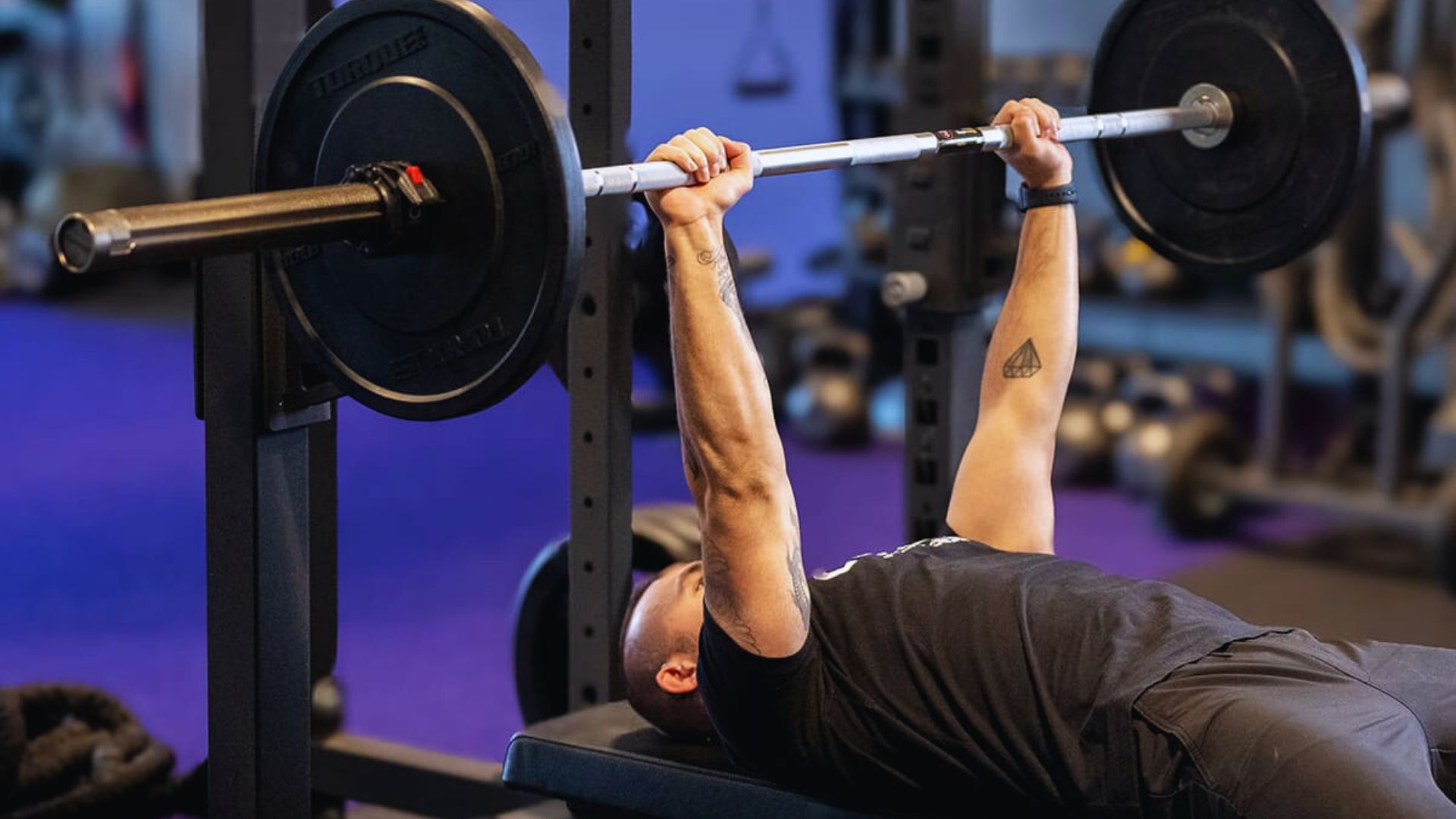
The real numbers behind bench press calorie burn are no guessing, just data.
How Many Calories Does Bench Press Burn Per Minute
On average, bench press burns 3 to 7 calories per minute. That range depends on your weight, effort level, and how much you’re lifting.
A heavier person lifting more weight will burn closer to 7. A lighter person doing moderate weight sits around 3 to 4.
How Many Calories Does Bench Press Burn in 30 Minutes
A 30-minute bench press session burns roughly 90 to 180 calories. But here’s the thing, most people don’t bench press non-stop for 30 minutes.
When you factor in rest time, your actual active lifting might only be 10 to 15 minutes. Realistic sessions with rest periods burn closer to 60 to 130 calories total.
How Many Calories Does Bench Press Burn Per Rep
Each rep burns approximately 0.3 to 0.5 calories, depending on your body weight and the load on the bar. Heavier lifts burn slightly more per rep because your muscles work harder.
So a set of 10 reps burns about 3 to 5 calories small on its own, but it builds up over a full workout.
What Affects How Many Calories Bench Press Burns

Several key factors decide your actual calorie burn, not just how long you lift.
Body Weight and Muscle Mass
Heavier people burn more calories doing the same exercise. More body mass means more energy spent moving and stabilizing.
Also, people with more muscle mass have a higher resting metabolism, which means they burn more even at rest.
Workout Intensity and Weight Lifted
Lifting heavier increases calorie burn. Your muscles need more energy to move a heavier load. Doing 5 sets at 80% of your max burns more than 5 sets at 50%.
Higher intensity = more energy used = more calories burned.
Training Volume (Sets, Reps, Time Under Tension)
More sets and reps mean more total work. Time under tension how long your muscles stay engaged during a rep also matters.
Slower, controlled reps increase time under tension and can raise calorie burn slightly.
Rest Time Between Sets
Shorter rest periods keep your heart rate higher. This increases overall calorie burn during the session.
Long rest periods (3 to 5 minutes) lower the total calorie count because your body recovers too fully between sets.
Calories Burned Bench Press by Body Weight (Estimates)
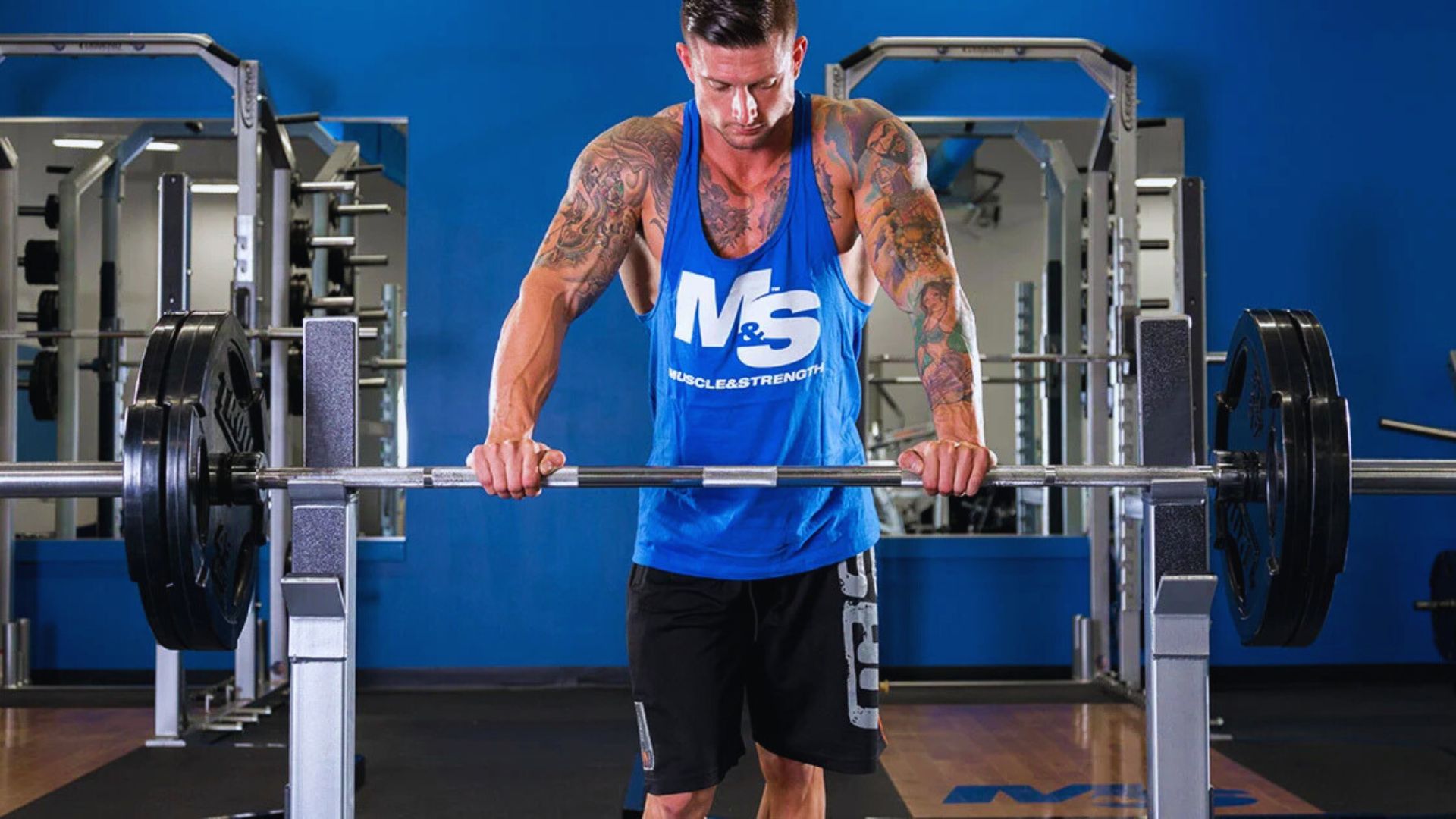
Your body weight plays a big role in how many calories you burn per session.
Calorie Burn Table
| Body Weight | Calories Per 30 Min Session |
|---|---|
|
130 lbs (59 kg) |
~88-100 calories |
|
155 lbs (70 kg) |
~105-120 calories |
|
180 lbs (82 kg) |
~120-145 calories |
|
205 lbs (93 kg) |
~140-165 calories |
|
230 lbs (104 kg) |
~155-180 calories |
These are estimates based on moderate intensity with standard rest periods.
Key Insight – Why Calories Vary by Body Weight
A 130-pound person and a 230-pound person doing the same bench press workout will burn very different amounts.
The heavier person’s body works harder just to exist, their muscles use more energy for every movement. This is why calorie calculators always ask for your weight.
Bench Press vs Other Exercises (Which Burns More?)

How does bench press stack up against other popular exercises for calorie burn?
Bench Press vs Push-Ups
Push-ups burn slightly fewer calories per minute than bench presses around 3 to 6 calories per minute. But push-ups are bodyweight only, so there’s a ceiling.
Once you can do 20+ reps easily, the calorie burn stops going up much. Bench press lets you keep adding weight, so the burn potential keeps growing.
Bench Press vs Squats and Deadlifts
Squats and deadlifts burn more calories than bench press. They use larger muscle groups legs, glutes, back, core all at once.
Squats can burn 6 to 10 calories per minute. Deadlifts are similar. If pure calorie burn is your goal, lower body compound lifts win.
Bench Press vs Cardio
Cardio burns more calories during the session. Running at a moderate pace burns 8 to 12 calories per minute.
But strength training like bench press builds muscle that raises your metabolism long-term. Both have value; they just serve different goals.
Does Bench Press Help Burn Fat or Build Muscle?
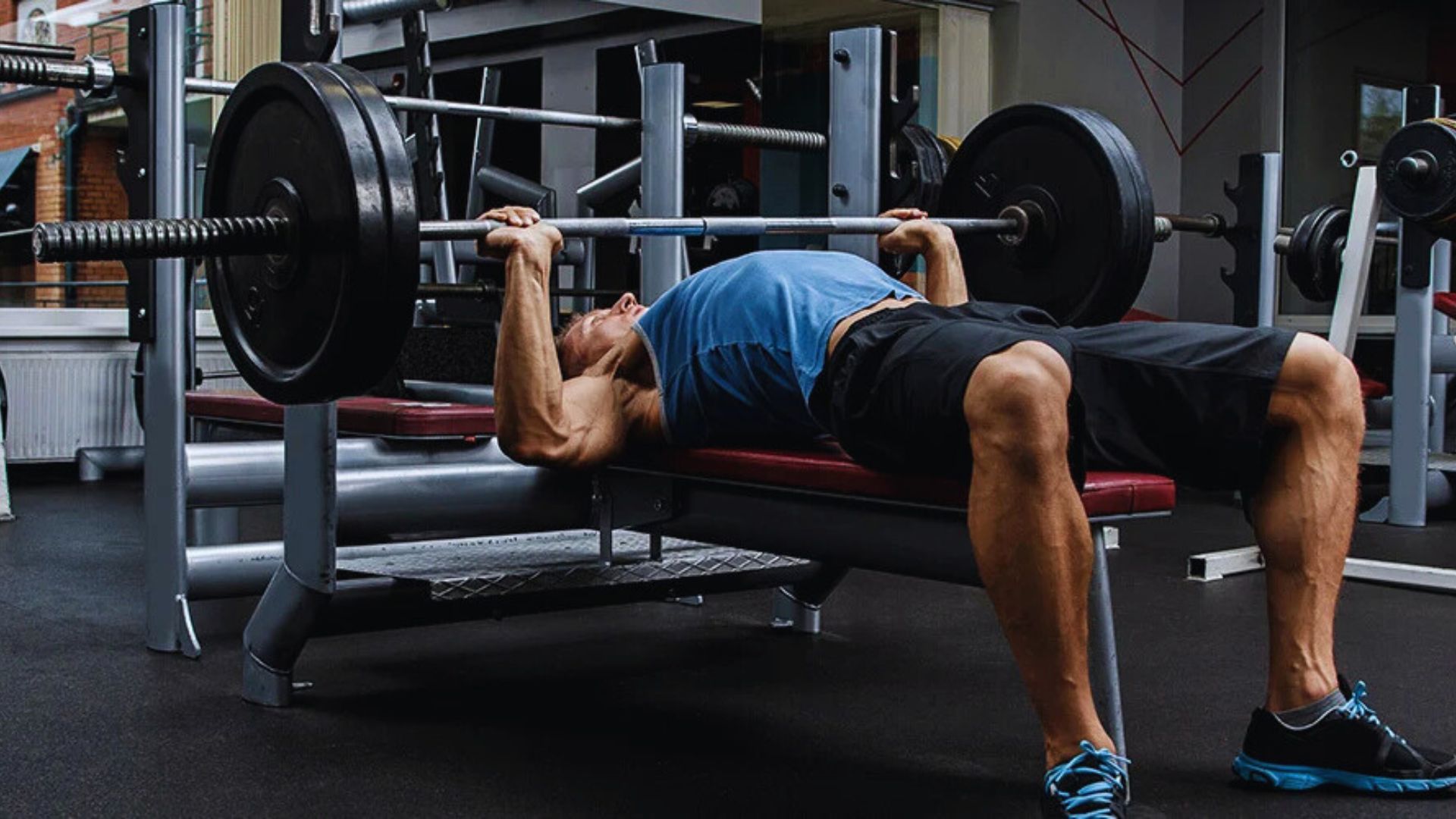
Bench press does more than burn calories during your workout; it changes your body over time.
The Afterburn Effect (EPOC Explained)
EPOC stands for Excess Post-Exercise Oxygen Consumption. After a tough bench press session, your body keeps burning calories for hours as it recovers.
This “afterburn” can add an extra 25 to 100 calories burned after you’re done lifting. Heavier, more intense sessions produce a bigger afterburn effect.
Role in Long-Term Fat Loss
Bench press builds chest, shoulder, and tricep muscle. More muscle means a higher resting metabolic rate.
Over weeks and months, this leads to more fat burning even on days you don’t work out. It’s not the fastest route to fat loss but it’s a solid long-term tool when paired with a good diet.
How to Burn More Calories While Bench Pressing
Small changes to your bench press routine can lead to noticeably higher calorie burn.
- Lifting heavier over time adding 5 to 10 pounds every few weeks forces your muscles to work harder and burns more calories.
- Cut rest periods drop rest time to 60 to 90 seconds to keep your heart rate up and total burn higher.
- Use supersets and drop sets, pairing exercises or dropping weight mid-set keeps intensity high with less downtime.
- Adding more sets going from 3 to 5 sets per session increases total work and calorie output over time.
- Train your full body adding squats, rows, and deadlifts to your routine burns far more than upper-body work alone.
Conclusion
Bench press is a solid exercise but I won’t pretend it’s a calorie-torching machine on its own. What I’ve learned after years of lifting is that it builds the muscle that burns fat for you over time.
Combine it with heavier lifts, smart programming, and good nutrition and it becomes a real asset in your routine. Small changes add up more than you’d think.
If this helped you, drop a comment below and tell me what your bench press routine looks like. I’d genuinely love to hear where you’re at in your training right now.
Frequently Asked Questions
Is bench press good for burning fat?
Bench press helps with fat loss indirectly by building muscle and boosting your resting metabolism. It’s best combined with cardio and a proper diet for real fat-burning results.
How many calories does a beginner burn doing bench press?
A beginner typically burns 60 to 100 calories per session due to lighter weights and longer rest periods. As strength improves, calorie burn increases with heavier loads.
Does bench press burn belly fat?
No exercise burns fat from one specific spot. Bench press helps reduce overall body fat over time by building muscle and creating a calorie deficit when paired with diet.
How often should I bench press to lose weight?
Two to three times per week is a good starting point. Pair it with other compound lifts and cardio for better overall calorie burn and fat loss results.
Does slow bench press burn more calories?
Slower reps increase time under tension, which can slightly raise calorie burn per set. It also improves muscle control and strength. Both slow and fast reps have benefits depending on your goal.