

Not sure how many calf raises to do each day? You're in the right place.
This article covers everything a beginner needs to know. We'll talk about rep ranges, sets, weekly plans, and the best types of calf raises. You'll also learn why your calves might not be growing and how to fix that.
I've been through the same confusion when starting out. So this guide is built on real experience and practical advice.
By the end, you'll have a clear plan to follow.
No guesswork. No fluff. Just simple steps that work.
How Many Calf Raises Should Beginners Do a Day?

Starting with the right numbers matters. Too many reps cause soreness. Too few won't give results.
For beginners, 2 to 3 sets of 10 to 15 reps per day is the right place to start. This gives your calves enough work without overdoing it. Begin at the lower end and move up as it gets easier.
50 reps a day spread across 2 to 3 sets is enough to build a solid base. Focus on form, not speed. Quality reps beat sloppy high-volume every time.
100 reps a day is too much for most beginners in the first few weeks. Your calves need time to adjust. After 4 to 6 weeks of consistent training, working toward 100 reps is reasonable. But build up slowly.
If your calves feel sore for more than 2 days, pull back. Your body needs recovery to grow.
How Often Should You Train Calves Each Week?
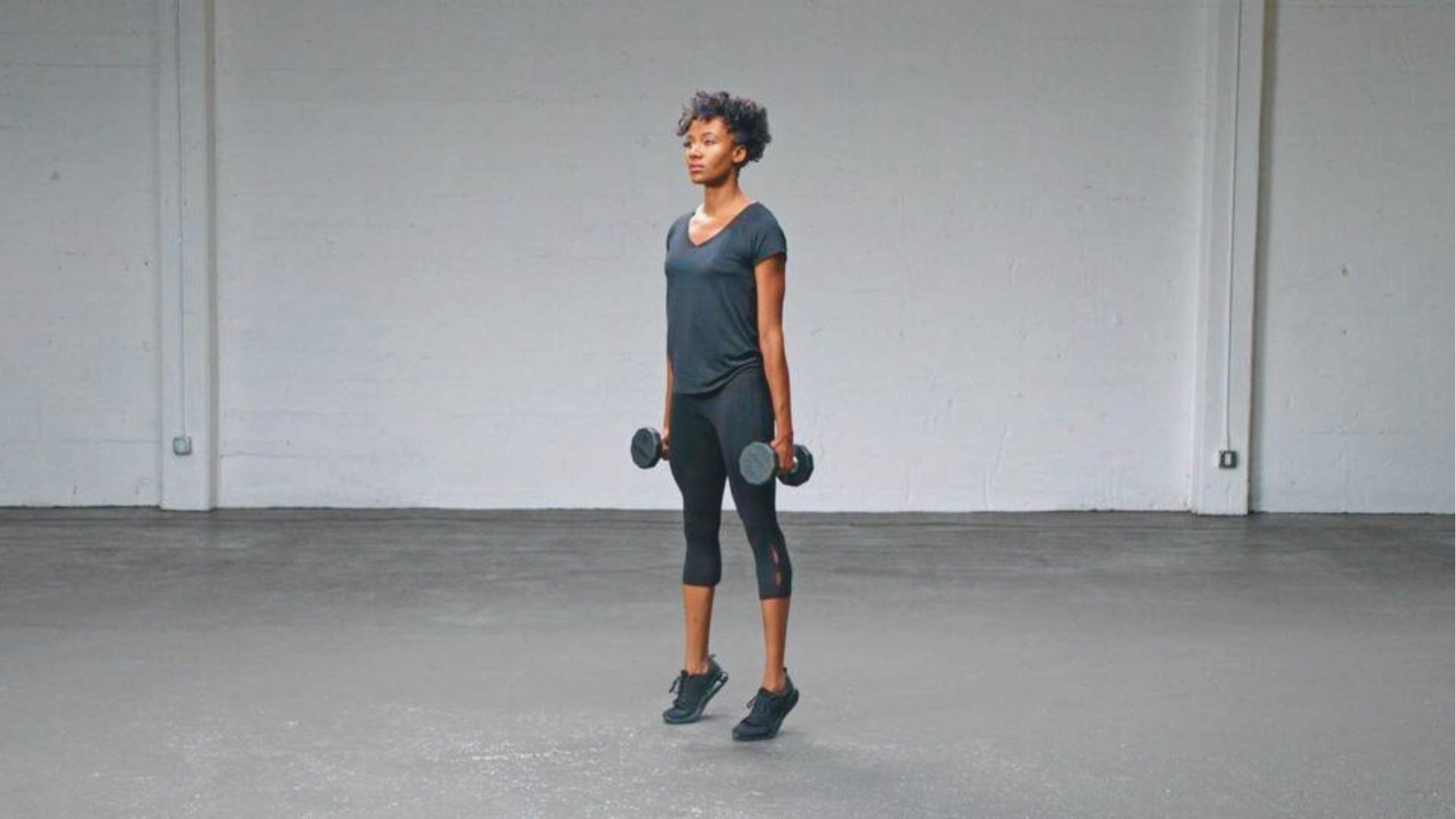
Training frequency is just as important as rep count. Knowing when to train and when to rest helps you make faster progress without getting hurt.
Daily vs Rest Day Training
Calves are used in walking and everyday movement. This means they're tougher than some muscles. But that doesn't mean you should train them every single day.
For beginners, training calves 3 to 4 times per week is enough. This gives them time to recover and grow between sessions.
Daily training without rest is a common mistake. Rest days are when your muscles actually repair and get stronger.
Ideal Weekly Volume for Beginners
A good starting point is 6 to 10 sets per week total.
You can split this across 3 days. For example, 2 to 3 sets per session, 3 times a week. This gives you enough stimulation without overloading the muscles.
As you progress, you can increase to 12 sets per week. But don't rush. Build the habit first before increasing volume.
Signs Your Calves Need Recovery
Your body will tell you when it needs rest.
Watch for these signs:
- Soreness that lasts more than 48 hours
- Tightness or stiffness when walking
- A burning feeling during warm-up sets
- Reduced strength compared to your last session
If you notice any of these, take a rest day. Pushing through constant soreness slows progress and raises the risk of injury.
Best Rep Ranges for Different Goals

Your rep range should match your goal. Building muscle, gaining strength, and improving endurance each need a slightly different approach.
Calf Raises for Muscle Growth
To grow your calves, aim for 3 to 4 sets of 8 to 12 reps with added resistance or slow tempo.
Muscle growth happens when you challenge the muscle enough to cause small tears, which then repair and grow. This requires enough tension over time.
Using slow, controlled reps with a slight pause at the top works really well here.
Add weight when body weight becomes easy.
Calf Raises for Strength
For strength, work in a lower rep range of 4 to 6 reps per set with heavier resistance.
Strength training focuses on force production. You'll need added weight, such as holding dumbbells or using a calf raise machine.
This range is less useful for pure beginners. Most people should build a base with higher reps first before moving to low-rep strength work.
Calf Raises for Endurance
If your goal is endurance, such as for running or sports, go with higher reps of 15 to 25 per set.
Use light or no added weight. Focus on keeping a steady pace throughout all reps.
This builds muscular endurance and helps with activities that require repeated calf use, like hiking, cycling, or long-distance running.
Bodyweight vs Weighted Calf Raises
Bodyweight calf raises are great for beginners. They teach proper form and build a base level of strength.
Weighted calf raises add more resistance, which forces the muscle to work harder. This leads to faster strength and muscle gains over time.
Start with body weight. Add resistance only when 3 sets of 15 reps feel easy.
You don't need a gym for this. A backpack with books or holding a dumbbell works fine at home.
Beginner Calf Raise Routine

A structured routine makes it easier to stay consistent. Here's a simple plan that fits any schedule, no gym needed.
5-Minute Beginner Routine
This quick routine is perfect if you're short on time:
- Standing Calf Raises: 3 sets of 12 reps
- Rest 30 seconds between sets
- Focus on full range of motion
- Pause at the top for 1 second
- Lower slowly on the way down
That's it. Five minutes done right beats 20 minutes of half-effort.
Weekly Beginner Workout Plan
Here's a simple 3-day weekly plan:
Monday: 3 sets of 12 standing calf raises
Wednesday: 3 sets of 12 seated calf raises
Friday: 3 sets of 15 standing calf raises or single-leg calf raises
Take Tuesday, Thursday, Saturday, and Sunday as rest or active recovery days.
Stick to this for 4 weeks before changing anything.
How to Increase Reps Safely
Add reps gradually. A good rule is the "2 rep rule."
Once you can complete all your sets with 2 more reps than your target, move up. For example, if you're doing 3 sets of 12 and it feels easy, bump it to 14, then 15.
Never jump by more than 10% in volume per week. This keeps your muscles safe while still pushing them to grow.
When to Add Resistance
Add resistance when 3 sets of 20 bodyweight reps feel easy and comfortable.
At that point, your muscles need more challenge to keep progressing. Start with light resistance, such as holding a 5-pound dumbbell or wearing a light weighted vest.
Jumping to heavy weight too soon is one of the most common beginner mistakes.Build the foundation first.
Common Calf Raise Mistakes Beginners Make
Avoiding these mistakes early will save you time and help you see real progress much faster.
- Rushing through reps reduces how hard your calves actually work. Momentum takes over instead of your muscles, which means less growth over time. Slow down to 2 seconds up and 2 seconds down.
- Skipping recovery days stops your calves from growing properly. Muscles repair and grow during rest, not during training. Aim for at least one full rest day between each session.
- Adding too much weight too soon breaks down your form fast. Without a solid base, heavy resistance causes the wrong muscles to take over. Build with bodyweight first before adding any load.
- Training through a short range of motion limits your results. If your heels barely move, your calves barely get worked. Rise all the way up and lower your heel as far down as possible every rep.
- Skipping the warm-up before training increases your injury risk. Cold muscles are tight and less ready to handle load or full movement. Spend 2 to 3 minutes walking or doing light movement before you start.
Best Types of Calf Raises for Beginners
Not all calf raises are the same. Different variations target the muscle in different ways. Here are the four best options for beginners.
Standing Calf Raises

This is the most common and beginner-friendly option.
Stand with your feet flat on the floor. Rise up onto your toes. Slowly lower back down.
The standing calf raise works the gastrocnemius, which is the large muscle you can see on the back of the lower leg.
You can do this anywhere, no equipment needed.
Seated Calf Raises
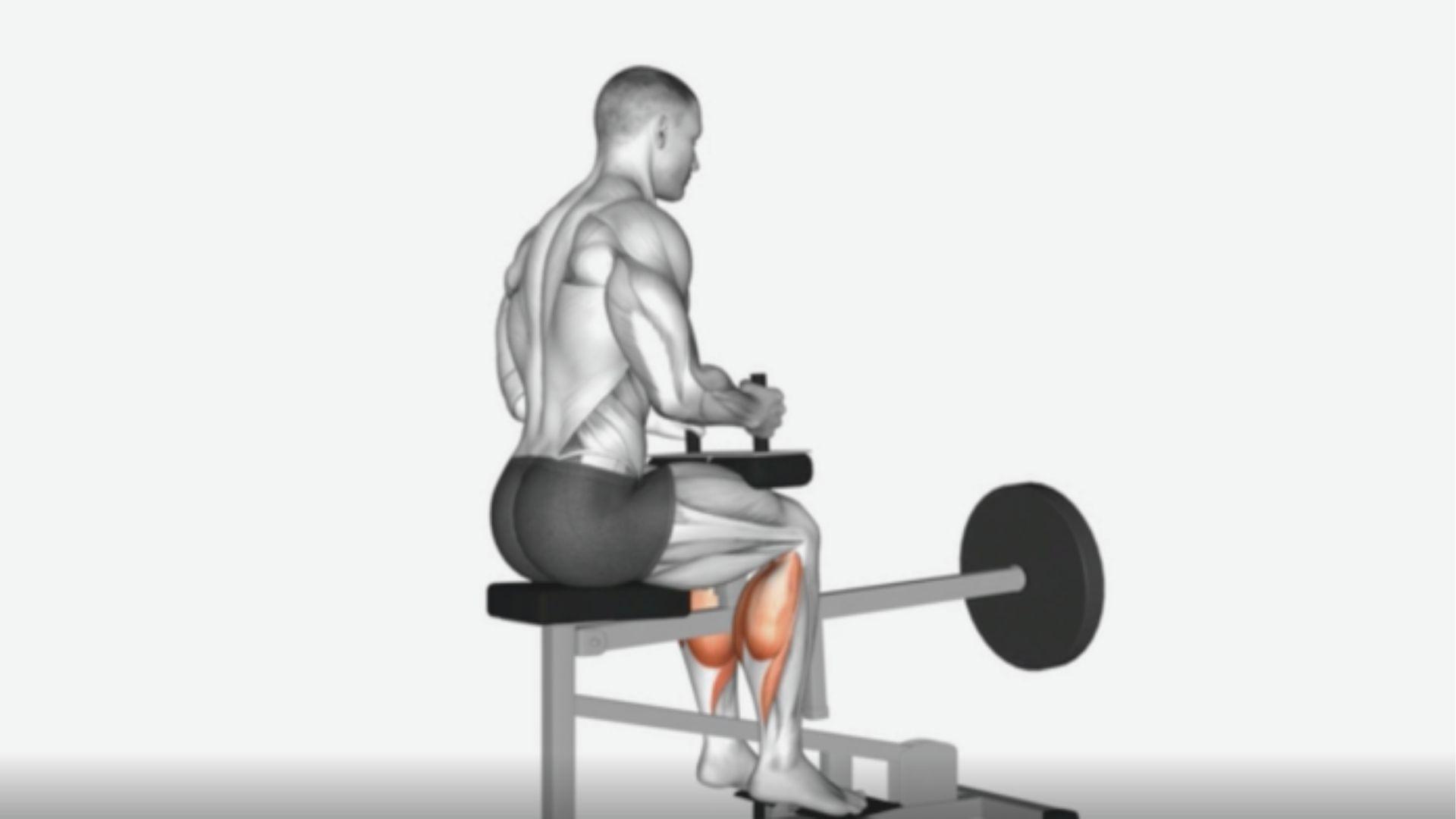
Seated calf raises are done while sitting with your knees bent at 90 degrees.
This variation targets the soleus, a deeper calf muscle that sits under the gastrocnemius. Many beginners skip this muscle, which limits overall calf development.
You can place a weight on your knees for added resistance. Or use a seated calf raise machine if you have gym access.
Single-Leg Calf Raises

Single-leg calf raises are done on one foot at a time.
This variation builds balance and fixes strength imbalances between your two legs. It also increases the load on each calf since you're not splitting the work between both legs.
Hold onto a wall or chair for balance if needed. Use this once you're comfortable with the basic standing version.
Elevated Calf Raises

These are done with your heels hanging off the edge of a step or raised surface.
The elevated position gives you a deeper range of motion, stretching the calf further at the bottom. This leads to better muscle development compared to flat-ground raises.
Go slow on the way down. Let your heel drop below the step level before raising back up.
How to Get Better Results From Calf Raises

Doing calf raises is one thing. Doing them the right way is another. These four tips will help you get more out of every rep.
Using Full Range of Motion
Many people only go halfway up and halfway down. This is a big mistake.
Full range of motion means rising as high as you can on your toes, then lowering your heel as far down as possible. This works more of the muscle with every single rep.
Short reps lead to short-term results. Full reps lead to real change.
Slowing Down Your Reps
Fast reps make calf raises feel easier. But slower reps are harder and more effective.
Try a 2-2-2 tempo: 2 seconds up, hold for 2 at the top, and 2 seconds down.
This keeps your muscle under tension longer. More time under tension means more muscle growth over time.
Slow it down and you'll feel the difference within your first set.
Progressive Overload Basics
Your muscles only grow when you give them a reason to.
Progressive overload means gradually increasing the challenge over time. This can mean more reps, more sets, more weight, or slower tempo.
Without this, your calves will adapt and stop growing. Track your workouts. Even just jotting down reps and sets in your phone helps you see progress.
Small increases over time add up to big results.
Avoiding Common Beginner Mistakes
Here are the most common beginner mistakes with calf raises:
- Rushing through reps without control
- Skipping the seated variation and only training the outer calf
- Not resting enough between sessions
- Adding too much weight too soon
- Skipping the warm-up before training
Fix these habits early and you'll see faster, safer progress.
Why Your Calves Are Not Growing
If you've been doing calf raises for weeks with no results, one of these three reasons is likely the cause.
Too many reps without resistance is the most common issue. High-rep bodyweight training builds endurance, not size. Once body weight feels easy, you need to add load to keep growing.
Inconsistency slows everything down. Training calves once every two weeks is not enough. Aim for 3 sessions per week and stick with it for at least 8 weeks.
Poor recovery holds you back too. Your calves grow outside the gym. Get 7 to 8 hours of sleep, eat enough protein, and stay hydrated. Without proper recovery, progress stalls no matter how hard you train.
Conclusion
Starting with calf raises might feel small, but it's a real step forward. I remember when I first began, I had no idea where to start either. Keeping it simple made all the difference.
Start with 2 to 3 sets of 10 to 15 reps, train 3 days a week, and stay consistent. That's the foundation of how many calf raises you should do a day as a beginner.
Give it 4 to 6 weeks and you'll notice real changes.
Drop a comment below and share how your calf training is going. Your progress might influence someone else!
Frequently Asked Questions
How many calf raises should a complete beginner do?
Start with 2 to 3 sets of 10 to 15 reps per session. Focus on form and full range of motion before adding more reps or resistance.
Can I do calf raises every day as a beginner?
It's better to train calves 3 to 4 times per week with rest days in between. Daily training without rest can lead to soreness and slow progress.
How long does it take to see results from calf raises?
Most beginners notice some improvement in muscle tone and endurance within 4 to 6 weeks of consistent training. Visible muscle growth may take a bit longer.
Should I use weights for calf raises as a beginner?
Start with bodyweight until 3 sets of 20 reps feel easy. Then slowly add light resistance to keep challenging your muscles.
Why do my calves feel tight after calf raises?
Tightness usually means your calves need more time to recover. Stretching after each session and drinking enough water can help reduce this feeling.