

You’ve been hitting the gym for a few weeks now, and you keep checking the mirror.
When will you actually see those muscles pop? Trust me, you’re not alone in asking this question.
I get it. Building muscle takes time, and honestly, the timeline looks different for each person. How you train, what you eat, how well you sleep, and your own body’s response all matter here.
Here’s what you’ll notice first. You’ll feel stronger before you look bigger. That’s just how it works.
The visible muscle growth you want? That comes next.
Let’s know how?
How Long Does It Take to See Muscle Growth?
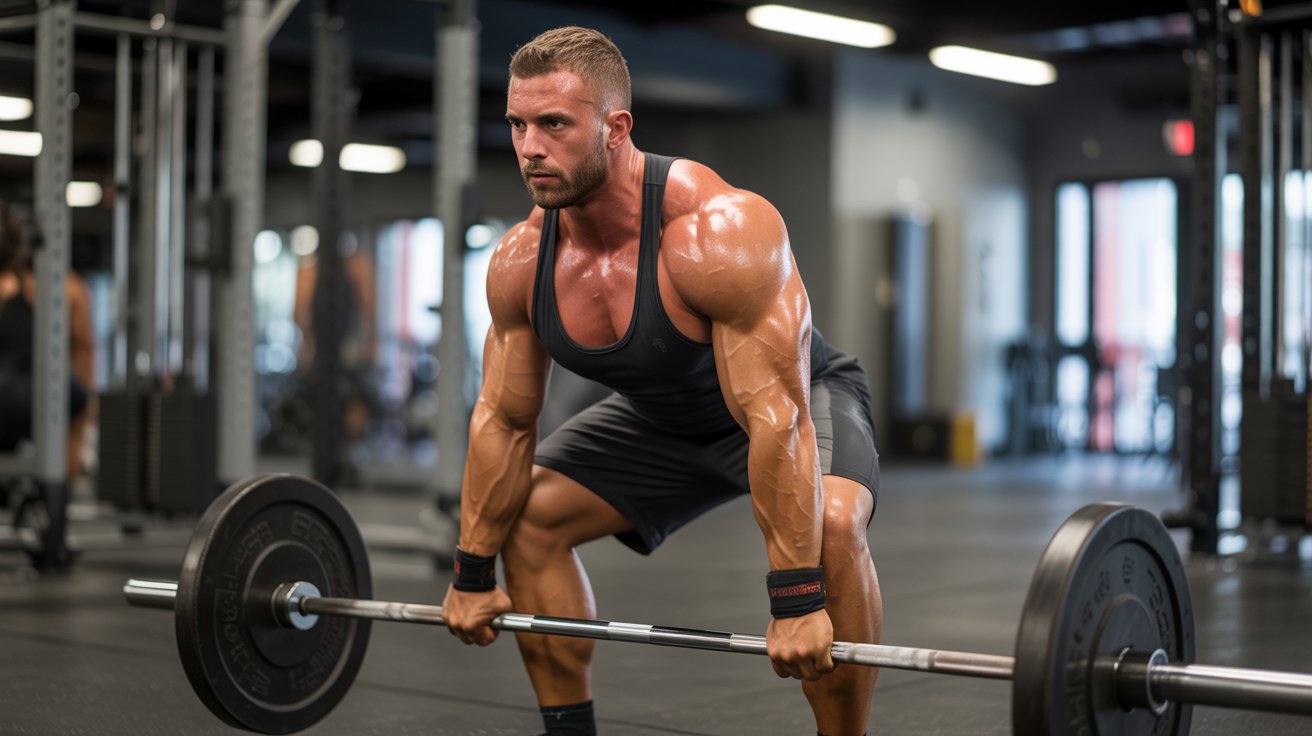
Muscle growth happens in stages. Your strength improves first, then visible changes follow over several months.
Weeks 1–3: Strength Before Size
The first few weeks feel amazing. You’re lifting heavier and feeling more confident.
Your nervous system is learning how to use your muscles better. Your brain and muscles are working together more efficiently. You’re getting stronger through better coordination.
Visible muscle growth? Not yet. Your muscles are adapting, but they haven’t grown in size.
Weeks 3–4: Early Changes Begin
Your muscles feel firmer now. They look slightly fuller, especially after workouts.
These changes are subtle. You might notice them, but others probably won’t.
8–12 Weeks: Noticeable Muscle Definition
This is when things get exciting. You can see actual muscle tone in the mirror.
Your clothes start fitting differently. Shirt sleeves feel tighter. Your legs fill out your pants more. The changes are clear and visible.
3–6 Months: Significant Visible Growth
The difference is obvious now. Your muscles have real size. Your body looks different than when you started.
People around you start commenting. Friends ask if you’ve been working out. This is the payoff for consistent effort.
Why Does Muscle Growth Take Time?
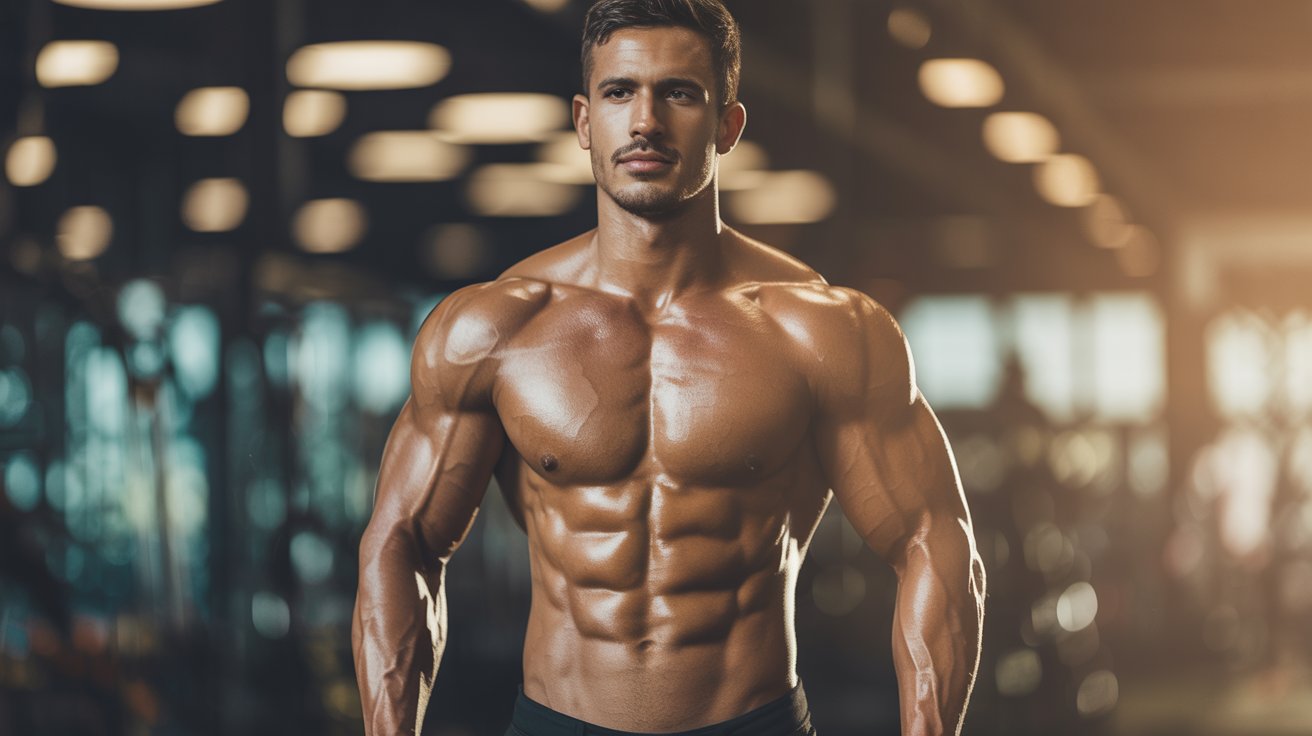
Building muscle is a biological process. Your body needs time to break down, repair, and rebuild stronger tissue.
Muscle Protein Synthesis Process
When you lift weights, you’re actually creating tiny tears in your muscle fibers. That’s normal and necessary.
The real magic happens when you rest. Your body repairs those tears and makes your muscles stronger. But this takes time and the right fuel.
You need enough protein to rebuild the tissue. You also need enough calories to power the process. Without these, your muscles can’t grow no matter how hard you train.
Progressive Overload Is Necessary
Your muscles only grow when you give them a reason to. They need to be challenged consistently.
This means lifting a bit heavier over time. Or doing more reps than last week. Or adding an extra set to your routine
Your body adapts to whatever stress you put on it. If you keep doing the same thing, your muscles stop growing. You have to keep pushing them a little further.
Factors That Affect How Fast You See Muscle Growth

Not everyone builds muscle at the same speed. Several factors control how quickly you’ll see results.
Training Experience
Beginners build muscle faster than anyone else. People call this “newbie gains.” Your body responds quickly because everything is new.
For people who’ve been training for years, progress slows down. Gains come slower and require more effort.
Workout Program
How you train matters. Programs focused on muscle size work best. That usually means 6 to 12 reps per set.
Training 3 to 5 times per week gives your muscles enough stimulus to grow. Too little and you won’t progress. Too much and you won’t recover.
Nutrition
You can’t out-train a bad diet. Your body needs extra calories to build new muscle.
Protein is especially important. It provides the building blocks your muscles need. Without enough food and protein, your workouts won’t translate into size.
Recovery & Sleep
Sleep is when your body does most of its repair work. Aim for 7 to 9 hours each night.
Rest days matter just as much as training days. Your muscles grow when you’re recovering, not in the gym.
Genetics, Age & Gender
Some people build muscle easier than others. Your hormone levels and natural potential play a big role.
Age matters too. Younger people typically gain muscle faster. Men usually build muscle faster than women because of higher testosterone levels. But everyone can make solid progress.
5 Signs You’re Building Muscle (Even If You Don’t See It Yet)
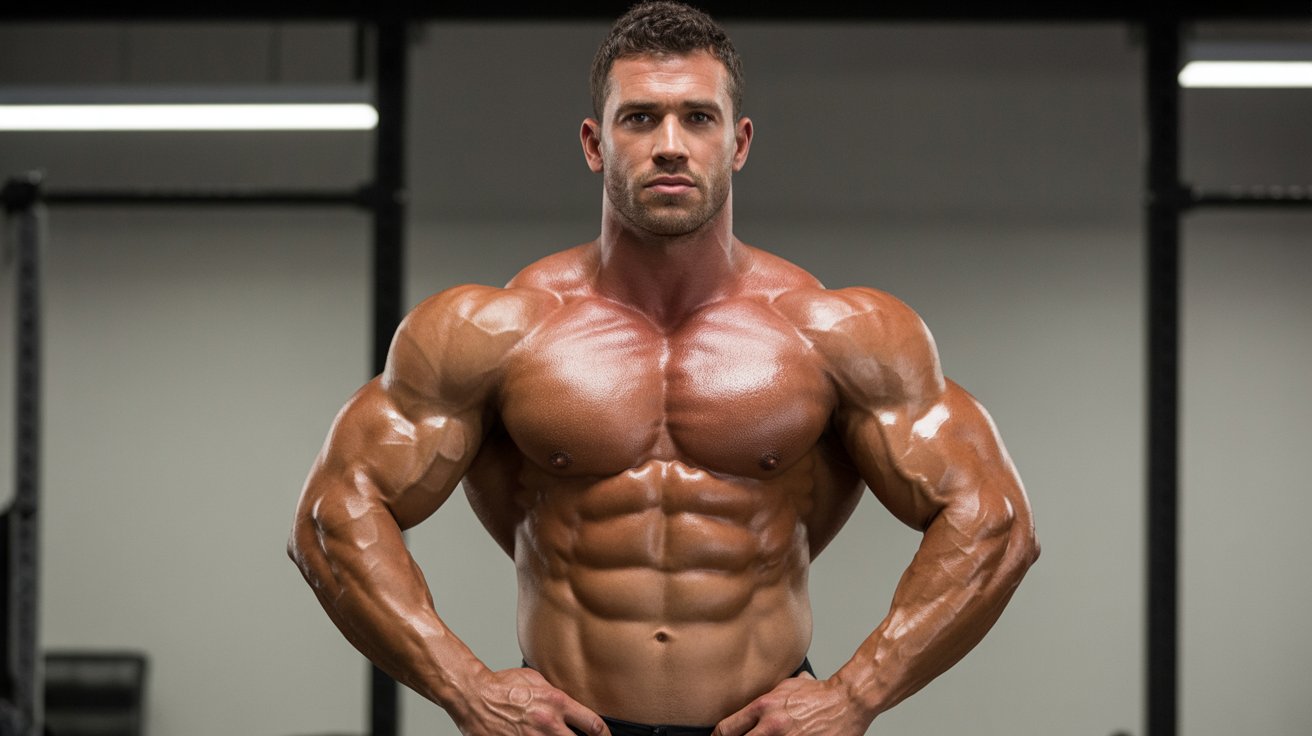
You might be making progress before you see it in the mirror. Here are the signs that show your muscles are growing.
1. You’re Getting Stronger
This is the earliest sign of progress. The weights that felt heavy last month now feel manageable.
You’re lifting heavier than before. Or you’re doing more reps with the same weight. Both mean your muscles are getting stronger and growing.
2. The Scale Is Slowly Increasing
Check your weight each week. If it’s going up gradually, that’s a good sign.
Muscle weighs more than fat. A slow, steady increase on the scale often means you’re building muscle mass. Aim for about half a pound to one pound per week.
3. Muscles Feel Firmer or Fuller
Touch your arms or legs after a workout. They feel pumped and tight, right?
If that pumped feeling lasts longer than it used to, your muscles are growing. They’re holding more water and glycogen, which helps them look and feel fuller.
4. Clothes Fit Differently
Your favorite shirt feels snug in the shoulders. Your pants are tighter around the thighs.
These are real signs of muscle growth. Your body is changing shape. Pay attention to how your clothes fit, not just what the mirror shows.
5. Body Composition Is Improving
You might weigh the same, but you look leaner. That’s because you’re building muscle while losing fat.
Your lean mass percentage is going up. This means more of your body weight is muscle. It’s one of the best indicators that your training is working.
Common Mistakes That Delay Muscle Growth
- Training without progression: Lifting the same weights every week won’t build muscle. You need to gradually increase the challenge to keep your muscles growing.
- Not eating enough: Your body needs extra calories and protein to build new muscle tissue. Undereating stops growth no matter how hard you train.
- Overtraining: Hitting the gym every day without rest breaks down your muscles faster than they can recover. More isn’t always better.
- Poor sleep habits: Your muscles repair and grow while you sleep. Getting less than 7 hours regularly will slow down your progress significantly.
- Expecting results too quickly: Muscle growth takes months, not weeks. Getting impatient and switching programs constantly prevents real progress from happening.
Conclusion
Here’s what you can expect. You’ll feel stronger within 3 to 4 weeks. Visible muscle changes show up around 8 to 12 weeks. Real transformation takes 3 to 6 months or more.
The secret? Stay consistent with your training, eat right, and get enough rest. That’s it.
Stop checking the mirror every day. Trust the process. Keep showing up. Your body will respond.
Now get back to the gym and put in the work. Your future self will thank you.
Frequently Asked Questions
Can you build muscle in 30 days?
You can make some progress in 30 days, but it won’t be dramatic. You’ll feel stronger and your muscles might look slightly fuller, but significant size takes longer.
How much muscle can you gain in 3 months?
Beginners can gain about 2 to 4 pounds of muscle in 3 months with proper training and nutrition. More experienced lifters will gain less, around 1 to 2 pounds in the same timeframe.
Why am I not seeing muscle growth after working out?
You might not be eating enough protein and calories, or you’re not challenging your muscles with heavier weights. Poor sleep and inconsistent training also slow down results significantly.
Do you need protein shakes to build muscle?
No, protein shakes aren’t required. You can get all the protein you need from whole foods like chicken, fish, eggs, and beans. Shakes are just a convenient option.
How often should I work out to build muscle?
Training 3 to 5 times per week works best for most people. This gives your muscles enough stimulus to grow while allowing time for proper recovery between sessions.


