
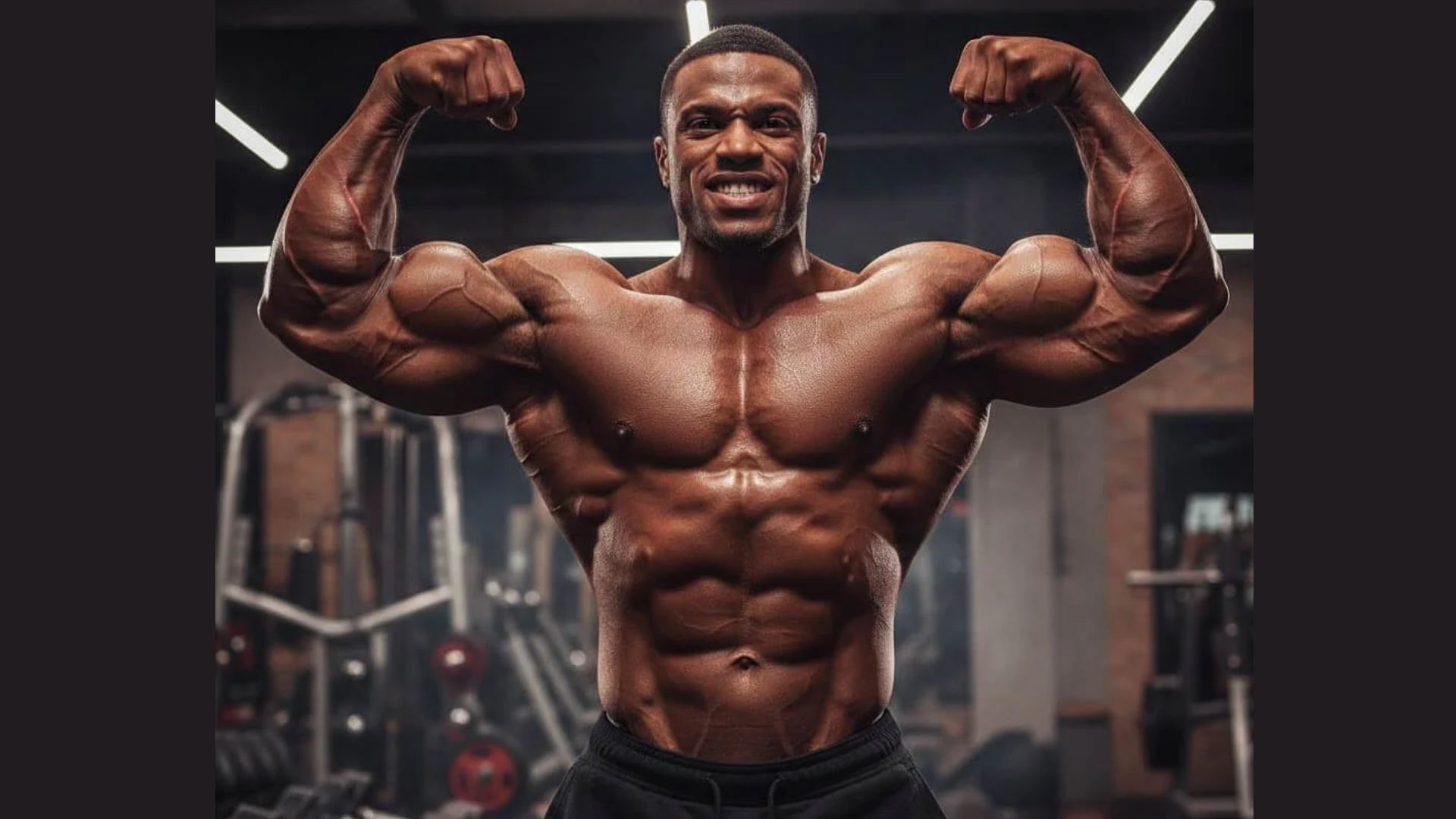
A man flexes his muscles in a gym, showcasing strength and fitness in a well-equipped workout environment.
I used to stand in front of the gym mirror, arms looking full and vascular, and by the time I reached my car, it was gone.
That’s when I started asking: how long does a gym pump last, and is there anything I can actually do about it? Turns out, the answer is more interesting than I expected.
How long a gym pump lasts after a workout depends on more than just how hard you trained. And once I understood what controls it, everything about my sessions changed.
Keep reading. This might shift how you think about training entirely.
Quick Answer: How Long Does a Gym Pump Last?
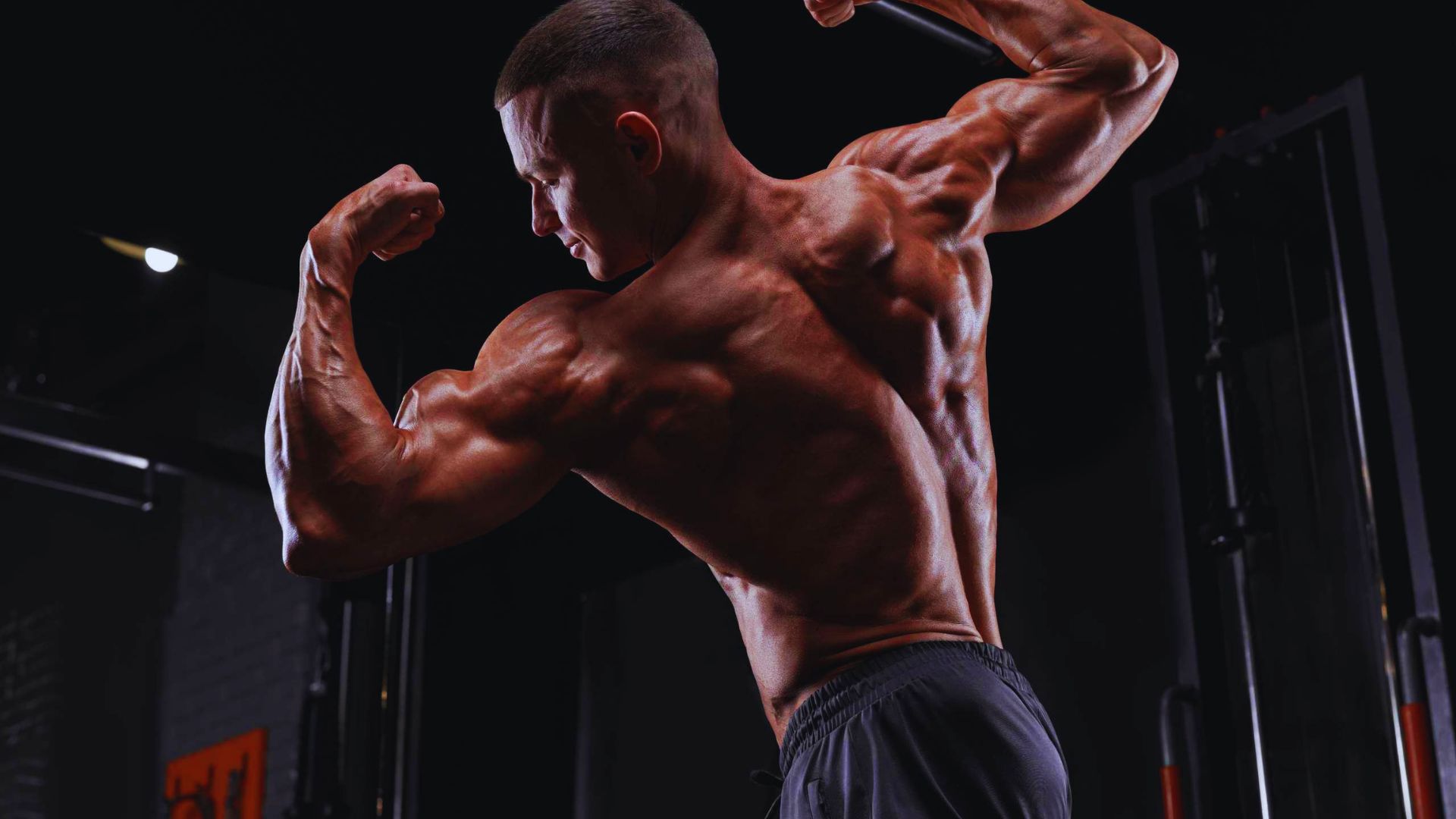
A man flexes his muscles in a gym, showcasing his strength and fitness in a well-equipped workout environment.
Most gym pumps last between 30 minutes and 3 hours. That’s the honest, straightforward answer.
How long your pump lasts after a workout depends on training intensity, hydration, nutrition, and your individual body. There’s no single number that fits everyone.
For some people, the pump fades within 30 minutes of leaving the gym. For others, especially after high-volume sessions, it can stick around for a few hours.
The key takeaway: a gym pump is temporary by nature. Knowing what controls it helps you get the most out of it.
What Is a Gym Pump and Why Does It Happen?
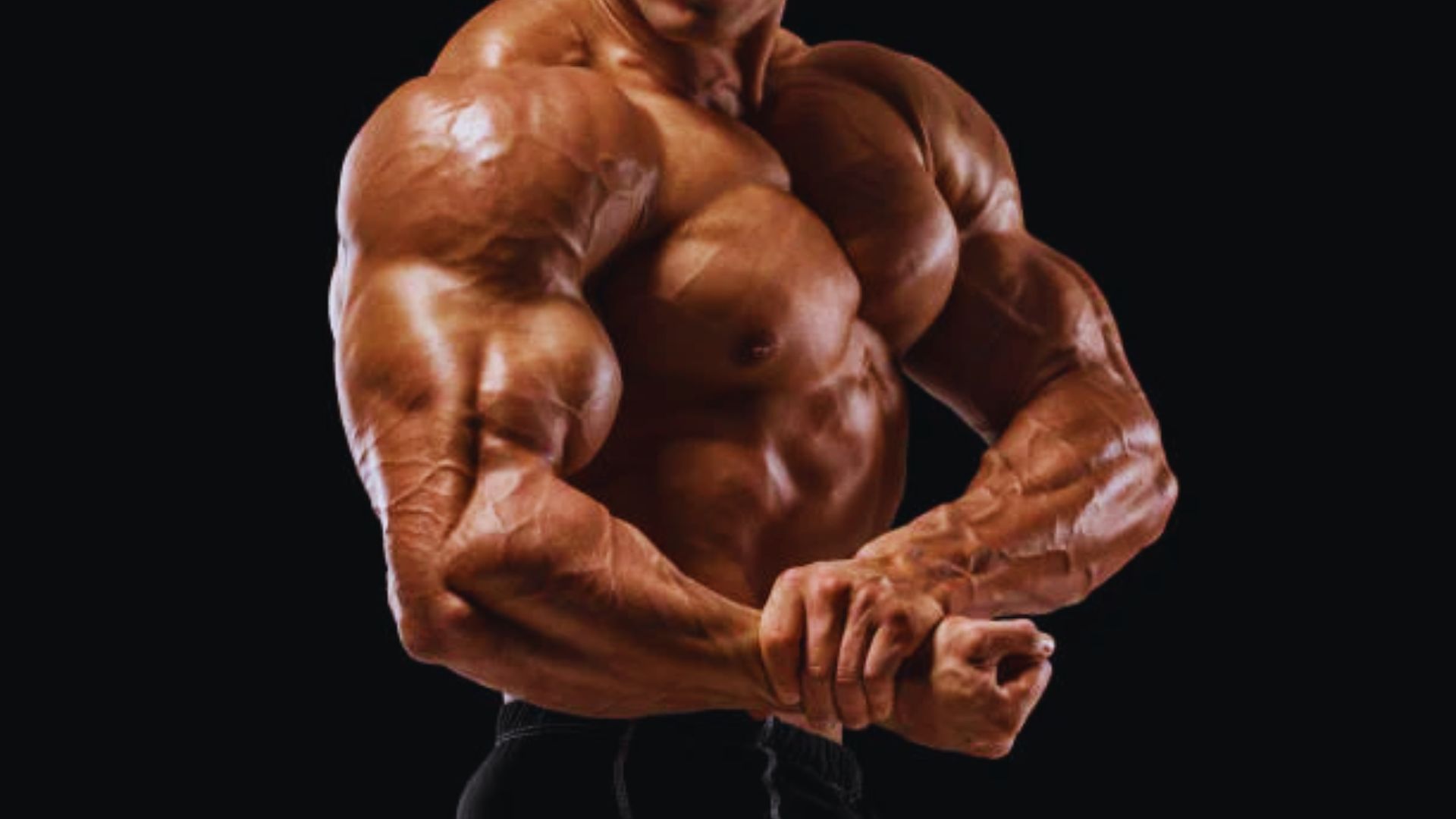
A muscular man flexes his biceps, showcasing his strength and physique in a confident pose.
A gym pump happens when your muscles fill with blood during exercise. The result is that tight, full, swollen feeling you get mid-workout or right after.
The Science Behind Muscle Pump
When you train, your muscles demand more oxygen. Your body responds by increasing blood flow to those muscles through a process called vasodilation.
Nitric oxide plays a big role here. It signals your blood vessels to widen, allowing more blood to rush in.
This extra blood causes fluid to temporarily build up in the muscle tissue. That’s what creates the visible swelling and tight feeling.
It’s not real muscle growth. It’s temporary fluid accumulation that fades as blood flow returns to normal.
Why the Pump Feels So Intense
Your muscles become fuller as blood volume increases, which stretches the muscle fascia and activates more nerve endings. That’s why the pump feels so noticeable.
There’s also a psychological side to it. Feeling and seeing your muscles swell gives you a confidence boost mid-session, which often pushes you to train harder.
The pump feels intense because your body is working exactly as it should. More volume, more blood, more sensation.
How Long Does a Gym Pump Last?
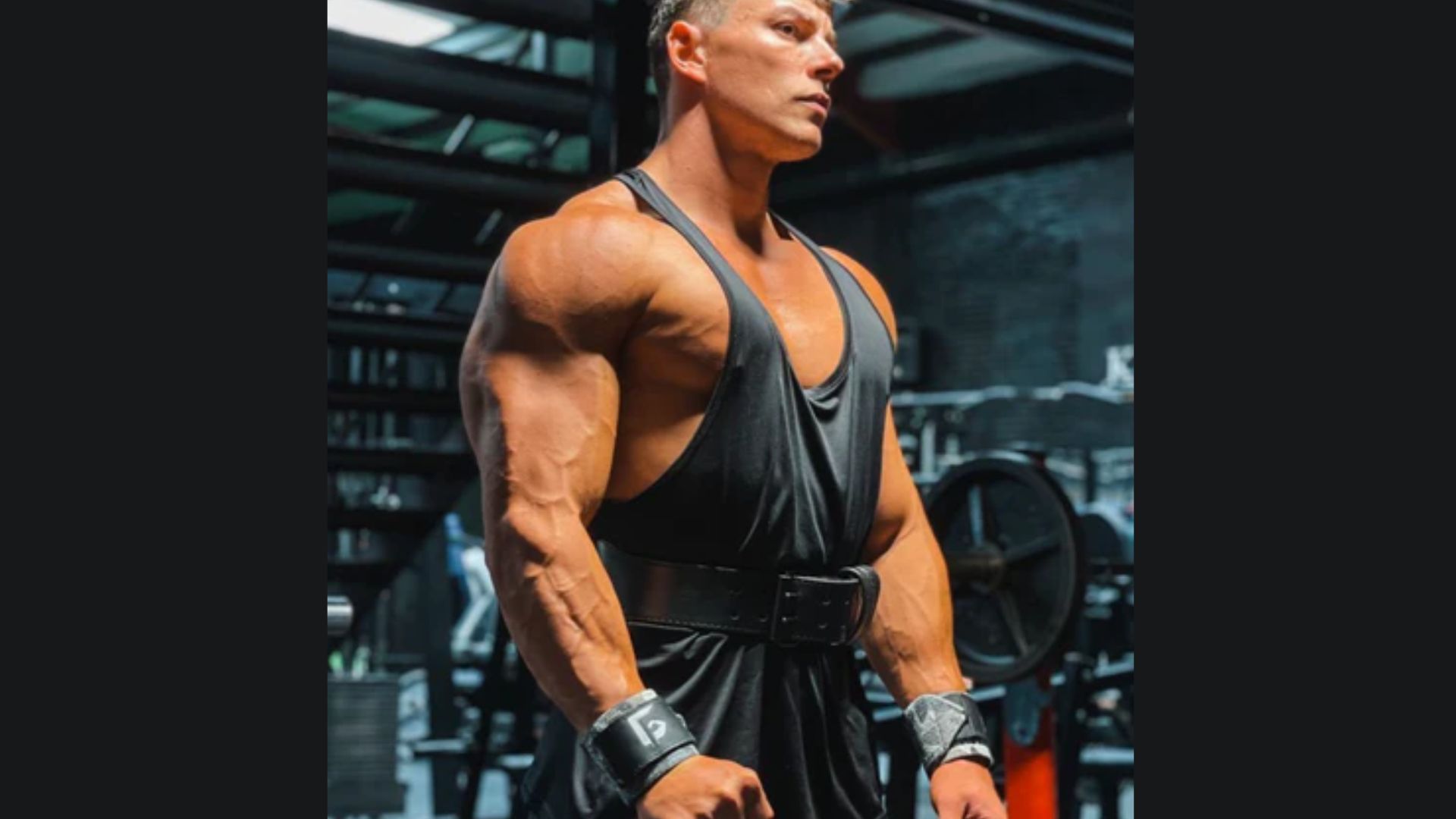
A man wearing a black tank top and black shorts stands confidently, showcasing a casual athletic look.
The duration varies more than most people expect. Your training style, body composition, and what you ate before training all play a role.
Average Duration of a Gym Pump
A typical gym pump lasts 30 minutes to 2 hours for most people. High-volume sessions with short rest periods tend to produce longer-lasting pumps.
Strength-focused training with heavy weights and long rest periods usually produces a shorter pump. The blood disperses faster when volume is lower.
How long a gym pump lasts after a workout also depends on whether you stay active post-session or sit down immediately. Light movement keeps blood circulating longer.
Short vs Long Pumps: What’s Normal?
| Factor | Shorter Pump | Longer Pump |
| Training level | Beginner | Intermediate/Advanced |
| Hydration | Low | Well hydrated |
| Carb intake | Skipped pre-workout meal | Carbs before training |
| Rest periods | Long (2-3 min) | Short (30-60 sec) |
| Training style | Heavy/low rep | Moderate/high rep |
Both short and long pumps are normal. The difference usually comes down to preparation and training approach.
Factors That Affect How Long Your Gym Pump Lasts
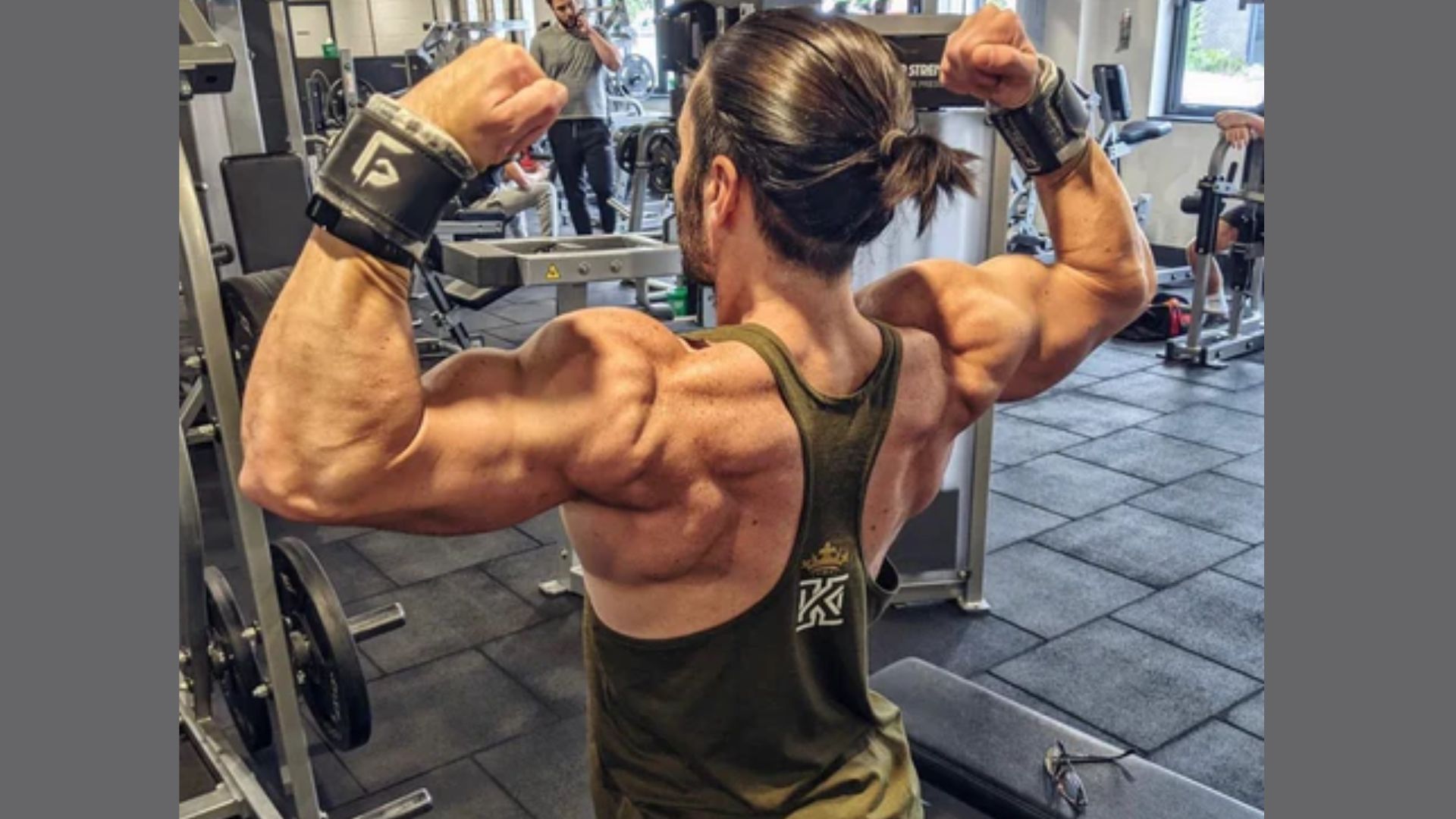
A man flexes his muscles in a gym, showcasing strength and fitness in a well-equipped workout environment.
Several things directly impact your pump duration. Some you can control, some you can’t.
Workout Type and Intensity
High-rep training with moderate weights and short rest periods keeps blood in the muscles longer.
That’s why bodybuilding-style workouts tend to produce better pumps than powerlifting sessions.
Lower rest periods (30-60 seconds) maintain elevated blood flow throughout your workout. The longer you keep that going, the longer the pump tends to last.
Volume matters too. More sets across more exercises means more cumulative blood flow to the muscle.
Hydration and Nutrition
Being even slightly dehydrated reduces blood volume and weakens your pump significantly. Water intake before and during your session makes a real difference.
Carbohydrates increase glycogen stores in your muscles. More glycogen pulls more water into the muscle, which amplifies the pump and helps it last longer.
Sodium also plays a role. It helps your body retain fluid, which supports a fuller, longer-lasting pump.
Supplements and Blood Flow Boosters
Pre-workout supplements that contain nitric oxide boosters increase vasodilation, which directly extends your pump.
Citrulline malate is one of the most researched ingredients for this purpose. It increases nitric oxide production and improves blood flow during training.
Creatine helps by pulling more water into your muscle cells, adding to that full, pumped feeling.
How to Make Your Gym Pump Last Longer
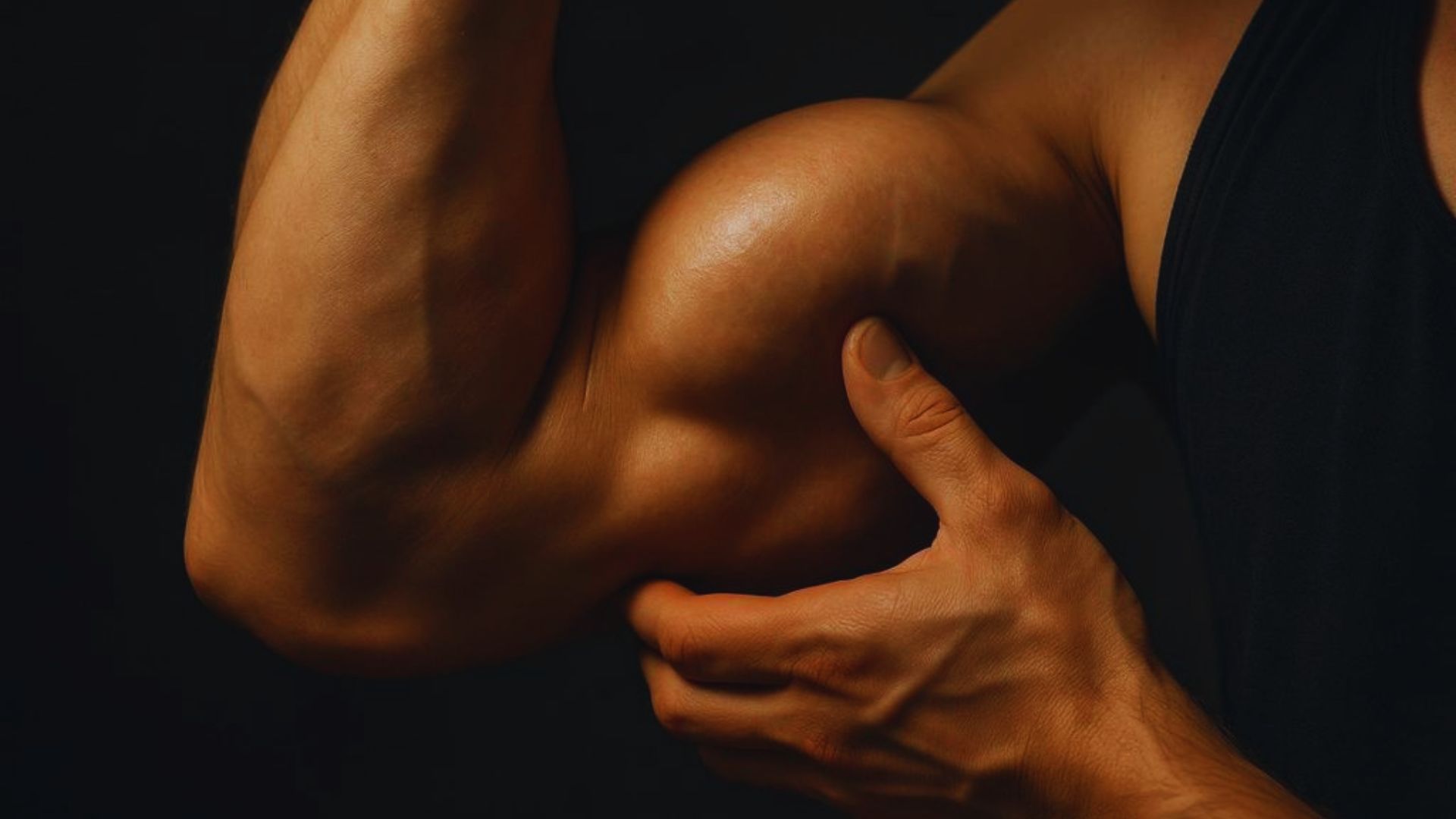
A man flexes his arm, showcasing his bicep with his hand resting on it.
You can’t hold a pump forever, but you can definitely extend it with the right approach.
Use High-Volume Resistance Training
Moderate weights in the 10-15 rep range with short rest periods are your best tool for a lasting pump.
Keep rest periods between 30 and 60 seconds. This maintains elevated blood flow without letting it return to baseline between sets.
Focus on the muscle you’re training. A strong mind-muscle connection increases blood flow to the target area.
Add Supersets and Drop Sets
Supersets keep you moving between exercises without rest, which maintains constant blood flow to the working muscles.
Drop sets extend the time your muscle stays under load, pushing even more blood into the tissue toward the end of a set.
Both techniques increase time under tension, which is one of the biggest drivers of a strong, lasting pump.
Optimize Pre-Workout Nutrition
Eat a carbohydrate-rich meal 1-2 hours before training. This tops off your glycogen stores and gives your muscles more fuel and fluid to work with.
Stay hydrated throughout the day, not just right before you train. Last-minute water intake doesn’t fully replace proper daily hydration.
Adding electrolytes like sodium and potassium helps your body retain fluid and supports better blood flow during training.
Does a Longer Pump Mean More Muscle Growth?
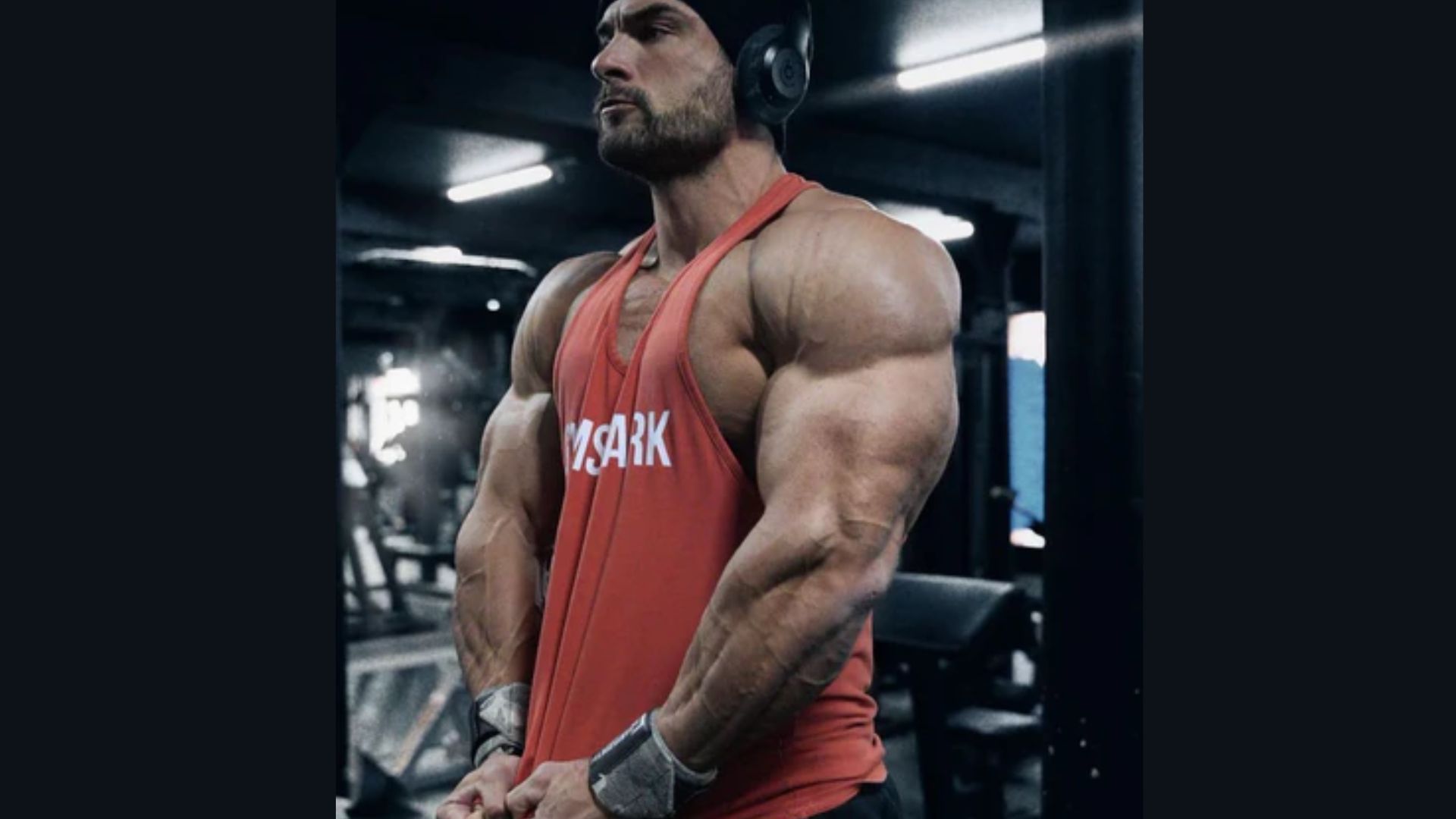
A man wearing a red t-shirt stands confidently in a gym, surrounded by exercise equipment.
This is one of the most common misconceptions in fitness. A better pump does not automatically mean more muscle growth.
Myth vs Reality
The pump feels like progress, and that’s why so many people chase it. But the pump itself is a temporary fluid response, not a direct signal of muscle building.
You can get a massive pump from light resistance band work and gain very little muscle from it.
You can also build significant muscle from heavy compound lifts that produce almost no visible pump.
The pump can support hypertrophy indirectly by increasing nutrient delivery and cell swelling, which may signal growth. But it is not the cause of muscle gain on its own.
What Actually Builds Muscle
Progressive overload is what drives real muscle growth.
That means gradually increasing the stress you place on your muscles over time through more weight, more reps, or more volume.
Consistency over weeks and months matters far more than how pumped you feel on any given day.
Train hard, recover well, and eat enough protein. That formula builds muscle. The pump is just a satisfying bonus.
Conclusion
The pump fades. That’s just how it works. But how long your gym pump lasts after a workout says a lot about your preparation, not just your training.
I stopped chasing the pump and started chasing consistency. That’s when my results actually changed. Now it’s your turn.
Try one tip from this guide in your next session and see what happens. Then come back and tell me about it in the comments.
And if this helped you, share it with someone who’s been obsessing over their pump for the wrong reasons.
Frequently Asked Questions
Is it bad if my gym pump fades quickly?
No, a fast-fading pump usually just means you need better hydration, more carbs before training, or shorter rest periods. It’s not a sign of a bad workout.
Can beginners get the same pump as advanced lifters?
Beginners do get pumps, but they’re often less pronounced because the vascular system and muscle volume haven’t fully adapted to regular training yet.
Do supplements really make a gym pump last longer?
Yes, ingredients like citrulline and creatine have solid research behind them for improving blood flow and intramuscular fluid, which extends the pump.
Should I chase the pump in every workout?
Not necessarily. The pump is a useful training tool, but progressive overload and consistency matter far more for long-term results.
Does cardio affect how long a gym pump lasts?
Yes, steady-state cardio after lifting speeds up blood redistribution, which shortens your pump. Light movement is fine, but intense cardio will deflate it faster.


