My first weighted vest walk left me sore for three days straight. I went too heavy, too soon. That one mistake taught me everything I needed to know about picking the right weight.
This article breaks down exactly how heavy your weighted vest should be based on your body and fitness level.
I’ll cover the real benefits of walking with a vest, how to pick the right weight, signs you’ve gone too heavy, and simple tips to stay safe the whole time.
Learn from my mistakes. Start smart.
What You Should Know About Weighted Vests Before You Start
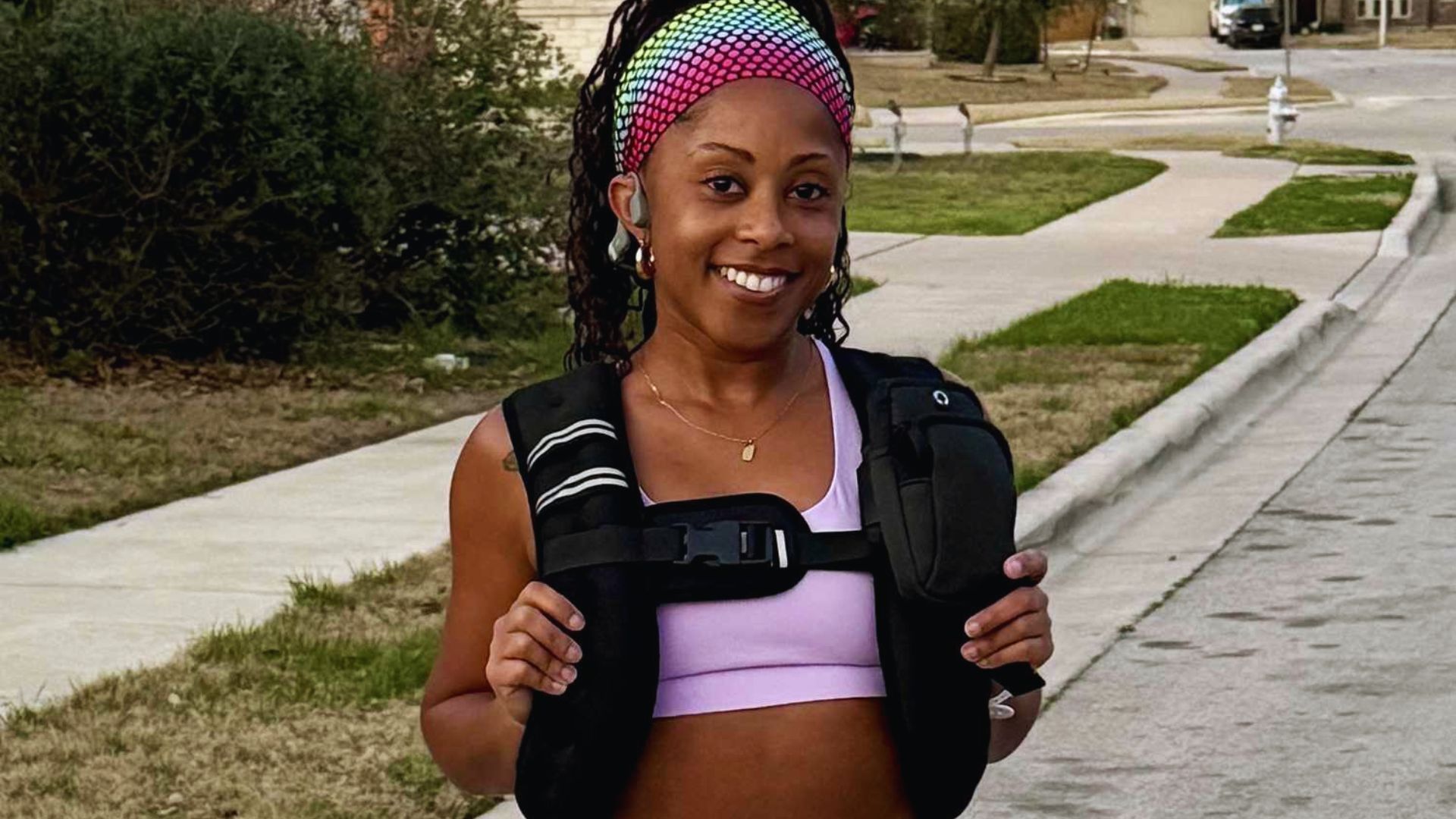
Weighted vests are wearable vests loaded with small weight plates or sand packets. You wear them during walks to add resistance.
They work with any fitness level, need no gym, and fit into a regular routine easily.
More load on your body means more effort from your muscles, more calories burned, and more benefit from the same walk. But weight choice matters a lot.
Too light and you won’t feel much difference. Too heavy and you risk joint pain and bad posture. The goal is finding that middle ground where your body works harder but still moves well.
5 Benefits of Walking with a Weighted Vest
Adding a weighted vest to your walk does more than just make it harder. It pushes your body to work in ways regular walking simply can’t.
1. Burn More Calories

Your body burns more energy when it carries extra load. Walking with a weighted vest raises your calorie output without changing your speed or route.
Studies show even a modest vest weight can increase energy use by 5–15%.
So the same 30-minute walk burns more. That’s a simple win with no extra time spent.
2. Improve Strength and Endurance

A weighted vest pulls your legs, core, and upper body into the work. Your glutes fire harder. Your core stays tight to hold posture.
Over time, this builds real muscular endurance. Your cardiovascular system gets pushed too, since your heart works harder to keep up with the added load.
It’s strength and cardio in one walk.
3. Support Bone and Metabolic Health
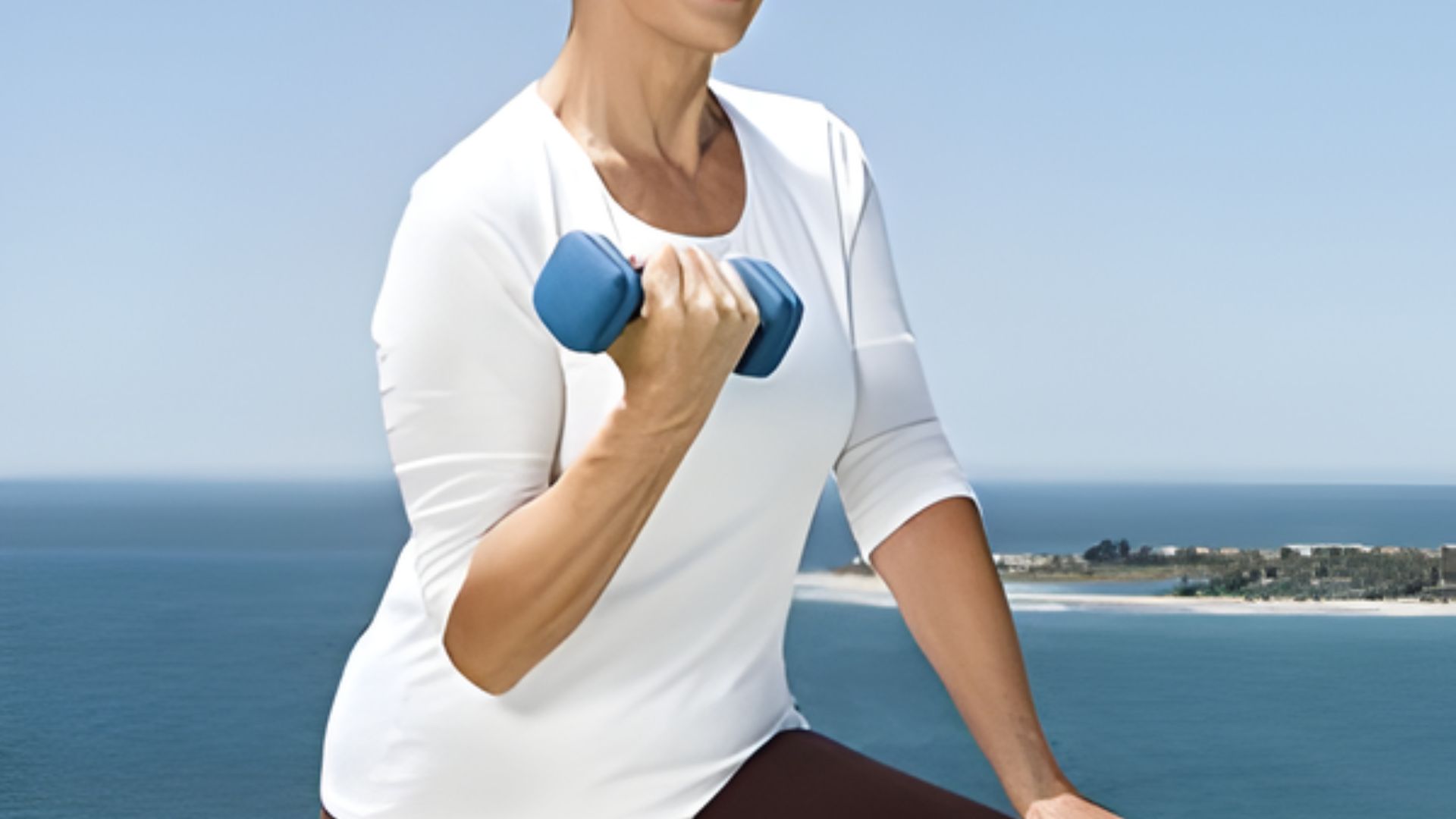
Weight-bearing activity signals your bones to stay strong. Adding a vest increases that load, which may support bone density over time.
This matters more as we age. On the metabolic side, carrying extra weight means your body uses more fuel at rest too.
Regular weighted walks can support better energy balance and a healthier metabolism long-term.
4. Boost Your Cardiovascular Fitness

Your heart doesn’t know the difference between running and carrying extra weight uphill.
A weighted vest raises your heart rate the same way intensity does, but without the impact on your joints. That means you get a stronger cardiovascular workout from a low-impact activity.
Over weeks, your heart gets more efficient. Your resting heart rate may drop. And everyday tasks start to feel easier.
5. Build Better Posture and Body Awareness

A vest distributes weight across your torso, which forces your body to find its center. You naturally stand taller. Your shoulders pull back.
Your core braces without you thinking about it. This trains your posture in a very practical way.
The more you walk with that added load, the more your body learns to carry itself properly, even when the vest comes off.
How to Determine the Right Weighted Vest for Walking

Picking the right vest weight isn’t a guessing game. There’s a simple framework based on your body weight and goals.
Body Weight Percentage Guidelines
Most fitness experts recommend starting at 5–12% of your body weight, depending on your goal and current fitness level.
Here’s how it breaks down:
- Beginners: 5–8% of body weight
- Intermediate (fat loss focus): 8–12%
- Advanced (strength or endurance): 15–20%, with care
Real examples:
- 150 lbs: aim for 7–18 lbs
- 200 lbs: aim for 10–24 lbs
Start at the lower end. Work up slowly. Your joints will thank you.
Fitness Level Considerations
Your fitness level matters just as much as your body weight. Don’t skip this part.
Beginners

Start light. Your joints, posture, and stabilizer muscles need time to adjust. Aim for 5–8% of your body weight, or roughly 10–15 lbs for most people.
Increase by 5 lbs every week as long as you feel steady and comfortable. No rushing. Slow progress sticks.
Intermediate Walkers

You’ve built a base. Now you can push a little more. Start with 15–25 lbs depending on how long you’ve been active.
Add 5–10 lbs per week as your endurance and strength grow. Pay attention to how your body feels the day after each walk. That feedback matters.
Advanced Walkers

If you’re already strong and conditioned, you can handle more. 25–75 lbs is possible for those fully accustomed to loaded carries.
But more weight means more risk. Watch your joints closely. Increase by no more than 10 lbs per week, and only when you feel zero discomfort. More isn’t always better here.
Signs Your Weighted Vest is Too Heavy

Going too heavy too fast is one of the most common mistakes. Your body will tell you when something’s off.
Watch for slouching or rounded shoulders during your walk. Short, stiff steps instead of your normal stride are a clear warning.
Sharp pain in your knees, hips, or lower back means the weight is too much. Breathing that feels way too labored for your usual pace is another red flag.
Soreness lasting more than 48 hours after a walk also signals too much load. Drop the weight by 5–10 lbs. Pushing through these signs leads to injury, not progress.
Safety Tips for Walking with a Weighted Vest
A weighted vest works best when you use it the right way. These tips keep you moving safely and getting the most out of every walk.
- Start small: Begin with short walks around your block or neighborhood before increasing distance or time.
- Posture first: Keep your core tight, shoulders back, and walk with your natural stride at all times.
- Choose the right vest: Look for one with adjustable weights, a snug fit, and breathable fabric that doesn’t dig into your shoulders.
- Add terrain variety: Walking uphill or on inclines increases the challenge naturally without needing more weight.
- Increase duration before weight: Always build your time and distance first. Add more weight only after that feels easy.
Consistency with good form beats heavy weight every time.
Conclusion
I grabbed a vest way too heavy on my first try. My posture fell apart by the second block. Starting light felt boring, but it was absolutely the right call.
The right weight depends on your body and your starting point. Follow the percentages, listen to your body, and build slowly.
Found this helpful? Drop a comment below and tell me what weight you’re starting with.
Share this post with a friend who needs it too.
Frequently Asked Questions
What is the best weight to start with for a weighted vest?
Start at 5–8% of your body weight, around 10–15 lbs for most beginners.
Can walking with a weighted vest help with weight loss?
Yes, it burns more calories than regular walking, which supports fat loss over time.
How often should I walk with a weighted vest?
Three to four times a week works well, with rest days in between.
Is a weighted vest safe for older adults?
Yes, lighter loads of 5–10 lbs are generally safe, but check with your doctor first.
Should I wear a weighted vest on long walks or short ones?
Start short. Build distance first, then add more weight gradually.