
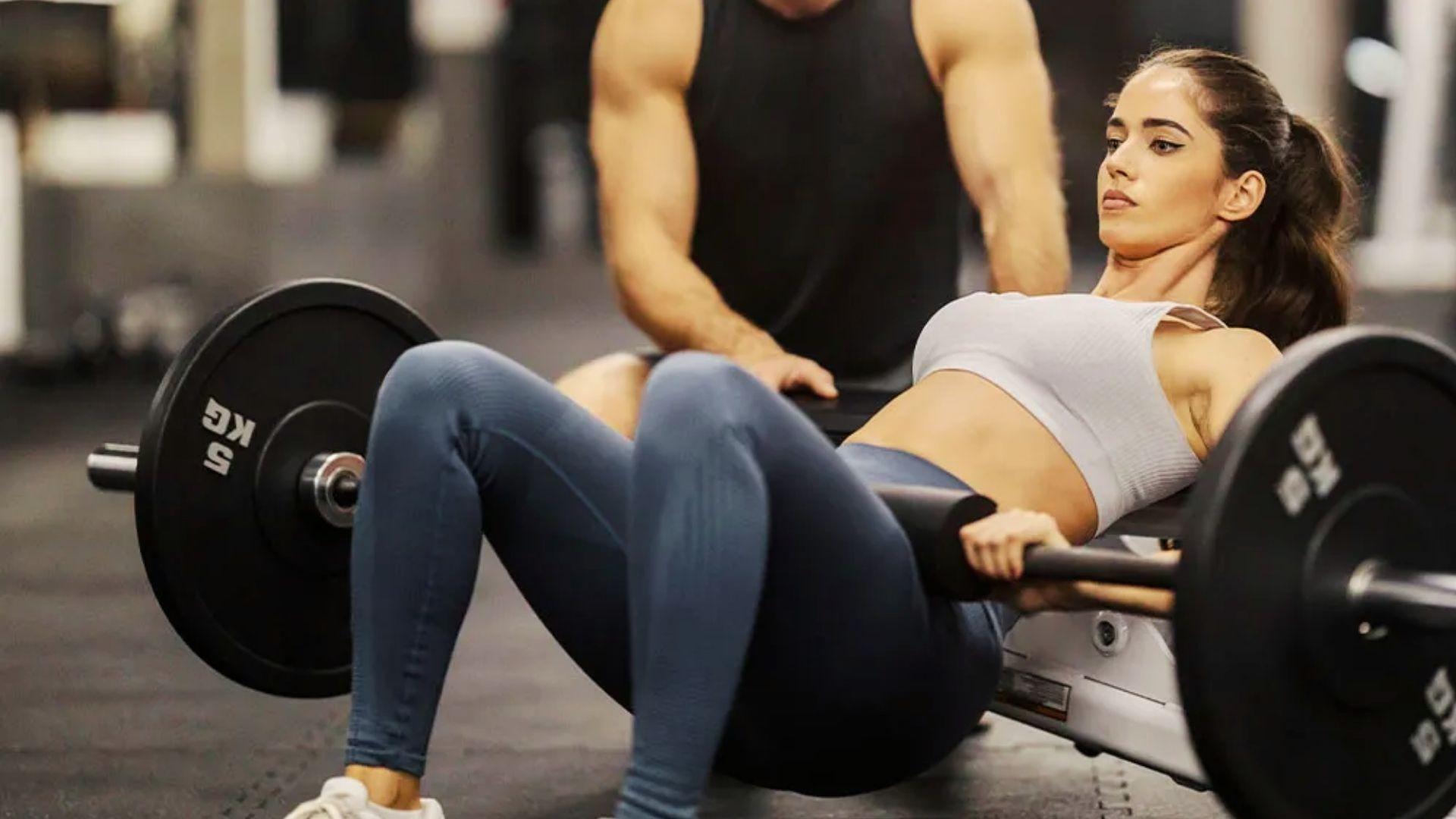
Most people do hip thrusts and hope for the best. I used to do the same.
Then I started paying attention to which muscles were actually firing and everything changed.
If you've been searching for hip thrust muscles worked, you're asking the right question. This blog breaks it all down. I'll cover every muscle this move targets, why form matters more than weight, and how small adjustments can make a big difference.
No fluff. No guesswork. Just clear, honest information.
I've done the research so you don't have to.
By the end, you'll know exactly what's happening in your body and how to make every rep count.
Why Hip Thrusts Are Considered a Glute-Dominant Exercise
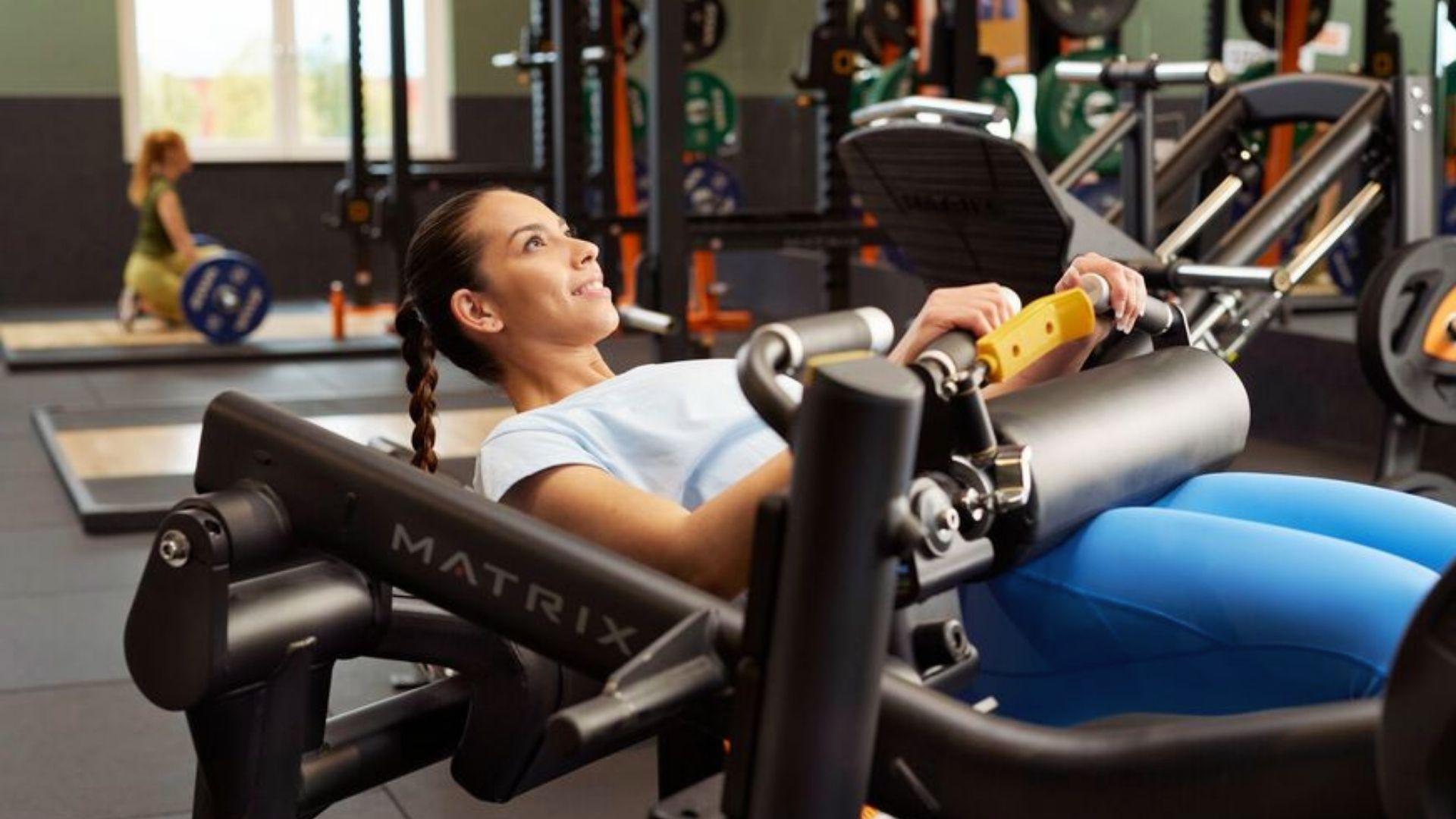
Hip thrusts are built around one movement:pushing your hips upward. That motion places the gluteus maximus under direct tension, especially at the top of each rep.
Unlike squats, where the quads share a big part of the load, hip thrusts keep the glutes in charge throughout.
Your upper back rests on a bench, which removes the lower back from the equation. This lets your glutes focus on doing the work they're meant to do.
Studies back this up, showing hip thrusts produce some of the highest glute activation of any lower-body exercise. That's why trainers recommend them for glute growth.
What Muscles Do Hip Thrusts Work?
Hip thrusts target more muscles than most people realize. Here's the full picture.
Gluteus Maximus: The Primary Muscle Activated

The gluteus maximus is the largest muscle in your body. It controls hip extension, which is the core movement of a hip thrust.
Every time you push your hips up and squeeze at the top, this muscle fires with high intensity.
Research confirms it receives the greatest activation during hip thrusts compared to most other lower-body exercises. If glute growth is your goal, this is the muscle you're training for.
Hamstrings: Supporting Hip Extension

The hamstrings run along the back of your thigh. They assist the glutes in extending your hips during each rep.
Foot placement changes how much they contribute. Feet closer to your hips means more glute work at the top.
Feet further away shifts more load to the hamstrings. They don't lead the movement, but they're always present. Think of them as a reliable backup that keeps the rep moving smoothly.
Quadriceps: Knee Stability Support

The quads aren't driving the hip thrust. But they're still active. They stabilize your knees throughout the movement, keeping them from drifting inward or outward.
Without quad engagement, your form would fall apart fast. They act as a support system that holds everything in place.
This allows your glutes and hamstrings to do their jobs without interruption. Stable knees mean better reps every time.
Gluteus Medius and Minimus: Hip Stabilizers
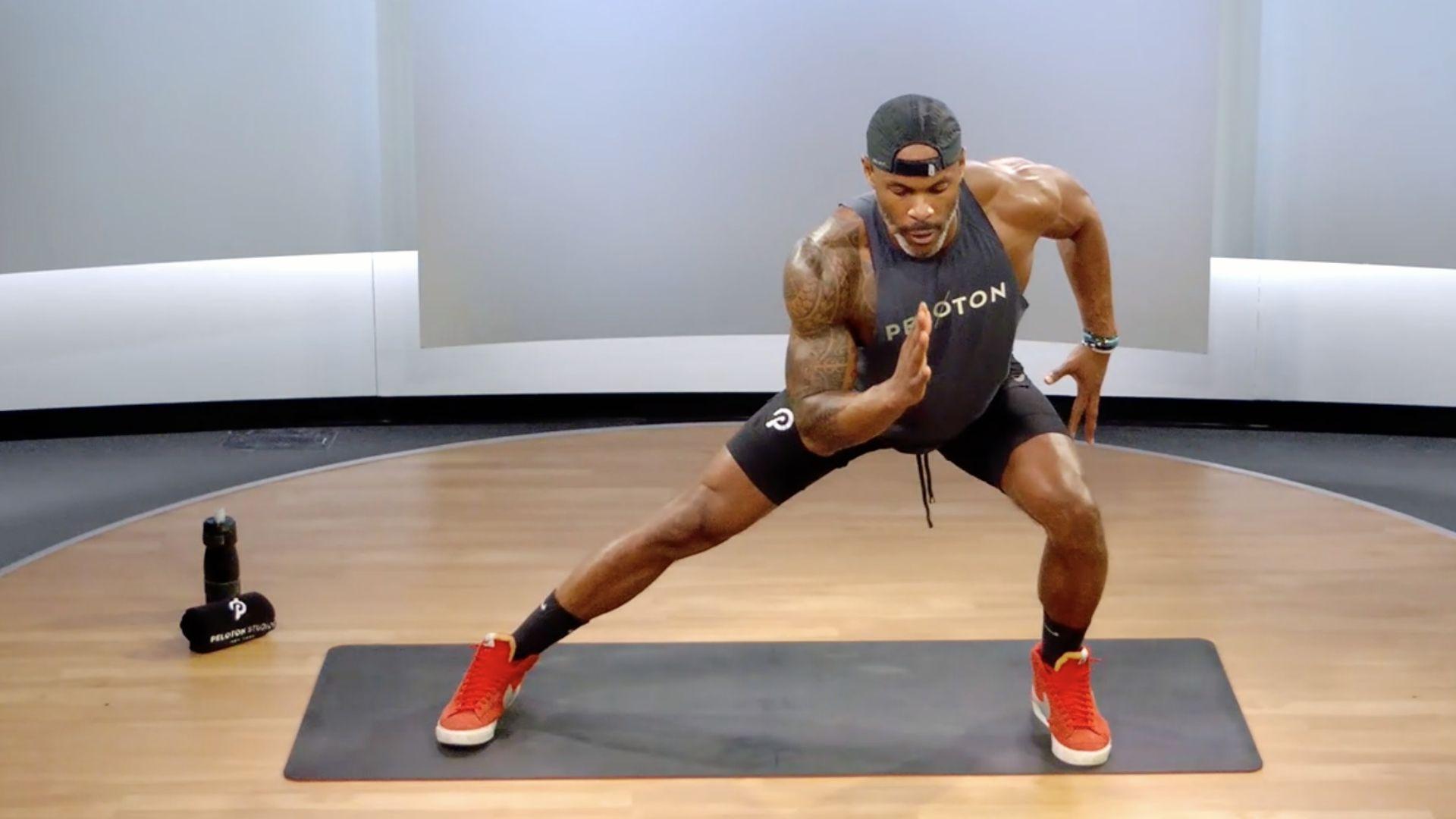
These smaller glute muscles sit on the outer sides of your hips. Their job is to keep your pelvis level during the thrust.
If they're weak, your knees will cave inward during the movement. That's a clear sign these muscles need more work.
Hip thrusts train them alongside the gluteus maximus. So with one exercise, you're building strength in multiple parts of the glute at the same time.
Adductors: Inner Thigh Muscle Engagement
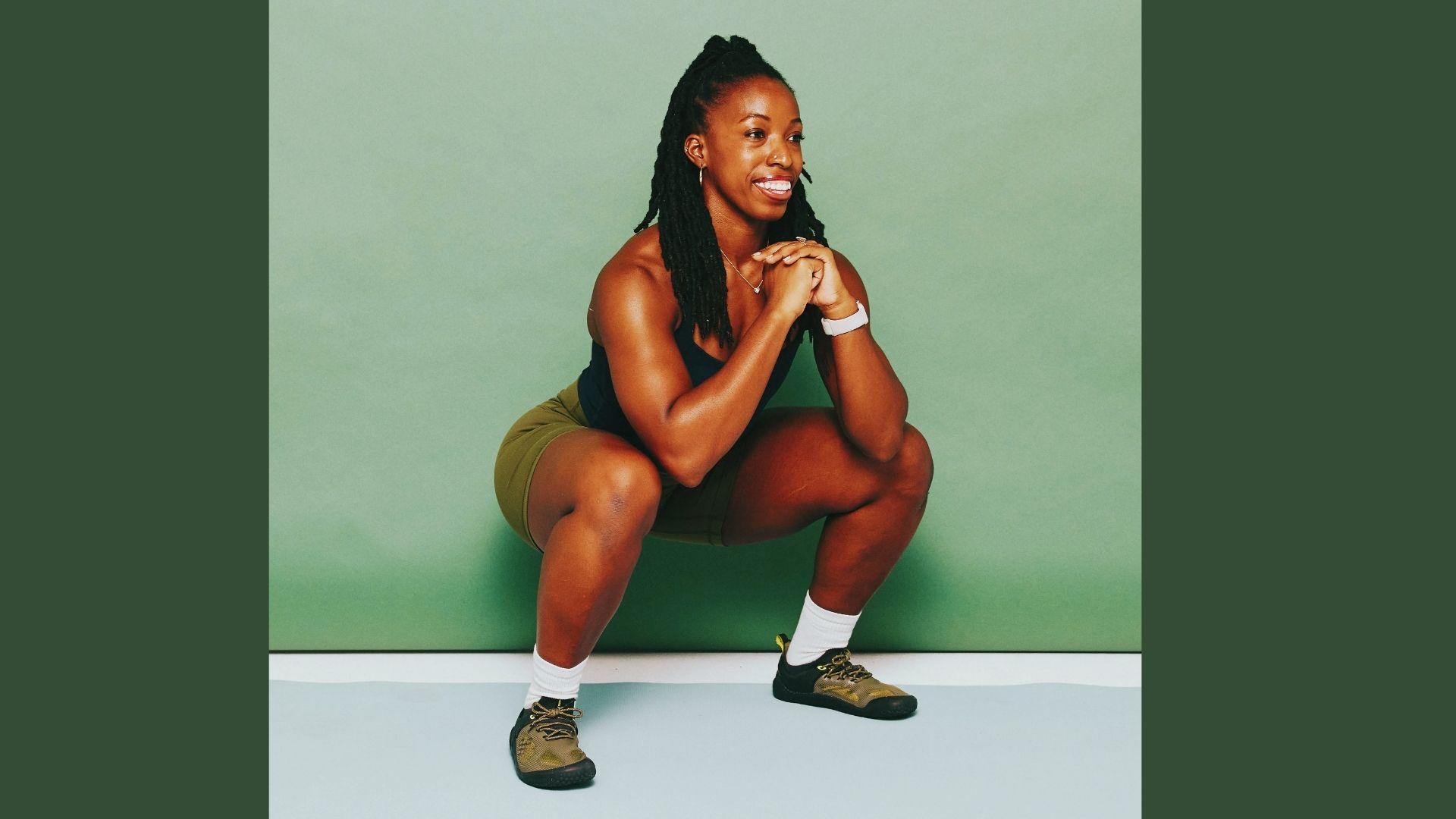
The adductors are your inner thigh muscles. They help control your leg position throughout the hip thrust.
They work to stop your thighs from drifting too far apart. They also support hip stability, particularly at the bottom of the movement.
While they're not the star of this exercise, they stay active enough to benefit from regular hip thrust training. Over time, this leads to better overall hip control.
Core Muscles: Spine and Pelvic Stability

Your core does quiet but critical work during hip thrusts. It keeps your spine neutral and stops your pelvis from tilting out of position.
A weak core leads to wobbly reps and poor form. The abs, obliques, and lower back all engage to hold your body steady throughout the movement.
Strong core engagement also protects your lower back from absorbing stress it was never meant to handle.
Comparison Chart: Muscles Activated During Hip Thrusts
Here's a quick look at how each muscle group contributes during hip thrusts.
| Muscle Group | Role During Hip Thrust | Activation Level |
| Gluteus Maximus | Primary hip extension | Very High |
| Hamstrings | Assist hip extension | Moderate |
| Quadriceps | Knee stabilization | Moderate |
| Gluteus Medius/Minimus | Hip stability | Moderate |
| Adductors | Thigh stabilization | Moderate |
| Core Muscles | Spine stability | Moderate |
Use this chart to spot which muscle group may need extra attention in your training.
How Hip Thrust Form Affects Muscle Activation
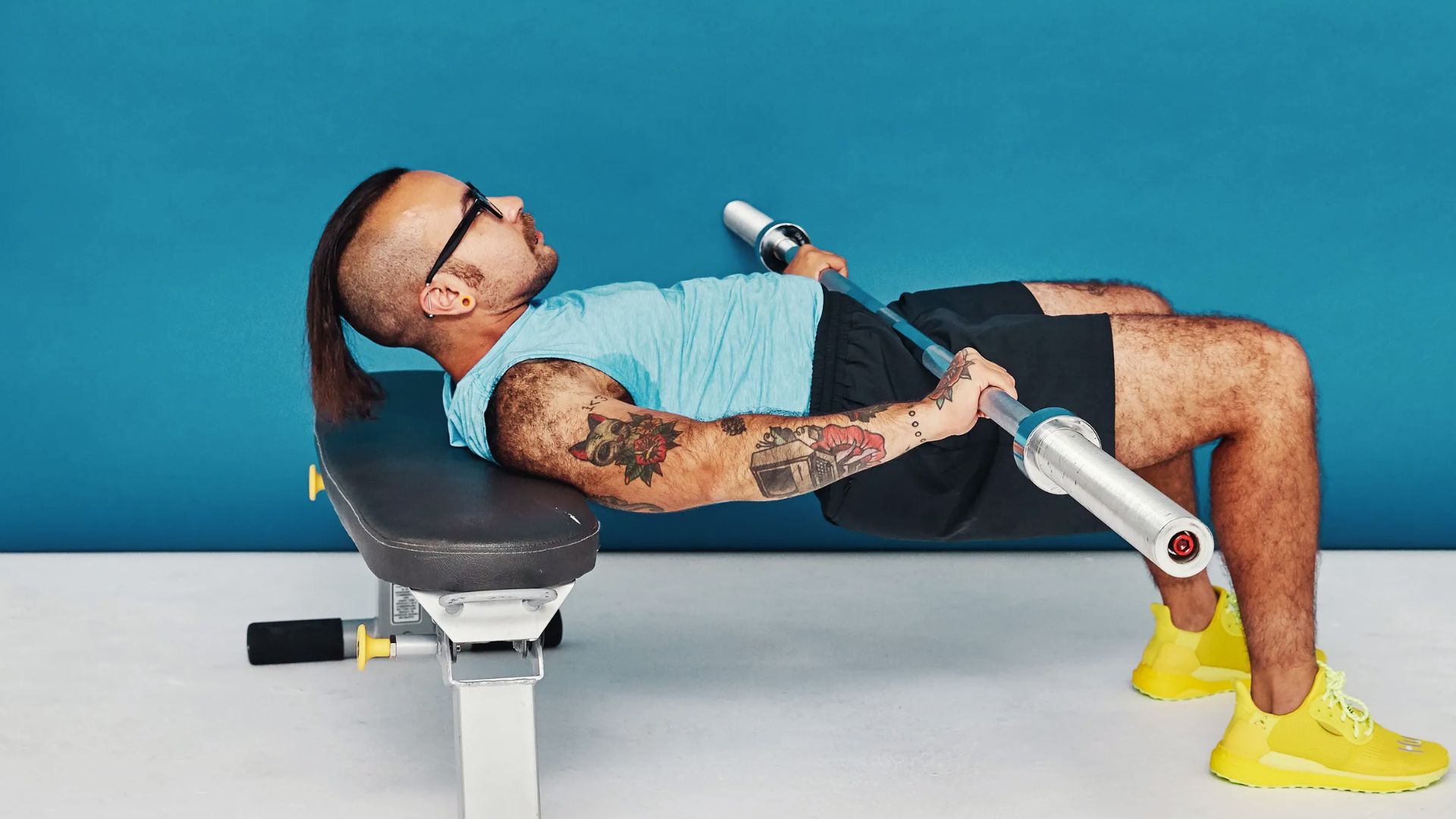
Small form details change everything about how your muscles respond to hip thrusts. Foot placement is one of the biggest factors.
Placing your feet closer to your hips increases glute tension at the top. Moving them further away shifts more work to the hamstrings. Hip position at the start also matters.
If your hips begin too high, you lose the range of motion needed for full glute activation. Locking out properly at the top is where the glutes work hardest.
Squeeze at the peak of every rep. This one habit alone can change how much your glutes grow over time.
Tips to Improve Muscle Activation During Hip Thrusts
These small adjustments can make each rep far more effective.
- Focus on Squeezing the Glutes: Hold the squeeze at the top for one second. It builds a stronger mind-muscle connection fast.
- Keep the Core Engaged: Brace your abs before each push. This keeps your pelvis stable and protects your lower back.
- Use Controlled Repetitions: Slow down the lowering phase. More control means more tension on the right muscles.
- Adjust Foot Position: Move your feet slightly closer to your hips for better glute engagement at the top.
- Check Your Starting Hip Height: Begin low enough to get a full range of motion. Lock out fully at the top of every rep.
Apply even one of these tips consistently and you'll feel the difference within a few sessions.
Conclusion
I spent weeks doing hip thrusts wrong before one small form fix changed everything.
Once I understood exactly which hip thrust muscles worked, my training finally made sense.
Now you have that same knowledge. Pick one tip from this blog and try it in your next session.You'll feel the difference right away.
Did this help you? Drop a comment below or share it with a friend who trains. I'd love to hear what worked for you.
Frequently Asked Questions
Do hip thrusts work the glutes more than squats?
Yes, research shows hip thrusts produce higher gluteus maximus activation compared to squats.
Can beginners do hip thrusts?
Yes, hip thrusts are beginner-friendly and can be started with just bodyweight before adding load.
Should I feel hip thrusts in my lower back?
No, lower back pain during hip thrusts usually means your core isn't engaged or your hips are positioned too high.
Do hip thrusts work the hamstrings?
Yes, the hamstrings assist in hip extension throughout the movement, though the glutes remain the primary muscle.
How many sets and reps of hip thrusts should I do?
Most people see good results with 3 to 4 sets of 8 to 15 reps, depending on their specific training goal.