If your hips feel stiff after a long day of sitting, you are not alone. Tight hip flexors are one of the most common problems people face today, and most do not even know it.
I have dealt with this myself. Years of desk work left my hips locked up and my lower back constantly sore.
That is when I started following a daily hip flexor lunge stretch routine, and the difference was real.
In this blog, I will cover what the hip flexor lunge stretch is, the best exercises for daily flexibility, proper form, common mistakes, and routines for beginners, office workers, and athletes.
I have spent years learning from fitness coaches and personal experience to bring you what actually works.
Understanding the Hip Flexor Lunge Stretch
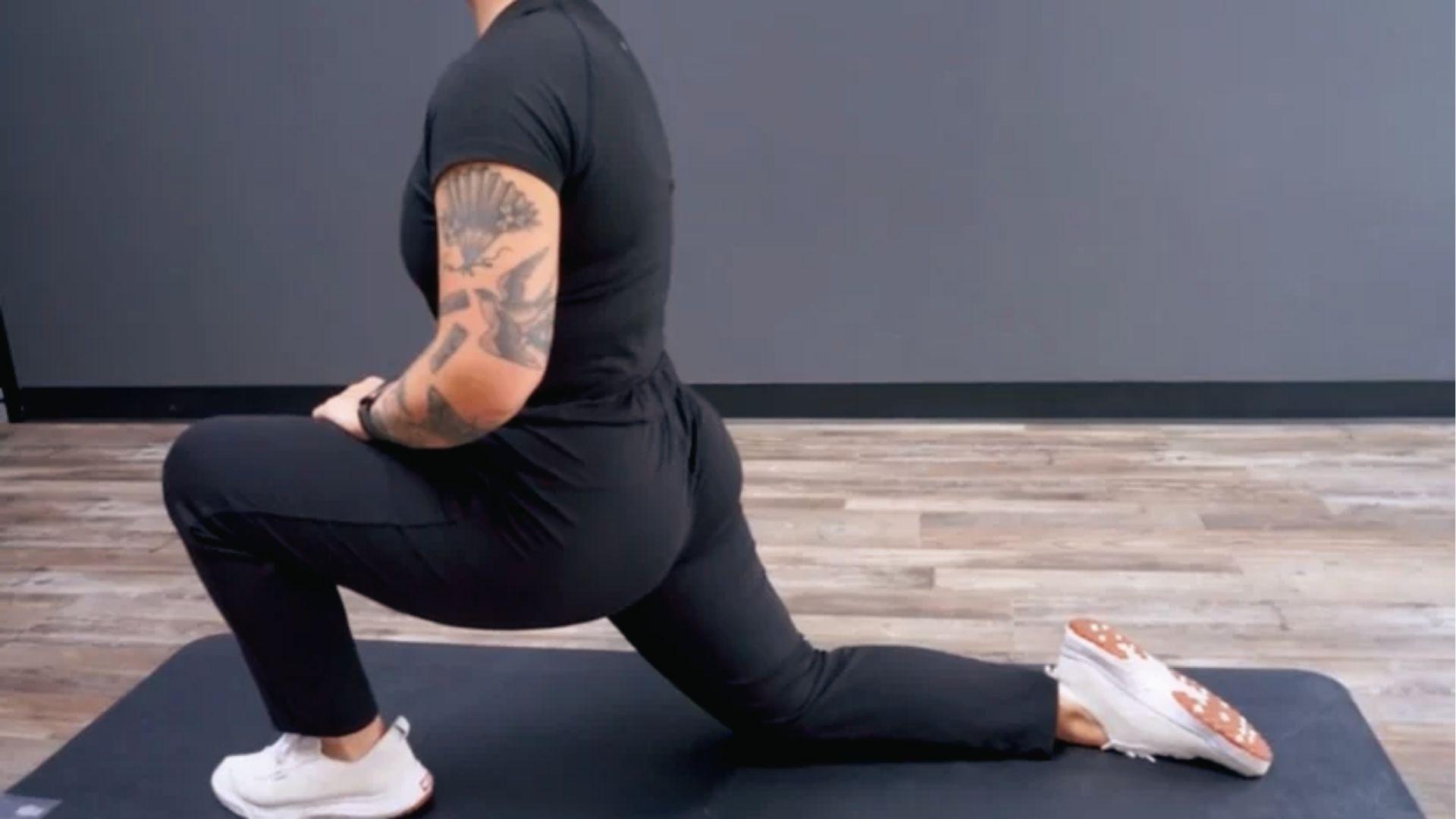
A hip flexor lunge stretch is a simple position where you step one foot forward into a lunge while the back knee rests on the floor.
This opens the front of the hip and stretches the muscles connecting the spine to the thigh, mainly the iliopsoas, rectus femoris, hip adductors, and quadriceps.
You may have tight hip flexors if you feel lower back tightness after sitting, pain at the front of the hip when walking, or stiffness when climbing stairs.
The hips are involved in almost every movement your body makes. When they are tight, other muscles overcompensate, leading to pain and poor movement patterns over time.
Best Hip Flexor Lunge Stretch Exercises for Daily Flexibility
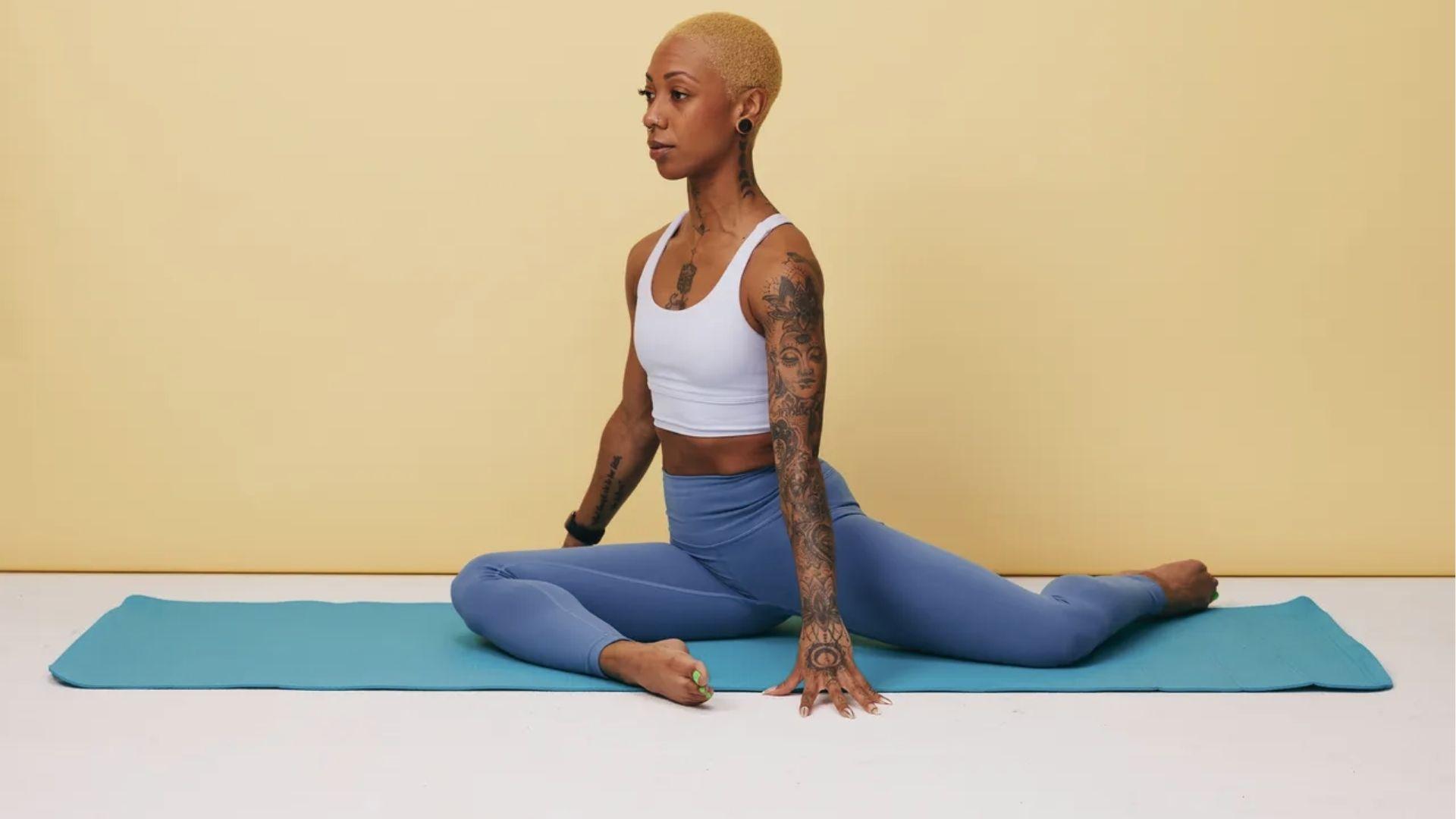
These five exercises cover everything from gentle holds to active movement for full hip relief and better range of motion.
Kneeling Hip Flexor Lunge Stretch
Step one foot forward so both knees are at a right angle. Lower the back knee to the floor.
Keep your chest upright and gently push your hips forward. Hold for twenty to thirty seconds. This is the most basic version and works well for beginners.
Low Lunge Hip Flexor Stretch
From a kneeling lunge, lower your hips closer to the ground. Reach your arms overhead to open the chest. This deepens the hip flexor stretch while also working the thoracic spine.
Hip Flexor Lunge Stretch With Rotation
Start in a kneeling lunge. Bring the arm on the same side as the front foot across your body and rotate your torso toward that side.
This adds a spinal twist that targets the hip flexors and obliques together.
Crescent Lunge Stretch
This is a standing version of the lunge. From a high lunge position, raise both arms overhead.
Keep the back leg straight and press the heel down. Engage the core and hold for twenty to thirty seconds per side.
Dynamic Walking Lunge Stretch
Step forward into a lunge, lower your hips, then step forward with the other leg into the next lunge.
Keep moving in a straight line for ten to fifteen steps. This version warms up the hips and improves active flexibility.
How to Do Hip Flexor Lunge Stretch Proper Form
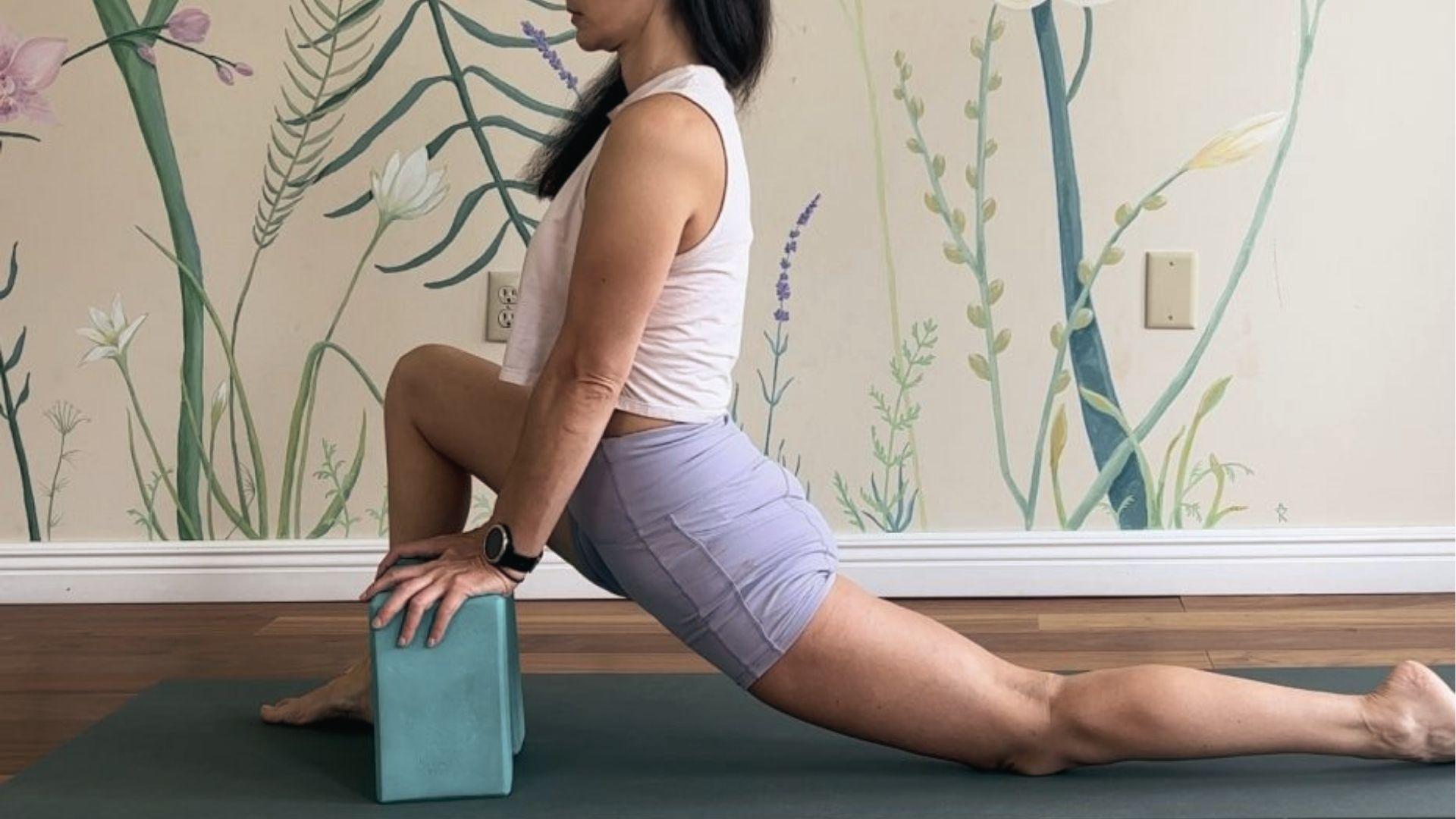
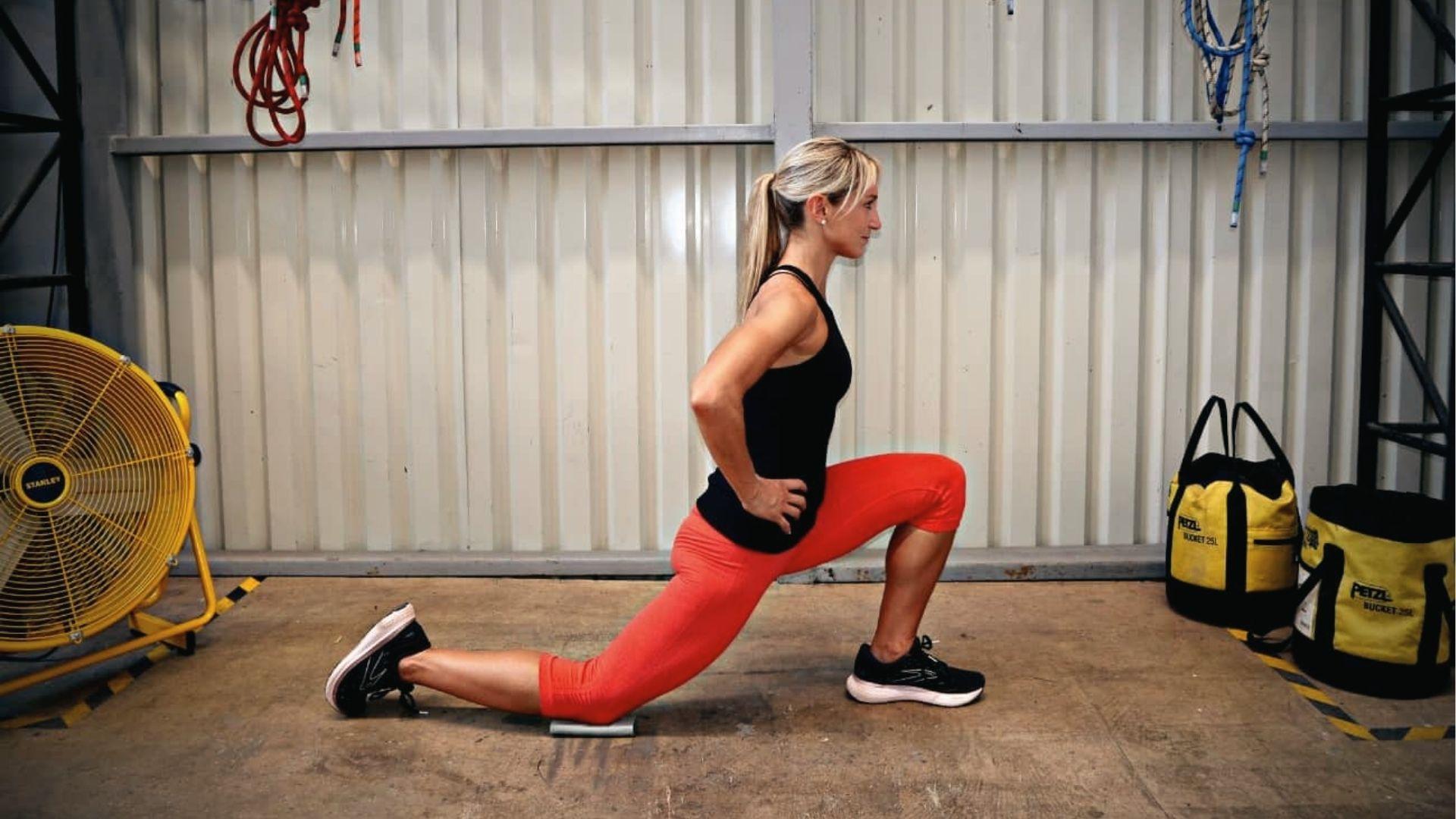
Good form makes every stretch safer, more effective, and less likely to cause strain or injury over time.
Correct Body Alignment During the Stretch
Keep your front knee directly above your ankle. Do not let it fall inward. Your back should stay straight.
Avoid arching the lower back. Keep your hips squared forward and your core lightly engaged throughout the stretch.
How Long to Hold Each Stretch
For static stretches, hold each position for twenty to thirty seconds. Repeat two to three times per side.
For dynamic stretches like walking lunges, aim for ten to fifteen reps. Do not rush through the movement.
Breathing Techniques for Better Results
Breathing helps your muscles relax and lets you go deeper into each stretch.
Breathe in through your nose to prepare, then breathe out slowly as you sink into the stretch. Every exhale is a chance to release a little more tension.
Daily Hip Flexor Lunge Stretch Routine for Beginners
Simple, time-friendly routines you can follow morning, midday, or evening to stay consistent and see real results.
Five-Minute Morning Hip Flexor Stretch Routine
Start with a kneeling hip flexor lunge stretch on each side for thirty seconds. Follow with a low lunge stretch for thirty seconds per side.
Finish with ten dynamic walking lunges. This takes about five minutes and sets a good tone for the day.
Desk Stretch Routine for Office Workers
Every hour, stand up and do a thirty-second kneeling or standing lunge stretch on each side.
If space is limited, stand and do a single-leg hip hinge to open the hip. Even short breaks add up over a full workday.
Post-Workout Hip Flexor Lunge Stretch Exercise
After a workout, hold a low lunge stretch for thirty to forty-five seconds per side. Add a rotation for extra spinal relief. This helps the hip flexors recover and reduces next-day stiffness.
Evening Stretch Routine for Recovery
Before bed, do a slow kneeling lunge hold on each side for forty-five seconds.
Breathe deeply and focus on letting the hip sink. This calms the nervous system and helps the body recover while you sleep.
Benefits of Adding Hip Flexor Lunge Stretch Exercises to Your Routine
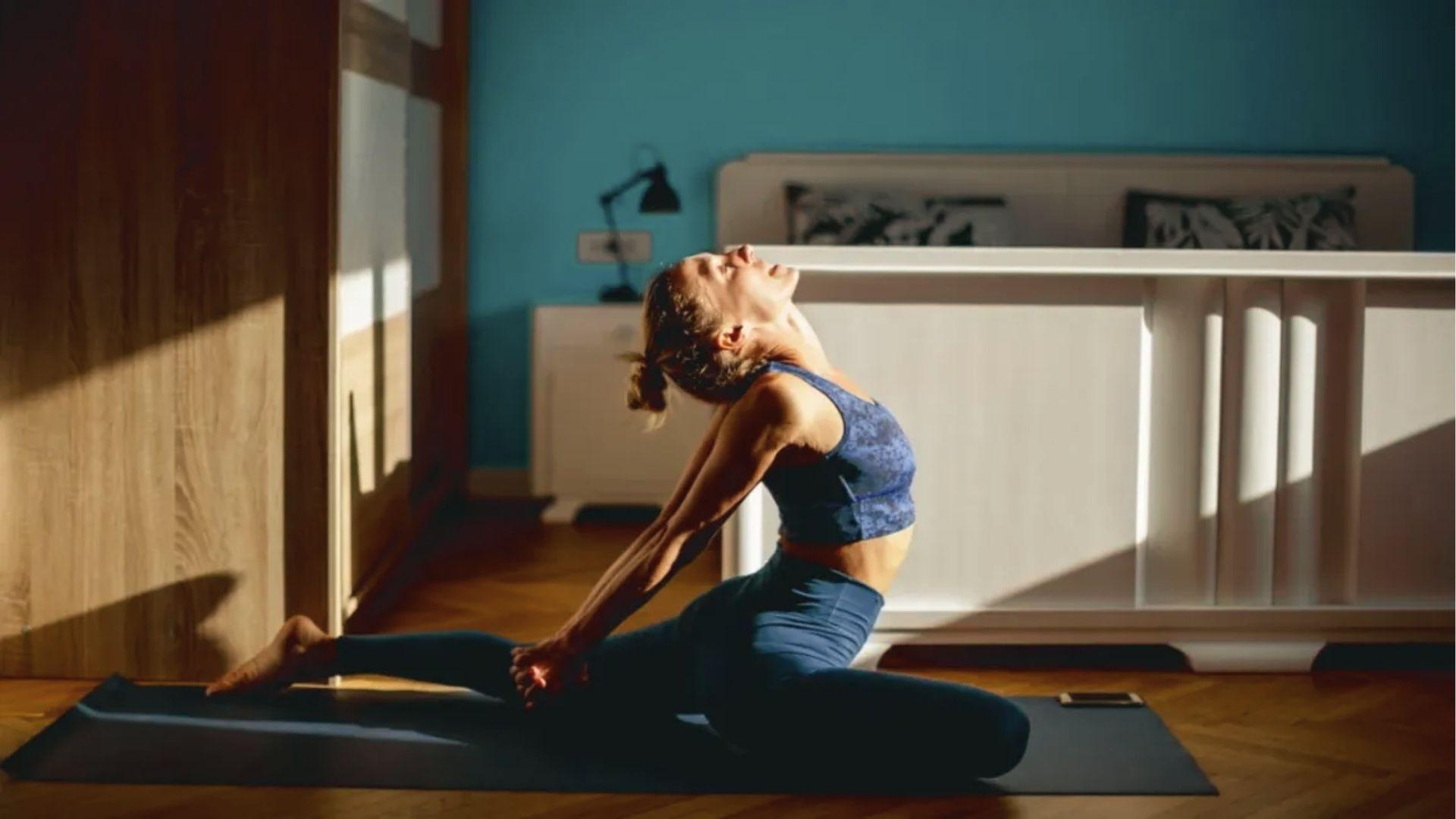
From better posture to less pain, adding these stretches daily brings real changes to how your body feels and functions.
Helps Relieve Lower Back Tightness
Tight hip flexors pull on the lumbar spine and cause lower back pain. Stretching them regularly reduces that pull and gives the back muscles some relief.
Improves Flexibility and Mobility
A consistent hip flexor lunge stretch routine increases the range of motion in the hips over time. Better mobility means easier movement in all daily activities.
Supports Better Posture and Balance
When the hip flexors are loose, the pelvis sits in a neutral position. This allows the spine to align properly, which directly improves posture and balance.
Improves Athletic and Gym Performance
Tight hips limit power output in exercises like squats, deadlifts, and sprints. Loose hip flexors allow full range of motion and better force production during training.
Reduces Stiffness From Sitting All Day
Stretching the hip flexors after long periods of sitting restores length to the muscles and reduces the heavy, stiff feeling that builds up by the end of the day.
Tips to Make Your Hip Flexor Stretch Routine More Effective
Small changes to how you stretch can make a big difference in how fast and how well you see results.
- Stretch at the same time each day to build a habit
- Do five minutes of light walking or movement before stretching
- Pair hip flexor stretches with glute bridges or clamshells for better balance
- Stop if you feel sharp pain and ease back into a comfortable range
- Use foam rolling on the quads and hip flexors before stretching for better results
Conclusion
Consistency is what makes this routine work. Start small. Even five minutes a day adds up over time.
Pick one routine from this blog and stick with it for two weeks. You will feel the difference.
I started this daily hip flexor lunge stretch routine when back pain made sitting through a workday feel exhausting.
Within a few weeks, things shifted. If you are dealing with tight hips or nagging back pain, give this a real try. Drop a comment below and tell me which stretch helped you most.
Frequently Asked Questions
How often should I do a hip flexor lunge stretch?
You can do a hip flexor lunge stretch every day. Daily stretching is safe and highly effective for keeping the hips loose and pain-free over time.
What is the correct hip flexor lunge stretch proper form?
Keep your front knee above your ankle, chest upright, and hips squared forward. Avoid arching your lower back and always breathe steadily throughout the stretch.
Can hip flexor lunge stretch exercises help lower back pain?
Yes. Tight hip flexors put pressure on the lumbar spine. Stretching them regularly reduces that tension and can bring noticeable relief to the lower back.
Is it safe to stretch hip flexors every day?
Yes, it is safe for most people. Keep the stretches gentle, stay within a comfortable range, and avoid pushing into sharp or intense pain.
Which hip flexor lunge stretch exercise is best for beginners?
The kneeling hip flexor lunge stretch is the best starting point. It is simple, low-impact, and easy to control while you build flexibility and proper form.