

Which calisthenics move will truly push your limits to the max?
In this guide, I’ll walk you through the hardest calisthenics move and why it tests strength, balance, and control unlike anything else.
Speaking from years of coaching and personal practice, I’ve seen firsthand how tiny adjustments in form can make a huge difference.
You’ll learn both static holds like the planche and dynamic feats like the one-arm pull-up, understand progressions, and gain tips from top forums.
By the end, you’ll know what it truly takes to reach elite-level skills safely and effectively.
What Makes a Calisthenics Move Hard?
Calisthenics moves can look simple, but some are extremely tough. Understanding why a move is hard helps you train smarter.
Strength Requirements: Some moves need full-body strength, others target specific muscles. More muscles involved means greater difficulty.
Balance & Coordination: Static holds need steady balance, while dynamic moves demand precise timing and control.
Flexibility & Mobility: Flexible shoulders, wrists, and hips make many moves possible. Without it, even strong athletes struggle.
Technique & Skill: Proper form and small adjustments in alignment can make or break a move.
Endurance Factor: Holding positions longer increases strain on muscles and mental focus.
Community Insights: Reddit and calisthenics forums show moves like the Maltese and One-Arm Pull-Up are ranked hardest by real athletes.
Knowing these factors can help you plan your training and set realistic goals. Focusing on the right areas improves performance and safety.
Hardest Calisthenics Moves
These calisthenics moves are considered the toughest by athletes and forum communities.
Each requires exceptional strength, balance, and technique that takes months or years to achieve.
1. One-Arm Maltese
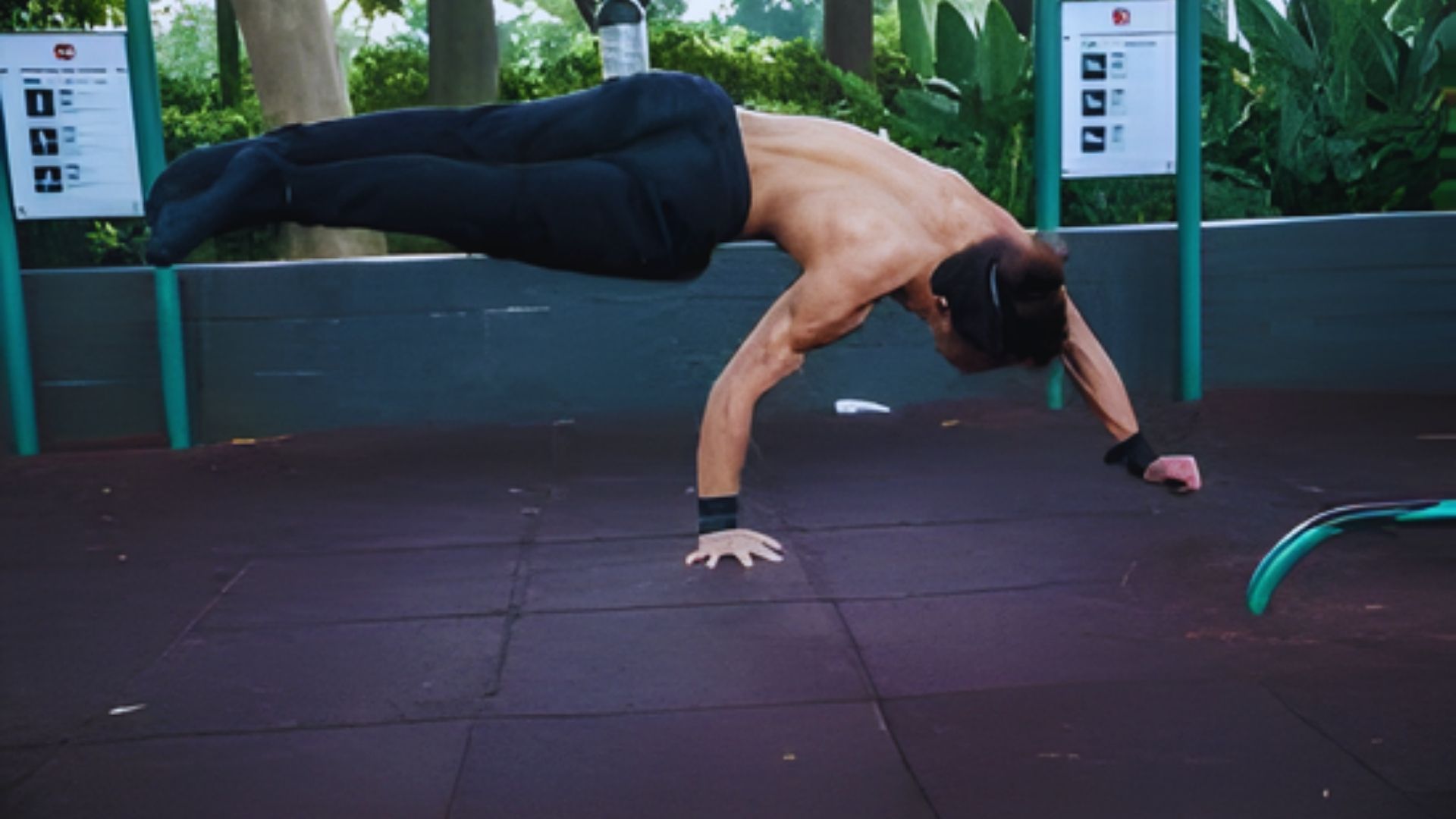
The one-arm Maltese is a horizontal hold performed on a single arm and is one of the most extreme planche variations. It demands extraordinary shoulder, chest, arm, and core strength.
Only the most advanced athletes can hold it, and even then, it tests tendon durability and full-body control consistently.
2. Maltese Cross (Ring Maltese)

The Maltese cross is a horizontal hold performed on gymnastic rings with the body straight and arms extended.
It requires exceptional shoulder and chest strength, along with strong lats and core control. Training progression often begins with tuck or straddle versions before reaching the full position safely.
3. Reverse Planche
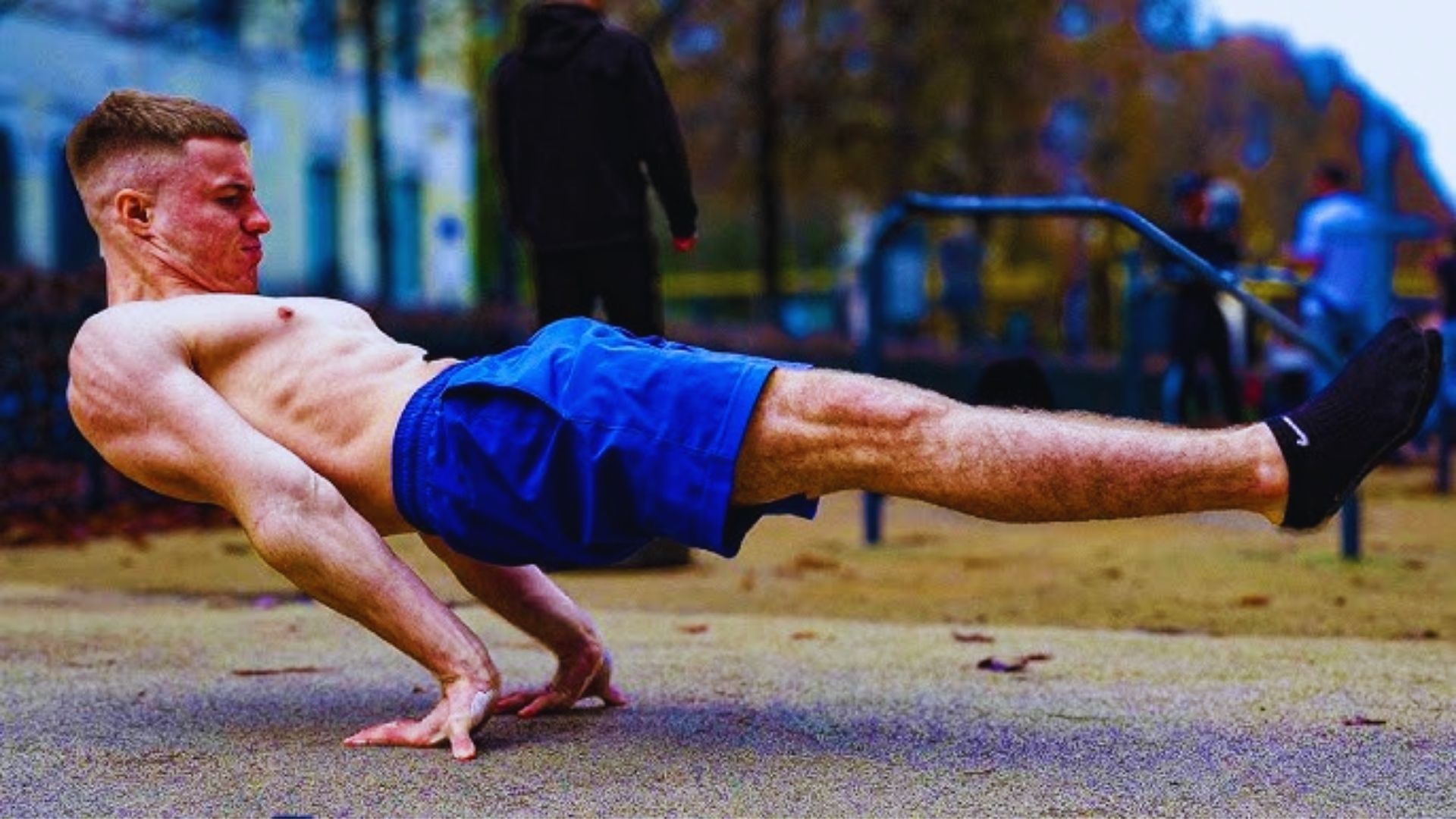
The reverse planche is a rare horizontal hold facing upward and places heavy demand on the posterior chain. It requires strong shoulders, chest, and core, along with wrist mobility.
Athletes progress gradually from tuck to advanced tuck positions, gradually increasing leverage and control over time.
4. One-Arm Planche
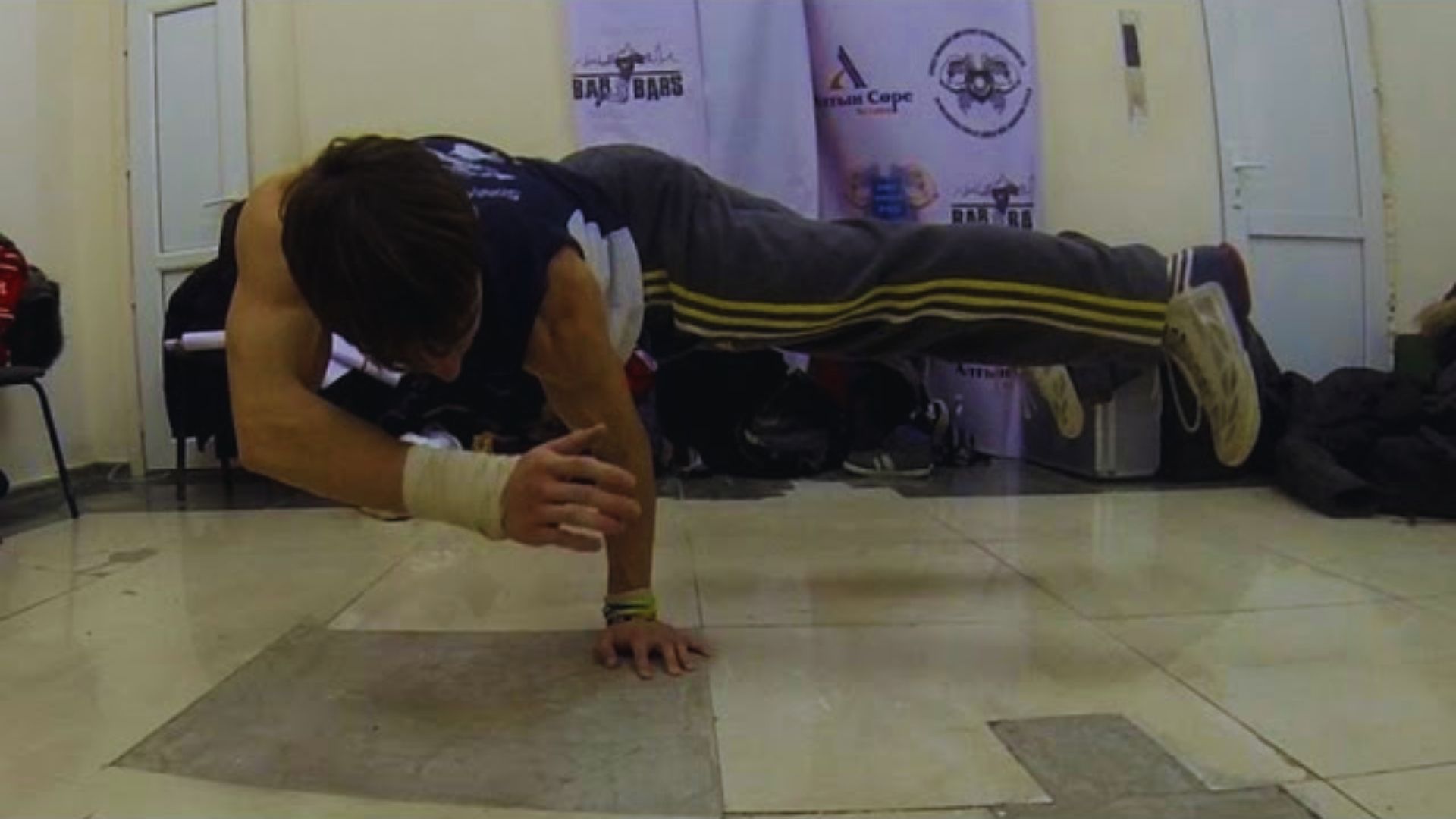
The one-arm planche is a high-level variation of the planche performed on a single arm. It requires immense balance and strength across the chest, shoulders, arms, and core.
Practitioners must perfect technique and gradually reduce support to achieve a full one-arm hold without compromising form or stability.
5. Victorian Cross / Inverted Swallow
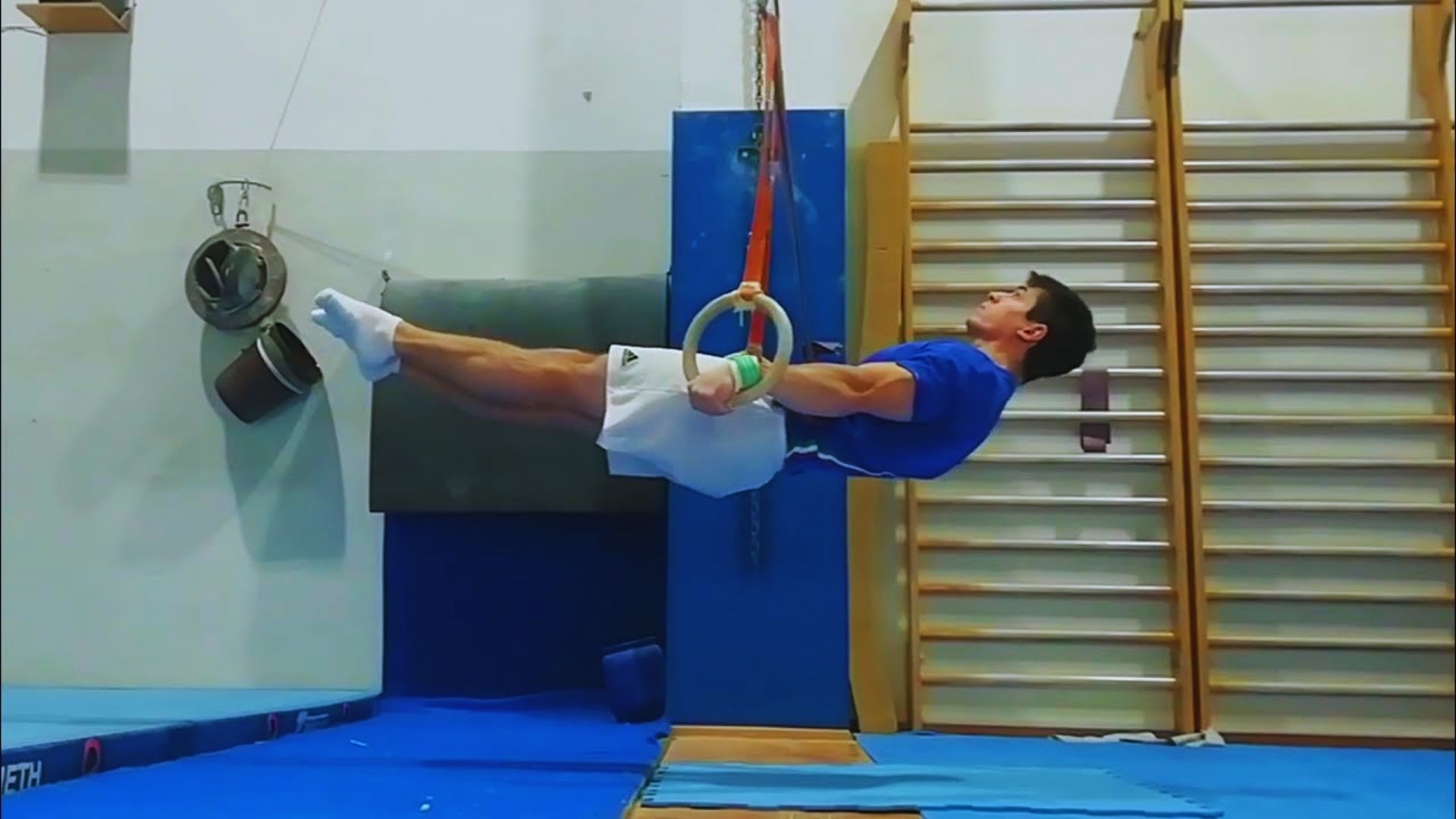
The Victorian cross is an inverted horizontal hold with arms positioned differently to increase difficulty. It engages the shoulders, chest, and core heavily while testing balance and tendon strength.
Athletes typically practice advanced variations progressively to condition the muscles and joints for the extreme leverage required.
6. Manna
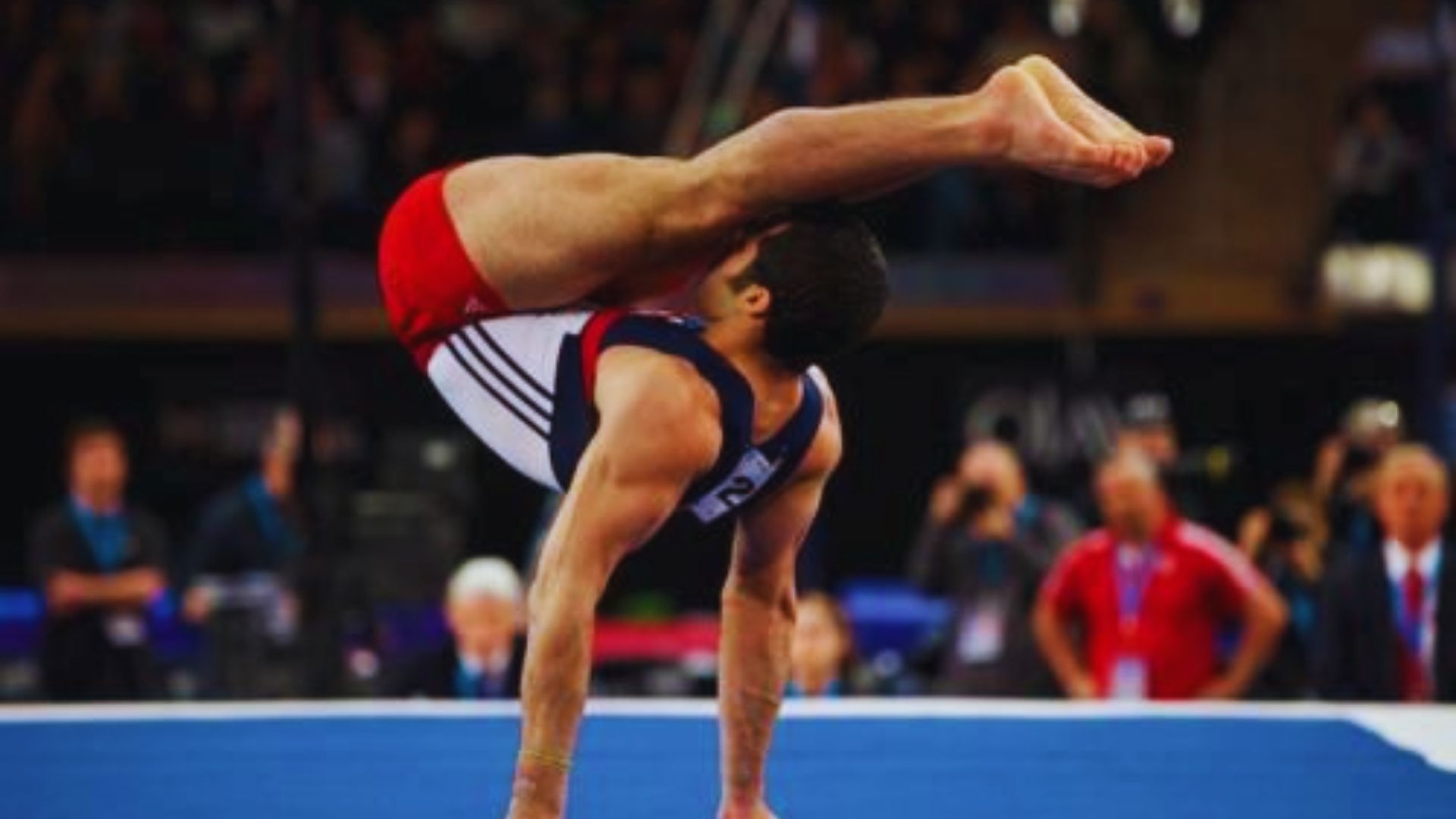
The manna is a static hold with the hips lifted and the arms positioned behind the back. It challenges the core, shoulders, triceps, and hip flexors while requiring strong compression and balance.
Athletes usually progress from an L-sit to a tucked manna and finally to the full position with controlled movement.
7. Impossible Dip
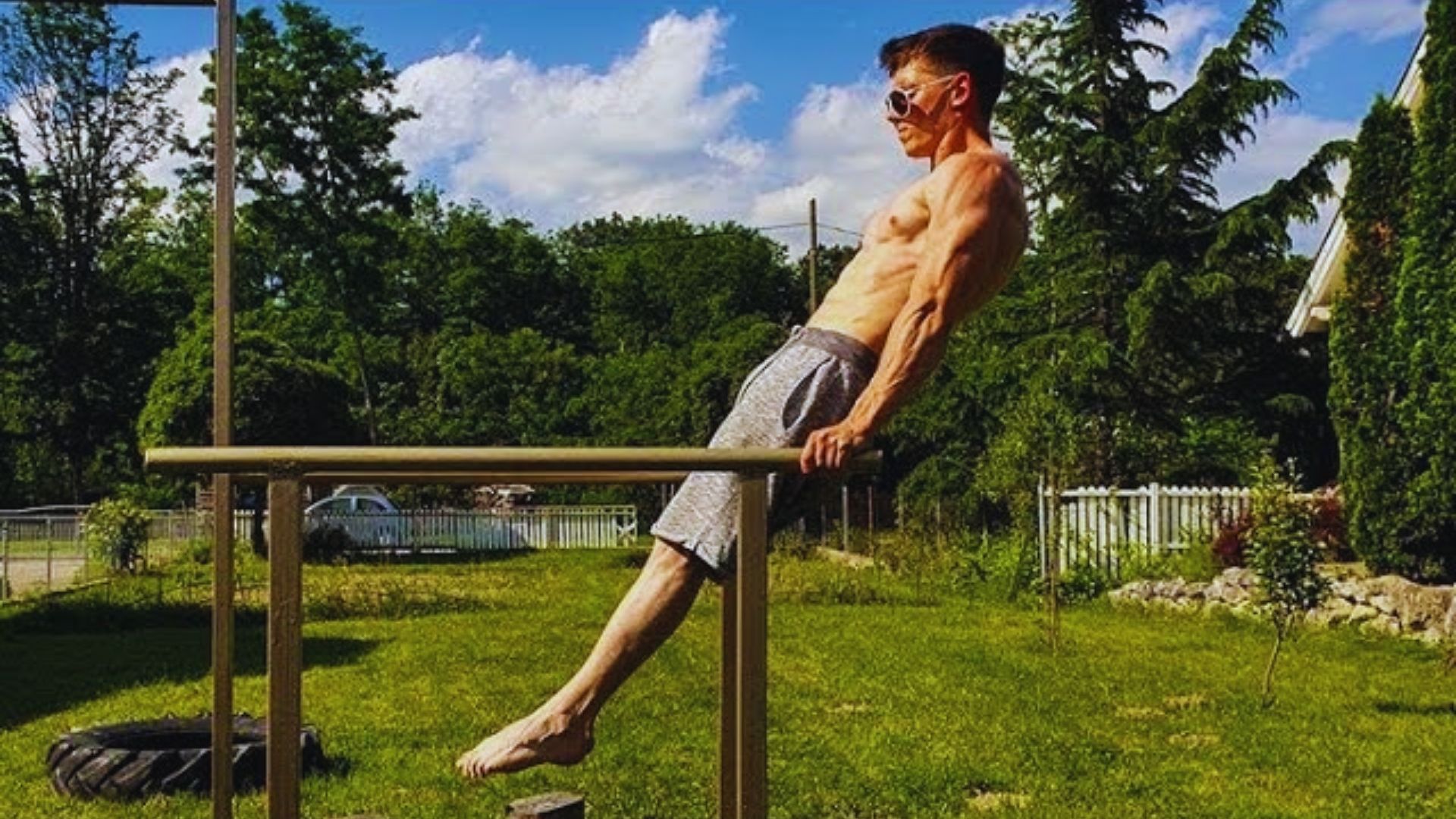
The impossible dip is a pushing movement where the shoulders remain above the wrists throughout. It places extreme stress on the triceps, shoulders, and chest.
Training often starts with assisted variations, then partial repetitions, and finally the full impossible dip once sufficient strength and control have been built over time.
8. Iron Cross / Inverted Iron Cross

The iron cross is a classic ring hold performed with arms extended sideways. It engages the shoulders, chest, and biceps heavily and demands tendon strength and joint stability.
Athletes usually progress from assisted holds to partial positions before achieving the full iron cross while maintaining proper alignment.
9. One-Arm Pull-Up / One-Arm Chin-Up

The one-arm pull-up is a pulling movement performed using a single arm. It requires significant strength in the lats, biceps, forearms, and core.
Progressions often involve assisted one-arm pulls, negative repetitions, and eventually the full one-arm pull-up once the athlete has built the necessary pulling strength and control.
10. Front Lever (Full)

The full front lever is a horizontal hold performed from a bar or rings, requiring a strong core, lats, and glutes.
Athletes usually start with tuck variations, advance to straddle positions, and finally achieve the full front lever. Maintaining strict form is essential to hold this position effectively.
11. Handstand on One Arm / Freestanding HSPU

The handstand on one arm or freestanding handstand push-up is a vertical push-up performed without wall support.
It demands strong shoulders, triceps, upper chest, and core while requiring balance and stability.
Progressions start with pike push-ups, then wall handstand push-ups, and finally freestanding holds with controlled form.
12. Human Flag

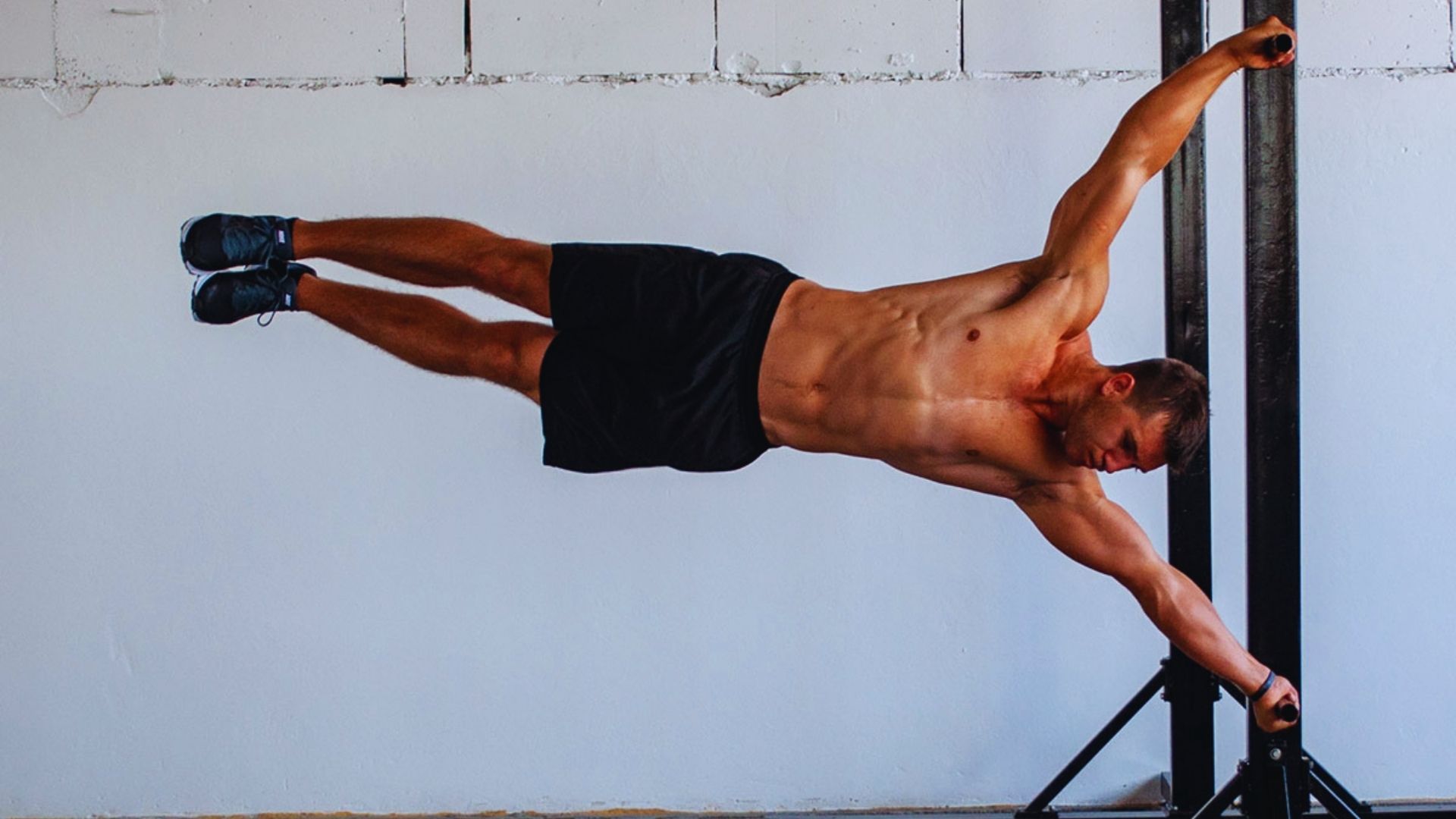
The human flag involves holding the body horizontally while gripping a vertical pole. It engages the core, lats, shoulders, and grip heavily.
Athletes usually begin with a side lever, progress to partial holds, and finally achieve the full human flag while maintaining strict alignment and tension throughout the body.
13. Planche (Full)
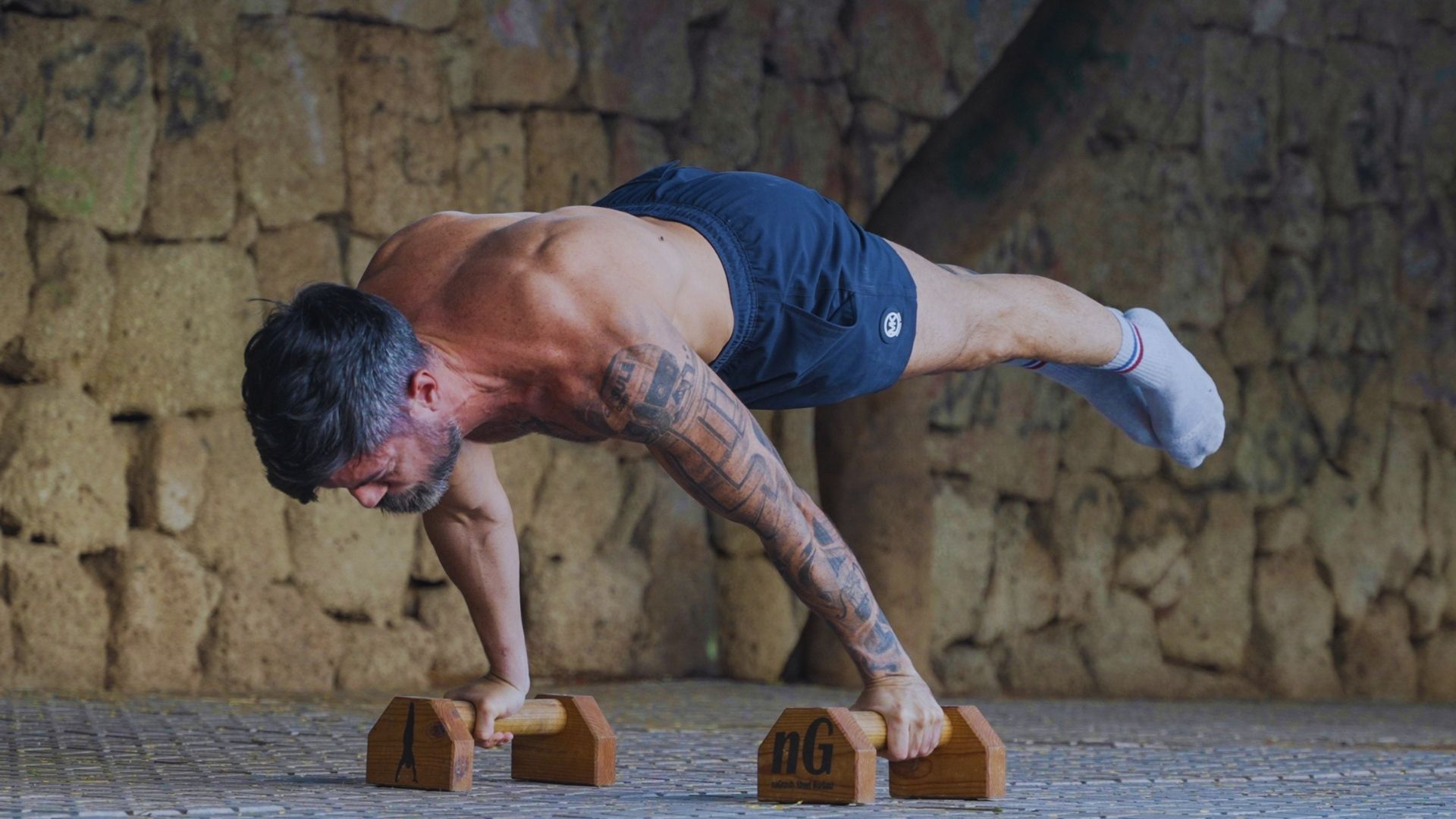
The full planche is a classic straight-arm horizontal hold on the floor or bars. It works the shoulders, chest, triceps, and core while requiring balance and full-body tension.
Progressions typically move from tuck to advanced tuck, then straddle, and finally the full planche when the athlete develops sufficient strength and control.
Static vs. Dynamic Difficulty
Static and dynamic calisthenics moves challenge the body in different ways. Understanding these differences can help athletes focus on strength, balance, and control.
|
Type |
Example Moves |
Key Challenge |
Body-Type Influence |
Difficulty Notes |
|
Static |
Planche, Maltese, Victorian Cross |
Holding a position steadily |
Longer limbs increase leverage, making holds harder |
Strength, tendon endurance, and core tension are critical |
|
Dynamic |
Impossible Dip, One-Arm Pull-Up |
Moving the body through controlled motion |
Heavier athletes may struggle more with lifting and pulling |
Explosive strength and coordination are crucial |
Understanding the differences between static and dynamic moves helps you train smarter and target the right skills.
The “Big 3” Elite Calisthenics Moves
The planche, front lever, and human flag are considered the most elite calisthenics moves by athletes and forum communities.
Each of these exercises tests full-body strength, balance, and control in ways few other moves do. The planche challenges the shoulders, chest, triceps, and core with a horizontal hold.
The front lever strengthens the lats, core, and glutes while maintaining a straight-body horizontal position.
The human flag engages the core, lats, shoulders, and grip to hold the body sideways on a pole.
Mastering these moves develops exceptional stability, coordination, and muscle control, setting a foundation for advanced calisthenics skills.
Progressions & Training Tips
Building strength, flexibility, and core control is key before attempting the hardest calisthenics moves
- Focus on building full-body strength with push, pull, and core exercises
- Include shoulder, wrist, and hip mobility drills to improve flexibility and range of motion
- Train core with static and dynamic exercises like planks, hollow holds, and leg raises
- Start with easier variations of the target skill and gradually increase difficulty each week
- Practice strict form and controlled movements to prevent injuries and improve efficiency
- Rest adequately between sessions to allow muscles and tendons to recover
- A sample 4-week progression for one extreme skill includes week 1 with tuck variations, week 2 with advanced tuck, week 3 with straddle or partial hold, and week 4 with full hold attempt
Following a structured progression helps you safely reach advanced skills while tracking measurable improvements
Community & Forum Insights
Athletes often debate the hardest calisthenics moves on Reddit, Quora, and YouTube forums.
Reddit user on hardest skills: The one‑arm maltese is described as possibly the most difficult calisthenics skill, with the reverse planche also considered nearly impossible.
Reddit difficulty ranking insight: Maltese is ranked first in a thread listing the hardest moves, followed by manna, iron cross, and full planche, showing broad agreement on its extreme difficulty.
Community rankings and discussions help show which moves are considered the most challenging in real-world practice.
Common Misconceptions About Difficulty
Many calisthenics moves seem easy but are harder in practice, and knowing the difference helps train smarter.
|
Move |
Misconception |
Actual Challenge |
Perspective Difference |
|
Push-ups |
Thought to be easy |
Requires shoulder, chest, triceps, and core strength |
Beginners often underestimate the form and endurance needed |
|
Pull-ups |
Considered simple |
Demands lat, biceps, and grip strength |
Beginners struggle, while advanced athletes may find them moderate |
|
L-sits |
Seen as a basic core exercise |
Core, hip flexors, and shoulder stability are heavily taxed |
Beginners find it very challenging, and elites view it as a foundation |
Knowing this helps athletes train smarter and set realistic goals.
Conclusion
Training the hardest calisthenics move teaches more than strength. It builds balance, control, and focus while showing how patience and proper progression matter.
Every skill, from static holds like the planche to dynamic moves like the one-arm pull-up, challenges your body differently and safely when approached correctly.
Listening to your body and practicing consistently ensures steady improvement and lowers injury risk.
Start with small goals, track your progress, and share your milestones with others to stay motivated and inspire your training community!
Frequently Asked Questions
Can Calisthenics Improve Grip Strength Alone?
Yes, exercises like pull-ups, front levers, and the human flag strengthen your grip significantly over time.
How Often Should I Train Elite Calisthenics Moves?
Training 3 to 4 times a week with proper rest allows progress while reducing the risk of injury.
Are Rings Harder Than Bars For Beginners?
Rings require more stability and coordination than bars, making them more challenging for beginners initially.
Can Older Athletes Learn Extreme Moves?
Yes, with proper progression, mobility work, and patience, older athletes can develop strength for advanced calisthenics.
Should I Warm Up Differently For Static Vs Dynamic Moves?
Static moves need joint and tendon preparation, while dynamic moves require explosive warm-ups and full-body activation.


