If you train with a barbell, you've probably heard of both the hang clean and the power clean. But which one is right for you?
This article breaks down both lifts clearly. You'll learn how each one works, what muscles they target, and how they differ. We'll also cover technique, common mistakes, and athletic benefits.
I'll help you figure out which one fits your goals best.
I've spent years coaching and training with both lifts, so I know what works and what doesn't.
By the end, you'll have a clear answer. No confusion. No guesswork. Just practical advice you can use right away.
What Is a Power Clean?
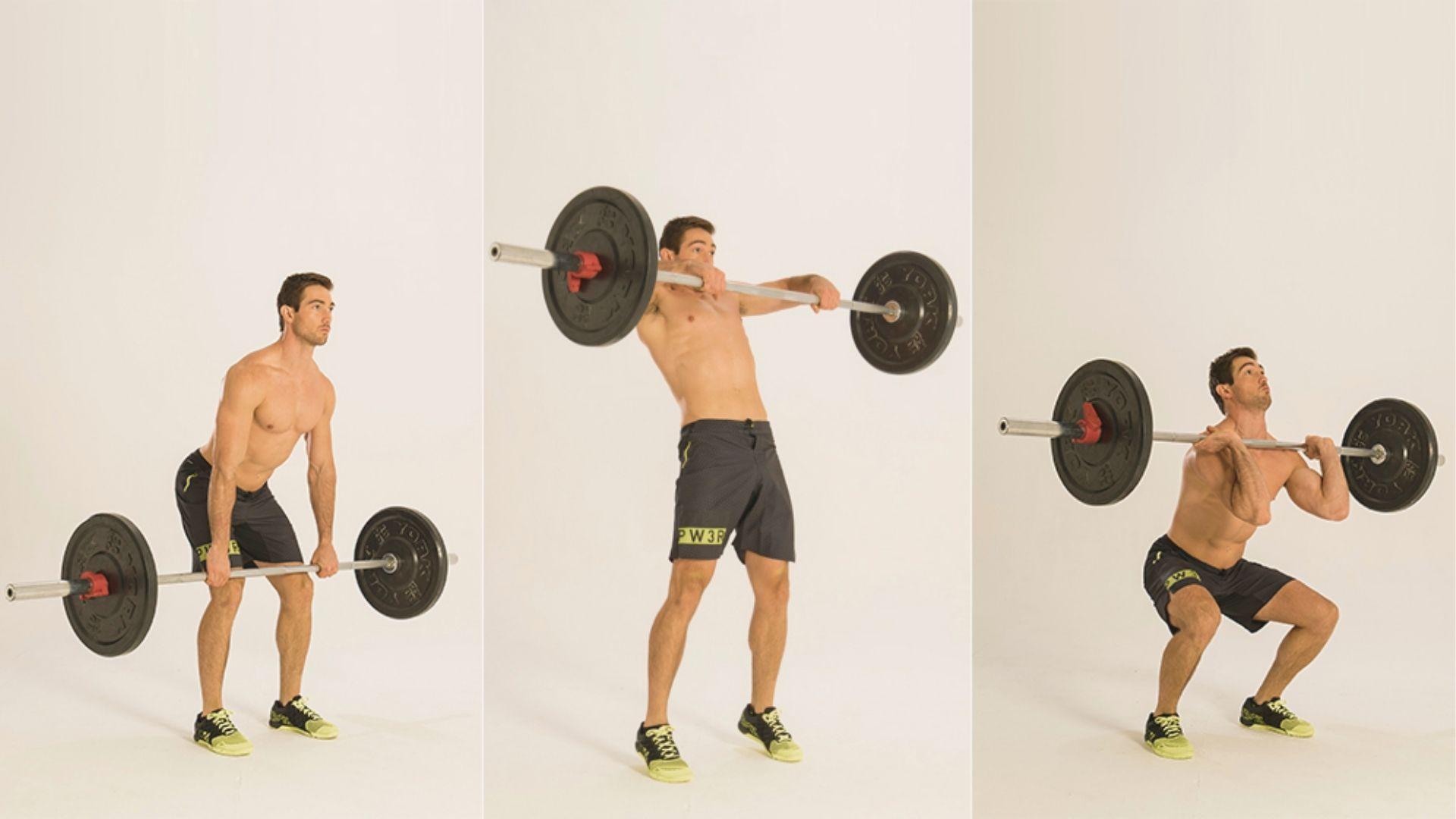
The power clean is a full-body barbell lift. It starts from the floor and builds explosive power through the entire body. The bar begins on the ground, and you pull it up in one fast, powerful movement.
Your hips extend, your heels rise, and you drop into a partial squat to catch the bar on your shoulders. Every rep is about speed and timing, not slow grinding strength.
It works the whole body at once. Your hamstrings and glutes drive the pull, your traps and upper back assist the shrug, your core stays tight throughout, and your quads absorb the catch.
Few lifts build full-body coordination, explosive force, and pulling strength all at the same time.
Benefits of the Power Clean
The power clean builds your whole body and makes you a better athlete overall.
Builds Full-Body Strength and Power
The power clean works everything at once. Legs, hips, back, traps, and core all fire in one movement.
Most exercises isolate muscles. This one connects them all.
Your body learns to produce more force over time. That strength shows up inside and outside the gym.
Improves Explosive Athletic Performance
Every rep demands a quick, powerful burst. Your muscles fire faster. Your nervous system gets sharper.
This carries over to sprinting, jumping, and changing direction.
That is why athletes in football, basketball, and track use it. It is a true athletic tool.
Develops Pulling Strength and Coordination
Getting the bar from the floor to your shoulders takes a strong, timed pull.
Your hands, back, and hips must work together perfectly. If one part is off, the lift breaks down.
Over time, pulling strength grows. Body awareness improves. And that transfers to other lifts like deadlifts and rows too.
What Is a Hang Clean?
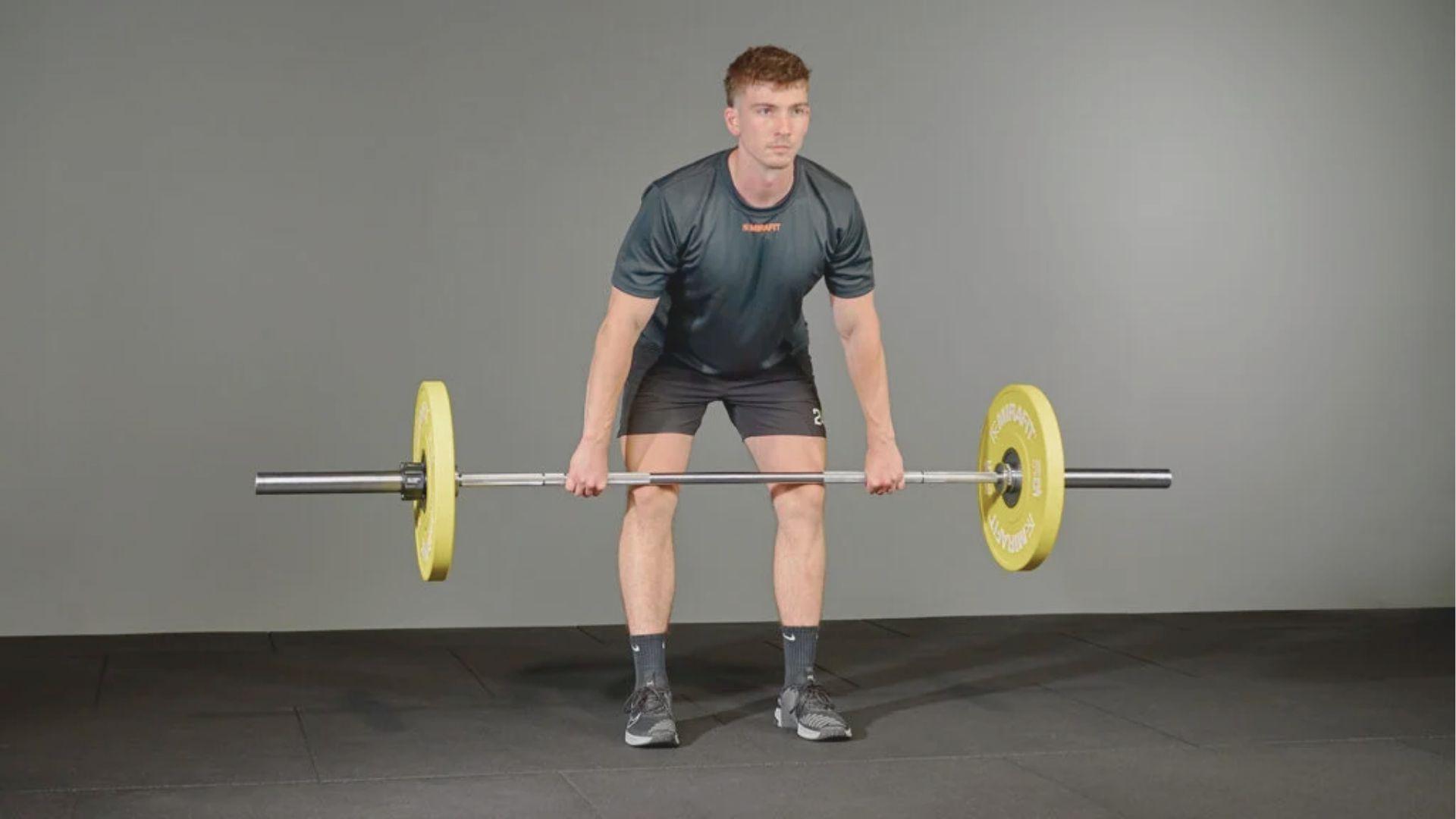
The hang clean starts with the bar above the floor, usually at mid-thigh or just below the knee. It skips the floor pull entirely. You hinge back slightly, drive your hips forward fast, and catch the bar in a front rack position. The movement is shorter but still demands real speed and power.
Because the range is smaller, the focus shifts directly to hip explosiveness. Your glutes, hamstrings, and upper traps do the heavy work.
It is easier to learn than the power clean, making it a smart starting point for beginners. Athletes also use it to build quick, reactive power that carries over into sprinting, jumping, and cutting.
Benefits of the Hang Clean
The hang clean offers real benefits that carry over into sports, training, and athletic movement.
Improves Hip Explosiveness
The hang clean builds explosive hip power fast.
Every rep loads the hips back, then drives them forward hard. Over time, your hips get better at producing force quickly.
Squats build strength. The hang clean builds speed-strength. That difference matters a lot in performance.
Enhances Speed and Athletic Movement
Fast hips mean faster movement on the field or court.
The hang clean trains the same hip extension pattern used in sprinting, jumping, and cutting. That is why coaches program it for team sport athletes. The carryover to real athletic movement is direct.
Easier to Learn for Beginners
The hang clean skips the floor pull. Fewer steps, shorter learning curve.
You focus on just two things: hip drive and the catch. Once those click, the rest follows. It builds a solid base before you move on to the full power clean.
Hang Clean vs Power Clean: Key Differences
Both lifts look similar at first. But they are built differently. Here is a full comparison.
| Factor | Power Clean | Hang Clean |
| Starting Position | Bar starts on the floor, hips low, back flat | Bar starts at thigh or knee level |
| Range of Motion | Longer, floor to shoulders | Shorter, hip/knee to shoulders |
| Muscle Activation | More posterior chain, longer hamstring range | More hip and upper body focus |
| Power Style | Power from a dead stop, more total force | Short, sharp burst of hip power |
| Pulling Strength | Builds more raw pulling strength | Builds more speed off the hip |
| Technique Difficulty | Harder, more phases to control | Simpler, fewer steps to learn |
| Best For Athletes | Full-body strength and power | Quick, reactive power for sports |
Bottom line: The power clean builds more overall strength. The hang clean builds faster hip explosiveness. Pick based on your goal.
Starting Position
The power clean starts with the bar on the floor. Your hips are low, your back is flat, and you set up like a deadlift.
The hang clean starts above the floor. The bar is already in your hands, held at thigh or knee level.
This one difference changes the whole movement.
Range of Motion
The power clean has a longer range of motion. The bar travels from the floor all the way to the shoulders.
The hang clean has a shorter path. The bar only moves from the hip or knee to the shoulder.
More range means more time under tension and more work done per rep.
Muscle Activation
The power clean activates more of the posterior chain because of the floor pull. You work the hamstrings harder through a longer range.
The hang clean activates the hips and upper body more directly. It focuses on the explosive mid-pull phase.
Both lifts work similar muscles. But each one emphasizes different parts of the chain.
Power and Explosiveness
Both lifts build power. But they do it differently.
The power clean builds power from a dead stop. That requires more total force production.
The hang clean focuses on a short, sharp burst of hip power. It trains your body to be explosive in a small window of time.
Pulling Strength
The power clean builds more pulling strength overall. The floor pull adds a demanding starting phase that is hard to skip.
The hang clean skips that phase. So it develops less raw pulling strength but more speed off the hip.
Technique Difficulty
The power clean is harder to learn.
You have more phases to control: the setup, the first pull, the transition, and the catch.
The hang clean is simpler. There are fewer steps, so beginners pick it up faster.
If you are new to Olympic lifting, the hang clean is a smarter starting point.
Athletic Performance Benefits
Both lifts improve athletic performance. But the hang clean is often preferred by sports coaches.
Why? Because athletes need quick, reactive power, not always a slow pull from the floor.
The hang clean mimics explosive hip extension that shows up in sprinting, jumping, and tackling.
Hang Clean vs Power Clean Technique
Knowing how to perform each lift properly matters more than which one you choose.
How to Perform a Power Clean

Master each step and the lift will feel smooth, strong, and controlled.
- Stand with feet hip-width apart
- Grip the bar just outside your legs
- Lower your hips, flatten your back, and brace your core
- Pull the bar off the floor by driving through your heels
- As the bar passes your knees, explode through your hips
- Shrug your shoulders hard as the bar rises
- Pull yourself under the bar fast
- Catch it on your front rack with elbows high
- Stand up to complete the rep
Keep the bar close to your body at all times.
How to Perform a Hang Clean
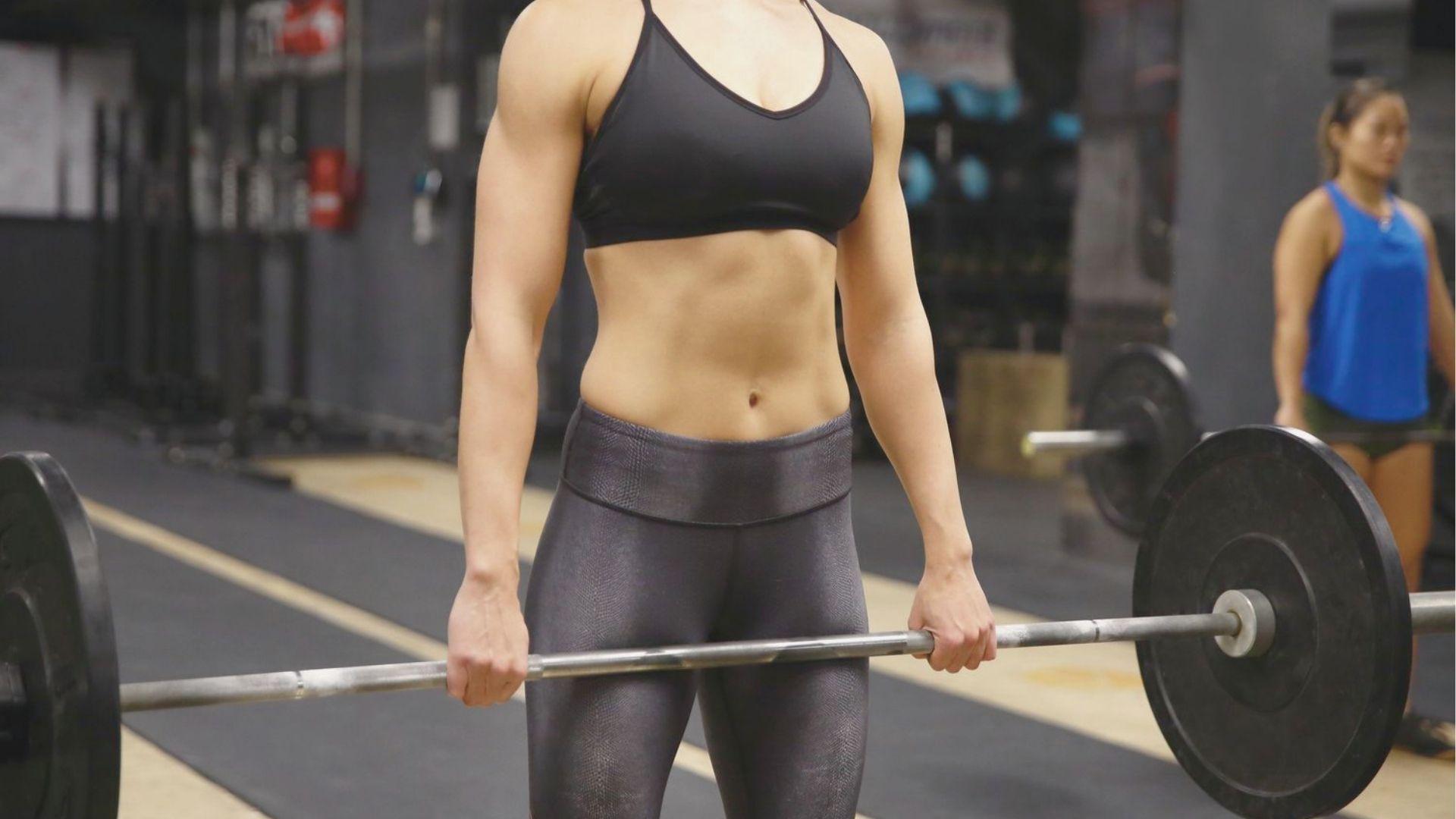
The hang clean is faster to set up, but every rep still needs full effort and sharp hip drive.
- Hold the bar at hip or knee height
- Hinge slightly at the hips, keeping the back flat
- Bend the knees a little
- Drive the hips forward fast and explosively
- Shrug hard and pull the bar upward
- Drop under the bar quickly
- Catch it in a front rack position
- Stand tall to finish the rep
The hang clean is faster to set up. Every rep starts from a standing hinge.
Common Mistakes to Avoid

These mistakes hurt both lifts:
- Letting the bar drift away from the body. Keep it close.
- Bending the arms too early. Arms should stay straight until the shrug.
- Not fully extending the hips. You need a full triple extension.
- Catching with low elbows. Elbows must stay high in the rack.
- Looking down during the pull. Keep your gaze forward.
Fix these early. Bad habits are hard to break.
The Problem With Improper Hang Clean Technique
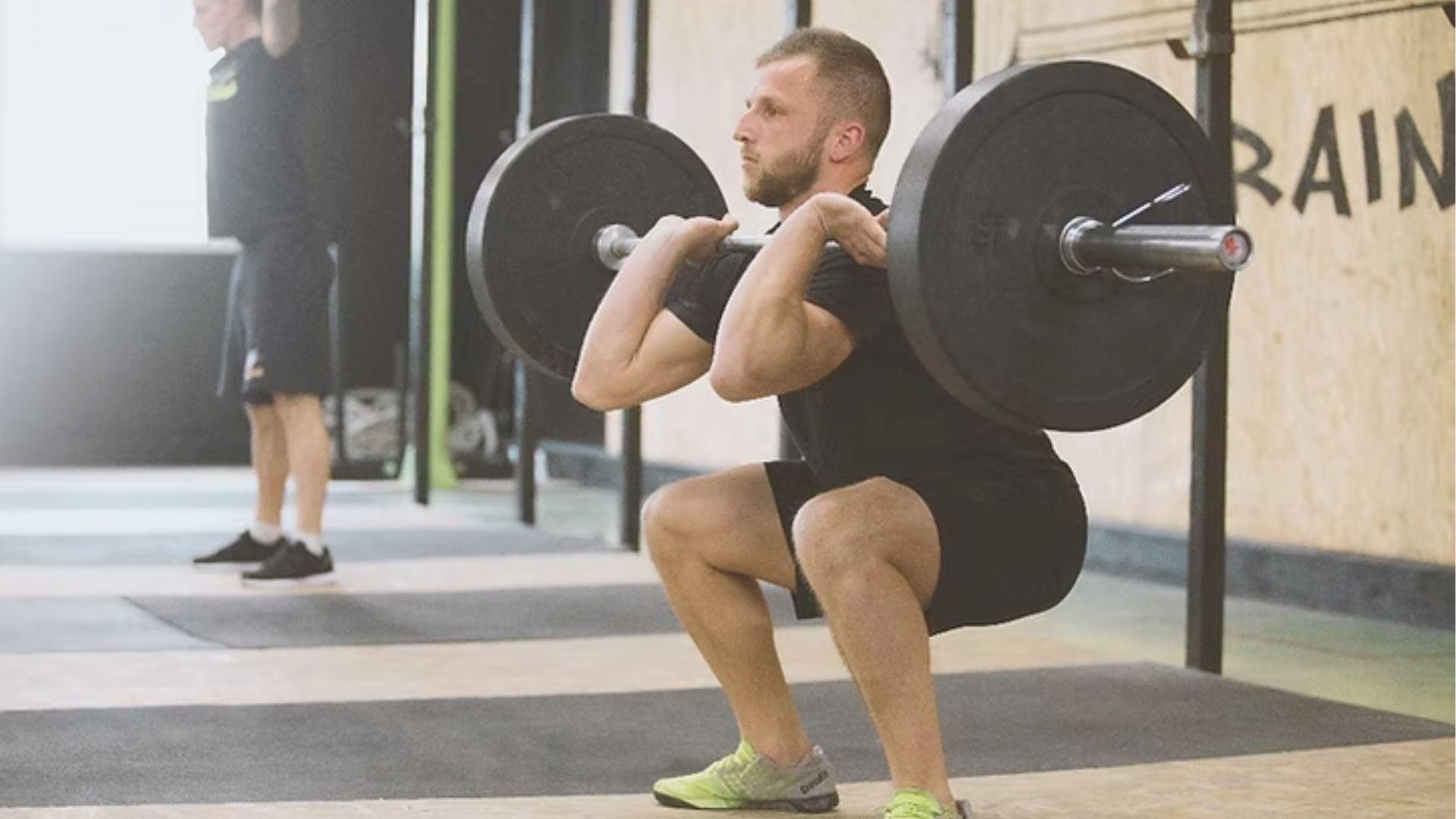
The hang clean looks simple. But poor form creates real problems. Here is what to watch out for.
What Is a Hip Clean?
A hip clean is what happens when someone only uses their hips and skips the full movement. They bang the bar with their hips and hope it floats up.
This is a shortcut, not a skill. It reduces control and can lead to bruising on the thighs or missed lifts.
Proper hang cleans use the hips as a driver, not a launching pad.
Why Excessive Arm Bend Reduces Efficiency
When you bend your arms too early, you take the power away from your legs and hips.
The arms should work like hooks. They hold the bar. The legs and hips do the lifting.
Early arm bend breaks the chain of power. The bar slows down. The lift becomes inefficient and harder.
How to Maintain Proper Triple Extension
Triple extension means your ankles, knees, and hips all extend at the same time.
This is the key to a fast, strong clean.
To do it right:
- Drive through the floor with your feet
- Push your knees forward, then extend them
- Drive your hips through completely
- Rise onto your toes as the bar reaches its peak
If any one of those three things is missing, you lose power.
Hang Clean vs Power Clean: Which Is Easier?
For most people, the hang clean is easier to learn. But easier does not mean simple.
The hang clean has fewer steps. Beginners can focus on hip drive without worrying about the floor pull setup. The power clean requires you to master the starting position, the first pull, and the second pull all at once. That takes more time.
Both lifts need good wrist, shoulder, and hip mobility. The power clean also needs solid ankle flexibility. The hang clean is more forgiving, but you still need a solid front rack to catch safely.
A few quick tips: Film yourself from the side. Practice the catch with just the bar. Work on wrist flexibility daily. Get coaching early before bad habits set in.
Hang Clean vs Power Clean: Which Is Better?
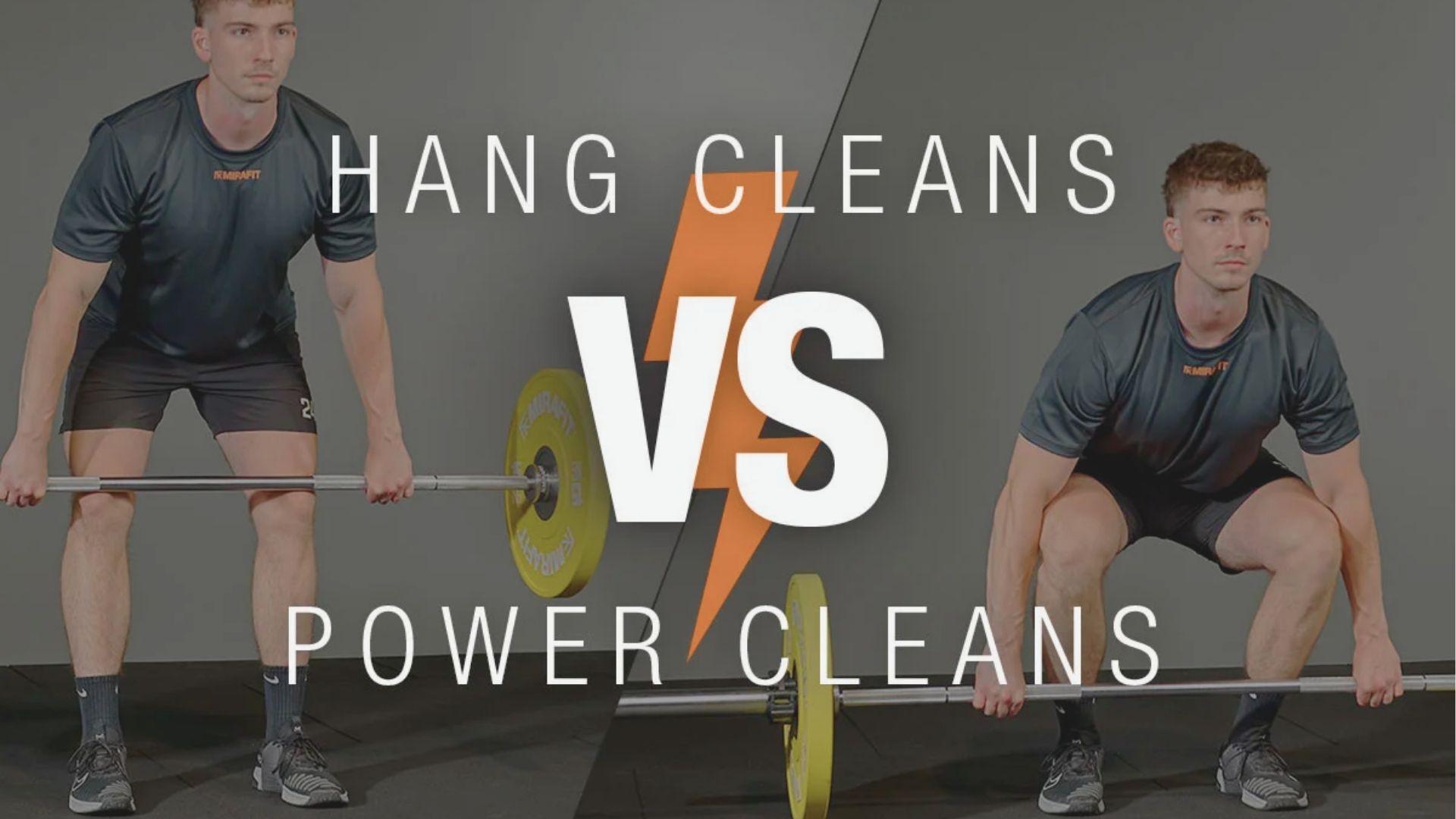
The honest answer is: it depends on your goal.
For raw strength and power, the power clean wins. The floor pull builds pulling strength that the hang clean simply cannot match.
For sport-specific performance, the hang clean often wins. Sprinting, jumping, and cutting all need quick hip extension. The hang clean trains exactly that, which is why many sports coaches prefer it.
For Olympic weightlifting, start with the hang clean. It teaches bar path, hip drive, and the catch without overwhelming you. Once it clicks, adding the floor pull becomes much easier.
Not sure which to pick? Start with the hang clean if you are a beginner or training for a sport. Move to the power clean when you want more pulling strength. Both lifts are excellent. Just pick the one that fits where you are right now.
Conclusion
Both the hang clean and the power clean are worth your time. I have used both in my own training and coaching, and they each have a place.
If I had to pick one for a beginner, I would say the hang clean every time. It is faster to learn and easier to feel.
But do not stop there. Work toward the power clean when you are ready.
Which one do you use in your training? Drop a comment below and let me know. If this helped you, share it with a training partner who needs to read this too.
Frequently Asked Questions
Can you do both the hang clean and the power clean in the same workout?
Yes, you can. Many programs pair them together. Just manage your volume so fatigue does not hurt your form.
Is the hang clean good for building muscle?
It does build muscle, especially in the traps, shoulders, and legs. But it is better for power and speed than for pure muscle mass.
How much weight should I start with for a power clean?
Start light, much lighter than you think. Focus on form first. Add weight only when your technique is solid and consistent.
Which lift is safer for people with lower back issues?
The hang clean puts less stress on the lower back because it skips the floor pull. Talk to a coach or physio before starting either lift.
How often should I train cleans each week?
Two to three times a week works well for most people. These are skill-based lifts, so practice and recovery both matter.