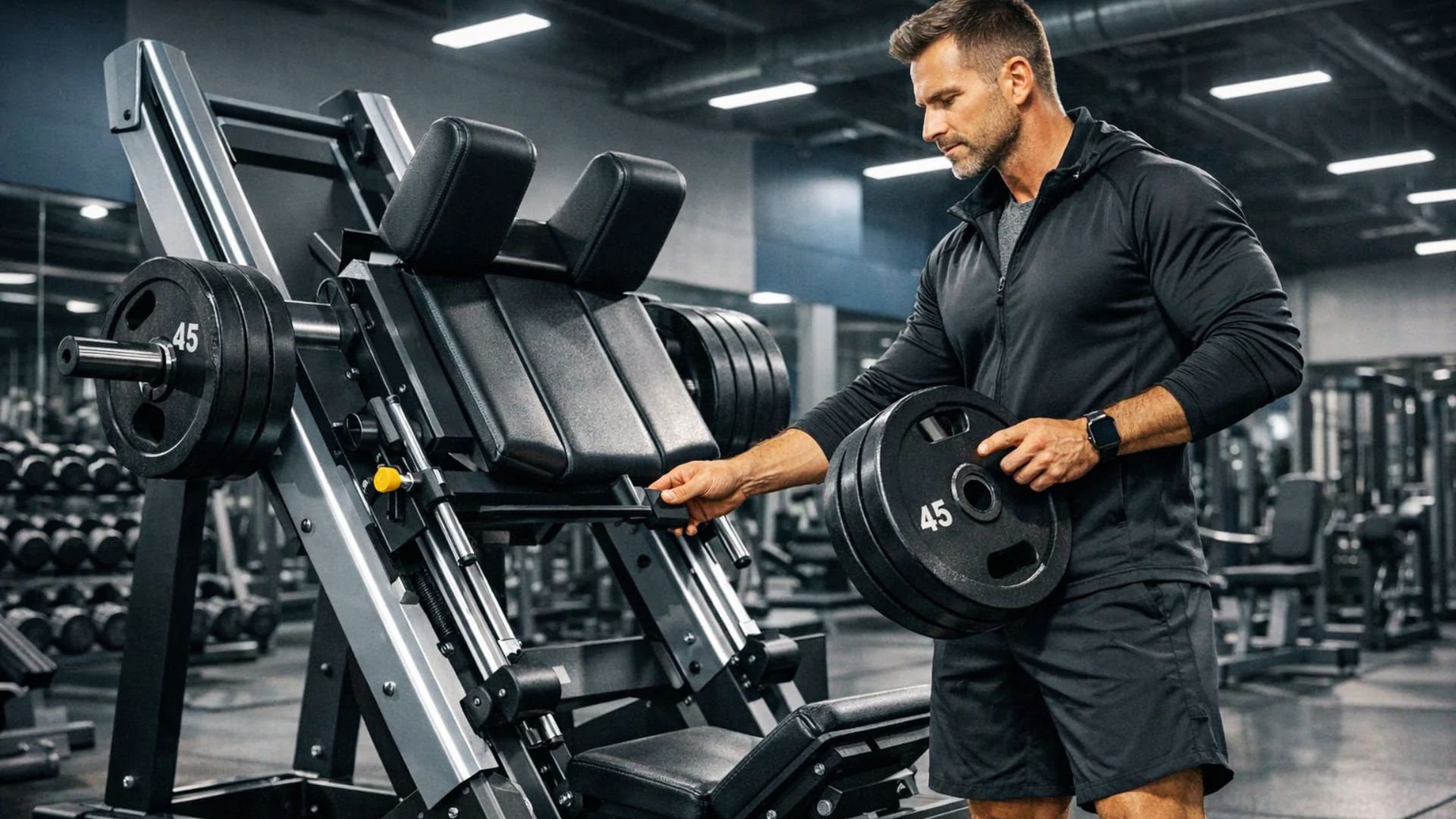
Most people never know if their hack squat weight is good, low, or actually impressive.
That gap in knowledge slows progress more than a bad program ever will.
I've been there. Loading plates with no real target is frustrating.
This blog covers hack squat weight benchmarks from beginner to elite, bodyweight comparisons, rep standards, and common mistakes that skew your numbers.
By the end, you'll know exactly where you stand and what to do next.
No fluff. Just clear, honest numbers you can actually use.
What Is a Good Hack Squat Weight?
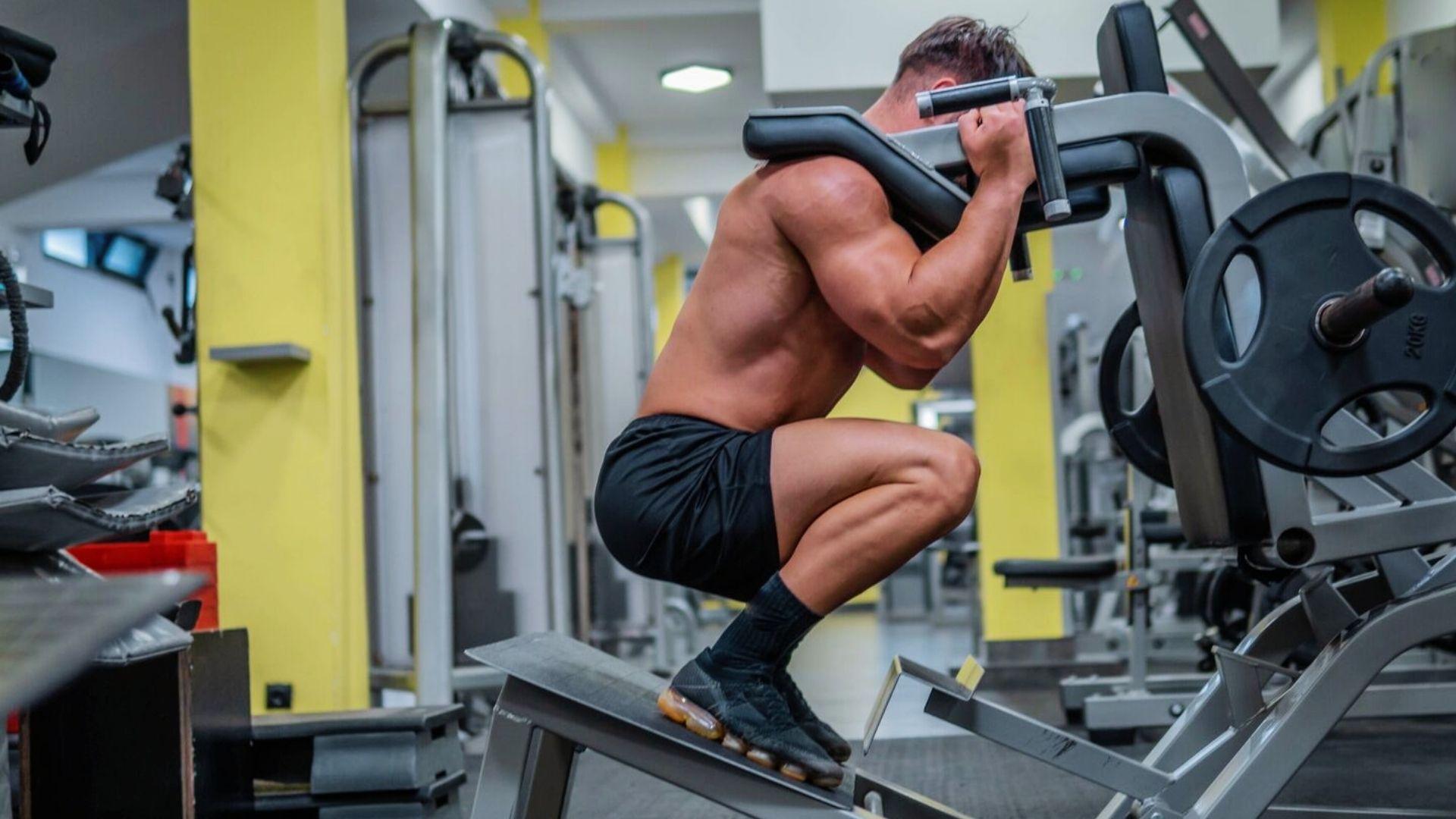
A good hack squat weight depends on your bodyweight, training age, and how well you control each rep.
For most beginners, starting with around 50% of their bodyweight on the machine is completely normal. Intermediate lifters usually move close to their full bodyweight or slightly more.
Advanced lifters often push 1.5 to 2 times their bodyweight. The machine angle and sled weight also play a role in how heavy the lift feels.
I always say: focus on steady, consistent progress. Adding a little weight each week, with clean form, is worth far more than chasing an impressive number too soon.
Hack Squat Weight Standards by Strength Level
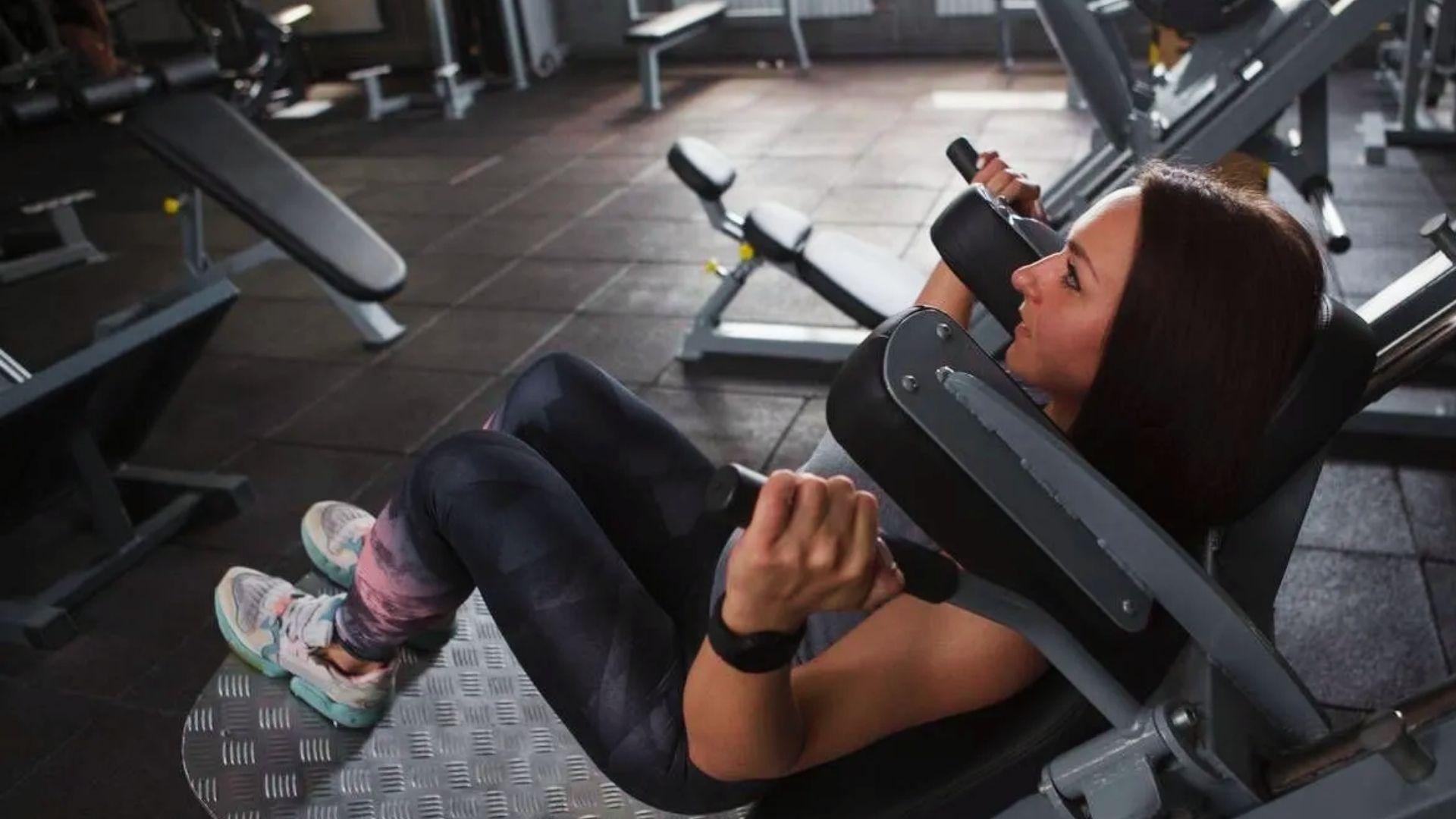
Here is where your current lift lands, from your very first session to your strongest set yet.
Beginner Hack Squat Benchmarks
A beginner has trained for less than six months. The goal here is learning the movement and building a foundation.
Most beginners load around 50 to 70 lbs (22 to 32 kg), not counting the sled. This number shifts based on body size.
Focus on full range of motion before adding plates. Getting your form right at this stage sets everything up for faster, safer progress later on.
Novice Hack Squat Benchmarks
A novice lifter has six months to one year of training under their belt. Strength grows fast at this point. Novice lifters typically handle 90 to 130 lbs (40 to 59 kg) on the machine.
You'll start feeling stronger every few weeks. This is also when comparing your numbers to others starts to feel tempting.
That's fine. Just keep your reps clean and add weight gradually without rushing the process.
Intermediate Hack Squat Benchmarks
After one to two years of consistent training, you hit the intermediate stage. Intermediate lifters usually load 150 to 220 lbs (68 to 100 kg).
Progress slows slightly but stays steady. At this level, your technique should feel natural. You can start mixing heavier days with higher-rep sessions.
This is also where programming and recovery start to matter more than they did early on.
Advanced Hack Squat Benchmarks
Advanced lifters have three or more years of focused, consistent training. They often load 250 to 350 lbs (113 to 159 kg) or more.
Strength gains come slower now, but muscle development is solid. Recovery, sleep, and nutrition play a bigger role at this stage.
Most advanced lifters have strong, well-developed quads and a clear sense of how their body responds to different training approaches.
Elite Hack Squat Benchmarks
Elite lifters represent the top end of performance. They load 400 lbs (181 kg) or more with full control.
This level takes years of focused, intelligent training. Not every lifter reaches elite status, and that's completely fine.
Even hitting the advanced range puts you well ahead of most people in the gym. These benchmarks give you a target, not a ceiling. Your own progress always comes first.
Average Hack Squat Weight by Bodyweight
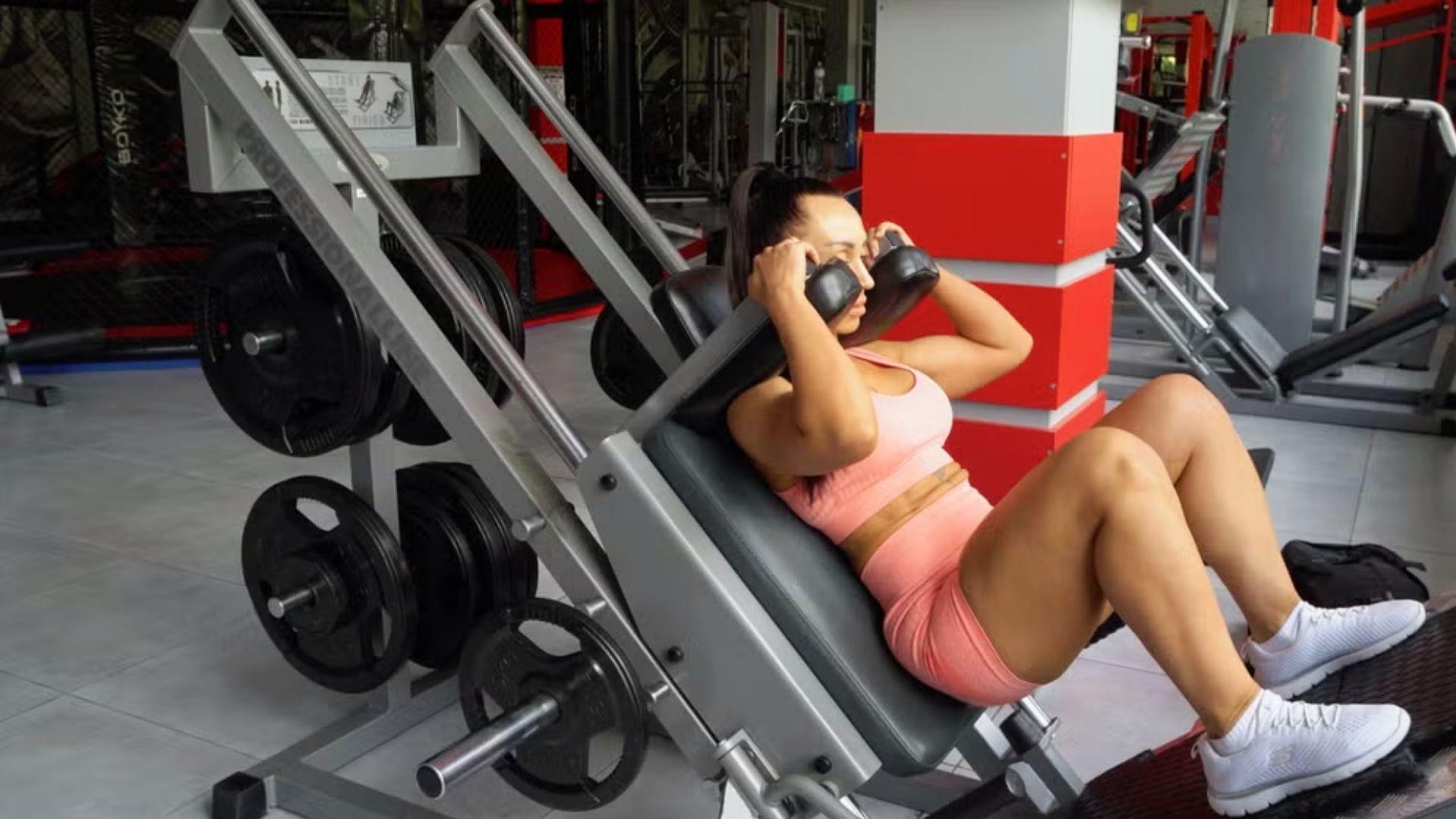
Your bodyweight plays a big role in how much you should realistically load on the hack squat machine.
Lightweight Lifters
Lightweight lifters, those under 130 lbs (59 kg), typically load 60 to 120 lbs at beginner to intermediate levels. Relative strength is what matters most here.
A lighter person moving 100% of their bodyweight is performing just as well as a heavier lifter doing the same.
Raw numbers can feel discouraging at this size. They shouldn't. Your strength-to-weight ratio tells the real story, not the plates on the machine.
Middleweight Lifters
Middleweight lifters fall between 130 and 200 lbs (59 to 90 kg). This is the most common group in most gyms.
At intermediate level, expect to load around 150 to 250 lbs on the machine. These numbers feel more impressive but also reflect a larger bodyweight.
The key is tracking your own progress week to week. If you're lifting more than you did last month, that counts as a real win.
Heavyweight Lifters
Heavyweight lifters over 200 lbs (90 kg) often move more total weight on the hack squat. Intermediate lifters in this range can handle 220 to 320 lbs.
But more total weight doesn't always mean more relative strength. A 250 lb person lifting 200 lbs is moving less than their bodyweight.
Context matters. Use bodyweight ratios for fair comparisons, and focus on improving that ratio over time rather than total load alone.
How to Compare Your Hack Squat Performance With Others
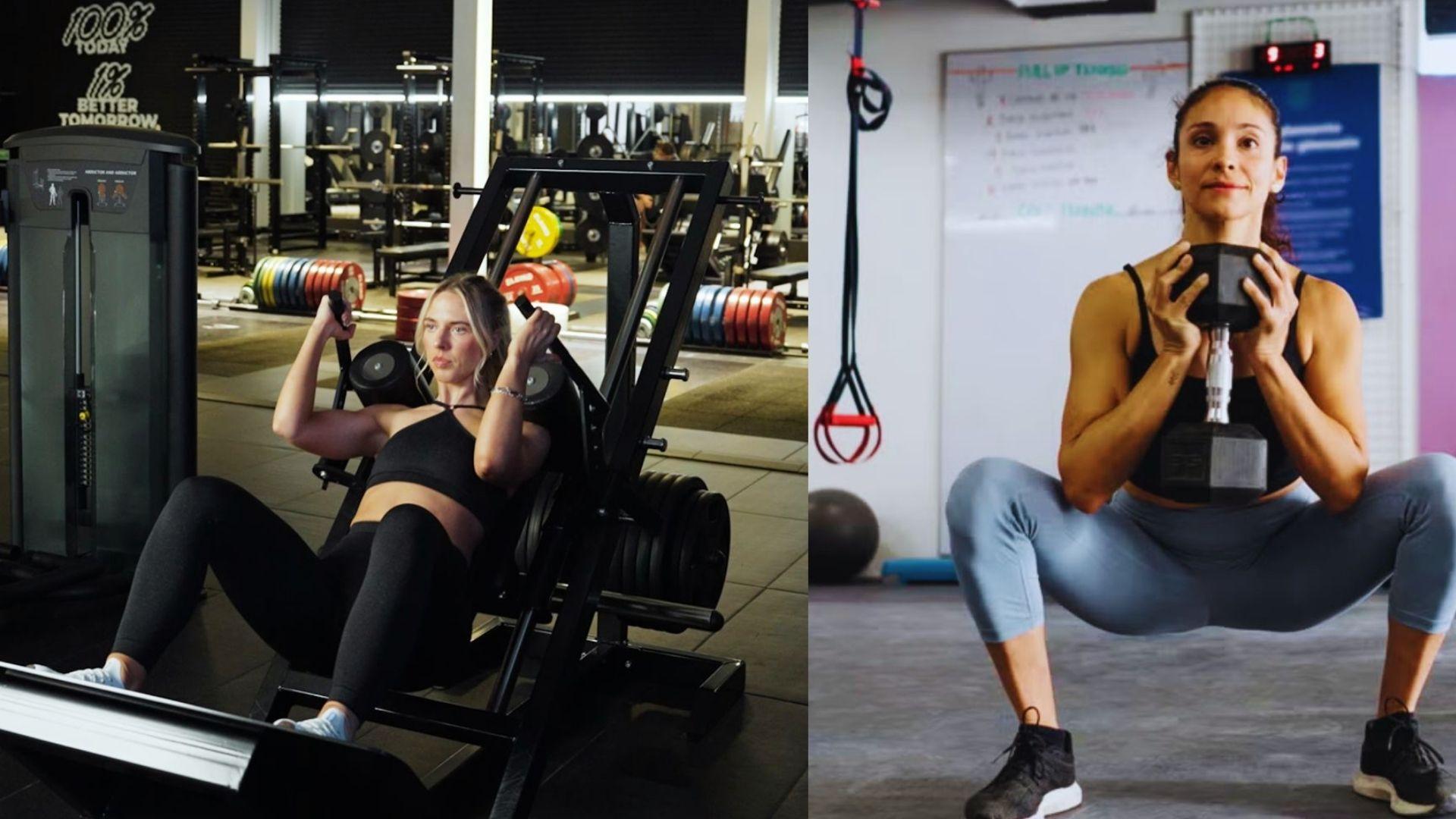
Comparing hack squat numbers is not as simple as looking at the total weight lifted off the machine.
Using One-Rep Max (1RM) Standards
Your one-rep max is the most you can lift for a single rep with good form. 1RM standards help you see where you fall among lifters at your level.
To estimate your 1RM, use a standard calculator based on your working weight and rep count. For example, 200 lbs for 8 reps puts your estimated 1RM at around 266 lbs.
Use this number to compare against published benchmarks accurately.
Comparing Lifters Fairly by Bodyweight
Raw totals don't tell the full story. A fair comparison always accounts for body weight. Divide your hack squat load by your bodyweight to get a ratio.
For example, 180 lbs lifted at 150 lb bodyweight equals a 1.2x ratio. Use this ratio when checking yourself against benchmarks.
It puts lifters of different sizes on equal ground and gives you a more honest read on your actual strength level.
Machine Differences Affect Hack Squat Numbers
Not all hack squat machines work the same way. The angle of the pad, sled weight, and footplate position all change how difficult the lift feels.
Some sleds weigh over 75 lbs. Others are nearly weightless. Always check whether benchmark numbers include or exclude sled weight.
A fair comparison requires using similar machine setups or adjusting your numbers to account for these differences before drawing any conclusions.
Importance of Full Range of Motion
Depth matters more than the weight you load. A half-rep with heavy weight is not the same as a full rep with less.
Full range of motion means your hips drop low, your knees track properly, and your heels stay flat throughout the movement.
Partial reps inflate your numbers without building equal strength or muscle. When comparing your hack squat to any benchmark, always make sure your reps go to full depth.
Most Common Hack Squat Rep and Set Standards
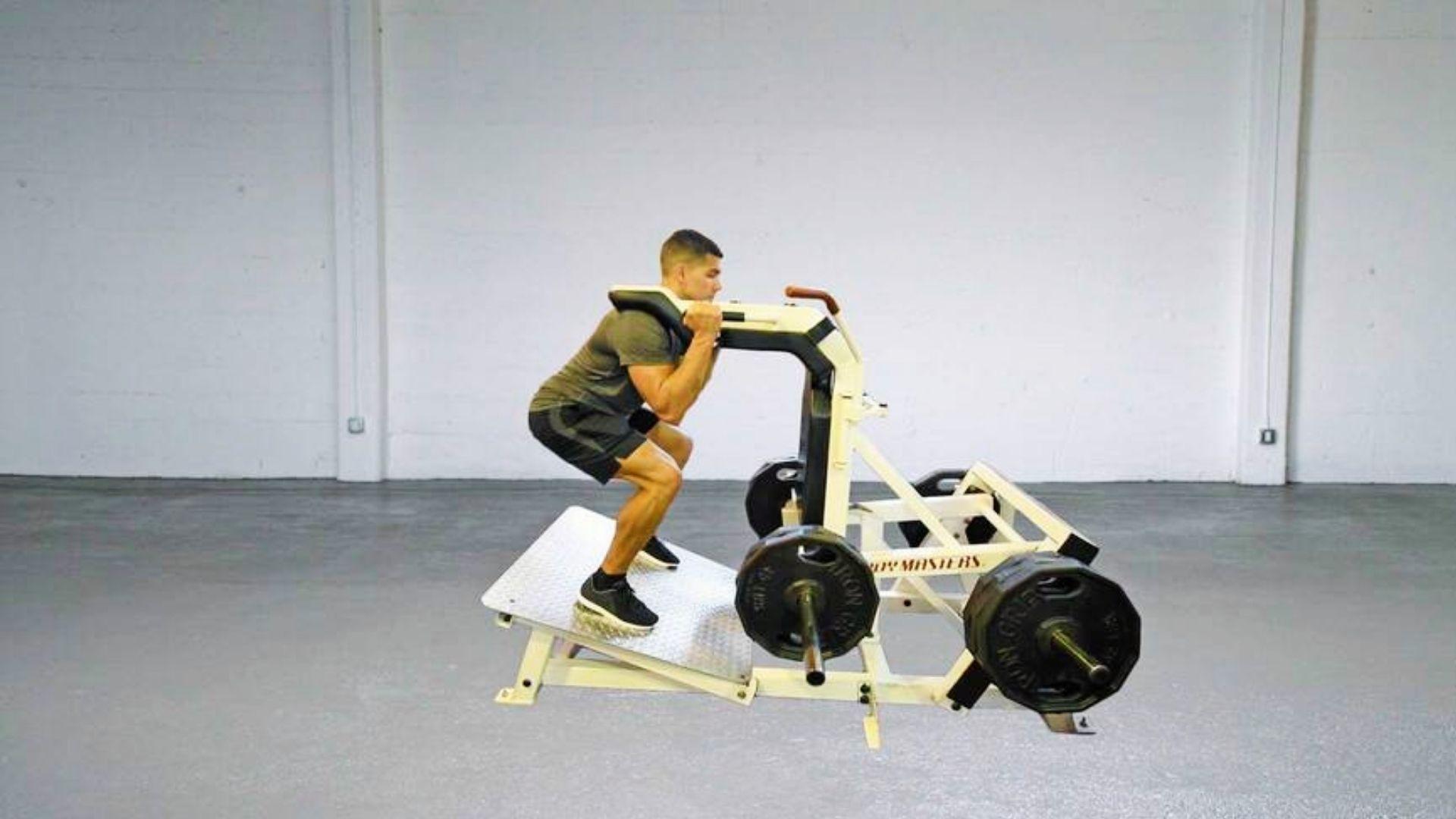
The rep and set range you train in shapes how much weight you should load on the hack squat each session.
3×10 Training Standard
Three sets of 10 reps is one of the most widely used training formats for a reason. It builds both strength and muscle size at the same time.
Choose a weight you can control cleanly across all 30 reps. If you fail before rep 8 on your third set, the weight is too heavy.
If all 10 feel easy in every set, add 5 to 10 lbs next session. This format suits most intermediate lifters well and builds a strong base.
3×8 Strength-Focused Training
Three sets of 8 reps shifts the focus toward building raw strength. You'll load more weight here than in a 10-rep range.
The goal is still controlled reps, but the heavier load pushes your muscles harder. Rest at least two minutes between each set.
I personally notice stronger leg fatigue and a better training effect at this rep range. It's a solid step up once you're comfortable and consistent with the 3×10 format.
3×12 Hypertrophy Training
Three sets of 12 reps targets muscle growth directly. You'll use slightly less weight than a 3×8 setup, but the total work done is higher.
Keeping the muscle under tension longer drives size gains. Choose a weight where the last two reps of each set feel genuinely hard.
If you breeze through all 36 reps, add weight next session. This range is great for building quad size without putting too much stress on your joints.
Choosing the Right Weight for Your Goal
Your goal determines your rep range and the load you choose. Strength training calls for heavier weight and fewer reps.
Muscle building calls for moderate weight and more reps. Start lighter than you think you need to. Build solid form first, then add load.
I recommend staying on one rep range for at least four weeks before switching. Consistency in your format gives you better data on what's actually working for your body.
Common Mistakes When Comparing Hack Squat Numbers
These mistakes are more common than you think and can throw off your progress tracking.
- Comparing different machines: Sled weights vary widely, making the same plate load feel completely different across machines.
- Using partial reps: Going halfway down inflates your numbers but does not reflect true strength or fair comparison.
- Ego lifting over form: Loading too much risks injury and gives you nothing accurate to track.
- Ignoring progress logs: Not recording your sessions leaves you with no real baseline to measure growth.
- Skipping warm-ups: Jumping straight to working weight leads to weaker performance and inaccurate reads on your true capacity.
Fix these first. Your numbers will mean a lot more.
Conclusion
I spent months on the hack squat with zero clarity on where I stood. Once I used real benchmarks, everything changed.
Now you have those same numbers.
Start where you are. Add weight every week. Focus on full reps over heavy partials. Your hack squat weight will grow if you stay consistent.
Drop a comment below. Tell me your current level. And if this helped, share it with someone who needs it.
Frequently Asked Questions
What is the average hack squat weight for a beginner?
Most beginners load around 50 to 70 lbs on the hack squat machine, not including the sled weight.
Is hack squat weight the same as barbell squat weight?
No. Most people lift more on the hack squat machine because the angle and support reduce the load on stabilizer muscles.
Should I count the sled weight in my hack squat total?
Yes. Always include the sled weight in your total so your numbers stay accurate and comparable across sessions.
How often should I test my hack squat max?
Testing your one-rep max every six to eight weeks gives you clear progress data without adding too much stress to your body.
Can my hack squat weight be higher than my leg press weight?
Yes, in some cases. Machine design and range of motion differences mean the two exercises don't follow the same weight ratio for every lifter.