
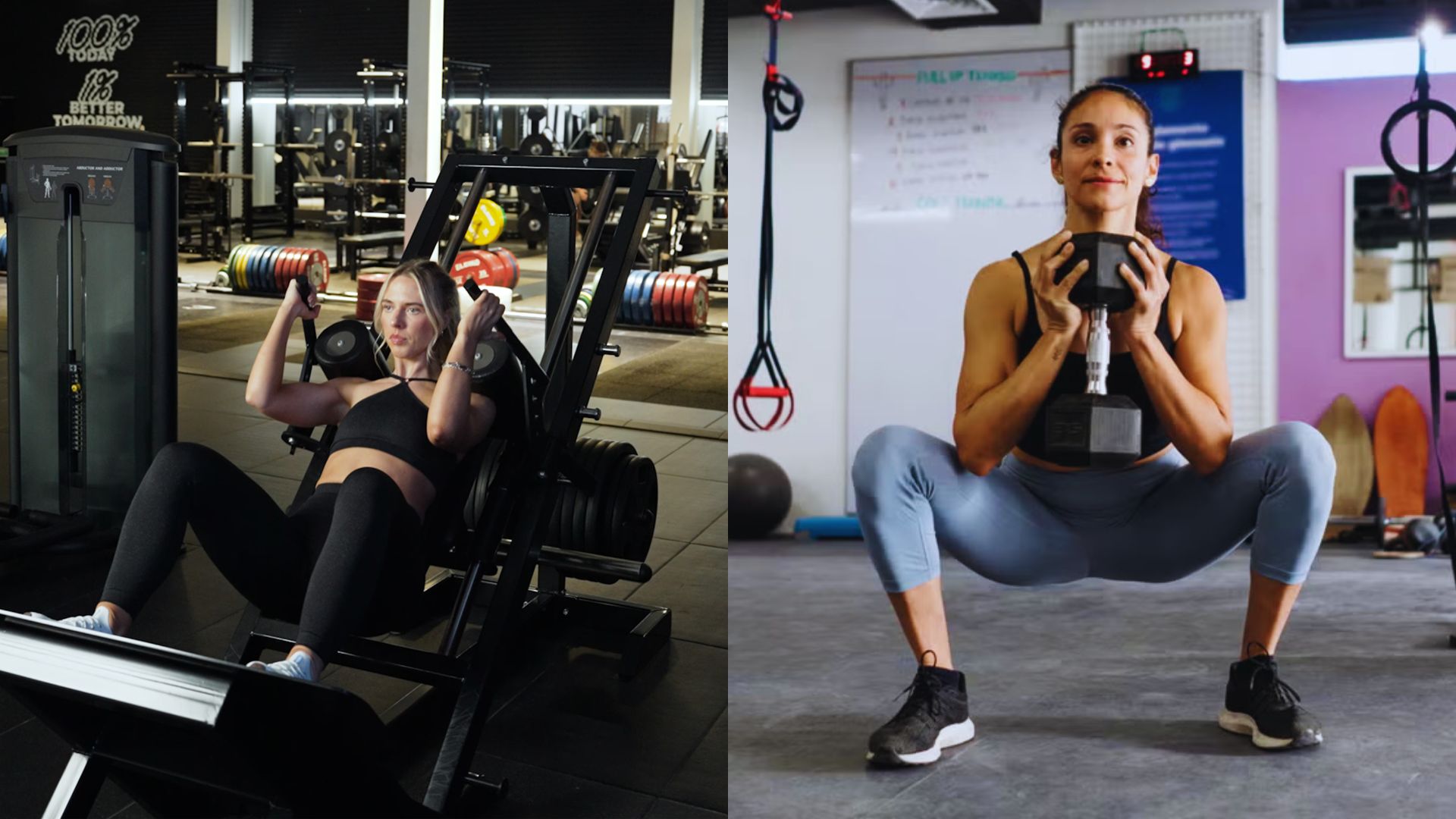
I’ve spent years testing leg exercises, and the hack squat vs squat debate still confuses lifters daily. You want bigger, stronger legs but don’t know which move fits your goals.
This guide breaks down both exercises in plain English. You’ll learn exactly what each one does for your muscles. I’ll show you proper form and common mistakes to avoid.
I’ve trained hundreds of people through these movements, so you’re getting real gym experience here.We’ll cover machine setup, muscle activation, and injury risks.
By the end, you’ll know which squat matches your fitness level. You’ll also get actionable tips you can use in your next workout.
Let me help you make the right choice for your legs.
What Is a Hack Squat?

The hack squat uses a specialized machine to target your leg muscles. This isn’t your typical squat.
The machine guides every inch of your movement, so you focus purely on pushing weight.
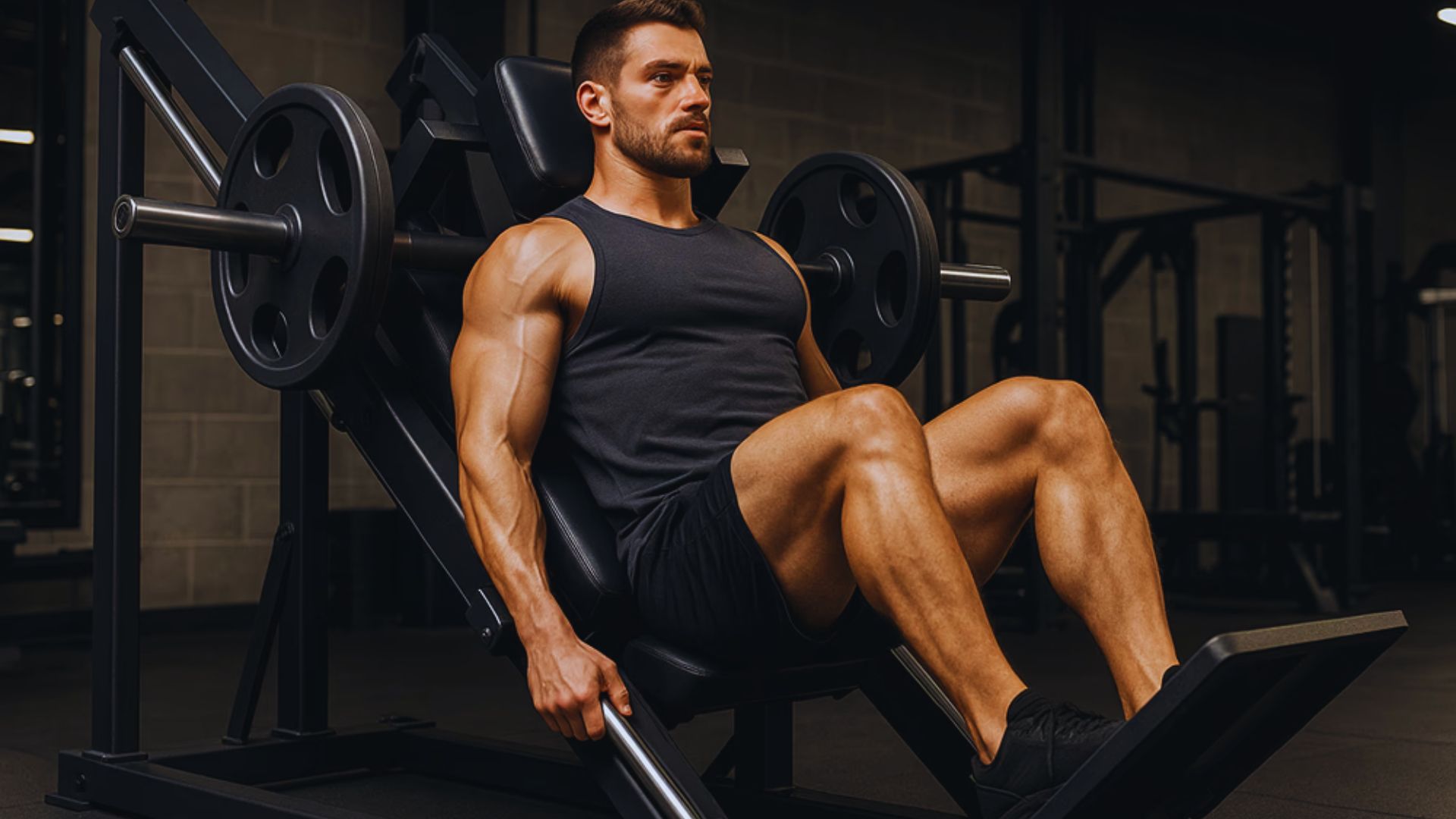
Your back rests against a padded support. Your shoulders press into cushioned pads. The machine tracks your path at roughly 45 degrees, removing the balance challenge completely.
How Hack Squats Work
The hack squat machine does most of the stabilizing work for you.
Machine-guided movement means the weight travels on a fixed track. You can’t tip forward or backward. The path is set.
Your body gets supported by thick pads and steel rails. This takes pressure off your lower back. You’re not fighting to stay upright like with free weights.
The angled platform (around 45 degrees) changes everything. You don’t need perfect balance. Beginners can load up weight without worrying about falling over.
Muscles Targeted
Hack squats hit your quads hard. I mean really hard.
Your quadriceps get the most work. All four sections fire up: vastus lateralis, vastus medialis, vastus intermedius, and rectus femoris.
Glutes and hamstrings help out but play second fiddle. They assist the movement without taking center stage.
Core activation stays minimal. The machine handles stability, so your abs barely wake up during the lift.
Benefits of Hack Squats
This exercise shines for quad development.
- Quad isolation and definition come fast. The machine angle puts maximum tension on your front thigh muscles. You’ll see that teardrop shape develops over time.
- Safer for beginners and injury recovery. Fixed movement means less can go wrong. You can rebuild strength without risking re-injury.
- Form stays easier to maintain. You can’t lean too far forward. The pads keep you locked in the proper position.
- High-intensity techniques work great here. Drop sets and rest-pause sets are safer on the machine. You can push to failure without a spotter.
What Is a Traditional Squat?
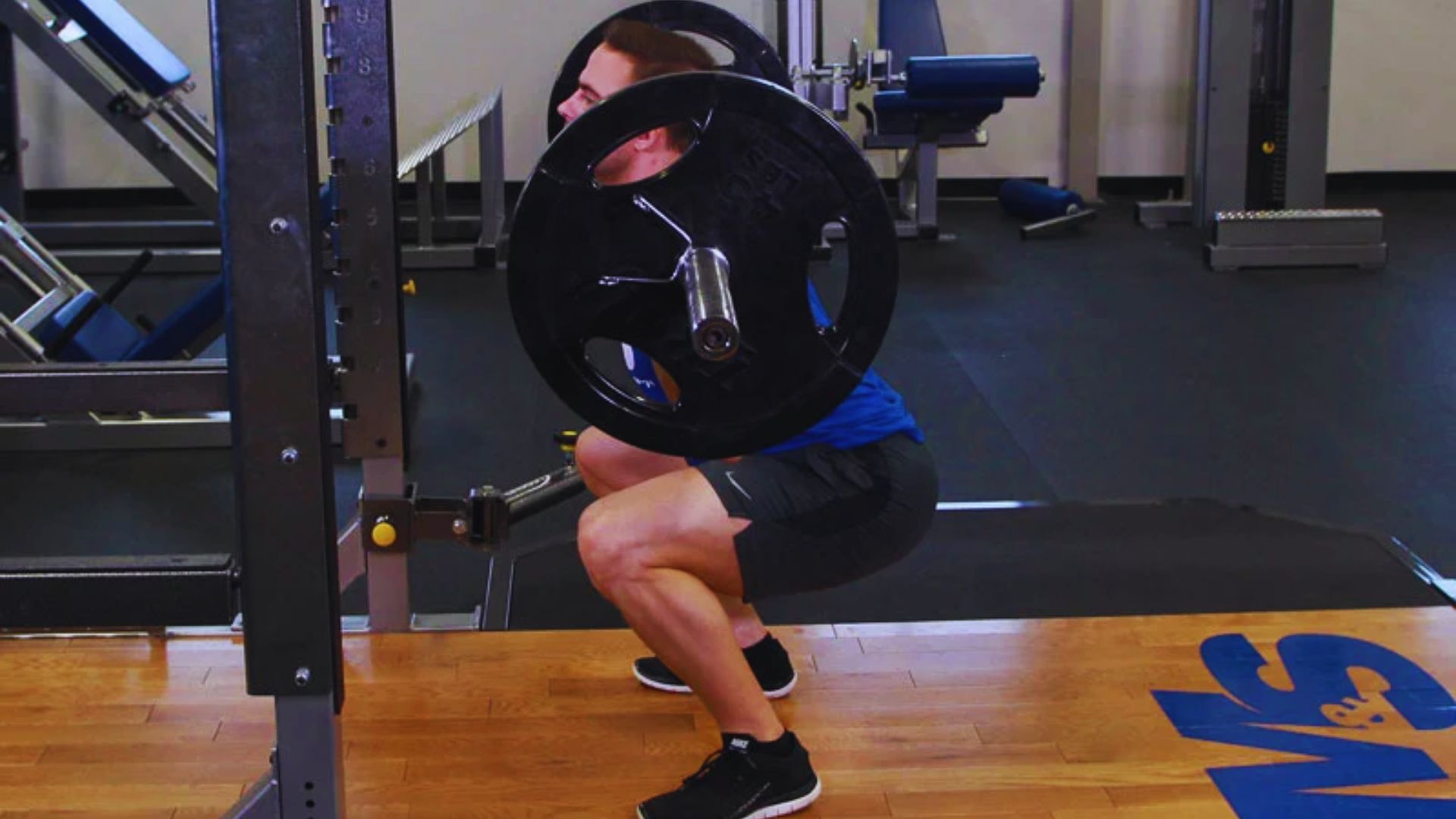
The traditional squat is the king of leg exercises. No machines. No guides. Just you and the weight.
You stand with a barbell on your back (or dumbbells in your hands, or just bodyweight). Then you drop down and drive back up. Sounds simple, but it demands total body control.
How Traditional Squats Work
Traditional squats require your entire body to work as one unit.
Free-weight exercise means nothing holds you in place. You can use a barbell, dumbbells, or just your bodyweight. The challenge is real either way.
Full-body coordination and balance separate this from machine work. Your brain fires signals to dozens of muscles just to keep you from tipping over.
Synchronized hip, knee, and ankle movement happens with every rep. All three joints bend together, then extend together. One weak link and the whole chain breaks.
Muscles Targeted
Squats work more muscles than almost any other exercise.
Quads, hamstrings, and glutes share the workload. No single muscle hogs the spotlight. Your entire lower body fires up.
Core and stabilizer muscles earn their keep here. Erector spinae, obliques, and transverse abdominis lock your spine in place. Without them, you’d fold like a lawn chair.
Full-body engagement builds functional strength. This isn’t just about looking good. You’re teaching your body to move like a coordinated machine.
Benefits of Traditional Squats
The payoff for mastering squats goes beyond the gym.
- Overall leg and core strength improve together. You’re not just building quads. Your entire midsection gets stronger with every set.
- Balance, coordination, and posture all level up. You’ll notice it walking upstairs or picking up heavy boxes.
- Functional carryover to daily life is huge. Squats mirror natural human movement patterns. Jumping, running, lifting, all get easier.
- Heavy squats trigger testosterone and growth hormone release. Your whole body benefits, not just your legs.
Hack Squat vs Squat – Key Differences
Here’s how these two exercises stack up side by side:
| Feature | Hack Squat | Traditional Squat |
|---|---|---|
|
Equipment |
Specialized machine with rails and pads |
Barbell, rack, or just bodyweight |
|
Balance Required |
Minimal (machine provides stability) |
High (full body stabilization needed) |
|
Muscles Worked |
Primarily quads, some glutes/hamstrings |
Quads, glutes, hamstrings, core, stabilizers |
|
Learning Curve |
Easy (beginners learn in minutes) |
Complex (takes weeks or months to master) |
|
Injury Risk |
Lower acute risk, possible knee stress from fixed path |
Higher risk without proper form, lower chronic risk with training |
|
Core Engagement |
Very low |
Very high |
|
Functional Carryover |
Limited |
Excellent for daily activities |
|
Weight Capacity |
Can load heavier safely |
Limited by balance and form |
How to Perform Hack Squats and Squats
Let me walk you through both movements step by step.
Hack Squat Technique
Place your feet shoulder-width apart on the platform. Position your shoulders snug under the pads. Your back should press flat against the backrest.
Lower yourself in a controlled descent. Knees should track over your toes. Drop until your thighs reach at least parallel to the platform.
Drive through your heels and midfoot. Push the platform away until your legs are almost straight. Don’t lock out completely at the top.
Traditional Squat Technique
A high bar sits on your traps. The low bar rests on your rear delts. Stance should be shoulder-width or slightly wider.
Brace your core hard before descending. Lower by pushing your hips back and bending your knees together. Your chest stays up.
Descend until your hip crease drops below your knee. Drive up by pushing through your whole foot. Everything should rise together.
Safety Tips
Staying injury-free lets you train for years.
- Warm up before squatting. Five to ten minutes of light cardio and leg swings prepare your muscles.
- Start with light weights to master form. Perfect technique beats heavy weight with sloppy form.
- Keep knees aligned. Avoid inward collapse. This stresses your knee ligaments.
- Maintain a neutral spine. No rounding or excessive arching.
- Progress gradually. Add five to ten pounds per week maximum.
Conclusion
I’ve shown you the real differences between hack squats and traditional squats. Both build strong legs, but they work in completely different ways.
I personally use both in my training. Hack squats when I want to hammer my quads without taxing my lower back. Traditional squats when I need full-body strength.
Start with the one that matches your current skill level. Master it, then add the other. Your legs will thank you.
Drop a comment below telling me which squat you’ll try first. Or share this with a gym buddy who needs to see it.
Frequently Asked Questions
Which burns more calories: hack squat or traditional squat?
Traditional squats burn more calories because they engage more muscle groups. Your core, stabilizers, and upper body all work harder, leading to higher energy expenditure per set.
Can I build big legs with just hack squats?
Yes, but you’ll miss out on hamstring and glute development. Hack squats focus heavily on quads. Add Romanian deadlifts or leg curls to balance your leg training.
Are hack squats bad for your knees?
Not inherently, but the fixed movement path can stress knees if your natural pattern differs. Adjust foot position to reduce discomfort. If pain persists, switch to free-weight variations.
How deep should I go on hack squats?
Aim for thighs parallel to the platform or slightly below. Going deeper increases quad activation but also raises knee stress. Find a depth that feels strong without joint pain.
Should beginners start with hack squats or traditional squats?
Beginners benefit from starting with hack squats for initial leg strength. The machine teaches the squatting pattern safely. After four to six weeks, introduce bodyweight squats to build balance.