
My grip used to fail before my back did on every single row. I blamed my technique, my programming, everything except the obvious problem.
My forearms were undertrained and I had been ignoring them for years.
The fix was simpler than I expected. Forearm workouts with dumbbells, done consistently, changed everything.
Stronger grip, better arm balance, and noticeably more control on every lift. And I did not need a single machine to get there. Forearm workouts with dumbbells at home work just as well.
So what are the best moves and how do you actually put them together? Let’s get into it.
Why Forearm Workouts with Dumbbells Are Important
Most people train biceps, triceps, and shoulders but completely ignore their forearms.
That creates a visible imbalance and a functional weakness that shows up in almost every other lift. Strong forearms support everything from deadlifts to pull-ups to carry movements.
Grip strength is one of the most practical forms of strength you can build. It affects how well you hold a barbell, carry groceries, open jars, and perform daily tasks.
Weak forearms limit your performance in other exercises long before those muscles actually give out.
Dumbbells are particularly well-suited for forearm training because they allow wrist rotation and a wide range of motion that machines restrict.
You can train the flexors, extensors, and rotators all with the same pair of dumbbells. No cables, no attachments needed.
The injury prevention benefit matters too. Stronger forearms reduce strain on your wrists and elbows during pressing and pulling movements.
Building them properly keeps your joints healthier over the long term.
15 Best Forearm Workouts with Dumbbells
These fifteen exercises cover every part of your forearm.
Flexors, extensors, grip endurance, and rotational strength all get targeted across this list. Work through them, find what works for your body, and build from there.
1. Seated Wrist Curls

Sit on a bench with your forearms resting on your thighs, palms facing up, and a dumbbell in each hand. Let your wrists drop slightly, then curl them upward as far as they will go.
This move directly targets the forearm flexors, the muscles on the inner side of your forearm. Slow reps with a deliberate pause at the top create significantly more tension than fast, sloppy curls.
Three to four sets of fifteen to twenty reps works well here. The forearms respond well to higher rep ranges and time under tension.
2. Reverse Wrist Curls

Same position as seated wrist curls but flip your grip so your palms face down. Now curl your wrists upward against the resistance.
This targets the forearm extensors on the outer side of your forearm. Most people neglect this side entirely, which creates imbalances that can lead to wrist and elbow discomfort over time.
Pairing reverse wrist curls with regular wrist curls in the same session gives you complete forearm development from both sides.
3. Hammer Curls

Hold two dumbbells with a neutral grip, thumbs pointing up. Curl them up toward your shoulders without rotating your wrists throughout the movement.
The neutral grip shifts the emphasis away from the biceps and onto the brachioradialis, the thick muscle that runs along the outer forearm. This is one of the best forearm workouts with dumbbells for building that visible outer forearm thickness.
Keep your elbows pinned to your sides and avoid swinging. The stricter the form, the more your forearms work.
4. Zottman Curls
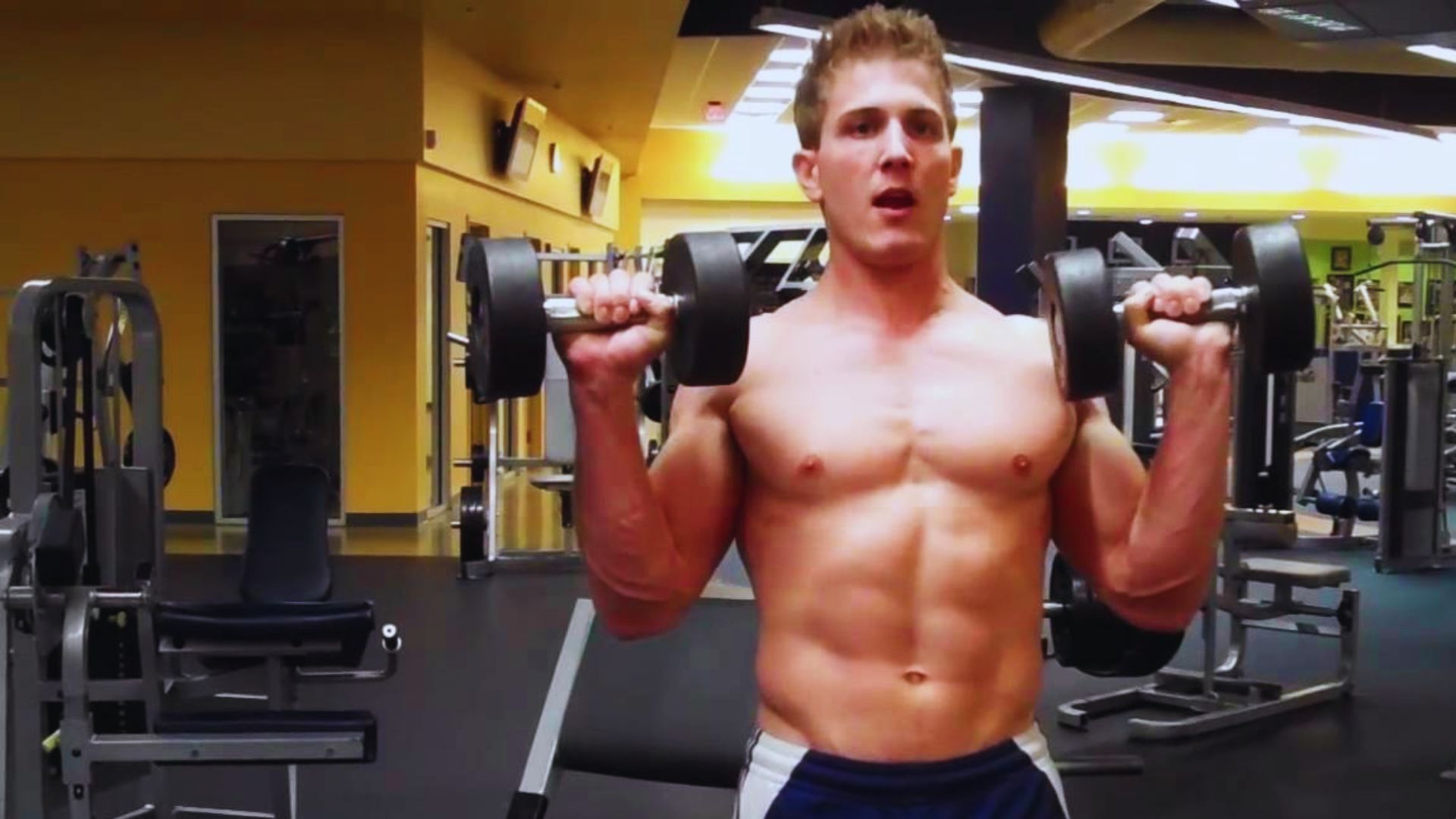
Curl the dumbbells up with a supinated grip, palms facing up. At the top, rotate your wrists so your palms face down, then lower slowly in that overhand position.
This combination movement works both the flexors on the way up and the extensors on the way down. It is one of the most efficient forearm workouts with dumbbells because it covers both sides of the forearm in a single exercise.
The lowering phase is where most of the forearm work happens. Do not rush it.
5. Farmer’s Walk with Dumbbells
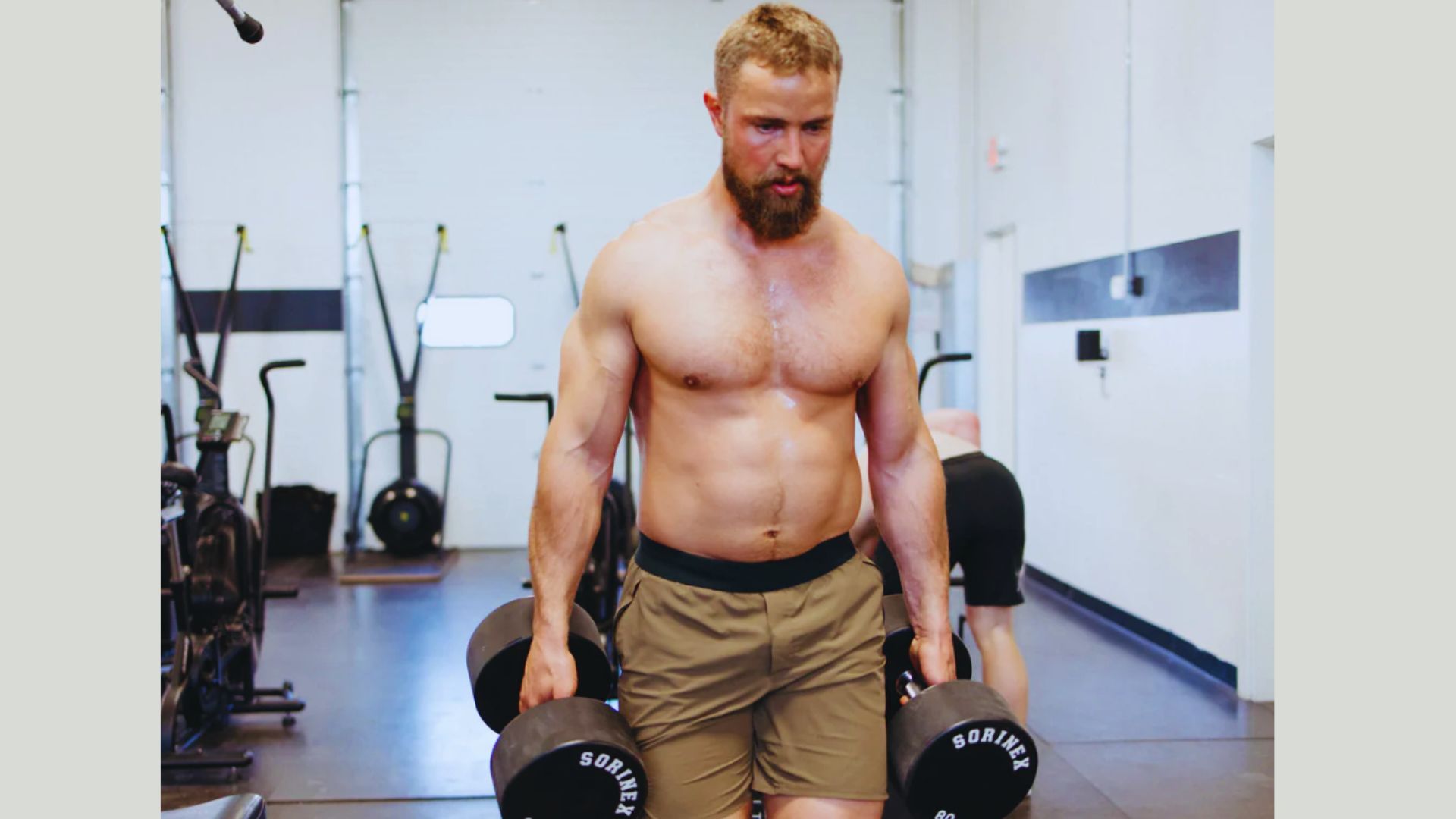
Pick up two heavy dumbbells, stand tall, and walk. That is the whole exercise. Simple, brutally effective, and one of the best forearm workouts with dumbbells for building grip endurance.
The sustained hold forces your grip to work continuously for the entire duration of the walk. Your forearms fatigue in a way that isolated curls simply cannot replicate.
Walk for twenty to thirty metres, rest, and repeat. Use the heaviest dumbbells you can hold without your form collapsing.
6. Wrist Rotations

Hold a single dumbbell vertically with one hand. Slowly rotate your wrist through a full range of motion, moving from fully supinated to fully pronated and back.
This works the rotator muscles of the forearm that most exercises completely miss. It also improves wrist mobility, which makes every other forearm and arm exercise feel more comfortable.
Use a light dumbbell here. This is about control and range of motion, not load.
7. Reverse Curls
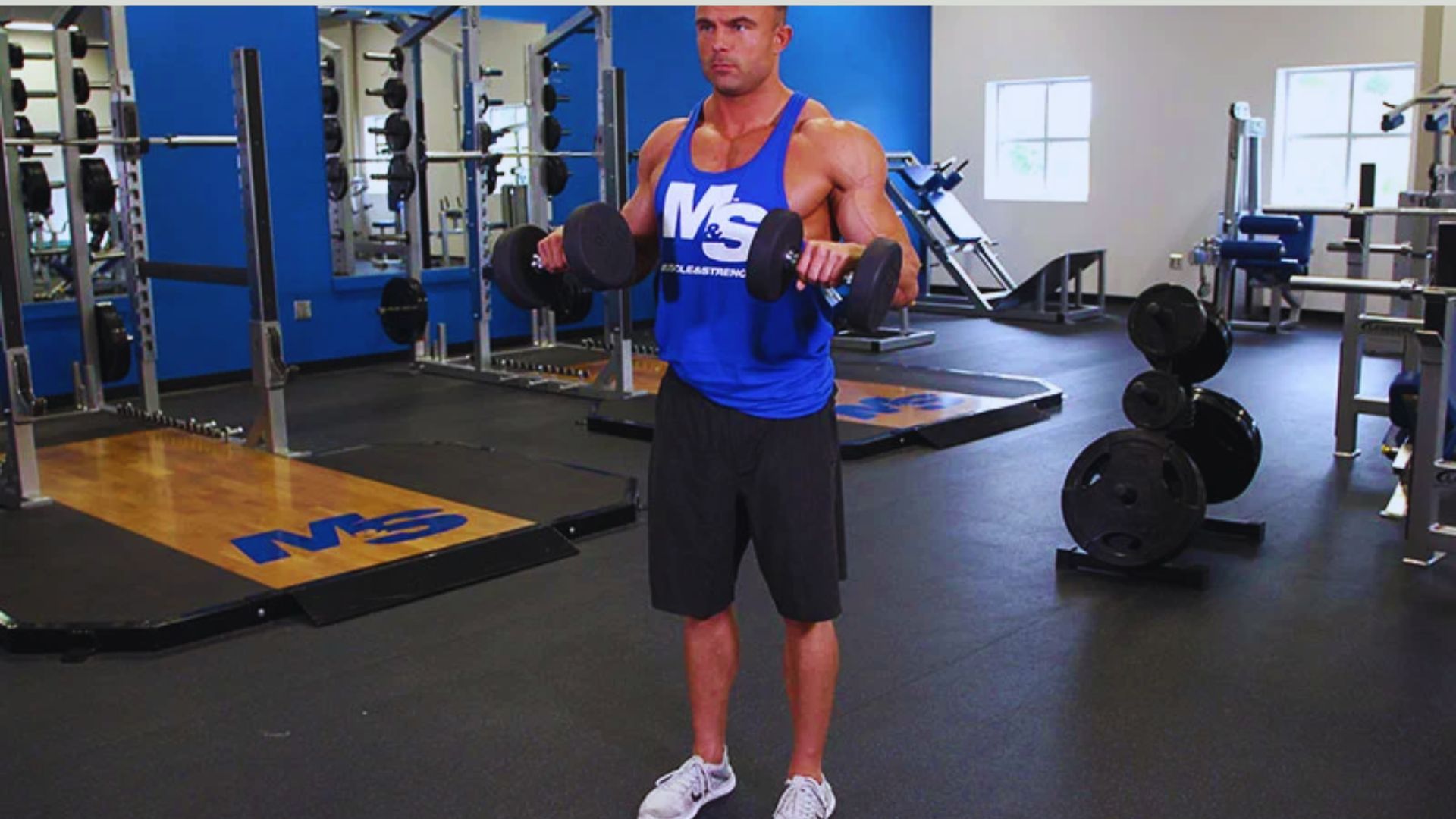
Hold dumbbells with an overhand grip, palms facing the floor. Curl them up toward your shoulders while keeping that overhand position throughout.
This targets the upper forearm and brachioradialis more directly than standard curls. It is harder than it looks because the overhand grip removes your biceps from the movement significantly.
Start lighter than you think you need to. Your forearms will fatigue faster than expected with this grip.
8. Behind-the-Back Wrist Curls
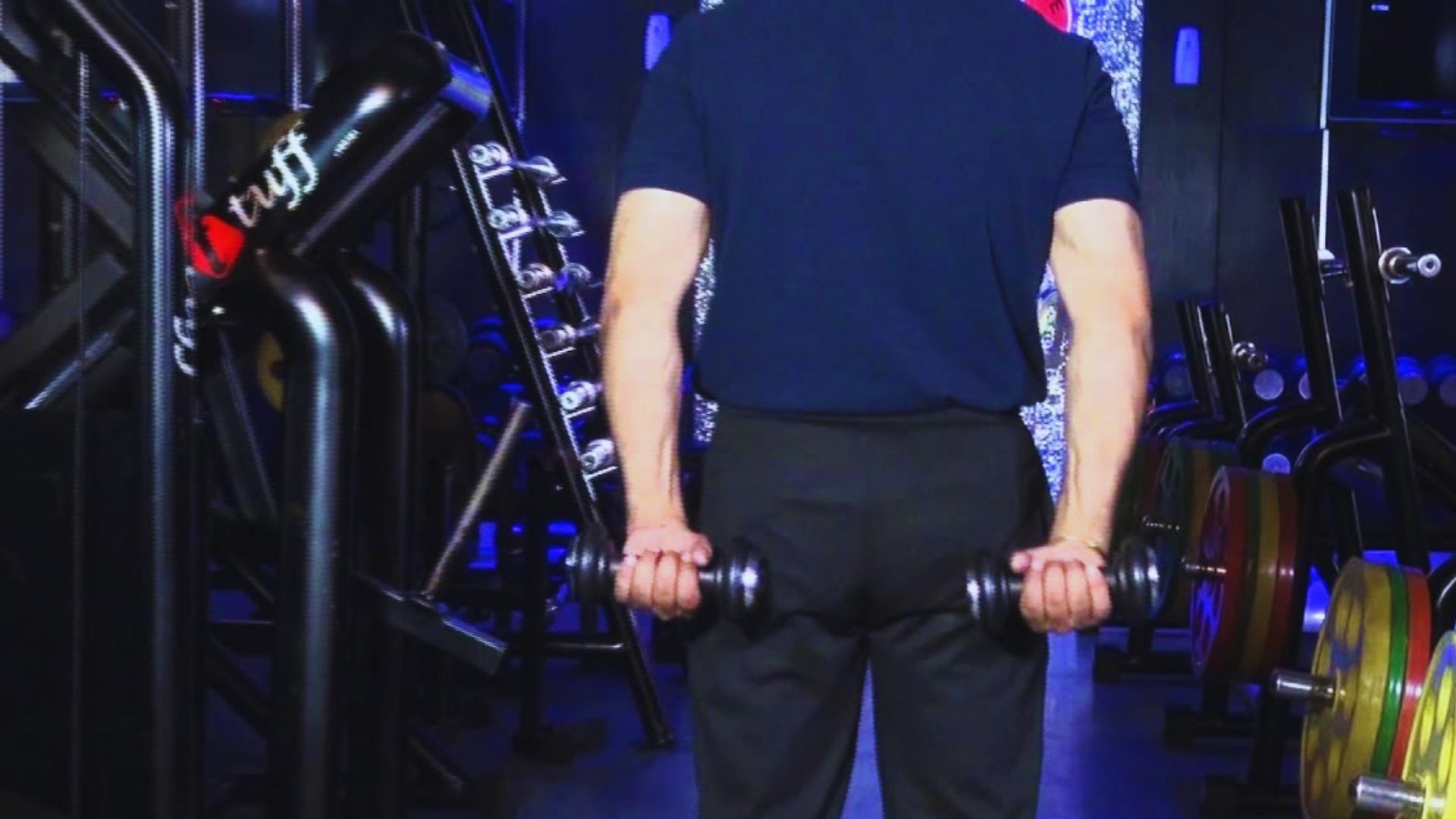
Stand with dumbbells hanging behind your body, palms facing outward. Curl your wrists upward without moving your arms.
This position creates a deep stretch in the forearm flexors at the bottom of each rep, which is something seated wrist curls cannot replicate. That extra range of motion adds quality muscle stimulus.
Keep the weight light and focus entirely on feeling the forearm muscles work through the full movement.
9. Incline Dumbbell Curl Hold
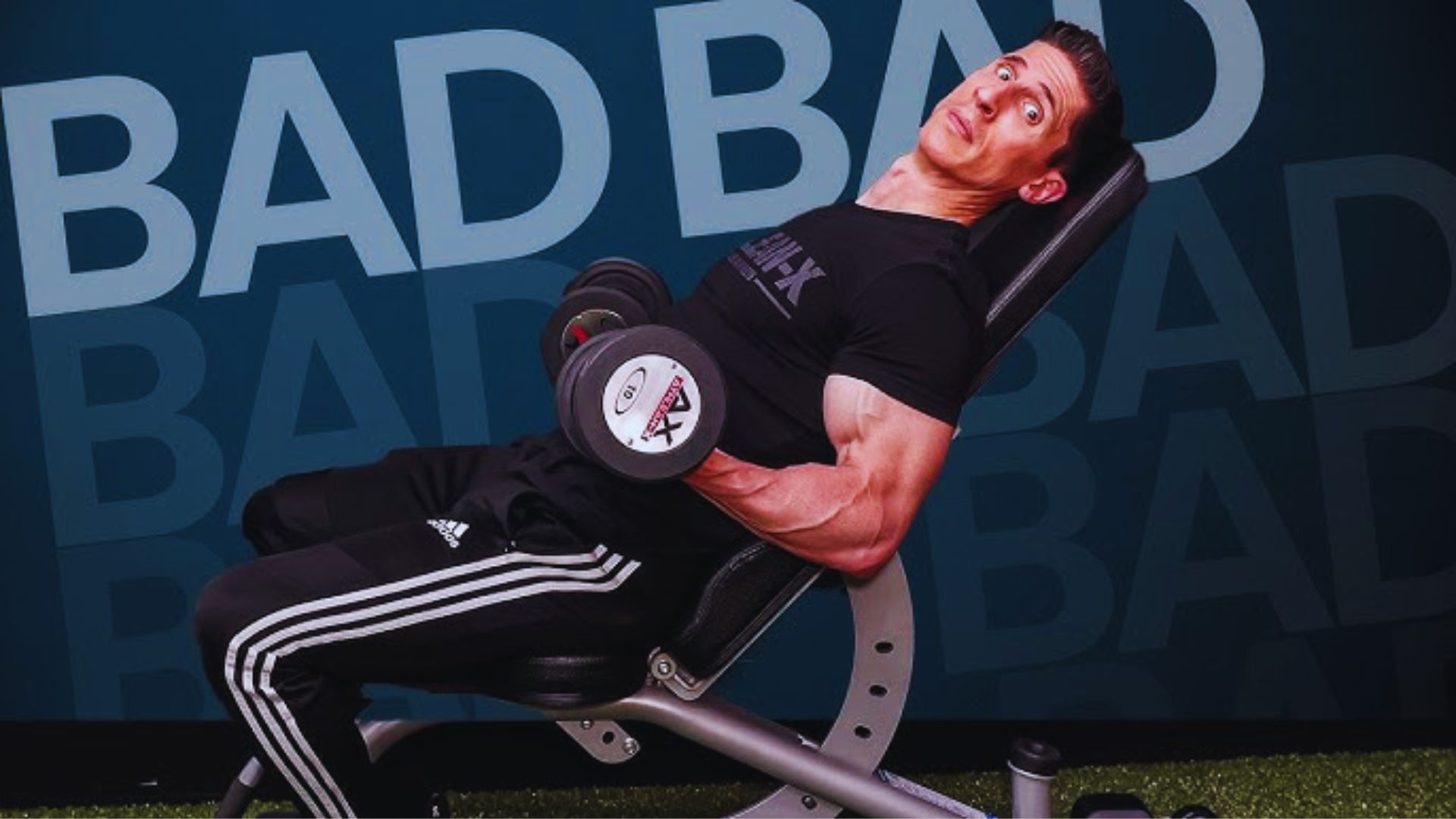
Set an incline bench at about forty-five degrees. Hold dumbbells in a mid-curl position, arms at ninety degrees, and simply hold that position for time.
The isometric tension this creates in the forearms is significant. Holding a fixed position under load builds endurance and strength in the muscles that stabilise your wrist during dynamic movements.
Start with twenty to thirty second holds and build from there. This one burns quickly.
10. Dumbbell Finger Curls
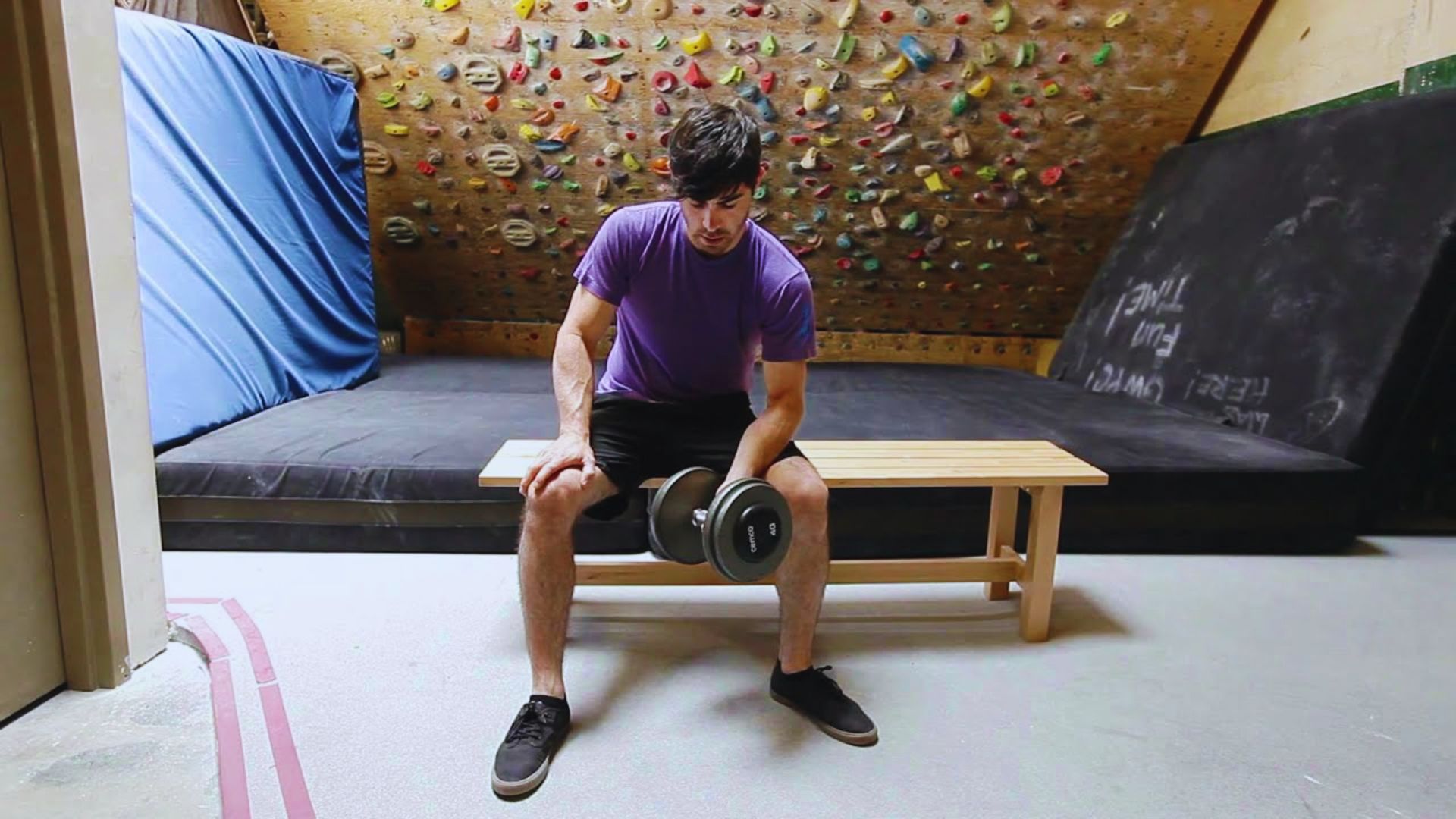
Hold a dumbbell in your palm and let it roll down to your fingertips. Then curl your fingers back up to grip it fully.
This is an advanced grip strength builder that trains the muscles responsible for finger flexion. Those muscles contribute directly to how securely you can grip a barbell or dumbbell during heavy compound lifts.
Use a light to moderate dumbbell. Control matters far more than weight here.
11. Towel Grip Dumbbell Holds
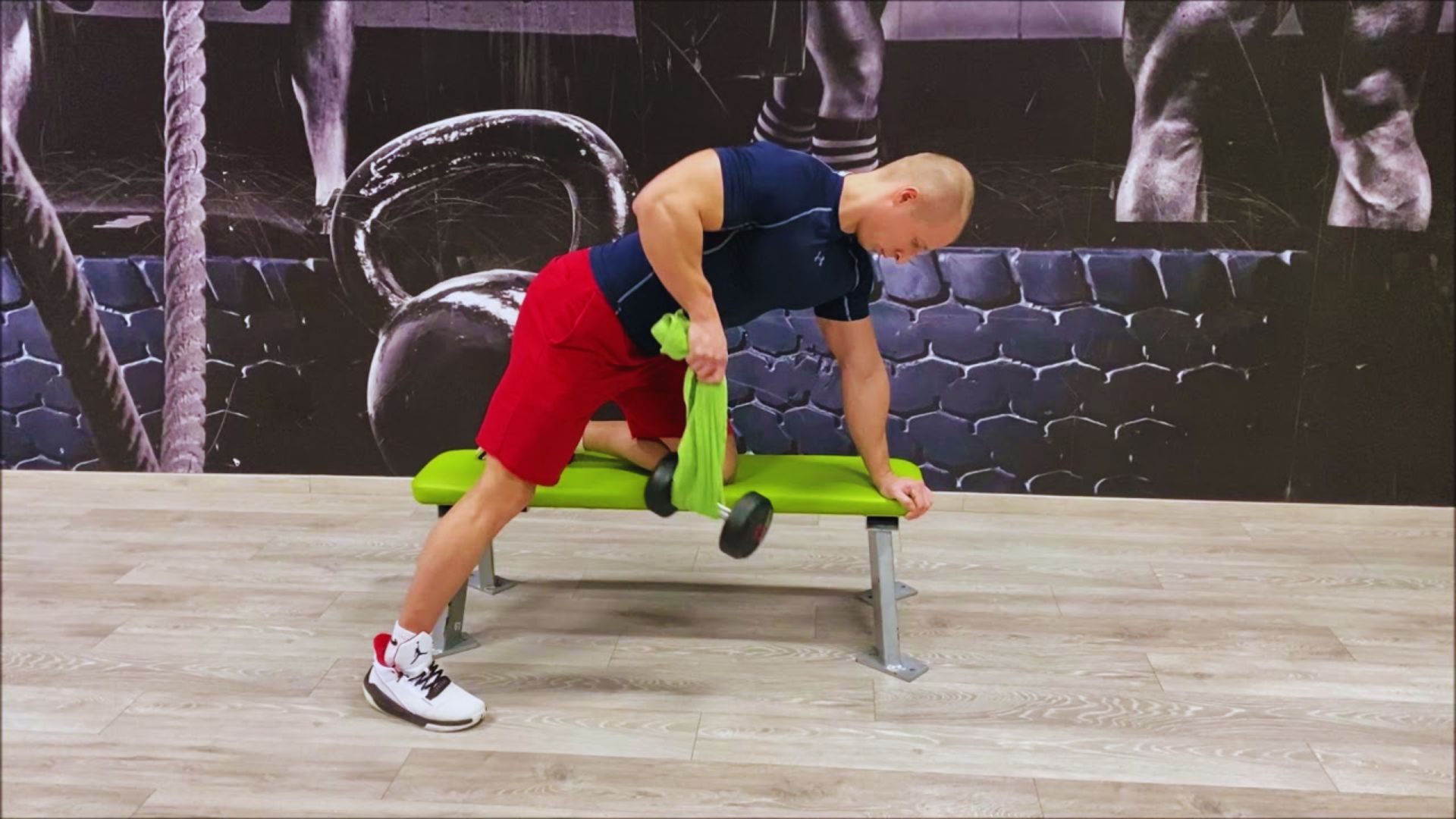
Loop a small towel through a dumbbell handle and grip both ends of the towel rather than the handle itself. Now hold it at your side.
Gripping a thick, unstable surface like a towel forces your forearm muscles to work far harder than a standard handle would. This is a simple and effective way to simulate thick bar training at home.
Even a thirty-second hold with a moderate weight will light your forearms up fast.
12. Dumbbell Wrist Roller (DIY)
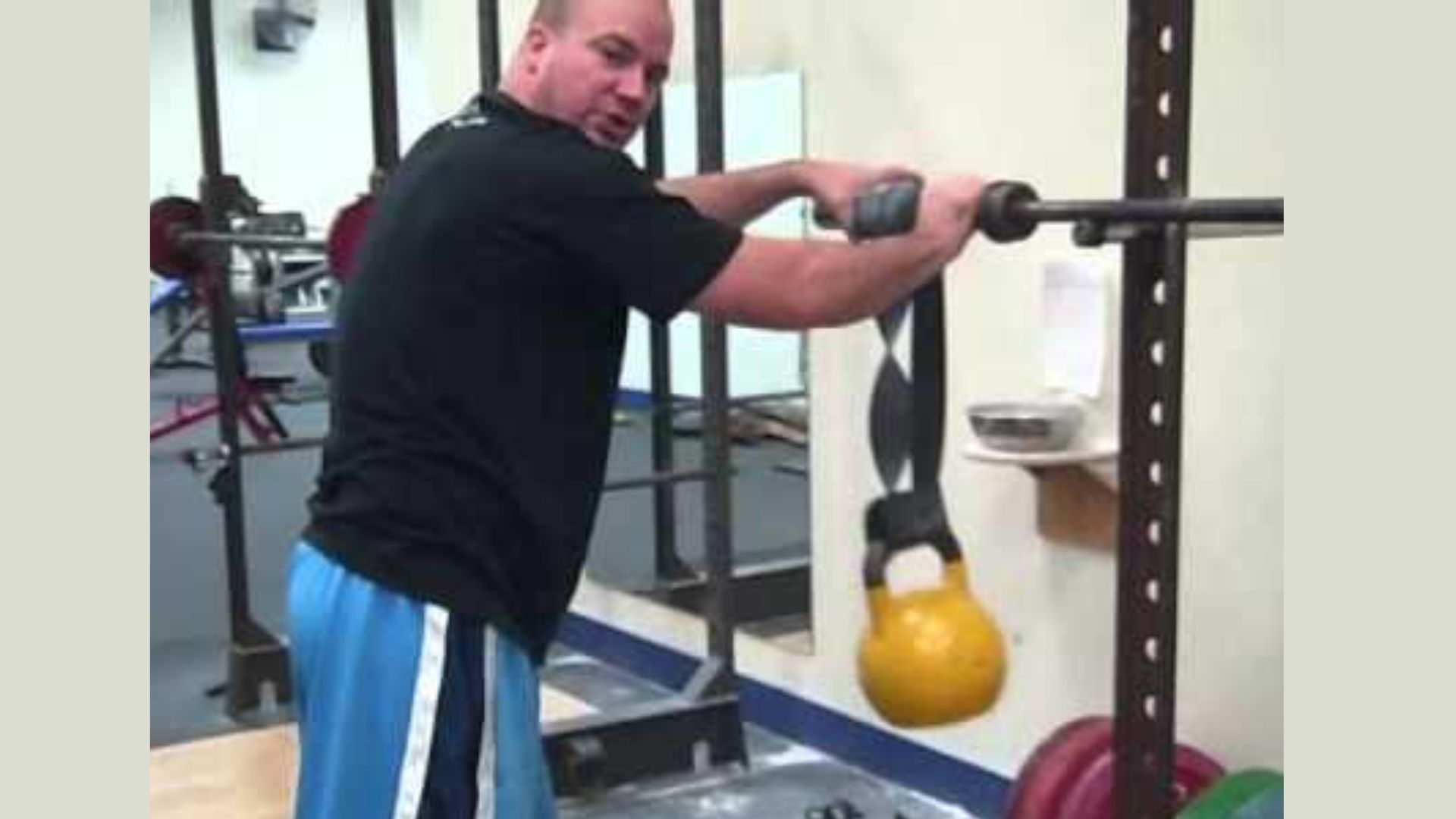
Tie a rope or resistance band to a light dumbbell and attach the other end to a short bar or broomstick. Hold the bar out in front of you and roll the weight up by rotating your wrists, then lower it back down.
This functional exercise builds forearm strength through a rolling motion that targets both the flexors and extensors across the full range of wrist movement.
It looks simple but becomes very challenging within a few rotations.
13. Cross-Body Hammer Curls

Hold a dumbbell in one hand with a neutral grip. Instead of curling straight up, curl the weight across your body toward the opposite shoulder.
This small change in angle intensifies the focus on the brachioradialis. It also reduces how much your front deltoid gets involved, keeping the stress more specifically on the forearm and upper arm muscles you are trying to develop.
Alternate arms for each rep and keep the movement controlled throughout.
14. Static Dumbbell Holds
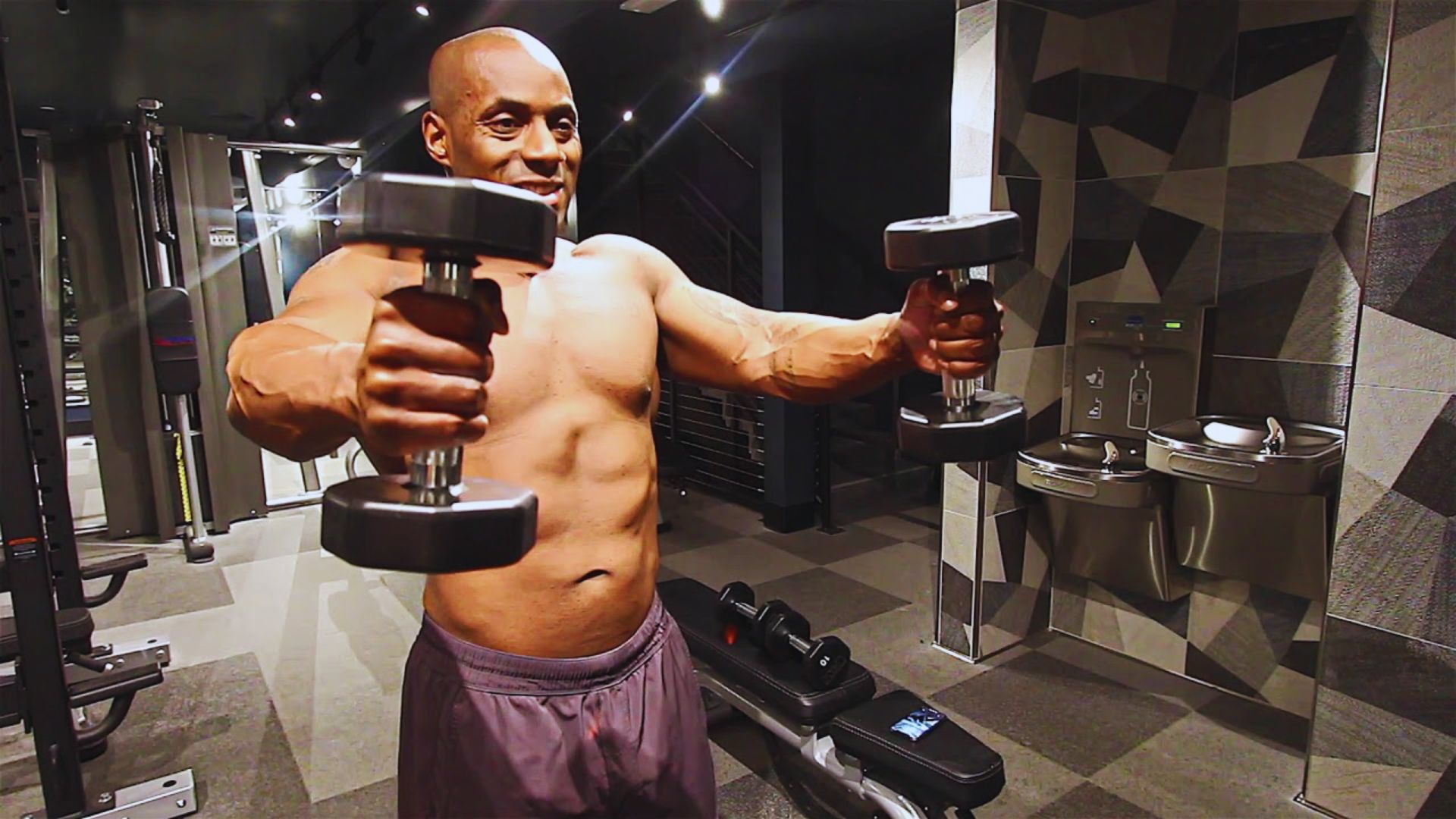
Pick up a pair of dumbbells and simply stand and hold them at your sides for as long as you can. When your grip fails, rest and repeat.
This is one of the most straightforward forearm workouts with dumbbells at home. No technique to overthink, no complicated setup. Just time under load, which is exactly what builds grip strength and forearm endurance.
Increase the weight progressively as your hold time improves.
15. Reverse Grip Dumbbell Rows

Set up for a standard single-arm dumbbell row but flip your grip to an overhand position before you begin. Row the weight up toward your hip as normal.
The overhand grip pulls the forearm extensors into the movement, adding forearm engagement to what is already a solid back exercise. It is one of the most efficient compound moves for getting extra forearm work in without adding dedicated isolation exercises.
Keep your wrist neutral and do not let it collapse under the weight.
Tips to Grow Bigger and Stronger Forearms Faster
Doing the exercises is only part of the equation.
The habits around your training determine how quickly you actually see and feel results. Apply these consistently and your forearms will respond noticeably faster.
Here is what to focus on:
- Apply progressive overload: Gradually increase weight, reps, or time under tension every week. Your forearms adapt quickly and need consistent new challenges to keep growing
- Train two to three times per week: More frequent training with moderate volume works better for forearms than one long weekly session
- Slow your reps down: A two-second lift and three-second lowering tempo increases muscle tension far more than fast, sloppy repetitions
- Prioritise recovery and nutrition: Muscles grow during rest, not during training. Adequate protein intake and sleep directly affect how fast your forearms develop
- Do not train through wrist pain: Forearm training puts real stress on the wrists and elbows. Back off at the first sign of sharp pain rather than pushing through it
Consistency with these habits over eight to twelve weeks will produce results that no single workout or clever technique can replace on its own.
Conclusion
Forearms are the most overlooked muscle group in most training routines. And honestly, that is your advantage right now.
While everyone else is ignoring them, you can build grip strength and visible forearm development that most people simply do not have.
All it takes is a pair of dumbbells and the commitment to show up consistently.
So which exercise from this list are you adding to your next session? Drop it in the comments below.
And if this guide helped you, share it with someone whose grip keeps giving out before their muscles do.
Frequently Asked Questions
Are Forearm Workouts with Dumbbells Effective?
Yes, they are highly effective for building grip strength, forearm size, and muscle balance when performed consistently with progressive overload. Dumbbells allow a full range of wrist motion that machines cannot replicate.
How Often Should I Train Forearms with Dumbbells?
Two to three times per week is the ideal frequency for most people, allowing enough stimulus for growth alongside adequate recovery time. Training them more than four times per week without rest increases injury risk significantly.
Can I Do Forearm Workouts with Dumbbells at Home?
Absolutely. Dumbbells require minimal space and no additional equipment, making them perfect for home training. Most of the exercises in this list can be done seated on a chair or standing in a small room.
What Are the Best Forearm Workouts with Dumbbells for Beginners?
Wrist curls, hammer curls, and farmer’s walks are the best starting point for beginners because they are straightforward to learn and immediately effective. Master these three before adding more complex movements to your routine.
How Long Does It Take to Build Bigger Forearms?
With consistent training and good nutrition, most people notice visible and functional improvements within four to eight weeks. Forearms respond well to regular training and tend to show results relatively quickly compared to larger muscle groups.